
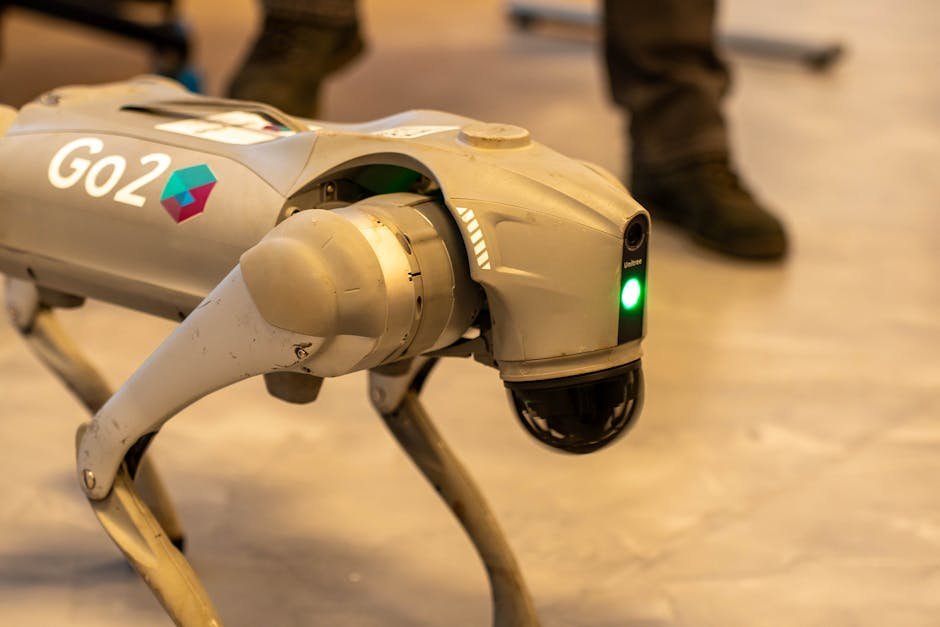
Guadalupe, Mexico — Local authorities introduced four quadrupedal robots earlier this month to bolster safety measures at the BBVA Stadium ahead of the 2026 FIFA World Cup.[1][2] These K9-X units mark a significant step in integrating robotics into public security, particularly for high-stakes events drawing global crowds. As Mexico co-hosts the tournament with the United States and Canada, such innovations aim to protect both fans and officers amid anticipated challenges.[3]
K9-X Division Makes Debut with Bold Vision
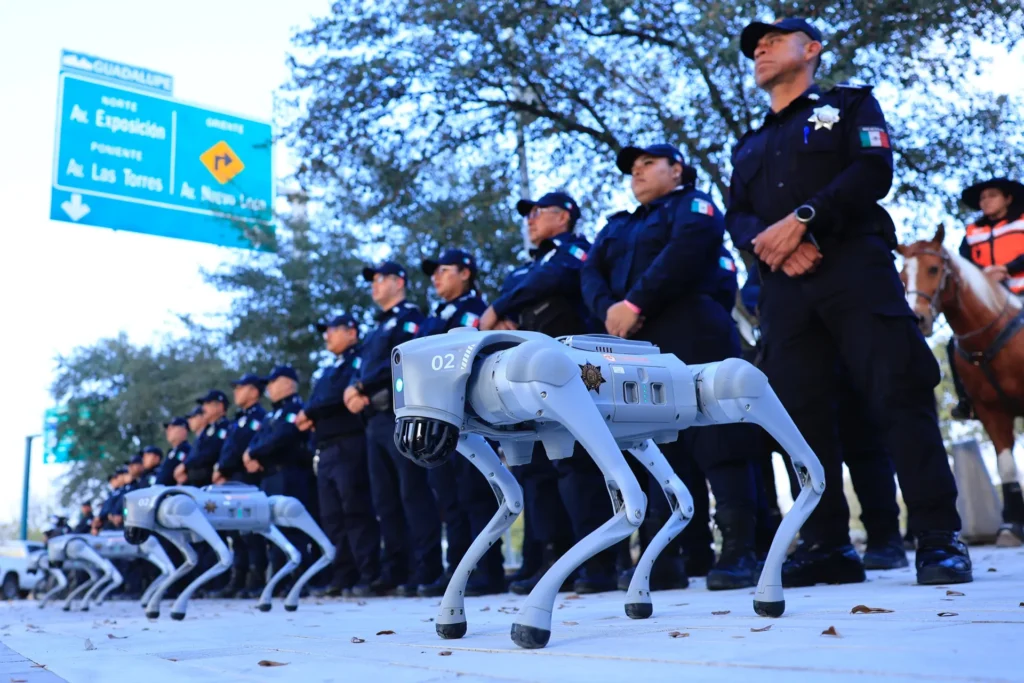
Mayor Héctor García unveiled the robots during a February press conference, emphasizing their role in frontline operations. He explained that the K9-X robot dogs would support police through initial interventions, delivering live video feeds before human teams advanced into hazards.[1] This approach stemmed from recent tragedies, including the loss of two officers on patrol last year, prompting a shift toward technology-led risk assessment.[2]
García highlighted the synergy between human expertise and machinery. “We have good police officers, and we are working hand in hand with cutting-edge technology for the safety of the people of Guadalupe,” he stated.[4] The investment totaled about 2.5 million pesos, roughly $145,000, for the quartet of units.[3] Officials positioned the deployment as preventive, focusing on deterrence rather than confrontation.
Advanced Features Power Robotic Patrols
The K9-X robots feature robust designs suited for demanding environments. Constructed from resistant materials, they navigate stairs, uneven terrain, and confined spaces with ease.[1] High-definition cameras paired with night-vision lenses provide clear imagery around the clock, while speakers enable two-way communication for issuing directives remotely.
Operators control the semi-autonomous machines much like drones, ensuring human oversight at every step. Key capabilities include:
- Live video streaming to command centers for real-time threat evaluation.
- Detection of suspicious objects or unusual crowd behavior.
- Initial responses to altercations, such as fights or incidents involving intoxicated individuals.
- Perimeter scans, including vehicle undersides at entrances.
- Voice commands to de-escalate situations without officer exposure.
Unlike armed variants seen elsewhere, these robots prioritize surveillance and reconnaissance.[2]
Targeted Role at BBVA Stadium
BBVA Stadium, temporarily renamed Estadio Monterrey, anchors the robots’ primary mission. The venue in Guadalupe will host four World Cup fixtures: three group-stage contests and one round-of-16 matchup between June 14 and 29, 2026.[5] With a capacity exceeding 53,000, the site expects packed stands and bustling surroundings during the event.
The K9-X team will roam entrances, pedestrian bridges, corridors, and high-traffic zones. Early field tests during a CONCACAF Champions Cup match with 10,000 spectators proved effective, relaying footage and maintaining order seamlessly.[2] Officials plan expanded use as crowds swell to full capacity for the international spectacle.
Integrated into Comprehensive Security Framework
The robot dogs form one pillar of Guadalupe’s multifaceted preparations. Surveillance drones will monitor aerial views, complemented by anti-drone systems to counter unauthorized flights.[3] This layered strategy addresses crowd dynamics, potential disturbances, and the influx of millions of visitors across host cities.
Mexico’s World Cup venues, including Mexico City and Guadalajara, undergo similar upgrades. Yet Guadalupe’s initiative stands out for its robotic vanguard, blending tradition with innovation to safeguard the tournament’s spirit.[4]
Training continues to refine operator skills, ensuring seamless integration. The non-weaponized focus reassures communities while enhancing response times.
Key Takeaways
- Four K9-X robots cost $145,000 and equip police with first-response tools.
- Deployment targets BBVA Stadium’s four World Cup games in June 2026.
- Broader plans include drones to manage crowds and threats effectively.
As the 2026 World Cup approaches, Guadalupe’s robot dogs signal a future where technology shields the beautiful game. This proactive stance promises safer spectacles for fans worldwide. What do you think about robotic aids in stadium security? Tell us in the comments.


