
Have you ever looked into your dog’s eyes and felt like something ancient was staring right back at you? There’s a reason for that feeling. Your beloved companion, no matter the breed, carries a deep, wild legacy encoded in every cell of their body. Science has confirmed what dog lovers have always sensed on some intuitive level: our dogs are far more wolf than we might dare to imagine.
Dogs and wolves are genetically 99.9% identical. Let that sink in for a moment. The fluffy Samoyed napping on your couch and the wolf howling at the moon in Yellowstone are practically the same creature at the DNA level. Almost two thirds of breed dogs have wolf ancestry within their nuclear genome, and wolf ancestry correlates with traits like size, function, and personality characteristics.
Some breeds, though, carry that wild thread more tightly than others. These are the dogs scientists call “ancient breeds,” and their stories are absolutely fascinating. So let’s dive in.
1. Siberian Husky: The Arctic Wolf in Disguise
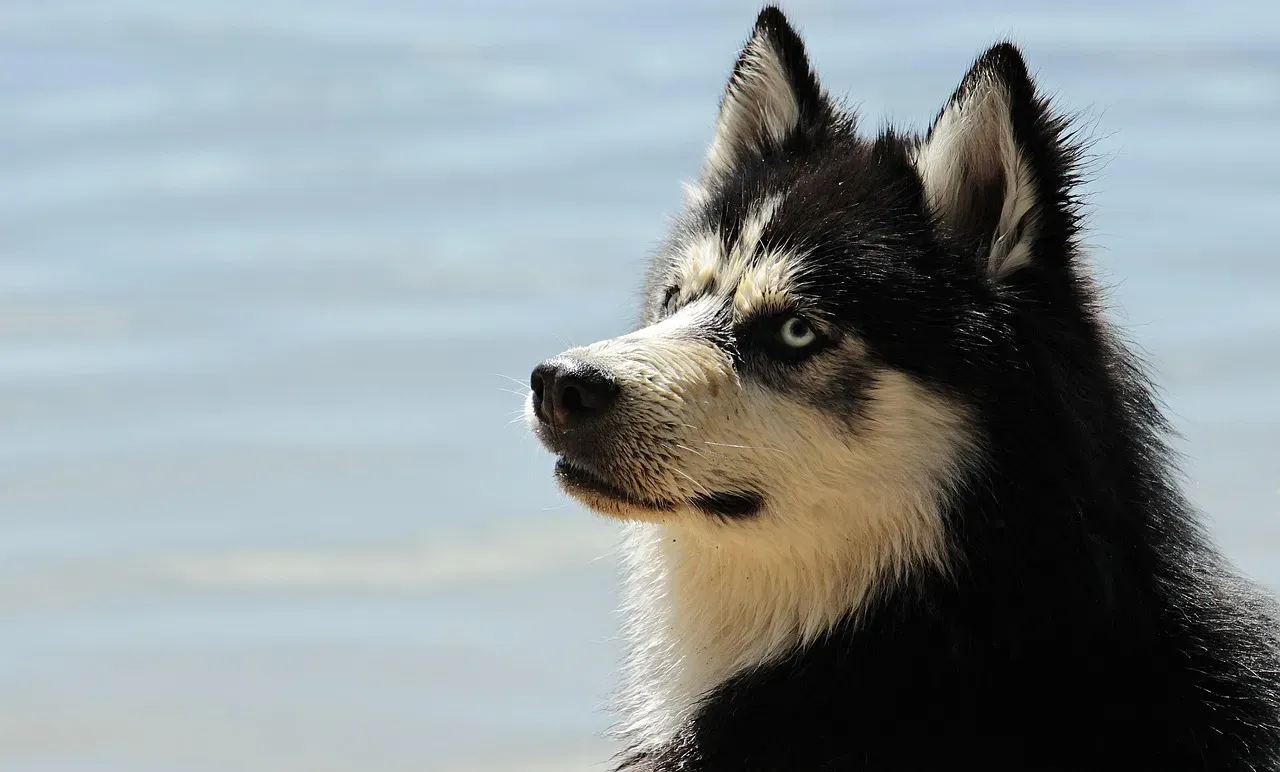
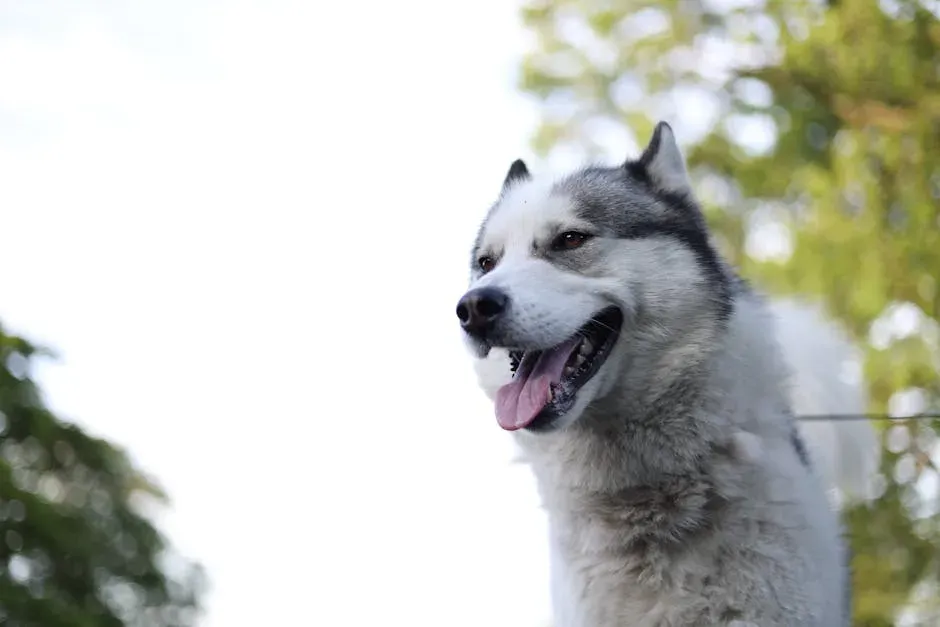
Let’s be real, when most people picture a wolf-like dog, the Siberian Husky is usually the first one to come to mind. Those piercing eyes, that thick double coat, and those pointed ears are not just aesthetics. Siberian Huskies show a genetic affinity with historical East Siberian dogs and ancient Lake Baikal dogs, and can be traced to a lineage which is over 9,500 years old. That’s an ancient bloodline running through the dog currently stealing your blanket at night.
Several Arctic dog breeds, including the Siberian Husky, show a significant genetic closeness with the now-extinct Taimyr wolf of North Asia due to admixture. This wolf connection isn’t just cosmetic. The Husky usually howls instead of barking, and they are known to mimic high-frequency noises, such as ambulance sirens, as well as human speech. If you own a Husky, you already know this. That famous “talking” is pure wolf heritage on full display.
As a care note, Huskies exhibit high energy indoors, have special exercise needs, and may be destructive “without proper care.” Think of it this way: you’re caring for a creature whose ancestors ran across frozen tundra for miles each day. Daily vigorous exercise and mental stimulation aren’t optional for this breed, they’re survival essentials.
2. Alaskan Malamute: The Ancient Powerhouse
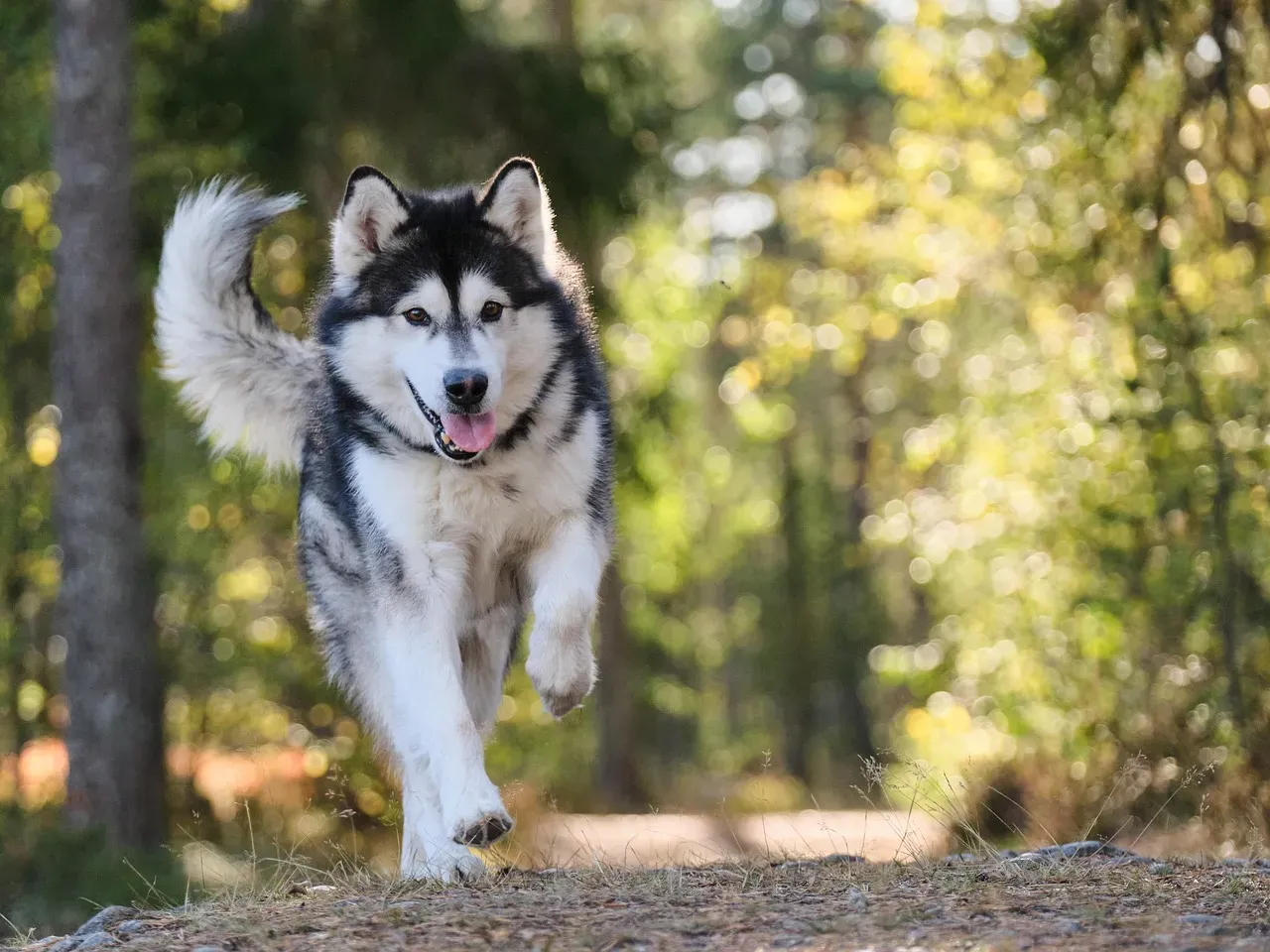
The Alaskan Malamute is larger and more robust than the Siberian Husky. Bred for strength and stamina, Malamutes were used by the Mahlemut Inuit tribe to haul heavy loads across frozen terrain. Honestly, one look at a Malamute and you get it. This is not a pampered show dog. This is a working animal with wild written all over its DNA.
The Alaskan Malamute joins the group of Arctic breeds with strong wolf affiliations. Their independent yet loyal nature mirrors the characteristics of wolves, making them a prominent example of which dog breed is closest to wolves. Malamutes are deeply loyal to their human “pack,” but they’re also strong-willed. Think of training a Malamute the way you’d think of negotiating with a very smart, very stubborn colleague. Patience, consistency, and positive reinforcement are your best tools here.
3. Shiba Inu: Japan’s Ancient Wild Soul
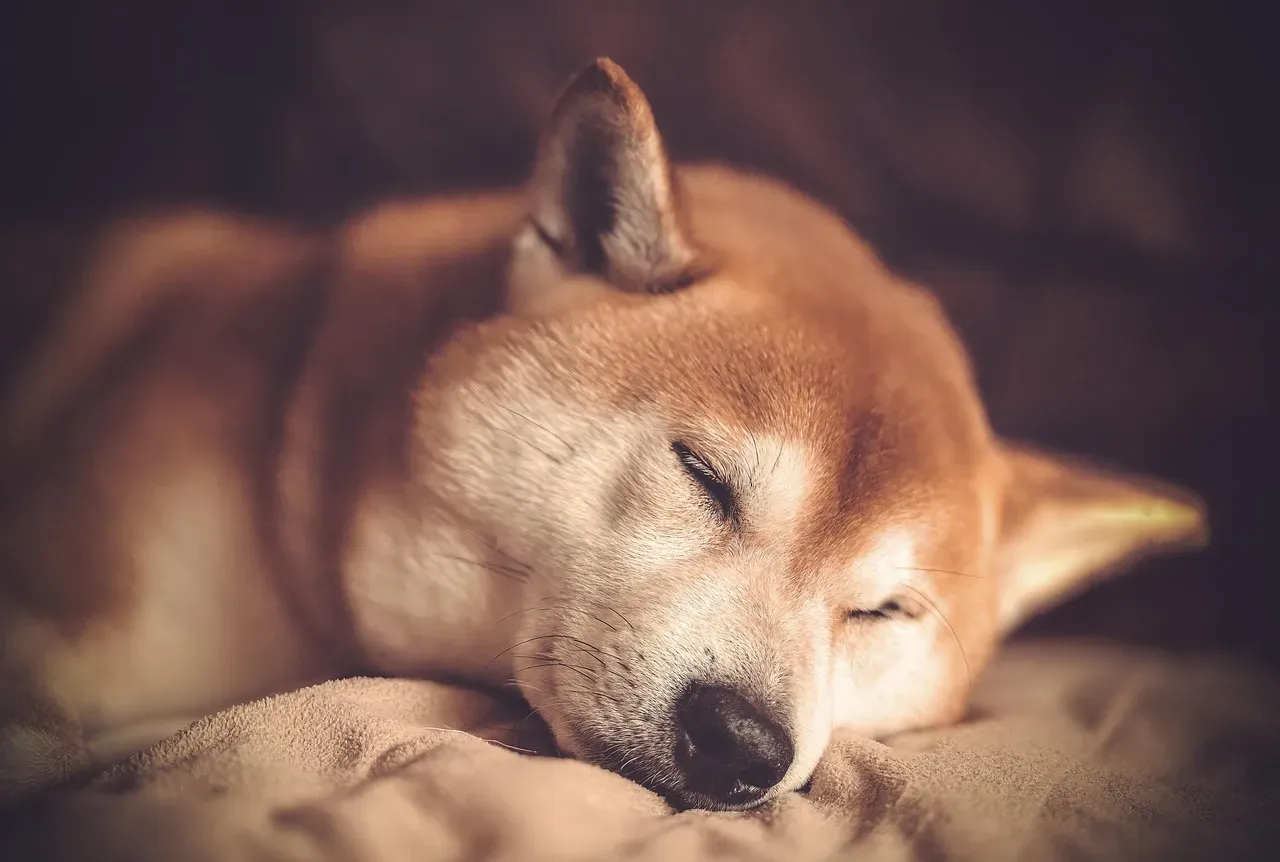
The Shiba Inu is the smallest of the Japanese breeds and is also a very ancient dog. It was originally used to hunt rabbits and birds, but is most commonly seen as a family companion today. Its DNA makeup suggests it is one of the oldest living breeds. Don’t let that compact, fox-like face fool you. Underneath all that cuteness lives a genuinely ancient, wolf-adjacent spirit.
The Shiba Inu stands out in numerous genetic studies as being among the least diverged from wolf ancestors. These breeds maintained their genetic proximity to wolves largely because they underwent less intensive breeding modification during the creation of modern dog breeds in 19th-century Europe. Their ancient lineages have preserved many original genetic markers that other breeds have lost over time. Shiba owners will tell you this translates to a dog with an almost cat-like independence, strong opinions about everything, and a flair for the dramatic. Socialization from puppyhood is genuinely important with this breed.
4. Akita: The Dignified Japanese Guardian
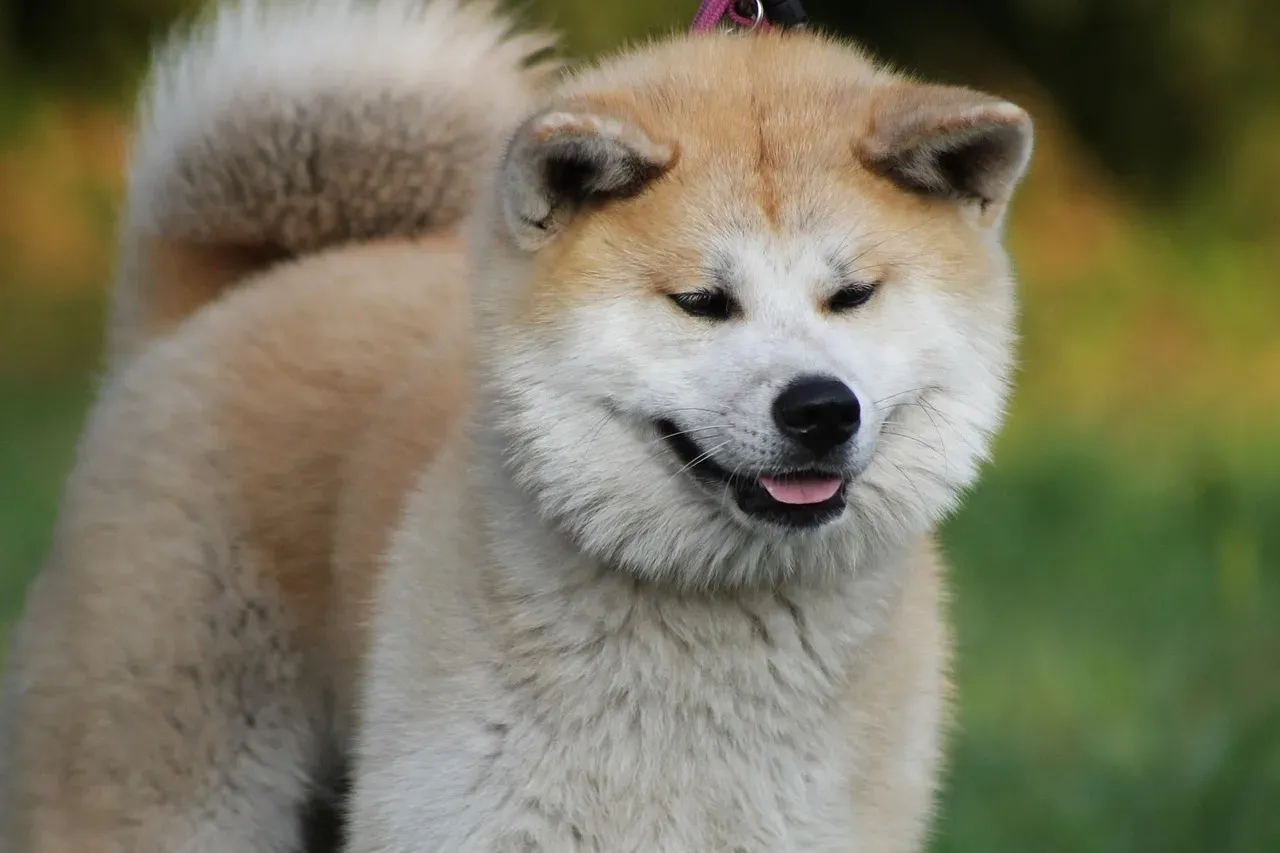
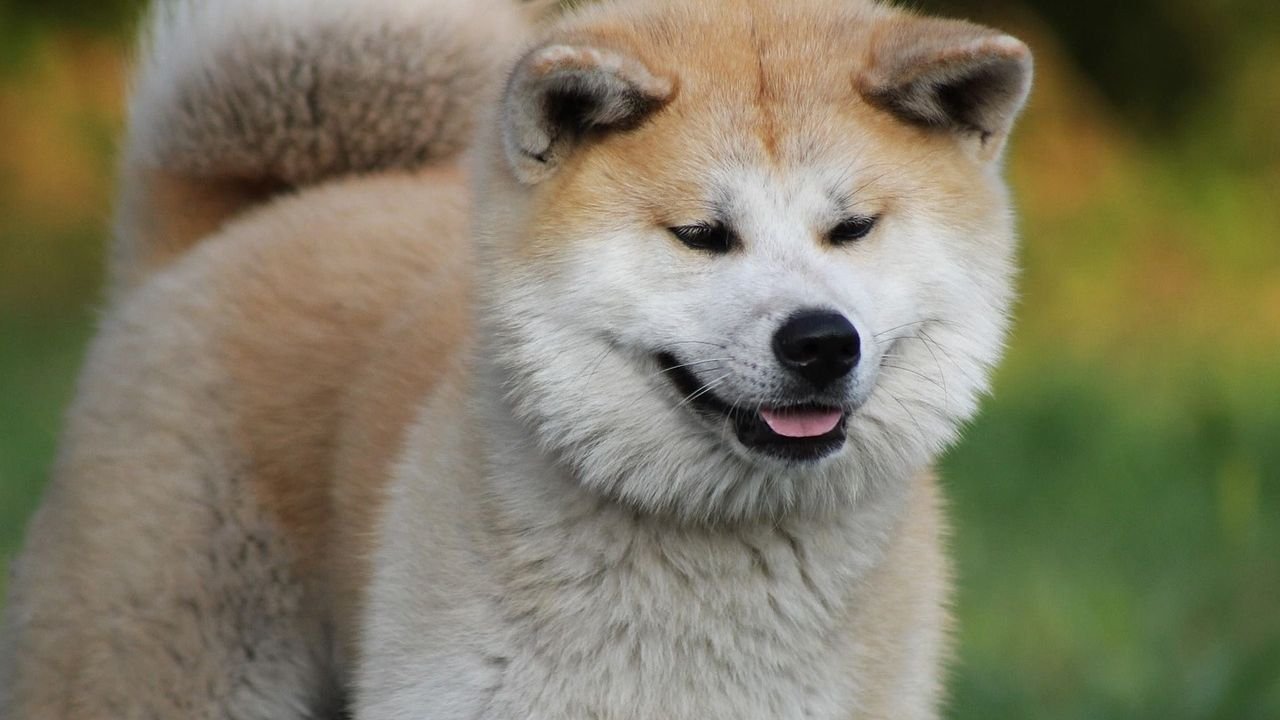
The Akita is known for its loyalty and strength. Initially bred for hunting and later used as guard dogs, Akitas possess a strong, muscular build and a commanding presence. Their close genetic relationship with wolves is evident in their independent and sometimes aloof nature. There’s an emotional gravity to the Akita that other dogs simply don’t have. They’re loyal to the bone, but they’re not going to perform for just anyone.
Among dog breeds, the Akita is grouped with the so-called ancient breeds, owing to its retention of genetic markers that indicate a very close relation to wolves. If you’ve ever met an Akita, you know they’re watchful and reserved, almost regal. Breeds with higher wolf ancestry were more often described as “suspicious of strangers,” “independent,” “dignified,” “alert,” “loyal,” “reserved,” and “territorial.” That description fits the Akita to a tee. Early socialization is critical, and this breed genuinely thrives with experienced, calm, and confident dog owners.
5. Chow Chow: The Ancient Chinese Lion Dog
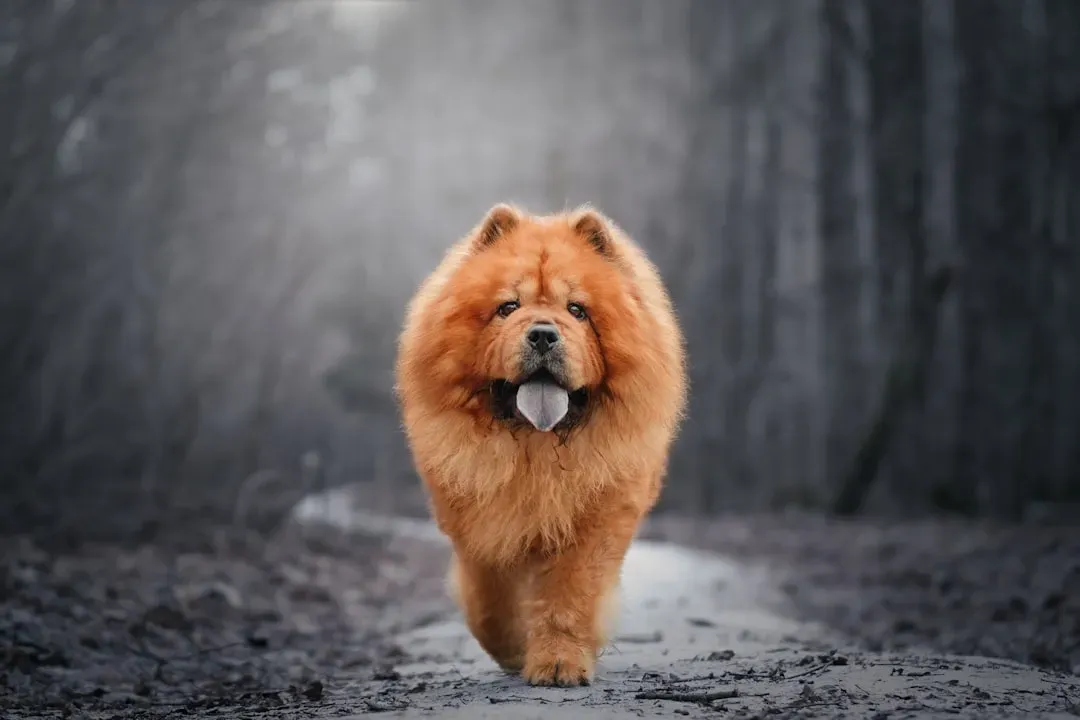
I know, I know. Looking at a fluffy Chow Chow with their lion-like mane and distinctive blue-black tongue, wolves are probably the last thing on your mind. Here’s the thing though: appearances are deeply misleading when it comes to wolf DNA. Of all Chinese breeds, the Chow Chow looks most closely like its wild ancestors. And the genetics back that up completely.
The Chow Chow is an ancient breed of hunting, guarding, and herding dog that likely originated back as far as 150 B.C. It is thought to have been a part of nomadic tribes known to move within the regions of Mongolia and China during the Han Dynasty. The Chow Chow stands out in numerous genetic studies as being among the least diverged from wolf ancestors. These breeds have maintained their genetic proximity to wolves largely because they underwent less intensive breeding modification during the creation of modern dog breeds in 19th-century Europe. Chow Chows need early socialization and a firm, loving owner who understands their naturally reserved temperament.
6. Samoyed: The Smiling Arctic Spirit
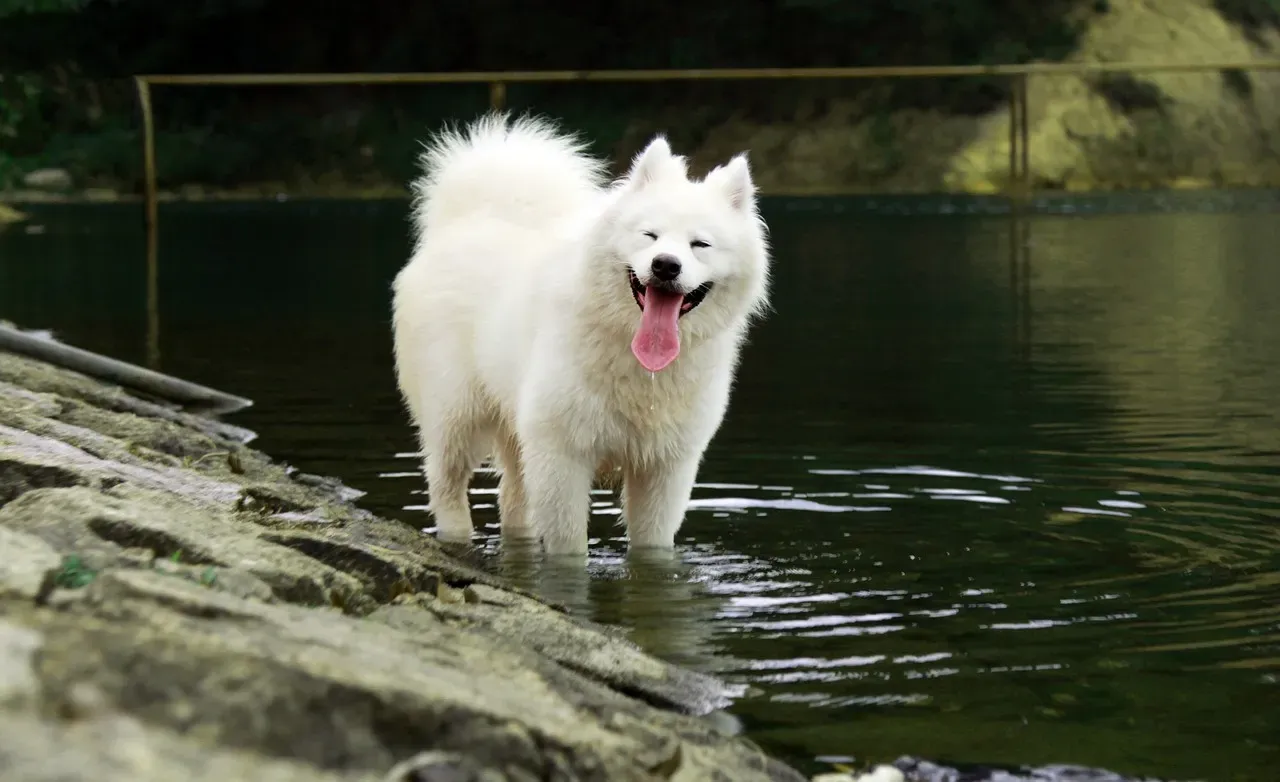
The Samoyed is one of the sled dog breeds, meaning it’s a powerful dog with a strong work ethic. It’s also a stunner with its fully white fur and wolf-like appearance. There’s something almost otherworldly about a Samoyed, like someone took a wolf, dipped it in sunlight, and turned up the happiness setting to maximum.
Several Arctic breeds, including the Samoyed, show remarkable genetic closeness to wolves. These working dogs developed in isolated northern regions, helping them retain many primitive genetic traits. Their adaptation to harsh Arctic environments has preserved genetic patterns that link them more closely to ancestral wolf populations. Their beautiful white coat needs regular brushing, and their energy levels are genuinely high. They howl, they dig, they herd. Give a Samoyed a job, and a reason to run, and you’ll have the most joyful dog you’ve ever met.
7. Basenji: Africa’s Barkless Wolf Descendant
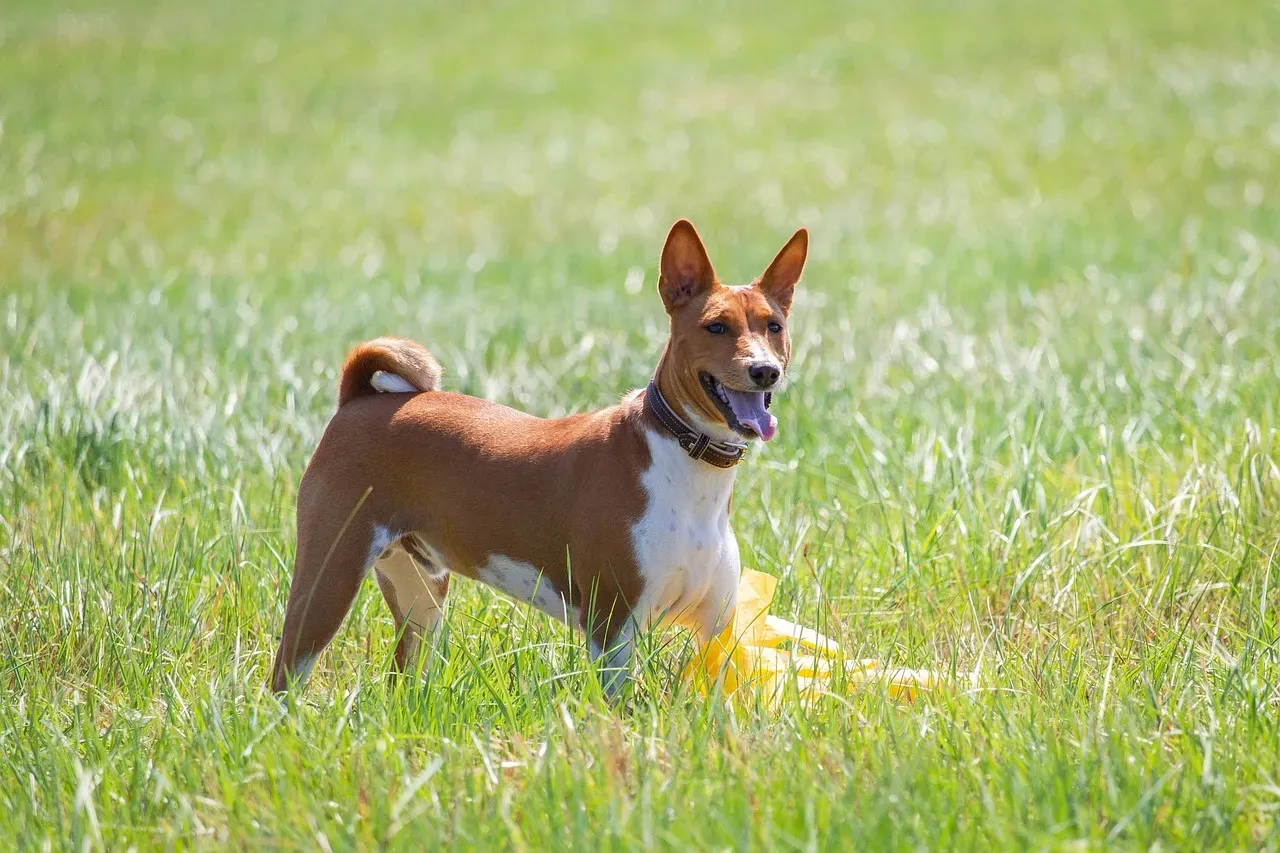
Here’s one that surprises almost everyone. The Basenji is a breed of hunting dog created from stock that originated in Central Africa, including in the Republic of the Congo and other adjacent tropical African countries. They look almost nothing like a wolf. Yet genetically, they’re remarkably close to their wild ancestors.
Basenjis possess a large amount of “wolf-like” DNA, making them one of the genetically closest breeds to wolves. Like their wolf relatives, they are excellent hunters, but instead of howling, they possess a unique bark resembling a yodeling sound. Basenjis often stand on their hind legs, somewhat like a meerkat, when they are curious about something. Basenjis have a strong prey drive. They’re clever, independent, and not easily impressed by standard training methods. Positive, consistent training with lots of patience is the only real way to win a Basenji’s cooperation.
8. Saluki: The Royal Desert Racer
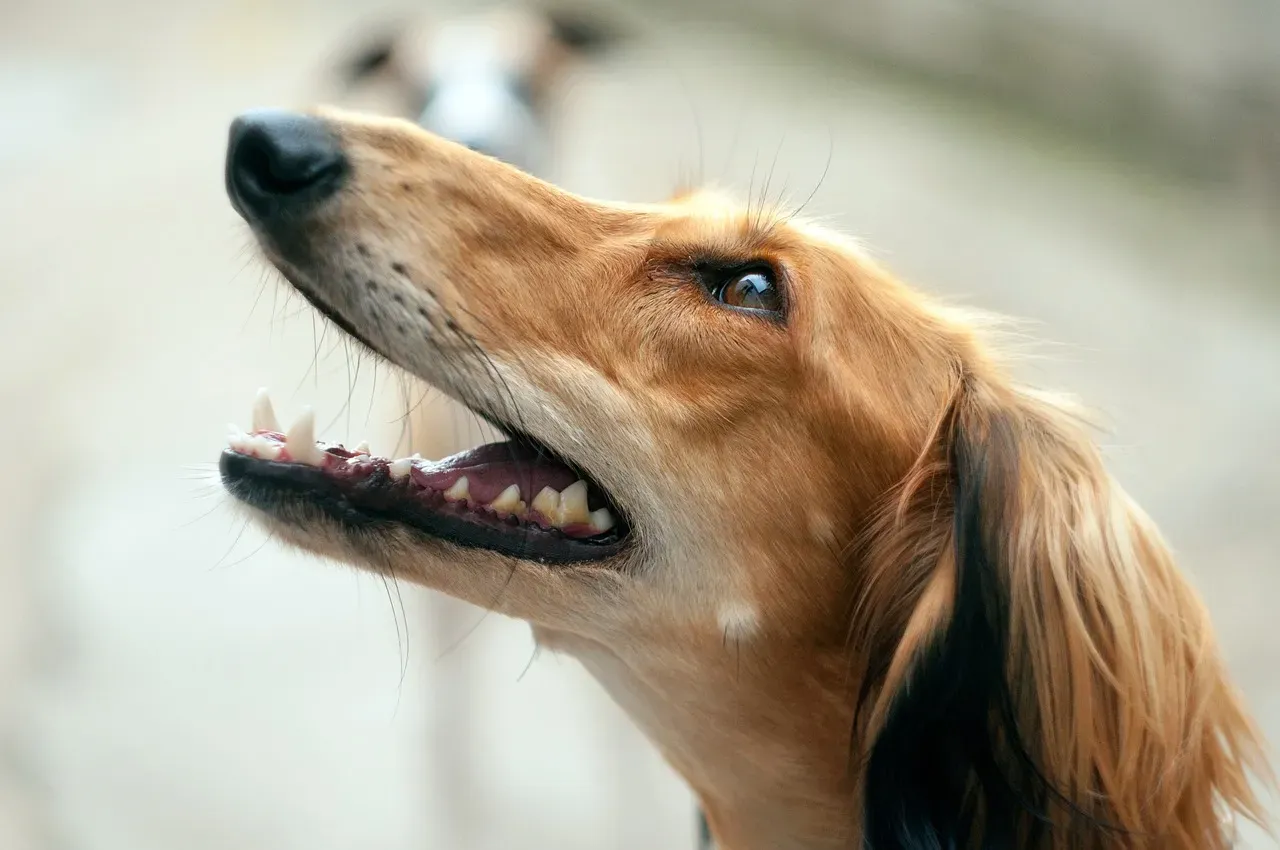
Mummified alongside pharaohs, praised by kings across continents, the Saluki carries itself like it knows its own history. The Saluki, which is tied to ancient Egypt, has a tall, lean, regal stature with long hair on its curly tail. The Saluki is also one of the oldest dog breeds, believed to date back to as early as 7000 BC. It’s hard to say for sure just how little this breed has changed over thousands of years, but the genetic evidence is striking.
The Saluki is a large dog that does not resemble a wolf, but genetically, they are among the breeds most similar to wolves. The modern Saluki has retained qualities of hunting hounds and may seem reserved to strangers. The often independent and aloof breed may be difficult to train, and they generally cannot be trusted to return to their owner when off-leash. If you own a Saluki, always use a securely fenced area for off-leash exercise. That prey drive is ancient, powerful, and genuinely impossible to outrun.
9. Shih Tzu: The Wolf in Lap Dog Clothing
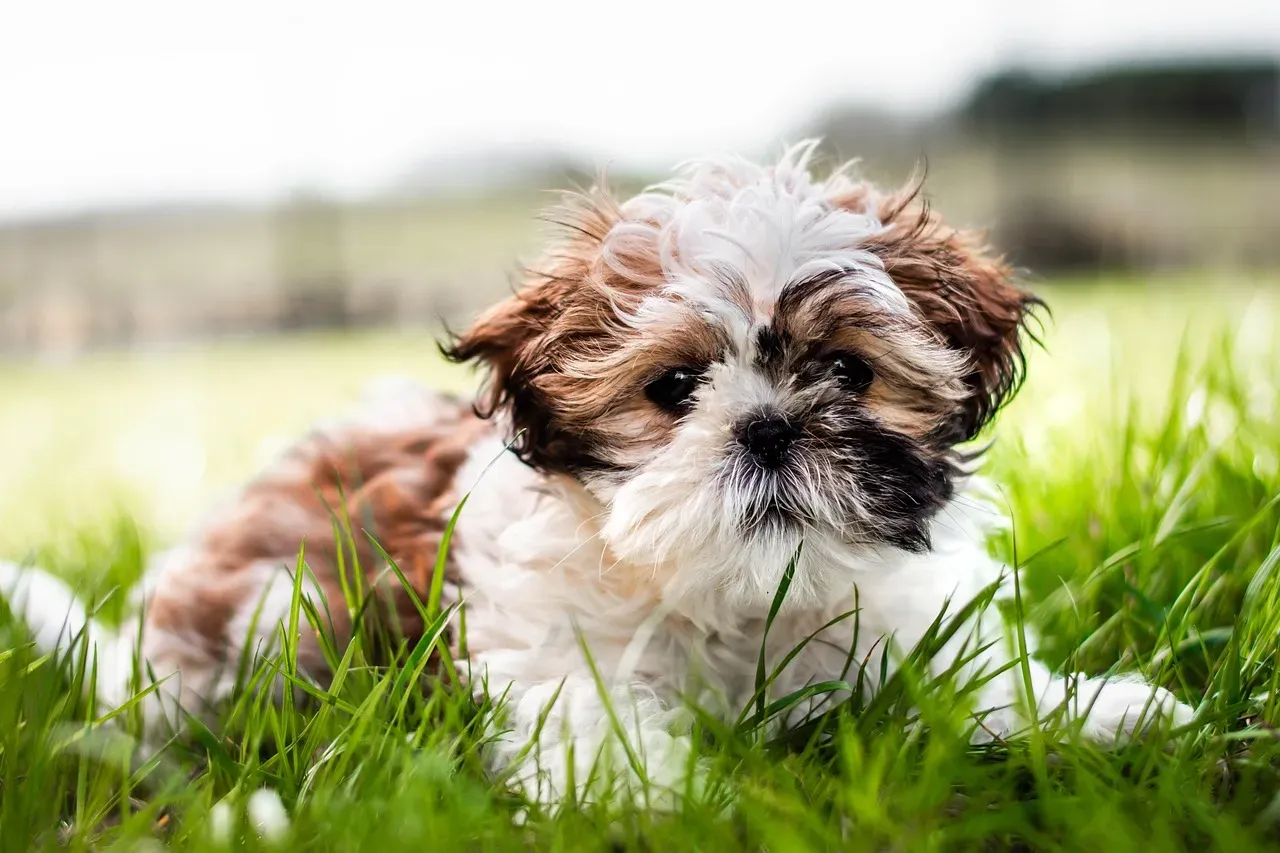
Okay, this one genuinely stops people in their tracks. The Shih Tzu. With its silky flowing hair, squished little face, and fondness for being carried everywhere. One of the dogs closest in DNA to a wolf? It sounds absurd. Although this breed looks nothing similar to wolves and other wild canids, the Shih Tzu is genetically one of the domestic breeds most closely related to wolves. It is thought that this companion breed originated in China around 800 BC.
There are behavioral similarities between the Shih Tzu and the wolf, showing that they’re closely related, such as being quite fond of and devoted to their pack members. For the Shih Tzu, instead of other wolves, its pack members are other dogs and humans. This pack devotion is real and beautiful. Shih Tzus bond fiercely with their families. One care note worth knowing: there are some health conditions the Pekingese and similar flat-faced breeds are associated with, mostly caused by brachycephalic syndrome. These breeds also require a lot of grooming because their fur grows quite long and is subject to knotting or matting. Regular vet checkups and daily grooming are essential routines for Shih Tzu owners.
10. Czechoslovakian Wolfdog: The Wolf Made Domestic
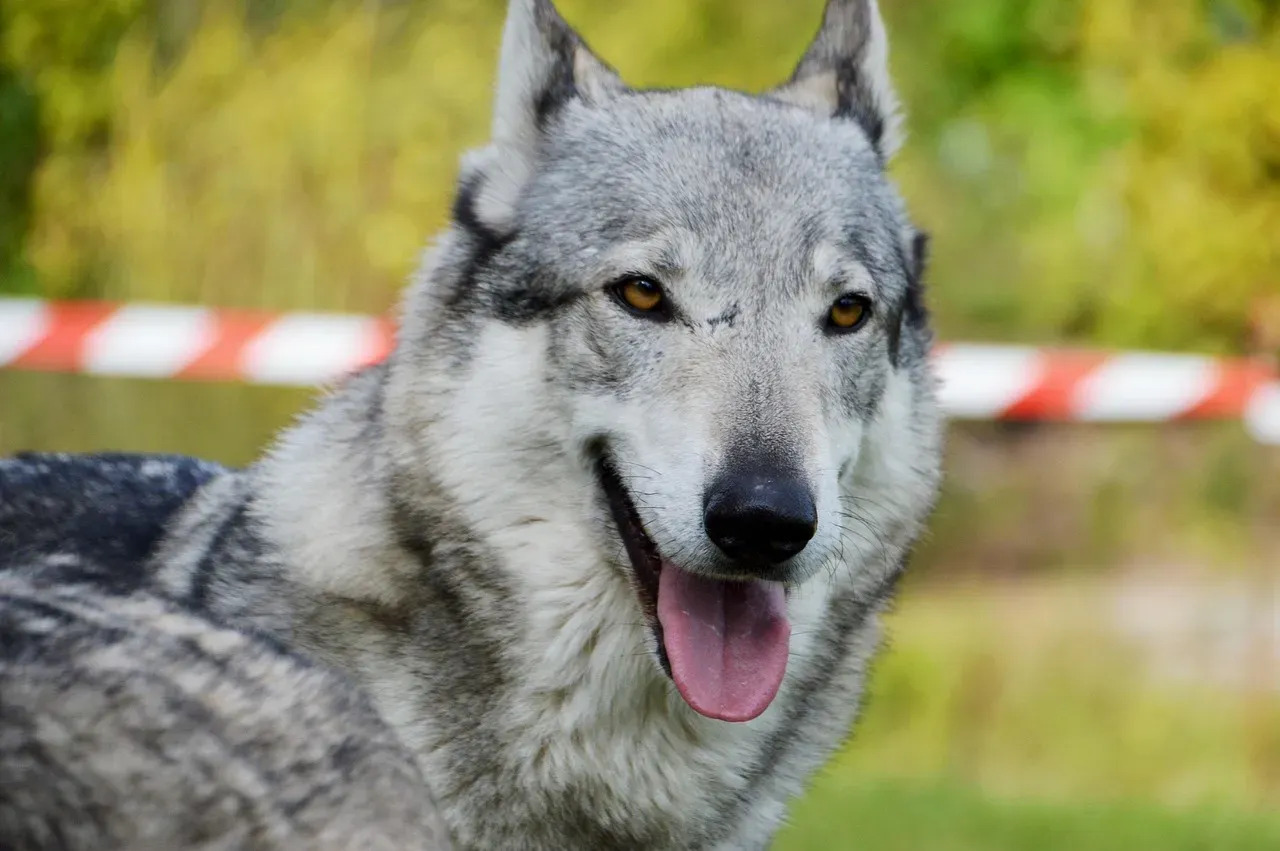
The Czechoslovakian Wolfdog was purposefully bred through hybridization with wolves and had the highest levels of wolf ancestry, between 23 to 40 percent of their genome. This isn’t metaphorical wolf closeness. This is literal, documented, and extraordinary. No other breed on this list sits this close to the wild. Owning one is an experience that dog lovers describe as unlike anything else.
The Czechoslovakian Wolfdog, specifically bred from wolves and dogs, has one of the highest percentages of wolf DNA among recognized breeds. This breed was developed by crossing domestic dogs with wolves. Notoriously difficult to train, they can be stubborn and independent, and require a patient, dedicated, and enthusiastic owner who is willing to put in a significant amount of time. This is genuinely not a beginner’s dog. Think deeply about your experience level, lifestyle, and time availability before bringing one of these extraordinary animals home.
What This All Means for You as a Dog Parent
Understanding your dog’s ancient roots isn’t just fascinating trivia. It’s genuinely useful. Wolf DNA is still present in most dog breeds, and this ancient genetic influence shows up in traits like body size, behavior, and environmental resilience. When your Husky howls, when your Akita watches strangers with deep suspicion, when your Basenji bolts after a squirrel, that’s not disobedience. That’s biology tens of thousands of years in the making.
Genetic evidence indicates that the domestication of dogs occurred at least 15,000 to 35,000 years ago. Rather than a single event, domestication probably occurred multiple times across different regions of Eurasia. Wolves may even have played an active role in their own domestication, scavenging the kills of nomadic hunters and gradually forging a mutually beneficial relationship with humans. That partnership, built across millennia, is still alive in every dog that chooses to lie at your feet tonight.
The more you understand your dog’s deepest nature, the better you can meet their needs, the stronger your bond becomes, and honestly, the more you’ll find yourself in complete awe of the extraordinary creature sharing your home. So here’s a thought to leave you with: which of these ancient breeds are you seeing differently now? Share your thoughts in the comments below.


