
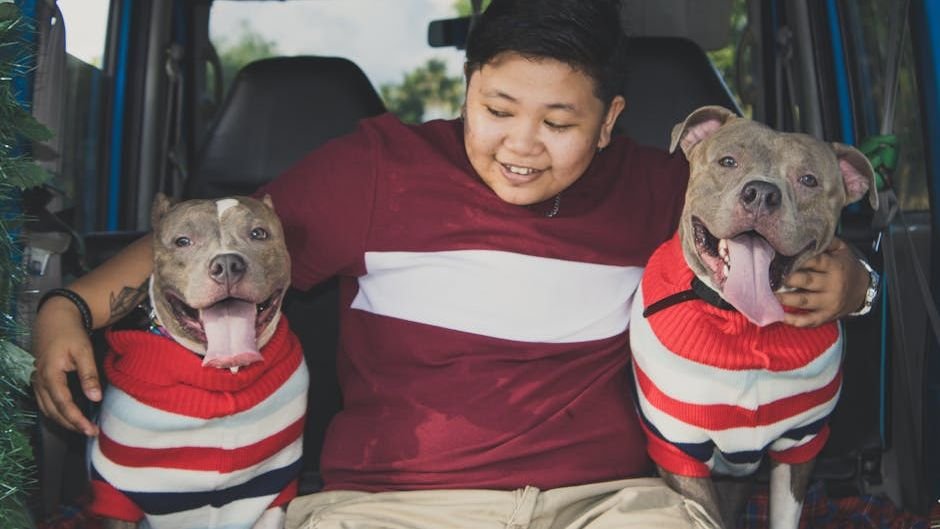
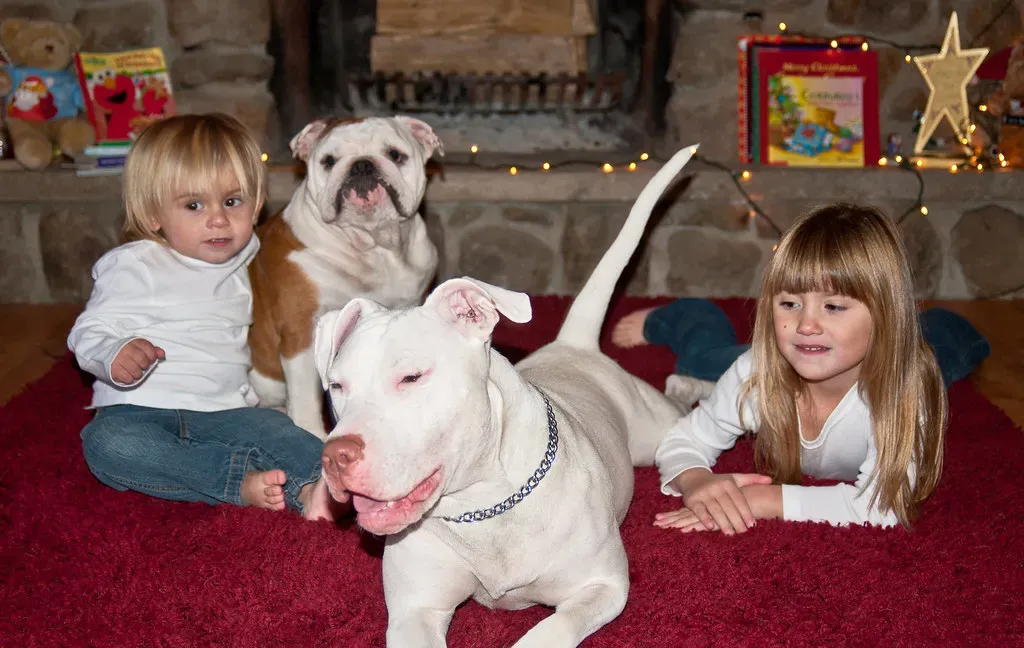
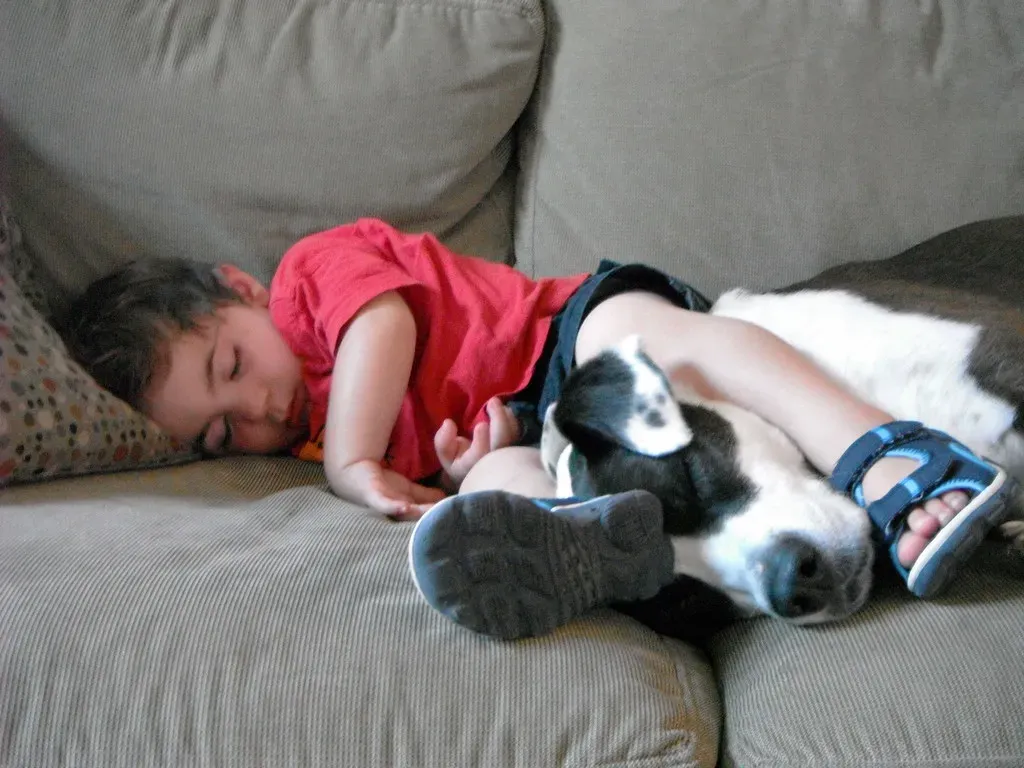
If you’ve ever seen a Pittie curled up next to a toddler, you know exactly what we’re talking about. There’s something almost magnetic about the way these dogs look at kids. Something tender. Something impossibly gentle for a dog that gets such a rough reputation in the media and in conversations at the dog park.
Honestly, the whole “nanny dog” story is one of the most misunderstood tales in dog history. Full of warmth, a little controversy, and a whole lot of heart. Are Pitbulls truly the ultimate family dogs, or is that just a feel-good story we tell ourselves? Let’s get into the real facts, the behavior cues, and what responsible dog ownership actually looks like with these big-hearted babies. Let’s dive in.
The “Nanny Dog” Story – Where Did It Even Come From?
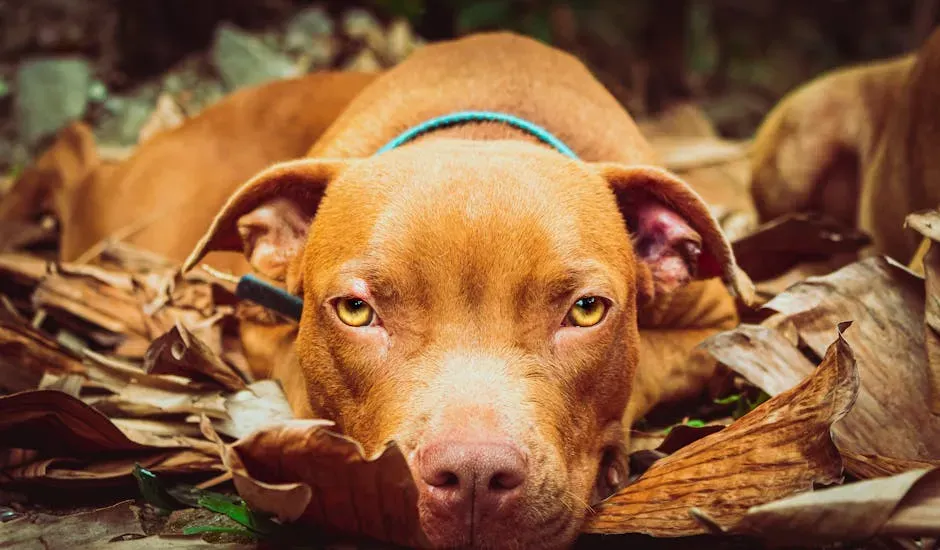
Picture early 20th century America. Working-class families, busy days, and a stocky, loyal dog watching over the kids in the yard. In the early 20th century, Pitbulls were a staple in American households. They were trusted guardians, protectors, and playmates for children, and families relied on their even temperament to watch over their young ones.
In the first part of the 20th century, Pitbulls were so popular that they were often featured in the media, including in the “Our Gang/Little Rascals” films. Famous figures including Theodore Roosevelt, Helen Keller, Thomas Edison, and Fred Astaire were Pit Bull owners and supporters during that time.
An article in 1971 printed in the New York Times can be credited with the initial origin of the Pit Bull as a nanny dog, and it featured a Staffordshire Bull Terrier breeder. Over time, the label spread to Pit Bull type dogs broadly. The term stuck, and honestly? The qualities it was meant to describe are very real, even if the formal title is more folklore than official designation.
Their Temperament Test Scores Tell a Surprising Story
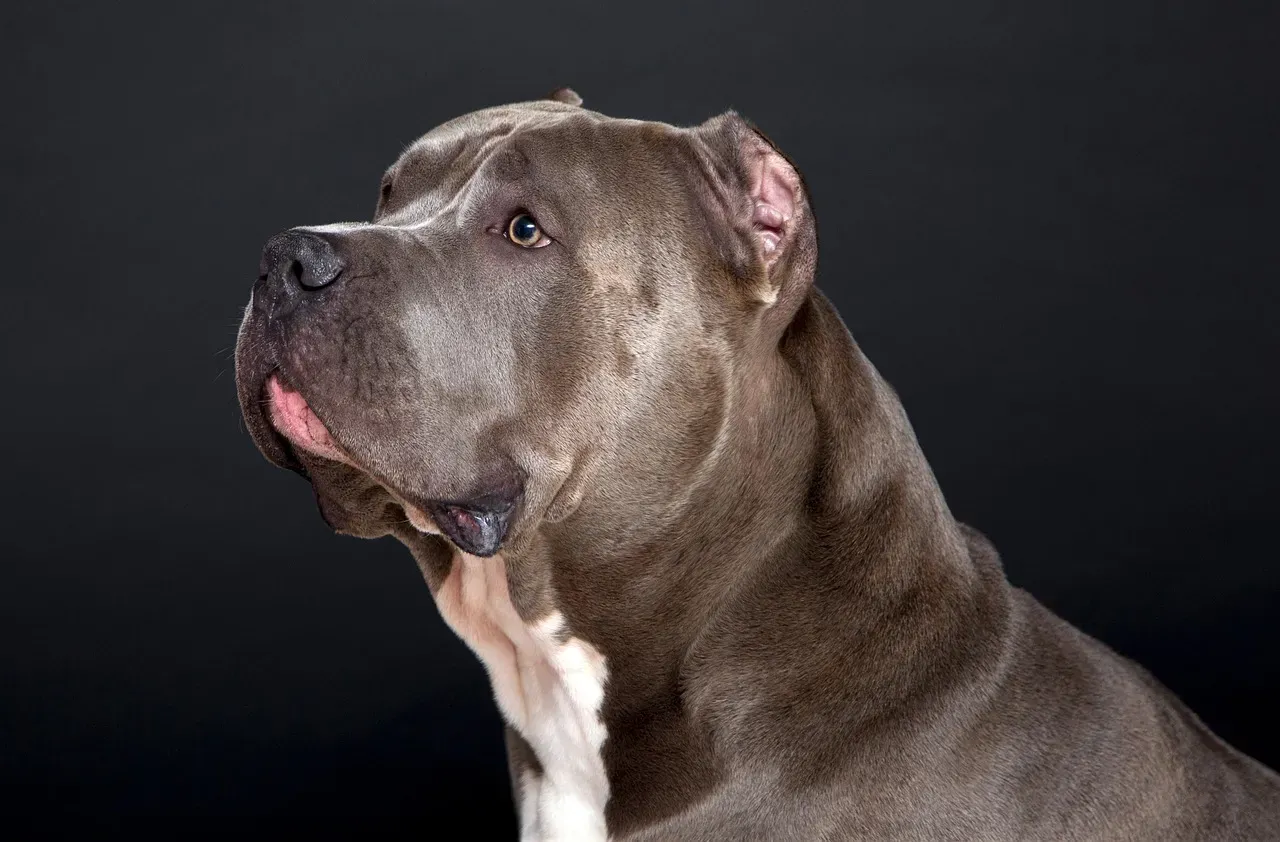
Here’s the thing that shocks most people. When you actually look at the data instead of the headlines, Pitties rank remarkably well. In 2012, roughly 87 out of every 100 American Pit Bull Terriers passed tests that measured their stability, aggressiveness, friendliness, and protectiveness. As a point of comparison, about 85 in every 100 Golden Retrievers and roughly 80 in every 100 Collies passed those same tests.
The American Temperament Test Society has ranked Pit Bulls as the fourth most gentle breed. That’s not a talking point from a rescue organization. That’s a standardized evaluation. Let’s be real – a breed that outscores Golden Retrievers on a gentleness test deserves a much fairer reputation than the one it currently carries.
Even those Pit Bulls that were bred to fight other animals were not prone to aggressiveness toward people. Dogs used for fighting needed to be routinely handled by people, and any dog that behaved aggressively toward a person was removed from breeding to avoid passing on such an undesirable trait. That selective history actually reinforced human-friendliness over generations.
Why They’re So Good With Kids – Real Behavior Traits That Matter
Pitbulls are incredibly loyal to their families and are often referred to as “velcro dogs” because they like to be close to their owners at all times. Whether it’s curling up on the couch or following you around the house, Pitbulls thrive on human companionship and form a strong bond with their families.
Despite their tough exterior, Pitbulls are known for being incredibly affectionate. They love cuddling and giving kisses, often seeking out affection from their owners. This affectionate nature extends to children as well, making Pitbulls a great choice for families with kids, and their patience and love for attention make them gentle and caring companions.
Pit Bulls are intelligent, highly trainable, and social dogs. With training, socialization, and structure, they have a lot of potential. Think of it this way: a well-raised Pittie is like a smart, big-hearted kid who just wants to belong. Give them direction, love, and consistency, and they’ll give it all right back.
The Responsibility Side No One Talks About Enough
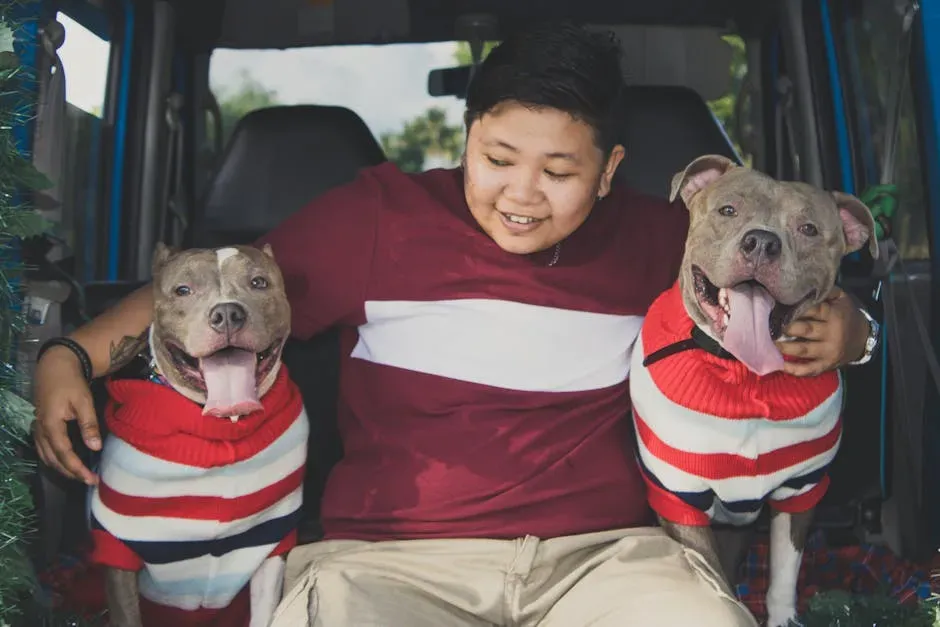
Now, I want to be real with you here, because being a great dog parent means understanding the full picture. When properly trained and socialized from a young age, Pit Bulls make excellent family dogs. Of course, no dog of any breed should actually be left completely alone to care for a child.
A dog will show its discomfort in many ways, some of which may be missed if you’re not paying close attention. If a dog feels its cues are not being respected, it will escalate, and a young child is certainly not aware of such cues. Watch for stiff body posture, whale eyes (when the white of the eye shows), or a tucked tail. These are your dog’s way of saying “I need a break.”
Teach children gentle handling, how to read dog body language, and not to disturb dogs while eating or sleeping. Discourage rough play, face-hugging, hugging tightly around the neck, and toy resource-guarding situations. The truth is, a safe household is one where both the dog AND the kids are taught how to communicate with each other.
How Media and Misconceptions Hijacked Their Reputation
As dogfighting began to re-emerge in the 1980s, some people began to seek out Pit Bulls for illicit purposes. The criminal set began trying to squeeze these dogs into a mold they were never designed to fit. The breed that was once bred to treat every stranger like a long-lost friend was being used as guard dogs and fought in underground fighting rings.
Negative incidents involving Pit Bulls received widespread media coverage, creating a skewed narrative that labeled them as dangerous. Breed-Specific Legislation further stigmatized Pit Bulls, overshadowing their loving nature.
Some people have been harmed by Pit Bull types and some have been harmed by other breeds, but the common thread in the vast majority of these incidents, regardless of breed, is owner ignorance, recklessness, and irresponsibility. That’s not a defense of bad behavior. That’s a call for better ownership.
Conclusion: The Pittie Deserves Better – And So Does Your Family
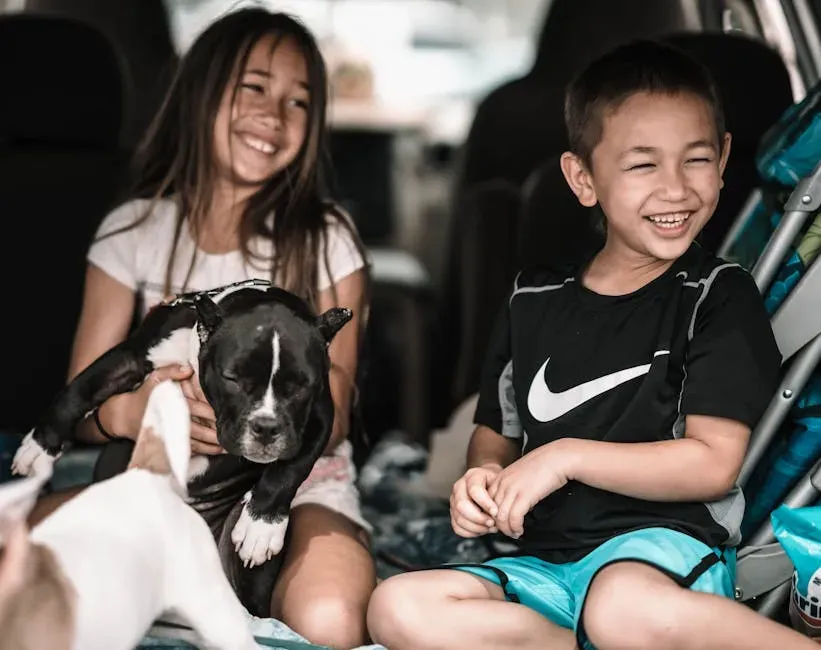
At the end of the day, the “nanny dog” label is less about a formal title and more about a real quality these dogs carry in their hearts. According to the American Veterinary Medical Association, controlled studies have not identified this breed group as disproportionately dangerous. Many Pit Bull type dogs are affectionate and gentle with children and are wonderful family companions. It’s crucial, however, for any dog to be properly supervised around kids and for children to learn how to interact with pets safely.
Responsible ownership, training, and socialization play key roles in ensuring that any dog, regardless of breed, can be a safe and loving companion for families. A Pittie raised with love, structure, and patience can be one of the most loyal, joyful companions your family will ever know.
So the next time someone raises an eyebrow when you say your Pittie is great with your kids, you can smile, share the facts, and let your dog’s wiggling tail do the rest. What do you think about Pitties as family dogs? We’d love to hear your story in the comments below.


