
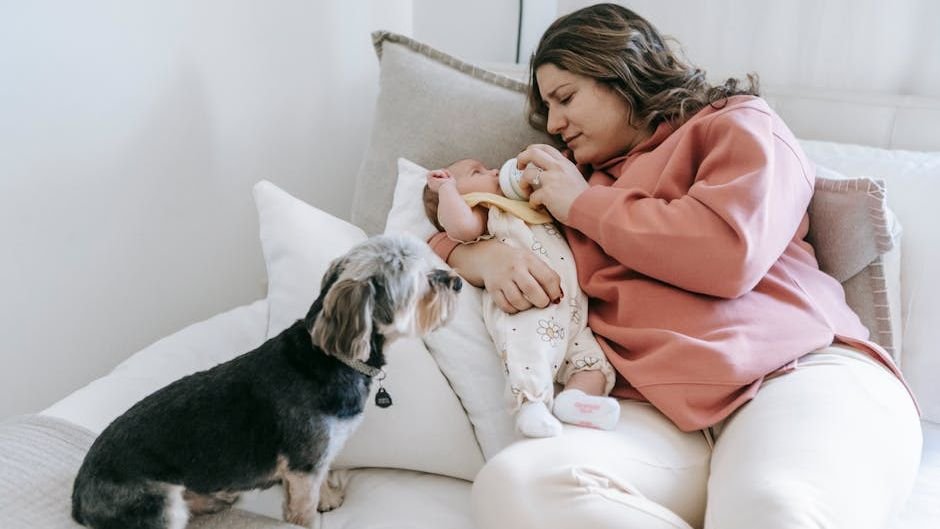
You brought home the most precious little human in the world, and life has never felt fuller. There are tiny socks everywhere, a crib that took three hours to assemble, and a heart so full it could burst. Then your dog does something strange. Maybe they steal a toy from the nursery. Maybe they squeeze between you and the bassinet for no obvious reason. Maybe they just stare at you with those eyes, and you think, “Wait, is my dog actually jealous?”
Here’s the thing – you’re probably not imagining it. Dogs are deeply emotional creatures, and the arrival of a newborn shakes their whole world. The good news? Once you know the signs, you can do something about them. So let’s dive in, because your dog is almost certainly trying to tell you something.
1. They Shove Themselves Between You and the Baby
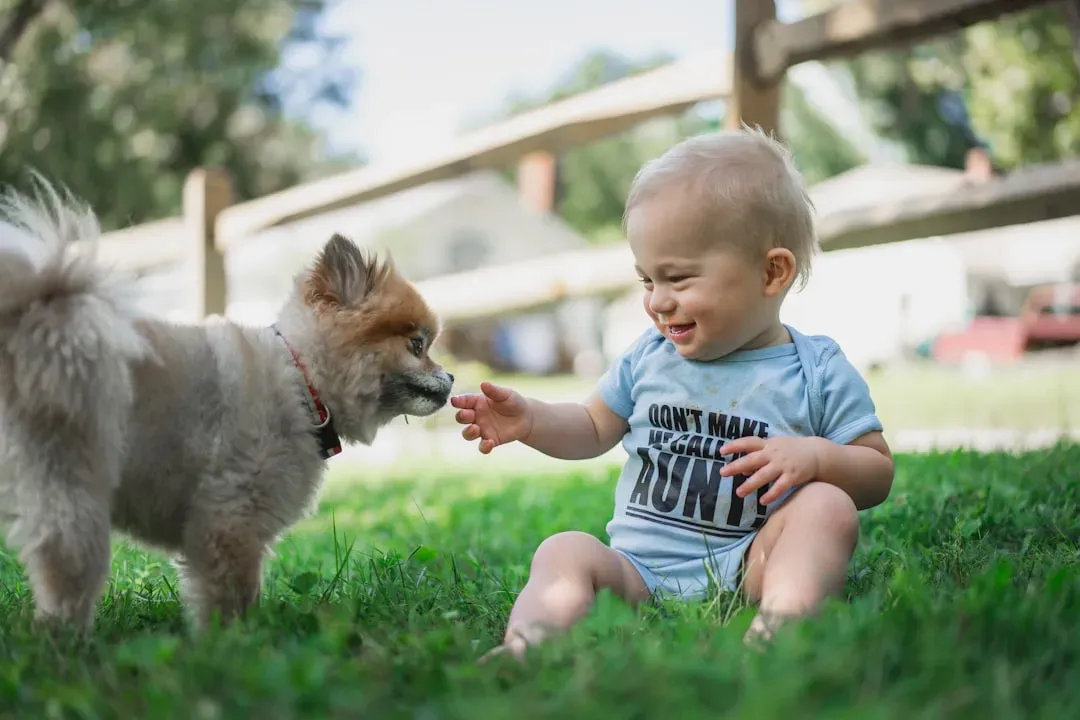
If your dog constantly wedges themselves between you and the baby while you’re feeding, rocking, or simply sitting close, that’s a classic jealousy move. When owners give attention and affection to another person or animal, dogs tend to engage in attention-seeking behaviors like pushing against the owner or inserting themselves between the owner and the rival.
Think of it like a toddler tugging on your sleeve mid-phone-call. Your dog isn’t being rude – they’re being desperate. They’re saying, “Hey, I’m still here!” Redirect this behavior calmly, without scolding, and reward them when they settle nearby without interrupting.
2. Suddenly Ignoring Commands They Used to Know Perfectly
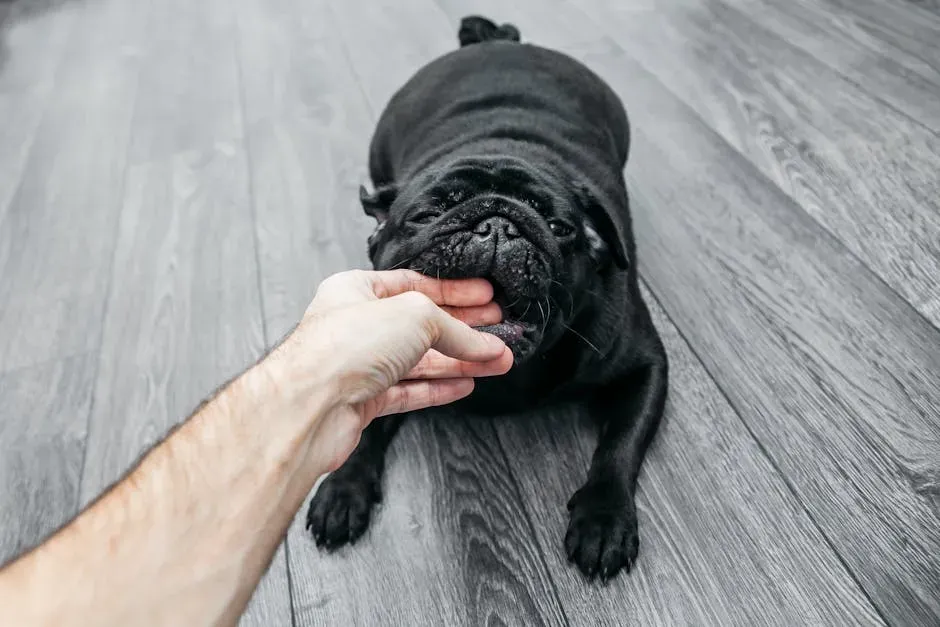
Your once-obedient pup now acts like they’ve never heard the word “sit” in their life. A dog that’s normally well-behaved might start showing disobedience, and if a dog that used to behave scratches at furniture or acts out, jealousy could be the underlying cause.
This is not defiance for the sake of it. Dogs thrive on routine and the attention they receive from their caregivers, and predictability makes them comfortable and secure. Sudden upheaval removes that reliability and creates frustration, confusion, and stress. Maintaining short, consistent training sessions helps enormously here.
3. Whining or Barking When You Pay Attention to the Baby
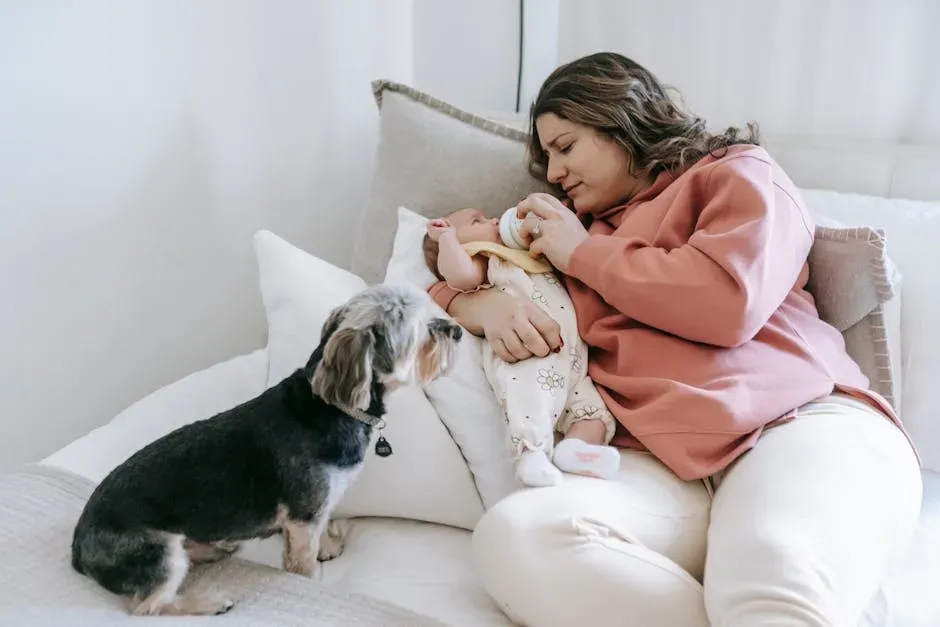
A 2024 survey by insurers ManyPets suggested that roughly a third of parents reported their dog becoming jealous since bringing a new baby home. Signs of jealousy can include whining, attention-seeking behaviour, resource guarding, and destructive behaviour.
Whining during feeding time or when you’re soothing the baby is your dog’s version of raising their hand in class. When a human paid attention to a rival, dogs displayed behaviors like trying to touch their parent, trying to get in between the two, barking, biting, and whining. It sounds dramatic, but to them, it genuinely feels urgent.
4. Guarding Their Toys or Food More Fiercely Than Usual
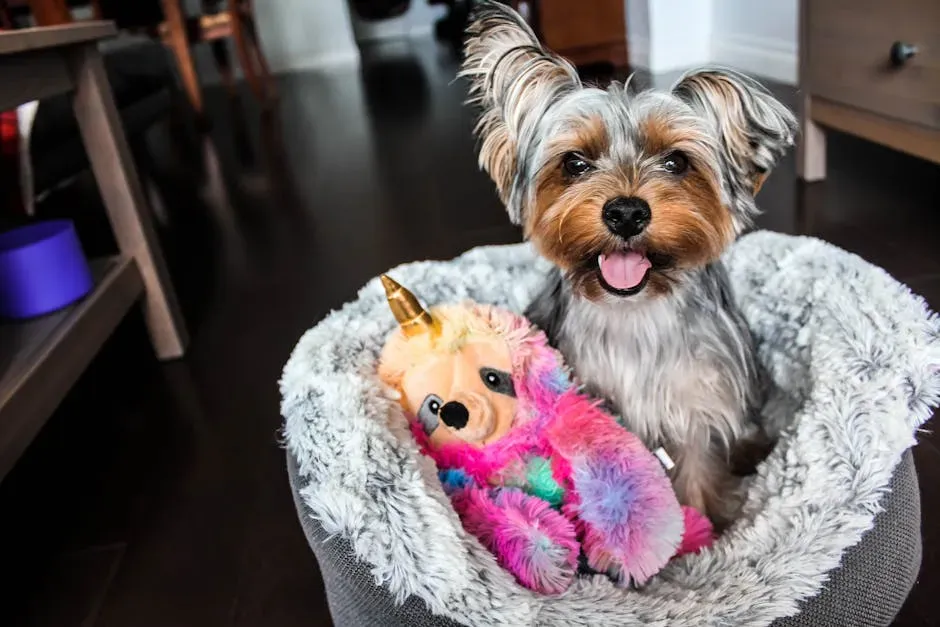
Most behaviorists agree that jealous behavior in dogs starts with resource guarding. Your home is where your dog gets their food, water, exercise, and toys – and if a new person enters the scene, something in their primal brain tells them it might take away those beloved resources.
You might see them gather their toys and hide them when the object of their envy is around, or act strangely around their feeding area. This instinct runs deep. Honestly, it’s not so different from a kid hoarding their Halloween candy when a sibling walks in. Keep an eye on this one, especially near the baby.
5. Clingy One Minute, Withdrawn the Next
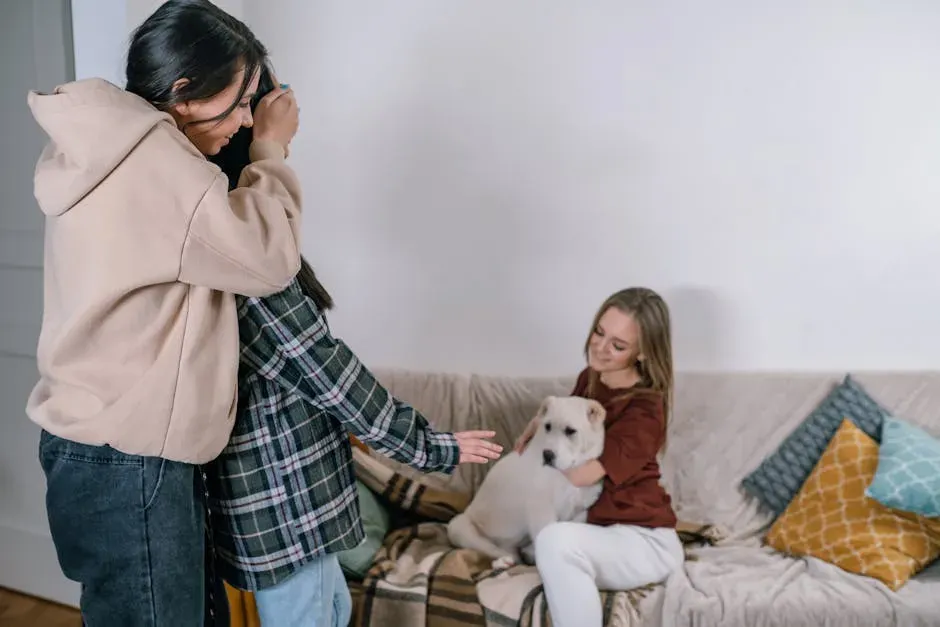
Symptoms of canine jealousy can include clinginess, avoidance, or sudden hyperactivity – sometimes all in the same afternoon. Your dog might shadow you constantly, then retreat to a corner when the baby cries. It’s confusing to watch, but it’s actually a pretty clear emotional signal.
A sudden change in the amount of attention the dog receives, a change in feeding or walking schedule, or the addition of a screaming or crying baby with unpredictable movements can all affect a dog’s behavior, especially if that dog has never been exposed to anything like that before. Their world just got flipped upside down overnight.
6. Unusual Toileting Accidents in the House
If your housebroken dog suddenly starts having accidents indoors, especially near the baby’s things, don’t just chalk it up to stubbornness. Jealous dogs can start urinating in the house, particularly where other dogs – or rivals – might smell it. It’s territorial behavior, plain and simple.
This one often catches new parents completely off guard because it feels so out of character. Many dogs experience anxiety or insecurity when their daily routine or lifestyle changes, so it’s important to recognize these signs and take action to reassure them. A consistent routine, familiar mealtimes, and daily walks can make a huge difference.
7. Growling or Showing Subtle Aggression Near the Baby
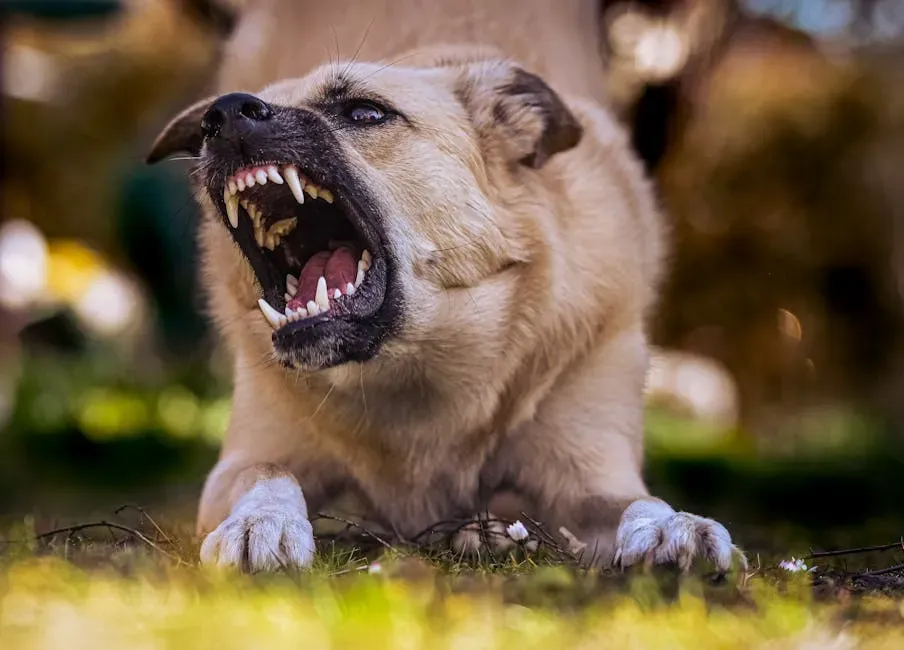
This is the sign that nobody wants to see, but it’s also the one you absolutely cannot ignore. If your dog is growling, snarling, or snapping, she’s giving you signals that she isn’t comfortable – and you have to listen and never punish her for this behavior.
It’s important to watch your dog’s body language carefully, including ear and tail placement as well as the tension in their mouth and lips – and you should never leave a dog alone with a baby or small child. Aggression near a newborn is a non-negotiable moment to contact a professional dog trainer or behaviorist. Fast.
8. Performing Tricks or Stunts Without Being Asked
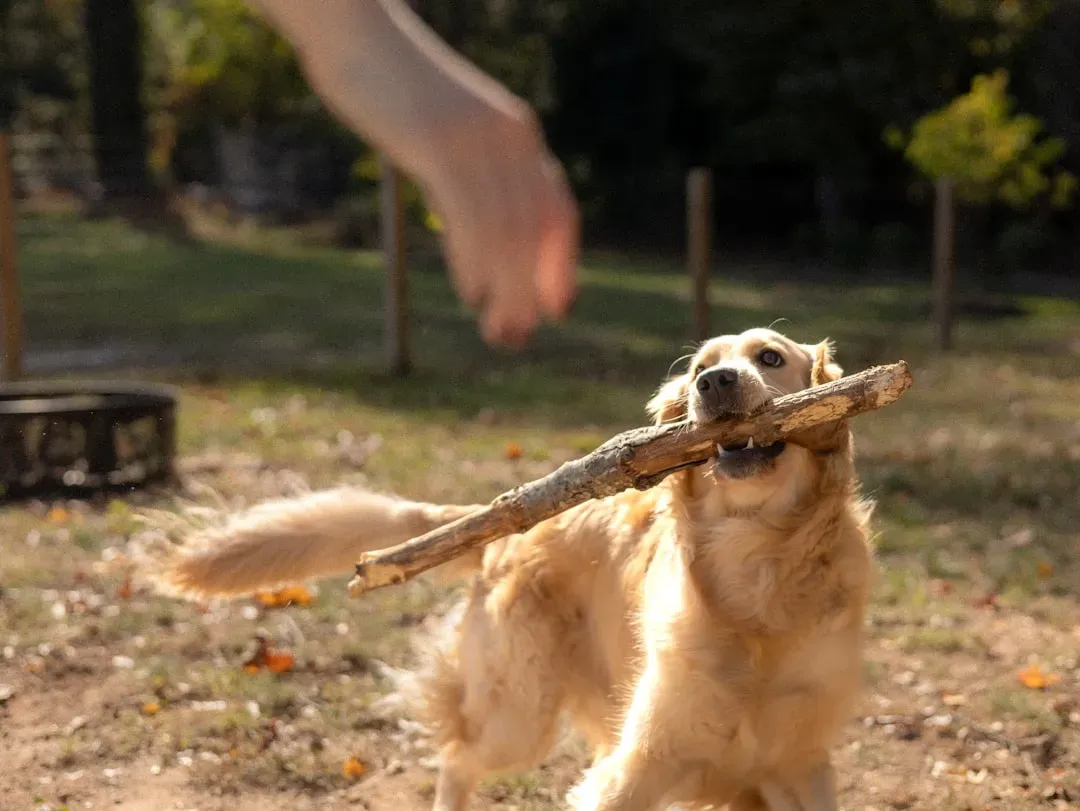
This one is surprisingly sneaky – and kind of adorable, if we’re being honest. Some dogs might steal their owner’s attention in other ways, such as performing tricks without commands. Your dog spins around, rolls over, or drops their favorite toy right at your feet… while you’re in the middle of a diaper change.
It’s essentially canine showmanship. They’re working with every skill they’ve got to reclaim the spotlight. Rather than ignoring these moments entirely, use them. Reward calm behavior around the baby, not the attention-grabbing stunts. Over time, they’ll learn where the real reward lies.
9. Overgrooming or Leaving the Room When the Baby Is Present
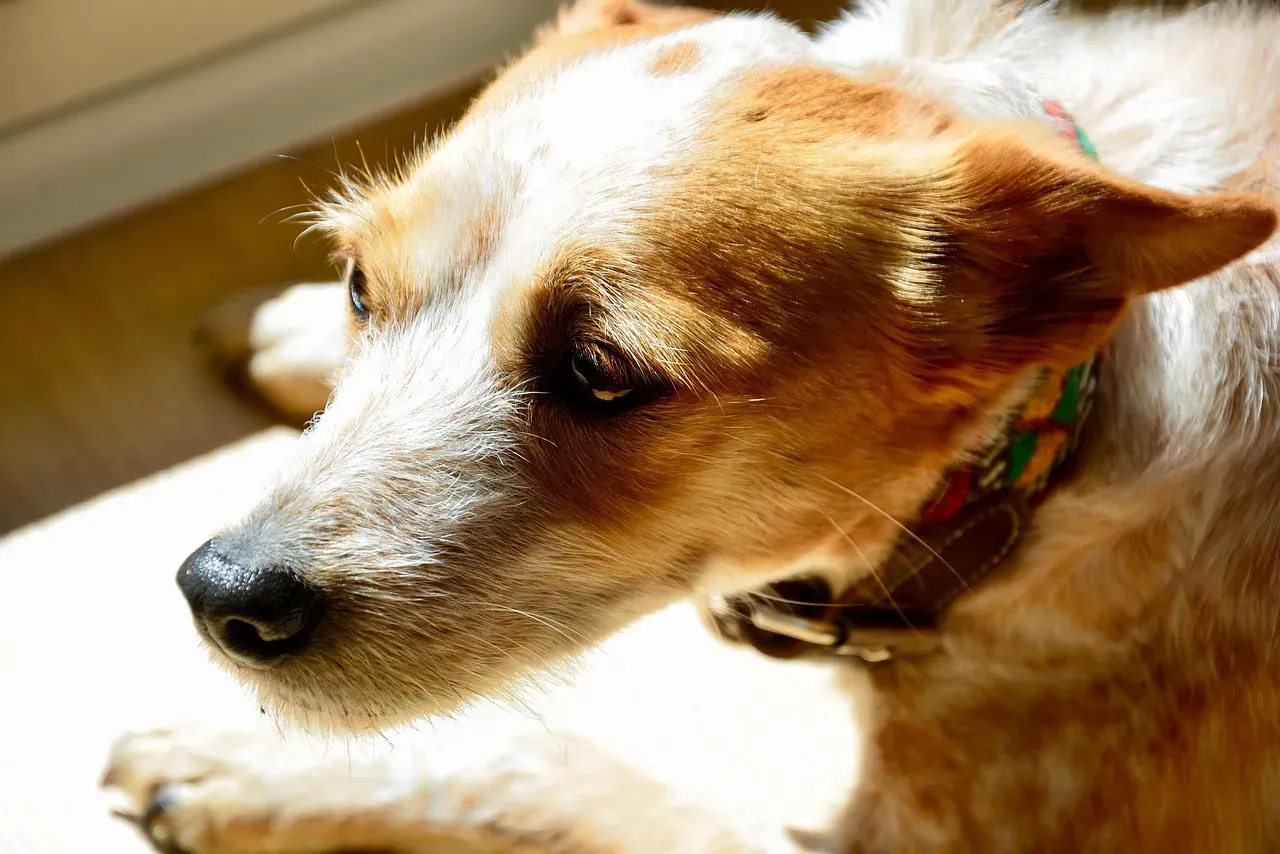
Signs of jealousy and anxiety in dogs can include unusual toileting habits, and you might find your dog leaves the room when the baby is there, or displays behaviors such as overgrooming. Overgrooming – licking their paws or coat obsessively – is a self-soothing mechanism, similar to a person biting their nails under stress.
A dog that retreats every time the baby enters the room might seem like they’re just being polite, but withdrawal can actually be a sign of emotional distress. Changes like having a new baby in the home can make dogs feel insecure, and that insecurity needs to be acknowledged and addressed gently. Create a safe, cozy retreat space for your dog so they can decompress without feeling pushed out.
10. Destructive Behavior That Came Out of Nowhere
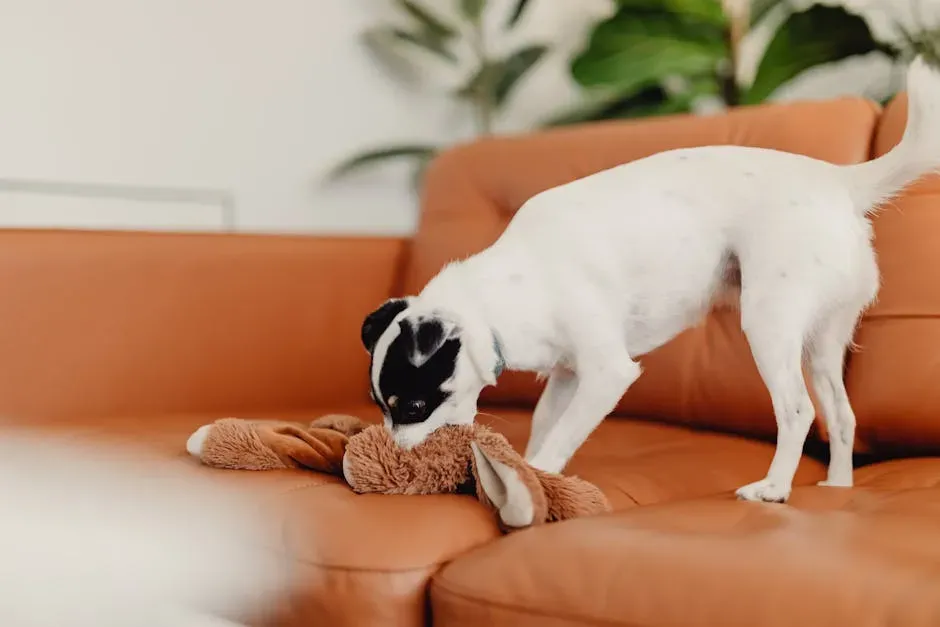
Chewed shoes. Scratched furniture. A cushion that met an untimely end. If your dog suddenly turns destructive after the baby arrives, that’s not coincidence. In addition to showing aggression toward whoever is causing them to feel envy, a dog might take out their worries on furniture – and if a dog that’s normally well-behaved starts scratching or biting at upholstery, jealousy could be the cause.
To help, maintain routines, provide extra attention, and create positive associations with the baby – and training and mental stimulation can significantly reduce stress. Even a short five-minute play session or a puzzle feeder during baby’s nap time can work wonders for a restless, jealous dog.
What You Can Do Right Now
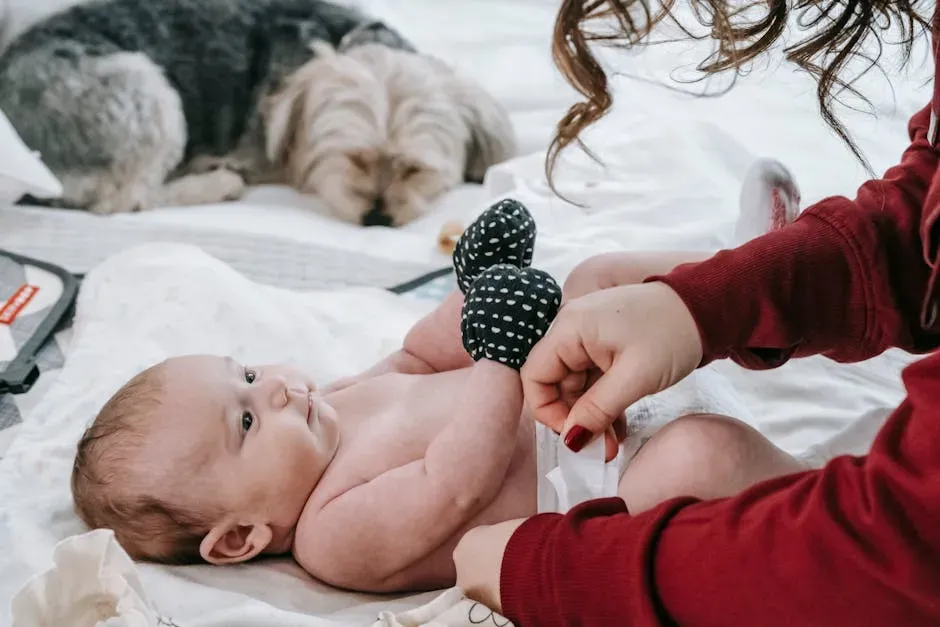
The first thing to remember is that your dog isn’t being bad. Considering that dogs are social animals that need interaction, going from being the center of attention to feeling left out can be pretty tough for a dog. They’re not plotting against your baby – they’re grieving a version of life they deeply loved.
If you can keep the day as predictable as possible, you’ll retain your dog’s trust and make it easier for them to accept your new baby. Scheduling consistent events like feeding, training, and play sessions during the week makes a real difference. And when your dog is calm around the baby, reward that. Heavily. That’s the behavior you want to grow.
Over time, your dog will realize the baby isn’t a rival for attention but another family member they can bond with. It takes patience, consistency, and a whole lot of love – but that’s something you clearly already have in abundance.
Conclusion
Raising a baby and caring for a dog at the same time is genuinely one of the most challenging juggles life throws at you. It’s exhausting, emotional, and beautiful all at once. The jealousy your dog is showing isn’t a flaw in their character – it’s a sign of how deeply they love you and how much your attention means to them.
Spot the signs early, respond with empathy instead of frustration, and keep showing up for your dog even on the most chaotic days. With the right preparation, your dog can develop a strong bond with your child and be very protective of them – and that relationship, once built, is something truly magical to watch unfold.
So here’s a thought to carry with you: your dog chose you long before your baby arrived. All they’re asking is to be reminded they still matter. Can you think of a better reason to carve out five minutes today just for them?


