
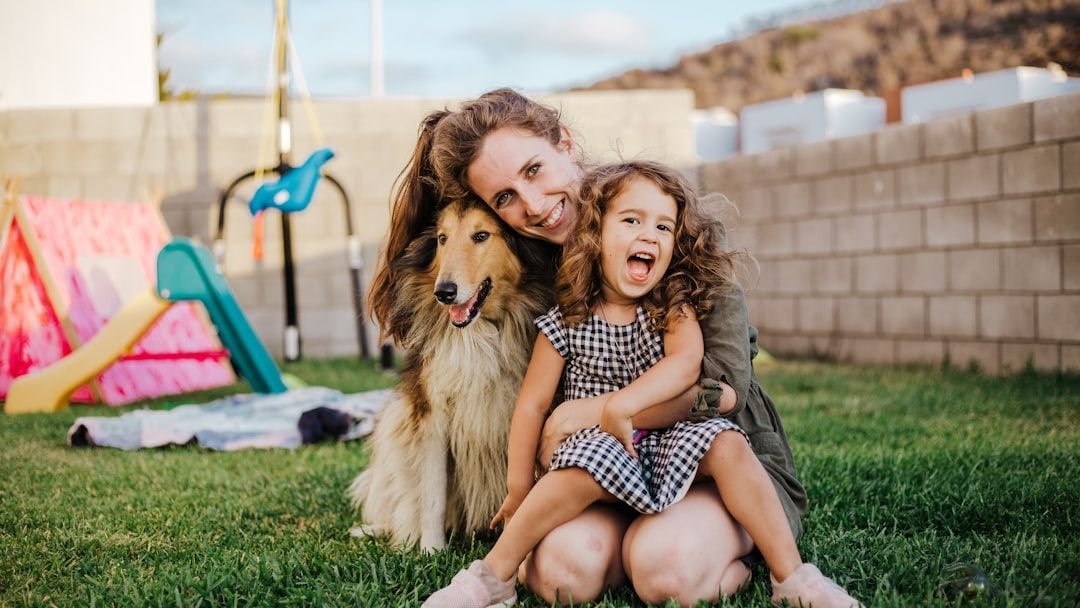
There’s something that happens the moment a dog walks into a home. The energy shifts. The house starts to feel less like square footage and more like a living, breathing place where somebody is always happy to see you. It’s not something you can fully explain to someone who hasn’t experienced it, yet millions of families across the world feel it every single day.
Dogs don’t just live in our homes. Honestly, they become the heartbeat of them. They quietly reshape the way families communicate, decompress, wake up in the morning, and wind down at night. The science behind this is surprisingly deep, and the emotional ripple effects are more far-reaching than most people ever stop to appreciate.
Whether you’ve had your dog for a decade or just welcomed a new pup into your life, this is your reminder of how extraordinary that bond really is. Let’s dive in.
They Trigger a Chemical Reaction of Love

Here’s the thing about why dogs feel so good to be around – it’s not just in your head. The simple act of petting a dog releases oxytocin, a hormone associated with relaxation and bonding, fostering emotional resilience in humans. Think of it like a built-in emotional reset button, available whenever you need it.
What makes this even more remarkable is that the feeling is mutual. When dogs and humans engage in mutual gazing, both species release oxytocin, the same hormone involved in human mother-infant bonding, creating a powerful attachment system that mirrors the caretaker-infant relationship dynamic. No wonder staring into your dog’s eyes feels so deeply comforting.
Domesticated dogs are unique in this ability – wolves rarely look people in the eye, and don’t appear to release oxytocin when they do. This is not something most animals can do. Dogs evolved this capacity specifically to bond with us. That’s not just sweet – that’s kind of incredible.
They Become the Emotional Glue Between Family Members
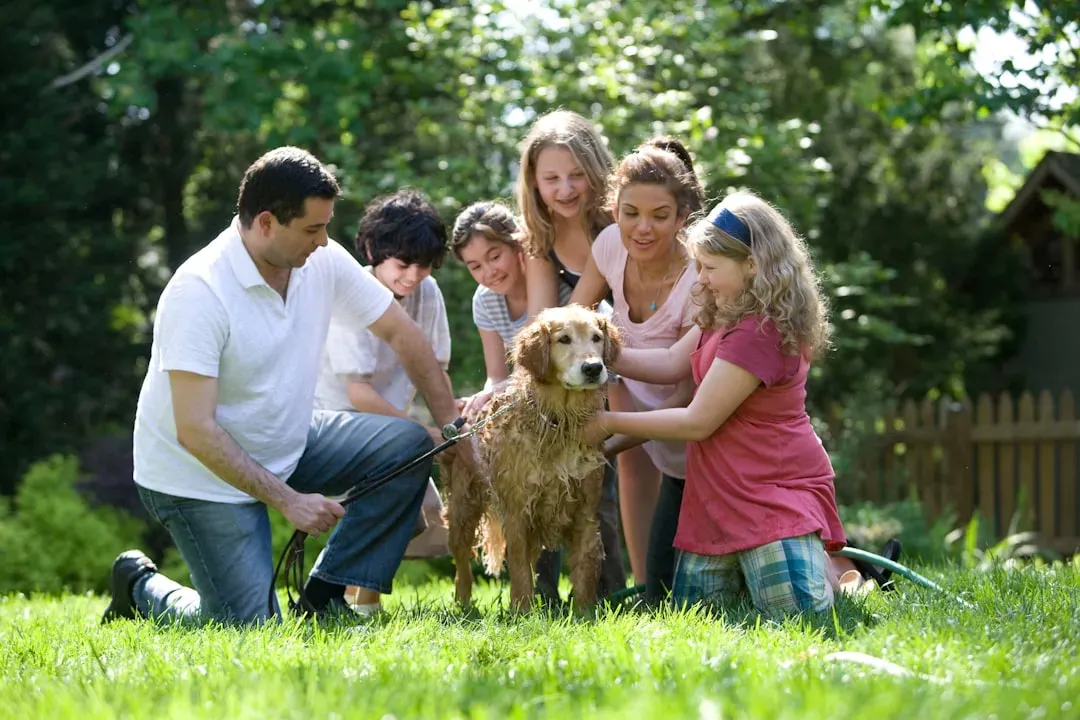
Think about the last time the whole family gathered around the dog – scratching ears, laughing at something silly the pup did, or just sitting together while the dog sprawled out across everyone’s feet. That moment wasn’t accidental. Pets are a part of our family lives and are regulators of the most elementary feelings and emotions in humans.
Dogs create shared emotional experiences. They give busy, distracted family members a common focal point. Dogs show support and love to their owners, and they make them feel valued through the responsibilities of caregiving, which is particularly appreciated by those who may be navigating personal challenges. Even the act of caring for the dog together quietly builds family cohesion.
Researchers surveying over 800 dog owners found that people who view dogs as family often form closer bonds and dedicate more time to them. The dog becomes, whether intentionally or not, a shared emotional project that holds a household together in subtle but meaningful ways.
They Sense the Emotional Temperature of Your Home

Let’s be real – dogs are watching us all the time. Not in a creepy way, but in a devoted, tuned-in way that’s genuinely astonishing. Canines are capable of assessing humans’ emotional states, as well as discriminating humans by levels of familiarity. They know when something is off, even before you say a word.
Like children, dogs show signs of emotional stress when they observe human family members having a quarrel. Data shows that when family members fight, their pet dog tends to console the victim and avoid the aggressor. It’s a stunning display of emotional intelligence that most of us take for granted.
Recent findings from the University of Vienna suggest that dogs can sense emotions and even differentiate between good and bad ones. So next time your dog nudges you with their nose during a hard moment, know they aren’t guessing. They genuinely feel the shift in the air around them.
They Create a Sense of Daily Rhythm and Purpose

There’s a quiet magic in a morning that starts because your dog needs a walk. Much like humans, dogs thrive when their lives have rhythm and routine. When they know what to expect and when to expect it, they tend to feel safer, calmer, and more in control of their world. The beautiful thing is that this structure benefits everyone in the home, not just the dog.
The responsibility of caring for a dog instills a sense of purpose and routine, further enhancing our overall well-being. For people navigating loneliness, grief, or depression, this sense of being needed every single day is more powerful than it might seem. The dog doesn’t care if you’re having a bad week – it’s still time for the walk.
It’s not just dogs that benefit from structure – owners do, too. A consistent routine can bring a sense of peace and order to a household. Knowing when a dog needs food, walks, or rest helps you plan your day more efficiently and minimizes the stress of last-minute surprises. Honestly, some people have never had better morning routines than after getting a dog.
They Become a Safe Space for Emotions You Can’t Put Into Words
There are feelings you just can’t say out loud. To a friend, to a partner, to anyone. Dogs provide emotional safety, support, and a lack of judgment, making them a good therapeutic approach for grief or attachment disorders by helping to rebuild social bonds and broader senses of community. That non-judgmental presence is something profoundly rare.
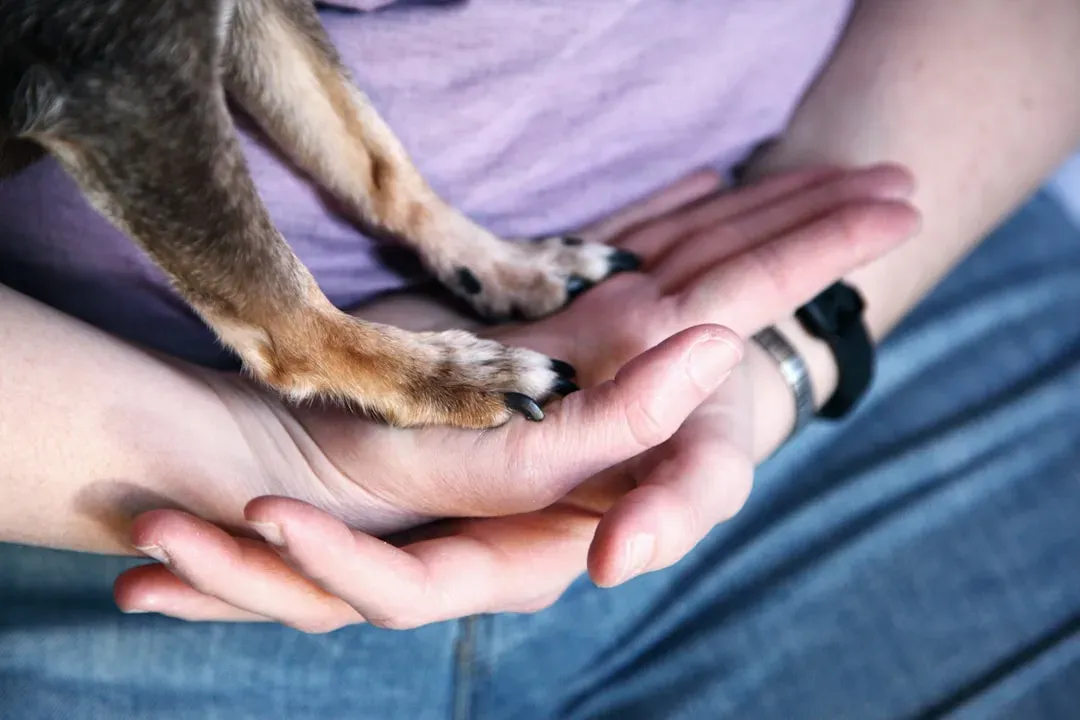
The dog’s presence is often described as comforting and reassuring, with many people referring to small actions, glances, or physical contact that held significant weight in their psychological stability. It might be a paw on your hand or a long, warm stare – it’s nothing, and yet it’s everything.
A dog may serve as both a comforting, nonjudgmental presence as well as a positive tactile and sensory distraction. Dog interaction might also reduce anxiety and distress by influencing emotion regulation while coping with a stressor. Think of your dog as a living, breathing coping mechanism that never has a bad day on your behalf.
They Help Children Develop Emotional Intelligence

I think one of the most underrated gifts you can give a child is a dog. Not just for fun or companionship, but for the emotional education it quietly delivers. Children with their pet dog present during a stressful task exhibit lower perceived stress and more positive affect compared to when alone or even when a parent was present. That’s extraordinary.
Most children describe feelings of happiness, comfort, and companionship from living with a dog. Many show affection through close physical contact, such as hugging, kissing, or snuggling. These early experiences of giving and receiving love shape how children relate to others for years to come.
One important prevention tip for families with young kids: some behaviors, like approaching a dog while it’s eating or resting, can be stressful for dogs and can increase the risk of bites. Many caregivers and children are unaware that these interactions could cause stress. Teaching respectful interaction protects both child and dog, and deepens the relationship.
They Ease the Weight of Loneliness and Isolation
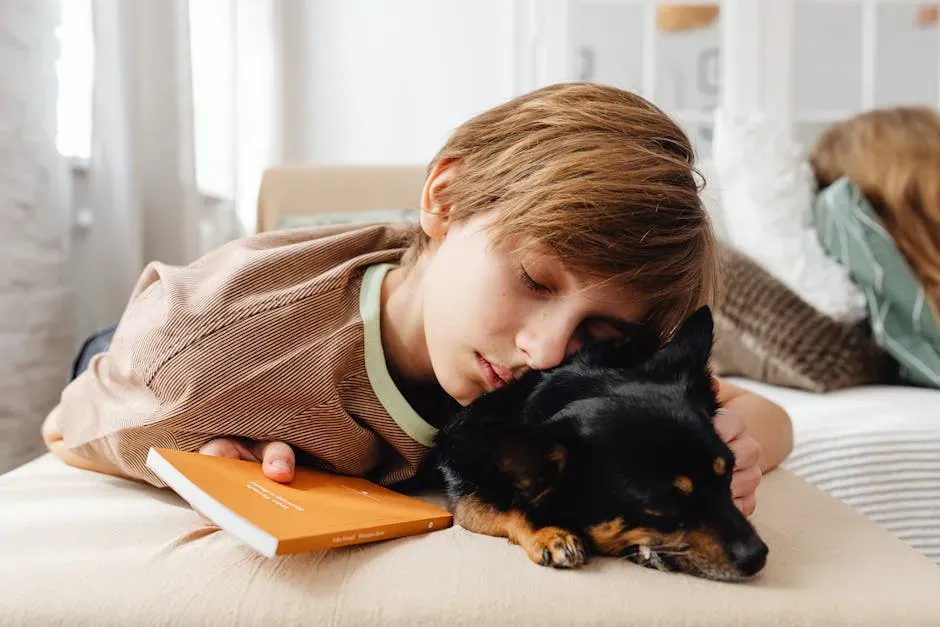
Loneliness has become one of the defining struggles of modern life. Smaller households, weaker community ties, more time spent staring at screens. Research suggests that our caregiving instincts have found a new outlet in companion animals, particularly dogs, sparking humanity’s deep habit of keeping pets. In other words, we were made to bond, and dogs fill a genuine gap.
A 2021 survey by the Human-Animal Bond Research Institute found that roughly nearly three quarters of pet owners say their pets help reduce loneliness and enhance emotional well-being. Those are not small numbers. That represents millions of people finding daily relief from one of the most painful human experiences.
Dog ownership through adoption may serve as both a protective and empowering factor against feelings of loneliness, while also fostering emotional resilience and a renewed sense of purpose in everyday life. A dog doesn’t replace human connection, but it holds you steady while you go out and find it.
They Reduce Stress Across the Entire Household
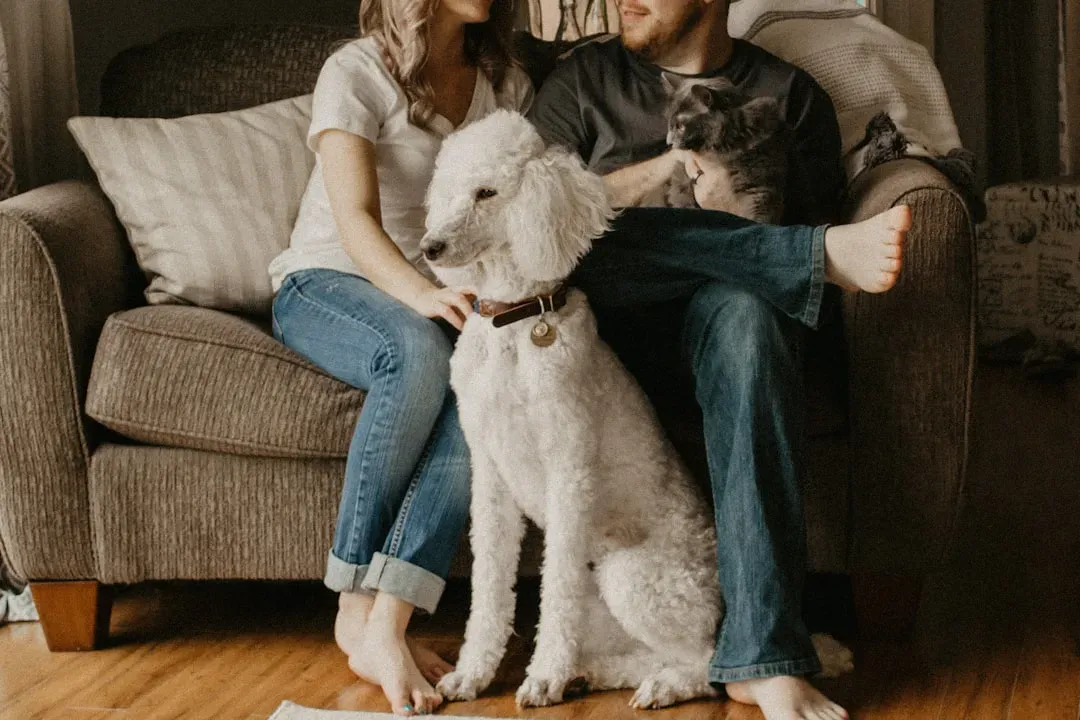
Interacting with a dog can alleviate stress, anxiety, and depression. This isn’t a wellness trend or wishful thinking – it’s been demonstrated across multiple scientific disciplines. The stress-softening effect of a dog in the home is real and measurable.
The changes in brain chemistry that make us feel calm and happy when we pet a dog also lower blood pressure and heart rate, much like often-recommended strategies such as meditation and deep breathing for cardiovascular health. Your dog is, in a very literal sense, good for your heart.
Even children benefit from this stress buffer. Studies have found that short-term, unstructured interactions with a therapy dog can significantly reduce self-reported anxiety and distress levels. Now imagine that effect happening every day in your own living room. That’s what a family dog actually does.
They Shift How We Define Family Itself
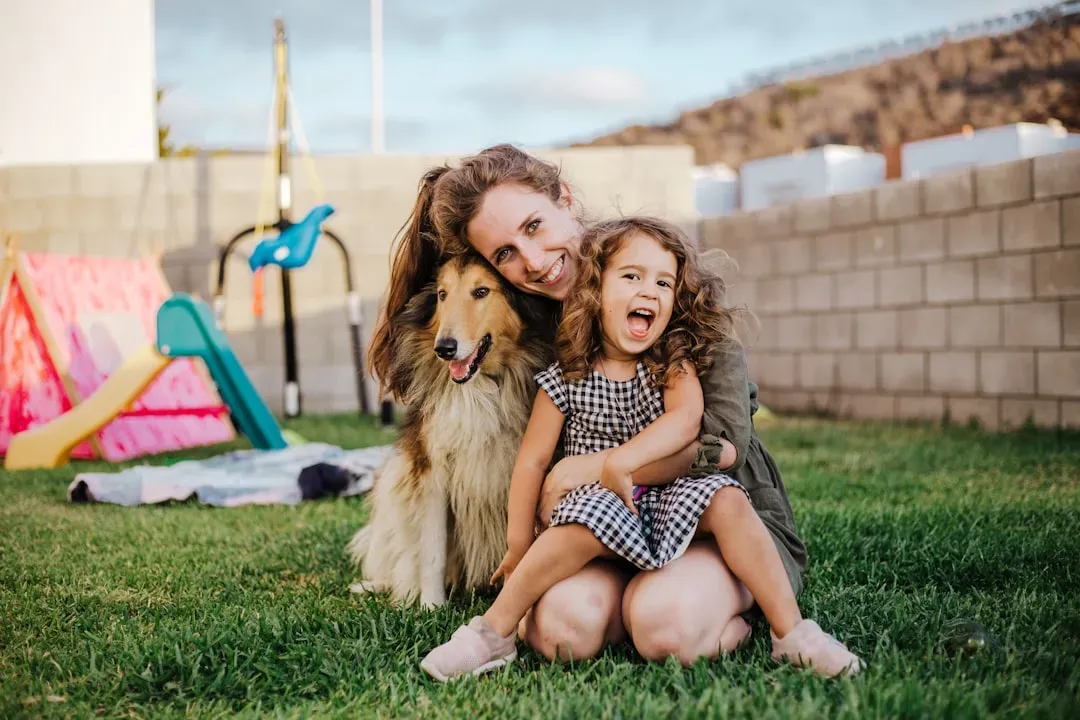
The overwhelming majority of American dog owners report that they feel as if their dog is a member of their family. This isn’t just sentiment. It represents a genuine shift in how people experience love, responsibility, and belonging within the household unit.
Findings also suggest a generational shift in the perception of the dog-owner relationship, with younger owners forming stronger emotional bonds with their dogs and more likely to refer to them as children than the previous generation. The definition of family is evolving, and dogs are at the center of that change.
It’s hard to say for sure where this goes long-term, but research shows that dogs are increasingly viewed as full family members, influencing social connections and dynamics. In a world where traditional structures keep shifting, the bond between humans and dogs seems to grow only stronger.
They Model Unconditional Presence – and Teach Us to Do the Same

Your dog is never checking their phone while you talk. Never distracted by yesterday’s argument or tomorrow’s deadline. Dogs teach us mindfulness. When a dog lies on the floor, bathing in the sun as it streams through the window, it is simply experiencing the warmth that spans across its body. There is a lesson in that, if we choose to pay attention.
Dogs’ brain reward centers activate when receiving praise from their owners, sometimes showing even stronger responses to human approval than to food rewards. They live for connection with you. Full stop. That kind of pure, uncomplicated devotion is something most of us spend our whole lives hoping to find in another person.
The relationship flows both ways. The physiological and emotional benefits that ensue from a positive dog-human relationship extend to both members of the dyad. When you show up fully for your dog, they show up fully for you. That’s not a small thing. That might actually be one of the most important emotional lessons a dog will ever teach you.
Final Thoughts: The Dog Who Changed Everything

There is a reason people lose their words when they talk about their dogs. The bond is real, it’s deep, and the research now backs up what dog lovers have always known in their bones. A dog doesn’t just live in your home – it becomes the emotional foundation of it.
From soothing frayed nerves after a hard day to anchoring the family in shared routines, from reading the emotional climate before anyone else notices, to simply offering a warm, wordless presence at exactly the right moment, dogs carry an emotional weight in our households that nothing else quite matches.
Take a moment today to notice all the small ways your dog holds your household together. The morning greeting, the post-work cuddle, the way everyone suddenly gathers when the dog does something ridiculous. That’s not coincidence. That’s the emotional center of your home, doing its job beautifully.
What do you think – has your dog changed the emotional dynamic of your home in ways you didn’t expect? We’d love to hear your story in the comments.


