
Picture this: it’s a warm Texas evening, the sun is dipping below the Hill Country horizon, and your little dog is sniffing around the backyard. Everything seems peaceful. Then a shadow moves near the fence line. Bobcats are nocturnal hunters, drawn to food sources, and they can easily scale a fence. What most Texas pet owners don’t realize is that these wild cats aren’t just a rural problem anymore.
Bobcats have unintentionally terrorized North Texans for years as the suburbs continue to push deeper into their territory, and stories of lap dogs and outdoor cats being killed circulate the media every year. Honestly, it’s a situation that deserves more attention than it gets. The good news? The right dog breed can be one of your most powerful natural defenses. Let’s dive in and meet the ten remarkable dogs that can hold the line.
1. Great Pyrenees: The Gentle Giant with a Fierce Heart
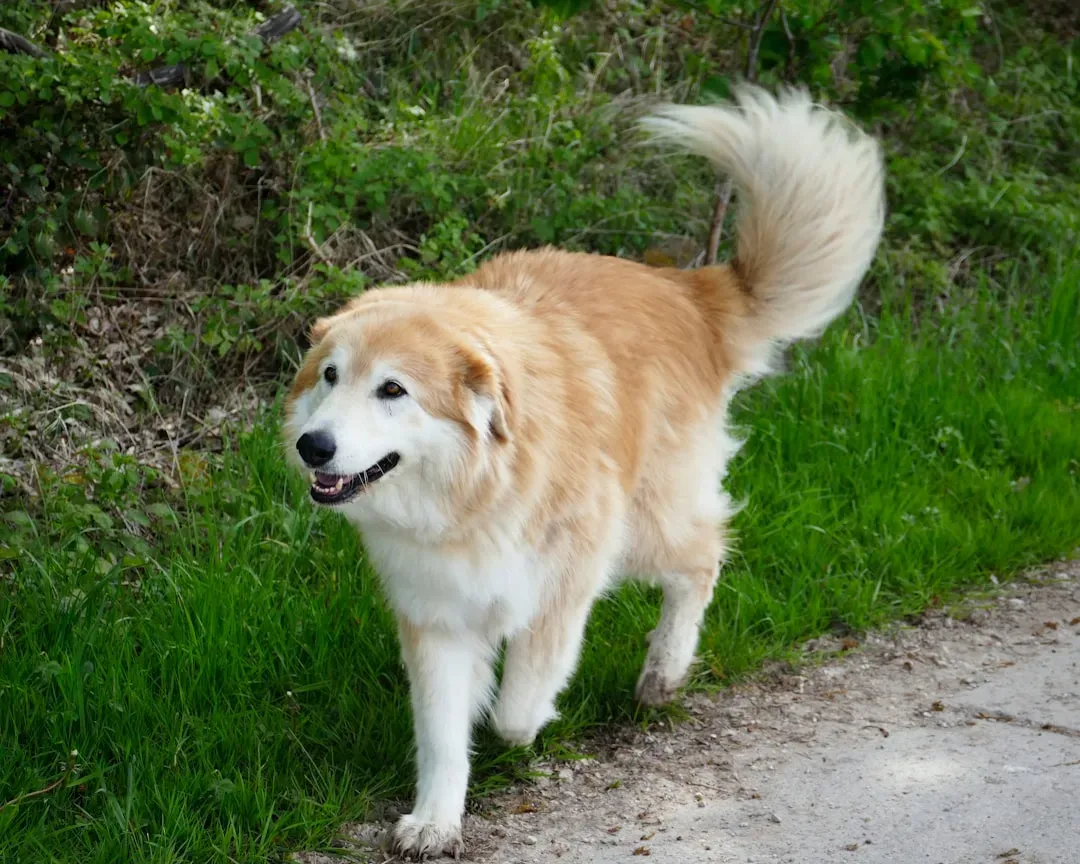
Don’t let the fluffy white coat fool you. The Great Pyrenees’ gentle attention given to the herds is contrasted by fierce protection against predators. This breed was literally born to guard, and it shows every single day.
Great Pyrenees, as well as other livestock guardian dogs, have been known to fight off coyotes, foxes, bobcats, cougars, wolves, wild hogs, and bears to save their farm. They are the most popular livestock guard dog, originally bred to defend farms against wolves and bears, and they will also protect your property against bobcats, stray dogs, and even human intruders. Think of them as the all-terrain security system that never needs a battery change.
Prevention tip: Because Pyrenees have such strong guarding instincts, they tend to roam a lot, which can be an issue if the dog decides not to come home or roam all day instead of guarding the farm. Properly bonding the dog to the herd will greatly reduce the amount of time it wants to spend away.
2. Kangal Shepherd Dog: Speed, Power, and Nerves of Steel
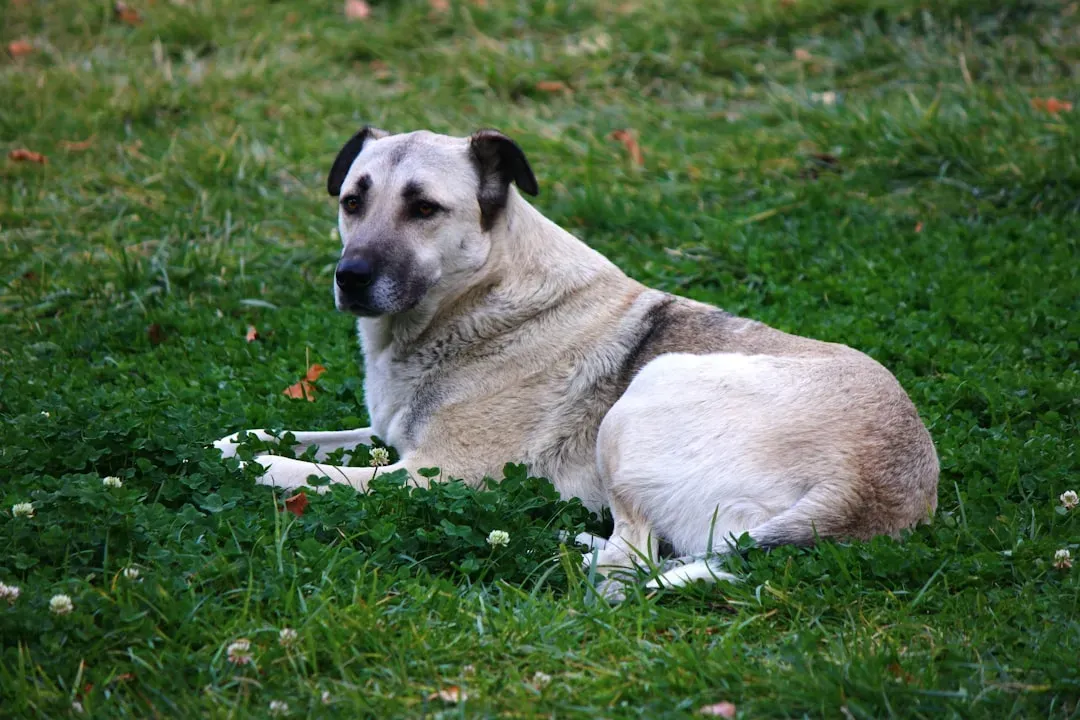
Here’s the thing about the Kangal: it is easily one of the most purpose-built guardian dogs on the planet. Known for their loyalty and strength, Kangals possess a powerful build and a bite force that is one of the strongest among dogs, making them particularly effective against larger predators. A bobcat stands very little chance intimidating one of these dogs.
The Kangal Shepherd Dog is not as heavy as some other mastiff breeds, allowing it greater speed and agility than larger dogs. These dogs can reach speeds of up to 35 miles per hour. So it’s not just raw power; it’s speed and power together. Used for centuries to protect livestock from predators like wolves and bears, Kangals are more than capable of handling a bobcat.
Health sign to watch for: As large breeds, Kangals are prone to conditions like hip dysplasia, and their thick double coat requires regular grooming, especially during seasonal shedding.
3. Anatolian Shepherd: The Ancient Guardian of the Flock
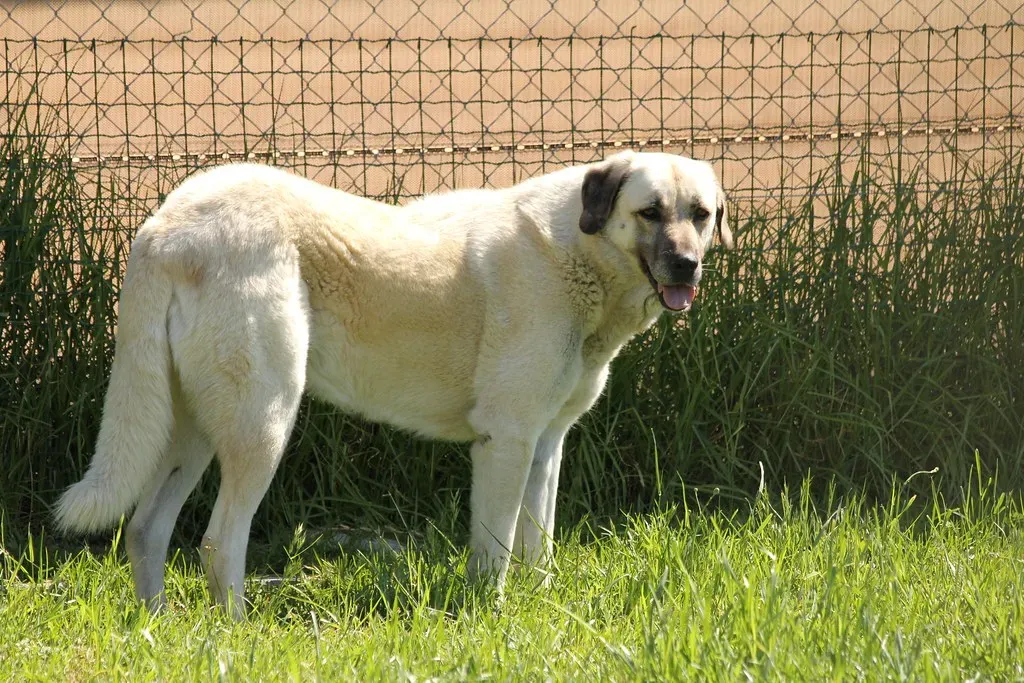
I think the Anatolian Shepherd might be the most underrated guard dog in Texas. Anatolian shepherds have been used to protect livestock and farms against everything from humans and wolves to buffalo and cheetahs, tracing their lineage as far back as the Bronze Age. That’s a resume you can take seriously.
These muscular dogs are built for guarding livestock, making them a strong deterrent against bobcats. With their calm demeanor and strong territorial instincts, they diligently patrol your property and keep potential threats at bay. A full-grown male Anatolian weighs 110 to 150 pounds, most of it muscle. To a bobcat, that’s simply not an opponent worth engaging.
Behavior cue: These dogs are highly intelligent, independent, and possess a keen protective instinct. Their imposing size and strength make them capable of confronting predators if necessary, and they are known for their ability to make quick decisions and cover large territories.
4. German Shepherd: The Loyal All-Around Protector
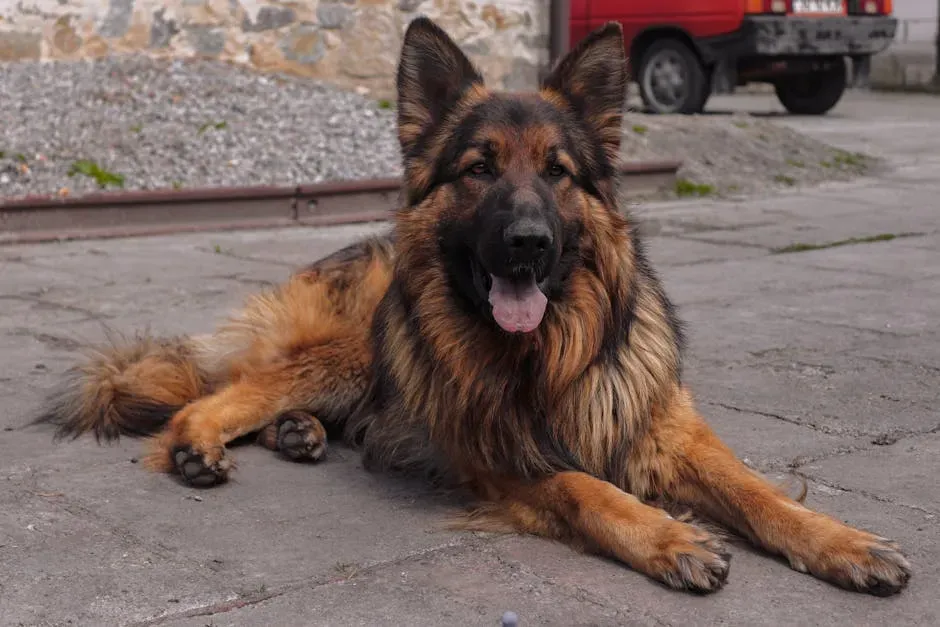
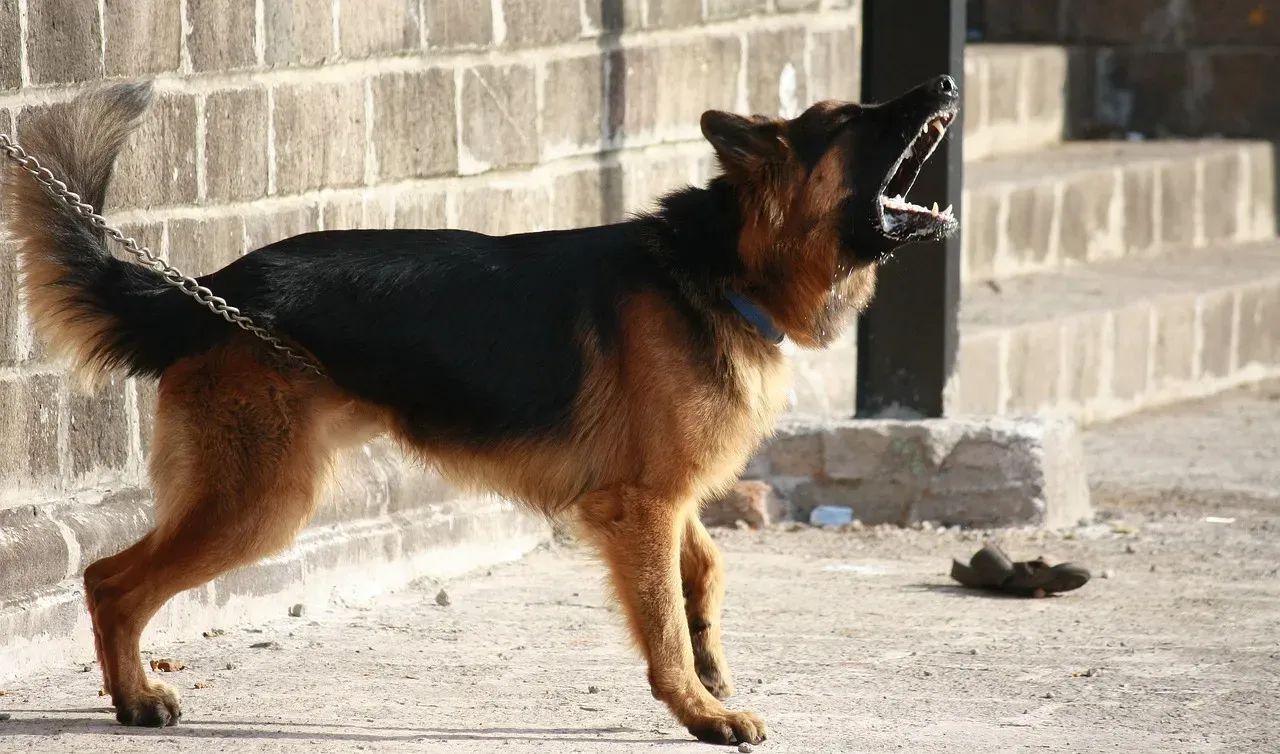
The German Shepherd is basically the Swiss Army knife of the dog world. Incredibly versatile, deeply loyal, and sharp as a tack. Bred as herding dogs, German Shepherds are known to be the best guard dogs for families, children, and individuals alike, thanks to their alert nature, protective instincts, and adaptable behavior.
Bobcats may be strong and agile, but German Shepherds are no less with their large size and strong guarding instincts. Since they were bred to work with their owners, as opposed to livestock guardian breeds who work alone, they are less likely to roam and bark all night, and German Shepherds also have short coats which makes them a better choice for people who live in warmer states. That last point matters a lot in the Texas heat, honestly.
5. Tibetan Mastiff: The Intimidating Sentinel
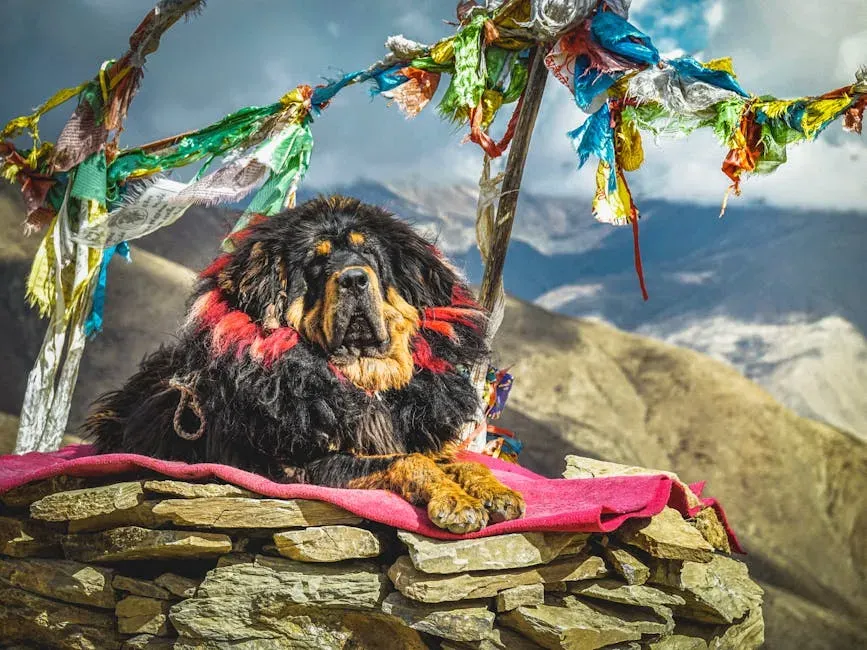
Few dogs on earth command as much raw respect as the Tibetan Mastiff. Known for their watchful, aloof, imposing, and intimidating nature, Tibetan Mastiffs are supreme guardian dogs who are sweet and highly devoted to their family. They defend their favorite humans in times of need and don’t let any animal or intruder harm them. These giant working dogs are larger and more powerful than most predators they face.
Bobcats are agile and fierce predators, but they do their best to avoid a fight with these dogs. Tibetan Mastiffs have a broad head, high-set shaped ears, and expressive brown eyes that project a noble and sagacious expression. These wild cats would definitely protect themselves and stay away from these fierce dogs. Think of the Tibetan Mastiff as a walking deterrent. Most threats don’t even get close enough to test them.
6. Rhodesian Ridgeback: The Lion Hunter Turned Home Defender
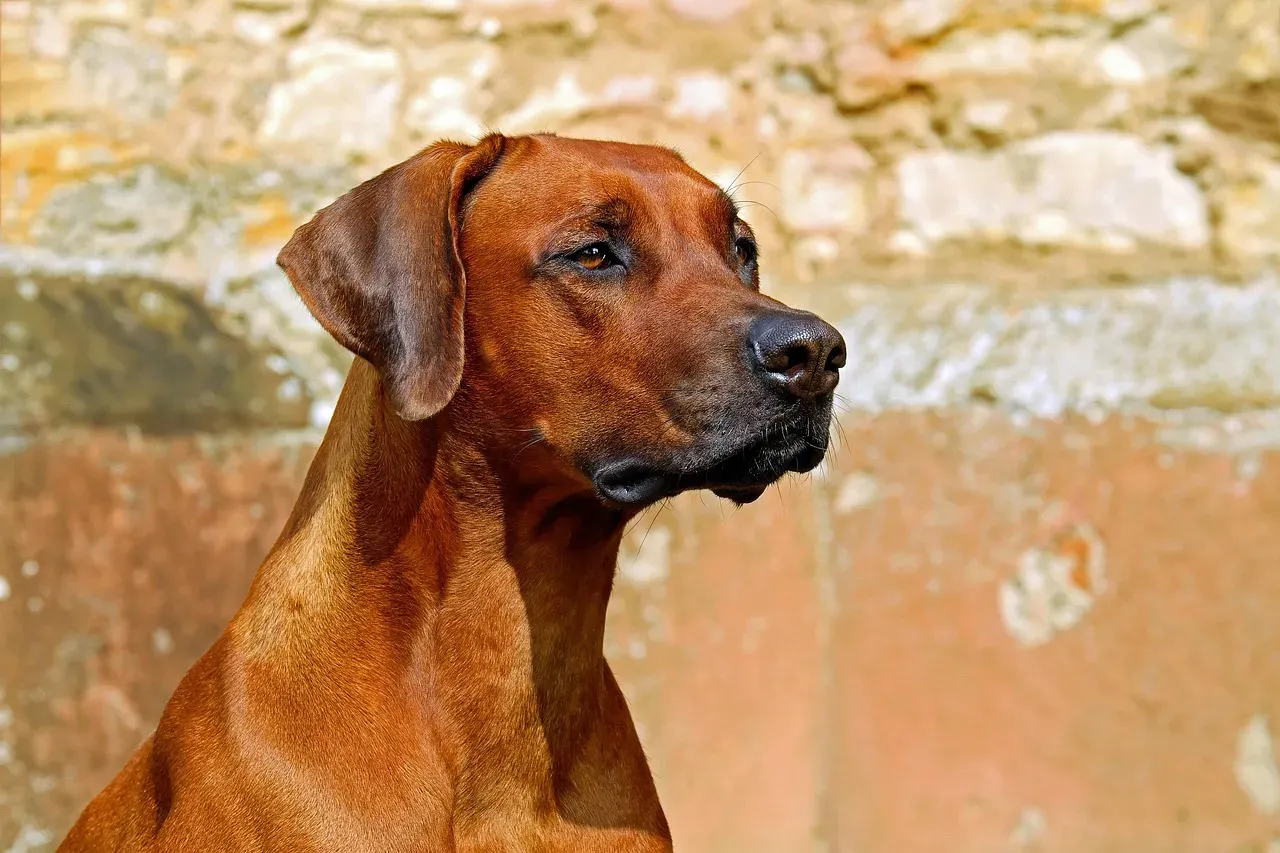
Let’s be real: any dog originally bred to hunt lions is not going to lose sleep over a bobcat. The American Kennel Club mentions that Ridgebacks are cherished family dogs whose owners must be prepared to deal with their independence and strong prey drive. These dogs are gentle yet courageous, making them ideal family dogs, and they alert their family about potential threats without excessive barking.
They are bred to hunt lions and have great hunting instincts. They can kill wild cats, wolves, and coyotes, depending on their size and health. Bobcats are wild prey in front of these dogs, making it easier for Rhodesians to confront the wild cats, though they may still leave bite and claw marks on the dog’s body. So always check your Ridgeback after any outdoor nighttime encounter.
7. Akbash: The Silent but Deadly Watchdog
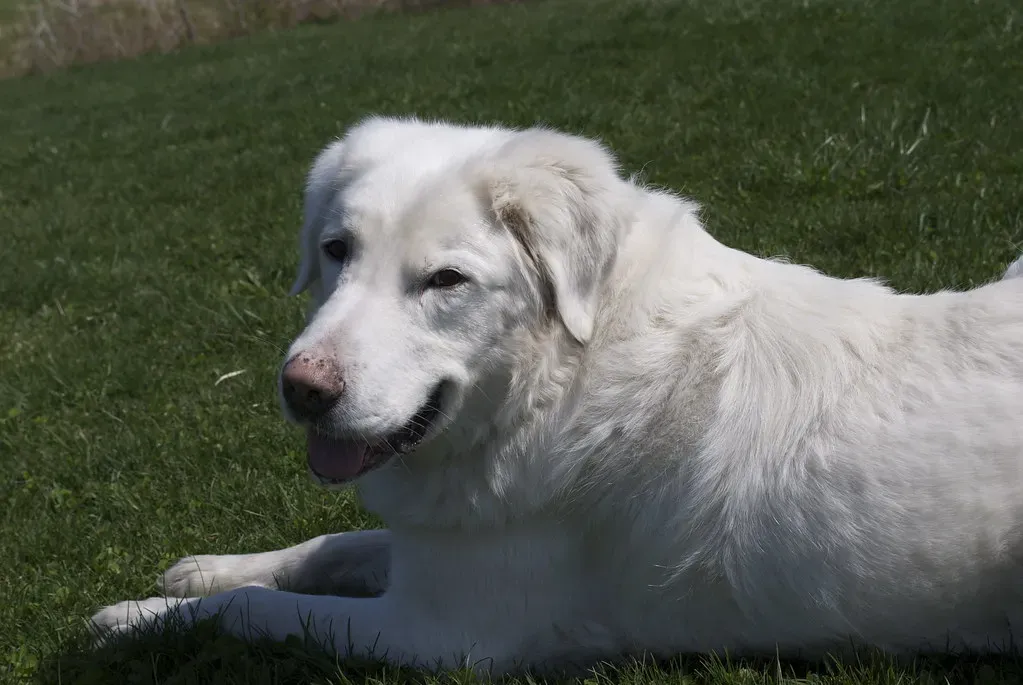
The Akbash doesn’t get nearly enough recognition in Texas guard dog conversations. The Akbash is a flock guardian dog, providing protection from predators to shepherds and their sheep. It is a large and powerful dog with a mean body weight of approximately 100 pounds. That’s a serious animal.
The coat may be either long or of medium length, is always double, and is usually white. As with other white-coated flock guardian dogs, the white coat makes it easy for the shepherd to distinguish between the dog and a predator, even in the dark. Many livestock guardian dogs thrive when living among the livestock they guard, and breeds like the Kangal or Akbash often sleep, eat, and roam alongside sheep, goats, or cattle to establish themselves as part of the herd. That deep bond is exactly what makes the Akbash such a devoted and effective protector.
8. Kuvasz: The Royal Guardian Built for Battle
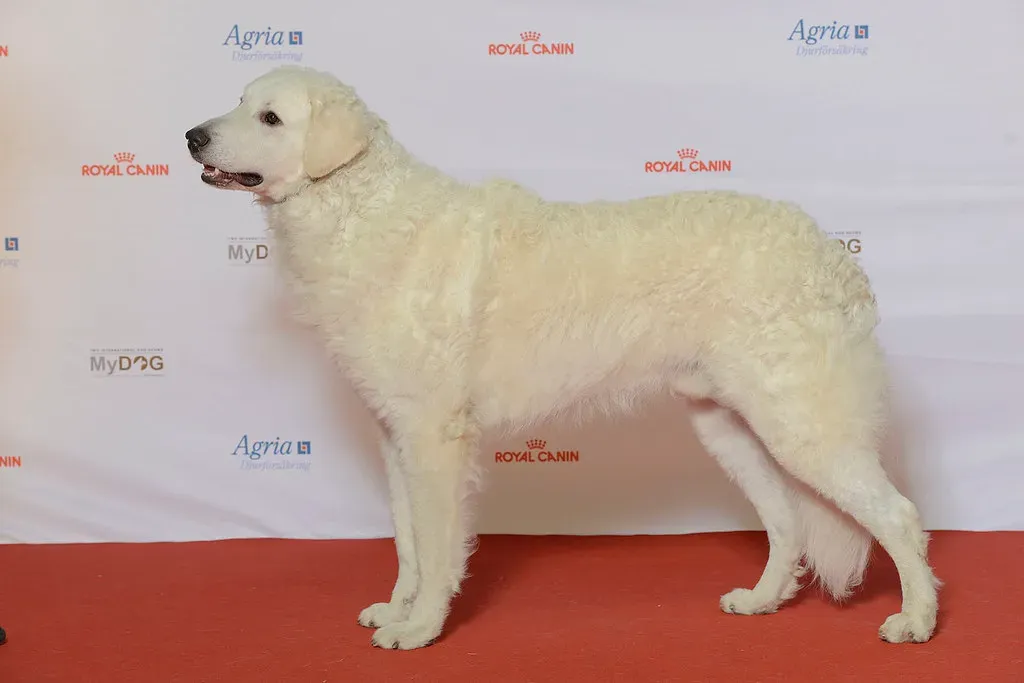
There’s something almost regal about a Kuvasz standing guard at dusk. The Kuvasz is a Hungarian breed with a noble lineage, historically serving as royal guard dogs. They are large, white-coated dogs with a strong protective instinct, making them excellent for guarding livestock or properties against predators. Kuvaszs are intelligent, courageous, and loyal, with a gentle temperament towards their family.
Their alertness and willingness to confront predators make them valuable guardians. The Kuvasz is a breed that takes its job incredibly seriously. It’s hard to say for sure how every individual dog would respond in a real confrontation, but historically this breed has been trusted to guard estates, livestock, and royalty. If it was good enough for a king’s palace, it’s good enough for a Texas backyard.
9. Belgian Malinois: The High-Energy Tactical Guardian
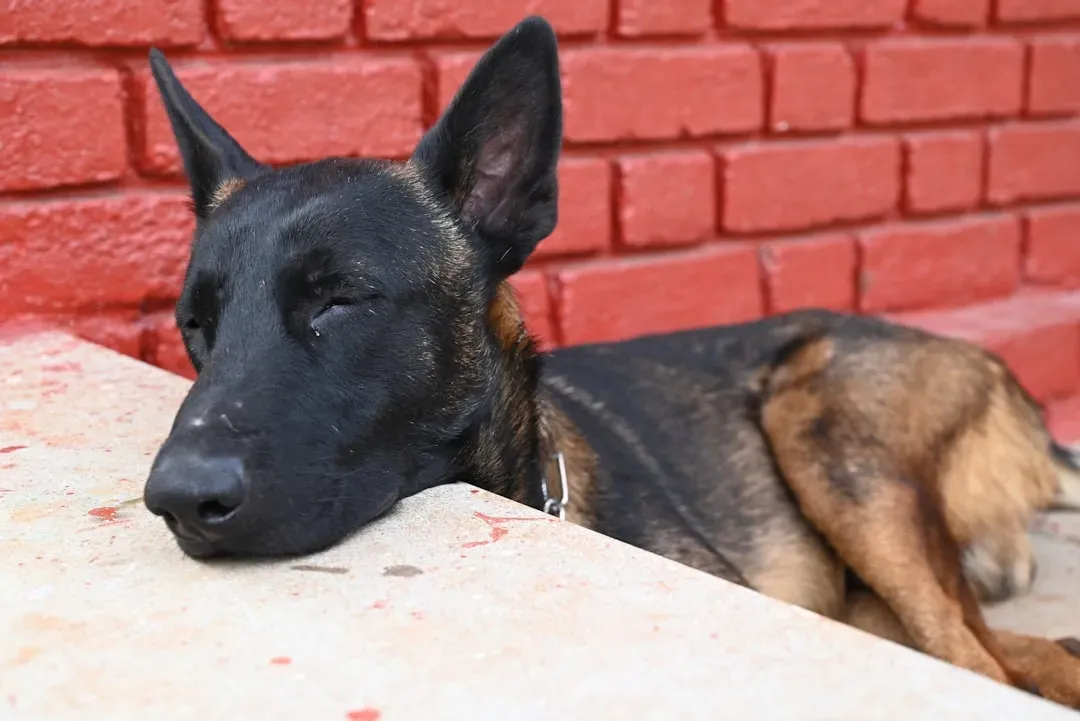
If the German Shepherd is the all-around soldier, the Belgian Malinois is the special forces operator. The Belgian Malinois is more commonly known for police and military work but is also excellent at guarding farms and livestock. They are smaller than some other breeds on the list but compensate with their agility, intelligence, and trainable nature. Malinois are vigilant, energetic, and possess strong protective instincts, making them versatile guardians for various settings.
Their awareness is almost unsettling, in the best possible way. A Malinois will detect a bobcat’s presence long before you do, and its response will be swift. The one thing to keep in mind is that this breed demands serious exercise and mental stimulation every single day. Some protection breeds like the Malinois are bred primarily for military or police work and often require active handling rather than being trusted to freely roam a rural property. Match this dog’s energy, and you’ll have a world-class guardian.
10. Rottweiler: The Powerful Farm Dog With a Commanding Presence
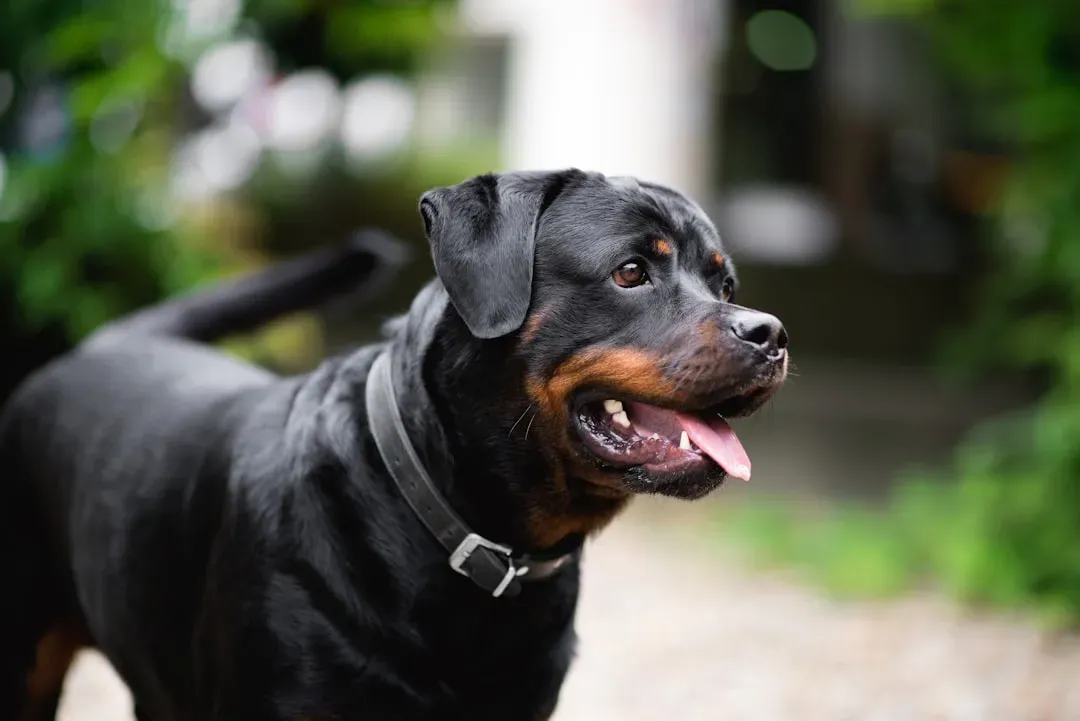
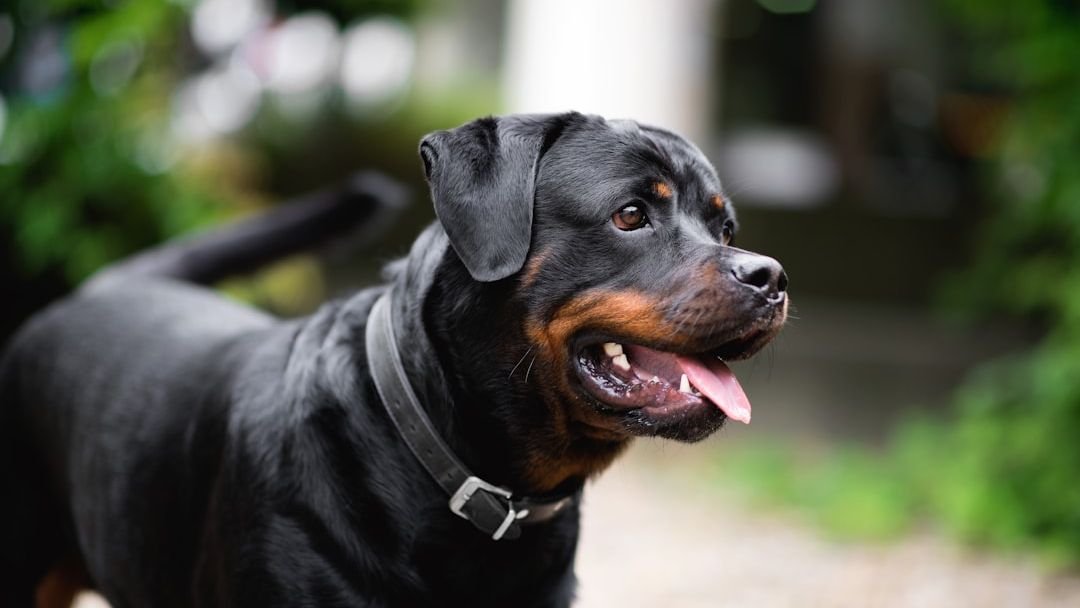
Rottweilers have a reputation, and honestly, most of it is well-earned. Rottweilers are powerful and confident dogs with a history as farm dogs in Germany. They were originally used to drive cattle to market, guard properties, and intimidate would-be threats. That protective instinct runs deep in their DNA.
If you happen to have a large dog in addition to a small dog or cat, that’s protection in itself. Their size will typically scare off a bobcat. A Rottweiler absolutely fits that profile. Their physical presence alone is enough to make most predators rethink a visit. Combine that with their fierce loyalty and territorial nature, and you have a dog that takes backyard security very personally.
Training tip: Early socialization is crucial. A well-trained Rottweiler is a remarkable companion and guardian, but an untrained one is a liability. Start young, stay consistent, and build trust.
Know Your Enemy: Understanding the Bobcat Threat in Texas
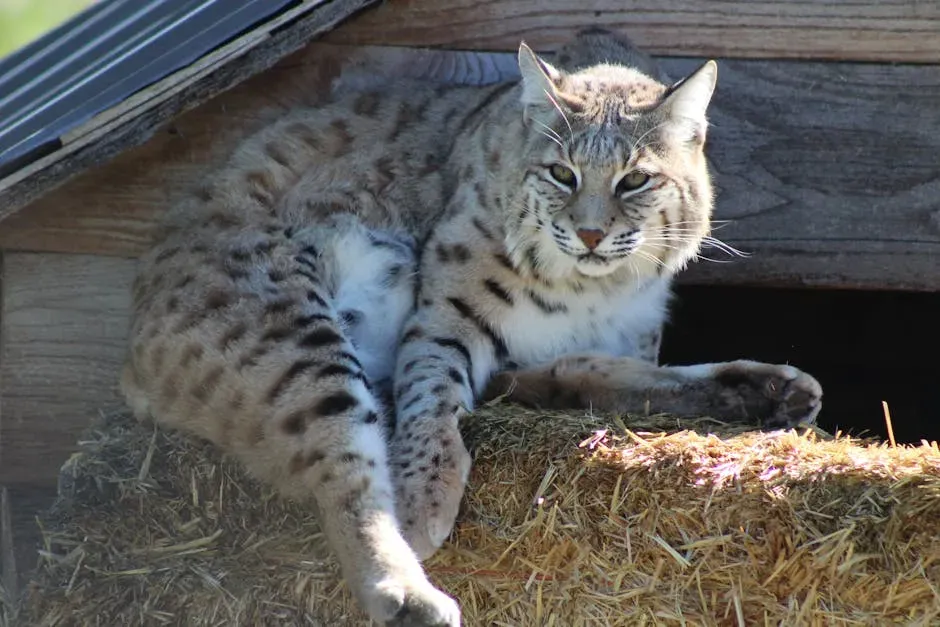
Before you choose a guard dog, it helps to understand exactly what you’re up against. These carnivorous wild cats weigh anywhere from 11 to 30 pounds, measure 26 to 41 inches long, and can be roughly twice the size of your average housecat. Small but formidable, especially when they’re hungry or have young nearby.
Bobcats live in neighborhoods across the Dallas-Fort Worth area, are on the move year-round searching for rodents, and typically avoid human and pet contact unless they have become comfortable or have been fed, intentionally or by accident. Removing attractants matters just as much as having a guard dog. Don’t leave your pet’s food outside, and lock your trash cans with a clamp or bungee cord. A guard dog and smart yard management together are genuinely hard for any bobcat to overcome.
Conclusion: The Right Dog Changes Everything
Living in Texas means sharing space with incredible wildlife, and bobcats are simply part of that story. The goal isn’t to wage war on nature. It’s to create a safe environment where your family, your pets, and your livestock can thrive without fear. The right guard dog isn’t just a deterrent; it’s a daily commitment, a working partnership built on trust and training.
Sometimes even the presence of a big dog on the property will keep people and animal intruders away. No single means of predator protection is foolproof, so even if you have a guard dog, you may still want additional measures like electric fencing if the predator problem is serious. Layer your defenses. Be present. Know your dog’s strengths. And remember that each of these breeds brings something unique to the table.
Whether you’re out on a Central Texas ranch or in a suburban backyard in the DFW area, the right canine companion could be the single most important decision you make for your family’s safety. So, which of these incredible breeds surprised you the most? Tell us in the comments – we’d love to hear your experience!


