
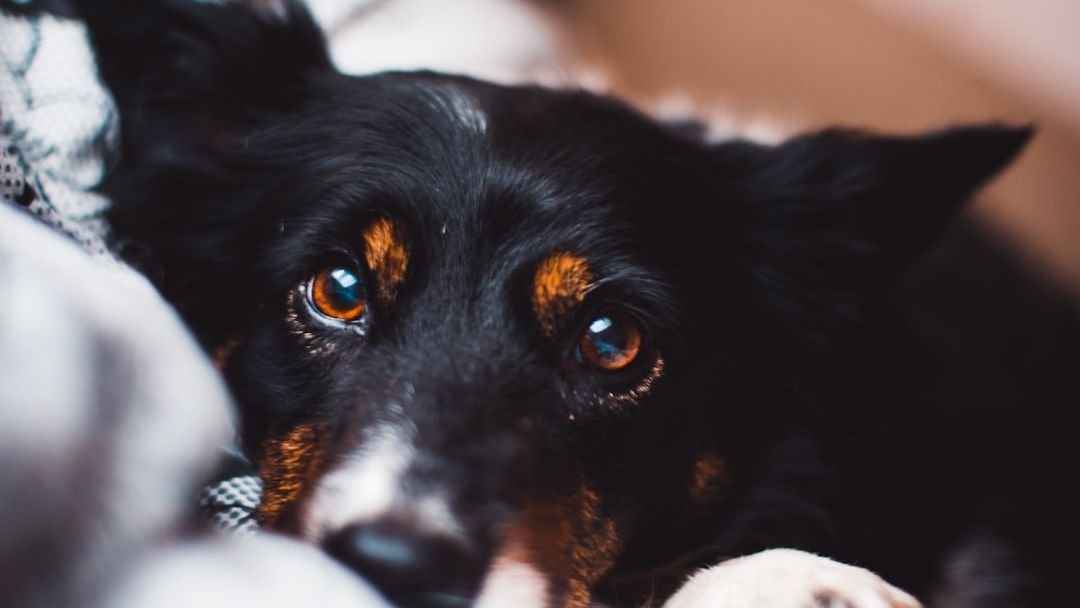
There’s a moment many dog owners describe, quietly, almost reluctantly, like they’re sharing something sacred. Their dog, old and slowing down, suddenly rested its head in their lap with a kind of stillness that felt different. Not sleepy different. Something deeper. It stops you in your tracks. You know, even if you can’t explain it.
Dogs can’t speak our language. They can’t sit us down and say the words we’d desperately want to hear. Yet, in their final days, weeks, or even months, they communicate in ways that are profound, tender, and heartbreakingly clear, if only we know how to listen. The final gift a dying dog gives isn’t dramatic. It’s subtle. It’s in the way they look at you, lean into you, or go still in a room they never used to sleep in.
Understanding these signs doesn’t make goodbye easier. Nothing does. However, it does mean you can meet your dog exactly where they are, with presence, compassion, and the kind of love they’ve been giving you all along. Let’s talk about what that actually looks like.
The Quiet Withdrawal That Speaks Volumes

One of the first things you might notice is that your dog starts disappearing into corners of the house they’ve never cared about before. They may withdraw and seek solitude, preferring to rest alone in a quiet, secluded spot. It can feel personal, like they’re pulling away from you. Honestly, it’s one of the most misunderstood signs there is.
Dying pets may behave differently around people, often becoming more distant or sometimes more clingy. Choosing to hide or isolate themselves may reflect fatigue and a desire for quiet, or an instinct to separate oneself from others when the end is near. Think of it like how we humans want the lights dimmed and the room quiet when we’re exhausted and unwell.
If your pet displays this end-of-life behavior, avoid forcing interactions, but remain close by so they can feel your calming presence. So don’t take it personally. Instead, sit nearby. Let them know you’re there without crowding their space. That gentle presence is everything.
The Unexpected Surge of Clinginess and Closeness
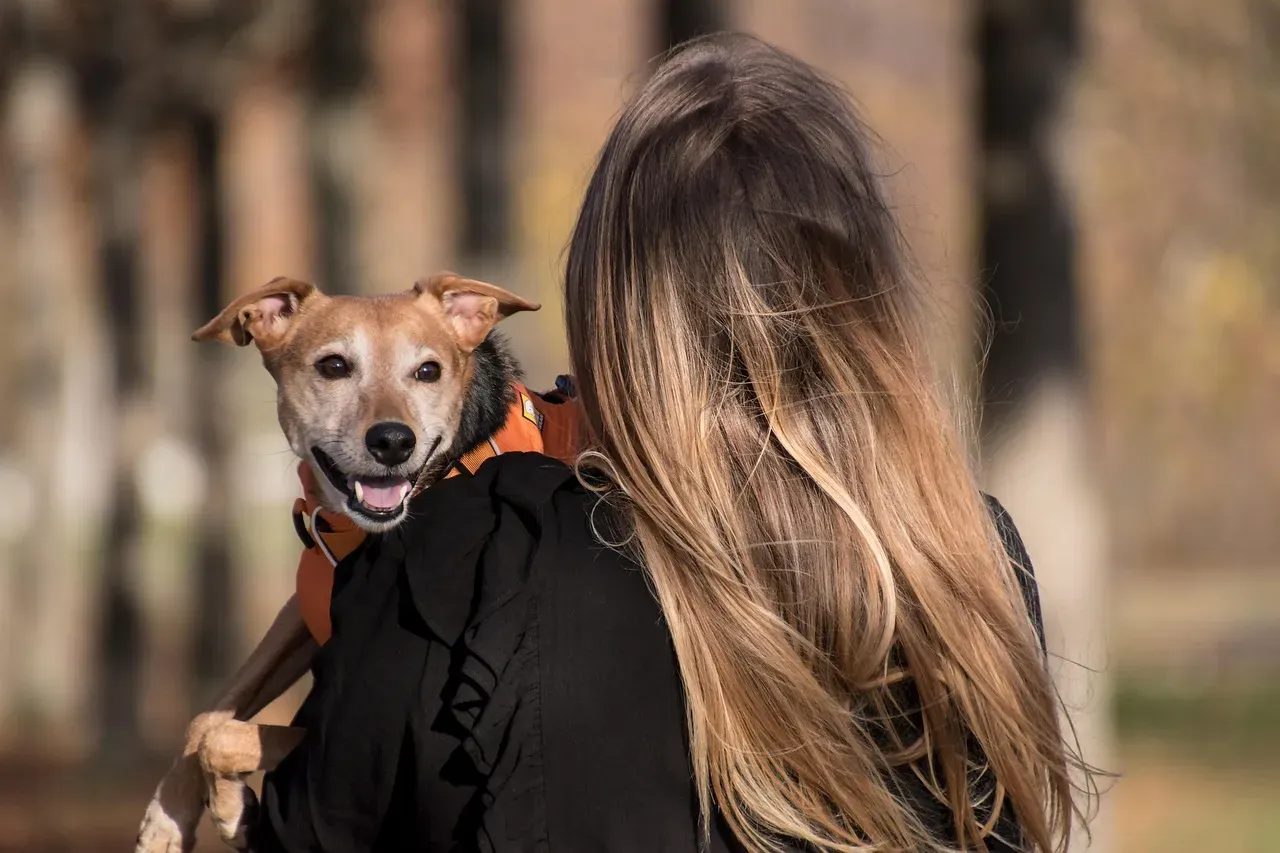
Here’s the thing, not every dog retreats. Some do the complete opposite. Some dogs may become excessively clingy, constantly seeking your attention, following you from room to room, and becoming anxious when left alone. This increased need for security and comfort is a natural response to their weakening state. If your normally independent pup suddenly won’t leave your side, pay attention.
In their final days, your dog might seek more physical contact, resting their head on your lap or following you around the house. These actions are their way of staying connected and drawing comfort from your presence. It’s not clinginess in the annoying sense. It’s a dog saying, “You are my safe place.”
Providing gentle pets, speaking softly, and spending quality time together can offer significant emotional support. Let them have this. Clear your schedule if you can. These moments are ones you’ll carry with you long after they’re gone.
When Their Body Starts Sending Signals You Can’t Ignore
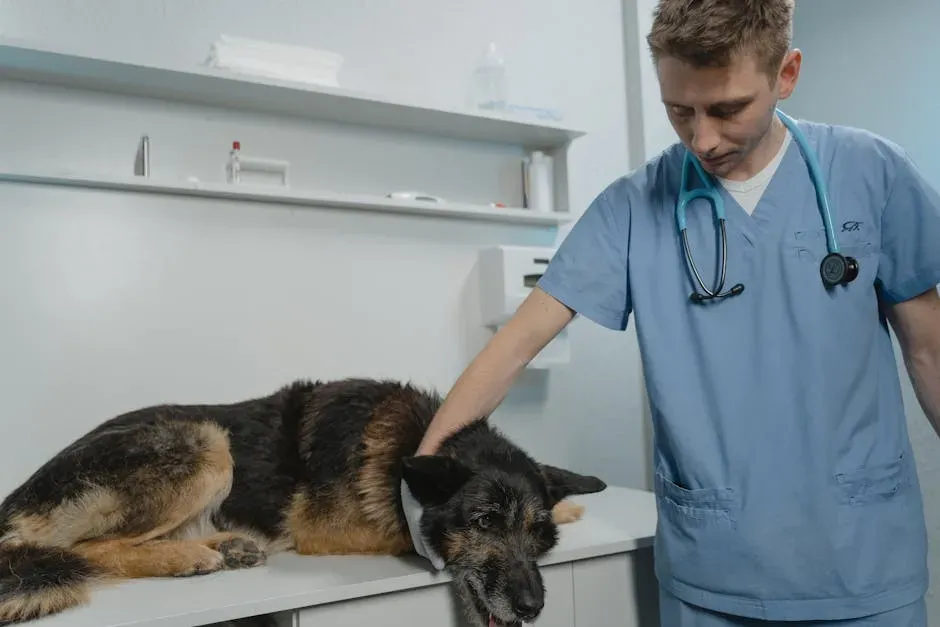
Dogs show various signs before dying, including physical changes like altered appetite, breathing, mobility, and increased accidents due to pain. This pain may also result in behavioral shifts, including altered social interaction, heightened anxiety, and disinterest in activities. The body changes first, even when your dog tries hard to seem like themselves.
Labored or shallow breathing can occur due to fluid buildup in the lungs or weakening respiratory muscles. Open-mouth breathing even when not warm may indicate difficulty getting enough oxygen. These are not subtle signs. If you see these, it’s time to call your vet right away.
Decreased mobility and poor coordination are common in senior dogs and can steadily worsen with age. Changes often begin slowly, like walking instead of running, then become more progressive like stumbling when walking, slipping on non-carpeted surfaces, or struggling with getting up stairs. Simple adjustments like ramps, non-slip mats, and soft bedding close to the ground can make a real difference in their comfort level during this time.
The Look in Their Eyes and the Language of Letting Go
A dog’s body language can be a window into their emotional state. A once vibrant tail may become still, or engaged eyes might appear distant, both possible signs of an inner knowing that their time is near. I know it sounds hard to believe, but anyone who has been through this will tell you, that change in the eyes is unmistakable.
Friends and family may say you’ll know it’s time because your dog will give you “The Look,” a moment when their expression seems intentional, almost like they’re asking for permission to go. Whether that’s a spiritual moment or simply the physical changes of a tired body, it lands the same way in your chest.
Dogs are incredibly loyal and often keep trying to engage even when they feel unwell. By the time their expression noticeably changes, they’re usually already uncomfortable. This is a reminder not to wait for the most dramatic moment before seeking help. It’s kinder to talk with your veterinarian and make a plan before reaching that point.
How to Honor the Final Gift Without Falling Apart
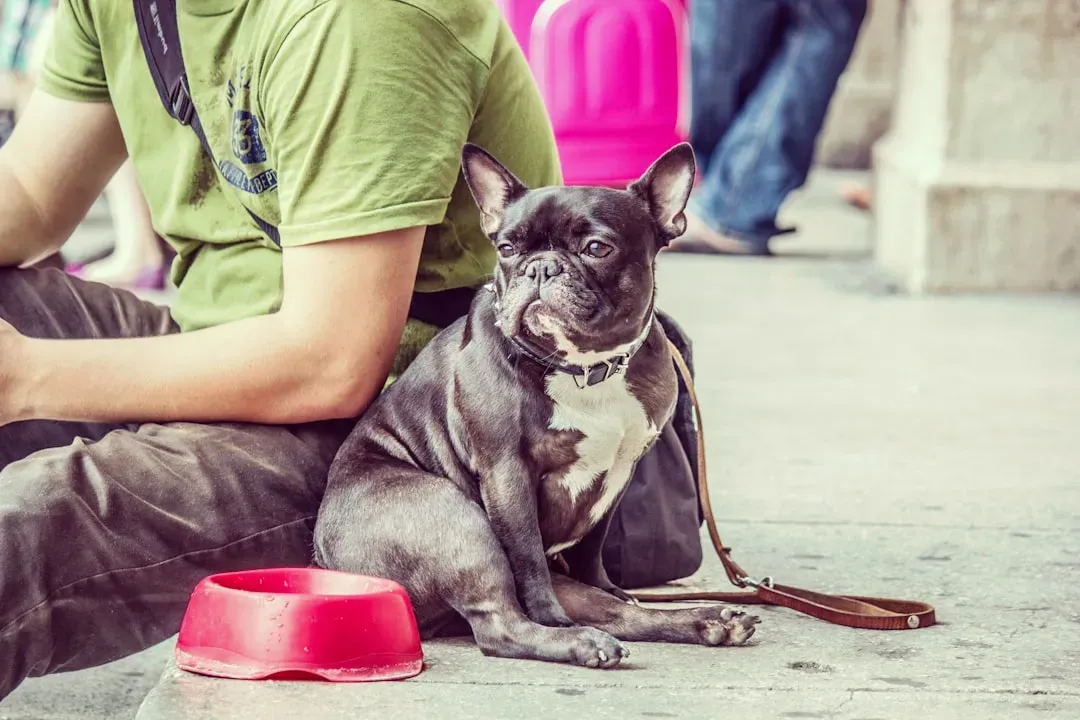
Saying goodbye to your dog with love and grace means staying with your dog during these final hours, and reassuring them with gentle stroking and a soft voice. It’s hard. It may be one of the hardest things you ever do. However, your calm presence is the greatest comfort you can give.
Dogs can sense their pet parents’ distress and may react accordingly, so try to remain as calm and reassuring as possible. Think of it like being someone’s anchor during a storm. You don’t have to be fearless. You just have to stay. Your dog has been steady for you through so many of your hard days.
Supporting your dog during their final days involves providing comfort, managing pain, and preparing for the inevitable. Consulting your veterinarian for pain management options is important. Medications prescribed by your veterinarian can help alleviate discomfort and improve your dog’s quality of life. Don’t try to carry this alone. Your vet is a partner in giving your dog a peaceful, dignified ending.
A Final Thought That Stays With You
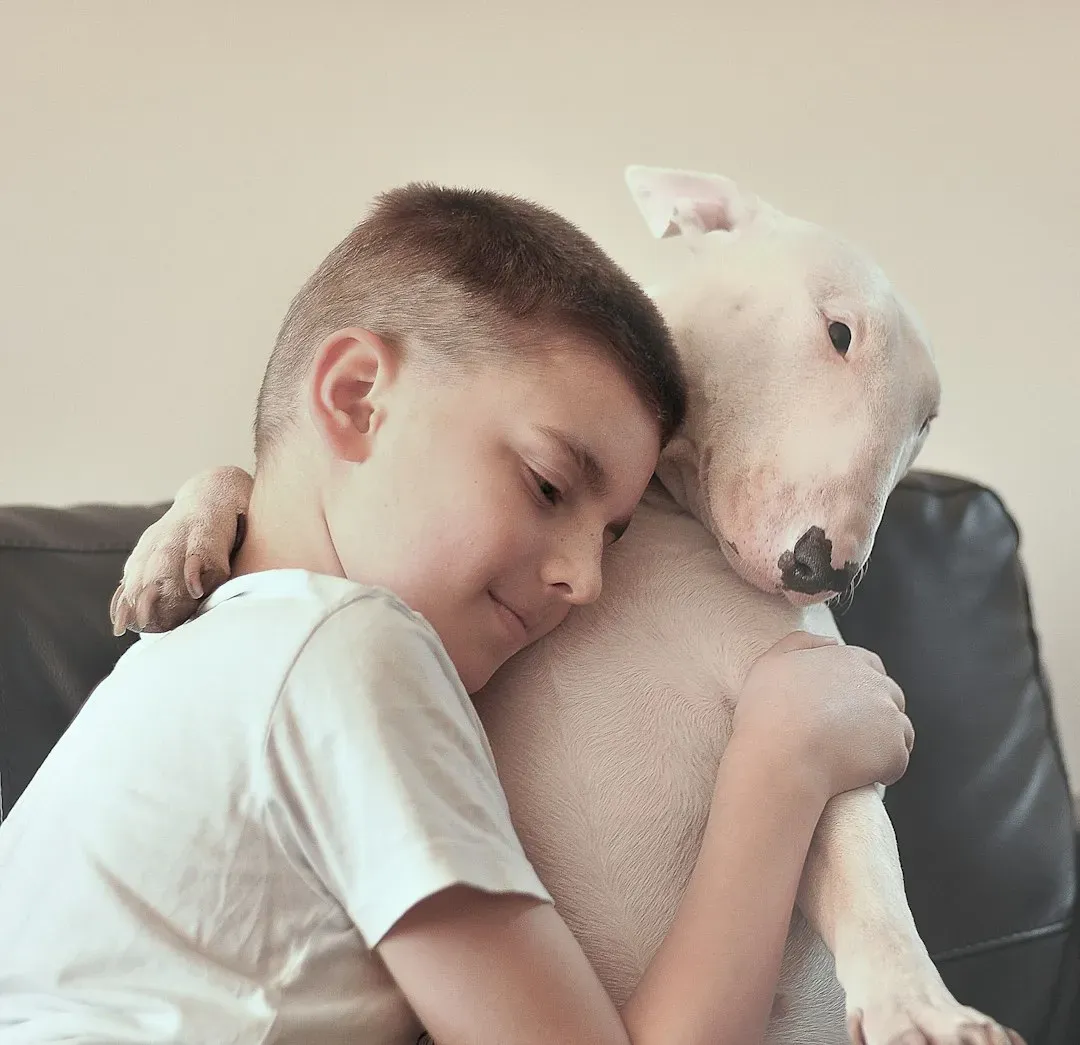
There’s something quietly beautiful buried inside all this grief. Dogs don’t hold back love, ever. Not even at the end. The seeking of closeness, the soft eyes, the heavy head on your knee, all of it is the same love they’ve been giving you from day one. Their exit from this world does not erase the times they greeted us at the door, made us smile when days were heavy, or curled up close when we felt alone. Those memories remain vivid, etched into our hearts, weaving a lasting bond.
Recognizing what your dog is communicating in those final days isn’t just about preparing yourself emotionally. It’s about showing up fully for the one being who never gave you anything less than their whole heart. As you spot these changes, you can create meaningful, peaceful final experiences filled with love and comfort rather than confusion and distress.
The final gift your dog gives you is the same one they’ve always given, presence, pure and unconditional. The only question is whether we’re paying close enough attention to receive it. Have you ever experienced a moment with your dog that you couldn’t quite explain but felt deeply meaningful? We’d love to hear your story in the comments below.


