
10 Heartfelt Moments That Quietly Mark A Dog’s Twilight Years
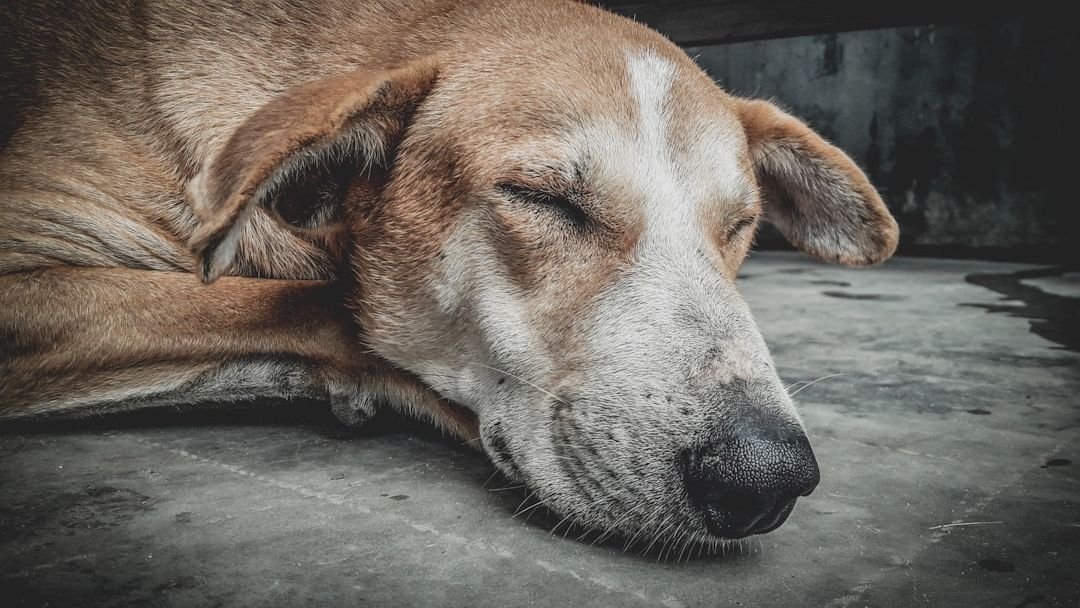
There’s a specific kind of ache that comes when you realize your dog isn’t racing to the door anymore. They still look at you with those same eyes, still wag their tail – just a little slower now. It sneaks up on you, honestly, and before you know it you’re Googling things at midnight, wondering if what you’re seeing is normal or something more.
The twilight years of a dog’s life are full of these quiet, bittersweet moments. Some are easy to miss, some tug hard at your heartstrings, and some carry important health signals that could genuinely change the course of your dog’s comfort and wellbeing. So whether you have a grey-muzzled Lab or a slowing-down senior Chihuahua, this one’s for you. Let’s dive in.
The Morning Struggle: When Getting Up Takes Effort
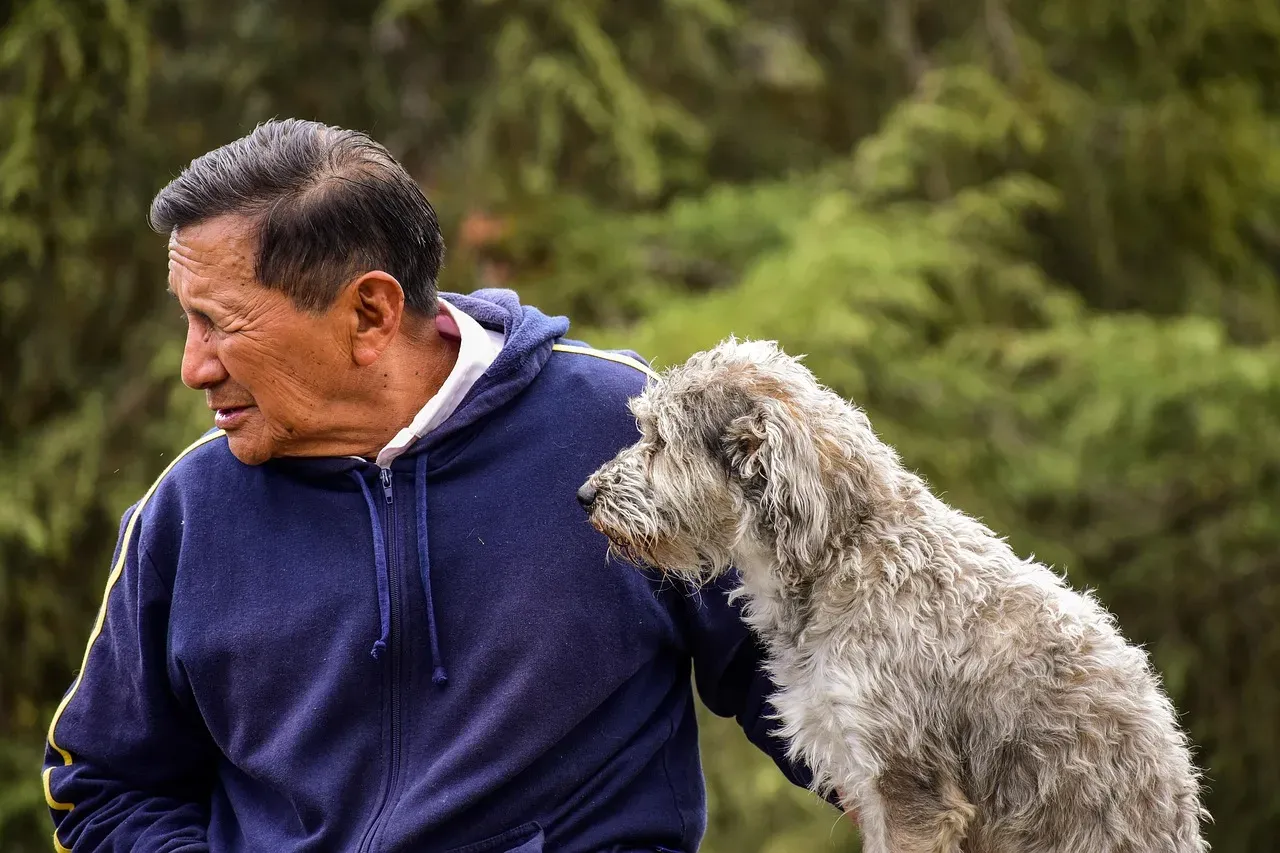
You used to have a dog that launched off the floor like a spring. Now, there’s a pause, a grunt, and a slow stretch before all four paws are on the ground. You might notice slowness in getting up, stiffness, and even limping for the first few steps in the morning or after a long nap. This is often one of the very first signs dog owners notice.
Dogs have been domesticated for thousands of years but retain their natural instinct from their wilder days to hide weakness, so they will initially hide their pain. That means by the time the stiffness becomes visible, it may have been building for a while. Don’t let that loyalty to toughing it out fool you into thinking everything is fine.
While genetics play a role, maintaining a healthy weight, regular exercise, and joint-supportive supplements can reduce the risk or delay onset of arthritis. Talk to your vet about orthopedic bedding and gentle daily walks. Small tweaks make a genuinely big difference here.
The Grey Muzzle Moment Nobody Warns You About
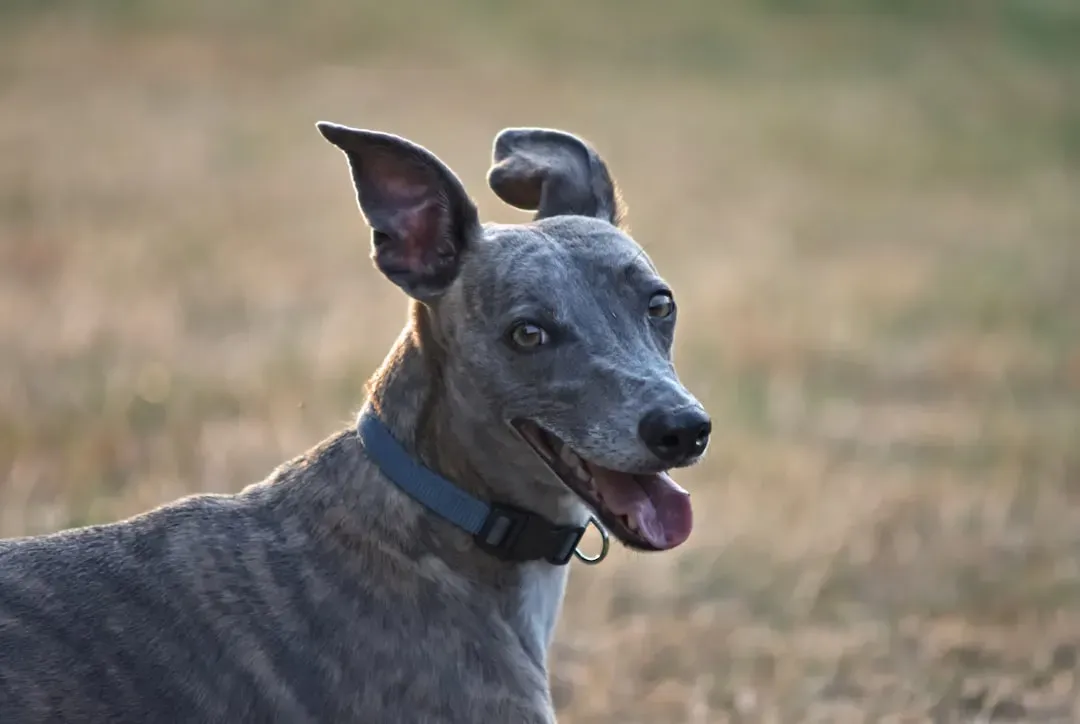
One day you look down at your dog and notice silver threading through their face like frost on old wood. It’s a small thing, but it carries enormous emotional weight for most dog parents. It’s normal for a dog’s fur to turn grey or white as they get older, particularly around the face, and greying typically begins around 5 years of age.
Different breeds and sizes of dog age at different rates. A large breed like a Great Dane is considered senior at around 6 years old, while a small dog, like a Chihuahua, may not be considered old until they are 7 to 10 years old. So that silver muzzle could arrive earlier than you expect, especially with bigger breeds.
Here’s the thing – the grey muzzle isn’t a problem to solve. It’s a badge of a life well lived. What matters is that you’re paying attention to what else is changing alongside it. The coat can be a window into overall health, and if you see dull fur alongside other changes, a vet check makes perfect sense.
Sleeping More, Dreaming Deeply
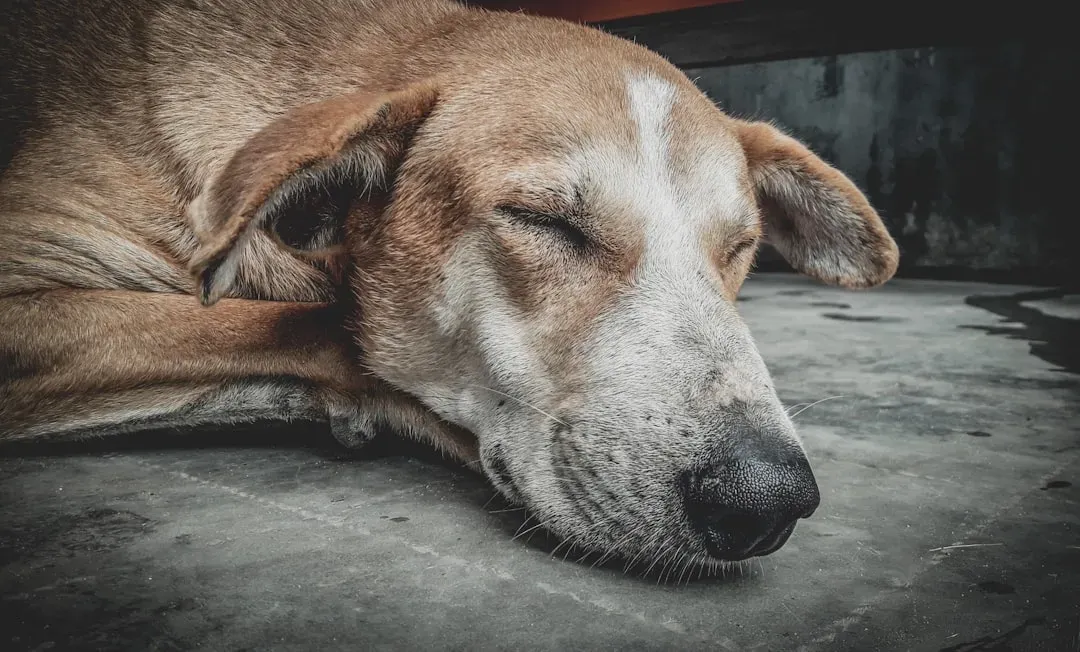
In general, seniors may prefer more relaxed activities than they did as rambunctious adults, and will likely spend more time resting and sleeping. I know it sounds alarming when your once-energetic dog seems to sleep half the day away, but increased sleep is a natural part of aging in dogs.
Where it gets complicated is when sleep changes become disrupted. Sleep-wake cycle changes include increased sleeping during the day, pacing and restlessness at night. If your dog seems drowsy during daylight but then wanders restlessly after dark, that’s a different signal entirely and worth discussing with your vet.
Many aging dogs develop a habit called the “midnight walks” that causes them to roam throughout the house at night. Adding nightlights can help them see clearly and be less likely to get stuck. For some dogs, going for an extra walk right before bedtime can wear them out, leading to longer, deeper sleep. Simple adjustments like these can restore peace to everyone in the household.
When Your Dog Seems Lost in Their Own Home
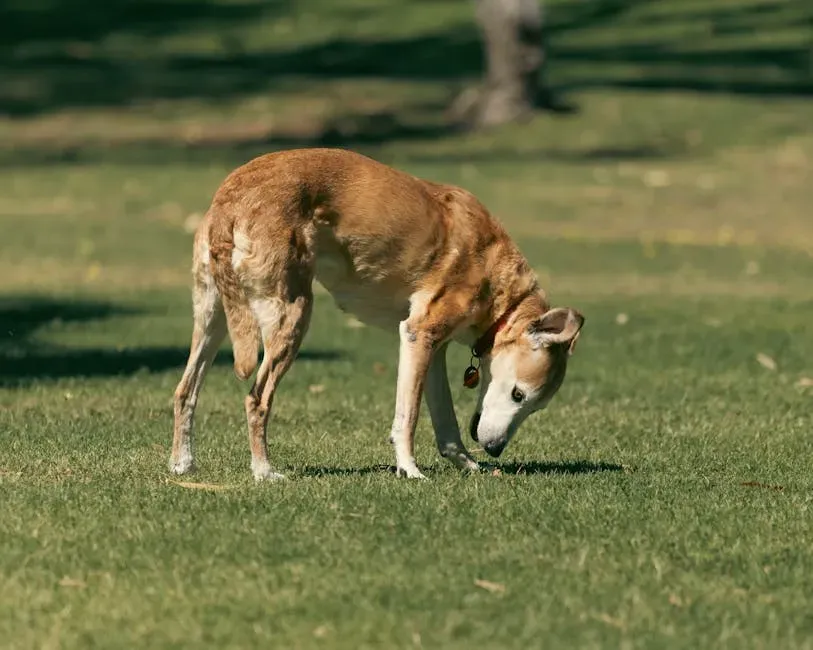
Picture this: your dog walks into the kitchen, stops, and just stares at the wall. Or they go to the wrong side of the door to be let out, confused. Disorientation – getting lost in familiar places, getting stuck in corners, staring into space – is one of the most common signs of canine cognitive dysfunction syndrome. It’s heartbreaking to see, but important to recognize early.
Senior dogs are at the highest risk for developing this condition: roughly a quarter of dogs aged 11 to 12 are affected, and more than two thirds of dogs 15 to 16 years old have cognitive dysfunction syndrome. So this isn’t a rare edge case. It’s surprisingly common and too often dismissed as “just old age.”
If your dog is struggling to see, try to keep furniture and other household objects in the same place. As your dog’s eyesight fails, they’ll rely more on memory and other senses. It’s also a good idea to leave a light on at night for your pet. These small environmental tweaks cost almost nothing and can reduce confusion dramatically.
The Quiet Withdrawal From Social Life
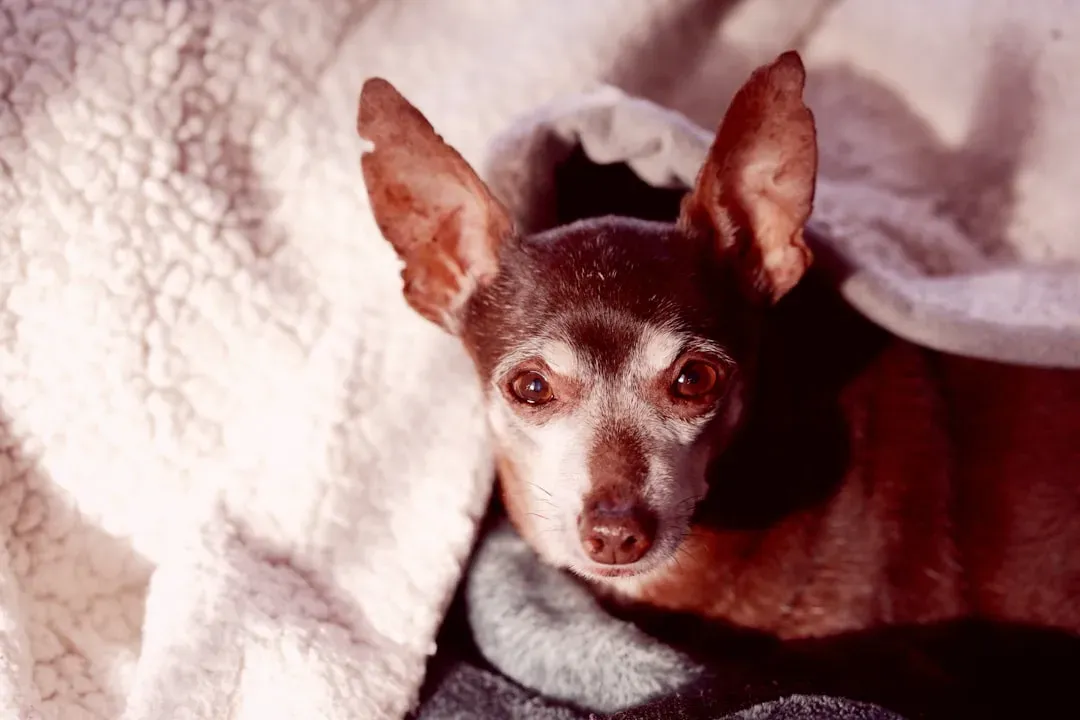
Remember when your dog used to sprint to greet every visitor? Now they stay in their bed, barely lifting their head. As dogs age, they often suffer a decline in functioning. Their memory, their ability to learn, their awareness, and their senses of sight and hearing can all deteriorate. Aging can also change their social relationships with you and other pets in your home.
Another result of cognitive decline involves a lack of interest and receptiveness with loved ones. It’s important to remember this is not an indication that your pet has lost love for you. Rather, your dog may be forgetting previously learned cues and habits, along with having decreased energy. That is genuinely reassuring to hold onto.
Don’t push a withdrawn senior dog to socialize when they’d rather rest. Respect your dog’s desire to either mingle with or avoid people and dogs. If they want company, watch for signs of fatigue. If they prefer to opt out, have a room where they can rest. Meeting them where they are is one of the kindest things you can do.
The Appetite Shift That Deserves Attention
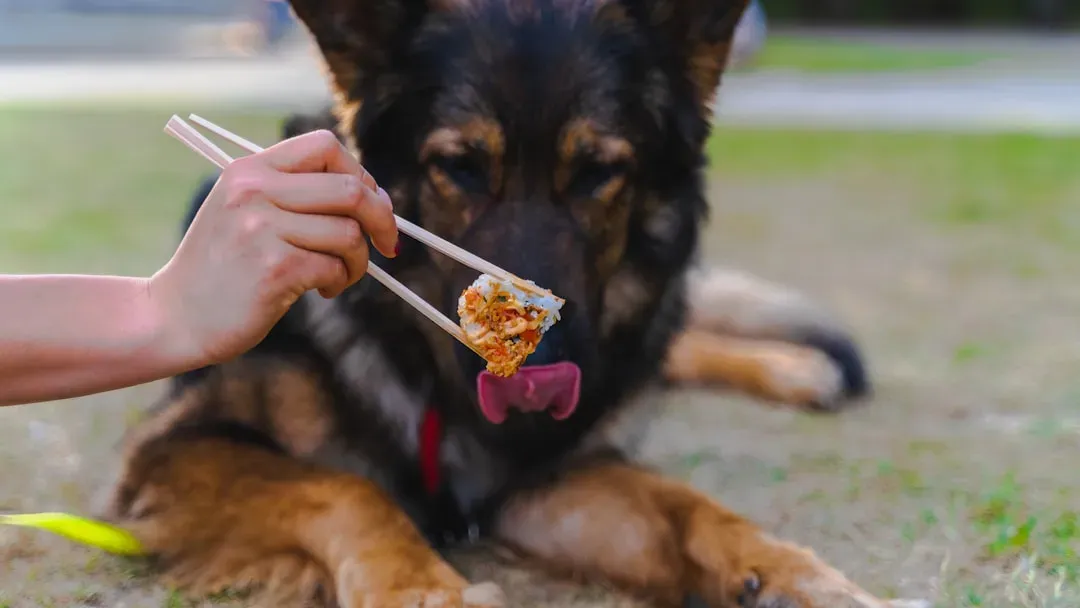
When your senior dog starts sniffing their bowl and walking away, it’s easy to assume they’re being picky. Honestly, that’s rarely the explanation. Unlike humans, dogs don’t get bored with their food. Changes in eating habits are often a sign of something more significant. For example, if your senior dog is sniffing their food but walking away or losing weight, it could indicate an underlying health issue, such as dental problems or gastrointestinal discomfort.
Systemic diseases, such as kidney or liver failure, heart disease, diabetes, and cancer, become increasingly likely as your pet ages and may affect their appetite. Other diseases, such as arthritis, dental disease, and some cancers, cause pain that can lead to loss of appetite. In other words, a changed appetite is almost never “just a phase.”
If your dog loses more than 10% of their body weight in a few months, or even in a year, consult your vet. That’s a solid guideline to bookmark. Weigh your dog regularly – it takes seconds and can catch important changes before they spiral.
The Cloudy Eyes That Change How They See the World
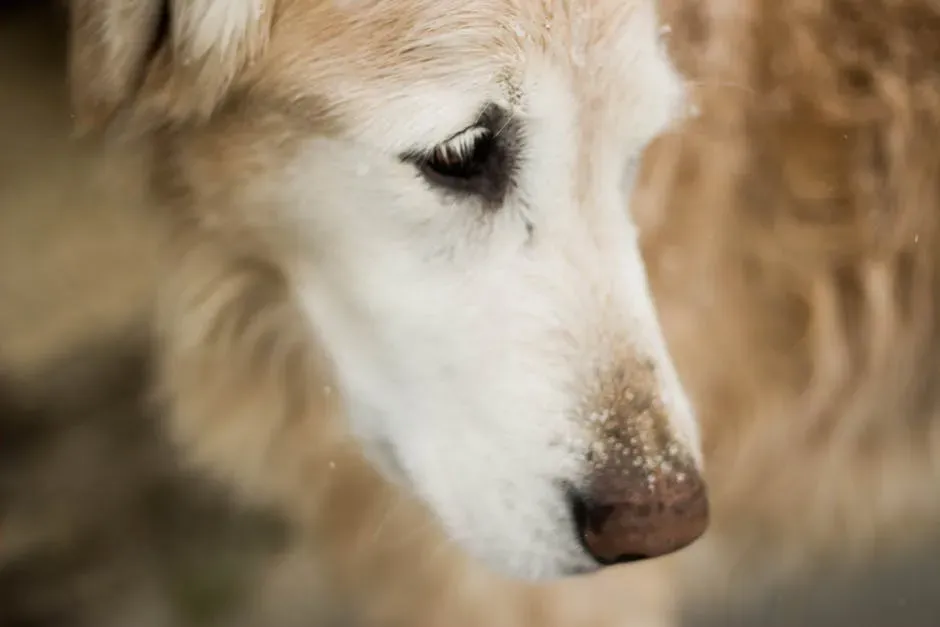
Eye cloudiness can happen so gradually that you might not notice it right away. While it’s a fairly common occurrence in senior dogs and doesn’t always affect vision, it may also be a sign of canine cataracts or other eye diseases, most of which are easily treatable. So don’t panic, but do pay attention.
Many senior dogs lose some vision or hearing due to natural age-related changes, which can make them seem confused or anxious. You may notice a bluish haze in your dog’s eyes, which can affect depth perception and night vision. In most cases, this is not serious, but it is best to have your vet check the eyes for cataracts, glaucoma, or retinal degeneration.
Here’s a simple, loving tip: support and comfort a senior dog experiencing vision or hearing loss by keeping surroundings consistent, such as avoiding rearranging furniture. If possible, use touch cues to replace verbal commands and stomp lightly on the floor or tap the bed before touching your dog. Think of it as learning a new love language with your dog.
Accidents in the House: Not Disobedience, Just Biology

Few moments are more confusing for dog owners than when a perfectly house-trained senior dog starts having indoor accidents. The first instinct can be frustration, but let’s be real – this is one of the most emotionally loaded signs of aging, and it deserves compassion, not a scolding. It’s not uncommon to see more accidents around the house as your dog gets older, and these mishaps are not intentional. Your poor dog may not even know they are having these accidents.
If your dog has taken their elimination habits indoors, they are not being willfully disobedient. Inappropriate elimination has many causes, such as a decrease in mobility, a more frequent urge to eliminate, less control over their bowels or bladder, and serious organ issues. This is a vet conversation, not a training issue.
There are a number of items you can use – such as dog diapers, belly bands, plastic sheets and pads – but the most important action is to consult your veterinarian to determine the underlying cause. Managing the symptom is fine temporarily, but always chase the root cause first.
The Velcro Phase: When Your Dog Won’t Leave Your Side
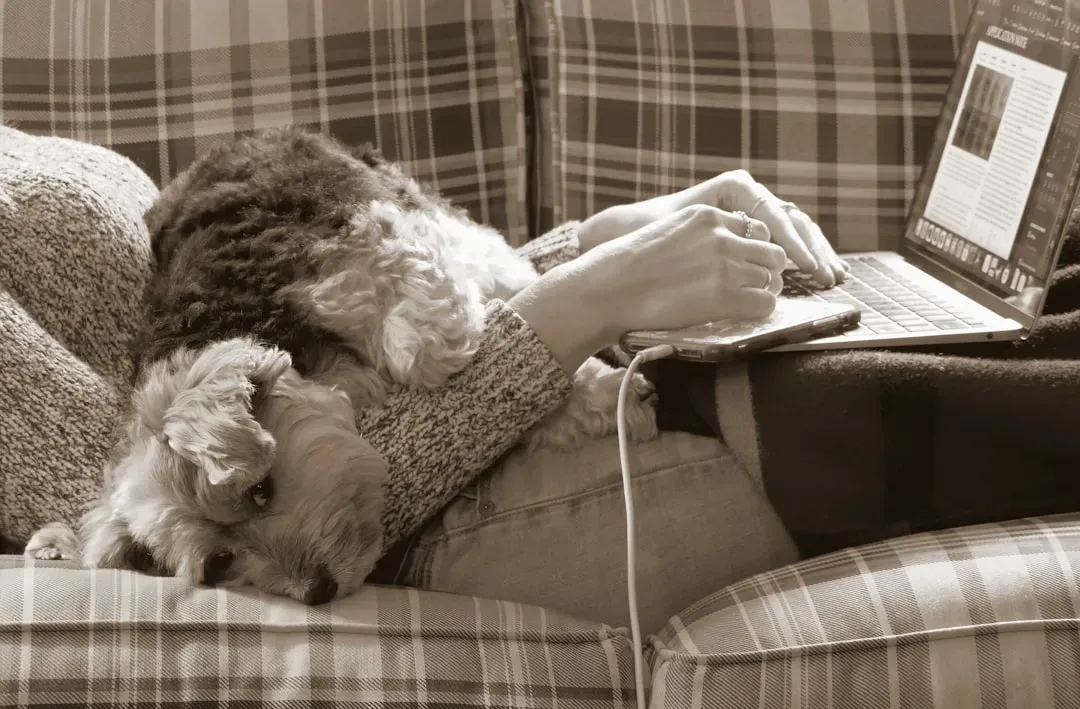
Some senior dogs go the opposite direction of withdrawal. Instead of pulling away, they become your shadow – following every step, pressing close, demanding constant contact. Dogs show they’re anxious by becoming irritable and sensitive, getting spooked by unfamiliar people and pets, becoming less tolerant of being touched or restrained, and following you around more, wanting increased physical contact. It can feel endearing and overwhelming at the same time.
Interaction changes – suddenly becoming clingy or avoidant, or not recognizing familiar people – are well-recognized signs of canine cognitive dysfunction. So the Velcro behavior isn’t just personality. It’s often anxiety-driven, rooted in a world that is becoming less familiar to them.
The number one thing you can do to help your dog is to simply continue to show them love and patience. Your dog might be struggling with old age, but that doesn’t mean they stopped loving you or your affection. In fact, they may need it more than ever. Lean into the closeness. That time is precious.
The New Sounds: Excessive Vocalization and What It Means
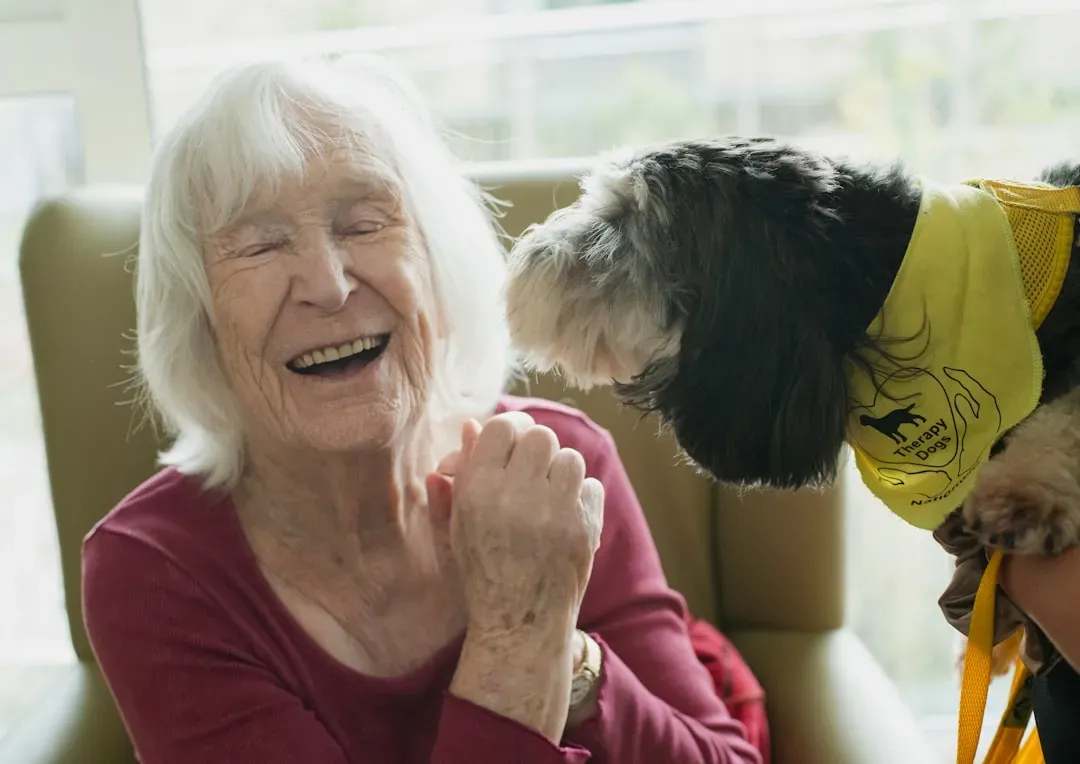
If your once-quiet dog has started whimpering, barking randomly, or howling at night for no obvious reason, it’s startling. It can also feel lonely, watching your dog seem distressed without being able to explain why. Excessive vocalizing as your dog ages doesn’t mean they’re becoming more conversational, but it could indicate that they’re disoriented due to cognitive dysfunction, becoming deaf, or in pain, perhaps from arthritis.
Often symptoms are first noticed as confusion, agitation, restlessness, and vocalization during the evening hours, known as “Sundowners Syndrome.” It’s a real phenomenon, and it has a name, which somehow makes it feel more manageable. You’re not imagining it, and your dog isn’t misbehaving.
Sometimes vets will prescribe an FDA-approved medication called selegiline to help with cognitive dysfunction and senility. This medication can help dogs with dementia have fewer sleep-wake cycle issues, have less house soiling, and improve their brain activity. There are real options. Always start by ruling out pain as a cause, and then work through the possibilities with your vet team.
Conclusion: Love Them Loudly in the Quiet Moments
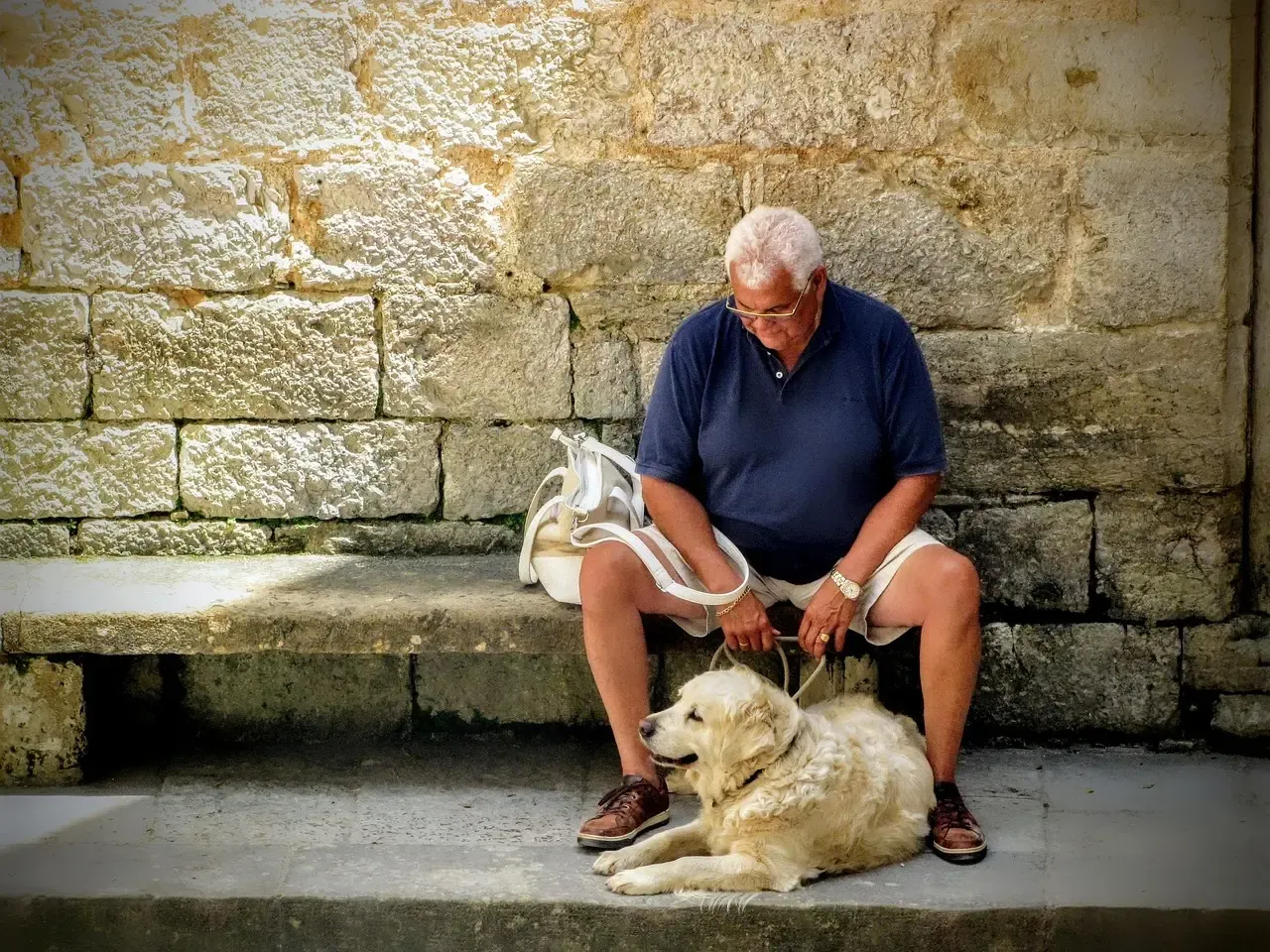
The twilight years of a dog’s life are not something to fear. They are something to prepare for, pay attention to, and yes, to feel deeply. Every grey whisker, every slow stretch, every extra nap on the couch is a chapter in a story you’ve been writing together.
Aging is a slow and gradual process, and changes can be subtle, so it’s important to keep a close eye on your dog’s health and behavior and discuss any changes you notice with your veterinarian. You don’t have to navigate this alone, and you certainly don’t have to wait until something is obviously wrong to ask for help.
The most powerful thing you can offer your senior dog is presence – attentive, patient, and full of the same love they’ve given you every single day. With some vigilance and attention to your dog’s health, these can truly be “golden years.” Which of these moments have you already started noticing in your dog? Drop a comment below – this community gets it, and we’d love to hear your story.