
10 Most Memorable Things You Will Remember While Holding Your Dog’s Paw at The End
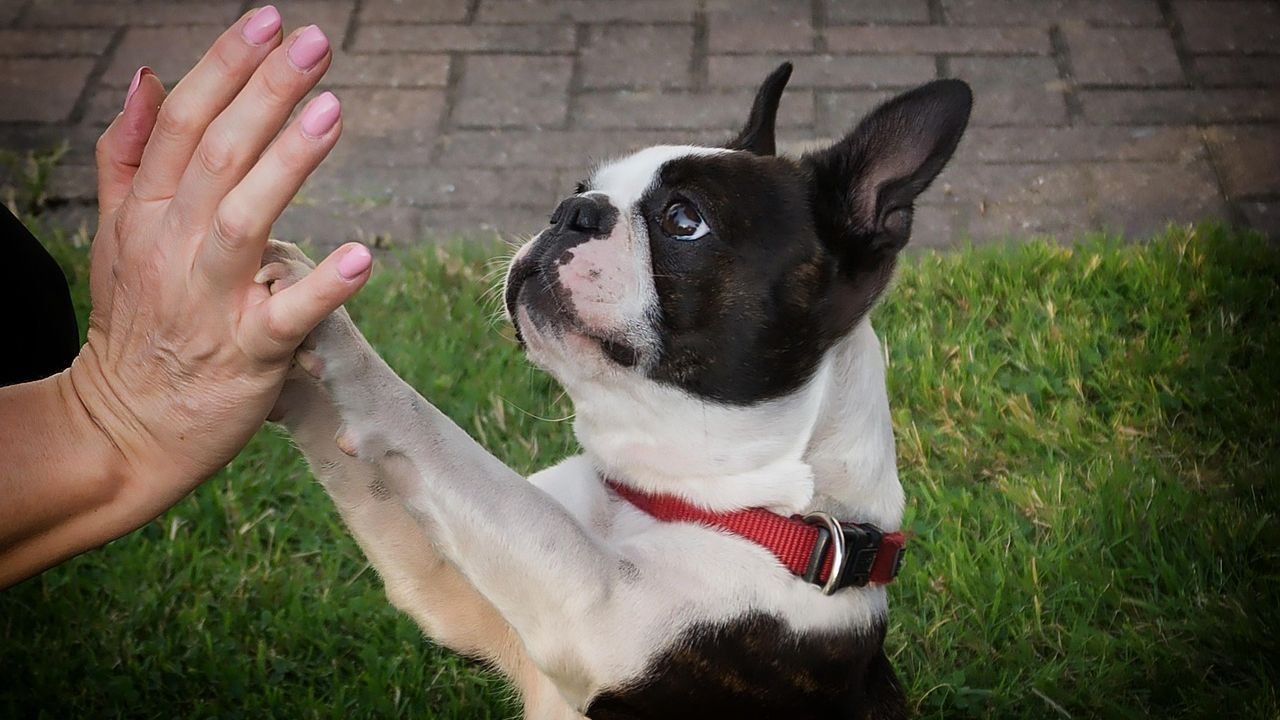
There’s a moment that no dog owner ever truly prepares for – no matter how long you’ve known it was coming. You’re there, on the floor, or on a vet’s table, or in the quiet corner of your living room, and your hand finds your dog’s paw. Time slows. Everything else disappears. It is one of the most profoundly human experiences wrapped inside one of the most heartbreaking ones.
If you’ve been through it, you know exactly what I’m talking about. If you haven’t yet, knowing what to expect can make all the difference. These are the ten things that stay with you long after that final goodbye – the memories, the signs, the feelings, and the small truths you carry forward. Let’s walk through them together.
1. How Their Paw Feels Different Than It Ever Has Before
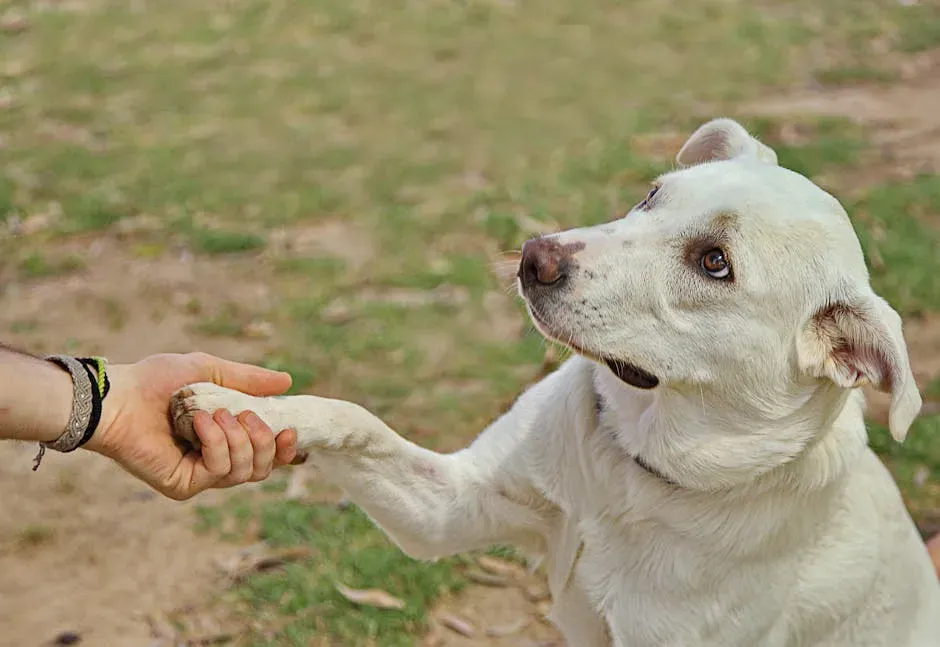
The first thing you notice when you hold that paw is how it feels. Their body temperature drops, and their paws and legs feel cold to the touch. It’s startling, even if you knew to expect it. That warmth you’ve felt a thousand times before – in your lap on movie nights, on morning walks, during every vet visit – is fading, and your hand notices before your mind fully accepts it.
This physical shift is one of the most visceral memories dog owners carry. A dying pet’s body may develop cardiovascular shock, causing poor circulation and low blood pressure, and the pet may become cold or appear pale or bluish from lack of oxygen. It sounds clinical written out like that, but in the moment, it is anything but. It is the body saying goodbye in its own quiet language, and you are there to listen.
2. The Look in Their Eyes
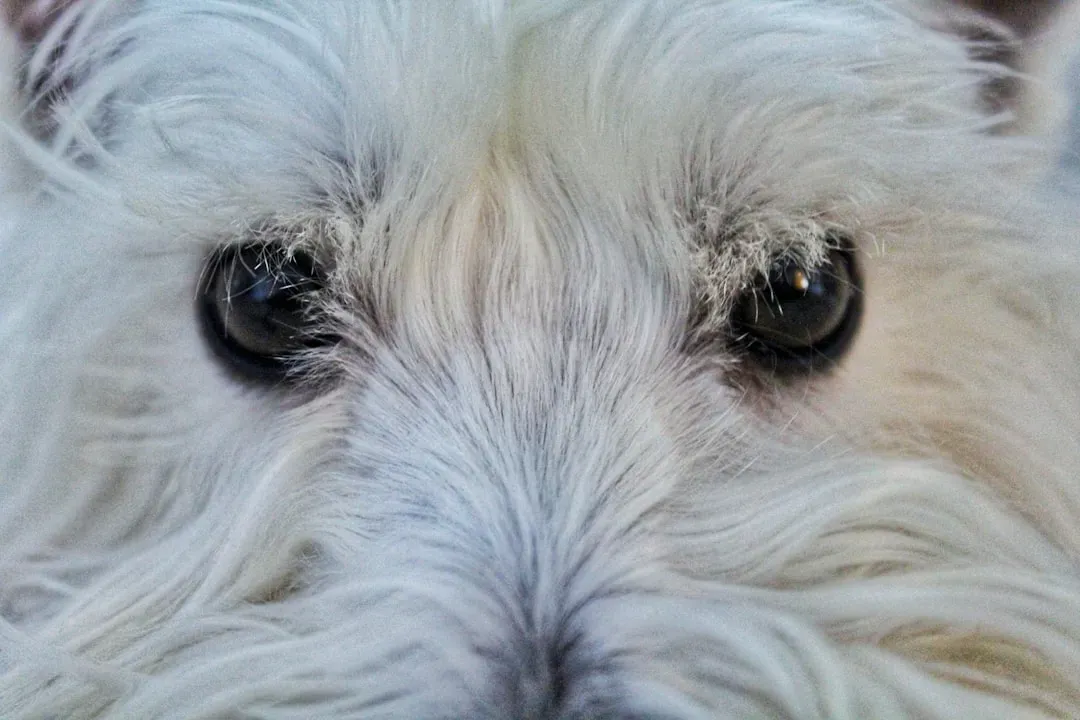
Honestly, nothing hits harder than the eyes. Some dogs may show a final look that lets them communicate with their owners – a loving, tired, sad, or confused look. Either way, that final look communicates their feelings to their owners. The mutual gaze can be something that only the two of you understand. You will replay this moment for years.
Dogs near the end of their life often have a change in their eyes, and you may notice that your dog’s eyes seem glassy or dull. Yet somehow, even through that glassiness, something shines through. Call it recognition. Call it love. Call it the whole history of your relationship compressed into a single, wordless exchange. Whatever it is, you will never forget it.
3. The Quiet That Fills the Room
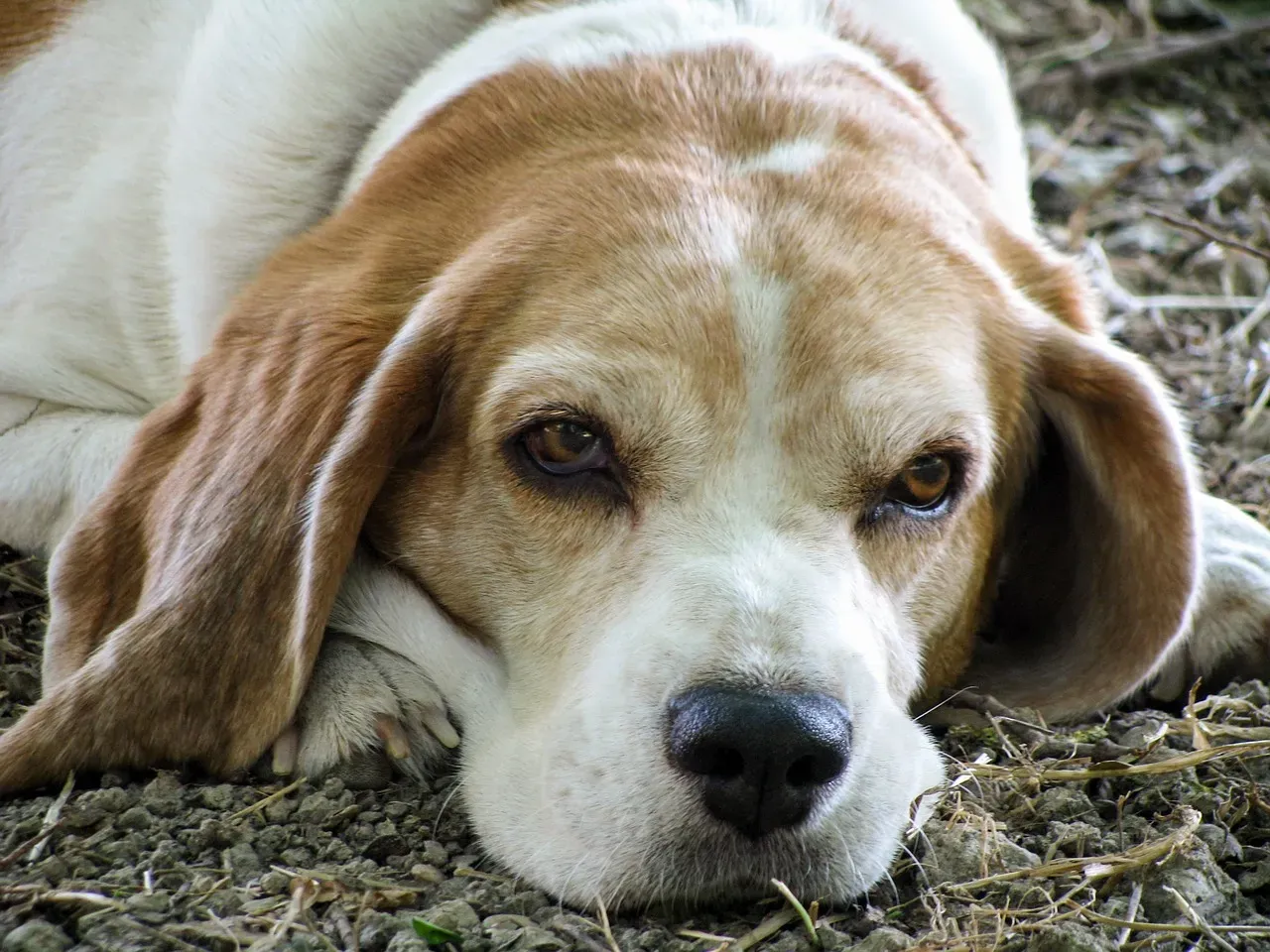
Near the end of life, many dogs have difficulty breathing. You may notice changes in their breath rate – faster or slower – or uneven breathing. You may also see changes to the sounds of their breathing, harsher or quieter. Labored breathing often indicates that a dog is at the very end of life. In between those breaths, there is a silence so thick it feels like its own presence.
You find yourself holding your own breath, matching your rhythm to theirs. The room shrinks down to just the two of you. Background noise, phones, the world outside – none of it registers anymore. That stillness is something people describe over and over again, and it tends to become one of the most indelible parts of the whole experience.
4. The Moment You Realize They Are Not Afraid
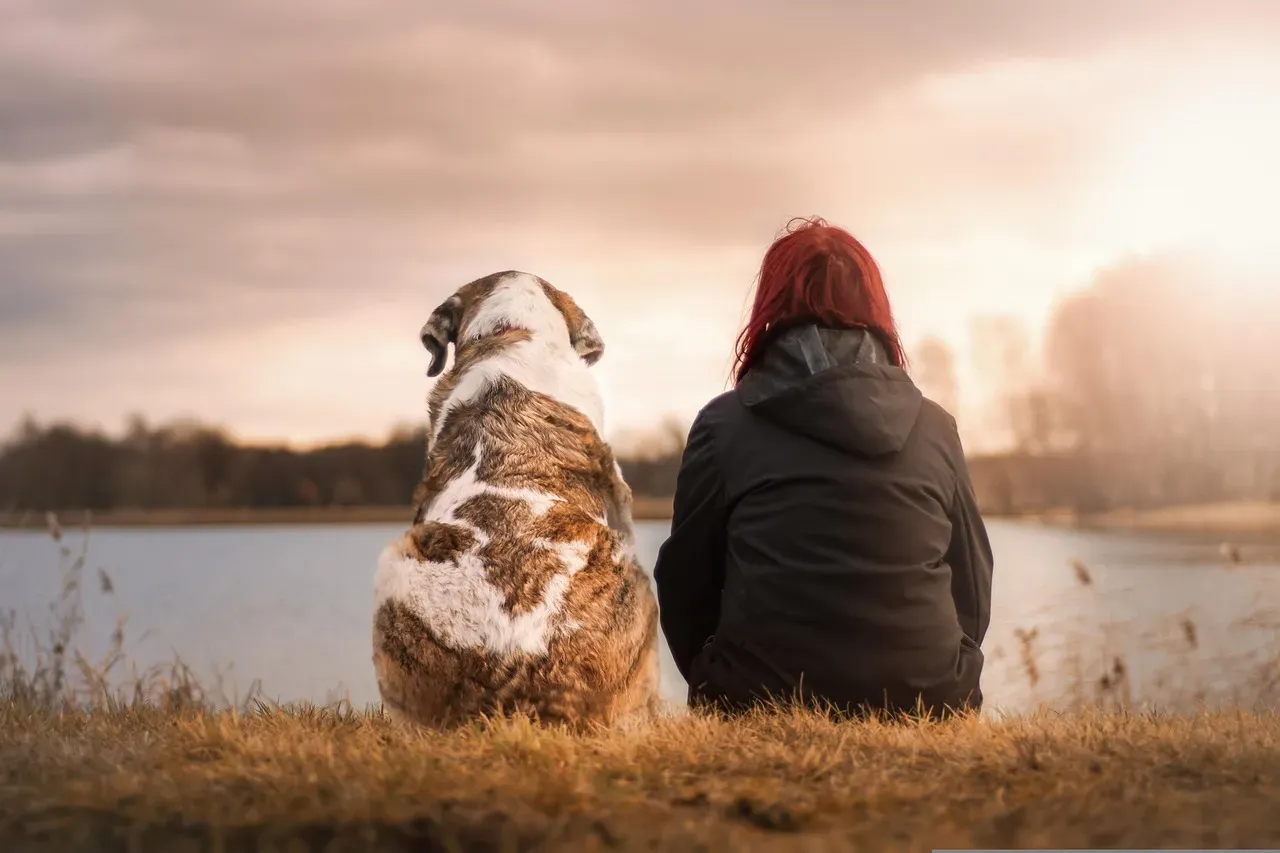
Here’s the thing that surprises so many dog owners – the relief they feel when they see how peaceful their dog appears. Dogs and cats are likely not scared or sad as they pass, and may even feel bliss or awe. I know it sounds almost too good to believe, but the research that does exist, combined with the accounts of countless owners and vets, points in this direction.
While there’s no definitive answer, dogs typically don’t fully grasp when or how they are dying, although their behavior may change as death becomes imminent. During euthanasia, they quickly enter a peaceful sleep state where they feel no pain or distress. Knowing this doesn’t make the goodbye easier. It does, however, make it feel less like abandonment and more like the gift it truly is.
5. How Much Your Presence Actually Matters
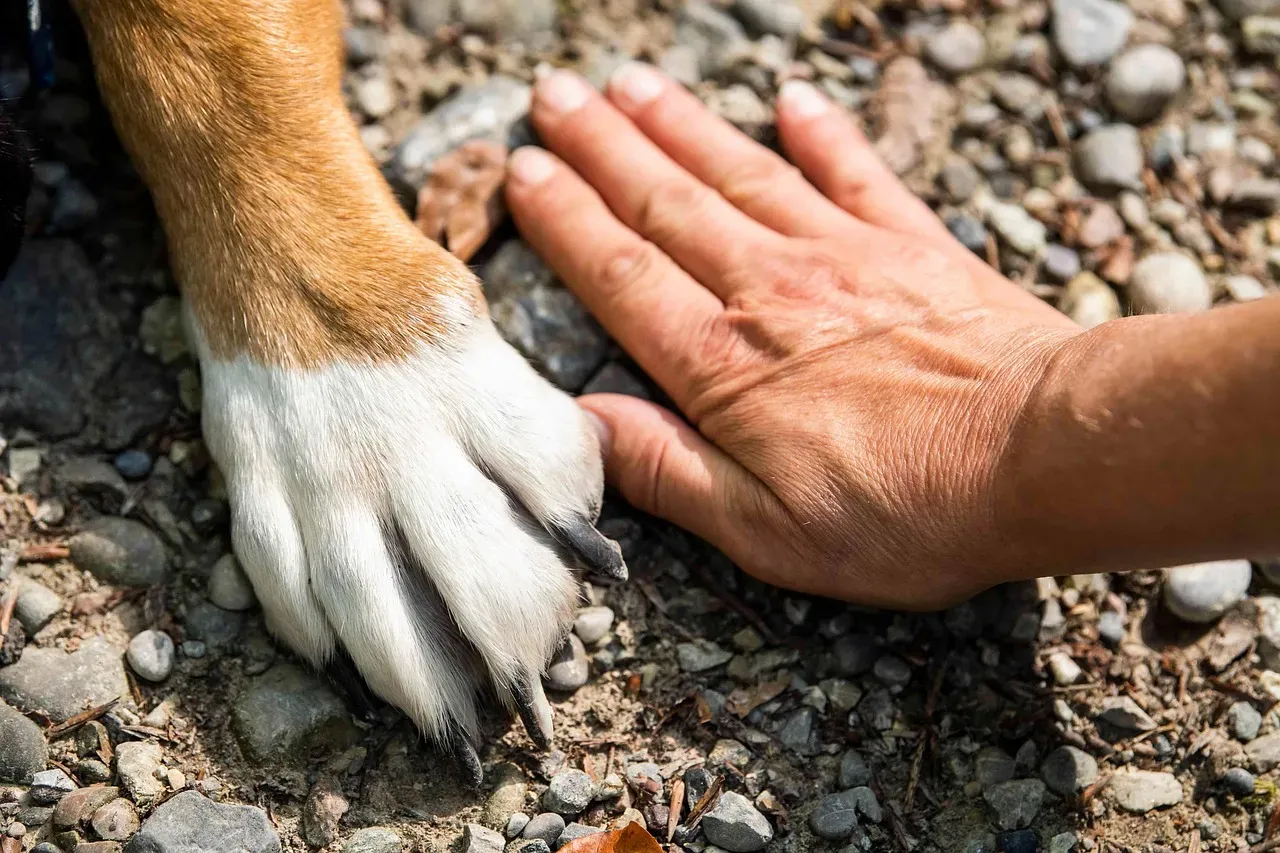
You might feel helpless sitting there, holding that small paw, wondering if you’re doing enough. You are. Dogs recognize their owner’s scent and touch even when they’re heavily sedated or experiencing pain. This physical connection serves as an anchor to everything they’ve known and loved about their life with you. That is not a small thing. That is everything.
Touch is one of the most fundamental ways dogs experience love and security throughout their lives. When you hold your dog’s paw during euthanasia, you’re tapping into years of shared connection and trust. Think about it this way: your scent, your warmth, the familiar weight of your hand – that is the last “home” your dog feels. There is no more profound act of love than that.
6. The Behaviors You Wish You Had Understood Sooner
As you sit there, memory has a way of flooding in. You start piecing together the signs you noticed but maybe didn’t fully act on. One of the earliest and most noticeable shifts in behavior can be a change in your dog’s usual social interactions. Some dogs may become excessively clingy, constantly seeking your attention, following you from room to room, and becoming anxious when left alone. This increased need for security and comfort is a natural response to their weakening state.
Other dogs go the opposite direction. Near the end of life, sometimes dogs want nothing to do with us. If your dog is seeking out quiet places of solitude or isolation, it could be a sign they are near the end of their time. Neither behavior is wrong or something you failed to handle. Understanding these cues, even in hindsight, helps you make peace with the journey. Going forward, you carry this knowledge for every dog who comes into your life.
7. The Weight of the Decision – and Why It Was an Act of Love
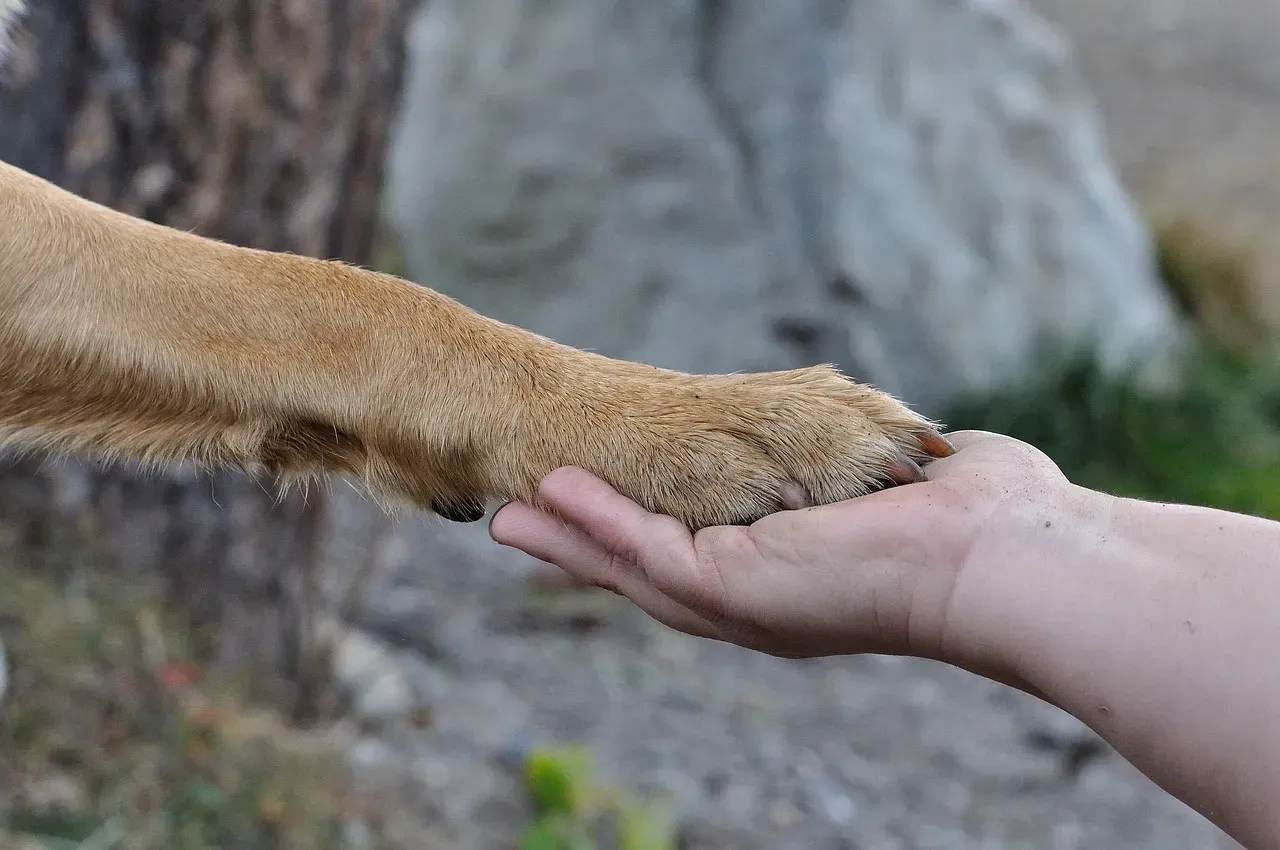
If you chose euthanasia, holding that paw means carrying the weight of that decision too. The decision to euthanize a pet is one of the most heartbreaking choices any dog owner will face, yet it’s often the kindest gift we can give to a suffering friend. Repeat that to yourself as many times as you need to. Kindest gift.
A natural death does not mean a peaceful death, and the stages of dying can be very stressful to watch. This is why euthanasia is used to provide a pain-free, humane end of life for pets. Choosing to stay present through that process, squeezing that paw, and whispering the words they needed to hear – that is not weakness. This decision isn’t about being strong or brave – it’s about being present for your dog the same way they’ve been present for you throughout their life. Your willingness to share in their transition, despite your own pain, demonstrates the depth of your love and commitment to their well-being above your own comfort.
8. The Sounds You Made Without Meaning To
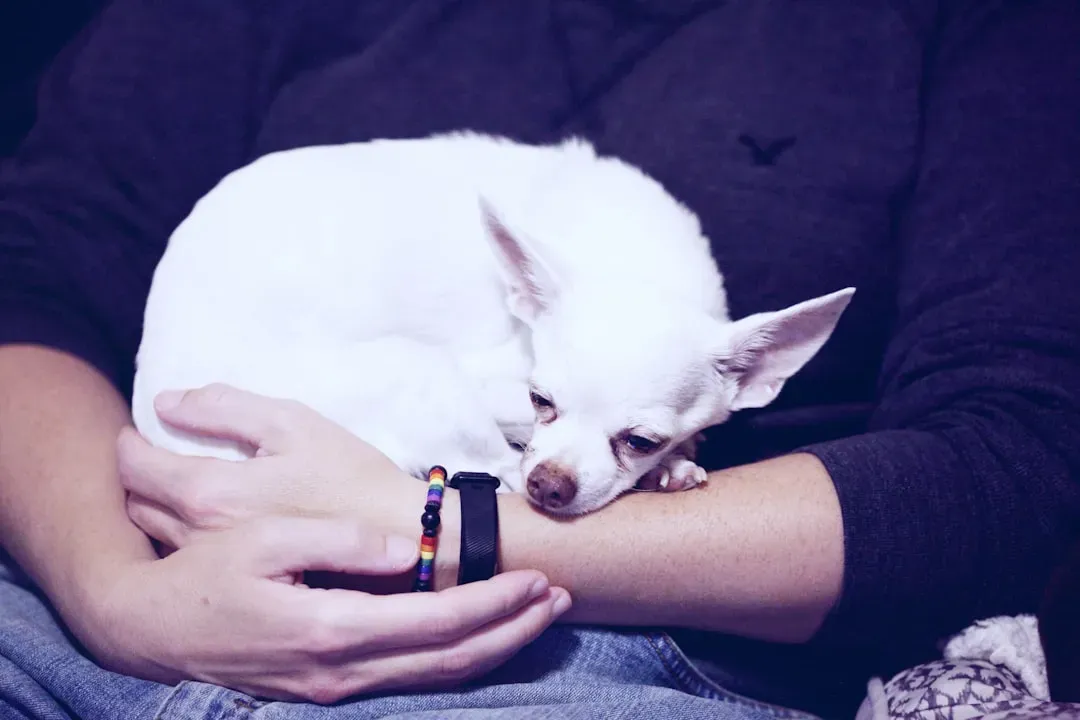
Most people don’t talk about this part. The sounds that come out of you in that room – the quiet crying, the whispered “good boy” or “good girl,” the shaky breathing – are some of the rawest things you’ll ever hear yourself make. You weren’t performing grief. That was grief, unfiltered and real. It is worth remembering that your voice was also part of what your dog experienced in those final moments.
Those final moments together are about presence. The most important thing you can offer is the peace of knowing they are not alone. Your voice, even cracked and unsteady, was part of that peace. Dogs are deeply attuned to the sound of their people. Hearing you – familiar, near, tender – was comfort in a form science doesn’t need to prove for us to know it’s true.
9. What Their Body Did in the Very Last Moments
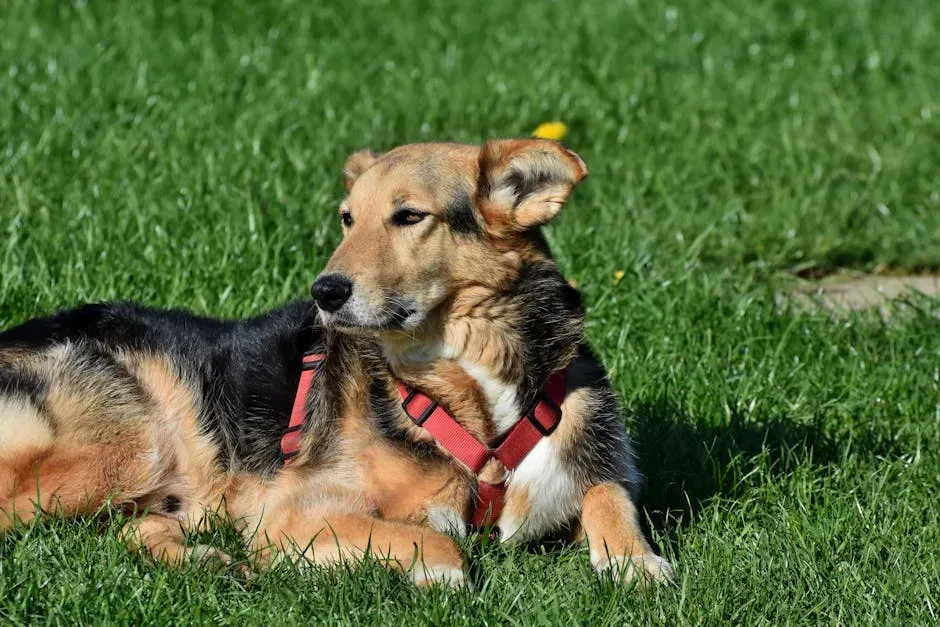
Let’s be real – nobody fully prepares you for the physical reality of those last seconds, and not knowing can make an already painful moment feel alarming. Your dog may do a full-body stretch and take a deep breath before their body relaxes completely. Their pupils will dilate, breathing will cease, and their heart will stop beating. It happens quickly. It is, in the truest sense, a release.
After death, there may be some brief muscle twitching, a last deep exhale, and loss of bladder and bowel control as the muscles relax. This can be very troubling to watch, because you may mistakenly believe your dog is still alive, so it’s especially important to understand that this happens as part of death. Understanding this in advance keeps you from panicking and allows you to simply stay present – paw in hand, heart open, witnessing the end with the dignity it deserves.
10. The Gratitude That Arrives After the Grief
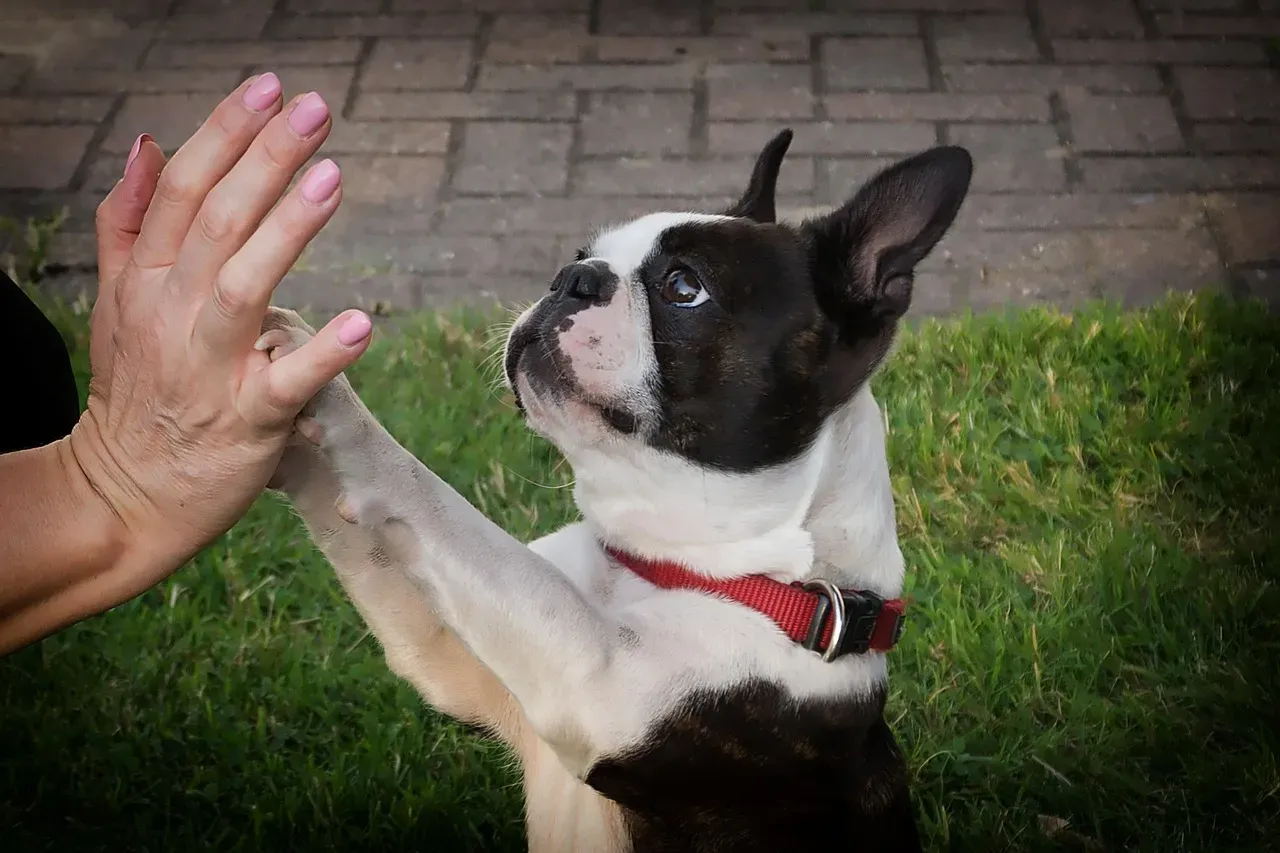
It doesn’t come right away. In those first days and weeks, grief fills every corner. Losing a beloved dog is one of the hardest experiences any pet owner can face. The house feels too quiet. The leash hangs untouched. You pour one extra bowl of water by instinct and then catch yourself. All of this is normal, and all of it is love taking a new shape.
Over time, something else emerges alongside the sadness. A quiet, deep gratitude – for the years, for the walks, for the way they looked at you like you hung the moon. Whether it was sharing a favorite snack, lying together in a quiet room, or simply holding your dog’s paw, these final moments are part of the bond you’ll carry forever. That paw you held? It held you right back. Every single day you had together.
Conclusion: The Bond That Never Really Ends
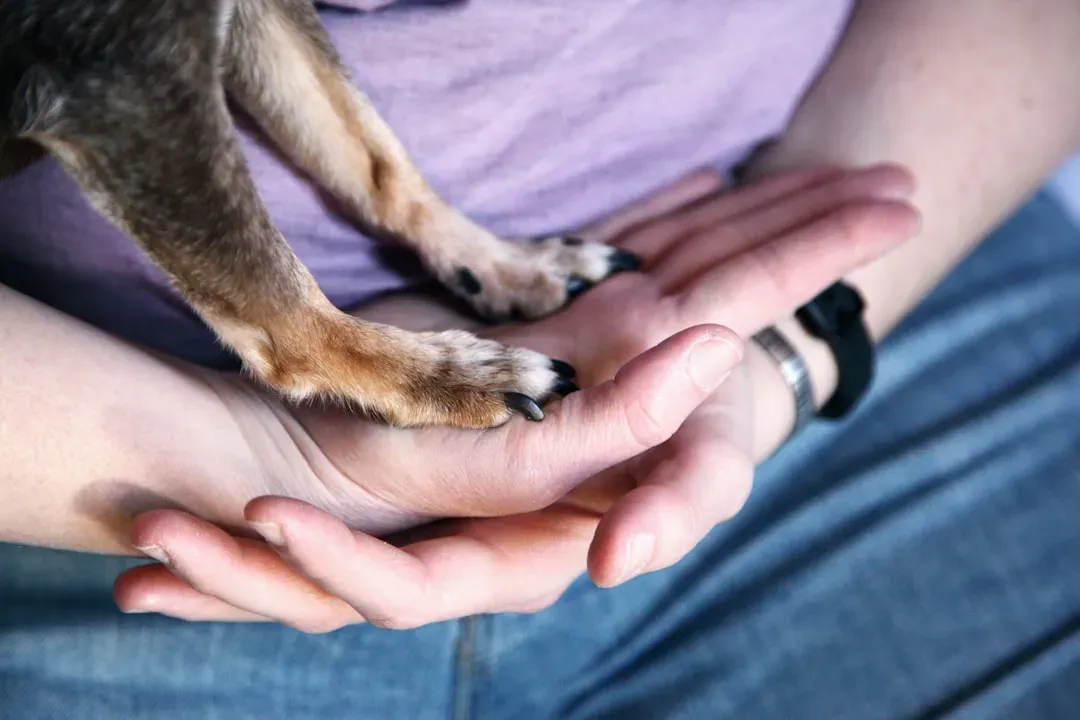
Holding your dog’s paw at the end is something that reshapes you. It is one part grief, one part privilege, and one part love so complete it defies language. What you remember from those moments – the cold paw, the eyes, the silence, your own voice breaking – those aren’t wounds. They are proof of a bond that was real and full and worth every second.
If you are still on this side of that goodbye, let these memories inspire how you love your dog today. More belly rubs. One extra walk. A quiet evening just sitting together. Being informed and prepared allows you and your dog to navigate this final journey with dignity and love. Your dog doesn’t need grand gestures. They just need you – present, attentive, and there.
The paw you hold at the end is the same paw that rested in your lap on ordinary Tuesday afternoons. Never underestimate the ordinary Tuesdays. What do you remember most about holding your dog’s paw? Share it in the comments – this community is here to listen.