
10 Subtle Signs Your Dog Is Emotionally Dependent on You
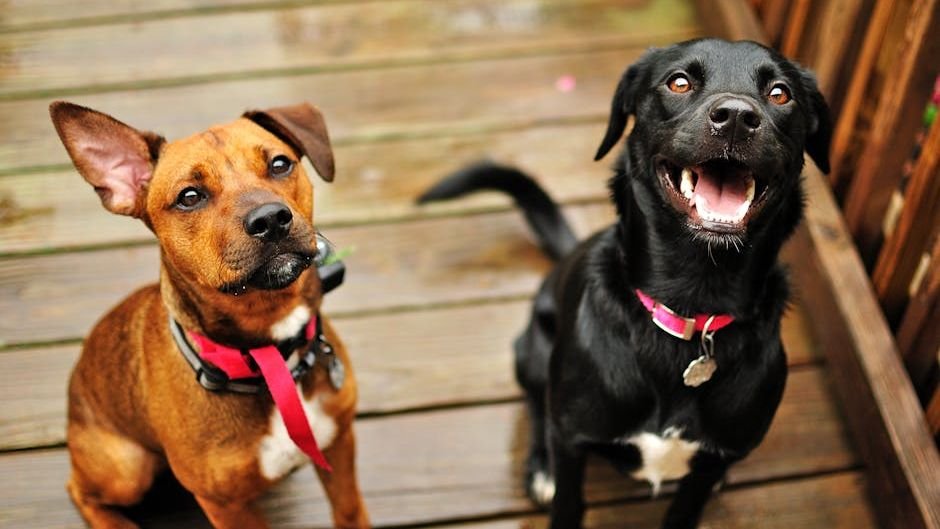
We all know that feeling. You get up to grab a glass of water, and within seconds, a warm furry shadow appears at your heels. Cute? Absolutely. Normal? Mostly. A quiet signal that something deeper might be going on? Possibly more often than we’d like to admit.
Dogs are wired for connection. That’s not a flaw, that’s the beauty of them. The bond we share with our dogs is one of the most genuine relationships most of us will ever experience. But there’s a delicate difference between a dog who loves being with you and a dog who simply cannot function without you. Understanding that difference could genuinely change your dog’s quality of life.
So let’s get into it. Here are ten subtle, easy-to-miss signs that your dog may be emotionally dependent on you, what those signs really mean, and what you can actually do about them.
1. Your Dog Is Your Permanent, Room-to-Room Shadow
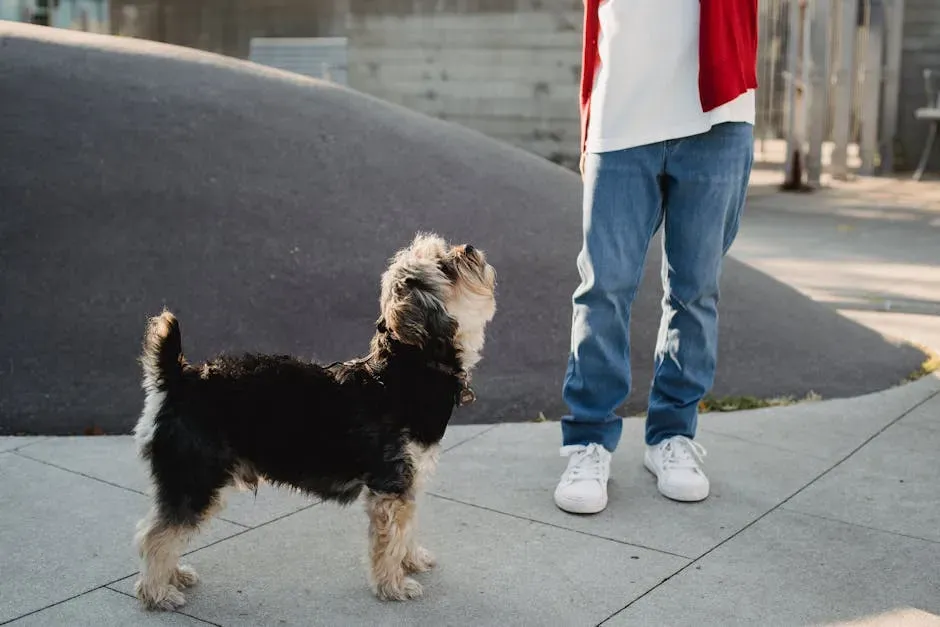
You walk to the kitchen. Your dog walks to the kitchen. You head to the bathroom. Yep, there they are, staring at you like you’re about to disappear forever. If your dog follows you everywhere, it’s a sign that they trust and love you, but following you very closely can also be a sign that they’re bored, scared, or feeling emotionally insecure. There’s a genuine difference between a dog who enjoys your company and one who is emotionally unraveling the moment you’re out of sight.
Clinginess in dogs is often a learned behavior – dogs learn it from humans through the way we interact with them. If you always give your dog food when they follow you into the kitchen, or pet them every time they lie next to you, you’re teaching them that following you leads to a reward. Start building in micro-moments of separation throughout the day, even just stepping out of the room for a minute. Little by little, your dog learns that distance isn’t danger.
2. They Panic Before You Even Pick Up Your Keys

A dog might start to pace, pant, and whine when they notice you applying makeup, putting on shoes and a coat, and then picking up a bag or car keys. That right there is pre-departure anxiety, and it’s one of the earliest, most telling signs of emotional dependency. Your dog has essentially mapped your leaving rituals down to the tiniest detail, and their nervous system reacts accordingly.
If you can prevent your dog from observing anxiety-inducing pre-departure cues, or train your dog that these cues are no longer predictive of departure, then the anxiety is greatly reduced. Try this: pick up your keys and then just sit on the couch. Put on your jacket and watch TV. Over time, those signals lose their emotional charge, and your dog can finally relax.
3. They Lose Interest in Food When You’re Gone

Listlessness and loss of appetite can indicate that your dog is experiencing depression. Honestly, this one surprises a lot of people. We expect a dog to eat no matter what, but emotionally dependent dogs can be so distressed by your absence that food becomes completely unappealing. Think of it like how some people can’t eat when they’re deeply anxious. Same idea.
Clingy dogs tend to stay very close to their human and show signs of stress when they are away from their select person. When away for extended periods, they may become listless and lose interest in games and food. If you notice your dog skipping meals when you leave but eating fine when you’re home, that’s worth paying close attention to. A vet visit to rule out physical causes is always a smart first step.
4. Destructive Behavior That Only Happens in Your Absence
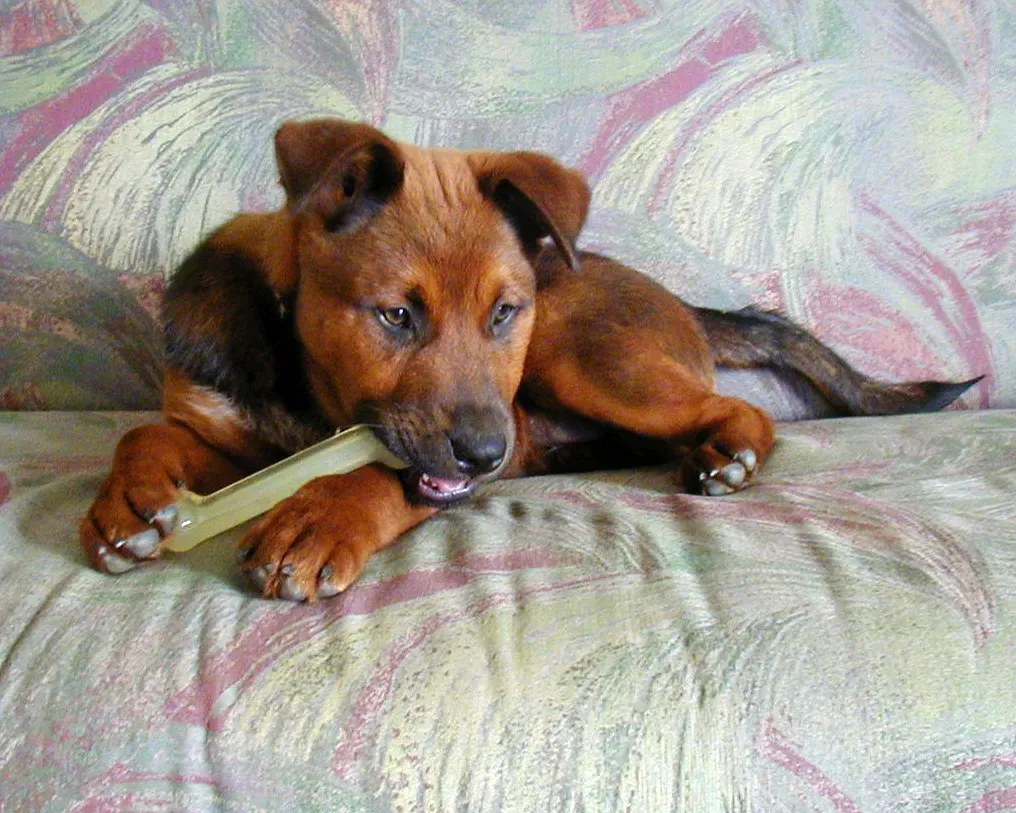
Dogs with separation anxiety vocalize, become destructive, or eliminate beginning either as owners prepare to leave or shortly after departure. Destructive activity is often focused on owner possessions or at the doors where owners depart, and most often occurs shortly after departure. This is your dog trying to cope with overwhelming feelings, not deliberately making your life difficult. They’re not being naughty. They’re panicking.
Frustration during separation leads to barking and destructive behavior, while fear provokes general signs of distress and escape behavior. The key is figuring out which emotional state is driving the behavior, because the solution differs. If your dog chews your shoes and claws at the door every time you leave, please don’t scold them on your return. That fear of your anger will only deepen the anxiety cycle.
5. Over-the-Top Greetings Every Single Time You Return
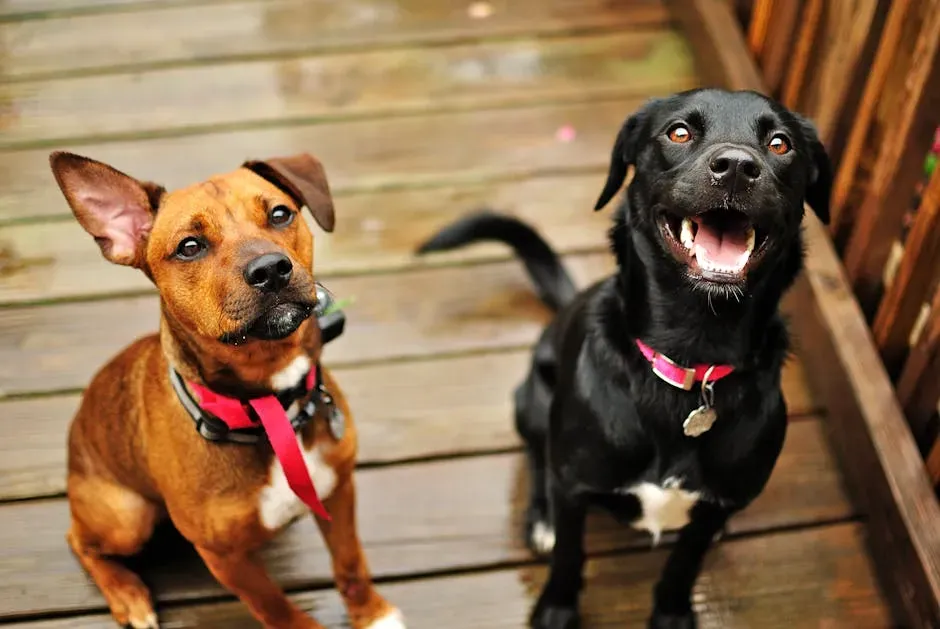
Dogs with separation anxiety are often quite excited and aroused when the owner returns. We’re not talking about a happy tail wag. We’re talking about full-body wriggling, jumping, yelping, sometimes even a little involuntary urination. It can feel flattering, like being a celebrity every time you walk through your own front door. In reality, though, it signals a level of distress that doesn’t fully resolve even when you come back.
Here’s the thing: your reunion reaction matters enormously. If you match that frantic energy with equal excitement and cooing, you’re reinforcing the idea that your coming home is a major event to be anxious about. Try calm, quiet greetings. Give them a moment to settle, then offer your affection with a relaxed energy. It actually helps more than you’d think.
6. They Can’t Settle Unless They’re Touching You
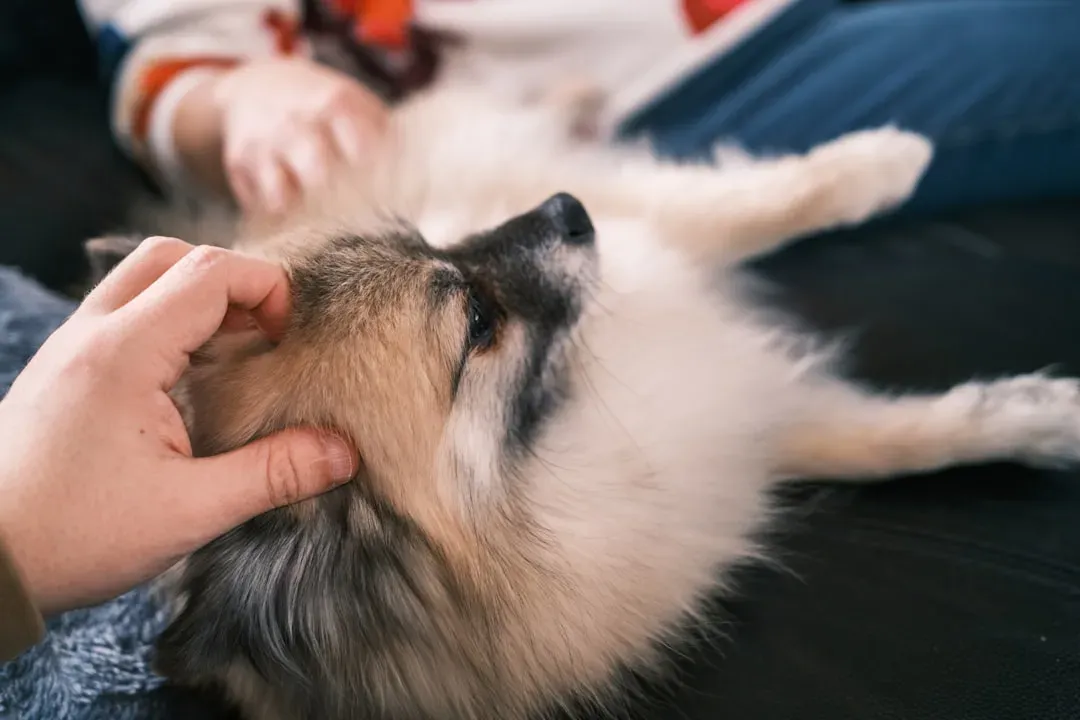
Some dogs can rest comfortably across the room while you work. Others need to be physically pressed against your leg, or they simply cannot relax. Dogs rely on their owners for emotional security, some more than others, depending on genetics and upbringing. A dog who can’t settle without physical contact may be using your body as an emotional regulation tool, which sounds sweet until you realize it means they have no inner calm of their own.
If your dog sleeps in your bed, you might be creating a dependency and reinforcing their need to be close to you at all times. This isn’t a hard rule – plenty of dogs sleep in bed with their owners without any issues. The red flag is when your dog cannot sleep or relax at all unless they’re on top of you. Teaching a comfortable, cozy “place” command can work wonders here.
7. They Watch the Door or Pace When You’re Not Visible
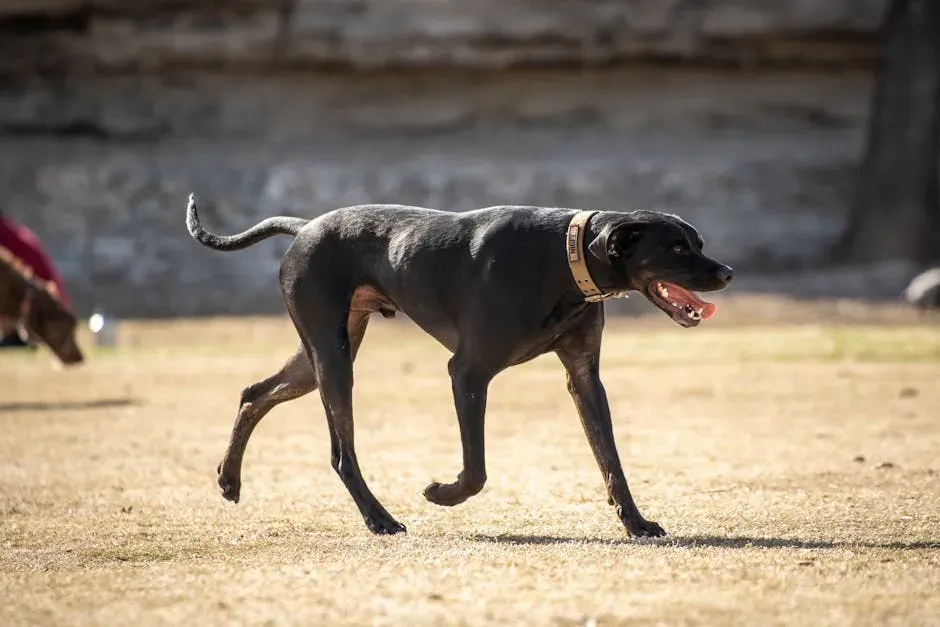
Some dogs walk in circles or pace around the house until their owner returns. This repetitive motion helps them release nervous energy. Imagine feeling so unsettled that you can’t sit still, can’t play, can’t nap. That’s what emotional dependency can feel like from the inside of your dog’s experience. Pacing is a form of self-soothing, and it’s a clear signal that something emotional is going on.
If you have a camera at home (and honestly, every dog parent should), watch what your dog does within the first 20 minutes of you leaving. Most of your dog’s anxious responses will occur within the first 40 minutes that they’re alone. Pacing, door-watching, and whining in that window are telling you a lot about how they’re really coping.
8. Excessive Whining, Howling, or Barking When Alone

Vocal responses such as whining, howling, and barking could precede departure and begin following departure, and this may persist for a longer period in comparison to other behavioral responses. Your neighbors might already know about this one before you do. It’s worth asking them, genuinely. Many dog owners are completely unaware of how much noise their dog makes the moment they walk out the front door.
Research shows that roughly half of dogs suffering from separation-related behavior won’t show any signs when you’re with them. That’s the sneaky part. Your dog might seem perfectly fine when you’re around, even happy and calm, but be suffering quietly or not so quietly the second you leave. A camera or a neighbor’s honest feedback can reveal a hidden truth worth knowing.
9. They React Anxiously to Changes in Your Routine
Let’s say you usually work from home, and one day you head into the office. Or maybe you’ve shifted your morning routine slightly. A sudden change, like a new work schedule, moving, or a family member leaving, can trigger separation-related stress in dogs. An emotionally dependent dog has become so tuned into your daily patterns that any deviation feels like a threat to their sense of safety.
It’s hard to say for sure how sensitive your individual dog is to routine changes until you start watching for this response. But a dog who spirals every time your schedule shifts slightly is telling you that their emotional stability rests almost entirely on your predictability. Building in intentional variety, short alone times at different hours, can help them become more emotionally flexible over time.
10. They Show No Interest in Independent Play or Exploration
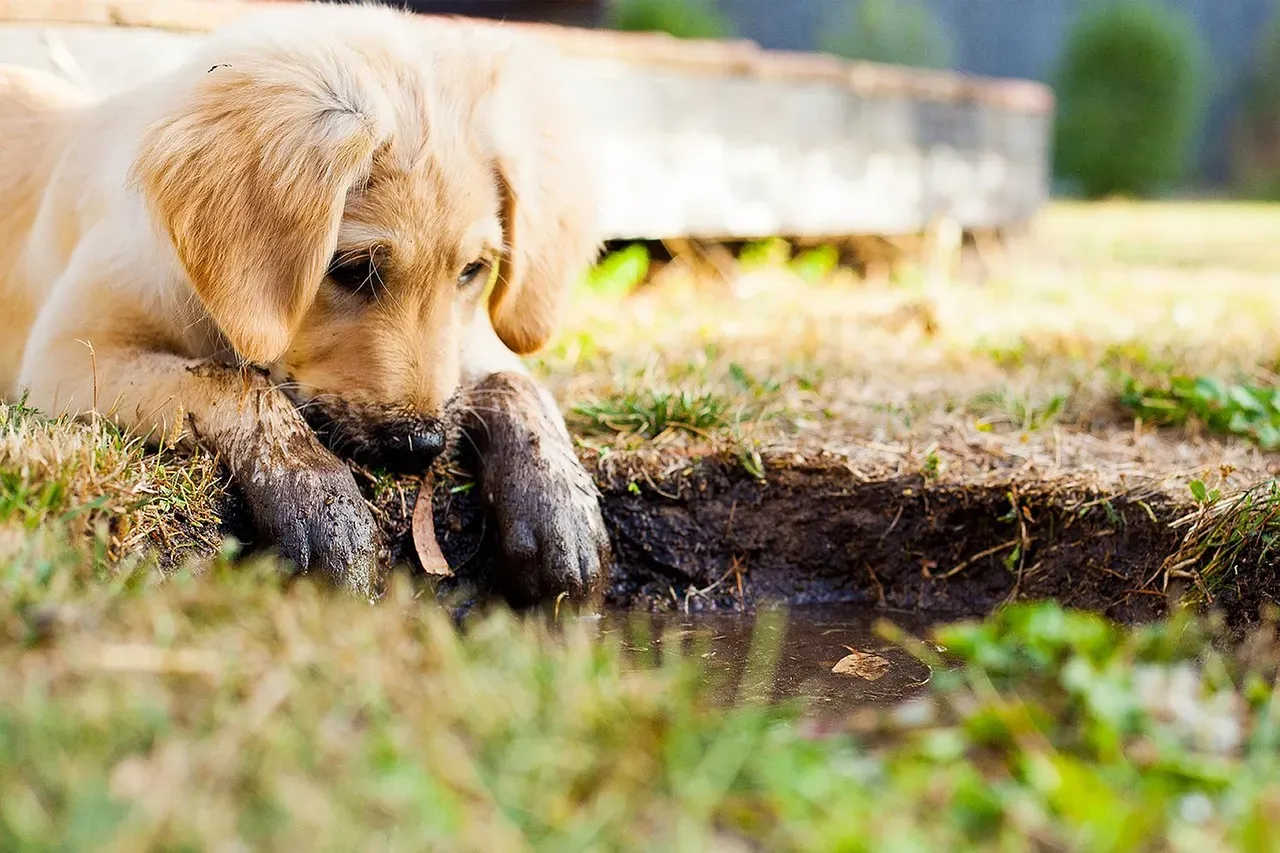
A healthy, emotionally secure dog can entertain themselves. They sniff around the yard, chew a toy on their own, nap contentedly without needing you nearby. Studies show that dogs form emotional bonds with their owners similar to human toddlers. Just as a toddler with a secure attachment can wander and play while their parent is nearby, a secure dog can explore independently knowing you’re there as a home base.
Gradually increasing the time your dog spends alone can help build confidence. Short absences followed by calm reunions teach dogs that being alone isn’t permanent. Pair that with interactive toys, puzzle feeders, or safe chew options that can keep dogs occupied and distracted, and you’re actively building independence, one small step at a time.
What You Can Do: Building a Healthier Bond
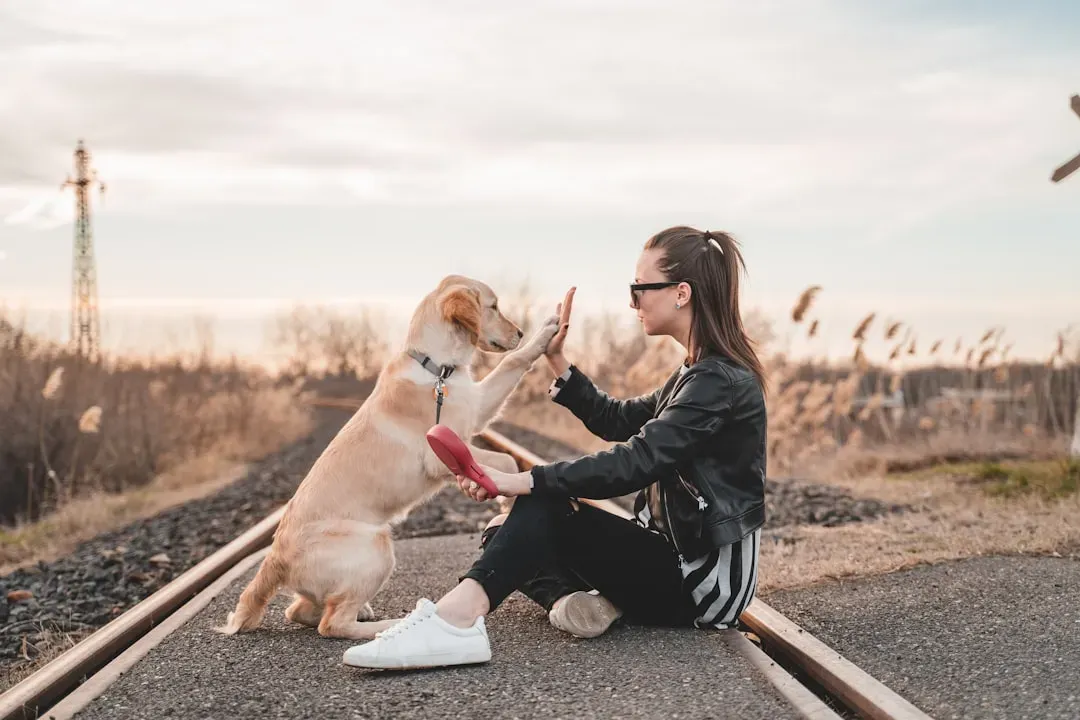
First, a gentle reminder: noticing these signs in your dog doesn’t make you a bad pet parent. In most cases, it means you love your dog deeply, possibly so deeply that they’ve come to rely on you for all of their emotional regulation. That’s actually a testament to your bond. The goal isn’t to love them less; it’s to help them carry more of their own emotional weight.
Separation anxiety might be prevented by ensuring that puppies have scheduled times where they learn to spend time alone in their own crates or beds. For adult dogs already showing dependency, a calm, consistent desensitization approach works best. Stay calm when leaving and returning, with no emotional goodbyes and no over-the-top greetings, and act like leaving and returning are normal, everyday events. If things feel beyond DIY territory, a certified animal behaviorist or veterinary behaviorist can make all the difference.
Conclusion: Your Dog Deserves to Feel Safe Even Without You in the Room
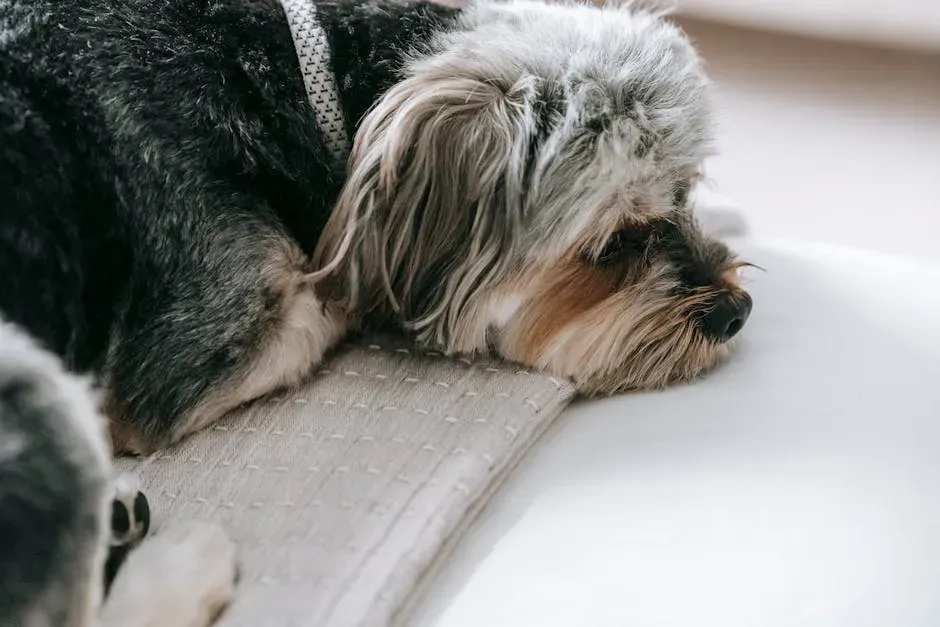
Emotional dependency in dogs is one of those things that hides in plain sight. It looks like love. It feels like loyalty. Sometimes it even feels good, to be so needed by someone. But underneath that constant shadow is often a dog who is quietly struggling, who has never truly learned that they’re safe on their own.
The most loving thing you can do for a dependent dog isn’t to pull away. It’s to gently, consistently, and compassionately teach them that they are okay. That the world doesn’t end when you leave the room. That they have enough inner stability to rest, play, and breathe without you pressed to their side.
You know your dog better than anyone. So here’s a question to sit with: when you look at these signs, does any part of your heart quietly say, “That’s mine”? If so, what’s one small change you could make this week? Share your thoughts in the comments. We’d love to hear your story.