
Ancient DNA Reveals Dogs Joined Hunter-Gatherers 15,800 Years Ago
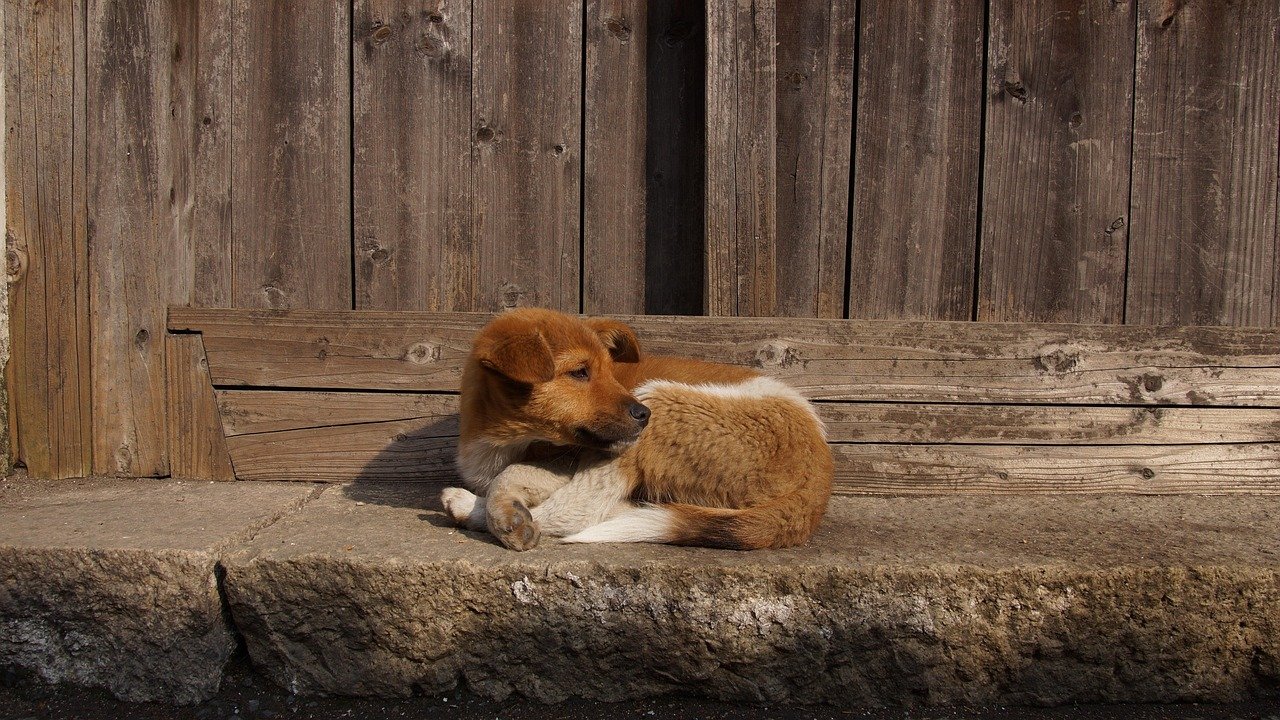
Western Eurasia witnessed a pivotal moment in human history during the late Paleolithic era. Researchers recently analyzed ancient bones and extracted DNA that confirmed dogs lived among nomadic hunter-gatherers more than 15,000 years ago. This discovery predates the advent of farming by thousands of years and reshapes understandings of early domestication.[1][2]
The Oldest Canine Remains Identified
Scientists pinpointed the earliest genetically confirmed dog at the Pınarbaşı rock shelter in central Turkey. Dated to approximately 15,800 years ago, this female canid’s bones lay buried alongside human remains. The site served as a camp for Anatolian hunter-gatherers during the final stages of the last Ice Age.[3]
Ancient DNA analysis distinguished this specimen from wolves through genomic comparisons. Teams sequenced nuclear and mitochondrial DNA from multiple fossils, revealing clear dog ancestry. This evidence pushed back the previous genetic record by nearly 5,000 years, from Mesolithic contexts around 11,000 years old.[4] Other finds included a jawbone from Gough’s Cave in England, aged 14,300 years, associated with Magdalenian culture artifacts.
Dogs Spread Far and Wide in Prehistoric Times
Genetic profiles showed remarkable uniformity among these early dogs despite vast distances. Remains from sites in the UK, Turkey, Germany, Italy, and Switzerland clustered together more closely than the humans at those locations. Hunter-gatherer groups from distinct populations – Epigravettian, Magdalenian, and Anatolian – likely traded or shared the animals.[5]
Researchers examined DNA from 216 canid skeletons across Europe and nearby regions, including 181 predating the Neolithic. Palaeolithic dogs formed a homogeneous population distributed from Britain to Anatolia by at least 14,300 years ago. Stable isotope studies at Pınarbaşı indicated humans fed these dogs fish, mirroring their own diets.[6]
Signs of Deep Human-Dog Connections
Archaeological contexts hinted at profound bonds. At Gough’s Cave, dog bones displayed post-mortem modifications similar to those on human remains, suggesting shared funerary practices. Such treatment implied dogs held cultural significance in these societies.[3]
Paleogeneticist Greger Larson noted, “The people are so different, but the dogs are very much the same.” This genetic similarity underscored mobility and exchange networks among Ice Age groups. Dogs likely aided in hunting or guarding camps, thriving as omnivores alongside their human companions.[1]
- Pınarbaşı, Turkey: 15,800 years old, buried with humans.
- Gough’s Cave, UK: 14,300 years old, evidence of ritual processing.
- Bonn-Oberkassel, Germany: Around 14,700 years old, Epigravettian link.
- Grotta Paglicci, Italy: Approximately 14,000 years old.
- Kesslerloch, Switzerland: 14,200 years old, earliest in continental Europe.
Shifting Views on Domestication Origins
Two studies published in Nature detailed these findings from international teams. Domestication likely began during the last Ice Age, before 24,000 years ago, from an ancient wolf lineage. No evidence supported multiple independent domestications; a single western Eurasian source predominated.[5]
Later influxes of eastern Eurasian dog ancestry appeared in the Mesolithic, blending with the original stock. This continuity persists in modern European breeds. The research highlighted dogs as the first domesticated species, outpacing plants and other animals by millennia.
| Period | Date (years ago) | Key Evidence |
|---|---|---|
| Late Upper Palaeolithic | 15,800–14,000 | Genetically distinct dogs at multiple sites |
| Mesolithic | 11,500–7,900 | Mixed ancestry emerges |
| Neolithic | ~10,000 | Agriculture begins; dogs already widespread |
Key Takeaways
- Dogs existed genetically distinct from wolves over 15,000 years ago among hunter-gatherers.
- Early dogs spread rapidly across western Eurasia through human exchanges.
- Close dietary and burial ties show profound prehistoric partnerships.
These revelations cement dogs’ status as humanity’s oldest allies, bridging Ice Age nomads to modern homes. As genetic tools unlock more secrets, the full story of this enduring bond grows clearer. What role do you think dogs played in those ancient hunts? Share your thoughts in the comments.