
Oahu’s Worst Flooding in 20 Years Triggers Urgent Rescue Efforts For People & Animals
Hawaii, the place the world imagines as paradise. Sun-bleached shores, gentle trade winds, the smell of plumeria in the air. But in late March 2026, that image was shattered in one of the most dramatic and heartbreaking natural disaster events the islands have seen in a generation. What unfolded on Oʻahu was not a scene from a disaster film. It was real life, soaking wet and rising fast.
Families woke in the middle of the night to walls of water rushing through their front doors. Pets were carried through chest-high currents. Children were airlifted from flooded camps. The scale of the destruction left even seasoned emergency responders stunned.
A Historic Storm Hits With Ferocious Back-to-Back Force
Here’s the thing about this disaster – it did not come from one storm. It came from two. A powerful Kona low struck Hawaii from March 13 to 16, saturating soils across the state, and then days later, a second system arrived around March 19, intensifying the deluge. The ground had simply nowhere left to put the water.
Meteorologists described the events as historic, with rainfall totals shattering records in multiple locations. Parts of Oʻahu recorded 8 to 12 inches in a single overnight period, while peaks like Kaala saw nearly 16 inches since early February. To put that in perspective, some regions received close to a full month’s worth of rain in a matter of hours. Governor Josh Green called it the state’s worst flooding in 20 years.
The storms that caused the widespread flooding in Hawaii are known as Kona lows, low-pressure weather systems that usually form in the winter months and bring heavy rain and strong winds. Honestly, what made this event especially punishing was the timing. Heavy rains fell on soil already saturated by downpours from a winter storm a week earlier. There was simply no buffer left.
Communities Submerged, Residents Trapped on Their Own Rooftops
The images that emerged from Oʻahu’s North Shore were shocking. Homes were destroyed after feet of water and mud rushed across the North Shore of Oahu, which bore the brunt of the heaviest damage statewide, where pouring rain triggered a Flash Flood Emergency early Friday. It happened so fast, people barely had time to grab anything.
Waialua and Haleiwa on Oahu’s northern shore were evacuated predawn Friday during the Flash Flood Emergency, where stranded residents told FOX Weather that people were sheltering on their roofs to avoid raging floodwaters. Think about that for a moment. Sitting on your own roof at 3 a.m., watching your neighborhood disappear beneath dark water.
Floodwaters, which were so strong that locals described them as having currents, flowed through the streets of Oʻahu, lifting homes and totaling cars. Many North Shore residents left the area Saturday morning, returning in the afternoon to mud-caked houses, with some finding their homes completely swept away. The damage was not just physical. It was the kind that takes years to process. Raging waters lifted homes and cars, causing an expected $1 billion in damages. The storm prompted evacuation orders for 5,500 people north of Honolulu.
A Race Against Time: Over 233 Rescues Carried Out Statewide
What happened next was nothing short of extraordinary. Emergency crews poured into the chaos. There were over 233 rescues conducted, and about 10 people were taken to hospital with hypothermia. Every single one of those rescue numbers represents a real person in a life-threatening situation.
Crews searched by air and by water for people who had been stranded, efforts that were hampered by people flying personal drones to get images of the flooding. I’ll be honest, that detail is infuriating. In a genuine emergency, drone-flying bystanders actively made rescue operations harder. The National Guard and Honolulu Fire Department airlifted 72 children and adults who had been attending a spring break youth camp at a retreat on Oʻahu’s west coast called Our Lady of Keaʻau.
The Wahiawā Dam above the North Shore towns had risen within less than 3 inches of the 84-foot evacuation level by 4:30 a.m., and it continued rising, with water pouring over its spillway at a pace of 1,500 gallons per second, with officials posting an “imminent dam failure” notification just before 8:30 a.m. That alone could have turned this story into something far more catastrophic. Concerns lingered about the body of water and the condition of its spillway, which could fail, putting the lives of more than 2,500 people at risk, according to federal government estimates.
Animals in the Storm: Pets Carried Through Floods, Shelters Opened Their Doors
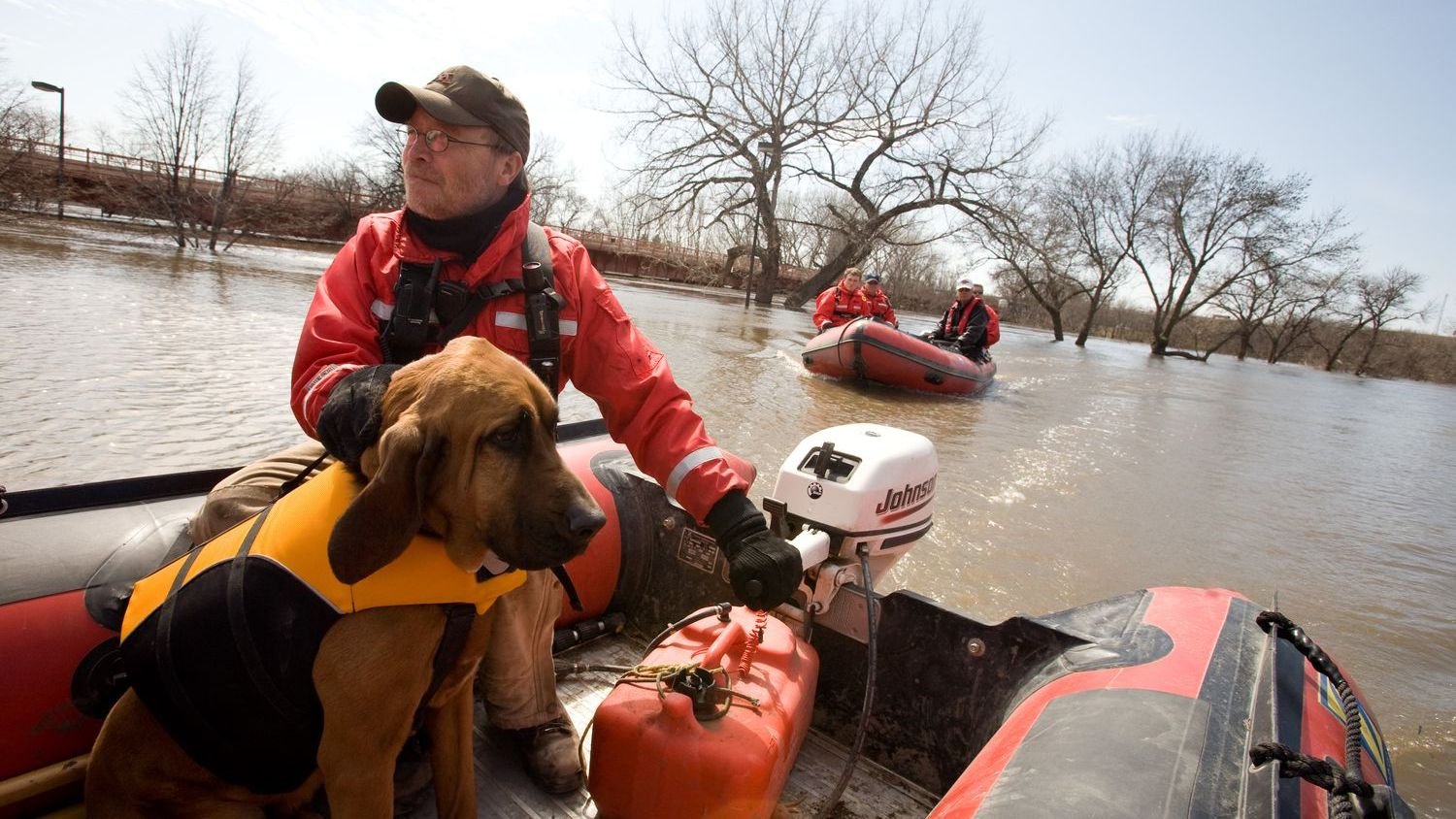
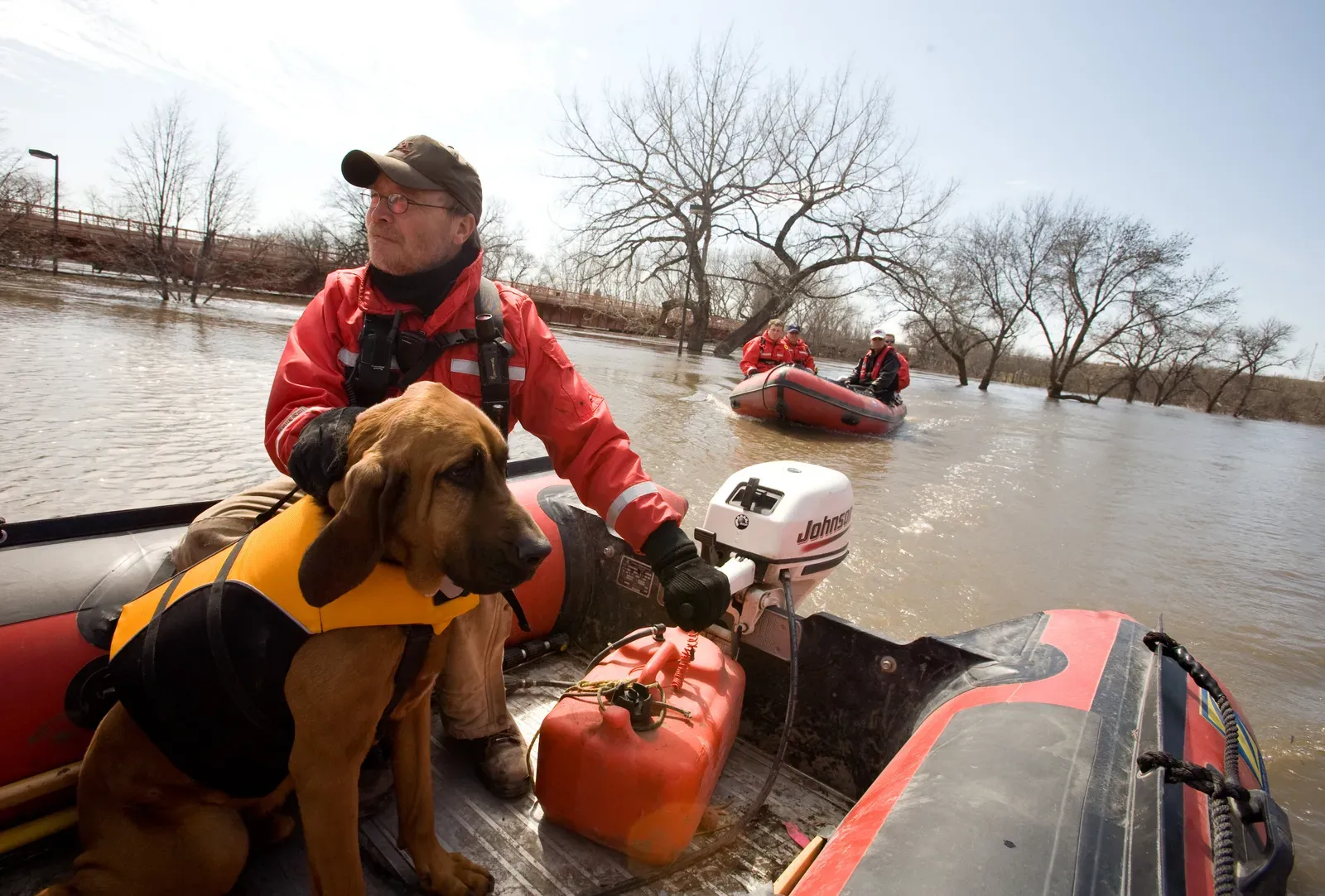
One of the most emotionally charged threads running through this disaster was the fate of animals. People refused to leave without them, and honestly, who could blame them? Floodwaters forced Oʻahu residents to flee early Friday morning, revealing the frantic efforts of some evacuees to keep families safe, including their pets. Other pets were carried through chest-high water, loaded into helicopters, and rushed out alongside their owners as emergency crews conducted at least 233 rescues.
Evacuation shelters that opened in the aftermath of the flood across Oʻahu adapted quickly, allowing owners to bring in their pets, which reduced the chance of them roaming in the storm. That was a smart and compassionate call by officials. Still, the number of animals affected continues to grow as more are brought in for care, and the Humane Society’s two shelters took in about 46 animals on one day alone.
As a contracted partner with the City and County of Honolulu, the Hawaiian Humane Society serves as first responders for animal-related emergencies across Oʻahu, and the moment they received authorization to enter the evacuation zone, their Field Operations team deployed and actively responded to animal rescues and emergency placements across impacted communities, from North Shore to Waiʻanae. Coast Guard and Navy aircrews even rescued seven people and one dog during the flash floods on Oahu. That dog deserves its own headline.
Recovery Begins, But the Road Ahead Is Long
Once the rain slowed and the waters began to recede, a different kind of work began. Quieter, harder, slower. Many homes still had standing water in them, and even when the water level went down, residents were left with a ton of mud. Wood homes still standing faced mold and water damage. Recovery from a flood like this is not measured in days. It’s measured in months.
The American Red Cross was on the ground in Hawaii assisting in recovery efforts and providing shelter to those displaced by the severe flooding. The Salvation Army’s Hawaiian and Pacific Islands Division was also on the ground, working to provide supplies, meals, and other aid to people impacted by the flooding. Community organizations stepped up in a real and meaningful way.
The state suffered an estimated $1 billion in damages according to Governor Josh Green, with Oʻahu, Hawaii’s most populous island, and Maui hit hardest by the storms. No deaths were reported as of Sunday afternoon, according to a spokesperson for Oʻahu’s department of emergency management. That last fact, as unbelievable as it sounds given the scale of destruction, is something worth sitting with for a moment. It is a testament to how rapidly and bravely emergency teams responded.
Conclusion: Paradise Tested, Community Unbroken
There is something deeply sobering about watching one of the most beautiful places on Earth get swallowed by its own environment. Oʻahu’s floods of March 2026 were not just a weather event. They were a stress test of community, infrastructure, emergency systems, and human compassion. By almost every measure, people rose to the occasion.
I think what stays with me most is the image of residents carrying their dogs through chest-high water in the dark, or neighbors knocking on each other’s doors at 3 a.m. shouting warnings. That is the real story here. Not the billion-dollar damage figure. Not the dam that nearly failed. The people. No fatalities were reported, thanks to rapid response from local and state agencies, and Hawaii’s communities demonstrated resilience amid nature’s fury, though the events served as a stark reminder of climate pressures on island ecosystems.
Hawaii has been through fire, flood, and pandemic in the span of just a few years. Yet each time, the spirit of the islands holds. The question worth asking now is this: how many more “historic” disasters does it take before the world treats climate resilience not as a luxury, but as an absolute necessity? What do you think? Share your thoughts in the comments below.