
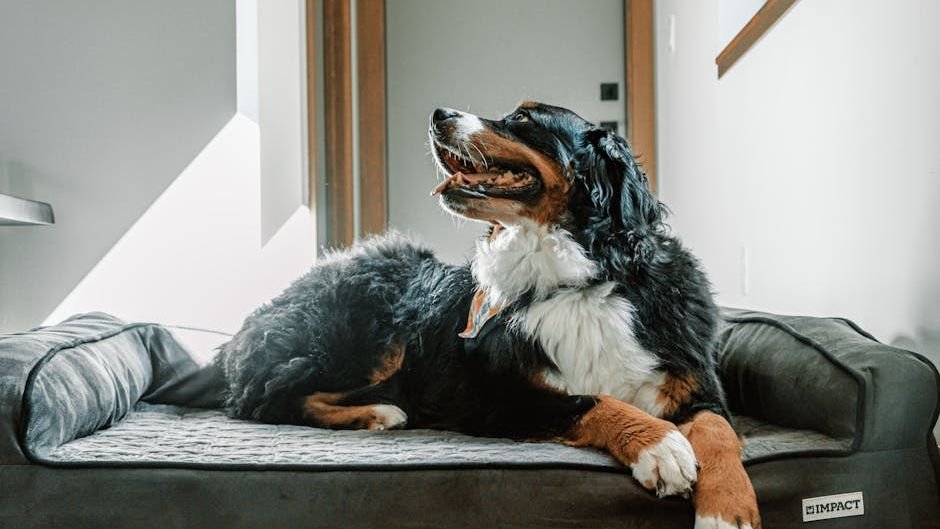
Picture this: the doorbell rings, a stranger walks in, and your dog glances up, gives a leisurely tail wag, and goes right back to their nap. No barking frenzy, no zooming circles, no embarrassing jumps. Honestly? That sounds like the dream. For many dog owners, finding a pup who handles the unpredictability of everyday life without turning into a four-legged tornado is an absolute game-changer.
Calm dog breeds are expected to maintain composure in certain situations, able to react to stimuli in a measured way, often without growling, lunging, or showing signs of stress. Whether you live in a buzzing city apartment or a home full of visiting grandkids, a naturally easygoing dog makes every moment feel a little more breathable. Let’s dive into 14 breeds that genuinely bring the chill, no matter what life throws their way.
1. Golden Retriever: The Social Butterfly Who Never Met a Stranger
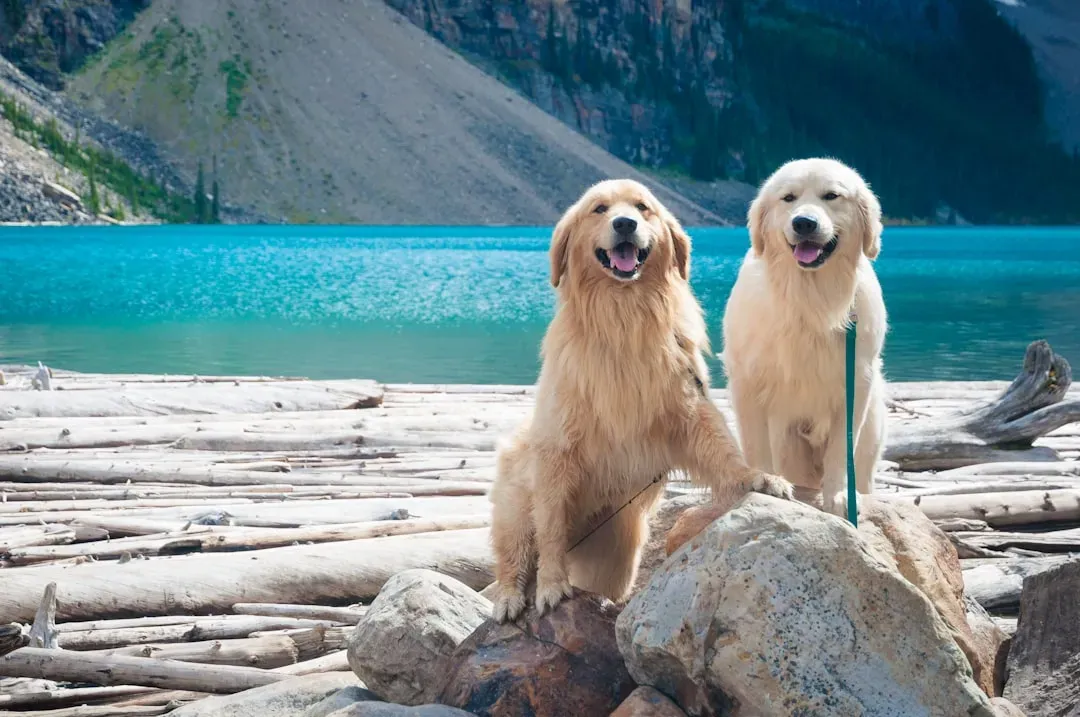
Golden Retrievers are cheerful, gentle dogs known for their friendly and trustworthy personality. They are naturally social and tend to get along well with children, other pets, and even strangers, making them a welcoming presence in almost any home. It’s that unwavering warmth that makes Goldens so special. They don’t just tolerate new people; they genuinely celebrate them.
Their temperament often makes them great service and therapy dogs, and while they can be playful and have a lot of energy in their youth, a 4-year-old Golden Retriever that’s emotionally and physically satisfied is most likely going to be calmer. If you want to unlock that next-level calm, keep their body and mind engaged with regular fetch sessions or basic obedience training. A satisfied Golden is a serene Golden.
2. Cavalier King Charles Spaniel: The Royal Lap Dog With a Velvet Temperament
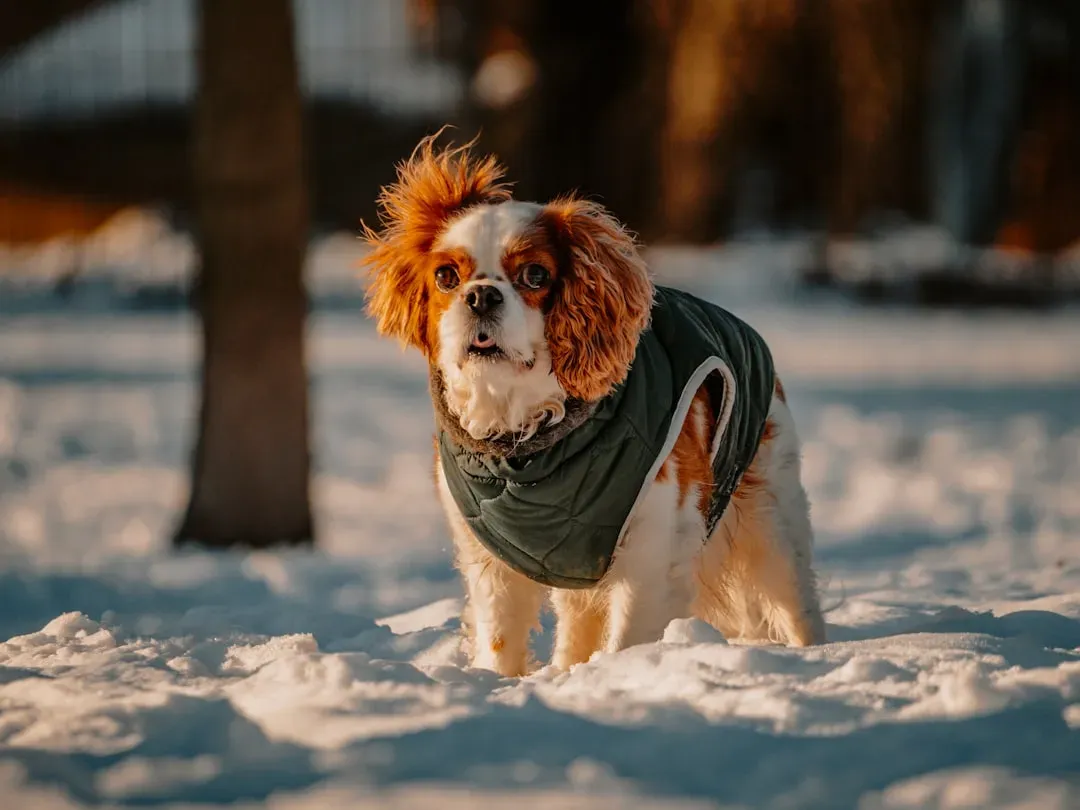
Dating back to Renaissance times, the Cavalier King Charles Spaniel is known for their prestigious nobility and gentle demeanor, bred through generations of royals like King Charles I and his son Charles II. Their history of being close companions shows in everything they do. They adapt beautifully to new environments because, let’s be real, as long as their human is nearby, they’re happy.
Due to their welcoming disposition, the Cavalier makes a great therapy dog. Enrolling your Cavalier in socialization and training classes will allow for a well-mannered companion that does well in a variety of social situations, and this breed does well in a home with children or multiple family members. Watch for heart health issues as they age, and schedule regular vet checks. That little royal heart needs protecting.
3. Basset Hound: The Easygoing Philosopher of the Dog World
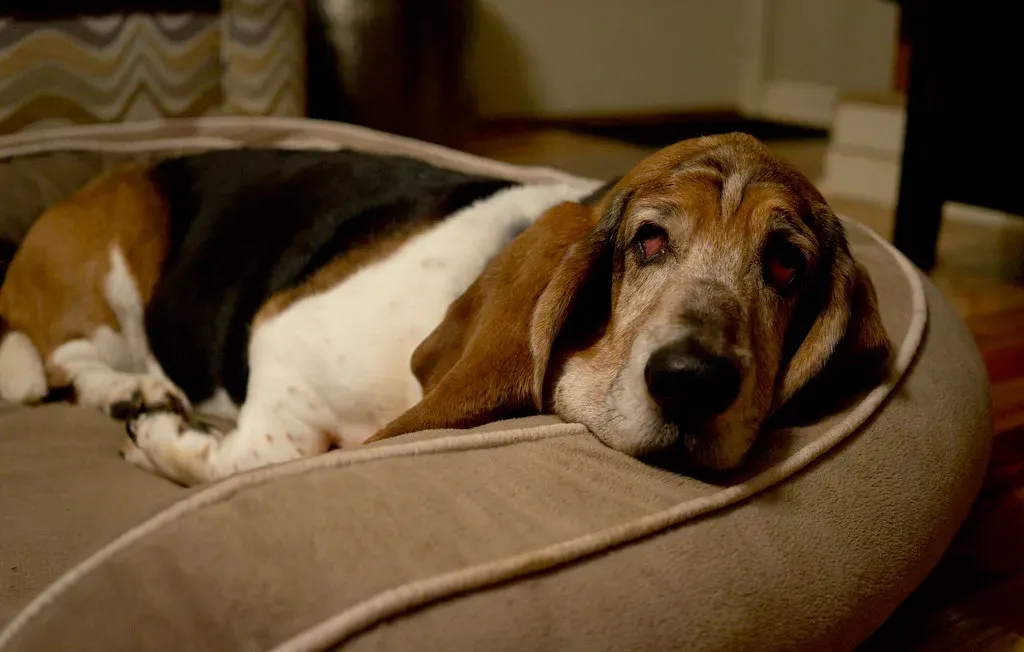
The Basset Hound is a calm, gentle dog breed that’s adaptable to new surroundings and content with moderate exercise. Think of a Basset as a seasoned philosopher who has decided that most things in life simply aren’t worth getting worked up over. New guests? Fine. Loud noises? Whatever. A full bowl? Now that’s worth getting excited about.
A Basset Hound is the “perfect dog for anyone who prefers a leisurely lifestyle,” and they are relaxed and gentle dogs with low energy levels. They should get up to an hour of exercise each day, and while they love lazing around and taking long naps, Basset Hounds can easily become overweight without enough gentle exercise. Keep them moving with slow, nose-led walks. Those legendary nostrils love a good sniff adventure.
4. Newfoundland: The Giant Nanny Dog With an Endless Reservoir of Patience
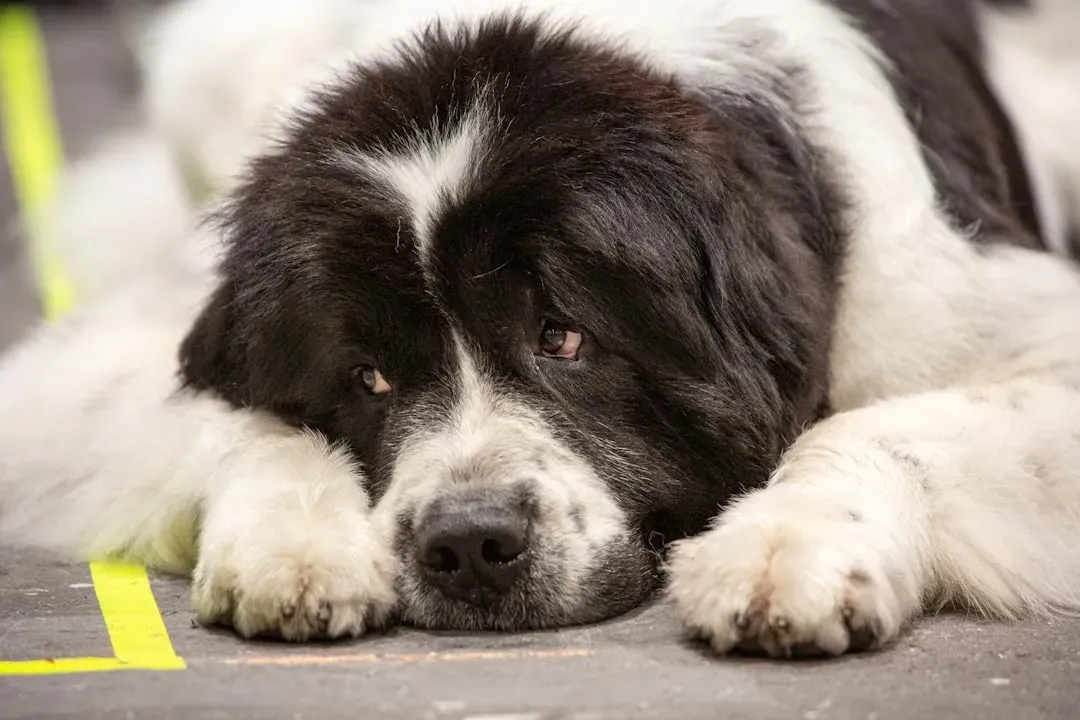
Commonly referred to as “Newfies,” Newfoundlands are a giant and gentle breed known for their incredible strength, sweet temperament, and excellent swimming abilities. Originally bred to work alongside fishermen, the calm, stoic demeanor necessary for such work has carried through to their modern descendants. Yes, they’re enormous. Yes, there will be drool. Honestly, the trade-off is completely worth it.
Newfies are well-known for their sweet temperament and gentle demeanor around children. Their social nature makes training fun, which can help ensure your pup is calm and comfortable in new environments. Start socialization early, expose them to various people and places, and you’ll have a dog who glides through new situations like they’ve seen it all before.
5. Great Dane: The Gentle Giant Who Makes Everyone Feel at Ease
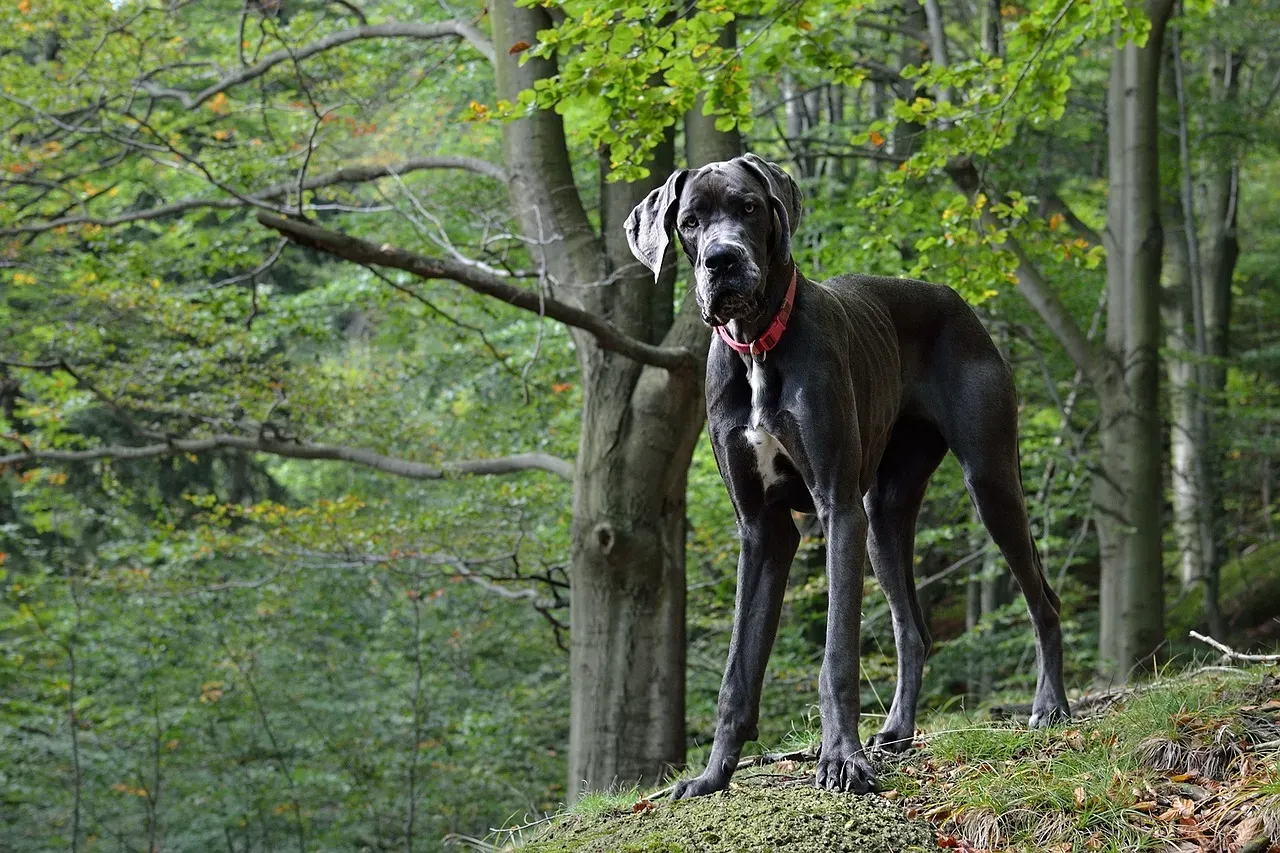
They may be extremely large and strong, but the Great Dane is known as a “gentle giant” because of their calm and loving disposition. They make excellent family pets. It’s almost funny how a dog this massive can be this chill. Standing next to a Great Dane at the park, you’d expect everyone to step back. Instead, people line up for a pat.
The giant Great Dane is one of the calmest dog breeds. Their gentle, quiet nature makes them good family dogs, but they do need plenty of space to live and play. Great Danes also need long walks regularly, and their calm demeanor helps make that a generally hassle-free process when encountering other dogs and new people. If you live in a smaller space, think carefully before committing. These dogs need room to stretch those long, elegant legs.
6. Saint Bernard: Born Calm, Literally Trained by History
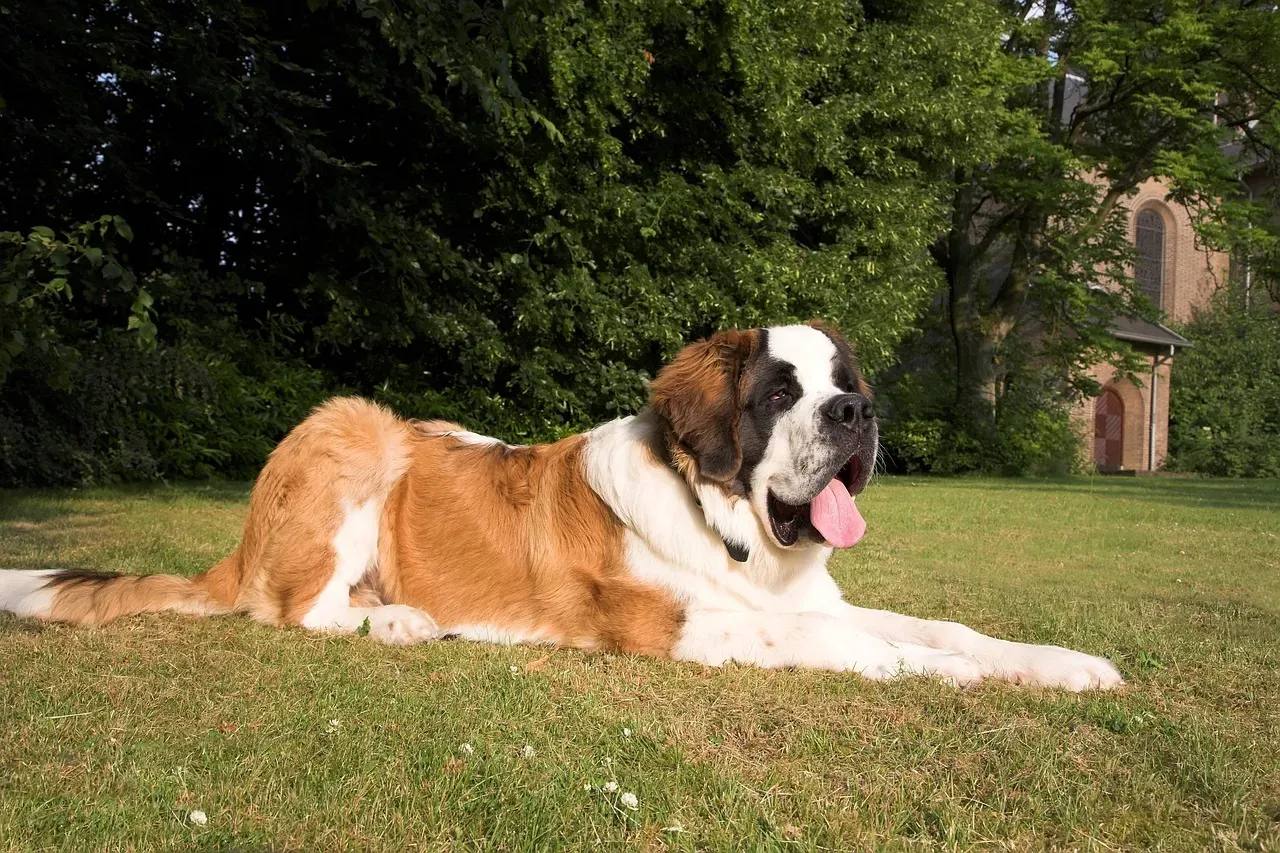
Dating back to the year 1050 on the snow-covered slopes of the Alps, Saint Bernards helped hospice monks locate dead or missing travelers. Though the breed is incredibly large in stature, they are genial in disposition. A dog who historically rescued people in blizzards has earned the right to be unbothered by a crowded living room. Their calmness isn’t just a personality trait, it’s practically their legacy.
Saint Bernards benefit tremendously from training classes, as these dogs can knock people over, especially children. Kind, with big hearts, Saints will learn quickly to respond to commands and obey their humans. These gentle giants fit best with families that can devote a lot of time to them, as they love being with their owners. Obedience training early on isn’t optional with this breed. It’s the difference between a manageable gentle giant and a loving wrecking ball.
7. Greyhound: The Fastest Couch Potato You’ll Ever Meet
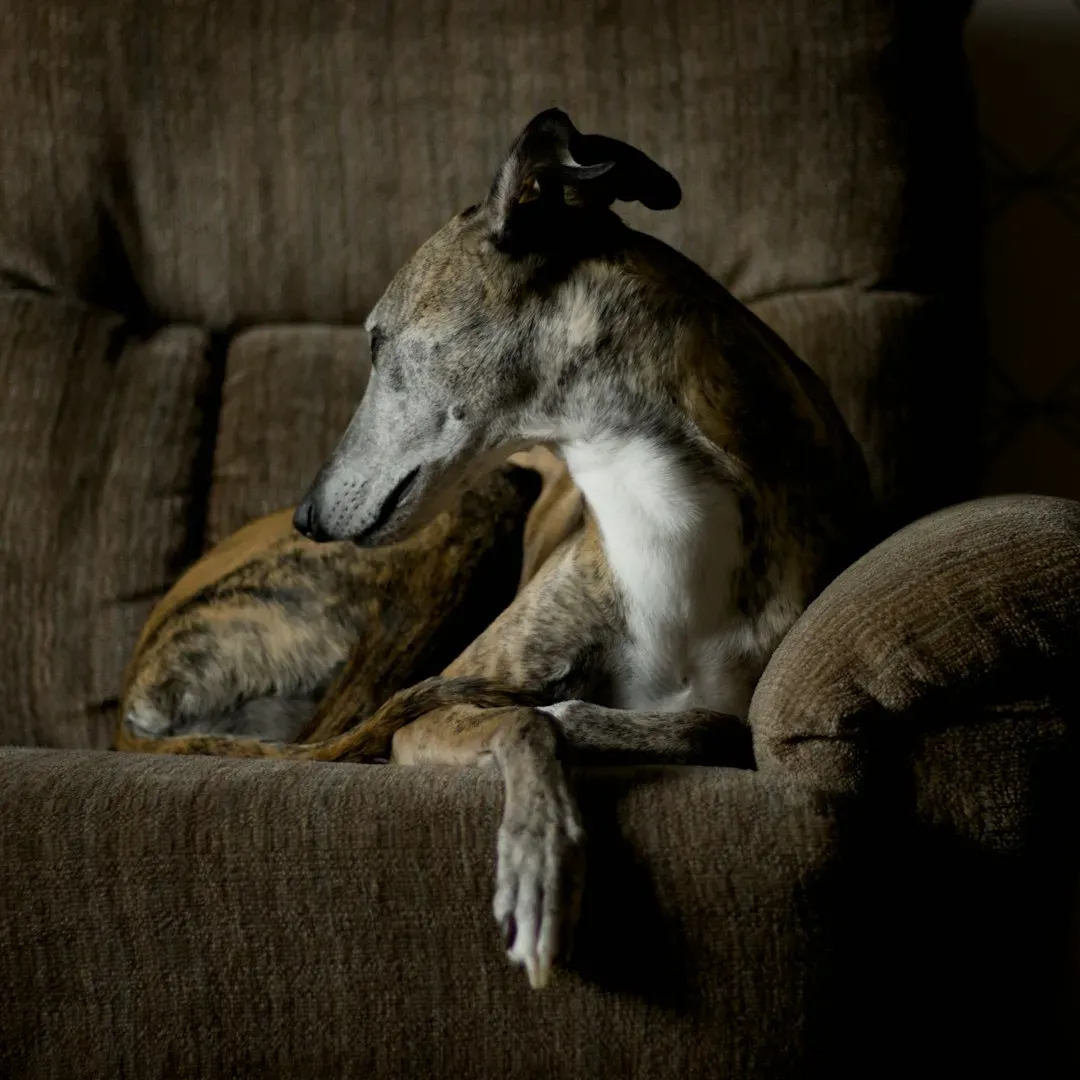
Greyhounds are traditionally known as racing dogs, but that doesn’t mean these sighthounds are a rowdy bunch. The Greyhound Club of America describes them as “even-tempered, quiet dogs that are gentle around people.” I know it sounds crazy, but the fastest dog breed in the world is one of the most relaxed house companions you can find. It’s like sharing a couch with an Olympic sprinter who is happiest binge-watching TV.
Greyhounds might be one of the fastest dog breeds, but they’re couch potatoes at home, and they enjoy a good nap after a sprint. They only need about 30 to 60 minutes of exercise each day, and after a good run, Greyhounds are happy to curl up and sleep for the rest of the day. Give them a daily sprint in a securely fenced area, and they’ll reward you with hours of perfect, silent companionship.
8. Irish Wolfhound: Majestic, Gentle, and Quietly Wise
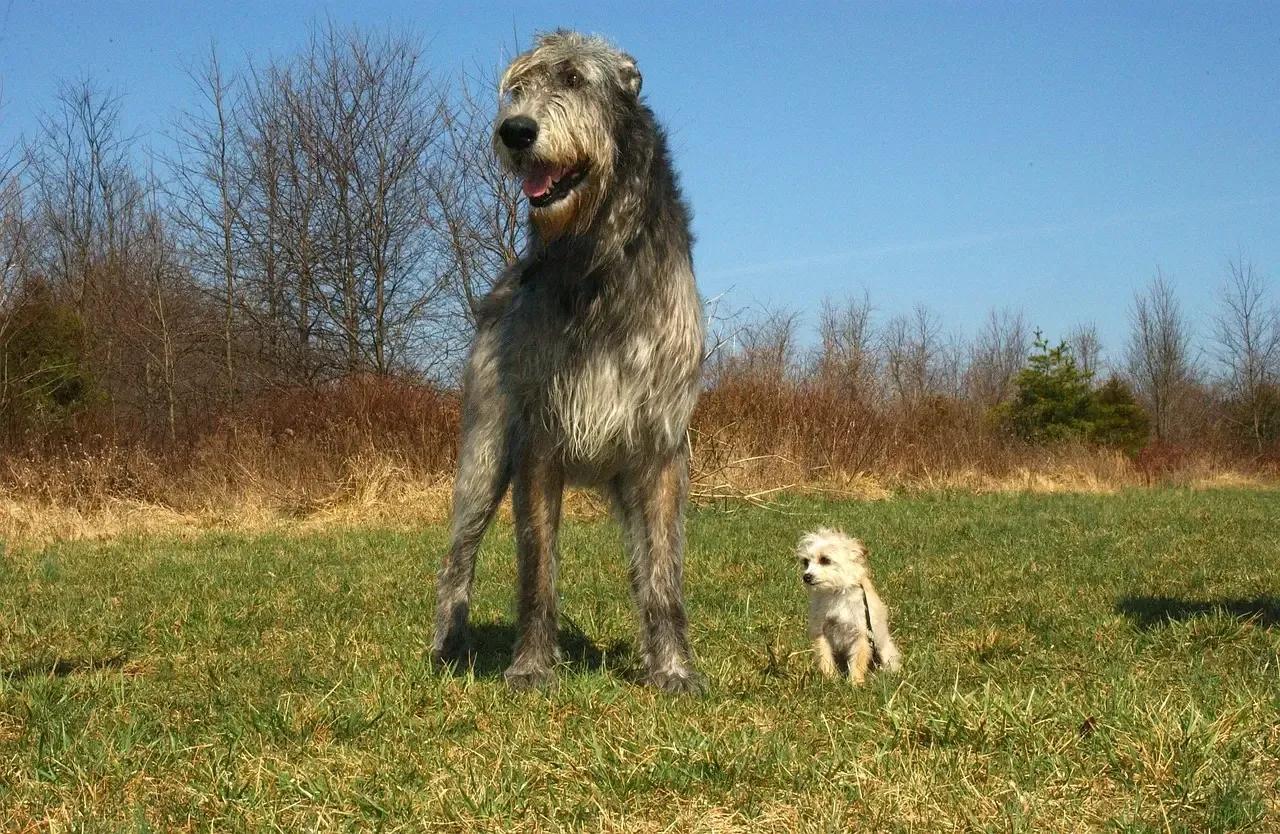
The Irish Wolfhound is a majestic and giant breed known for its imposing size and gentle demeanor. These dogs have a rich history in Ireland, where they were originally bred for hunting wolves and other large game. Despite their imposing stature, Irish Wolfhounds are “gentle giants” known for their calm and friendly nature. Standing next to an Irish Wolfhound feels a little like standing next to a noble, ancient creature that simply chooses to be kind.
Due to their incredible intelligence, Irish Wolfhounds learn quickly. They are both calm and sensitive to the emotions of humans, making them qualified for a wide range of therapy work. That emotional sensitivity is a two-way street. If you’re having a rough day, your Wolfhound will know, and they’ll quietly sit beside you. Few things in life are more comforting than that.
9. Bichon Frise: Small Body, Big Warmth, Zero Drama
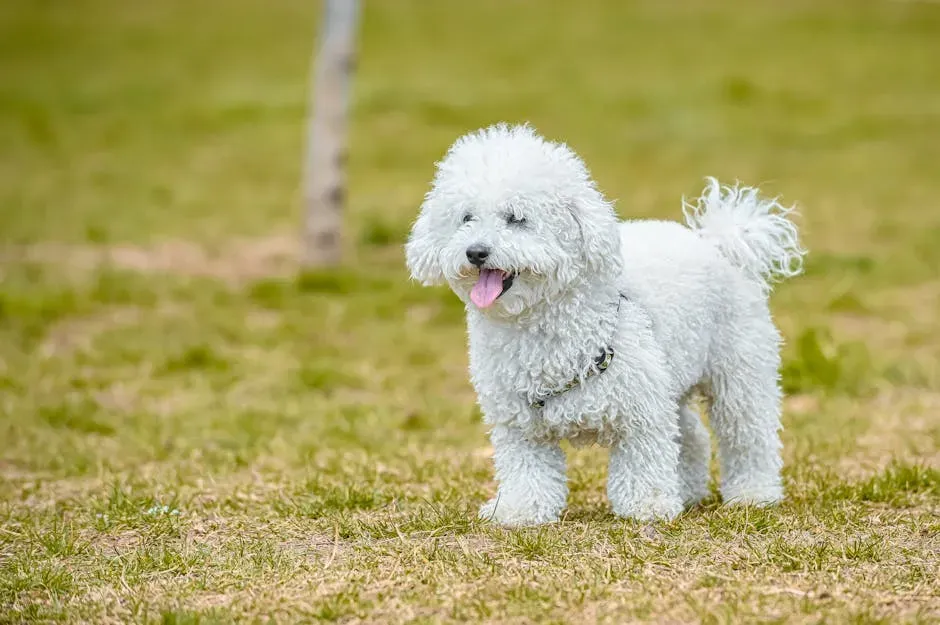
Bichon Frises are small, cheerful dogs characterized as sociable, calm, and friendly. They enjoy being around people and, originating in the Mediterranean, were favored by European nobility as companion animals. There is something about a Bichon that just radiates joy. They walk into a room full of strangers and somehow manage to make everyone feel like they’ve known each other for years.
While every dog needs regular exercise, mental stimulation, and playtime, a Bichon Frise is content to lounge around after these needs have been met. Though they do tend to bark, plenty of positive reinforcement training can help your Bichon learn more desirable behaviors. Bichons tend to be super social and love people, so they don’t get too anxious when properly introduced to new friends. Keep up with their grooming, it’s a commitment, but that fluffy cloud appearance is entirely worth it.
10. English Bulldog: Wrinkled, Wonderful, and Wonderfully Unbothered
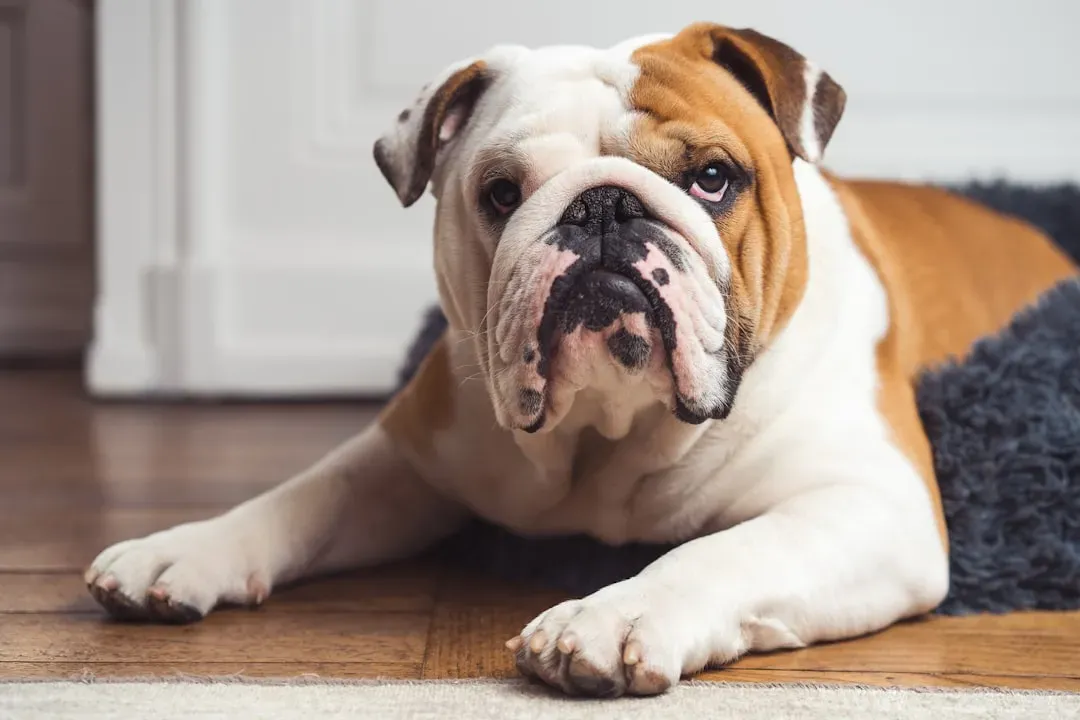
English Bulldogs are known for their gentle and easygoing nature. Despite their somewhat imposing appearance with their wrinkled faces and muscular build, they are often incredibly gentle and affectionate dogs. They are not very naturally active and tend to enjoy lounging around, and their calm and easygoing nature makes them excellent choices for families, singles, and seniors alike.
Bulldogs have a reputation for being sweet, patient with kids, and outgoing. They are generally low energy and happy to spend time lounging around the house. They do require additional grooming for their wrinkles, which need to be cleaned regularly to prevent infections. That wrinkle-cleaning routine is a health essential, not just a cosmetic thing. Make it part of your weekly care, and your Bulldog will stay comfortable and infection-free.
11. Bernese Mountain Dog: The Big, Cheerful Farm Dog Who Loves Everyone
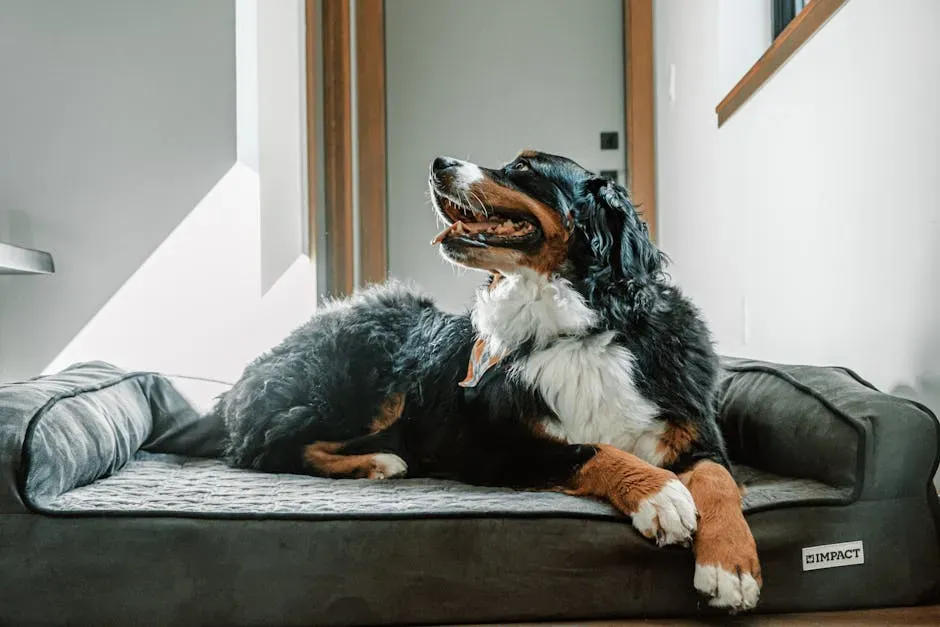
Don’t let the Bernese Mountain Dog’s strength fool you. They may have started out as farm dogs in Switzerland, but they’re companion dogs at heart and prefer to be by their family members’ sides as often as possible. Big softies with even tempers and cheerful natures, Bernies may choose to ignore strangers but are generally more than happy to welcome friendly interaction.
Bernese Mountain Dogs can weigh between 70 and 115 pounds and stand up to 28 inches tall. They only need around 30 to 60 minutes of exercise per day, but as a working breed, they adore the challenge of training and learning new tricks. Positive reinforcement training will help you build a strong bond with these sweet and gentle dogs. Their thick double coat needs regular brushing, especially during shedding season. Think of it as quality bonding time with your furry mountain companion.
12. Pug: The Charming, Mischievous People-Pleaser

Though life with Pugs can be full of mischief, they are generally calm dogs who thrive in your company. Pugs get along well with other dogs, pets, kids, and strangers. They’re basically the social butterfly of the small dog world, tiny in size but massive in personality. A Pug doesn’t walk into a room. They perform an entrance.
Be careful in extreme heat, as a brachycephalic breed they have trouble regulating their temperature and breathing, and keep them on strict diets so they don’t overeat. Weight management and breathing health are the two things every Pug owner needs to stay on top of. Keep walks short and cool, and your Pug will stay happy and healthy for years.
13. Coton de Tulear: The Happy-Go-Lucky Adaptable Companion
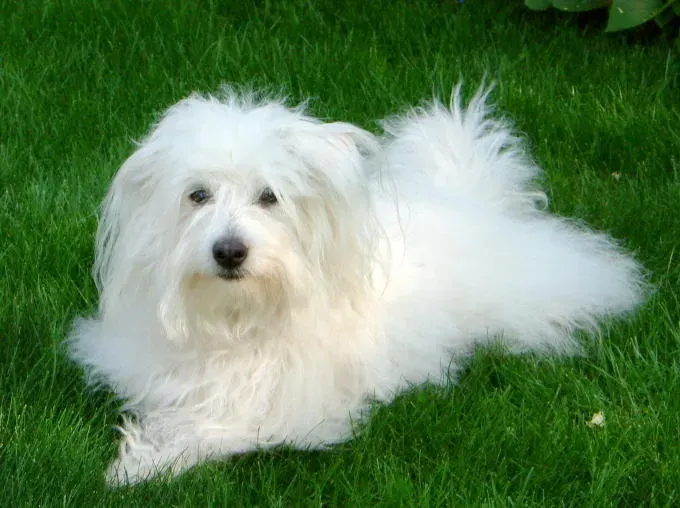
Coton de Tulears are small dogs that are usually calm and adaptable to various living situations. Hailing from Madagascar, Cotons are often described as sociable and affectionate companions that don’t get easily overwhelmed. They eagerly form strong bonds with their human families, offering a happy-go-lucky disposition and gentle demeanor, and are remarkably adaptable, fitting well into a variety of living situations, from apartments to larger homes.
The Coton de Tulear is calm, gentle, and intelligent. They are happy-go-lucky companions. What I love about this breed is their almost effortless adaptability. You could take them to a busy farmers market or a quiet Sunday morning at home, and they’d handle both with the same cheerful, fluffy grace.
14. Whippet: The Quiet, Sensitive Speedster Who Craves Calm
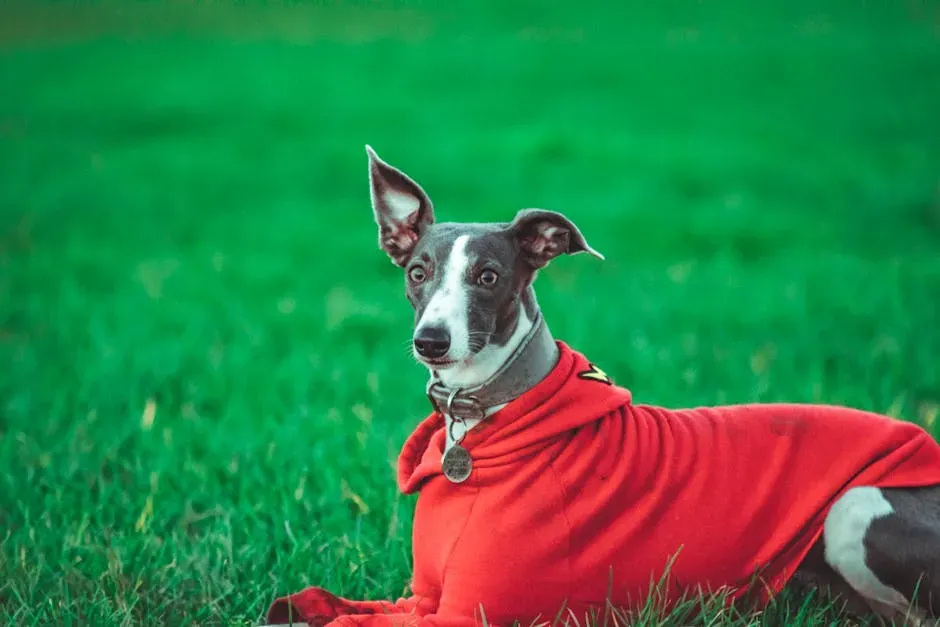
A friendly, gentle, and calm breed at home, Whippets are all business during sports. They like to be cozy and relaxed at home as long as they are exercised appropriately. The Whippet is basically proof that speed and serenity are not opposites. Watch one sprint across a field and you’ll be amazed. Catch that same dog two hours later and it’s deeply, peacefully asleep on the softest thing it could find.
Whippets are fast, but that energy doesn’t last long. If you give them space to expend short bursts of energy exercising, they’re content to lounge around the rest of the time. These sensitive pups love a calm, quiet home, so they’re the perfect match for a low-key family without younger children or lots of noise. If you have a chaotic, loud household, a Whippet may find it stressful. They genuinely thrive in peaceful environments, so match your energy to theirs.
Final Thoughts: Finding Your Perfect Calm Companion
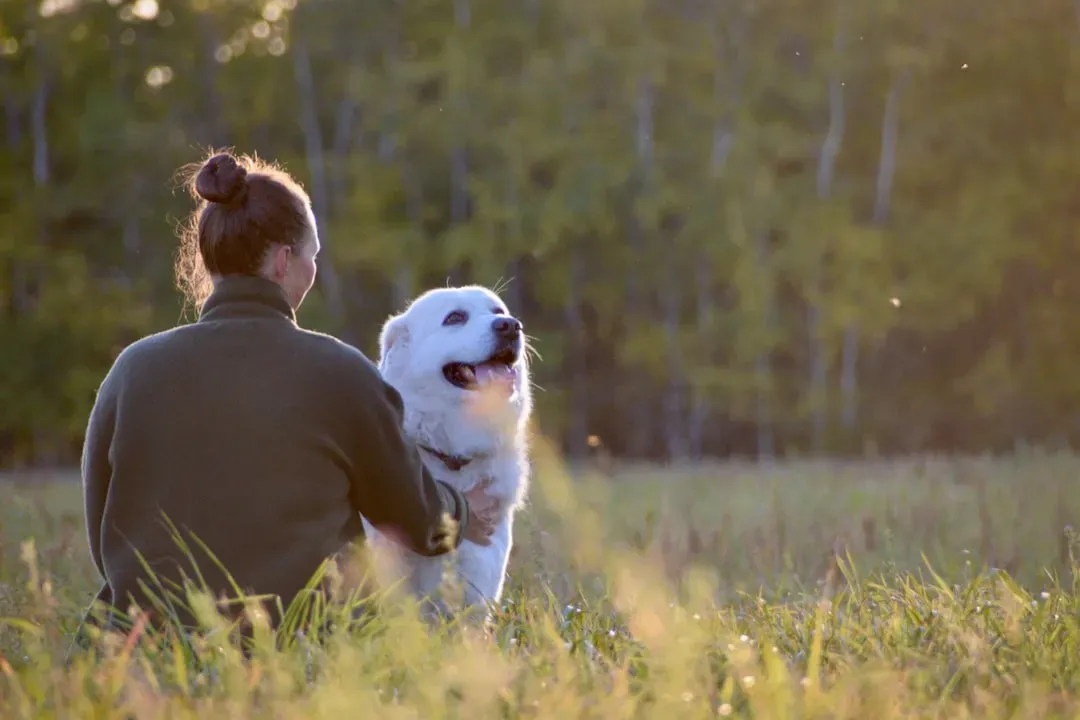
Here’s the thing about calm dog breeds: they don’t just make your life easier, they genuinely enrich it. The calmest dog breeds have an adaptable, gentle temperament and don’t get riled up easily. These pups love to lounge and aren’t known to be big barkers unless they’re alerting you to danger. Every pet is unique with their own personality, so proper socialization and positive reinforcement training are key to helping your pup live their best life and be calm in new situations.
It’s hard to say which breed on this list is “the best,” because honestly, it depends entirely on your life. A tiny apartment calls for a different choice than a farm with kids running around. Regardless of breed, it’s important to note that all dogs are individuals, and training and socialization are essential for families and dogs to live happily ever after. The breed gives you a foundation. What you build on it is up to you.
Whether you’re drawn to the regal Cavalier, the mountainous Newfoundland, or the perpetually zen Whippet, one thing is certain: choosing a naturally calm breed is one of the kindest things you can do for both yourself and your future dog. Give them patience, routine, and love, and they’ll give you a lifetime of quiet, steady companionship. So, which calm breed stole your heart? Tell us in the comments!


