
Picture this. You leave for work, give your dog a quick pat on the head, and close the front door. Within minutes, the neighbors are calling. Your dog has been howling, chewing through the couch cushions, and doing things to your baseboards that you’d rather not think about. Sound familiar?
Separation anxiety is one of the most emotionally charged, misunderstood struggles in the dog-owner world. It’s not just “bad behavior.” Dogs with separation anxiety experience extreme fear when their owners leave, and their state of discomfort emerges right after you depart because they simply cannot find serenity during your absence. Knowing your dog’s breed tendencies is genuinely one of the most powerful things you can do as a loving, responsible pet parent. Let’s dive in.
1. Border Collie: The Genius Who Can’t Switch Off
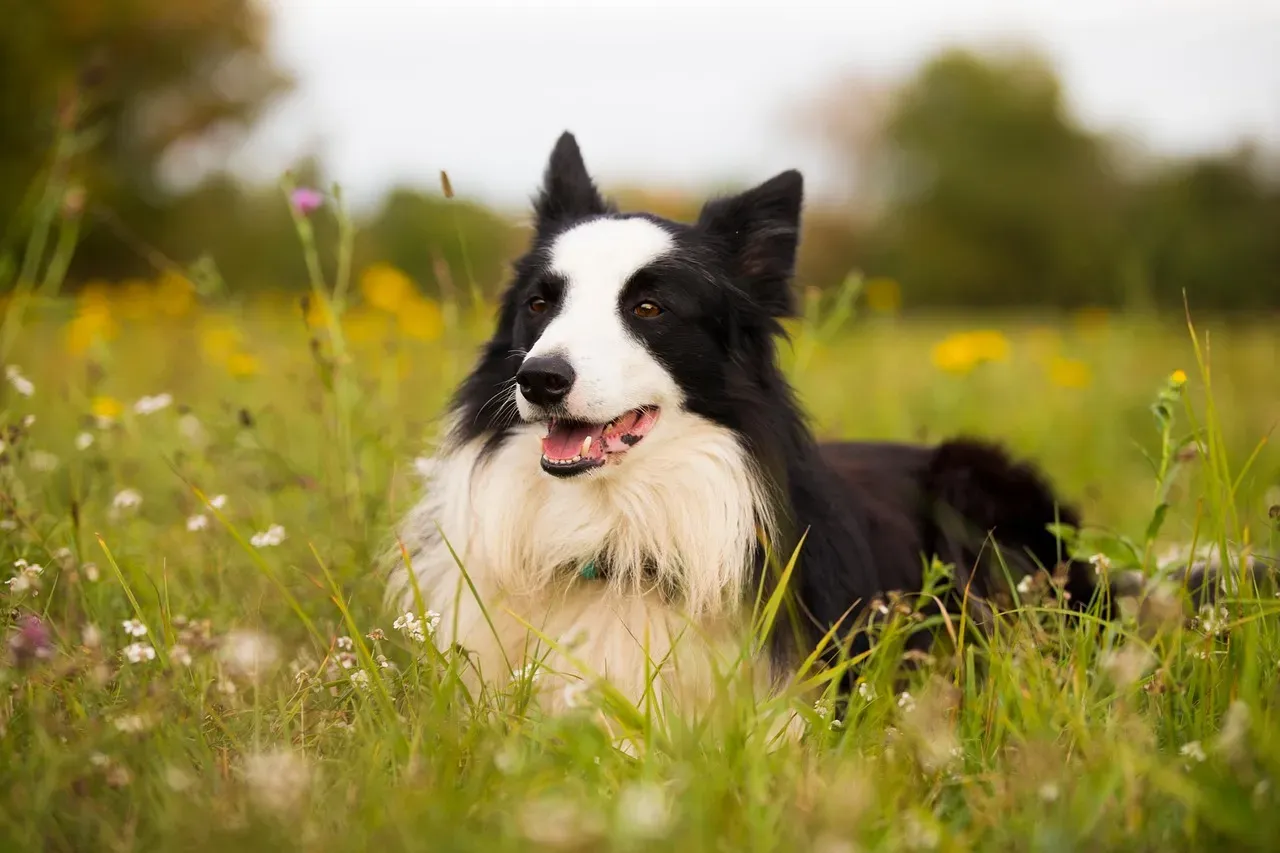
Originally bred for herding, Border Collies are energetic and friendly dogs. When boredom strikes, they may exhibit anxious behaviors such as excessive barking. Here’s the thing about a Border Collie: their brain is basically a sports car engine idling in a parking lot. They were literally designed to be constantly moving and problem-solving.
They can get bored easily and may indulge in destructive behaviors like ripping apart pillowcases or damaging doors and windows. They are highly prone to suffering from separation anxiety, and if ignored for long, they can even suffer from depression. If you own a Border Collie and work long hours, puzzle feeders, sniff mats, and a reliable dog walker are not luxuries. They are absolute necessities.
2. Labrador Retriever: The World’s Friendliest Velcro Dog
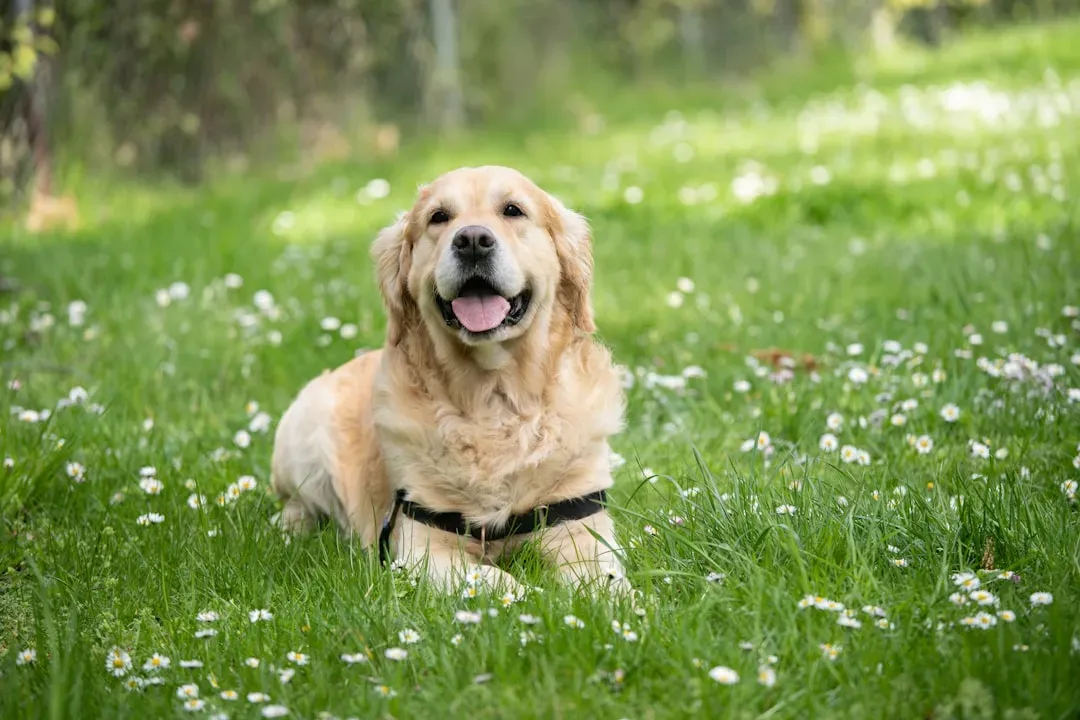
Labs are consistently ranked among the most popular family dogs on the planet, and it’s easy to see why. Originally bred to assist fishermen, their versatility, intelligence, and friendly nature quickly made them popular as hunting companions, guide dogs, and beloved family pets. Even though they have a happy and friendly demeanor, Labradors can be prone to anxiety.
This breed’s strong attachment to family members can lead to distress when separated. This anxiety can manifest as destructive chewing, excessive barking, or even soiling the house when left alone. Labradors also require at least an hour of active exercise every day as well as mental stimulation like puzzles, toys, or training routines. Honestly, a bored, lonely Lab is practically a wrecking ball with a wagging tail.
3. German Shepherd: High Achiever With a Sensitive Side
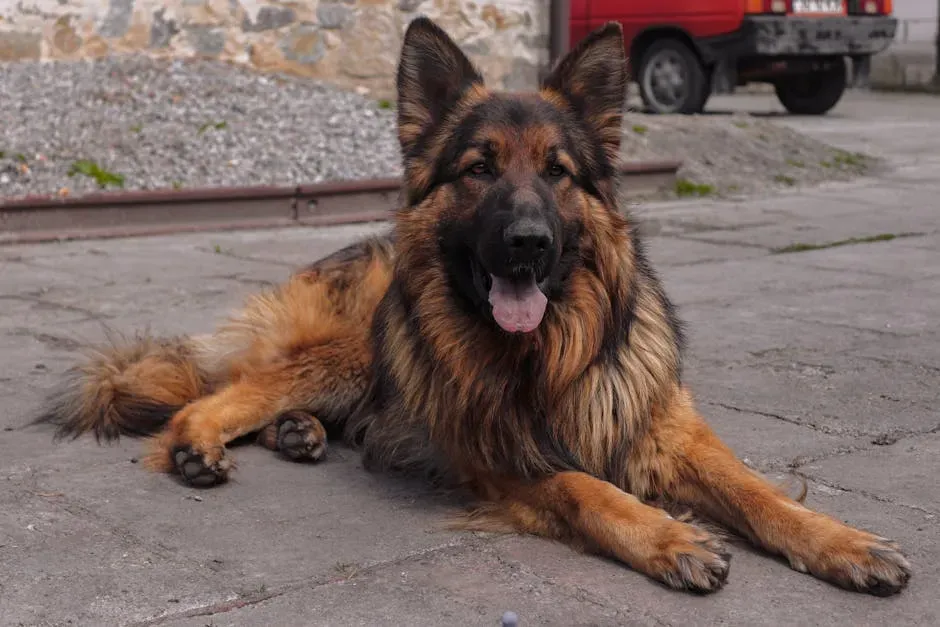
German Shepherds look tough. And they are. But behind that loyal, confident exterior is a dog that genuinely struggles when left to their own devices for too long. German Shepherds are high-energy herding dogs who love having a job that lets them use their brain and body. They thrive on consistency, so being thrown off their routine may result in anxious behaviors such as pacing and door-scratching.
Despite their impressive capabilities, German Shepherds can be prone to anxiety. Their protective nature, deep attachment to their owners, and need for mental stimulation all contribute to their susceptibility. The prevention tip here is simple but non-negotiable: give them a “job.” Obedience training, scent work, agility, even carrying a backpack on walks. Letting them use their skills in hiking, agility, nose work, and dock diving can help reduce anxiety significantly.
4. Cavalier King Charles Spaniel: Born to Cuddle, Broken When Alone

Few dogs wear their hearts as openly as the Cavalier. They were bred for one purpose: to be a devoted companion. And they take that job incredibly seriously. Cavalier King Charles Spaniels are smaller and cuddlier than most other spaniel breeds. They’re considered toy dogs to many, which typically means they’re bred solely to be companions. This also means they bond very closely with their people, which can make them prone to separation anxiety.
Watch for signs like following you from room to room before you leave, trembling at the sound of keys, or refusing food while you’re out. These are textbook Cavalier distress signals. Establishing a consistent routine is essential. Dogs thrive on predictability and structure, and a set daily schedule can help alleviate anxiety by providing a sense of security and stability. Consistency in feeding times, exercise sessions, and alone time can reduce stress associated with separation.
5. Bichon Frise: Small, Fluffy, and Prone to Full-on Panic
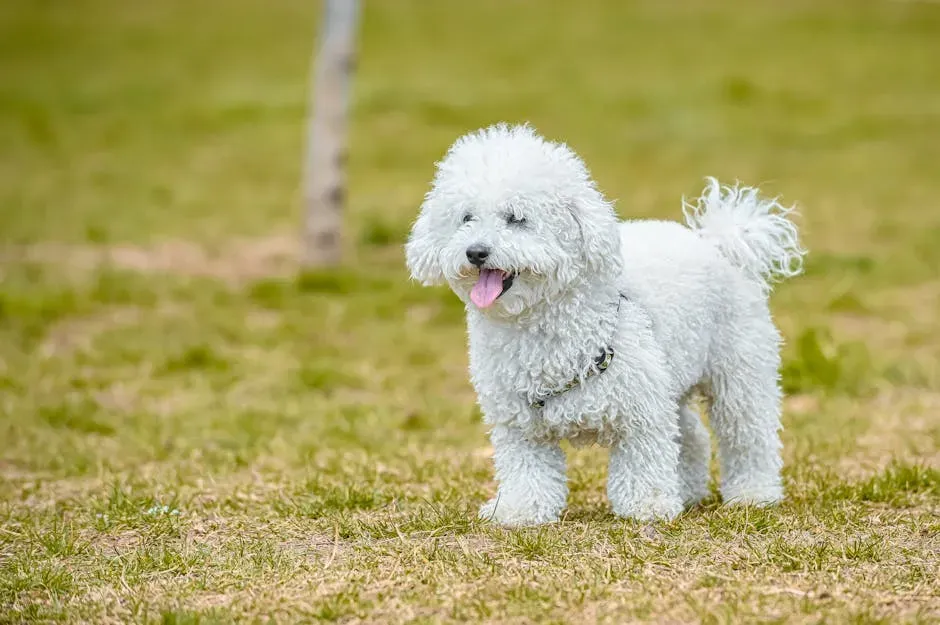
Don’t let the cotton-ball appearance fool you. The Bichon Frise has real emotional depth and a real vulnerability to being left alone. Bichon Frises are adorable lap dogs but very prone to separation anxiety. Compared to other breeds, they need a lot of companionship. They do best in families where someone can be with them most of the day, and many will become anxious when left alone for more than a few hours. For this reason, they’re prone to problem behaviors like destructive chewing and barking.
As soon as you leave them alone, they can become aggressive and destructive. Their anxiety, when overlooked, can quickly change into depression. Desensitization and counter-conditioning can work well for the Bichon Frise. Think of desensitization like slowly turning up the volume on alone time. You start with five minutes, then ten, then build from there. It’s tedious but it genuinely works.
6. Basset Hound: The Laid-Back Solo Expert
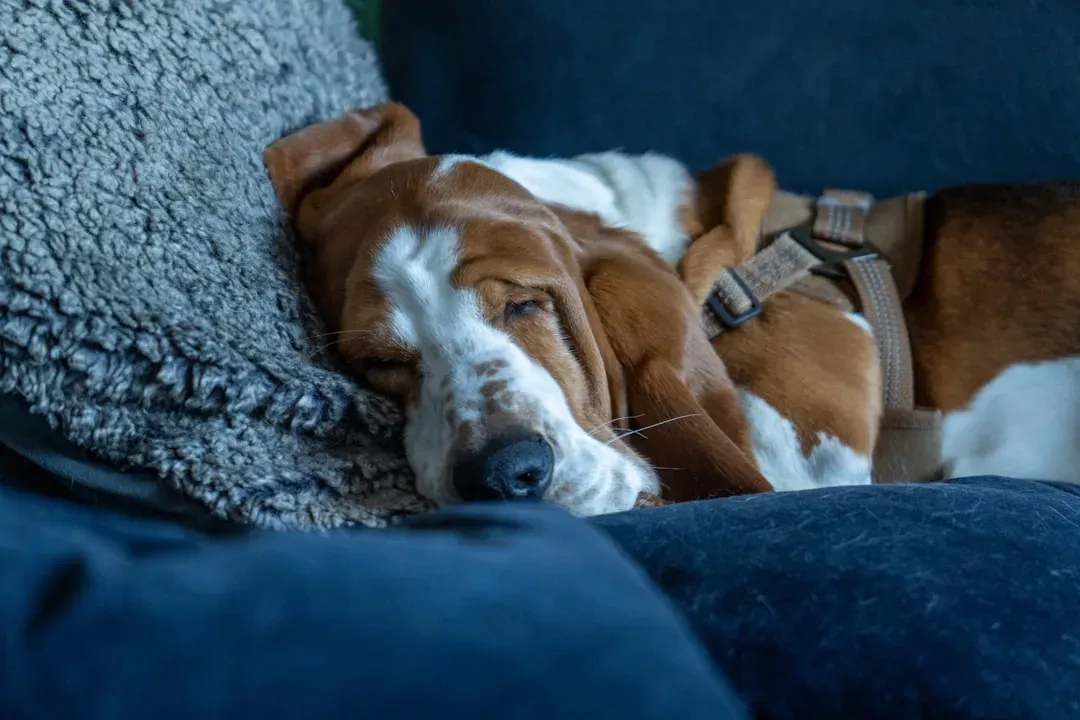
Now let’s flip the script. If you’re looking for a dog who treats your departure like a scheduled nap appointment, meet the Basset Hound. Basset Hounds may not mind being left alone at all. Their independent nature might make training challenging, but it translates to a wonderfully laid-back demeanor. They are calm, sometimes lazy couch potatoes who are perfectly content with a quiet afternoon snoozing or chewing on a toy.
Think of a Basset Hound as the dog equivalent of that one friend who genuinely enjoys a quiet Saturday alone with a podcast. The Basset Hound is a loyal dog who is typically very chill and loves to sleep. For this reason, they’re a good dog breed that can be left alone. They do require attention as they’re prone to weight gain and need frequent ear cleaning, and taking them on a walk before leaving them alone is always a good idea.
7. Chow Chow: The Regal Introvert of the Dog World
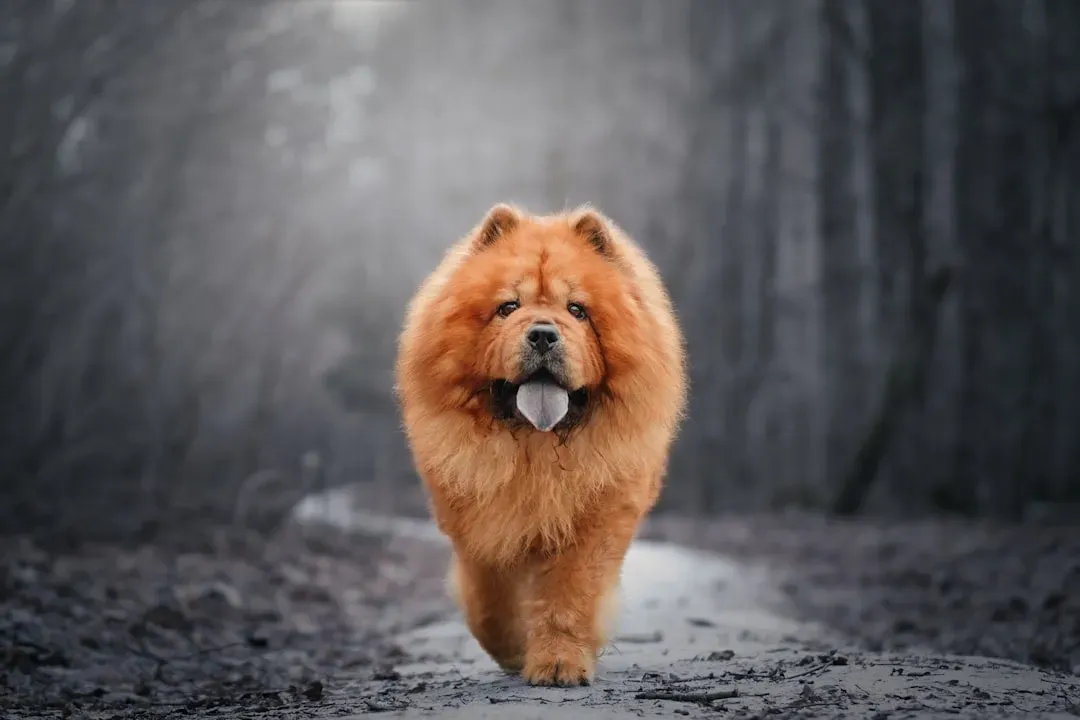
If the Basset Hound is a mellow couch potato, the Chow Chow is more like a dignified aristocrat who prefers solitude on their own terms. Though Chow Chows have attention-grabbing good looks, they prefer keeping a low profile. Rather aloof, they reserve all of their affection for immediate family members and even then aren’t especially demonstrative. Because of their independent natures, Chows adapt easily to time alone.
Chow Chows are naturally reserved, serious-minded, and loyal to their chosen people. While affectionate toward their favorite family member, they are generally aloof with strangers and other dogs. Their calm, self-contained nature makes them well-suited for owners who appreciate an independent companion. They adapt well to smaller homes or city living, as they require only moderate daily exercise. Just know that Chow Chows are fiercely loyal to their inner circle and may not warm up to dog walkers or sitters quickly.
8. Greyhound: The Surprising Homebody
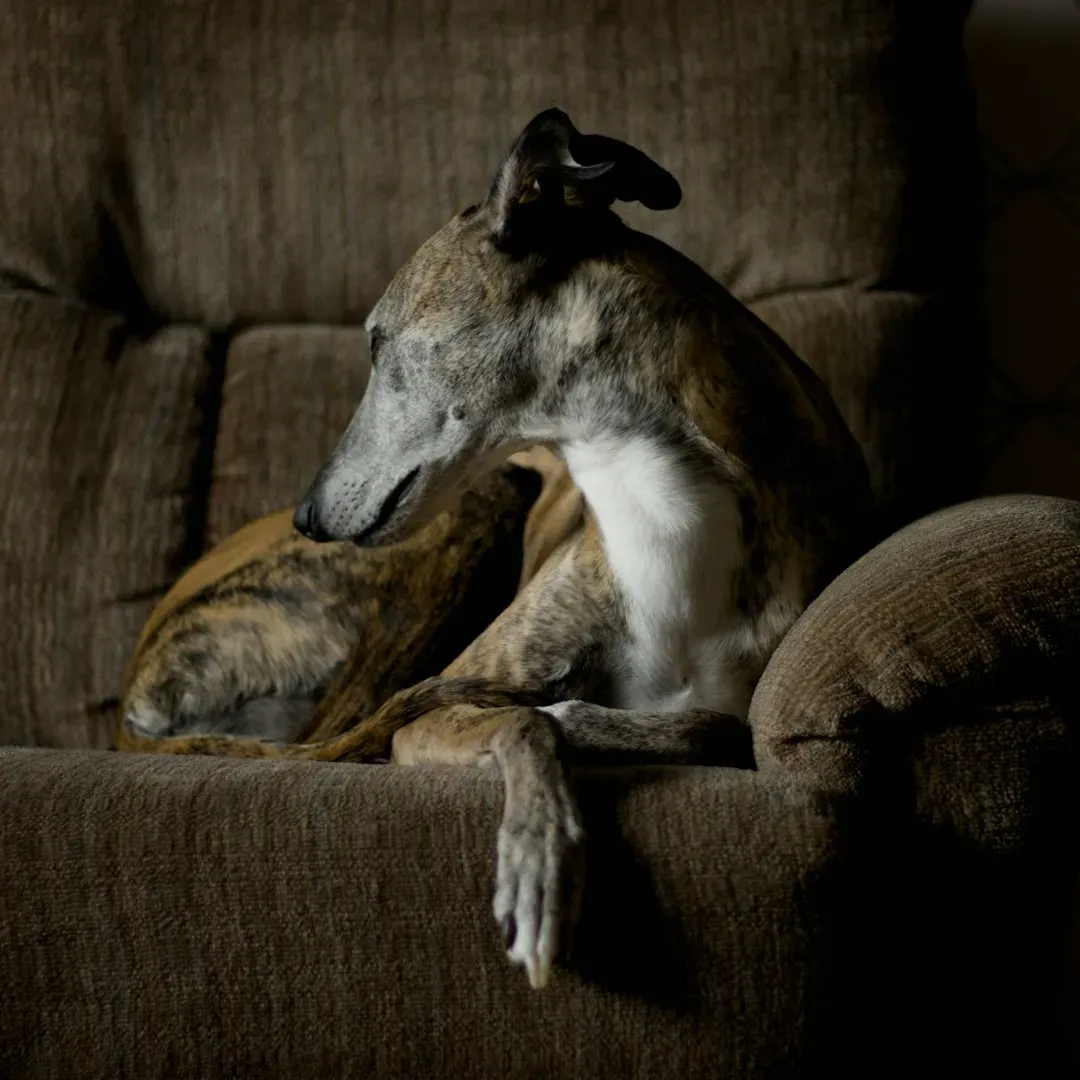
I know. Greyhound. “The fastest dog on earth,” you’re thinking. How on earth does a racing dog handle being alone? Honestly, better than almost any breed out there. Greyhounds are calm, gentle, and independent dogs that adapt well to a relaxed home environment. While they bond closely with their owners, they don’t demand constant attention and can be left alone for a few hours without stress. Though famous for their speed, they are “couch potatoes” at heart, enjoying long naps and quiet companionship.
Despite their racing background, Greyhounds require less exercise than many breeds and are often content lounging indoors most of the day. If you’re thinking of adopting a retired racing Greyhound, this is one of the most surprisingly rewarding matches for a working dog owner. These sweet, gentle, and affectionate pups do enjoy being around their people, but they tend to like their own space too. Like a cat, they’ll sneak off alone to find cozy quiet spots to sleep.
9. Akita: Quietly Confident and Comfortably Independent
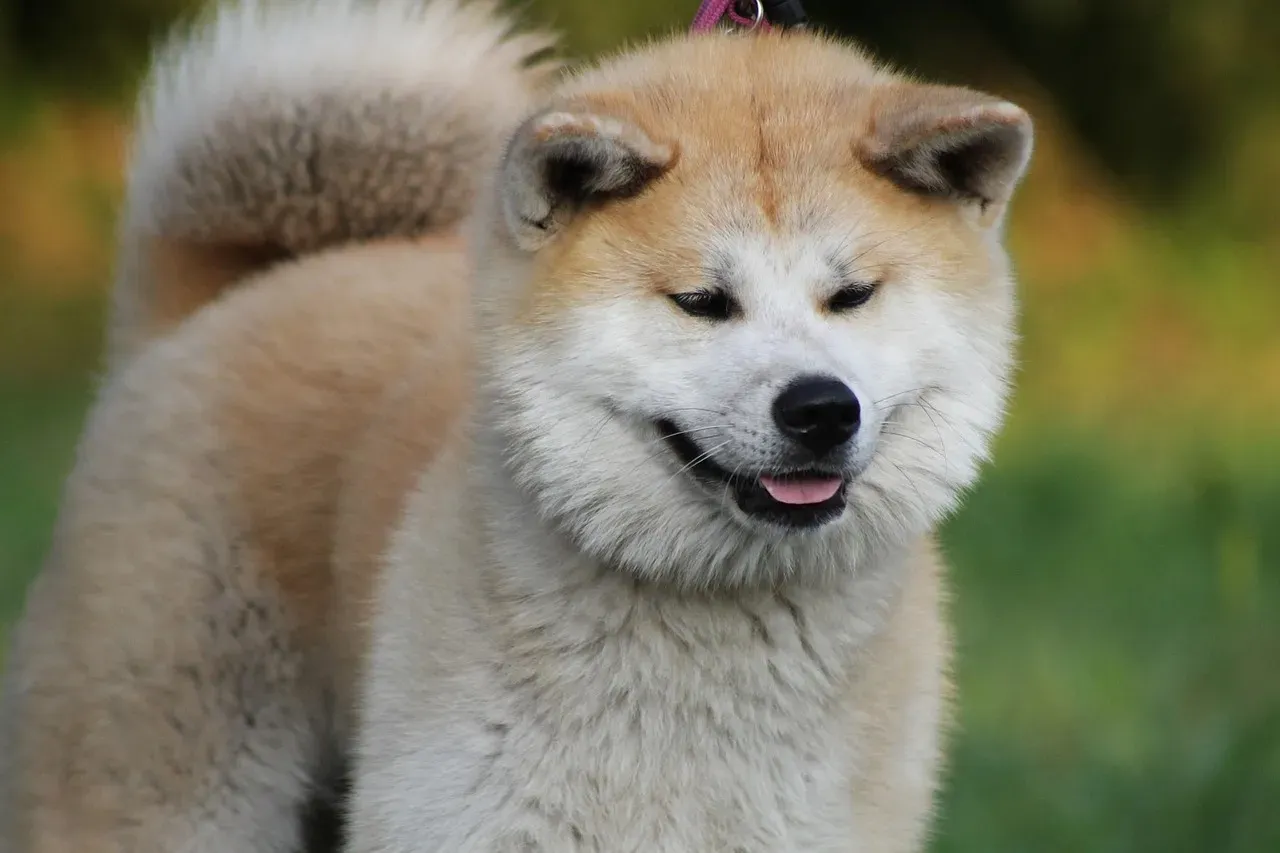
The Akita is not a dog that needs constant emotional reassurance. The Akita is an intelligent and independent breed. Originally bred in Japan to hunt large animals and guard royalty, it learned early to make decisions on its own. Unlike dogs that follow you everywhere, an Akita often prefers periods of doing its own thing. It has confidence and dignity and doesn’t need nonstop attention to feel valued.
Akitas are known for being “quiet dogs” – they don’t bark much, and often only raise their voice when really needed. That alone is worth its weight in gold for apartment dwellers. Their independence also means they can be stubborn, so consistent training and socialization are key. Even though Akitas can handle solitude better than many, they still thrive when their basic needs are met – things like moderate physical exercise, mental challenges, and having a secure space help them stay calm and happy.
10. Basenji: The Self-Sufficient Free Spirit
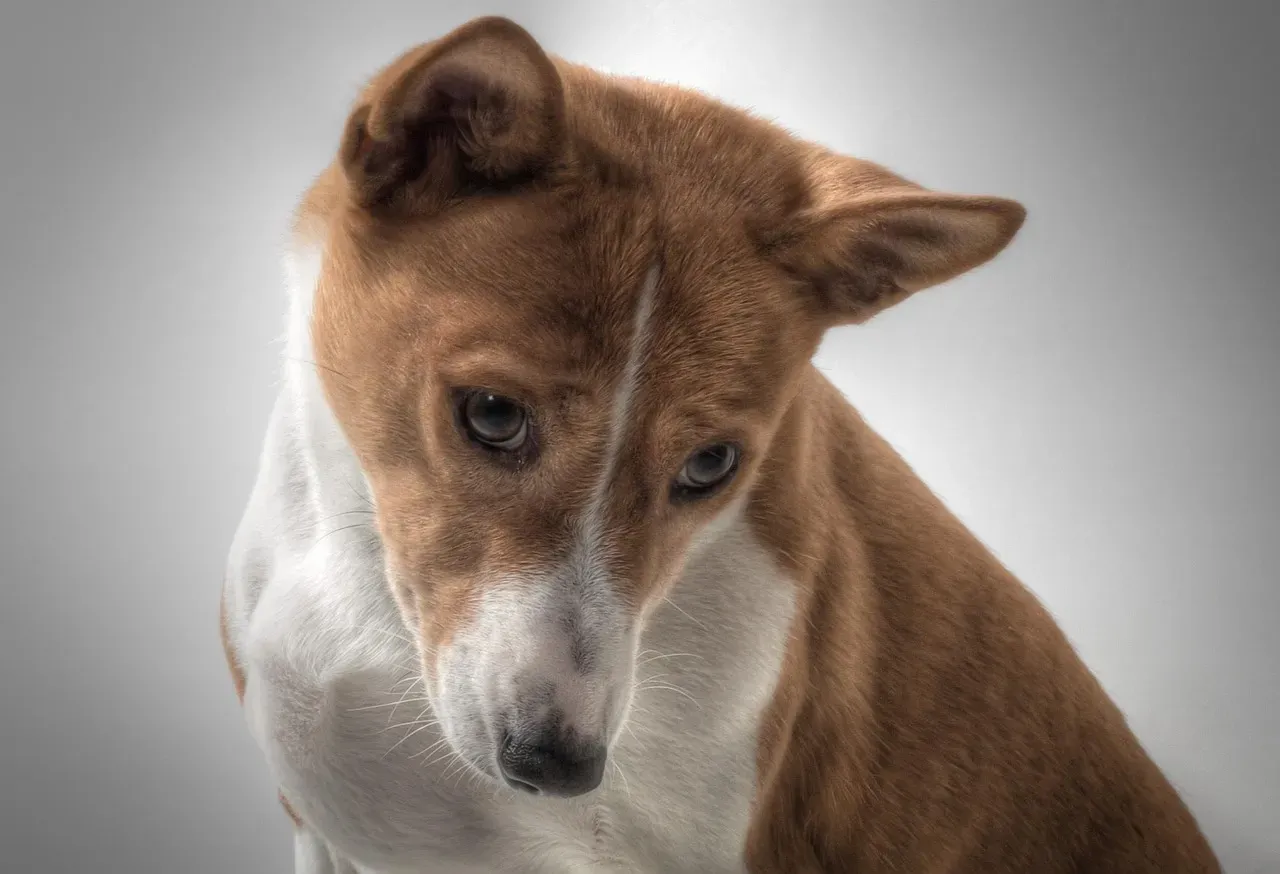
Last but absolutely not least, meet the Basenji. This ancient breed is probably the most cat-like dog you will ever encounter, and that is not an exaggeration. Often referred to as a cat-like dog, the Basenji has a lot in common with its feline counterparts. These dogs were important in ancient Egyptian society, they lick themselves to groom, and they often lose interest in training because they’re very independent. These smart and sometimes aloof pups are definitely happy to do their own thing for a few hours each day once they get tuckered out.
The Basenji can sit for hours looking out of the window even when their owner is around. If you need a dog that tolerates being left alone, you can trust Basenji pups to find something entertaining and non-destructive to occupy their time while you are away. Independent and self-contained, this breed is also full of energy, so make sure you schedule a high-energy play session when you get back. A good morning run or fetch session before you leave for work? That Basenji will barely notice you’re gone.
Conclusion: Know Your Dog, Love Them Better
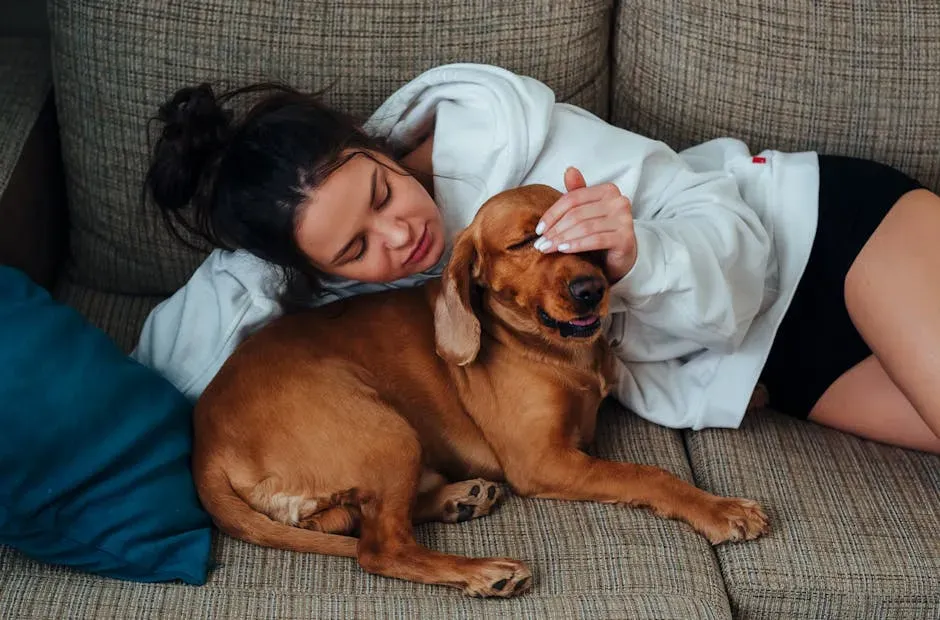
Here’s the real takeaway. Any dog can develop separation anxiety, but some breeds may be more likely to struggle with being alone due to inherited temperament traits, original breeding roles, and natural instincts. Knowing which category your dog falls into isn’t about labeling them as “difficult” or “easy.” It’s about showing up for them in the right way.
Not every dog within any given breed will develop separation anxiety. Socialization, training, environment, and individual personality also play a significant role. Whether you have a clingy Cavalier or a cool-headed Akita, they all need something from you. The difference is just in what and how much. The most important thing you can do today is simply pay attention. Your dog is already telling you exactly what they need. Are you listening?


