
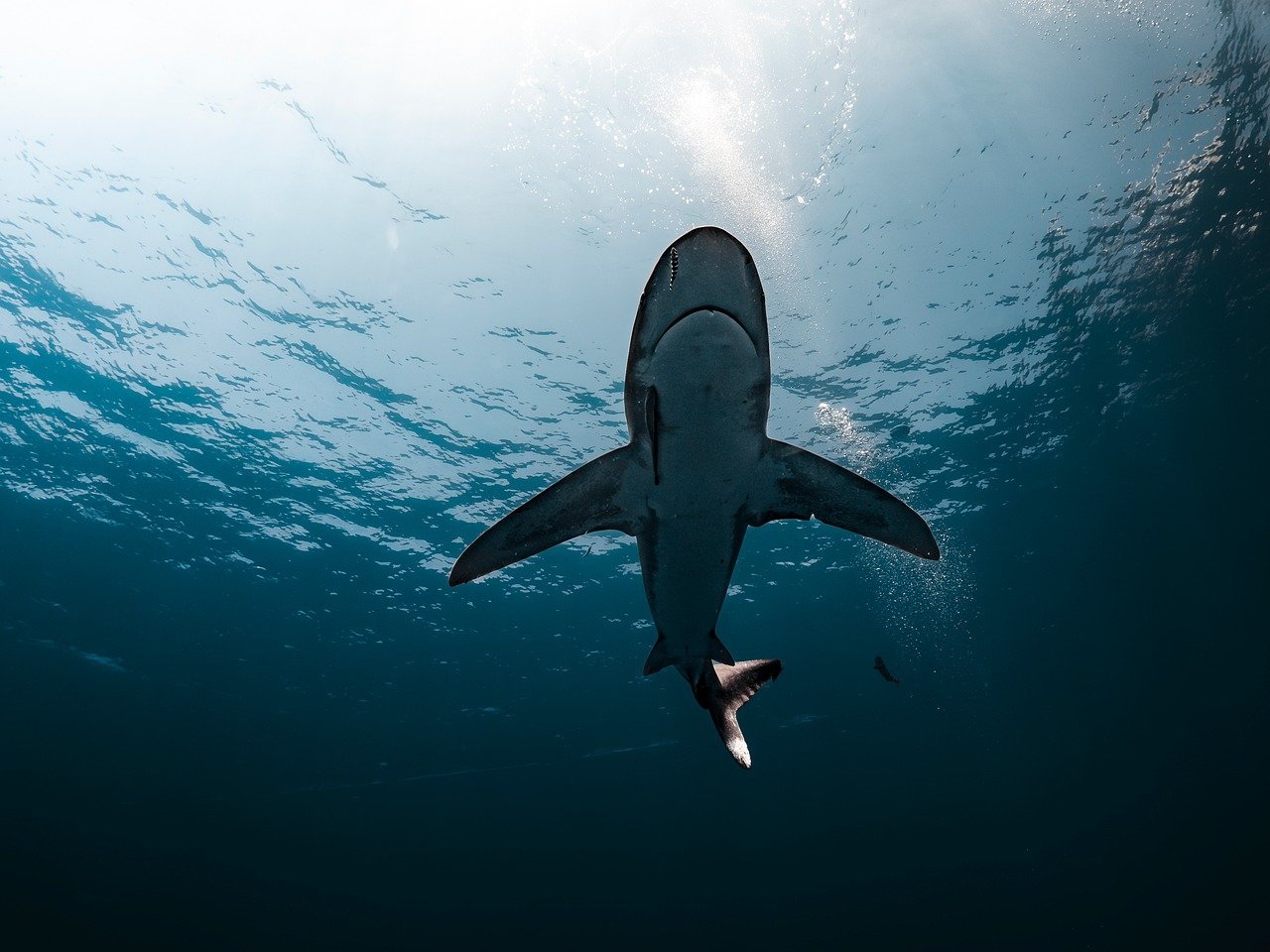
Researchers sampling sharks off Eleuthera Island in the Bahamas discovered traces of cocaine, caffeine, acetaminophen, and diclofenac in their blood, exposing unexpected pollution in a region prized for its clear waters and marine life.[1][2] The study, published in the journal Environmental Pollution, examined serum from 85 sharks across five species captured nearshore, about four miles from the coast near a popular diving site.[3] These findings represent the first documented cases of such contaminants in sharks from the Bahamas, highlighting how human activities infiltrate even remote ecosystems.
Shocking Firsts in Shark Serum
Of the 85 sharks analyzed, 28 individuals from three species carried detectable levels of the substances, with some testing positive for multiple compounds.[1] Lead researcher Natascha Wosnick noted that while cocaine grabs headlines, the prevalence of caffeine and pharmaceuticals proved more widespread and concerning.[2]
The affected species included Caribbean reef sharks, Atlantic nurse sharks, and lemon sharks. Tiger sharks and blacktip sharks showed no detections. Concentrations varied: diclofenac appeared in seven reef sharks at 1.47 to 14.85 nanograms per milliliter, acetaminophen in two at 4.29 and 11.63 nanograms per milliliter, and cocaine in one at 2.12 nanograms per milliliter.[1]
- Caribbean reef shark (Carcharhinus perezi): 23 sampled, multiple positives.
- Atlantic nurse shark (Ginglymostoma cirratum): 8 sampled, detections present.
- Lemon shark (Negaprion brevirostris): 33 sampled, including one juvenile in a nursery creek.
Metabolic Disruptions Signal Stress
Sharks with contaminants displayed altered levels of triglycerides, urea, and lactate compared to clean individuals, pointing to metabolic strain.[1] These shifts suggest heightened stress responses and energy demands, possibly as the animals detoxify foreign chemicals with no natural counterparts in ocean environments.[4]
Physiological markers like these reflect impacts on hepatic, renal, and energy functions. Oceanographer Tracy Fanara emphasized that such changes underscore connections between coastal development, tourism, and marine food webs.[3] Though acute effects remain unclear, chronic exposure could threaten population stability for these slow-growing apex predators.
Tourism’s Hidden Wastewater Legacy
Contaminants likely entered the water via untreated sewage from boats, divers, and coastal runoff, fueled by Eleuthera’s growing tourism.[3] Wosnick explained that people urinate in the water and dump waste, while sharks investigate by biting suspicious objects – like discarded drug packets.[4]
Caffeine, the most common find, stems from everyday sources such as coffee consumed by visitors. Painkillers like acetaminophen and diclofenac trace to over-the-counter medications flushed through wastewater systems. Cocaine detections, though rare, align with observations of packets in nearby creeks, bitten open by curious sharks.
Urgent Call for Cleaner Oceans
This research fills a critical gap in understanding contaminants of emerging concern in elasmobranchs, top predators vital to reef health.[1] Even paradisiacal spots like Eleuthera, with its dive sites and cruise traffic, now reveal pervasive chemical pollution carried by currents.
Experts urge improved wastewater treatment and public awareness to protect sharks, which support tourism economies through encounters that draw millions annually. Further studies must probe long-term behavioral and reproductive effects to inform conservation.
As these revelations challenge notions of pristine seas, one truth stands clear: human habits ripple far into the deep. What steps can vacationers take to minimize their impact?
- 28 of 85 Bahamas sharks carried caffeine, painkillers, or cocaine – first such detections locally and globally for some compounds.[1]
- Contaminated sharks showed stress indicators like elevated lactate and urea.
- Tourism-driven wastewater is the prime suspect; better management is essential.
What do you think about this pollution in paradise? Tell us in the comments.


