
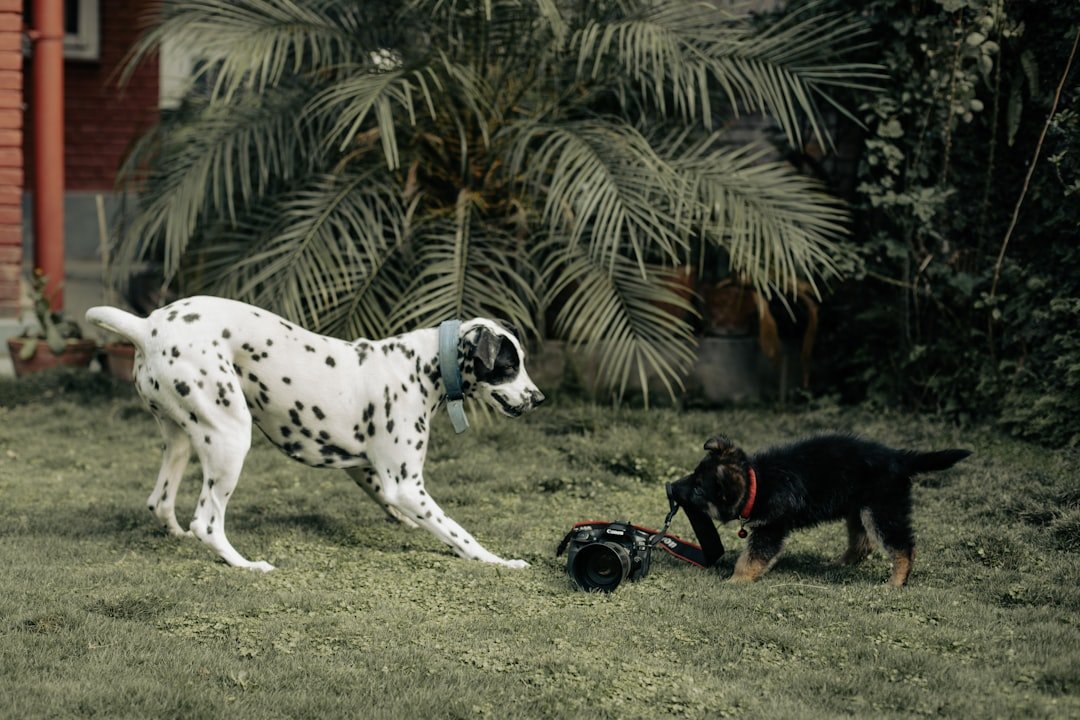
Dog ownership brings joy, but occasional odors can challenge even the most devoted pet parents. Certain breeds, however, consistently produce minimal scent thanks to unique coat structures and grooming habits. These low-odor companions allow families to enjoy canine companionship without constant air fresheners or extra laundry.[1][2]
Coat Types Drive the Difference in Scent
Over 30 percent of dog odors stem from skin oils and dander trapped in fur, according to grooming experts. Breeds with curly, wiry, or short coats shed less and trap fewer contaminants, reducing bacterial buildup.[3] Single-layer coats, like those on sighthounds, release oils evenly without retaining moisture. Self-grooming tendencies in some varieties further minimize smells, mimicking feline cleanliness.
Health factors also play a role. Regular veterinary checkups prevent issues like ear infections or anal gland problems that amplify scents across all breeds. Diet rich in omega fatty acids supports skin health, keeping even prone dogs fresher longer.[1]
Spotlight on 7 Standout Low-Odor Breeds
Veterinarians and groomers frequently highlight these breeds for their scent-free profiles. Each offers distinct traits that appeal to different lifestyles, from apartments to active homes.[4]
- Poodle: The curly, dense coat sheds minimally and resists odor when groomed regularly. Available in toy, miniature, and standard sizes, poodles require clipping every four to six weeks. Vet Dr. Katrina Warren noted that a healthy poodle lacks typical doggy odor.[1][4]
- Bichon Frise: This fluffy double coat stays hypoallergenic with low dander production. Brushing two to three times weekly prevents matting and scent buildup. Owners appreciate the breed’s cheerful temperament alongside its cleanliness.[2][3]
- Maltese: A silky single coat releases little oil, demanding daily brushing but producing scant smell. The small size suits urban dwellers, and the white fur shows dirt less than expected.[5]
- Schnauzer: Wiry fur sheds little and repels bacteria effectively. Miniature, standard, and giant varieties all share this trait, though beards need cleaning. The breed fits allergy sufferers well.[1]
- Basenji: Known as the barkless dog, its short coat and fewer oil glands keep odors at bay. The breed self-grooms like a cat, needing only light weekly brushing.[6][3]
- Whippet: Sleek, short fur makes this sighthound practically odorless, even after activity. Minimal grooming – a quick wipe-down suffices – enhances its appeal for tidy homes.[1][4]
- Portuguese Water Dog: Dense, non-shedding coat handles water without stink, ideal for active families. Frequent brushing maintains freshness post-swims.[1]
Grooming Essentials for Lasting Freshness
Even low-odor breeds benefit from routine care. Experts recommend high-quality diets with omega-3s to balance skin oils and prevent gas-related smells. Bathe only as needed – overwashing strips protective layers, inviting more odor.[1]
Veterinary visits catch early issues like yeast infections, which produce sweet scents. Brush teeth weekly and trim nails to avoid secondary odors. For comparison:
| Breed | Coat Type | Grooming Frequency |
|---|---|---|
| Poodle | Curly | Every 4-6 weeks |
| Bichon Frise | Fluffy double | 2-3x weekly brush |
| Basenji | Short | Weekly light brush |
| Whippet | Sleek short | As needed wipe |
- Use pH-balanced dog shampoos exclusively.
- Check ears and paws after outdoor play.
- Air dry coats when possible to preserve oils.
- Consult vets for persistent smells.
Key Takeaways
- Low-odor breeds often feature non-shedding or short coats that resist bacteria.
- Regular grooming and diet trump breed alone for freshness.
- These dogs suit allergy-prone or scent-sensitive households best.
Choosing a low-odor breed transforms pet ownership into a cleaner, more enjoyable experience. Proper care ensures these fresh companions thrive for years. What do you think – which breed fits your lifestyle? Tell us in the comments.


