
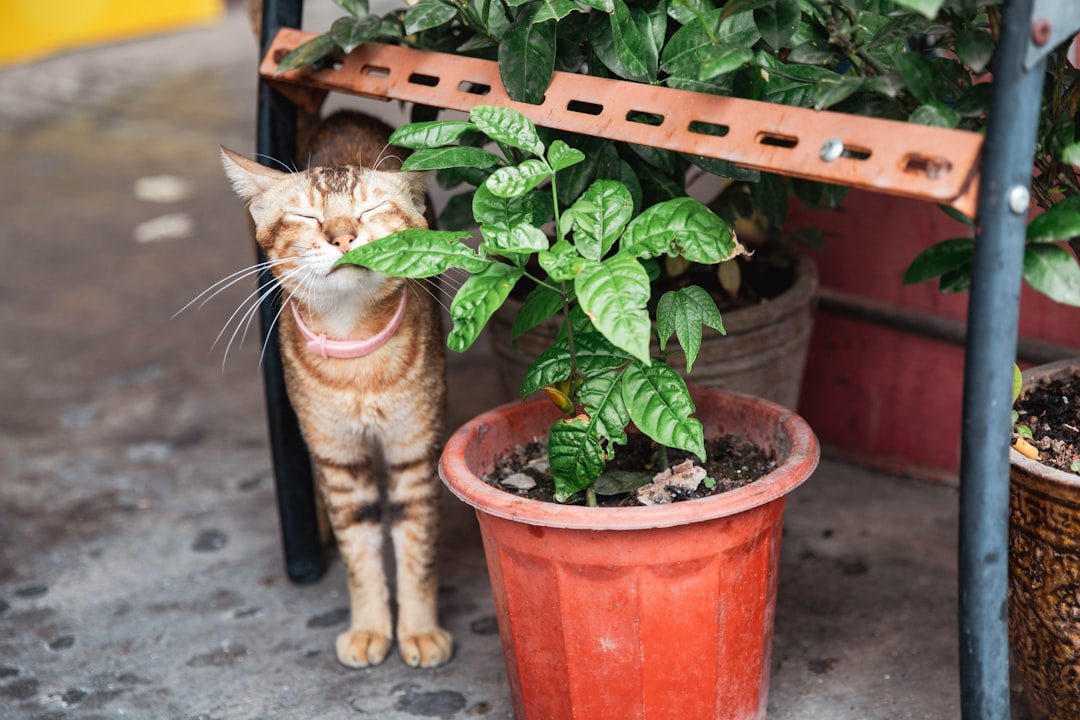
Cat owners often brighten their homes with fresh bouquets or garden blooms, unaware that some favorites harbor hidden dangers. Certain flowers can trigger severe reactions in felines, from mild stomach upset to life-threatening kidney failure. Understanding these risks helps protect curious pets that love to nibble or brush against plants.[1][2]
Lilies Top the List of Deadly Threats
True lilies rank among the most hazardous flowers for cats. Even brief contact with pollen from varieties like Easter lilies, tiger lilies, Stargazer lilies, or Asiatic lilies can lead to acute kidney failure if a cat grooms itself afterward. All parts of the plant, including vase water, prove toxic.[1]
Veterinarians report that small amounts cause rapid deterioration. Symptoms emerge within hours: vomiting, lethargy, and increased thirst signal urgent veterinary intervention. Pet owners who received holiday arrangements learned this lesson the hard way, prompting immediate removal of such blooms from cat households.[2]
Spring Bulbs Bring Hidden Dangers
Tulips, daffodils, and hyacinths brighten spring gardens but pack toxins in bulbs, leaves, and flowers. Cats ingesting tulip bulbs suffer drooling, vomiting, diarrhea, and heart irregularities. Daffodils provoke similar gastrointestinal distress, while hyacinths add skin irritation and breathing issues.[3]
These bulbs release lycorine or crystals that irritate the mouth and gut. Gardeners noted cats pawing at mouths after encounters, underscoring the need for fenced-off planting beds. Hyacinth fragrances tempt nibbles, escalating risks indoors.[1]
Popular Blooms with Milder but Real Risks
Chrysanthemums, often called mums, cause vomiting, drooling, and hypersalivation in cats. Azaleas and rhododendrons, with their vibrant clusters, lead to weakness, tremors, and heart problems from grayanotoxins. Iris roots prove especially irritating, alongside gladiolas and amaryllis that upset stomachs.[2]
Cyclamen tubers deliver severe effects like seizures if consumed in quantity. Carnations and calla lilies irritate mildly but warrant caution. Florists frequently included these in arrangements until pet safety guides highlighted the threats.[1]
Here are 10 common toxic flowers to avoid:
- Lilies (Easter, Tiger, Stargazer, etc.)
- Tulips
- Daffodils
- Hyacinths
- Chrysanthemums
- Azaleas/Rhododendrons
- Iris
- Gladiolas
- Amaryllis
- Cyclamen
Recognizing and Responding to Poisoning Signs
Cats show varied symptoms depending on the plant. Common early indicators include excessive drooling, vomiting, and diarrhea. Lethargy, loss of appetite, or pawing at the mouth follow, with severe cases bringing tremors, seizures, or collapse.[2]
Lily exposure demands immediate action, as delays prove fatal. Owners who acted quickly saved pets through induced vomiting or IV fluids. Contact a veterinarian or hotline like the ASPCA Animal Poison Control Center at once, providing plant details and ingestion estimates.
Cat-Safe Flowers and Plants to Choose Instead
Many blooms pose no threat, allowing greenery without worry. Roses delight without toxicity, provided thorns stay trimmed. African violets, orchids, and zinnias offer color safely indoors.[3]
Outdoor options like sunflowers, gerbera daisies, and petunias attract cats harmlessly. Houseplants such as spider plants, Christmas cacti, and Boston ferns withstand playful pounces. Offer cat grass or catnip to redirect chewing instincts.
| Toxic Flower | Safe Alternative |
|---|---|
| Lily | Orchid |
| Tulip | Zinnia |
| Hyacinth | Rose |
| Chrysanthemum | Sunflower |
Practical Prevention Strategies
Place arrangements high or use hanging baskets beyond leap range. Deterrent sprays with citrus repel without harm. Cover soil to thwart digging.
- Opt for artificial flowers if fresh appeal matters.
- Supervise outdoor time with leashes or enclosures.
- Research unknowns via trusted lists before purchase.
- Train with positive reinforcement away from plants.
- Maintain tidy gardens, removing clippings promptly.
Key Takeaways
- Avoid lilies entirely; even pollen endangers cats.
- Watch spring bulbs closely during peak season.
- Stock safe options like roses and spider plants.
Pet safety starts with informed choices, turning homes into havens. What flowers grace your cat-friendly space? Tell us in the comments.


