
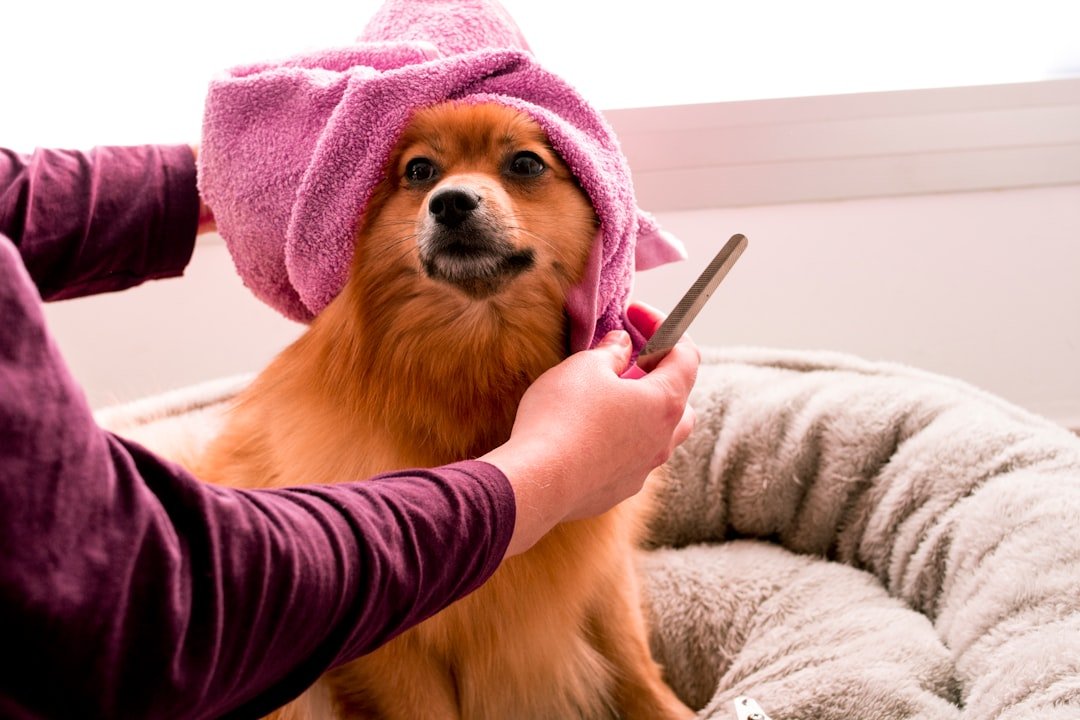
Pet owners frequently face the question of grooming frequency for their canine companions. The ideal schedule hinges on several elements, including coat type, breed characteristics, daily activity levels, and individual health needs. Beyond aesthetics, consistent grooming supports skin health, reduces shedding, and allows early detection of potential medical issues.
Grooming Prevents More Than Just Messy Fur
Mats and tangles in a dog’s coat can lead to painful skin infections if left unchecked. Owners who maintain regular routines report fewer visits to the veterinarian for coat-related problems.[1][2] Brushing stimulates blood flow to the skin, while baths remove dirt without stripping essential oils when done properly. Lifestyle plays a role too – active dogs that romp outdoors accumulate more debris and require adjustments to their care plan.
Health conditions, such as allergies or seasonal shedding, further influence timing. Puppies and seniors often benefit from gentler, more frequent sessions tailored to their sensitivities. Professional groomers emphasize monitoring for signs like excessive scratching or odor as cues for immediate action.
Core Grooming Tasks and Tools
Effective grooming encompasses brushing, bathing, nail trimming, ear cleaning, and dental care. Brushing removes loose hair and distributes natural oils for a healthy shine. Mild, dog-specific shampoos preserve the coat’s protective barrier during baths.
Nails should receive attention every four to six weeks to prevent overgrowth, which can cause discomfort during walks. Ears need weekly inspections, especially for breeds with floppy ears prone to buildup. Teeth brushing a few times weekly combats plaque accumulation.
Grooming Frequencies by Coat Type
Dogs fall into distinct coat categories, each demanding specific care intervals. Short coats shed steadily but clean easily, while long or curly varieties tangle quickly without daily attention. The table below outlines standard recommendations compiled from expert sources.
| Coat Type | Brushing Frequency | Bathing Interval | Professional Grooming |
|---|---|---|---|
| Short/Smooth | Once weekly | Every 4-8 weeks | Every 6-8 weeks or as needed |
| Medium | 2-3 times weekly | Every 4-6 weeks | Every 6-8 weeks |
| Long | Daily | Every 3-4 weeks | Every 4-6 weeks |
| Curly | 3-4 times weekly or daily | Every 3-4 weeks | Every 4-6 weeks |
| Wire/Wiry | 3-4 times weekly | Every 4-6 weeks | Every 4-8 weeks |
| Double-Coated | 2-3 times weekly (daily in shedding season) | Every 6-8 weeks | Every 8-12 weeks |
These guidelines adjust for factors like climate and exercise. Double-coated breeds, for instance, suffer if shaved, as it impairs temperature regulation.[2]
Breed Examples and Customized Plans
Certain breeds exemplify these categories and offer practical benchmarks for owners.
- Labrador Retriever (Short/Smooth): Weekly brushing controls shedding; bathe every two to three months unless muddy.
- Golden Retriever (Medium/Double): Brush two to three times weekly, more in spring and fall; professional de-shedding every eight weeks.
- Shih Tzu (Long): Daily sessions prevent mats; full grooms every four to six weeks keep the flowing coat tidy.
- Poodle (Curly): Frequent brushing avoids tangles; professional clips every four to six weeks maintain the signature look.
- Schnauzer (Wire): Three to four brushes weekly; hand-stripping or clipping every four to eight weeks by pros.
- Siberian Husky (Double-Coated): Daily during sheds; infrequent baths preserve oils.
Hairless breeds like the Chinese Crested focus on skin moisturizing with baths every one to two weeks.[3]
Building a Sustainable Routine
Start with at-home brushing to build your dog’s tolerance. Invest in breed-appropriate tools, such as slicker brushes for curly coats or pin brushes for long hair. Schedule professional visits for complex trims or sanitary areas.
Track progress with a calendar, noting seasonal changes or health shifts. Overbathing dries the skin, so err on the side of caution. Consult a vet for persistent issues like excessive shedding.
Key Takeaways
- Match grooming to coat type for best results – daily for long or curly, weekly for short.
- Monitor nails, ears, and teeth alongside coat care for full health maintenance.
- Adjust for lifestyle and seasons; professionals handle high-maintenance needs efficiently.
Consistent grooming fosters a happier, healthier dog and strengthens the owner-pet bond. What grooming challenges do you face with your pup? Share in the comments below.


