
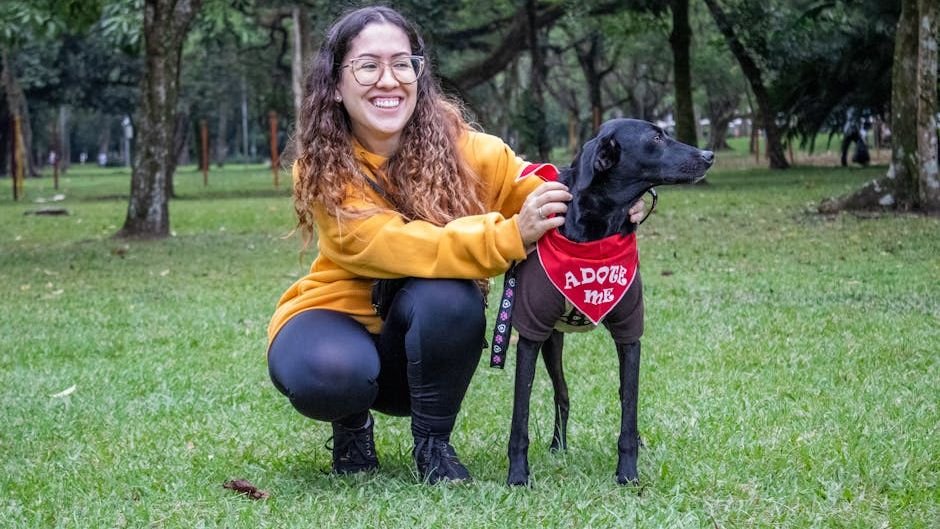
There’s a moment that happens right after you bring a rescue dog home for the first time. The car ride is quiet. Maybe your new dog is pressed against the door, trembling a little, unsure whether to trust you. You glance over and something shifts inside you. Honestly, you can’t quite name it yet. It’s part tenderness, part responsibility, and maybe even a little fear. What have I gotten myself into?
Here’s the thing though. That moment, as uncertain and messy as it feels, is the beginning of something that will quietly reshape who you are. Rescuing a dog is not just an act of charity. It is a two-way transaction of healing that most people never see coming. Buckle up, because what follows might just surprise you.
The Numbers Are Staggering – And Deeply Human

Before we get into the emotional depths of this bond, let’s talk reality for a second. In 2025, about 2.8 million dogs entered shelters and rescues, and while that number has been slowly declining, it still represents millions of animals waiting on someone to say “yes.” Every year, roughly 3.3 million dogs enter shelters and 670,000 are euthanized. That is a number that should make all of us stop and sit with it for a moment.
Most pets are surrendered for adoption due to no fault of their own. Think about that like a person who loses their apartment and has to give up their dog. The dog did nothing wrong. It simply lost its home. Leading causes for surrender include the owner having too many pets and housing reasons, not behavioral problems. So when you walk into a shelter, you’re not looking at “problem dogs.” You are looking at dogs waiting for their second chapter.
An overwhelming 96% of pet owners agree they consider their pets family members. That single statistic says everything about why this bond matters so deeply and why rescuing one of these animals is so much more than a weekend errand.
What Happens to Your Brain When You Rescue a Dog
Let’s get a little science-y here, because what happens inside your body when you adopt a rescue dog is genuinely fascinating. Studies have shown that interacting with dogs can lower cortisol levels, the stress hormone, while increasing oxytocin, the love hormone associated with bonding and relaxation. Think of it this way. Every time you stroke your dog’s ears after a rough day, you’re essentially hitting a biological reset button.
Interactions with dogs can activate reward pathways in the brain similar to those associated with social bonding and love. That’s not just a poetic metaphor. It’s actual neurochemistry. In a recent survey of more than 30,000 pet owners, 83% of people said their pet has had a positive impact on their mental wellbeing.
Research indicates that caring for a rescue animal can increase levels of oxytocin, which improves mood, reduces stress, and strengthens the emotional bond between humans and animals. It’s almost like nature designed these relationships to be mutually healing. Hard to argue with that, honestly.
Understanding Your Rescue Dog: Behavior Cues You Need to Know

Here’s where a lot of new rescue parents struggle. Rescue dogs come from various backgrounds, often having faced neglect, abuse, or abandonment, and these experiences can leave deep emotional scars that manifest as anxiety, fear, aggression, or depression. Recognizing these signs early makes all the difference in how quickly your dog heals.
Common indicators of trauma include excessive fear or anxiety, which can manifest as cowering, hiding, or showing signs of nervousness. Dogs may tremble, tuck their tails between their legs, or exhibit submissive behaviors such as rolling over and exposing their bellies. If your rescue does any of these things, that’s not a “bad dog.” That’s a dog trying to communicate its story to you in the only language it has.
When rescuing a dog, remember that past trauma can influence and in some cases totally change a dog’s personality. Give them time. Be predictable. Use calm voices, consistent routines, and positive reinforcement. With consistency, kindness, the right care, and time, most rescue animals form deep, lasting bonds with their adopters and become loving, loyal companions. The turnaround, when it comes, feels like nothing else in the world.
The Surprising Ways a Rescue Dog Transforms Your Daily Life
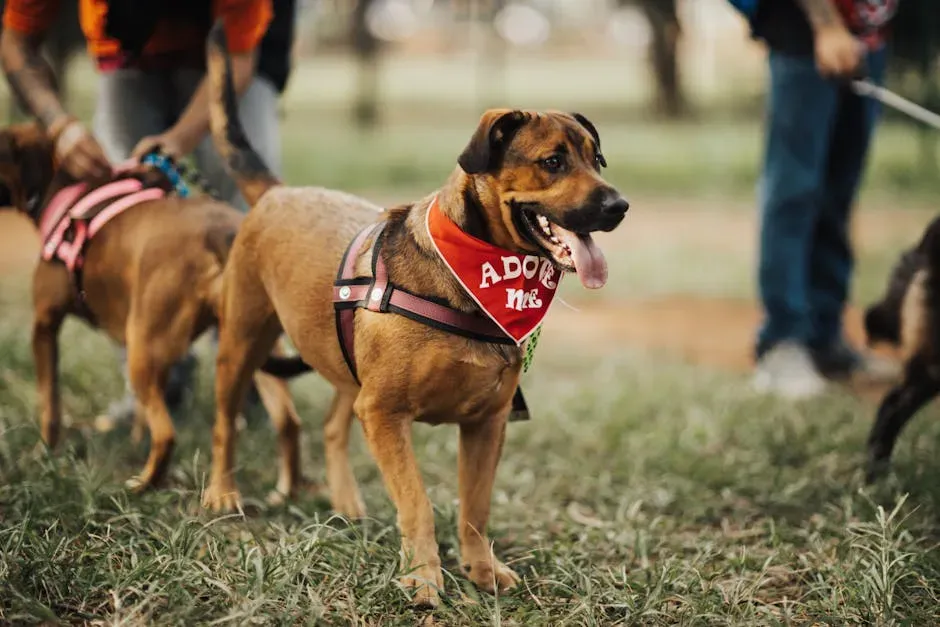
I think people underestimate how deeply a rescue dog reshapes your routine, your social life, and even your physical health. Caring for a rescue pet introduces healthy routines into your daily life. Feeding schedules, exercise, and regular veterinary visits cultivate consistency, which can be particularly beneficial for individuals struggling with anxiety or depression. It sounds almost too simple, but structure is a powerful thing.
Regular physical activity is crucial for mental health, and dogs can be great motivators. Walking a dog provides routine exercise, which can enhance mood and reduce anxiety and depression symptoms. And the social side? Rescue pets can serve as catalysts for social interactions. Whether it’s meeting fellow dog parents in the park, participating in local dog events, or engaging with the vibrant online community of pet parents, adopting a rescue dog can significantly expand one’s social circle.
There’s also something deeply grounding about caring for another being. Rescue pets require patience and understanding, teaching you mindfulness and presence. Engaging fully in their care encourages you to focus on the present moment, a powerful tool against rumination and negative thought patterns. Your dog, quite literally, keeps you in the now.
The Bond That Builds Both Ways

Let’s be real. The part of this story that gets overlooked the most is what happens to the dog. It is easy to talk about what the rescue does for you. But the human-dog relationship is not only beneficial to humans. Humans also contribute to the mental wellbeing of dogs. Dogs are social animals and therefore thrive in family dynamics.
The bond between rescue dogs and their owners often transcends a simple pet-owner relationship, evolving into a deep, emotional connection rooted in gratitude, understanding, and mutual respect. This unique connection is built on the foundation of the dog’s past experiences and the circumstances of their rescue. Many rescue dogs have experienced hardship, neglect, or abandonment, making the love, security, and stability provided by their new owners even more significant in their eyes.
The journey of healing and adaptation strengthens this bond, as both parties learn and grow together, navigating the challenges and celebrating the milestones. Through this shared experience, the bond between rescue dogs and their owners becomes a testament to the power of compassion and resilience. That is the unseen bond. It grows quietly. It grows daily. It grows every single time your dog leans into you, just a little, and trusts.
Conclusion: They Rescue You Right Back
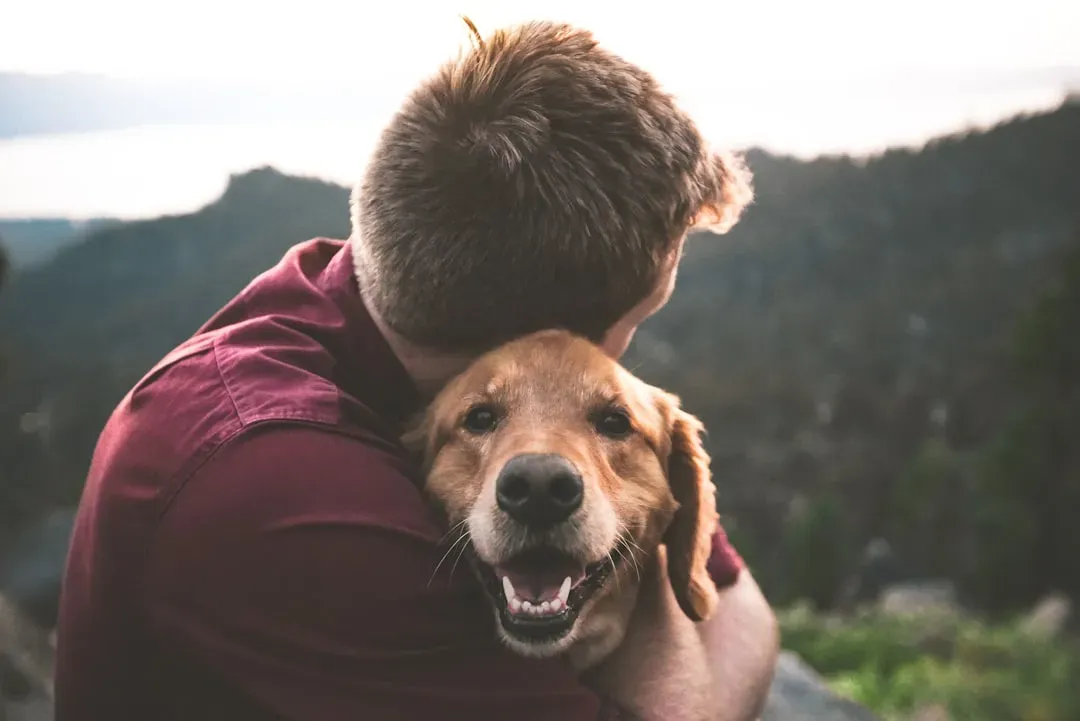
Adopting or fostering a rescue animal can be an incredibly rewarding experience, providing a sense of purpose and a deep emotional bond. It is not always easy. There will be chewed shoes, sleepless nights, and moments where you wonder if you’re doing it right. Most of the time, you are.
Having a set routine of caring for a pet, coupled with a pet’s unconditional love, can provide a deep sense of purpose and greatly reduce feelings of loneliness, inadequacy and anxiety. That is not a small thing. In a world that often feels noisy and disconnected, a dog who depends on you and loves you without conditions is extraordinary.
You may find that not only do you rescue them, but they rescue you too. That truth is the heart of every single rescue story ever told. So if you’re sitting on the fence, maybe wondering whether you’re ready, consider this: your future dog is probably sitting in a kennel right now, wondering the same thing about you.
What’s stopping you from finding out? Share your rescue story in the comments. We’d love to hear it.


