
You fell in love with those big eyes, that wagging tail, maybe even that ridiculous little waddle. And now, three weeks in, you’re on your hands and knees scrubbing the carpet for what feels like the hundredth time, wondering what on earth went wrong. Sound familiar?
Here’s the truth that every seasoned dog owner knows but rarely admits out loud: some breeds will absolutely test every last shred of your patience before they get the whole “bathroom outside” concept. It’s not about how much you love them or how hard you’re trying. This isn’t about intelligence – many of the hardest dogs to housetrain are actually smart dogs. It really does come down to breed instincts, temperament, and a whole lot of stubborn personality.
So before you blame yourself or your furry little nightmare, let’s dive into the 8 dog breeds that are genuinely, famously, almost heroically difficult to housebreak. Be surprised by what you find.
1. Dachshund: The Little Dog With a Big Attitude Problem
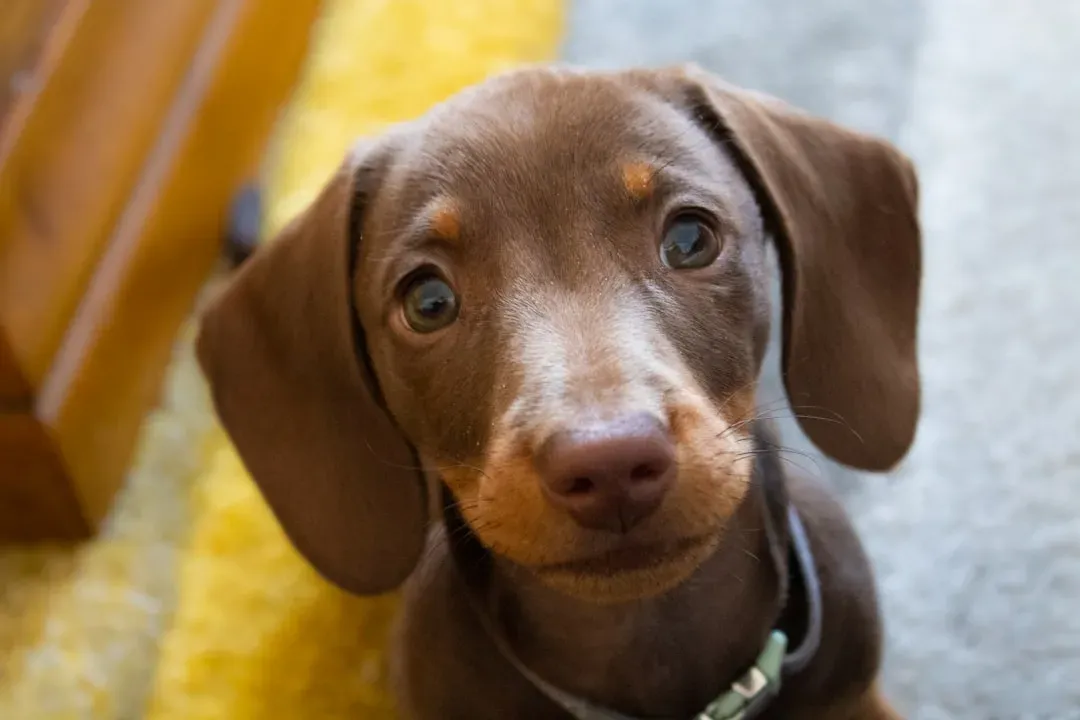
Let’s be real – nothing about a Dachshund looks threatening. They’re small, floppy-eared, and adorably ridiculous. But don’t let that fool you for even a second. Dachshunds are often ranked the hardest breed to potty train, and their small bladders, stubborn streak, and dislike for cold or wet weather make accidents extremely common.
Picture this: it’s a drizzly Tuesday morning, you’ve got your coat on, leash in hand, ready to take your Dachshund outside. He looks at the rain, looks at you, and walks back to the couch. That’s a Dachshund being a Dachshund. These dogs are stubborn, and it can take about a year for them to be fully potty trained. The good news? Crate training and enzyme-based cleaners for messes are your two best friends here. Stay consistent and don’t lose your cool.
2. Afghan Hound: Drop-Dead Gorgeous and Completely Unbothered
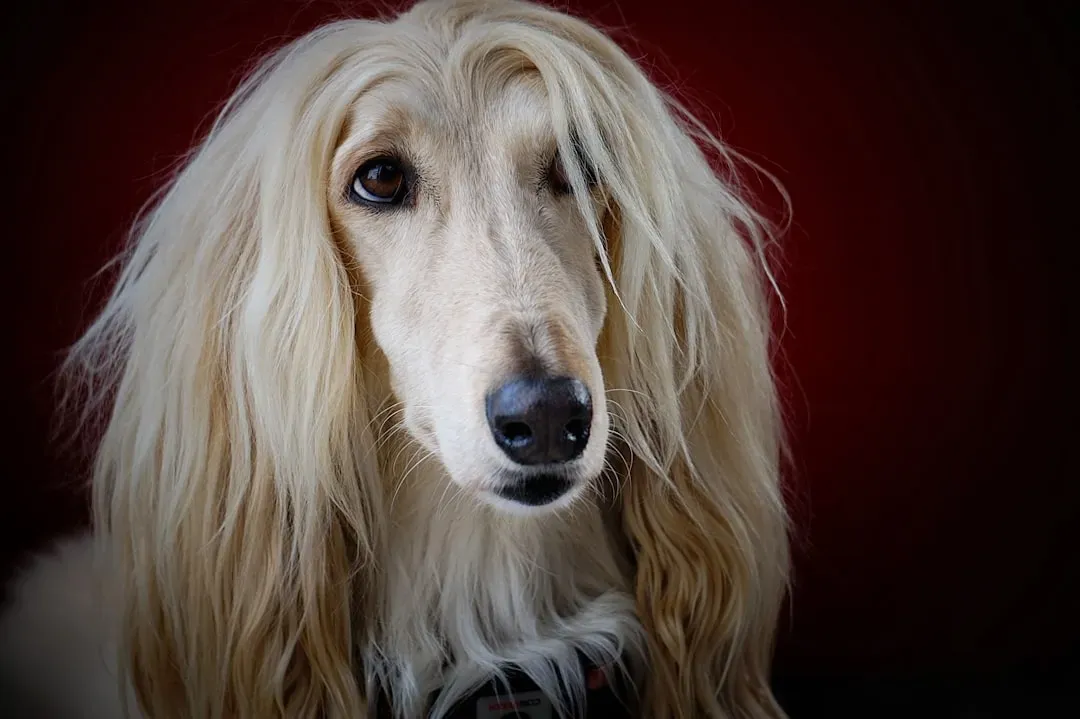
The Afghan Hound looks like it belongs on a runway, not in a training session. And honestly, it acts like it too. These sensitive and independent dogs don’t respond well to intimidation and may shy away from firm commands – instead, they thrive on positive reinforcement and rewards to build consistent habits.
Afghan Hounds are slow learners and take a long time to housebreak, needing extra time, patience, and consistent training to catch on. Think of training an Afghan Hound like trying to teach a free-spirited artist to follow a strict schedule. They’ll get there eventually, but on their own timeline. Treats, gentle praise, and a calm environment are absolutely non-negotiable with this breed.
3. Bichon Frise: Fluffy, Adorable, and a Total Housebreaking Nightmare
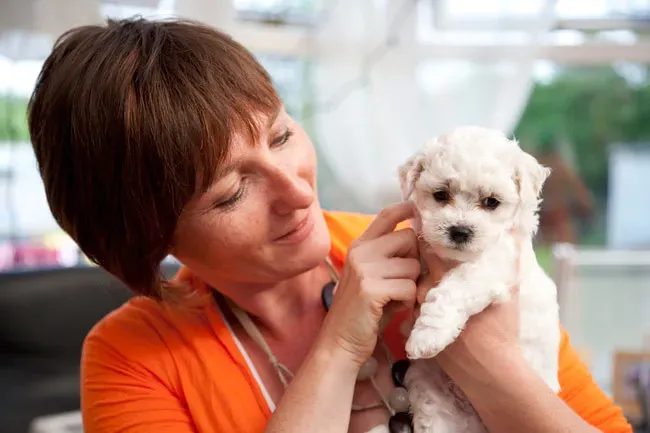
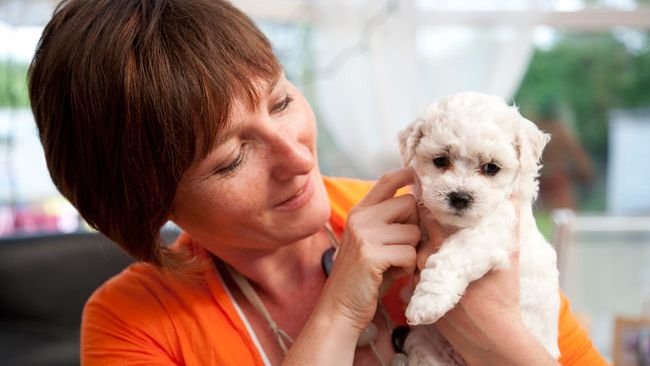
Don’t be fooled by that cloud of white fluff and those warm, melting eyes. The Bichon Frise has a well-documented reputation for being one of the most challenging toy breeds to housebreak. The AKC says that Bichon Frises “have a reputation for being difficult to housebreak,” and the breed is known to be fiercely independent and picky about going outside when it’s rainy or cold.
What makes this breed extra tricky is how emotionally sensitive they are. Breeds like the Bichon Frise can actually regress in their training if they sense stress or frustration. Harsh corrections or raised voices make these dogs anxious, which can lead to submissive urination or fear-based accidents – they need positive reinforcement and gentle consistency. So the more stressed you get, the worse it becomes. Take a breath, grab the treats, and keep it light.
4. Beagle: Nose First, Rules Never
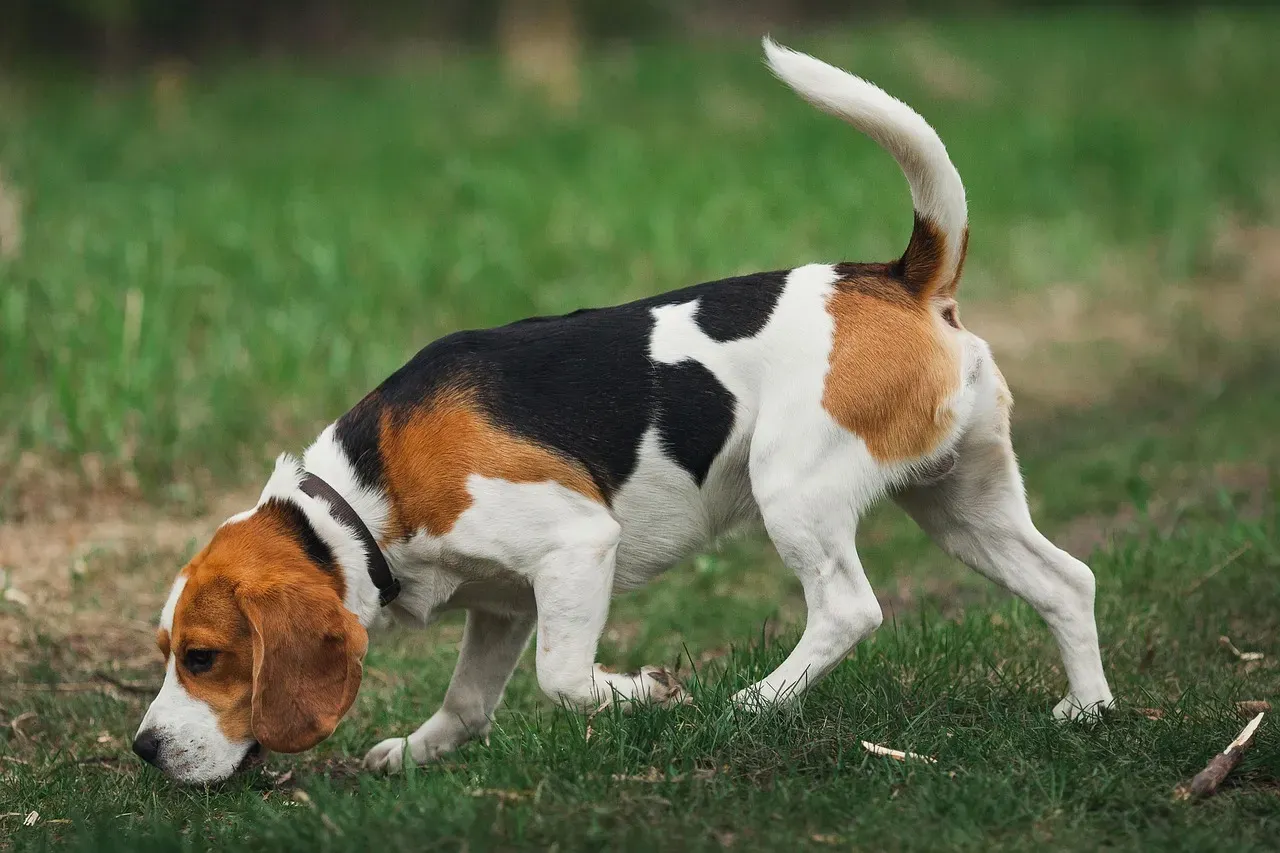
Beagles are the kind of dog that will sprint past the designated potty spot, nose to the ground, chasing a scent trail that is infinitely more interesting than anything you have planned for them. Although Beagles are working dogs, they are also scent hounds, which means they’re very easily distracted and have a somewhat short attention span – and they can also have a rather selective memory when it comes to learning.
Here’s a wild fact most owners don’t realize: hounds were simply selectively bred by humans for their powerful noses, and their sniffers are still able to detect soiled areas even after you’ve washed them – which is why they have a tendency to return to those spots. This is why enzyme-based cleaners are absolutely essential. Regular cleaners won’t cut it. Use a leash on potty walks, keep the area fenced, and always redirect with a treat the moment they do the right thing.
5. Jack Russell Terrier: Brilliant, Bouncy, and Borderline Chaotic
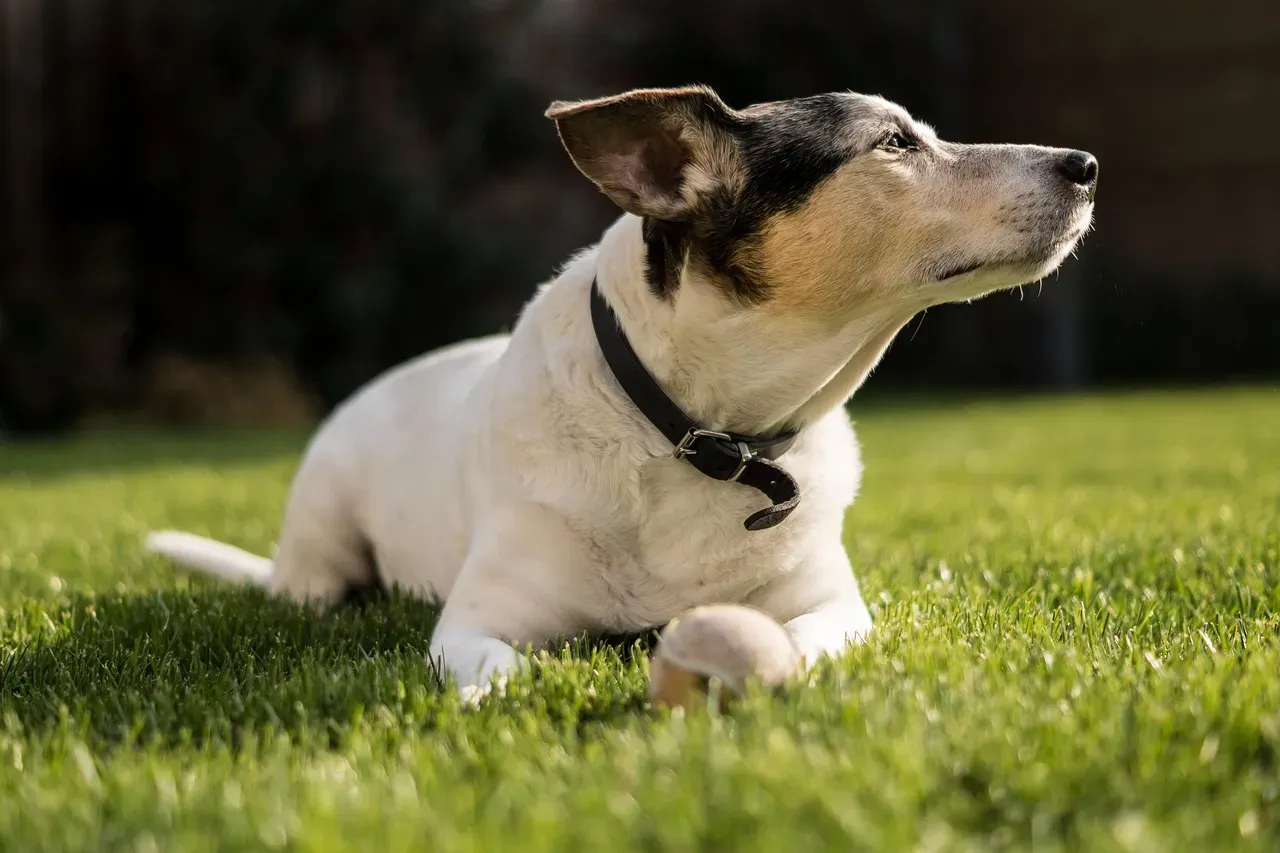
If you own a Jack Russell Terrier, you already know the energy we’re talking about. These dogs are like a tiny, furry tornado that never runs out of steam. The Jack Russell Terrier is a small dog breed that struggles to potty train on a timeline, and its high energy levels and short attention span are most likely to blame.
A very intelligent breed, Jack Russell Terriers can be very creative in finding ways to break rules if they don’t respect the person training them – the key is to start young so they come to see you as the dominant figure in the home. Short, focused training sessions work best here. Five minutes of focused, reward-heavy practice beats a frustrating thirty-minute standoff every single time. Start early, stay firm, and never skip a scheduled potty break.
6. Chihuahua: Small Dog, Big Ego, Zero Interest in Your Rules
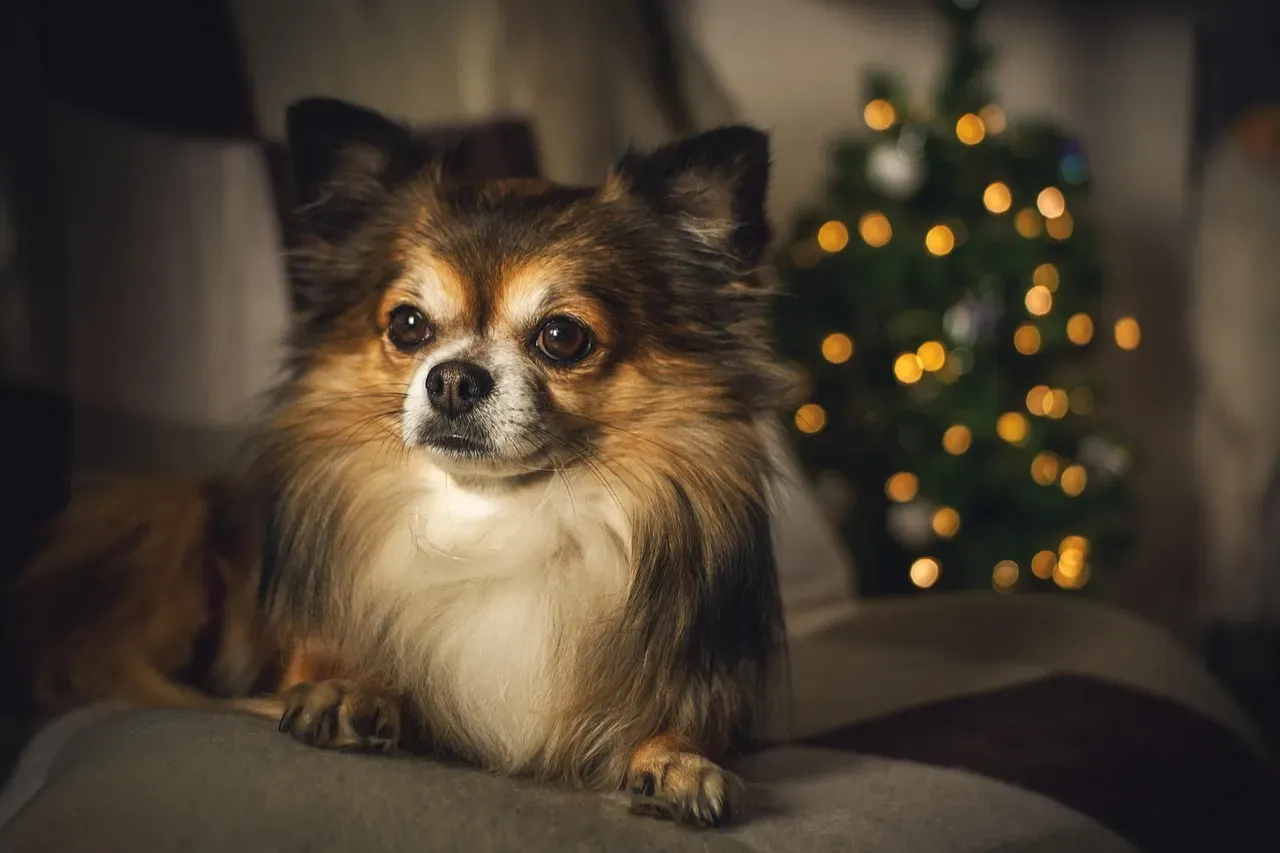
Chihuahuas are legendary for their outsized confidence. They are essentially convinced they run the household – and honestly, in many homes, they do. That attitude bleeds directly into housebreaking. Chihuahuas are known for urinating whenever and wherever they feel like it, and they also hate going outside when it’s too cold or wet out – which is why they could benefit from having a safe indoor potty spot as well.
These tiny dogs have tiny bladders, so they need more frequent potty breaks than bigger breeds – and they’re also clever and might try to outsmart you. Think of it this way: a Chihuahua having an accident is often a miniature power play, not a failure of understanding. Stick rigidly to a schedule, watch for pre-potty cues like sniffing and circling, and reward instantly and enthusiastically when they get it right. Timing really is everything with this breed.
7. Pomeranian: Sassy, Spirited, and Sneaky About It
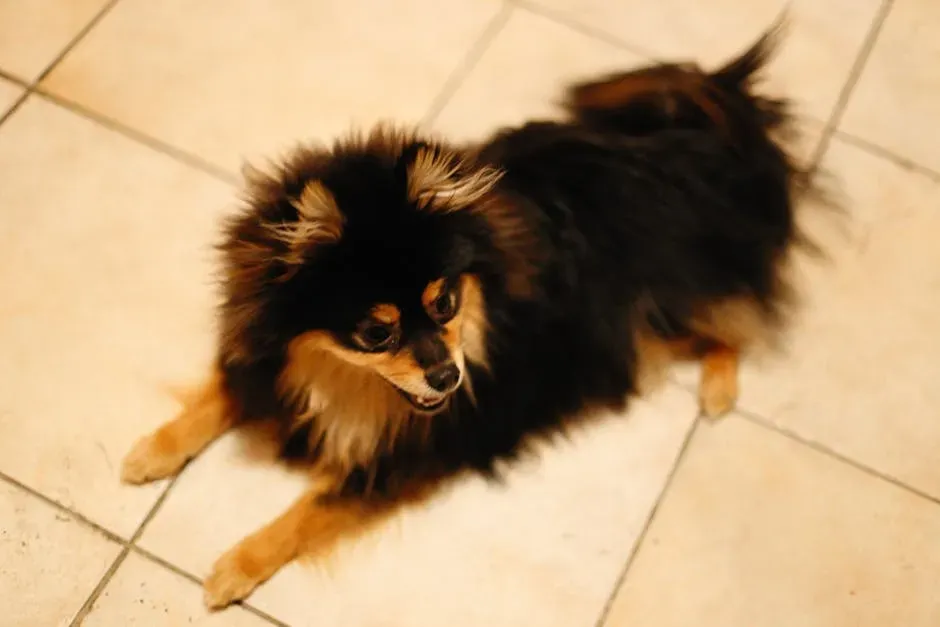
Pomeranians have an almost theatrical sense of self-importance that is honestly kind of charming – until it’s 2am and you’re cleaning up a mess they left behind the armchair again. Known for their lively sass and top-dog attitude, Pomeranians can be difficult to potty train, and success requires establishing early dominance and keeping plenty of treats on hand.
Although Pomeranians love pleasing their owners, their personalities can make them hard to train, and when you combine that with extra small bladders that can’t hold it for long, it makes training even harder. The strategy here is simple in theory but demanding in practice: absolute schedule consistency, high-value rewards, and never letting a single accident slide unaddressed. Ignore one mishap and you’re essentially giving a green light for ten more.
8. Shih Tzu: The Charmer Who Plays by Its Own Rules
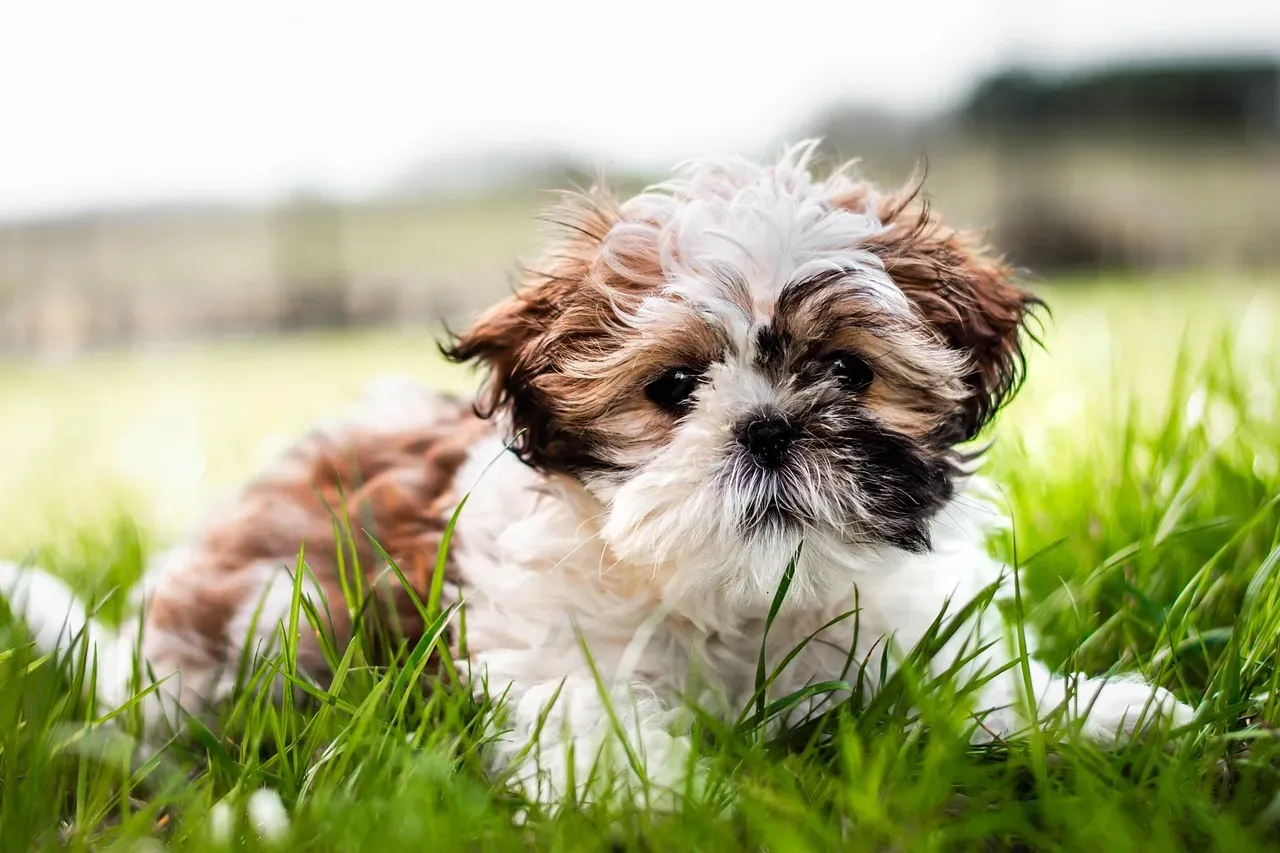
The Shih Tzu is one of those dogs that makes you forget you’re frustrated because they’re just so ridiculously sweet about everything. But don’t be charmed into complacency. The Shih Tzu is one of the hardest-to-train canine breeds. These dogs are charming and amusing, but training them can be frustrating, as they love to have their own way – which can lead to a less-than-completely housetrained pup.
According to the AKC, “Training a Shih Tzu can be both an amusing and a frustrating experience,” as the breed tends to charm its owner into letting it have its own way. I think the biggest mistake Shih Tzu owners make is letting the cuteness override the consistency. A firm but loving routine, combined with the understanding that health issues like urinary tract infections, diabetes, or anxiety disorders can complicate toilet training if accidents persist beyond the expected timeline, will serve you far better than frustration ever will.
The Bottom Line: Patience Is Not Optional, It’s the Whole Game
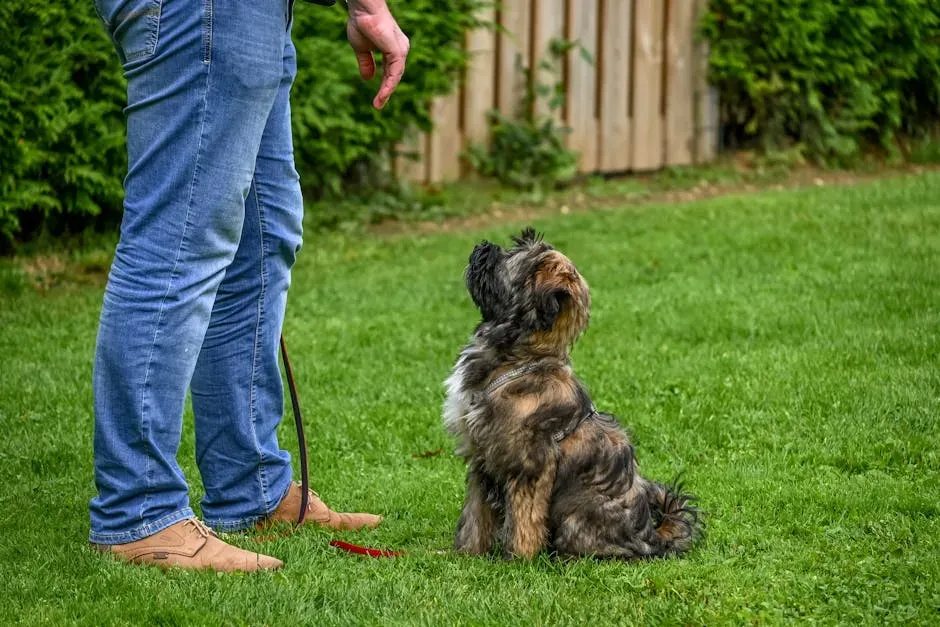
Here’s the thing – none of these breeds are broken, unintelligent, or beyond hope. They’re just wired differently. Terrier breeds, scent hounds, and independent breeds were bred to hunt or work at their own pace. They don’t seek approval the way Golden Retrievers do – which simply means they’re less motivated by praise during training sessions. That’s a feature of their heritage, not a character flaw.
The most important tools in your arsenal? A rock-solid routine, high-value treats, enzyme-based cleaners, and an honest conversation with your vet if accidents persist for months despite consistent effort. Most dogs take four to six months to be fully house trained, but stubborn or small breeds may need six to twelve months of consistency. That’s a long game, and it requires real commitment.
Honestly, some of the most devoted, joyful, and loving dogs I’ve ever known came from this exact list. The struggle of housebreaking them is real, but it’s also temporary. The bond you build pushing through it together? That lasts a lifetime. So if your carpet is currently paying the price, just know you’re in very good company. Keep going. You’ve got this.
What breed is testing your patience right now? Drop a comment and let us know – because trust me, your story will make someone else feel a whole lot better about their morning.


