
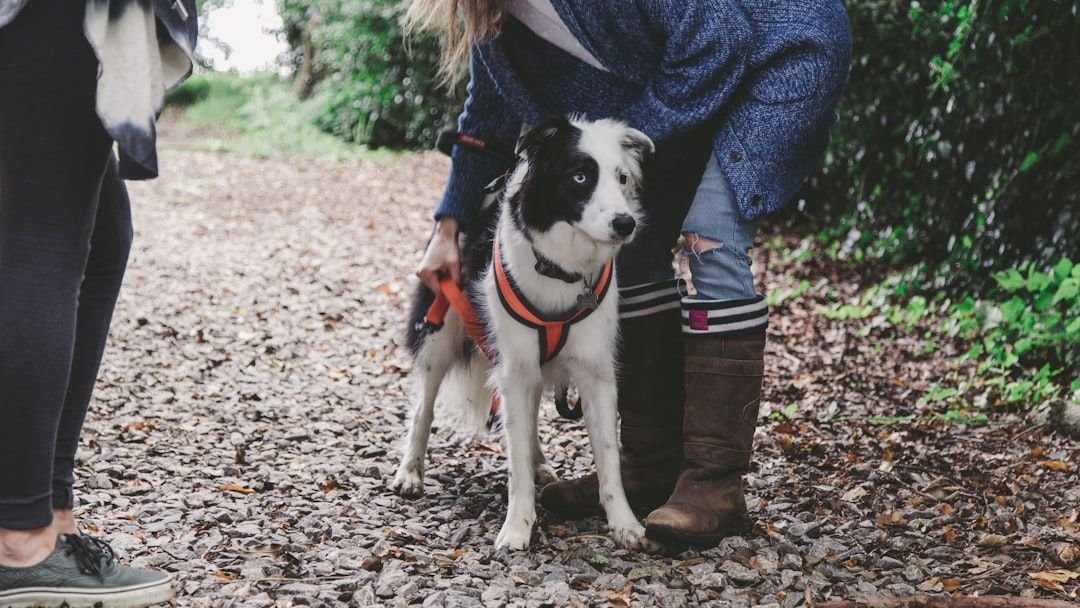
You’ve probably been there. Standing in the backyard, treat in hand, watching your dog look you dead in the eyes and then deliberately walk the other way. It’s maddening, hilarious, and honestly a little humbling. You start wondering if something is wrong with your dog, or worse, something is wrong with you.
Here’s the thing though. That stubborn look, that dismissive trot in the opposite direction, that epic “nope” energy? It almost always has a deeper explanation rooted in genetics, history, and something far more interesting than simple disobedience. The real story behind so-called “untrainable” dogs is one of mismatched expectations, ancient breeding, and a few myths that need busting. Let’s dive in.
The “Untrainable” Label Is Almost Always Wrong
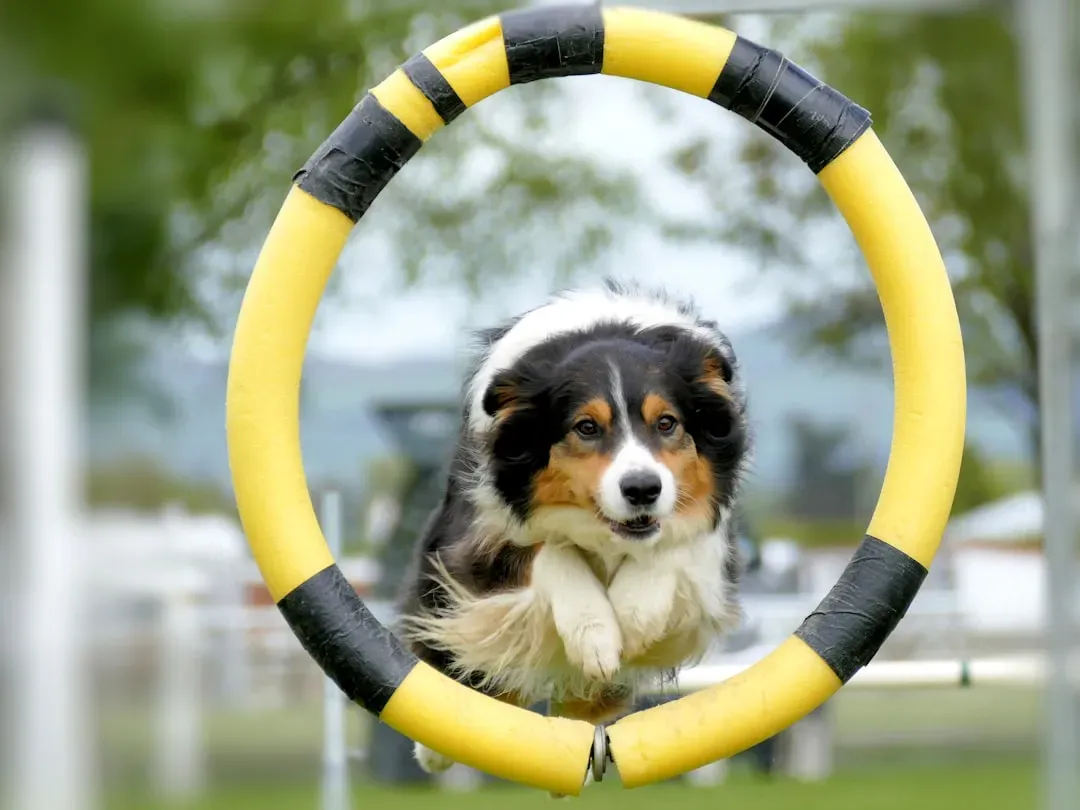
Let’s be real about something right off the bat. It’s not that stubborn pups aren’t trainable, but rather that they might require some extra attention or dog training tricks. Calling a dog untrainable is a bit like calling a jazz musician bad because they won’t play classical piano on command. They have their own rhythm.
In fact, many dog trainers will tell you there’s no such thing as a stubborn dog, only ineffective training tactics. That’s a bold statement, honestly, but it holds up surprisingly well when you look at the science behind dog behavior.
While some dog breeds may present unique training challenges, no dog is truly untrainable. With patience, consistency, positive reinforcement, and an understanding of their specific breed traits, you can overcome these hurdles. That’s not just feel-good talk, it’s genuinely the consensus among canine behavior professionals.
Why Breeding History Shapes Training Difficulty
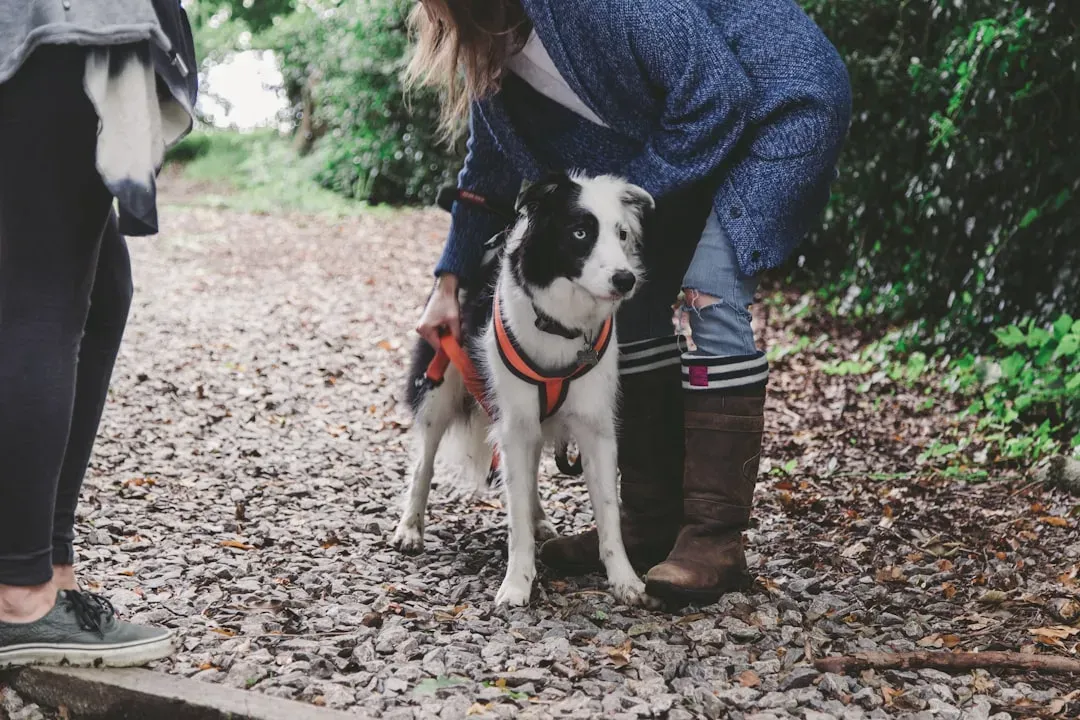
A lot of training difficulties in a breed come from their “origin stories,” the tasks and traits they were originally bred for in days gone by. Think about it. Centuries of selective breeding essentially hardwired certain behaviors so deeply into a dog’s DNA that overriding them takes real effort.
Many difficult dog breeds were originally bred for independence, strength, and decision-making in challenging environments. These traits, while admirable, can make obedience training a true test of consistency. A livestock guardian making solo decisions in the dark to protect a flock never needed a human to tell it what to do.
Some dogs were bred to work more independently of humans and be more environmentally-focused than handler-focused. When you try to train one of these dogs using methods designed for a Labrador Retriever, you’re essentially speaking a foreign language to them. That mismatch is where the frustration lives.
The Science Behind Stubborn: What Research Actually Says
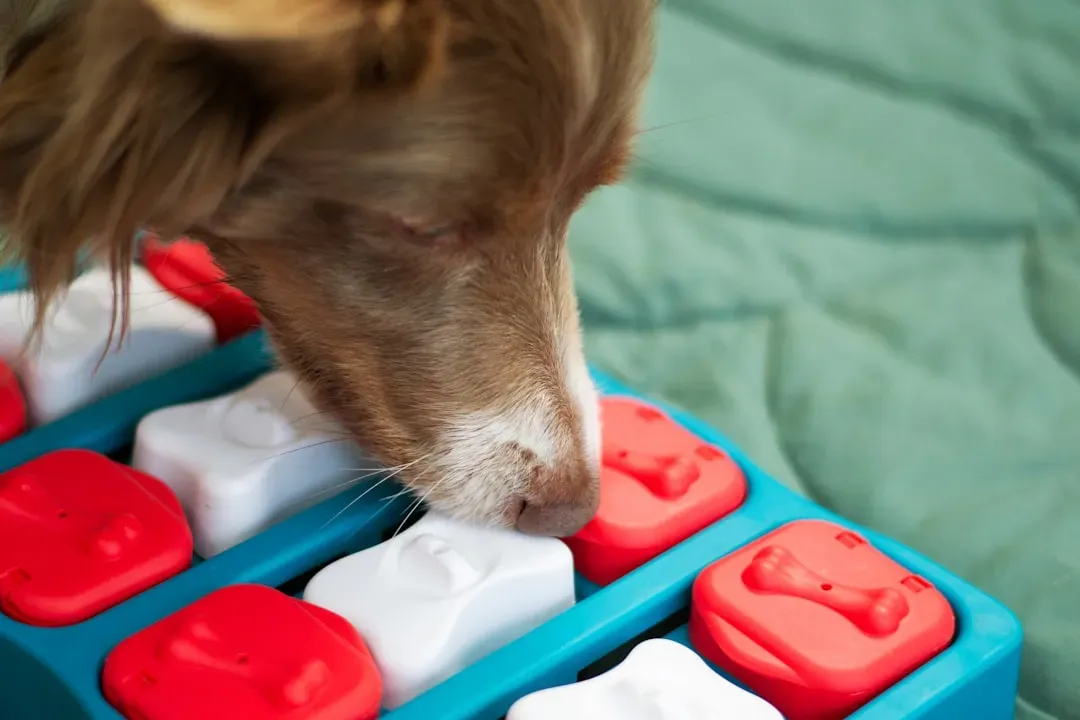
Trainability and aggression are two of the most inheritable traits among dogs, according to a 2019 study on canine genomes. This means a breed’s ability to learn, retain, and perform commands is genetic. That’s genuinely fascinating, and also a little sobering if you’ve been blaming yourself for your Basenji’s selective hearing.
Breed only explains about 20 percent of the variation in trainability across dogs. The remaining 80 percent is attributed to environmental factors, or genetic factors not fixed in the breed. So breed is a piece of the puzzle, not the whole picture. Your individual dog’s personality, past experiences, and your own training style matter enormously.
Dog breeds developed in more recent history, like Labrador Retrievers, have a larger cerebral cortex and are more trainable than ancient dog breeds like Siberian Huskies. This is thought to be a result of intensive artificial selection on modern breed dogs for close cooperation with humans. It’s hard to say for sure, but even brain anatomy plays a role in how easily a dog takes direction.
Meet the Usual Suspects: Breeds That Keep Trainers on Their Toes
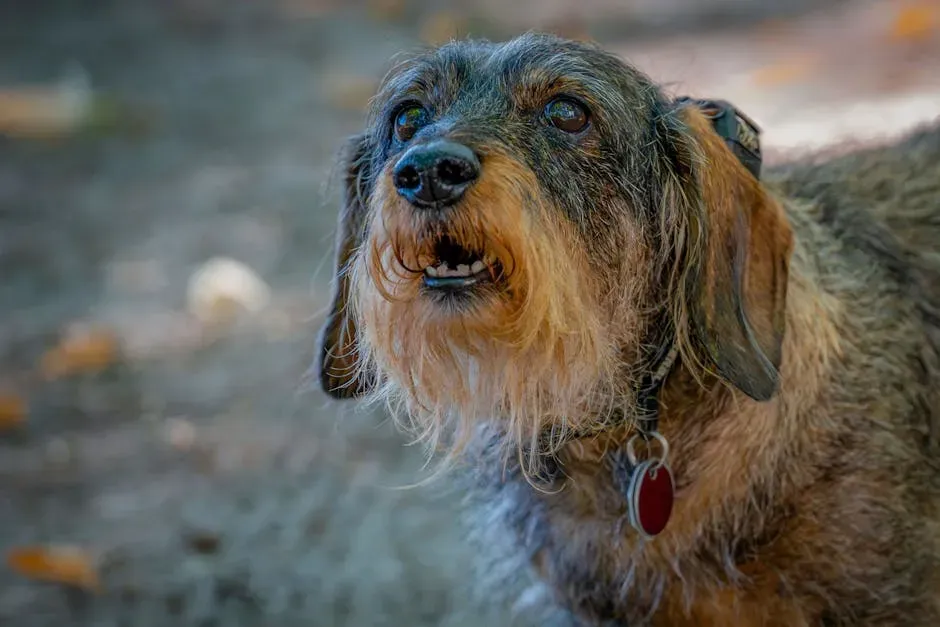
Some breeds just have a reputation, and honestly, it’s often earned. Akitas are known for their strong-willed and independent personalities, originally bred for guarding and hunting, which required them to make their own decisions. An Akita isn’t ignoring you out of spite. It genuinely learned over generations that self-direction is survival.
The Great Pyrenees is known for its deep sense of loyalty to its family and is considered an excellent guard dog. That said, they were bred to operate on their own agenda, expertly guarding sheep and rarely relying on owners to tell them what to do. Training a Great Pyrenees is a bit like managing a very fluffy, opinionated CEO. They’ll get the job done, just on their own timeline.
Afghan Hounds are considered to have the lowest obedience and working intelligence among dog breeds because they need at least 80 repetitions to understand a new command. Repetition is not laziness on your part, it’s simply the language this ancient breed speaks. Stubbornness is seen in certain dog breeds because they have increased intelligence, a sense of independence, and inherent instinctual behavior. This trait reflects their strong personality, not a lack of capacity to learn.
Behavior Cues That Tell You Your Dog Is Struggling, Not Defying

Here’s something that genuinely changes how you see your dog: what looks like defiance is often confusion, overstimulation, or stress. Some dogs may have a strong prey drive or be overly enthusiastic, leading them to be distracted by things like moving objects, sounds, or other animals. On the other hand, some dogs may be overly shy or anxious, making it hard to motivate them to engage with training.
Watch for these telling behavior cues. A dog that keeps sniffing the ground during a training session isn’t being rude, it’s overwhelmed or disengaged. Dogs with high energy levels and a strong sense of independence can be tough to train, as can pups with stubborn natures and smarts, which make them more likely to disobey commands. That’s not a character flaw, it’s a signal to adjust your approach.
Age matters too. Most puppies tend to slide into a “teenage” stage anywhere between 9 and 14 months of age. Although old enough to concentrate and past the teething stage, these puppies are transitioning from puppyhood to adulthood, and just like human teenagers, some will have a harder time than others. Sound familiar? Give them grace during that phase.
The Training Strategies That Actually Work With Tough Personalities
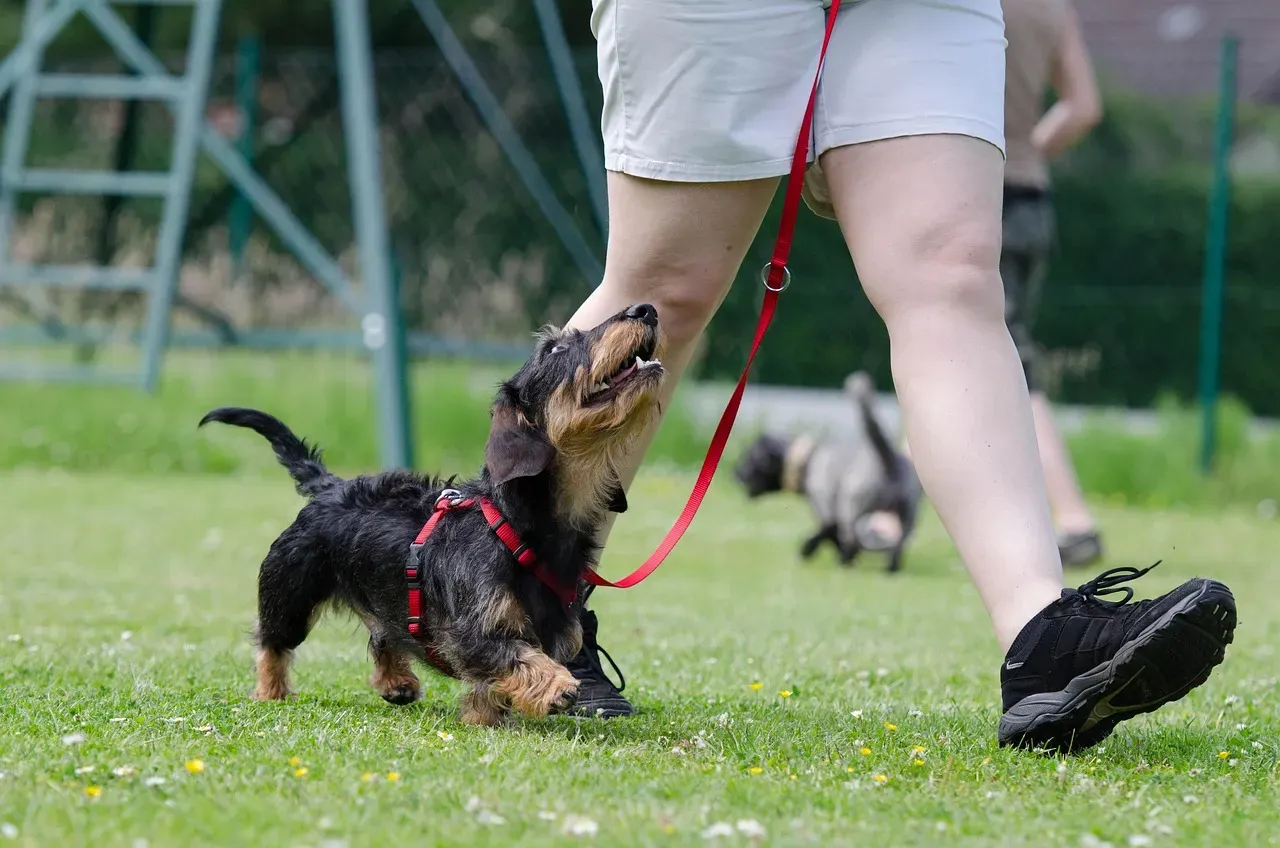
Working with a stubborn or independent dog isn’t about dominating them. It’s about speaking their language. Using proven training methods such as positive reinforcement and clear leadership ensures these loyal dogs learn to respect and trust their owners. Even the hardest dogs can transform into well-mannered companions with time, care, and commitment.
Training sessions that are a few minutes long and repeated several times a day can be quite effective in changing a dog’s behavior. Think of it like texting rather than writing a novel. Short, frequent, and clear beats long and exhausting every single time. Start in a quiet place, like your backyard, to minimize distractions. Once they master commands there, you can go to the park and try them. Small steps, consistency, and making training a game are good tools.
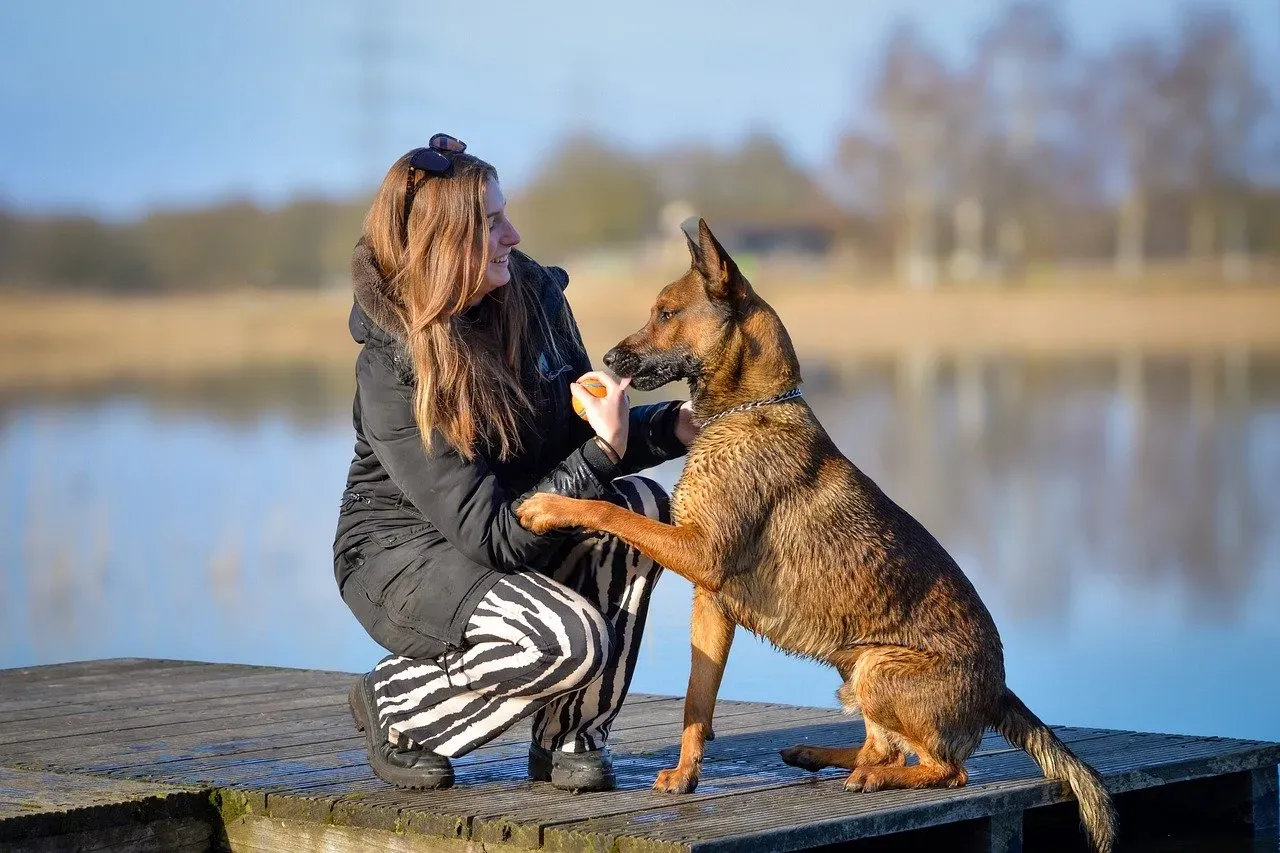
Some dogs are better motivated by a beloved toy or simple affection and praise from their owner. The key is to find what your dog loves and reward them with it for good behavior. The reward has to matter to the dog. If your stubborn Husky doesn’t care about the tiny training treat you’re offering, that’s not failure, that’s feedback. Find the currency they actually value.
Conclusion: Every Dog Has a Language, You Just Have to Learn It
Honestly, the idea of an “untrainable” dog says more about our expectations than the dog’s potential. There are no dumb dogs, but there are specific dogs who were not blessed with much traditional obedience intelligence, and some breeds are harder to raise or train. That’s not a sentence to discourage you. It’s one to liberate you from the idea that every dog should respond like a Golden Retriever to a beginner’s training handbook.
The relationship between breed and temperament in dogs is intricate. While breeds offer broad guidelines, they are not guarantees. Genetics set the stage, but environment, socialization, and individual experience direct the play. Your “difficult” dog may just be the most complex, interesting, rewarding dog you will ever own.
The dogs that make you work the hardest for their trust and cooperation tend to give you the deepest bond in return. So don’t give up on your stubborn, independent, maddening, wonderful dog. Learn their language, meet them where they are, and watch what happens. What training breakthrough have you experienced with your tough-personality pup? Share it in the comments, because your story might be exactly what another dog owner needs to hear today.


