
The Top 12 Most Poisonous Flowers for Your Dog
You keep your dog’s food bowl clean. You read every ingredient on the treat bag. You baby-proof your home like a pro. Yet there’s a silent danger hiding in plain sight – sitting pretty in your garden, your living room, and even inside that gorgeous flower bouquet your friend just dropped off. Flowers. Beautiful, innocent-looking flowers. Some of them can send your dog to the emergency vet faster than you can Google “is this plant toxic?”
Whether you’re an avid gardener or just have a few potted plants on your front stoop, many shrubs, trees, and flowers commonly found in gardens and in the wild are dangerous if your dog eats them. Some can cause discomfort. Some will make your dog miserable. Some can be fatal. Knowing the difference could genuinely save your pup’s life. Let’s dive in.
1. Autumn Crocus: The Sneaky Seasonal Danger
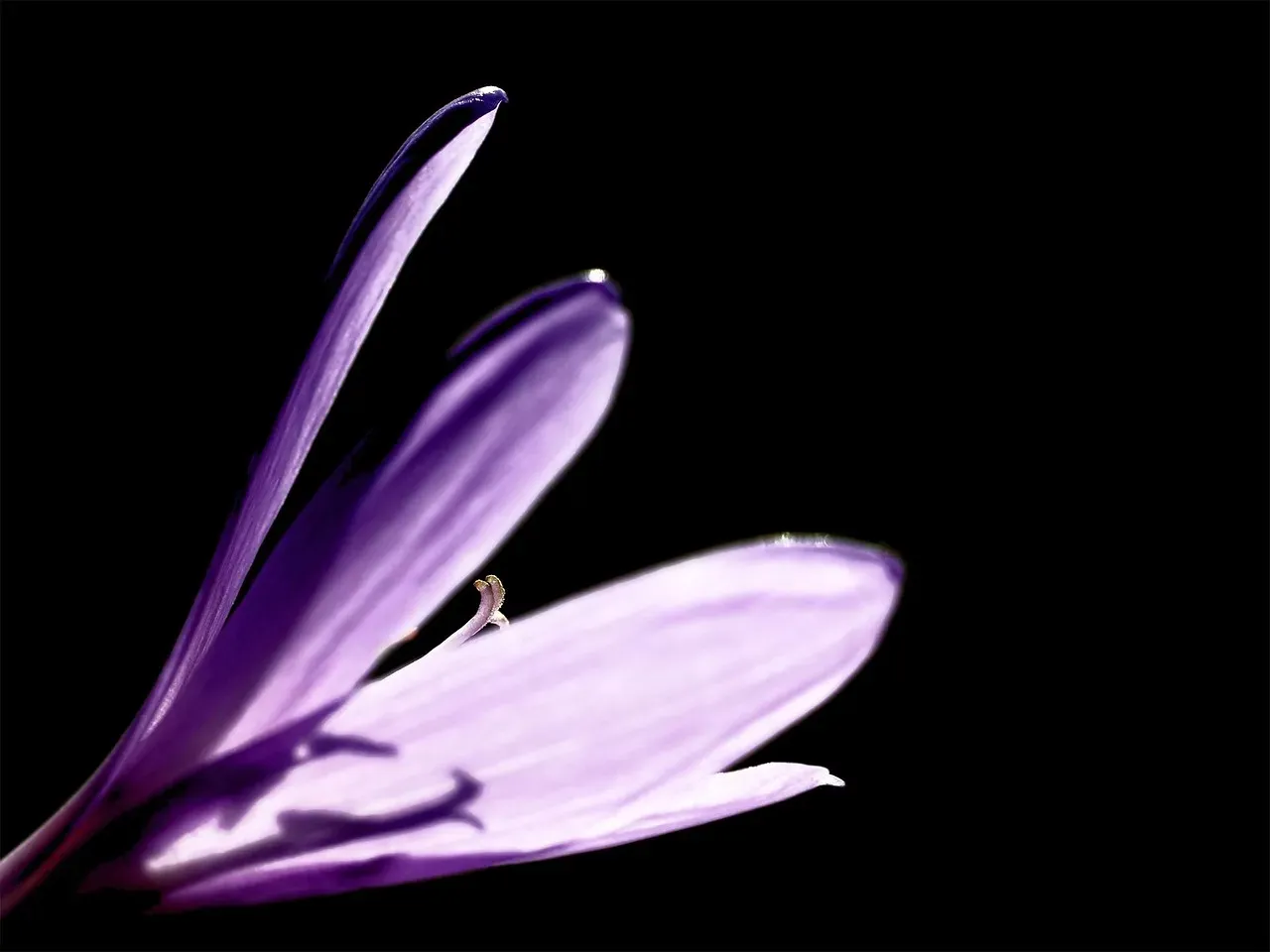
Here’s a fact that honestly shocked me the first time I heard it: not all crocuses are created equal. There are two crocus plants – one that blooms in spring and another in autumn. The spring plants are more common and part of the Iridaceae family. Most people assume they’re one and the same. They’re not, and that assumption could cost your dog dearly.
Autumn crocus contains colchicine, which is extremely toxic, causing gastrointestinal bleeding, severe vomiting, kidney and liver damage, and respiratory failure. Symptoms might be delayed for several days, so don’t wait to seek veterinary attention if your dog has ingested any part of this plant. That delay is what makes it so treacherous. Your dog might seem fine – and then suddenly not be.
Autumn crocus is often mistaken for other types of crocuses, but it’s important to differentiate, as it’s extremely toxic to dogs with even small ingestions. Toxicity can cause severe stomach upset, heart problems, liver failure, kidney failure, and issues with abnormal bleeding and bone marrow function. If you have this plant in your garden, consider replacing it entirely.
2. Oleander: Pretty, Popular, and Potentially Lethal
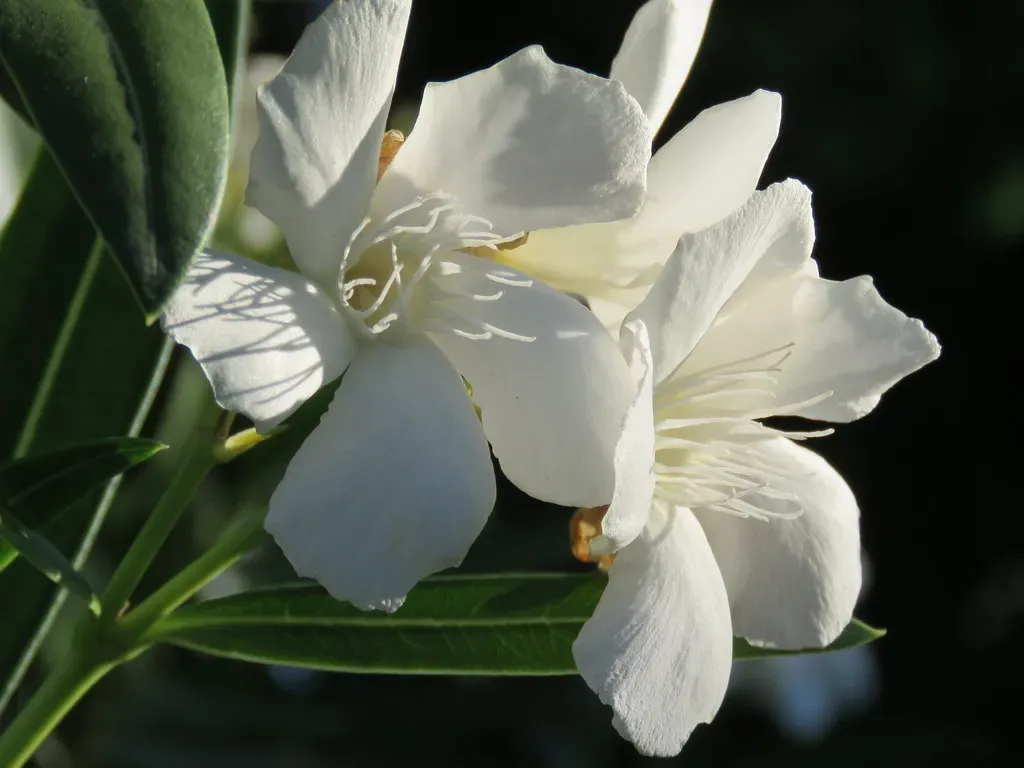
Oleander is an outdoor shrub, popular for its evergreen qualities and delicate flowers. However, the leaves and flowers are extremely toxic if ingested and can cause severe vomiting, slow the heart rate, and possibly even cause death. It’s one of those plants that looks so elegant lining suburban driveways, and yet it harbors one of the most serious threats to dogs.
Oleander carries the risk of causing serious heart problems, including arrhythmias and low blood pressure, when ingested, which can be life threatening. Think about that for a second. A heartbeat issue from a flowering shrub. If you have dogs running freely in your backyard, oleander should not be anywhere near your fence line.
Prevention tip: Once it is known that a dog ingested oleander, rapid transfer to a veterinary hospital where vomiting can be induced is key. Supportive therapy with drugs designed to control gastrointestinal signs, as well as reverse liver and heart issues, is key to survival. Time really is everything here.
3. Lily of the Valley: Tiny Bells, Big Trouble
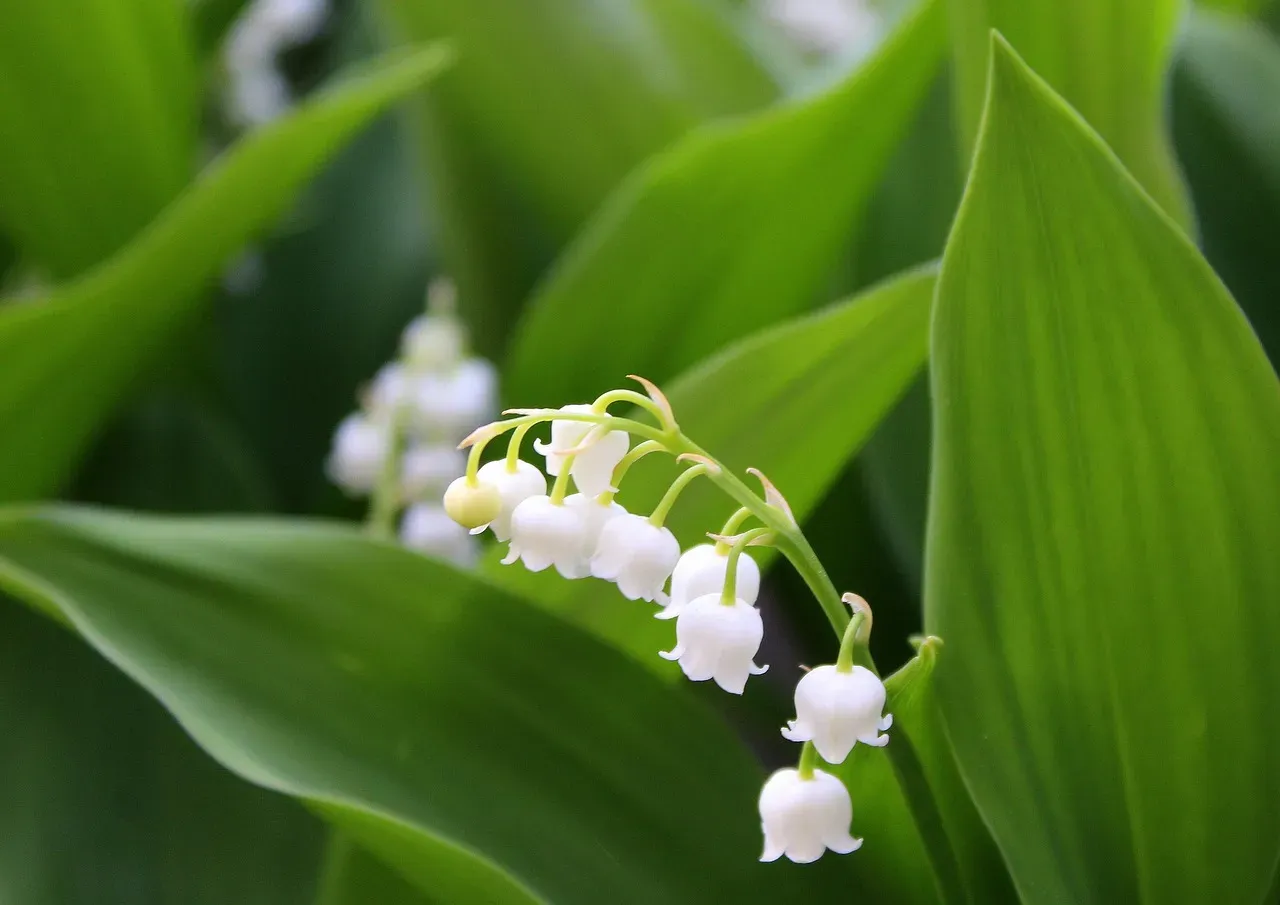
There are a ton of reasons why lilies of the valley are such popular garden plants: they are sweet-smelling; they have adorable, little white bell-shaped flowers; and they can thrive in shady places. They look like something out of a fairy tale. Honestly, I totally understand why people love them. The problem is that they’re far from harmless.
Lilies of the valley are poisonous to dogs. Even a small exposure to any part of the plant can cause heart problems for dogs, including changes in heart rate and rhythm. That’s not just an upset tummy we’re talking about. This flower can genuinely interfere with your dog’s cardiac function.
Symptoms of ingestion include diarrhea, vomiting, a drop in heart rate, and cardiac arrhythmia. If your dog starts looking weak, disoriented, or collapses after being near lily of the valley, get to an emergency vet immediately. Don’t wait for it to pass on its own.
4. Azalea: The Garden Showstopper With a Dark Side
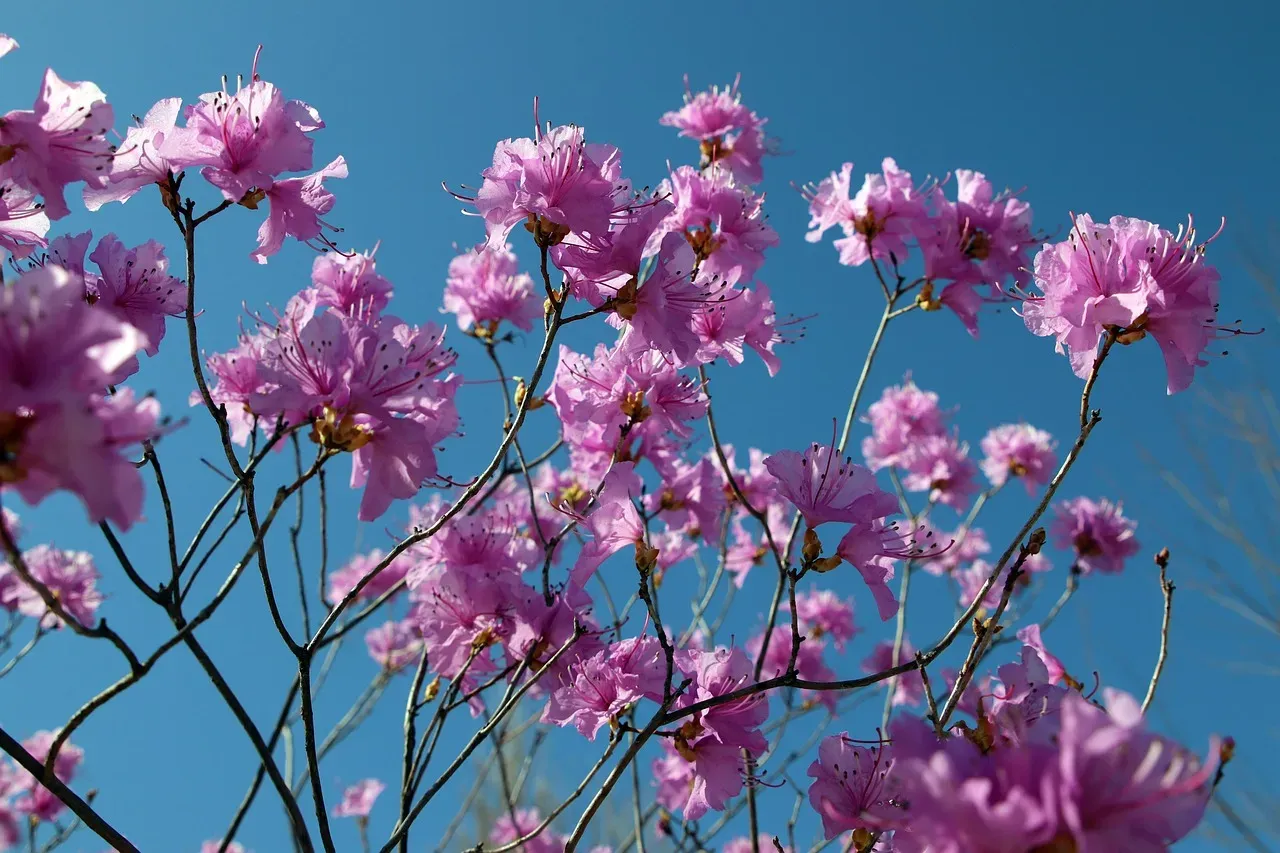
A brightly colored flowering shrub, popular in gardens, azalea is poisonous to dogs. Symptoms include abnormal heart rhythm and tremors, as well as low blood pressure. They may also cause drooling, vomiting, and diarrhea. Spring gardens are full of these beauties, which is exactly what makes them so risky.
All parts of these flowering beauties contain grayanotoxin, and the reaction your pup gets depends on how much they’ve eaten. So even a small nibble can start the process. The curiosity of a nosy Labrador in a garden full of azaleas is a genuinely nerve-wracking combination.
Watch your dog carefully when outside during spring bloom seasons. If your yard has azaleas, fence them off or consider swapping them for dog-safe flowering alternatives. Keeping your vet’s number saved in your phone is a good habit for any dog owner, especially during the blooming season.
5. Daffodils: A Spring Classic That’s Deceptively Dangerous
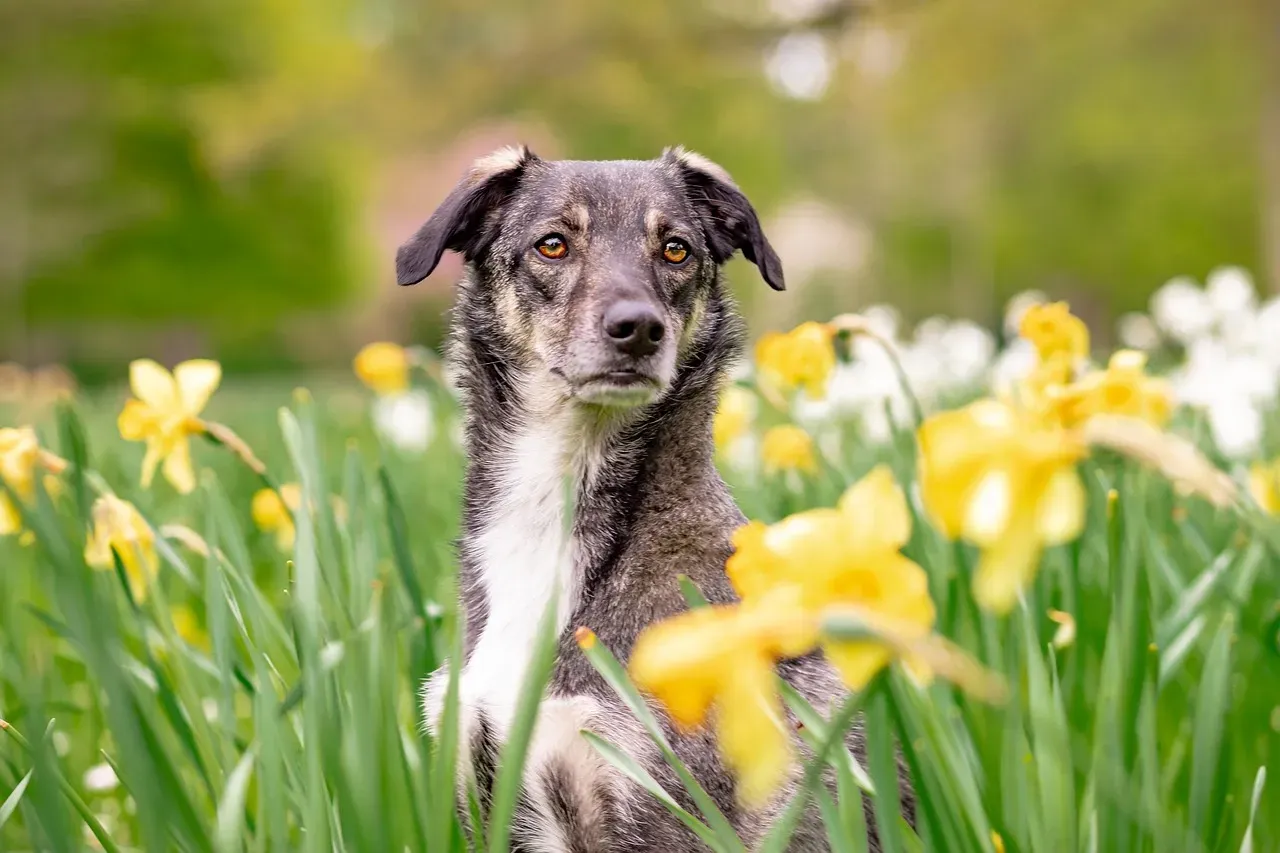
Daffodils are poisonous for dogs to eat. Signs of plant poisoning in dogs may include diarrhea, lethargy, drooling, trembling, abdominal pain, vomiting, and possibly death. That cheerful yellow flower practically symbolizes spring, which means it’s everywhere – in gardens, in bouquets, in parks your dog loves to sniff around.
Daffodils contain lycorine, an alkaloid with strong emetic properties that trigger vomiting. Ingestion of the bulb, plant, or flower can cause severe vomiting, diarrhea, abdominal pain, and even possible cardiac arrhythmias or respiratory depression. The bulb is the most dangerous part, but honestly, no part of this plant is safe for your dog.
Eating the foliage of a daffodil can result in vomiting and diarrhea, and in rare cases, seizures can result from eating the bulbs. Prevention is simple: keep your dog leashed near flower beds in public parks, and avoid planting daffodils in areas where your dog freely roams.
6. Tulips and Hyacinths: Bulb-Season Hazards
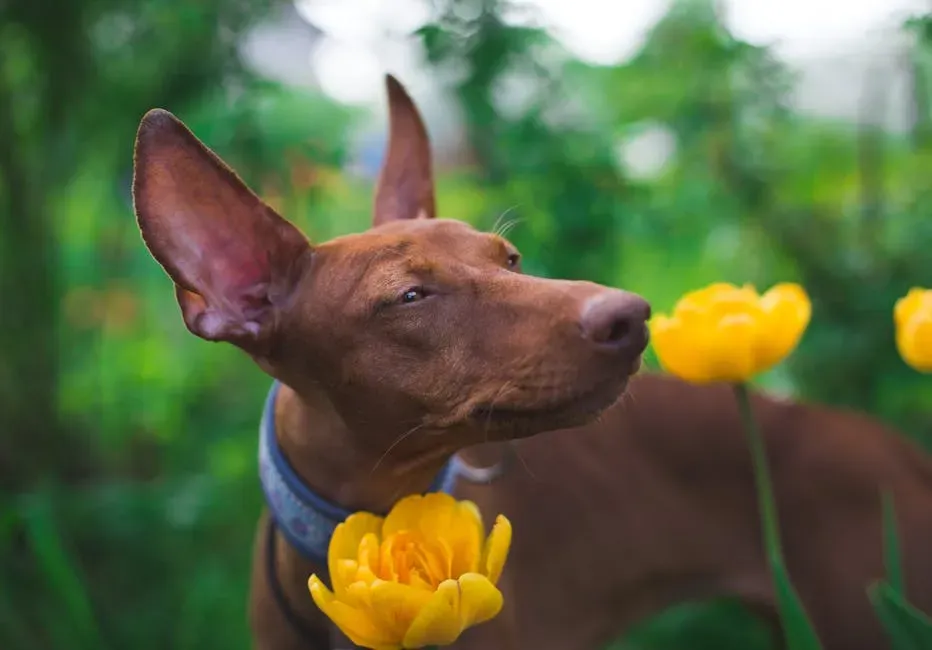
Let’s be real: tulips are one of the most beloved spring flowers on the planet. They look amazing. They’re festive. They brighten every home garden. Tulips are spring-blooming flowers that many people love to have in their homes. Dog parents should skip these, though. If your dog chews on the lance-shaped leaves, they could get an upset stomach. However, the real danger lies when your dog digs up and eats the newly planted bulbs, which have the most toxins.
The bulb is the most toxic part, but any part of these early-blooming flowers can be harmful to dogs, causing irritation to the mouth and esophagus. Hyacinths carry a similar danger. Crystals are found in the outer layer of the bulbs, which cause severe tissue irritation and secondary drooling. If your dog starts shaking its head or pawing at its mouth after being in the garden, that’s a red flag worth acting on immediately.
7. Foxglove: Wildly Beautiful, Wildly Toxic
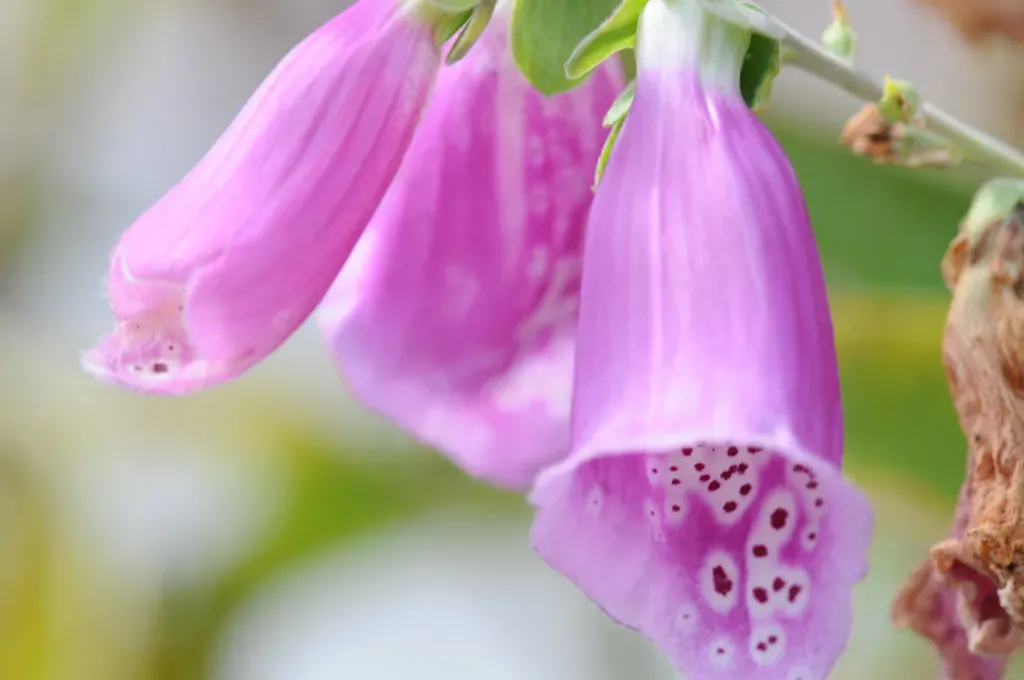
Foxglove is one of those flowers that photographers and hikers absolutely adore. It’s tall, dramatic, and spotted in forests and cottage gardens alike. It’s an outdoor flower often grown in gardens but also grows wild, and all parts of the plant are toxic, including the water if it has been put into a vase. Yes, even the water in the vase becomes toxic. That’s something most people would never think to consider.
Foxglove contains cardiac glycosides, chemicals that directly affect the heart muscle. It only takes consuming a few leaves to create a severe reaction, including excessive drooling, vomiting, loss of appetite, diarrhea, colic, depression, weakness, stupor, paralysis, cardiovascular collapse – or worse, your dog may become comatose or even die. That list is genuinely alarming.
If you love the look of tall, dramatic flowers in your garden, consider switching to pet-safe alternatives like snapdragons. Your garden can still be gorgeous without the risk. When hiking with your dog in wooded areas where foxglove grows wild, keep them on a leash.
8. Chrysanthemums: The Autumn Flower With a Sting
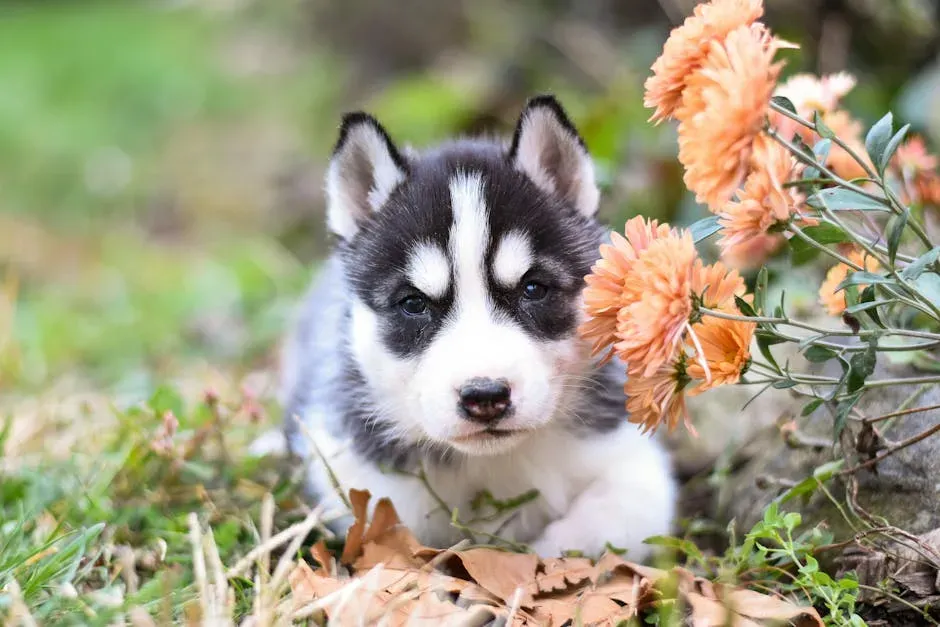
Chrysanthemums are a popular flowering indoor plant that are poisonous to dogs, with symptoms that can include itchy and irritated skin, drooling, vomiting, diarrhea, and loss of coordination. They’re a favorite for fall arrangements and front porch decor, which means they show up in homes a lot during autumn. The timing matters, too, because that’s also the season of outdoor activity with your dog.
Here’s the thing about chrysanthemums: the toxicity isn’t only from eating them. Symptoms include drooling, vomiting, diarrhea, lethargy, abdominal pain, elevated heart rate and breathing, weakness, and collapse. Even just rubbing against the plant can cause skin irritation in some dogs. Watch for excessive scratching or redness on your dog’s skin if they’ve been near mums.
9. Rhododendron: The Hedge That Hides a Threat
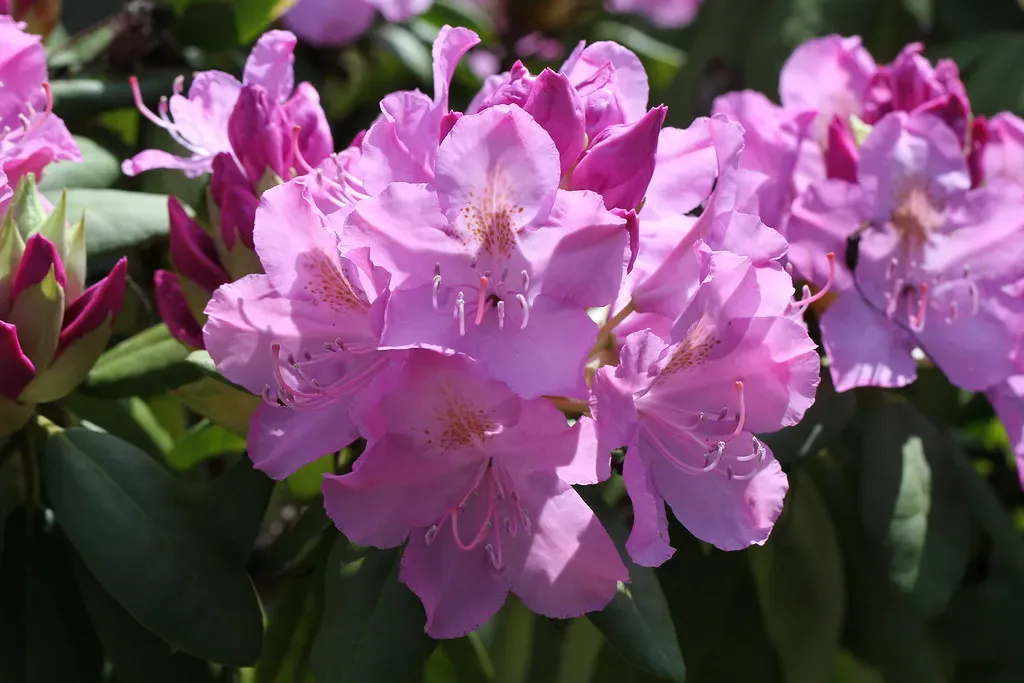
Rhododendrons are a staple in British and American suburban gardens. Dense, lush, and loaded with flowers in spring, they make spectacular hedgerows and garden boundaries. Rhododendrons are among popular garden items that are poisonous. They belong to the same plant family as azaleas and carry the same grayanotoxin, meaning the danger profile is very similar.
Symptoms include drooling, vomiting, diarrhea, abnormal heart rate, collapse, low blood pressure, difficulty breathing, and seizures. That’s a serious list. If your dog tends to chew on shrubs or hedge plants during walks or garden play, rhododendrons are one to identify and watch out for specifically. Consider placing barriers around established rhododendron hedges if removing them isn’t an option.
10. Wisteria: Romantic Climbing Vine, Real Canine Risk
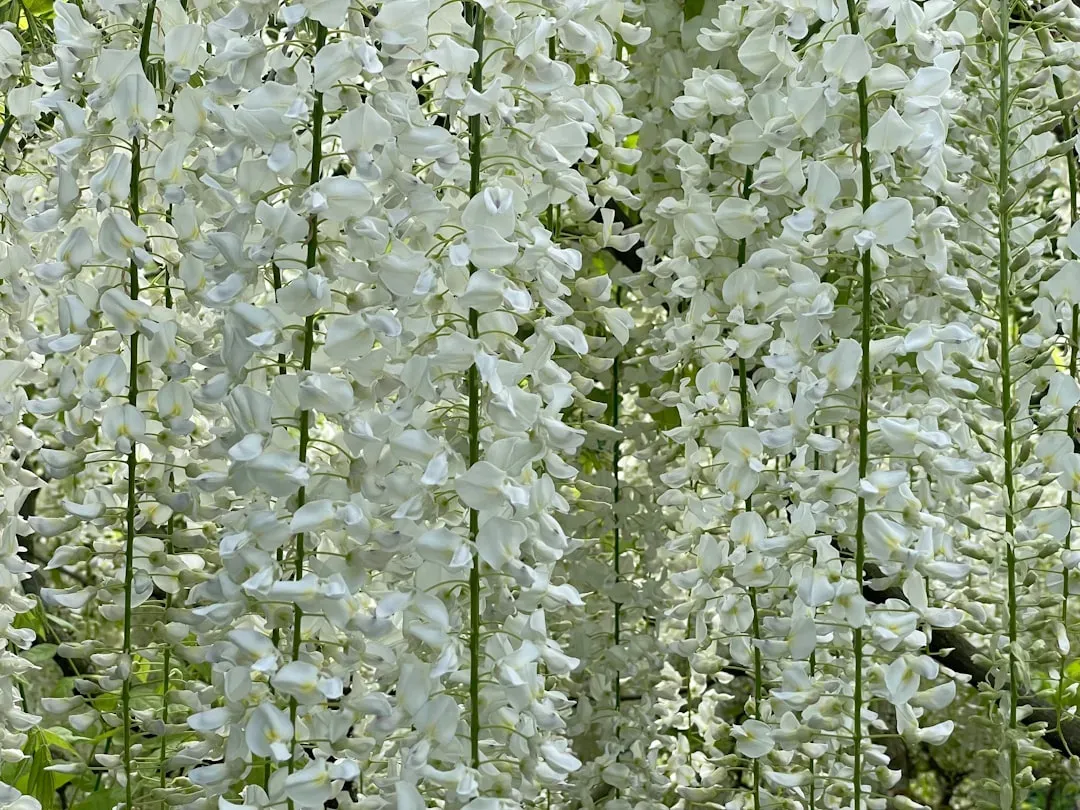
Few garden sights are as romantic as wisteria tumbling over a garden arch, its drooping purple blooms filling the air with fragrance. Gorgeous climbing plants like wisteria should be off-limits to your dog. The seeds and pods in particular contain a toxic substance called wisterin, a glycoside that can cause severe reactions even in small amounts.
Symptoms of wisteria ingestion in dogs include repeated vomiting, diarrhea, and severe stomach cramping. Some dogs will become extremely lethargic and refuse to eat. Because wisteria seeds tend to fall and scatter on the ground beneath the plant, dogs that enjoy sniffing and foraging in the garden are especially at risk. If removing the plant isn’t an option, use physical barriers. Baby gates, decorative fencing, or plant enclosures can help prevent curious pets from getting too close.
11. Iris: Common, Colorful, and Capable of Real Harm

Ingesting any part of the iris plant can cause skin irritation, drooling, diarrhea, vomiting, and lethargy. Irises are everywhere. Spring gardens are absolutely filled with them in shades of purple, blue, white, and yellow. They’re the kind of flower that seems completely harmless, which is exactly why dog owners are often caught off guard.
The iris is toxic to dogs, especially the roots. Dogs that love to dig are particularly vulnerable here, since the roots carry the highest concentration of irritants. If you notice your dog digging around your iris beds, redirect them immediately and consider raised planting beds or garden barriers. Keep an eye out for excessive drooling or pawing at the face after garden time.
12. Bluebell: The Woodland Walk Hazard
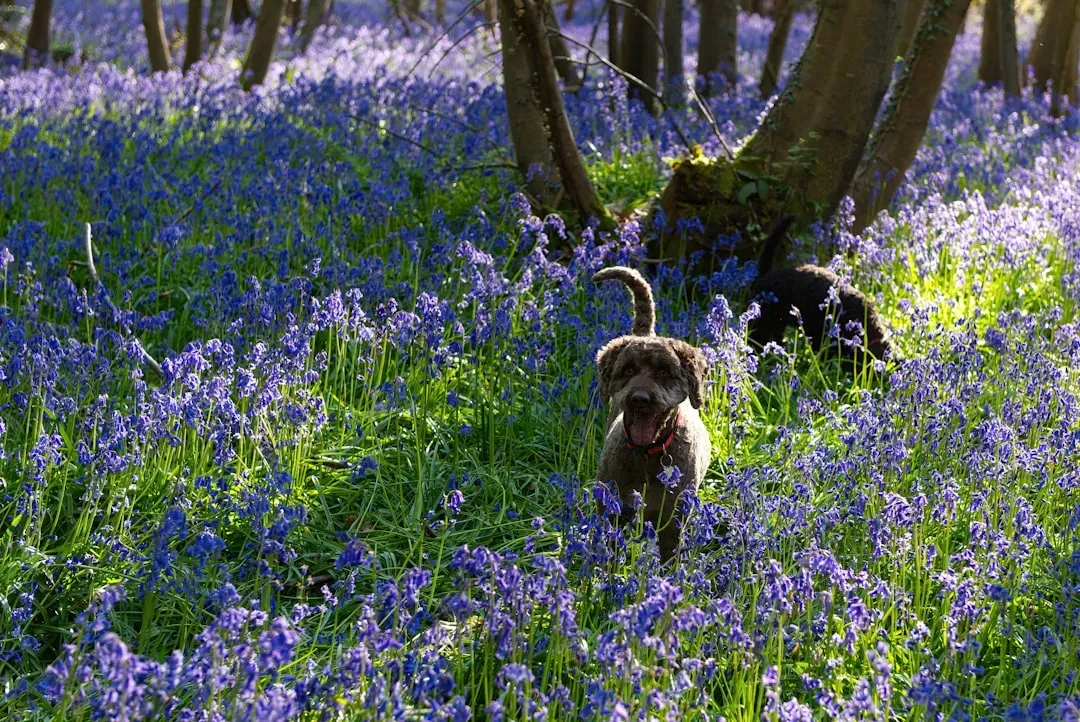
Walking through a bluebell wood in spring is one of the most magical experiences imaginable. It looks like something out of a storybook. The problem is that your dog doesn’t see the beauty – they see something interesting to sniff, chew, and investigate. All bluebell plants you may encounter on a walk, even those that aren’t blue, are toxic to pups. These plants contain glycosides, which are a poisonous chemical to dogs, and the bulbs of the plant have the highest concentration.
Signs of poisoning in dogs can include lethargy, diarrhea, reduced heart rate, vomiting, trembling, drooling, or skin irritations. On woodland walks in spring, keep your dog on a leash through areas with dense bluebell coverage. It’s hard to say for sure how much a dog would need to eat to become seriously ill, but why take the chance? Prevention here is as simple as staying on the path and watching what your dog’s nose leads them toward.
What to Do If You Suspect Your Dog Has Eaten a Toxic Flower

Dogs can exhibit a variety of symptoms if they ingest a toxic plant, and severity depends on the type and amount consumed. Common signs of poisoning include vomiting, diarrhea, drooling, muscle tremors, weakness, and lack of coordination. In more severe cases, dogs may have difficulty breathing, an irregular heartbeat, seizures, and even organ failure. Symptoms can develop quickly and vary by toxin, so it’s crucial to act fast.
If you believe your dog has consumed a poisonous plant, contact your veterinarian or an emergency clinic immediately. It can be helpful to the veterinarian if you know or can identify the plant your dog ingested. If your dog vomited, bringing a sample with you may be beneficial for testing, analysis, and determining the proper treatment.
Having emergency contacts saved in your phone can help you act fast in a crisis. Some helpful numbers to save are your local emergency vet, the ASPCA Poison Control Center at (888) 426-4435, and the Pet Poison Helpline at (855) 764-7661. These lines are available around the clock, every day of the year.
Final Thoughts: Your Dog Trusts You to Know This Stuff
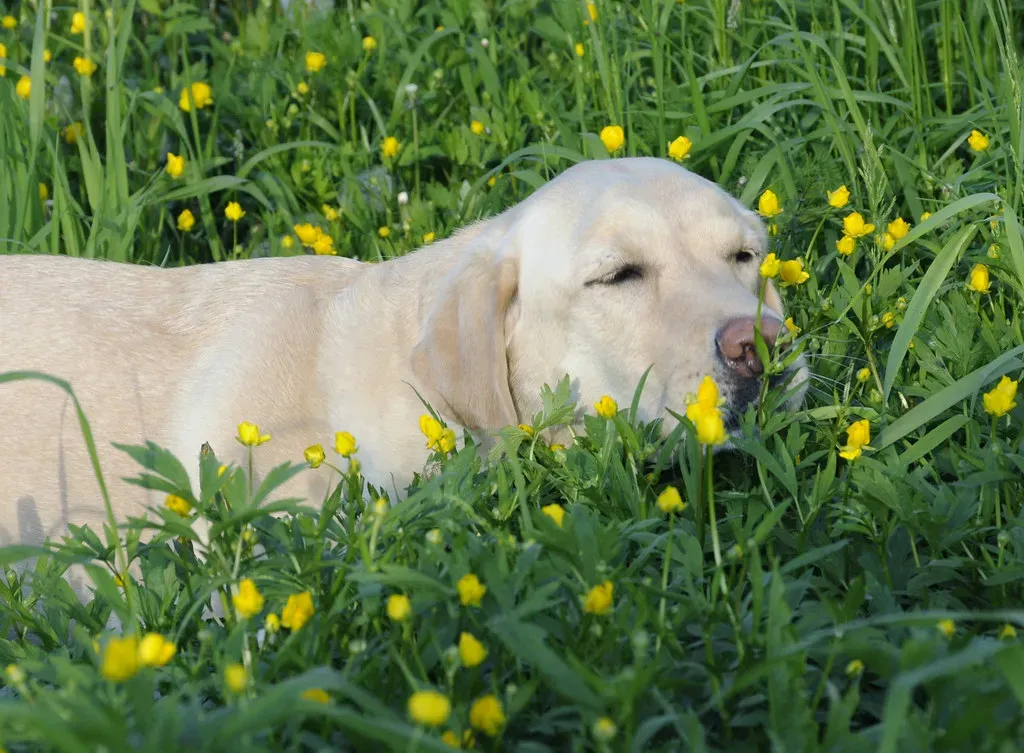
Your dog doesn’t know that the purple flower in the garden is dangerous. They’re just curious, joyful, and following their nose. That’s why the responsibility falls entirely on us, and honestly, it’s one I think most dog lovers take seriously once they know the facts.
The good news? The best way to prevent plant poisoning in your dog is to learn which flowers and plants pose a toxic risk. You should also know the symptoms of toxicity so you can notice immediately if your dog needs medical care. Find ways to keep plants away from your pet and, if possible, keep all potentially toxic plants and flowers out of your home and garden.
A beautiful garden and a safe dog are not mutually exclusive. With a little knowledge and some simple adjustments, you can have both. You’ve already taken the first step by reading this. So take a walk around your garden today, check your indoor bouquets, and think about what your dog has access to. Your pup depends on your eyes, your awareness, and your love. Which of these flowers surprised you the most? Tell us in the comments below!