
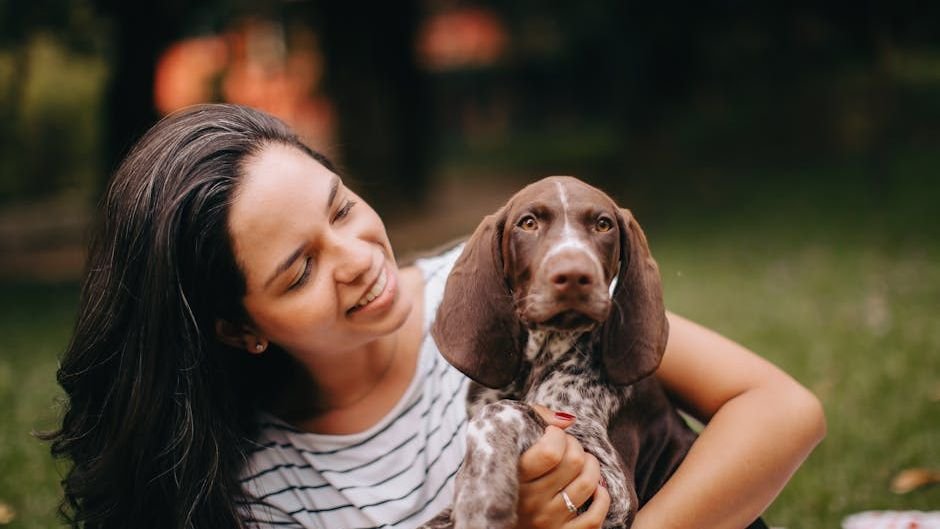
There is something almost magical about the way a dog looks at you. Not just the tail wagging or the happy zoomies when you walk through the door – but that deep, warm, “I trust you completely” gaze that makes everything feel right. If you are a dog lover, you already know that feeling. Yet, here is the truth most people miss: that kind of connection does not happen by accident.
Building a strong bond with your dog goes beyond feeding and walks – it is about creating daily routines that foster trust, love, and understanding. The good news? You do not need hours of free time or fancy gadgets. You just need the right habits, practiced consistently. Let’s dive in.
1. Start Your Morning With Intentional Connection
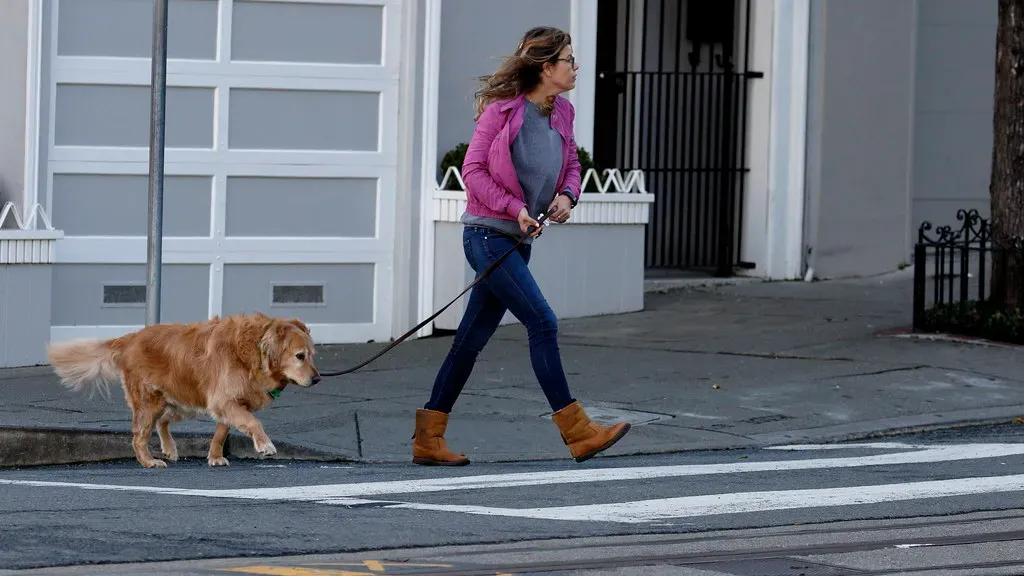
Mornings are more powerful than most people realize – for both you and your dog. Mornings set the tone for the day, and spending focused attention with your dog helps establish trust and happiness. Even just 10 to 15 minutes of intentional interaction can strengthen your bond significantly. Think of it like setting the emotional weather for the whole day.
A short morning walk provides physical exercise, mental stimulation, and exposure to new scents, which are essential for a dog’s emotional health. Even a quick loop around the block counts. Praising calm behavior during morning routines – like sitting quietly while you prepare their breakfast – creates predictable, rewarding interactions that tell your dog the world is a safe, consistent place.
Starting the day with these small rituals ensures your dog feels secure and valued, setting a positive tone for the rest of the day. Honestly, it is one of those habits that feels low-effort but delivers enormous results over time.
2. Look Into Their Eyes – Science Says It Works
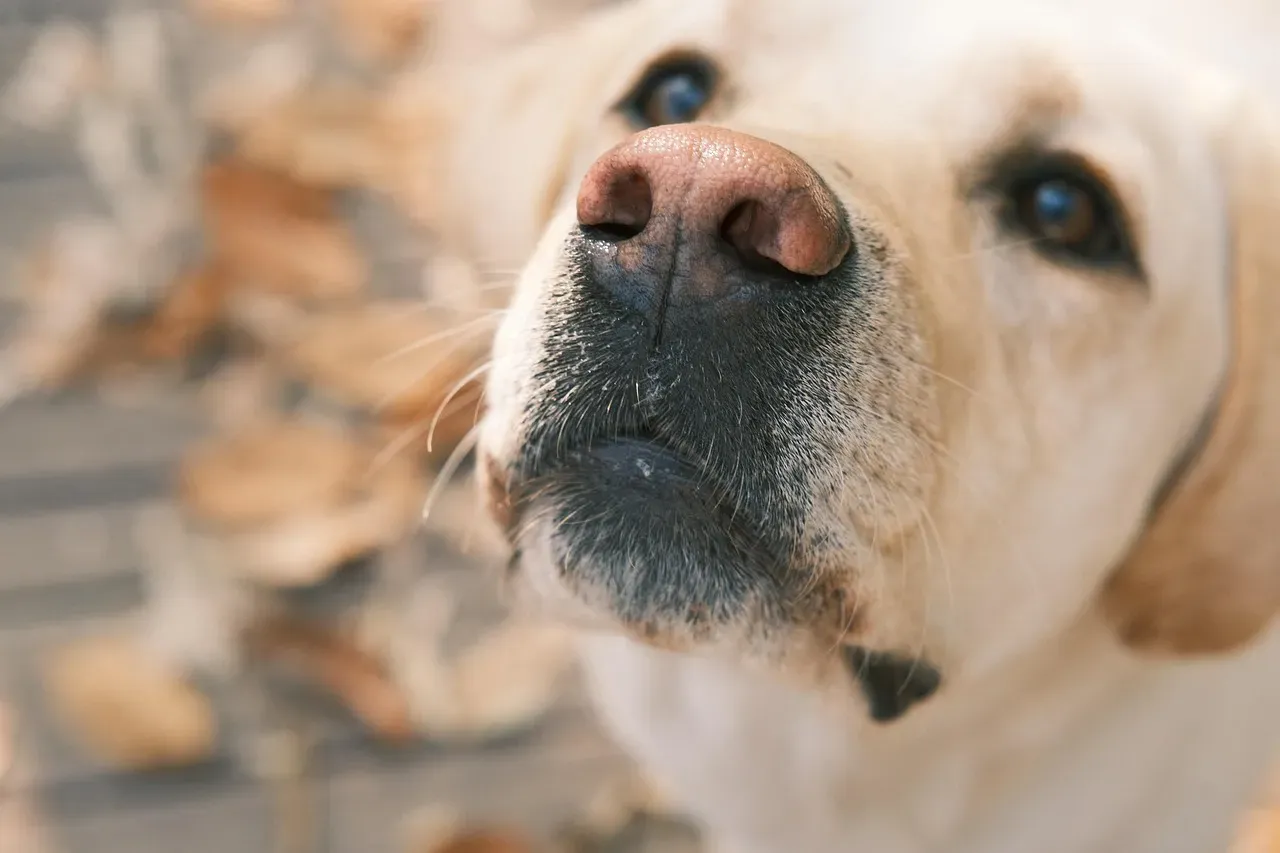
Here is something that genuinely blew my mind when I first learned about it. That soft moment when your dog gazes up at you? It is not just cute – it is chemistry. Those loving looks cause both dog and human brains to secrete the hormone oxytocin, which has been linked to strengthening emotional bonds between mothers and babies and between other mammal pairs.
Of the dogs and owners who spent the greatest amount of time looking into each other’s eyes, both male and female dogs experienced a notable rise in oxytocin levels, and their owners experienced an even larger increase. That is a full biochemical bonding loop triggered by something as simple as a loving look. Research from the University of Tokyo suggests that the quality of eye contact matters more than quantity – brief but frequent moments of mutual gazing throughout the day can be more effective at strengthening bonds than forced, prolonged eye contact sessions.
Worth noting: forcing eye contact with a reluctant dog can damage trust, so always respect your dog’s comfort level and allow them to initiate or break eye contact. Let it be natural, and it will be magical.
3. Train Together Every Single Day
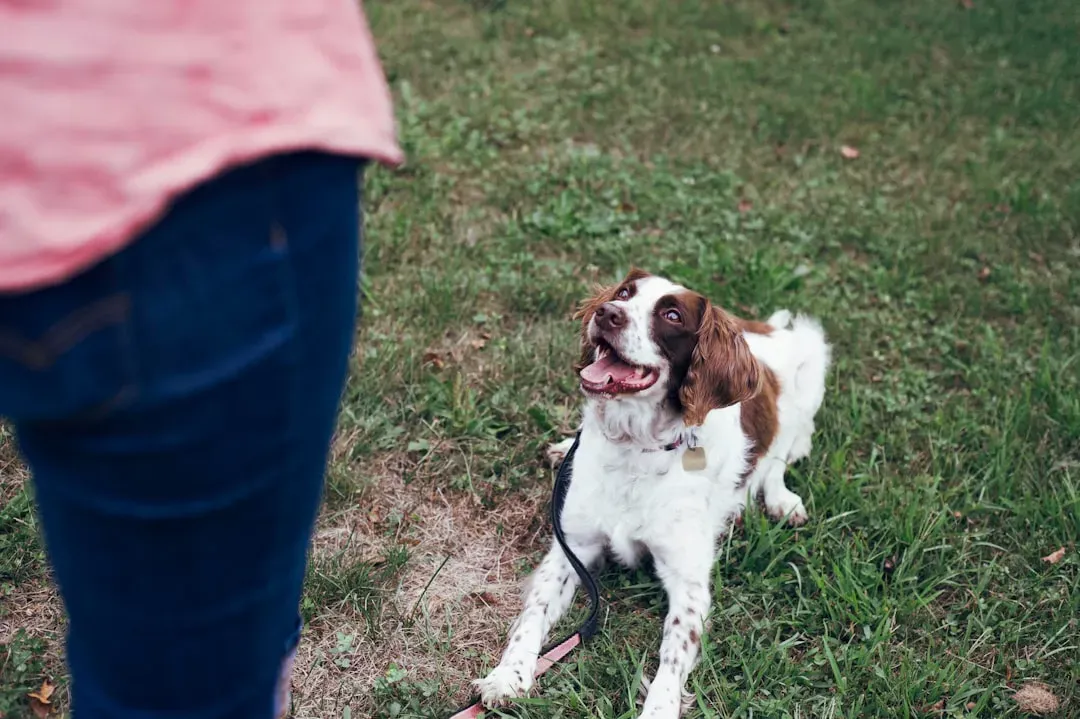
Let’s be real – training often gets filed under “something we do when the dog misbehaves.” That mindset is a missed opportunity. Dogs thrive on structure and guidance. Daily training does not have to be long; short, consistent sessions can greatly improve behavior and communication. Think of it less like a chore and more like a shared language you are building together.
Incorporating short training sessions into your daily routine, keeping them fun and rewarding, and using praise and treats to reinforce good behavior not only improves obedience but also establishes you as a reliable and trustworthy leader. It is like being the calm, fair coach your dog genuinely wants to impress. Teaching your dog new tricks not only helps them learn better manners and behavior but is a mentally enriching activity that deepens your connection, requiring your dog to be tuned into you for guidance.
Training your pet should be a lifelong endeavor, and teaching a new trick or skill will exercise their brain and strengthen their cognitive abilities as they approach their grey muzzle years. So yes, even your senior pup benefits enormously from this habit.
4. Play Like You Mean It
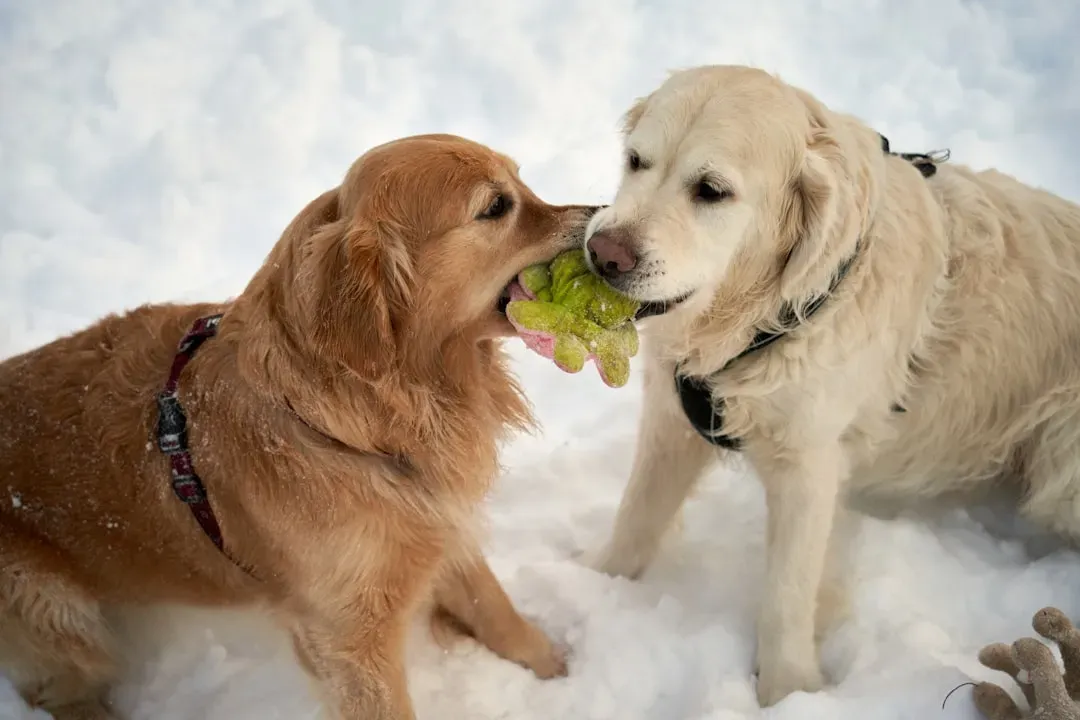
Play is more than entertainment – it is a powerful bonding tool that keeps your dog physically healthy and emotionally connected to you. Here is the thing though: half-hearted play does not cut it. Your dog knows the difference between you tossing a ball while scrolling your phone and you actually being present and excited.
Interactive games like fetch, tug-of-war, or hide-and-seek are not just fun – they are scientifically proven to build trust and improve your dog’s confidence. Tug-of-war, for example, has been shown to enhance cooperation without increasing aggression when played fairly. Imagine that – a simple game of tug doing relationship work that most owners overlook. Actively participate in fetch or tug-of-war and your dog will feed off your excitement.
Letting your dog sniff during walks or hiding treats in the yard stimulates their natural instincts and builds trust. Nose work, in particular, is wildly underused. It is like a full mental workout that also whispers to your dog, “I understand what you need.”
5. Communicate Clearly and Read Their Body Language
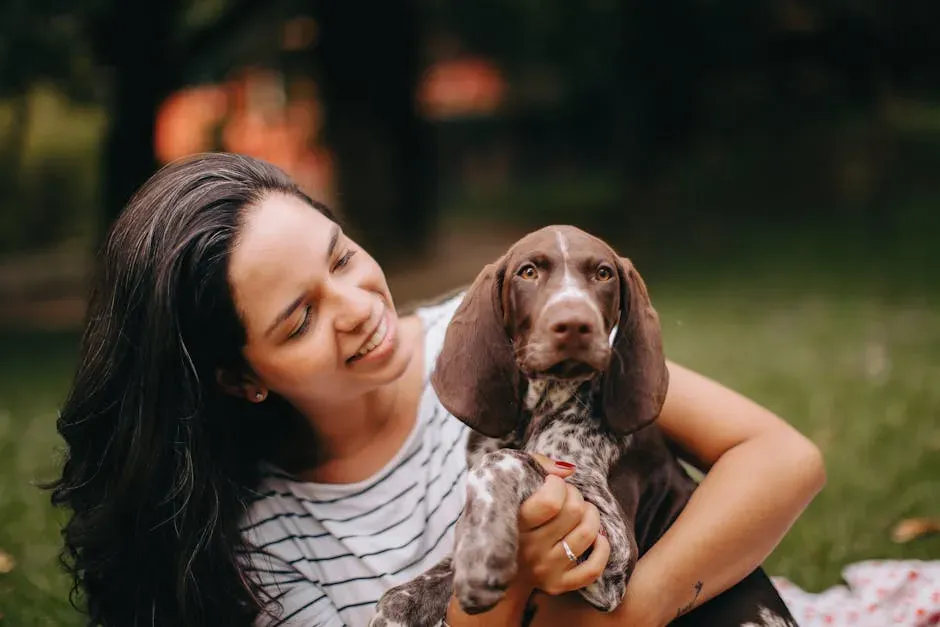
Communication extends beyond commands. Dogs are highly sensitive to tone, body language, and facial expressions, so daily interaction is crucial for building a strong bond. Think about it this way: your dog is reading you like a novel, every single day. The least we can do is try to read them back.
Tail wagging, ear positions, and posture indicate your dog’s comfort or stress. Responding appropriately strengthens mutual understanding. A tucked tail, pinned ears, or whale eye (when you can see the whites of their eyes) are all quiet pleas for help that go unnoticed far too often. Voluntary check-ins, relaxed body language, soft eyes, choosing to rest near you, and eagerness to train are all signs your bond is working – celebrate those moments.
Daily communication fosters a relationship built on understanding. Your dog will begin to anticipate your intentions and feel secure, even during moments of change or stress. That security? That is the whole goal.
6. Wind Down Together and Create a Safe Space
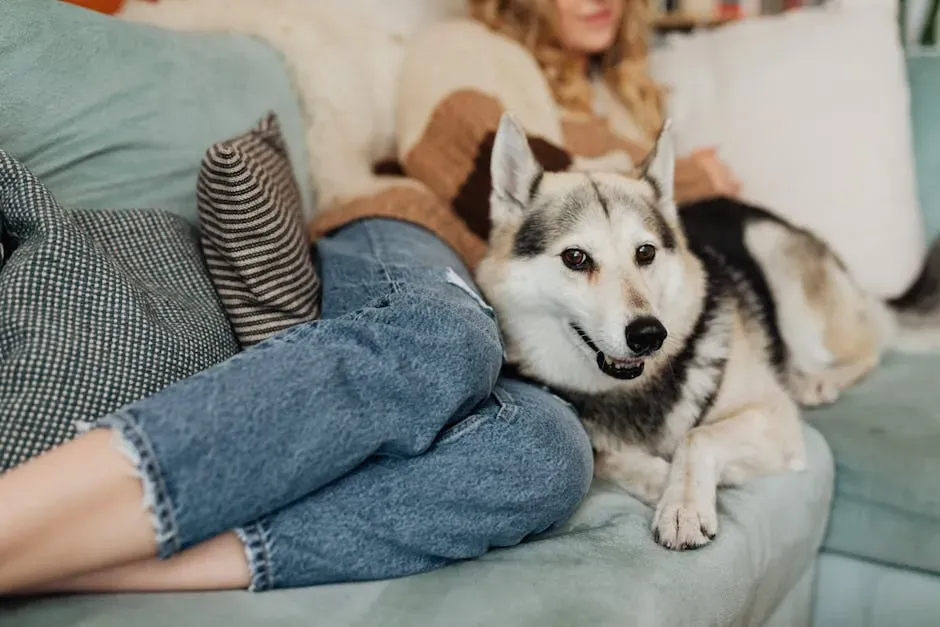
The end of the day matters just as much as the beginning. After active sessions, spending quiet moments together strengthens your emotional connection. Creating a peaceful environment where your dog feels safe to relax beside you is essential for building trust and deepening your bond. Think of it as your daily relationship deposit before sleep.
While dogs love spending time with their humans, they also need personal space from time to time. Dogs are den animals, and creating a cozy retreat – like a crate or a dog bed – allows your dog to have a safe space where they can relax and unwind. Providing your dog with their own space helps them feel more secure and can actually strengthen your bond when they know they have a place to go when they feel overstimulated or tired.
Making it a point to include gentle petting and massage in your daily schedule matters because physical touch releases feel-good hormones in both you and your dog, making it an excellent way to reinforce your relationship. Even five quiet minutes of calm stroking before bed can be transformative. It is small. It is steady. It is everything.
Conclusion: The Bond Is Built in the Ordinary Moments
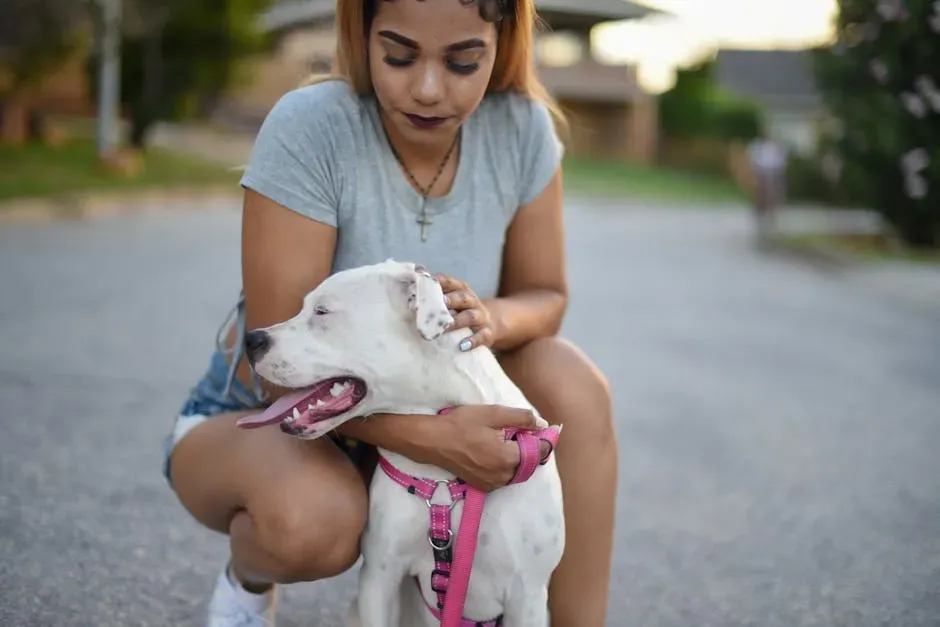
Here is what nobody tells you enough: you do not need a perfect schedule or a dog trainer’s expertise to build something extraordinary with your dog. Bonding starts in the tiny routines you repeat every day, which you both enjoy. It is in the morning walk you take even when you are tired, the eye contact you hold a second longer, the training game that ends in tail-wagging chaos.
Dogs are not complicated. They want your presence, your consistency, and your kindness. When you offer those things daily, the bond that forms is genuinely unbreakable. The bond between you and your dog is more than just love – it is backed by science, and research has shown that specific activities can enhance trust, communication, and emotional connection.
So start small. Pick one habit from this list and commit to it this week. Then add another. Before long, your dog will not just follow you because they have to. They will follow you because, to them, you are everything. What habit will you start with today? Drop it in the comments – we would love to hear your story.


