
You already know your dog needs walks, food, and love. That part’s pretty obvious. What most dog owners don’t realize, though, is that the brain hiding behind those adorable eyes is quietly craving so much more. It’s hungry for challenge, novelty, and the kind of deep engagement that a simple stroll around the block just can’t provide.
When people think about caring for a dog, they often focus on physical needs like food, exercise, and grooming. But they frequently overlook the need for mental stimulation, which is just as crucial for a dog’s overall well-being. Here’s the thing: a bored dog isn’t just a mischievous dog. It might actually be a suffering one. The good news? Some of the most powerful brain-boosting strategies cost nothing at all. Let’s dive in.
1. Turn Mealtime Into a Mental Mission
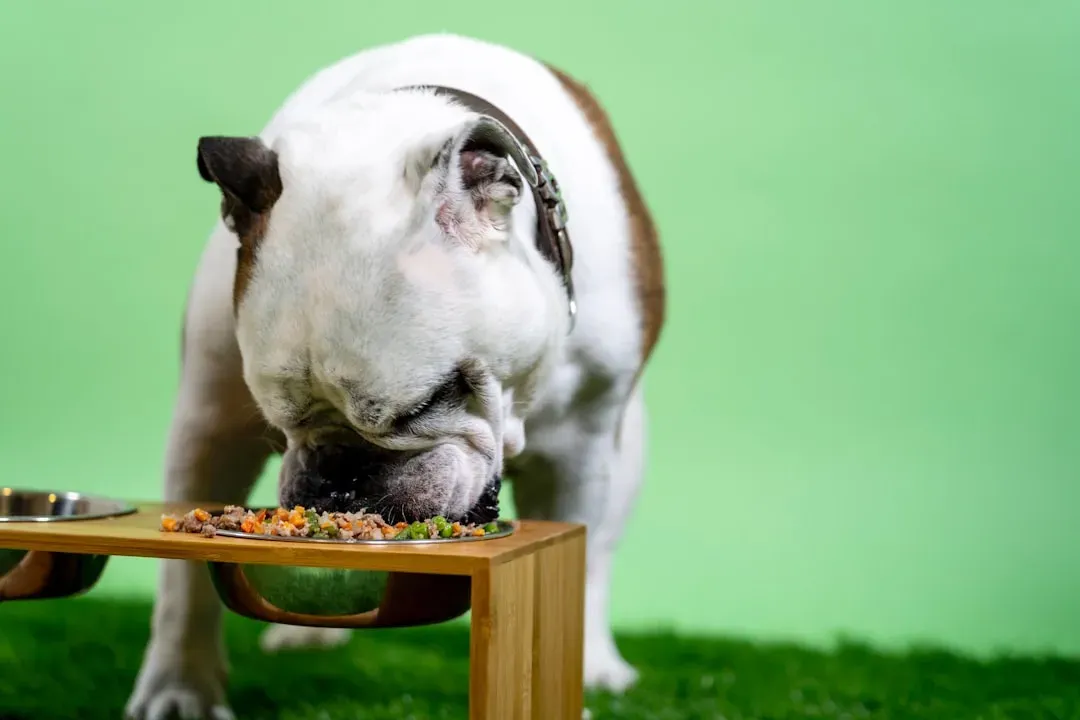
Think about your dog’s dinner routine for a second. You pour kibble into a bowl, set it down, and twenty seconds later it’s gone. That’s it. No effort, no challenge, no satisfaction beyond a full stomach.
Research shows that dogs who work for their food show increased satisfaction and reduced anxiety compared to dogs fed from traditional bowls. Try scatter feeding across a snuffle mat, hiding kibble around the kitchen, or using a slow feeder. It’s a small change with surprisingly big results.
When you make your dog put a little effort into getting their kibble, they get the satisfaction of achieving a goal, and that sense of accomplishment genuinely matters to them. Think of it like replacing a vending machine with a treasure hunt. Same food, completely different experience.
2. Let Their Nose Lead the Way
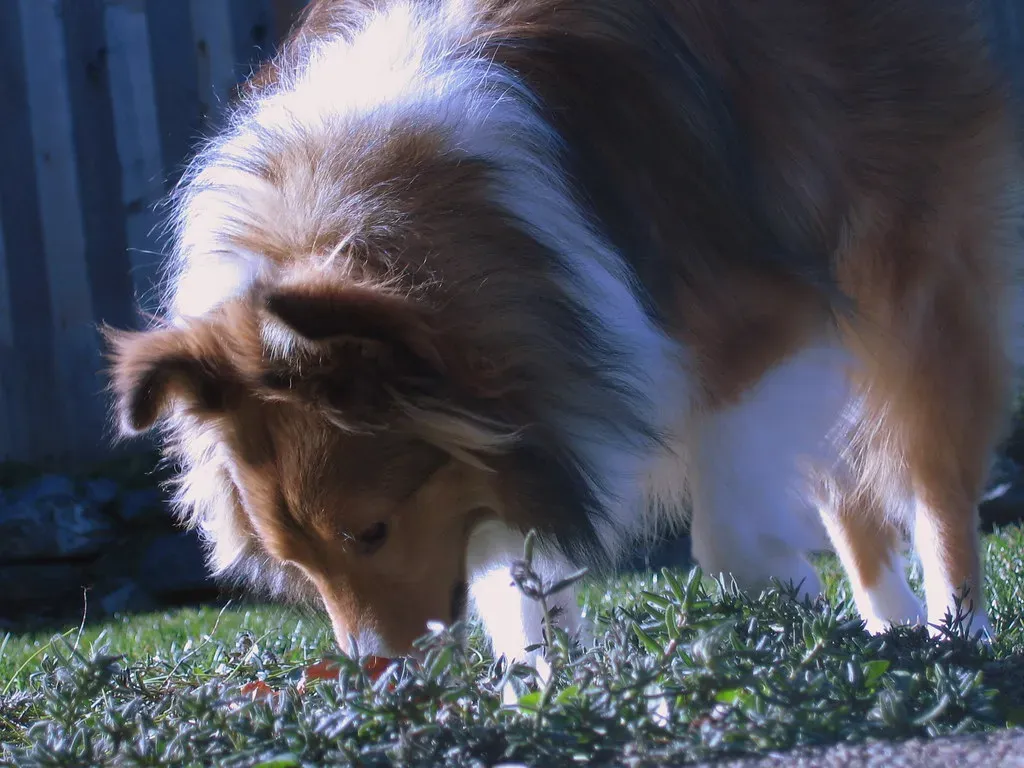
Here’s a fact that still blows my mind: dogs have between 100 and 300 million odor receptors, compared to our measly 6 million, making scent work their most powerful mental exercise. Their nose isn’t just a cute snout, it’s essentially a supercomputer dedicated to smell.
Studies have shown that engaging in enrichment activities can lower cortisol levels in dogs. The act of sniffing, central to most enrichment tasks, has a particularly calming effect on the canine nervous system. In fact, nose work has been shown to regulate heart rate and promote relaxation.
Set up a simple scent trail using treats hidden under cups, in muffin tins covered with tennis balls, or tucked into corners of the yard. Create scent trails by dragging a treat along the ground and hiding it at the end. Your dog will enjoy following the scent to find their reward. It’s dead simple and deeply satisfying for them.
3. Teach an Old Dog Genuinely New Tricks
You’ve heard the saying that you can’t teach an old dog new tricks. Honestly, that’s one of the most stubborn myths in dog ownership. Obedience training is a form of mental enrichment, and every time your dog learns a new trick or command, they are exercising their brain. Short, five to ten minute training sessions can do wonders for mental stimulation and confidence.
Once your dog masters the basics, move on to more challenging tricks. Teaching them to roll over, play dead, or spin requires focus and coordination, offering a fantastic workout for your dog’s mind. Even senior dogs thrive with gentle trick refreshers, and the bonding that happens during these sessions is something you genuinely can’t buy.
4. Switch Up the Walking Route Regularly
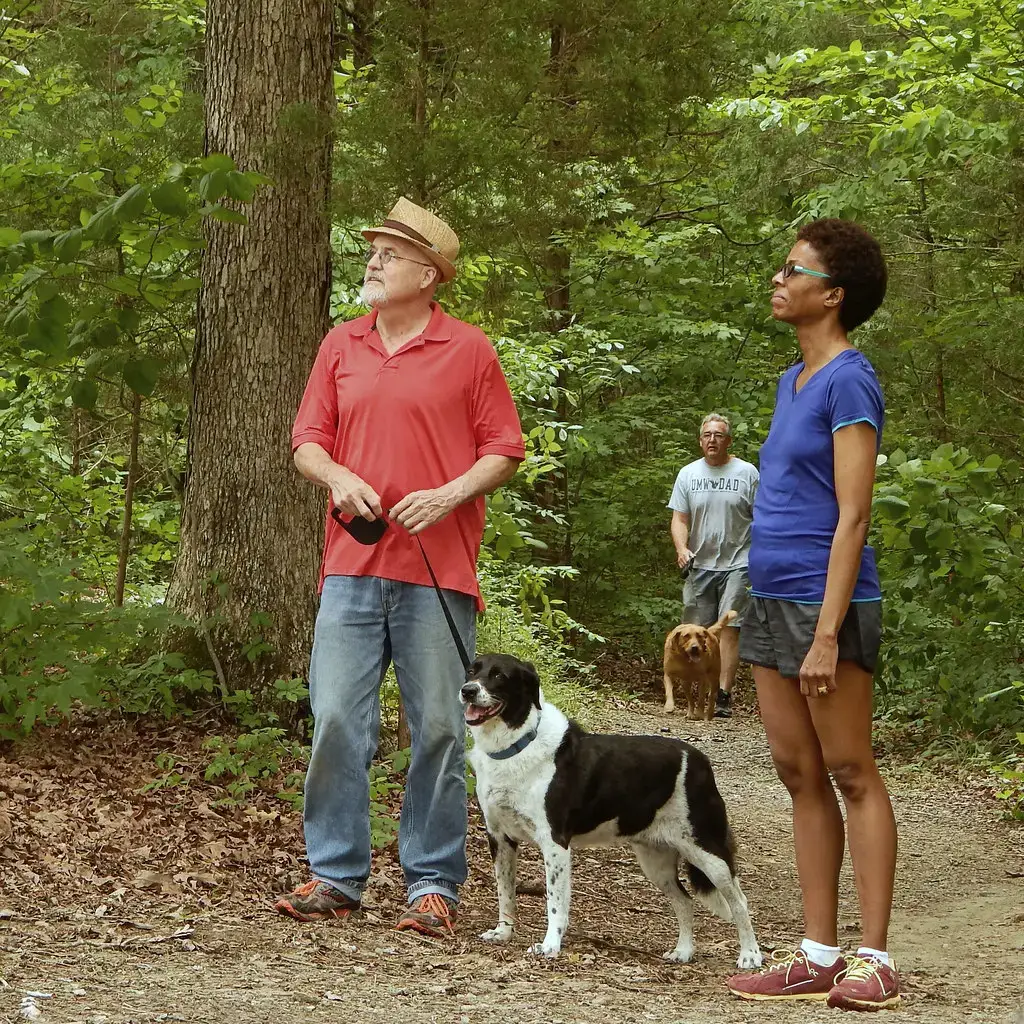
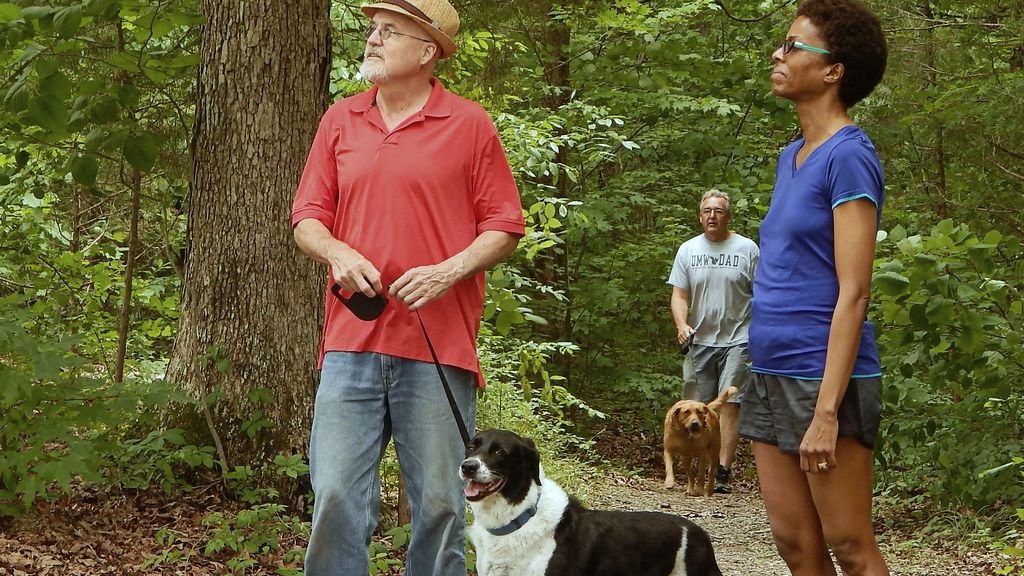
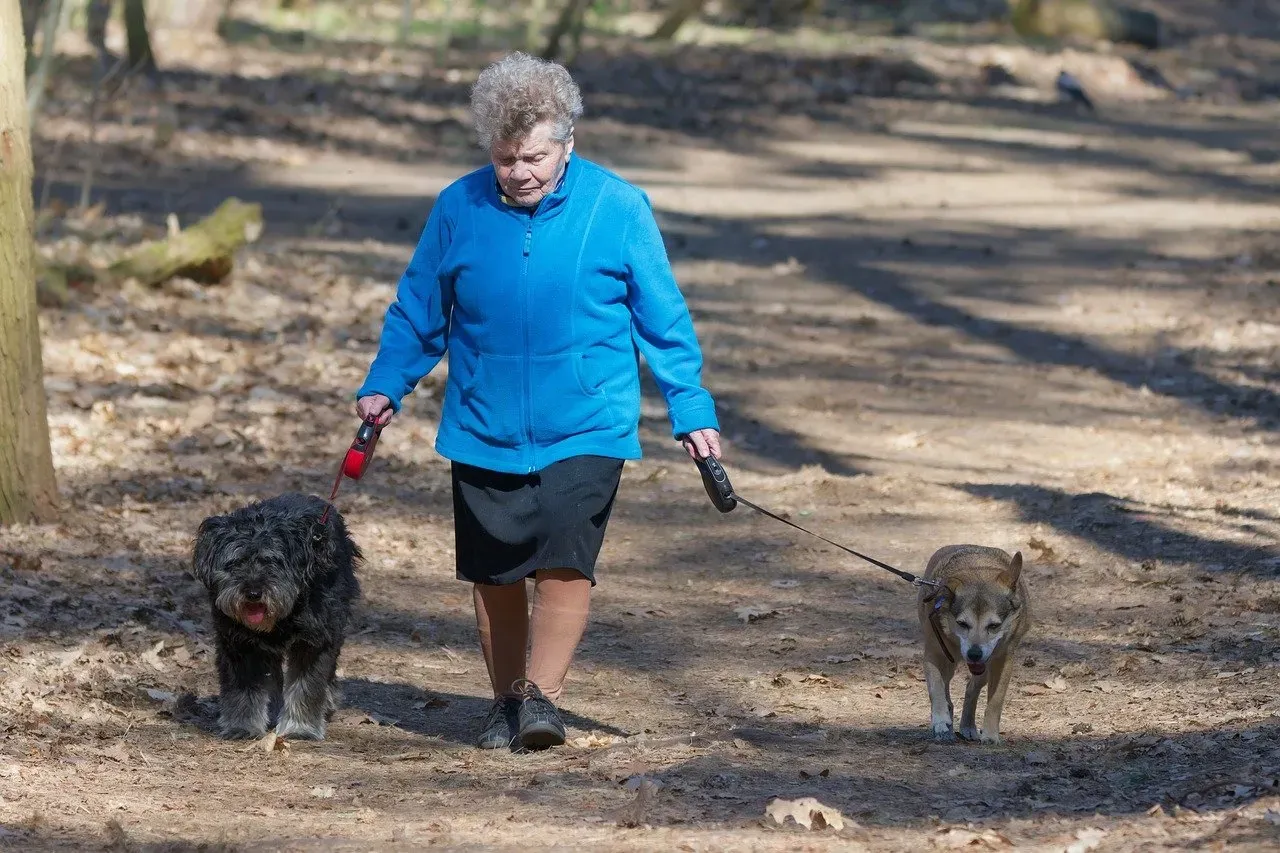
Imagine walking the exact same path, past the exact same trees, every single morning for years. Honestly, I’d go a little stir crazy too. Have you ever gotten bored doing the same thing over and over again? Dogs do too. This is why changing up your walking route can be very stimulating for them. Walking somewhere new allows them to see and smell new things.
Outdoor adventures provide both mental and physical stimulation. Taking your dog on nature trails, letting them explore new scents, and engaging in activities like fetch all help keep their minds sharp. The change of environment and variety of experiences are what matter most. Even a detour down a different street every few days can make a real difference.
5. Try the DIY Puzzle Game at Home
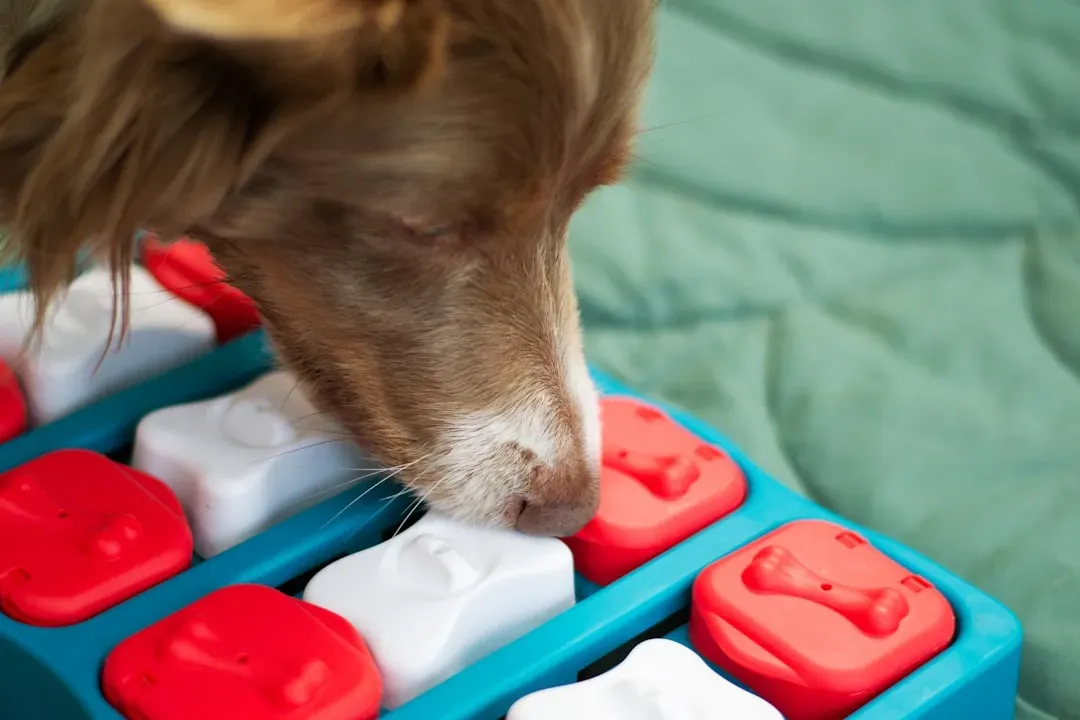
You don’t need to spend a fortune on fancy puzzle toys from a pet boutique. Hide treats in cardboard toilet paper rolls, fold in the ends, and poke holes in the sides so that treats fall out when your dog moves the rolls around. Fill a muffin tin with kibble or treats and cover each muffin slot with a tennis ball. Done. That’s a fully functional brain game using stuff already in your kitchen.
Puzzle toys typically have compartments where you can hide food, and your dog has to figure out how to access those tasty treats. There are countless options, all with varying degrees of complexity. They require critical thinking skills. Start easy, build up the challenge, and watch your pup’s problem-solving confidence grow week by week.
6. Play Hide and Seek With Yourself

This one surprises a lot of people. Most folks think of hide and seek as a kid’s game, but for dogs, it’s honestly one of the richest mental workouts you can offer. Simply hide in a different room or behind furniture and call your dog’s name. They’ll use their natural problem-solving skills and sense of smell to track you down. This game taps into their instincts and keeps their mind active, all while strengthening your bond and providing great exercise.
Eye contact during these bonding games also triggers a release of oxytocin in both you and your dog. Oxytocin is the hormone for attachment between parent and child. Scientists call these “eye hugs.” So finding you isn’t just fun for them. It’s genuinely emotionally fulfilling.
7. Rotate Toys to Preserve the “New Factor”
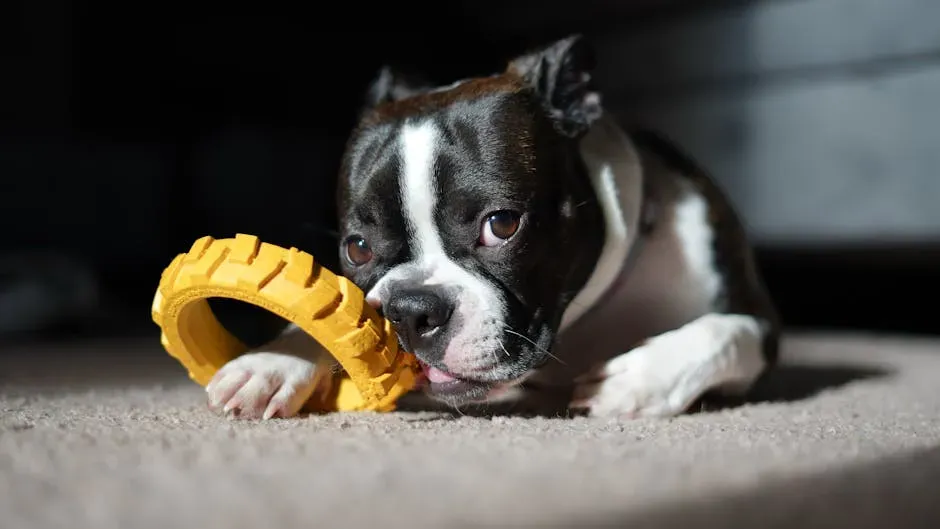
Have you noticed how your dog loses interest in a toy after a few days? That’s not your dog being ungrateful, it’s actually a sign of an intelligent brain seeking novelty. Keep your dog’s interest piqued by rotating their toys regularly. Introduce new toys and put away old ones for a while. This novelty keeps their curiosity alive and prevents them from getting bored with the same toys.
Just like us, dogs can get bored with the same toys. Keep things exciting by rotating their toys every week. Introduce new textures, shapes, and sounds to keep their curiosity piqued. It’s like giving them a “new” toy every week without spending a single extra dollar. Clever, right?
8. Set Up a DIY Agility Course Indoors
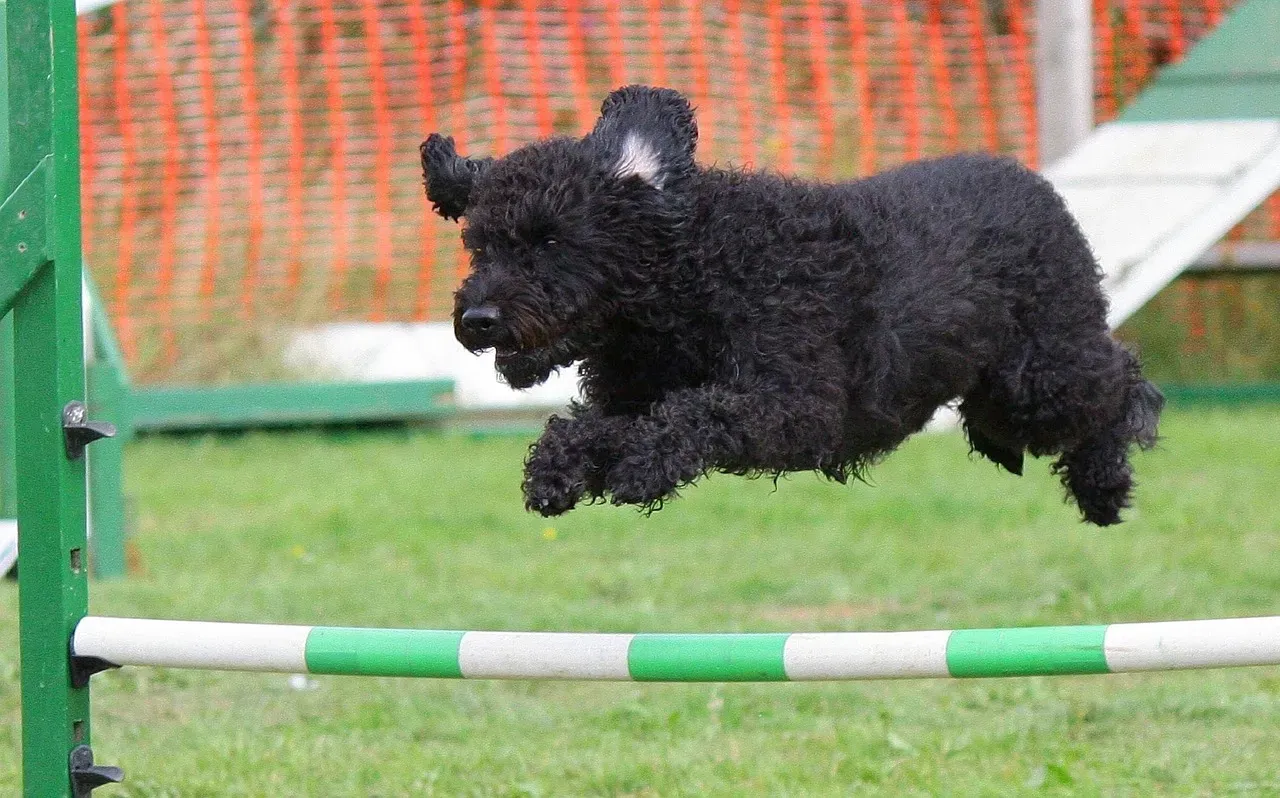
You do not need a professional agility setup or a massive backyard for this one. You can create a fun obstacle course in your yard or living room using everyday household items. Try setting up cones or even chairs for your dog to weave through, placing broomsticks on the ground for them to jump over, or using boxes for them to crawl under.
Your dog will be following your cues to get through the course, but they’ll be having so much fun that they won’t even realize you’re training them. Agility training not only gives your dog a great physical workout, but it also keeps their mind sharp as they learn to navigate different challenges. The concentration required to navigate obstacles is genuinely exhausting for them in the best possible way.
9. Introduce Socialization as Brain Training

Socialization is often thought of as something you do once when your dog is a puppy. Let’s be real, that’s not how it works. Socialization exposes dogs to new sights, sounds, and smells, which is mentally enriching. Regular socialization can help your dog develop good manners and improve their confidence in new situations.
The best way to socialize your dog and engage their mind is to combine socialization with mental stimulation. This can include attending puppy training classes, taking more advanced classes with older dogs, or sending your dog to doggy daycare to interact with other dogs and get much-needed mental and physical exercise throughout the day. Every new sniff, sound, and friendly face is literally brain fuel.
10. Use Grooming as a Mindful Bonding Ritual

This one genuinely caught me off guard when I first learned about it. Grooming, done slowly and intentionally, is actually a powerful form of mental stimulation and calming enrichment. The repetitive motion of brushing can help calm an anxious dog, offering mental relaxation and a chance to decompress. For dogs that are not used to brushing, staying still during grooming can also be a way to engage their mind as they learn patience and self-control.
Brushing provides both a soothing physical experience and a mindful activity, keeping your dog’s body and mind engaged. Pair it with gentle music and calm energy from you, and you’ve essentially created a meditation session for your pup. It sounds a little out there, I know, but it works.
11. Start Simple Scent Detection Training
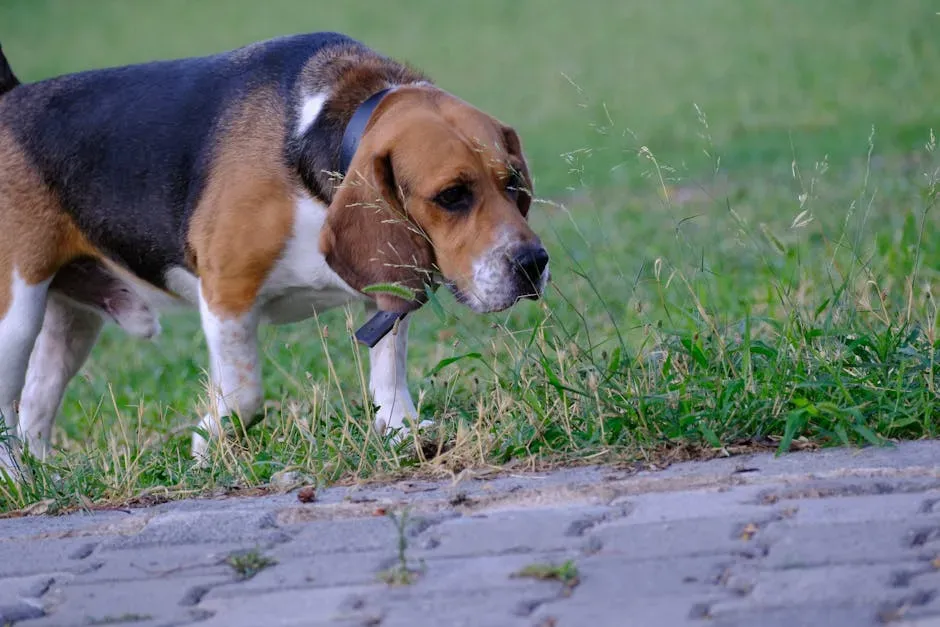
Nose work isn’t just for working police dogs or competition athletes. It’s incredibly accessible, and your regular pet dog can start from day one. Scent work trails harness your dog’s natural olfactory instincts with hidden rewards for mental exercise. Begin by hiding a treat under one of three cups, shuffle them slowly, and let your dog sniff out the right one.
Mental enrichment stimulates the prefrontal cortex, the part of the brain involved in decision-making, impulse control, and focus. When dogs engage their minds regularly, they strengthen these neural pathways, just like muscle building through exercise. This is why mentally stimulated dogs tend to be calmer, more adaptable, and more capable of learning new behaviors. That’s not a small payoff for hiding a piece of kibble under a cup.
12. Prioritize Brain Health Before the Signs Show Up
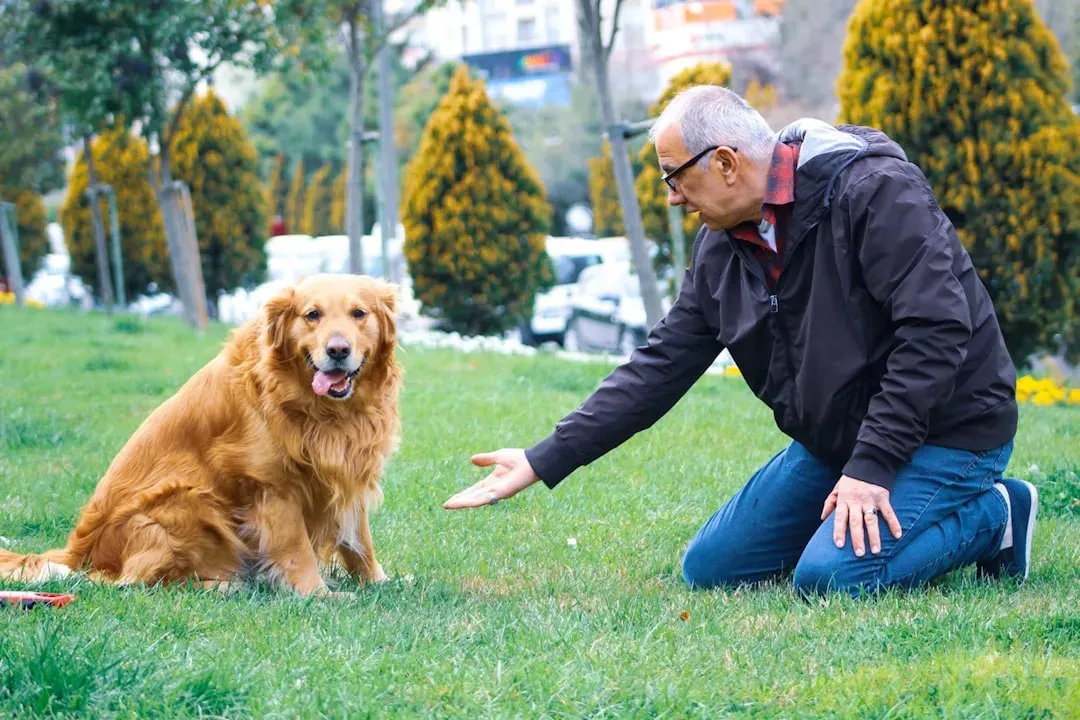
This one is deeply important, and it’s the one most dog owners miss until it’s too late. Signs of cognitive decline can begin as early as age 8 to 9. While canine cognitive dysfunction cannot currently be prevented entirely, early nutritional intervention, mental enrichment, and exercise may meaningfully slow its progression.
A compelling and growing body of research offers real encouragement: consistent mental and physical enrichment activities can meaningfully slow age-related cognitive decline in dogs, helping them stay sharper, more engaged, and emotionally connected well into their later years. Don’t wait for signs of confusion or disorientation to act. Start enriching your dog’s daily life now, young or old.
Prioritize regularity over duration. Ten to fifteen minutes of daily mental activity often yields substantial gains in mental acuity and emotional balance. It’s one of the simplest, most loving gifts you can give your dog at any age.
The Bottom Line: A Stimulated Dog Is a Happy Dog
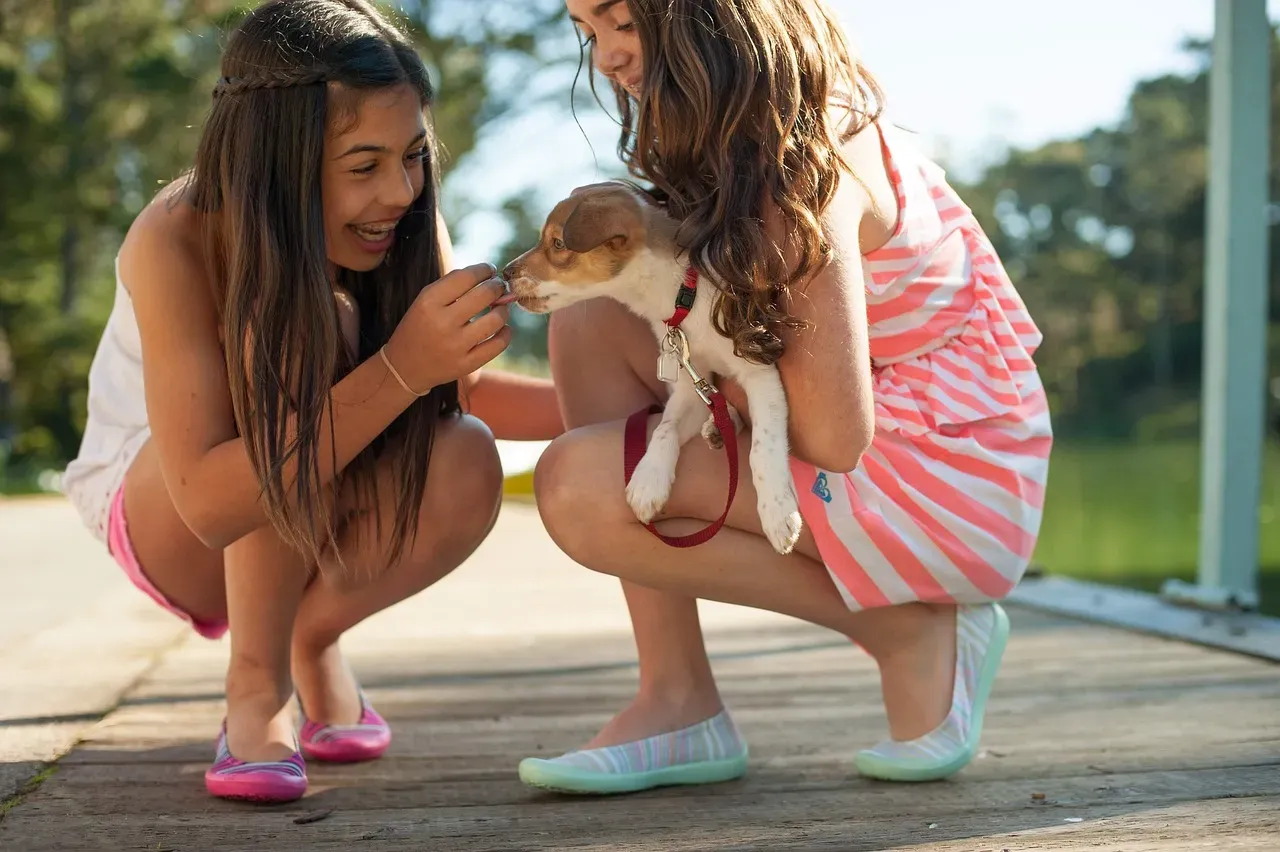
Here’s what all of this really comes down to. Your dog is not just a pet. They are an intelligent, emotionally complex being who genuinely needs their brain to be challenged, surprised, and engaged every single day. The science is clear: mental enrichment changes your dog’s brain for the better. It boosts mood, encourages healthy activity, reduces stress behaviors like barking, and helps dogs reconnect with their natural instincts.
You don’t need to do all twelve of these things at once. Pick one or two this week. Try the muffin tin puzzle at dinner tonight. Take a different route tomorrow morning. Hide in the bathroom and call their name. The general lesson is that the more your dog engages in activities they find stimulating and enjoyable, the more likely they are to be building protective cognitive reserves.
A dog whose mind is sharp lives longer, loves deeper, and behaves better. That worn-out shoe your dog chewed last Tuesday? It might not have been defiance. It might have been a cry for something more interesting to do. You’ve got the tools now. What will you try first?


