
12 Common Mistakes Dog Owners Make When Introducing a New Pet
You finally did it. You brought home that second dog, that playful kitten, or maybe that bouncy rescue pup you couldn’t stop thinking about. Your heart is full. Your existing dog, however? Not so sure about all this. Introducing a new pet into your home is one of the most exciting things you can do as a dog owner, but it’s also one of the easiest moments to completely fumble without even realizing it.
The truth is, most mistakes don’t come from a lack of love. They come from a lack of knowing. So whether you’re in the middle of introductions right now or just planning ahead, here’s what you really need to know before things go sideways. Let’s dive in.
1. Skipping the Vet Check Before the First Meeting
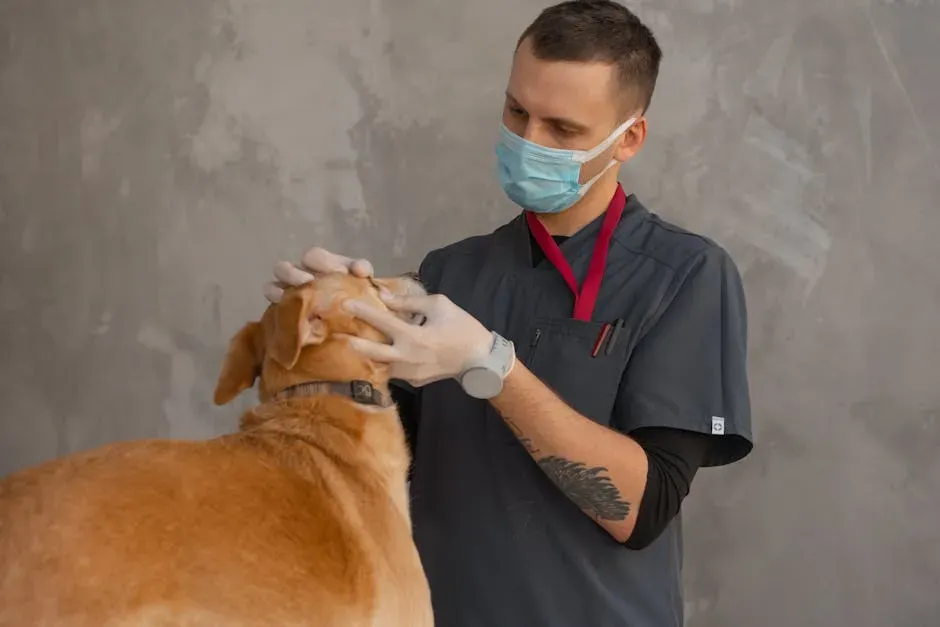
Here’s the thing – you wouldn’t invite a stranger with an unknown illness to a family dinner, right? The same logic applies here. Health checks are crucial before any introduction. Make sure both your dog and the new pet are vet-checked, because it’s about confirming health and preventing the spread of diseases.
It can be especially wise to wait before introducing a new shelter dog to your current pets, just in case the shelter dog picked up any illnesses. Most ailments dogs get at shelters are treatable, but if you can avoid the spread of diseases, that’s always preferable. A quick vet visit before the big introduction day is a small effort with a massive payoff.
2. Doing the First Introduction at Home
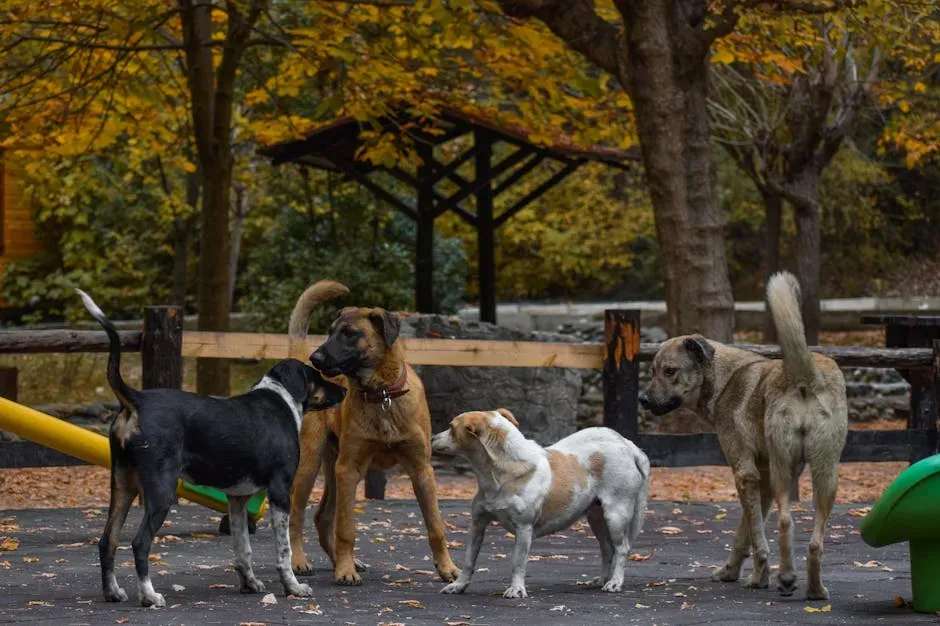
The first meeting should be in a neutral environment like a park. It’s best to avoid introducing the dogs in the house – or even in the yard – where the resident dog may become territorial. Open areas are ideal, as there are a lot of interesting sights and sounds to keep the dogs distracted.
Think of it like this: if someone walked into your bedroom uninvited, you’d probably feel territorial too. Introducing a new pet in your dog’s territory might spark rivalry. Instead, opt for neutral grounds like a park or a friend’s yard, so neither feels they have the hometown advantage, easing tension. Neutral ground is not optional. It’s everything.
3. Rushing the Introduction Process
Slow introductions are safer and more successful. Rushing can lead to fights, fear, or long-term tension between animals. I know the excitement of a new furry face makes you want everything to click immediately, but patience here is truly your most powerful tool.
Animals that live in groups, like dogs, establish relationships through which individuals interact and live together. The roles that individuals play within the relationship can change with each new day or situation. These relationships take time to build, so proper introductions are important to help the dogs adjust to one another. Think of it as a slow dance, not a sprint to the finish line.
4. Keeping the Leash Too Tight During Meetings
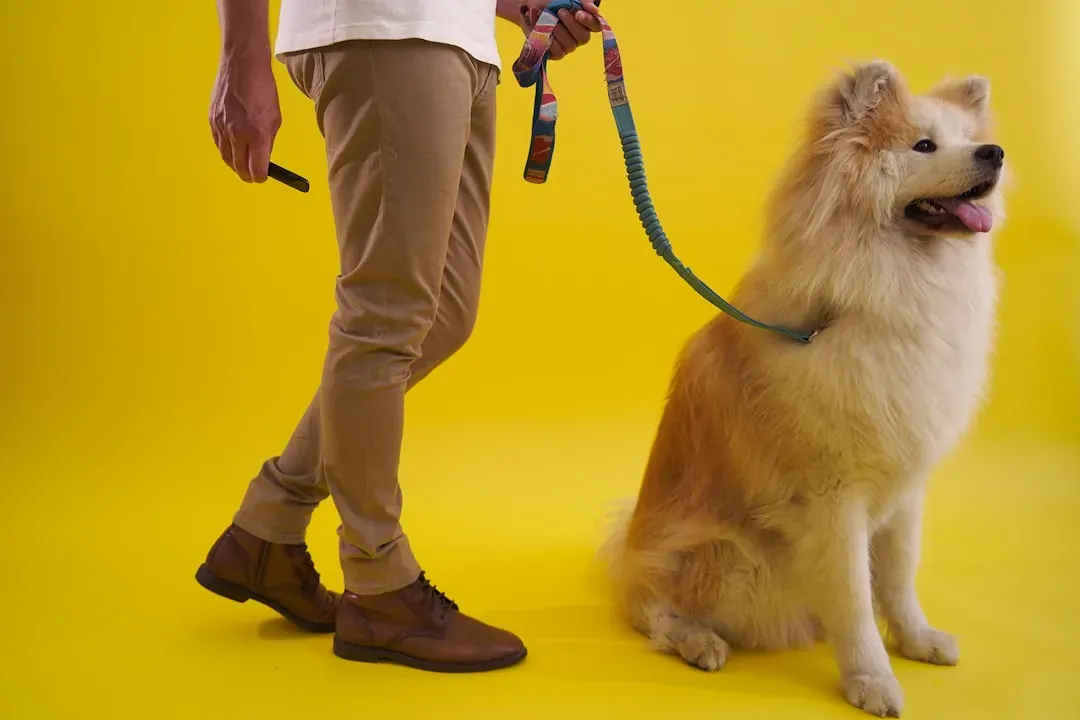
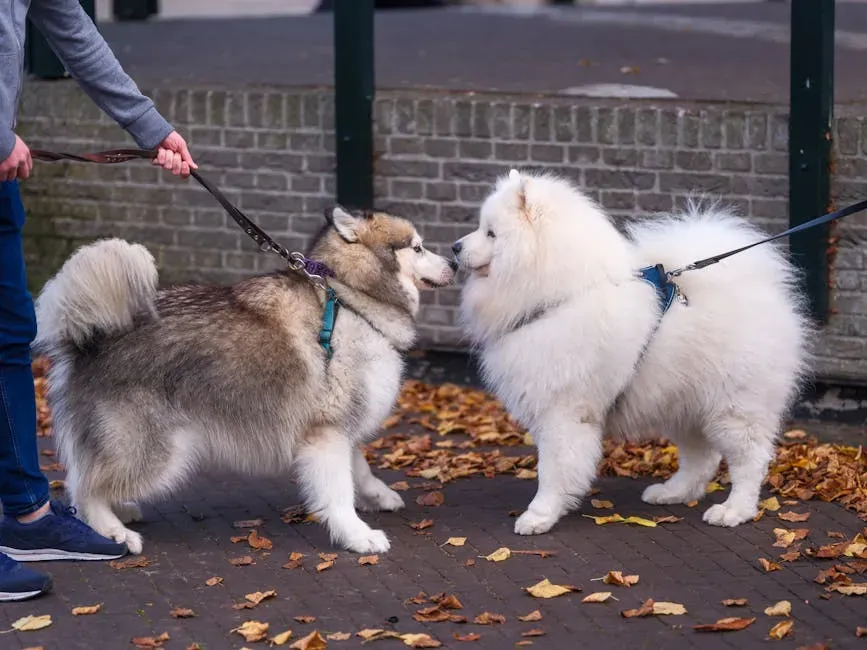
This is one that sneaks up on even experienced dog owners. Human escorts must keep the leashes slack so the dogs don’t feel as if they’re being held back. A tight leash actually communicates anxiety to your dog, and they’ll feed off that nervous energy instantly.
While keeping the leashes loose, let them sniff each other, which is a normal canine greeting behavior. As they do, talk to them in a happy, friendly tone of voice and never use a threatening tone. Your calm is contagious. If you’re tense, your dog will be tense. Stay loose, breathe, and let them do their thing.
5. Ignoring Body Language Warning Signs

Be on the lookout for signs either dog is anxious or uncomfortable, such as growling, snapping, showing teeth, back-hunching, long stares, and raised fur. If your dog displays these signs, be ready to distract or separate the dogs to avoid conflict and continue monitoring their interactions.
Dogs communicate stress through subtle body language, but first-time owners may miss these signals. Signs of stress include yawning, lip licking, excessive panting, avoiding eye contact, and pacing. Learning to read your dog’s body language is honestly like learning a second language. It takes a little practice, but once you get it, everything changes.
6. Allowing Unsupervised Interaction Too Soon
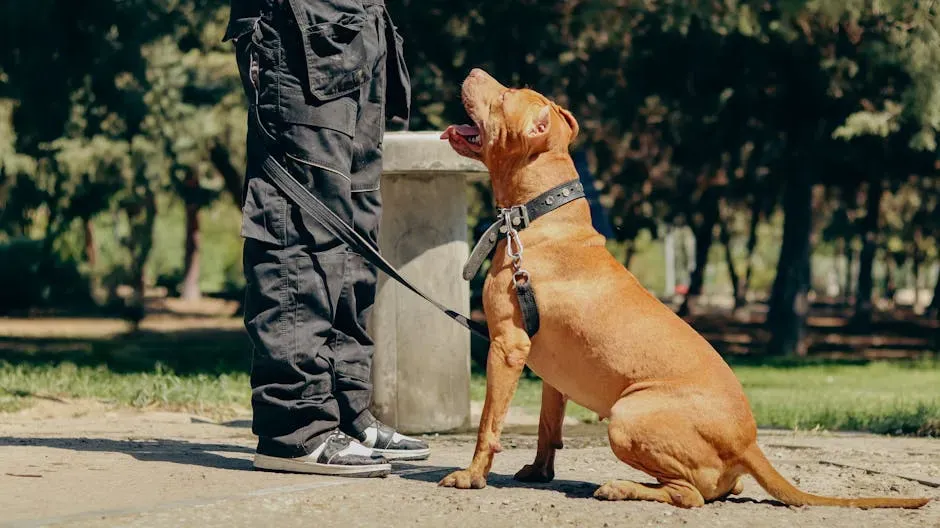
This is probably the mistake that causes the most damage long-term. Never leave your dog and new pet alone initially. Supervise their interactions to prevent any mishaps. Supervision helps build trust and sets boundaries. Think of yourself as a referee, not a spectator.
Supervise all the dogs’ interactions for at least the first three days. During times together, give breaks so that neither dog becomes overwhelmed with the situation. Honestly, even when things seem to be going perfectly, unsupervised time should be earned gradually, not handed over on day two.
7. Letting the New Pet Roam the Whole House Immediately
Letting your new dog roam freely on day one can lead to accidents, chewed furniture, or even injuries. They don’t know the rules yet, and they definitely don’t know what’s safe or what’s off-limits. It’s like handing a toddler the keys to the entire house. Way too much, way too soon.
Start by giving your new dog a small space in the home to become accustomed to. As the dog improves, you can give it more and more responsibility as it demonstrates the mental maturity to handle more space and more time alone. Use baby gates or closed doors to introduce them to their new environment gradually. Small steps build big confidence.
8. Feeding Both Dogs Side by Side
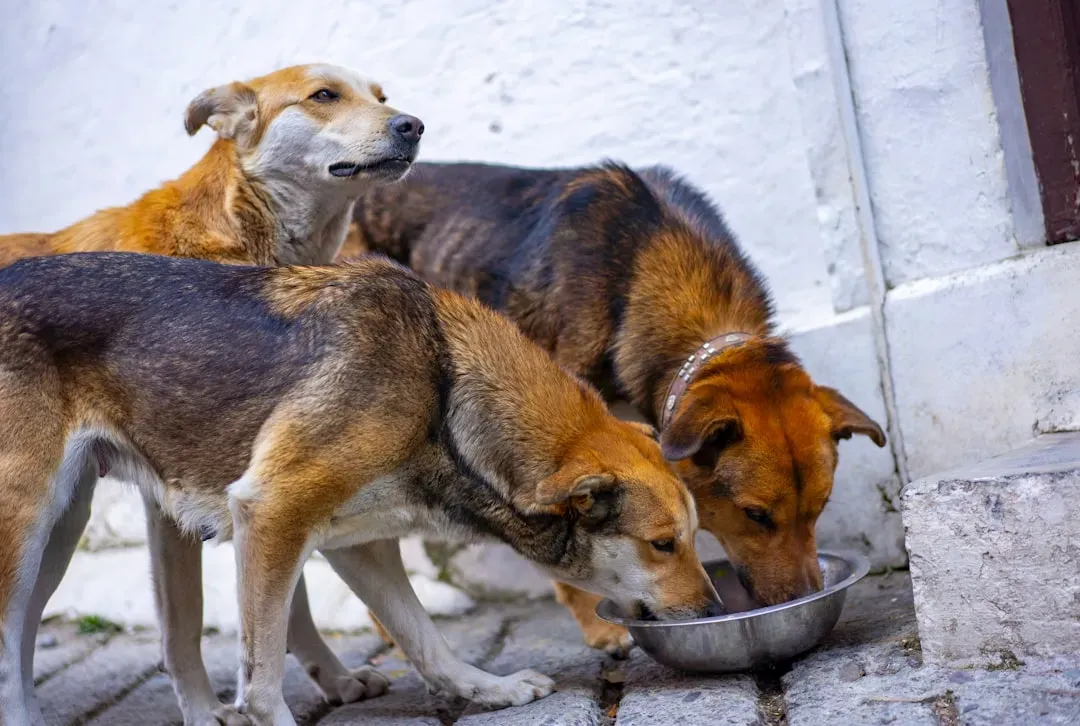
Mealtimes are one of the most overlooked flashpoints in a multi-pet household. When it’s mealtime, feed the resident dog just like usual. Feed your new dog in a different room, so there’s no stress over food. Resource guarding around food is incredibly common, even in dogs that have never shown it before.
Do not feed the dogs next to each other. Put them in separate rooms and close the door or stand between the rooms. Prevent any interactions while preparing food, while they are eating, and immediately afterwards. Pick up food bowls once both dogs have finished eating. This simple habit prevents a huge percentage of new-pet household conflicts.
9. Forgetting to Remove Toys, Bones, and Shared Items
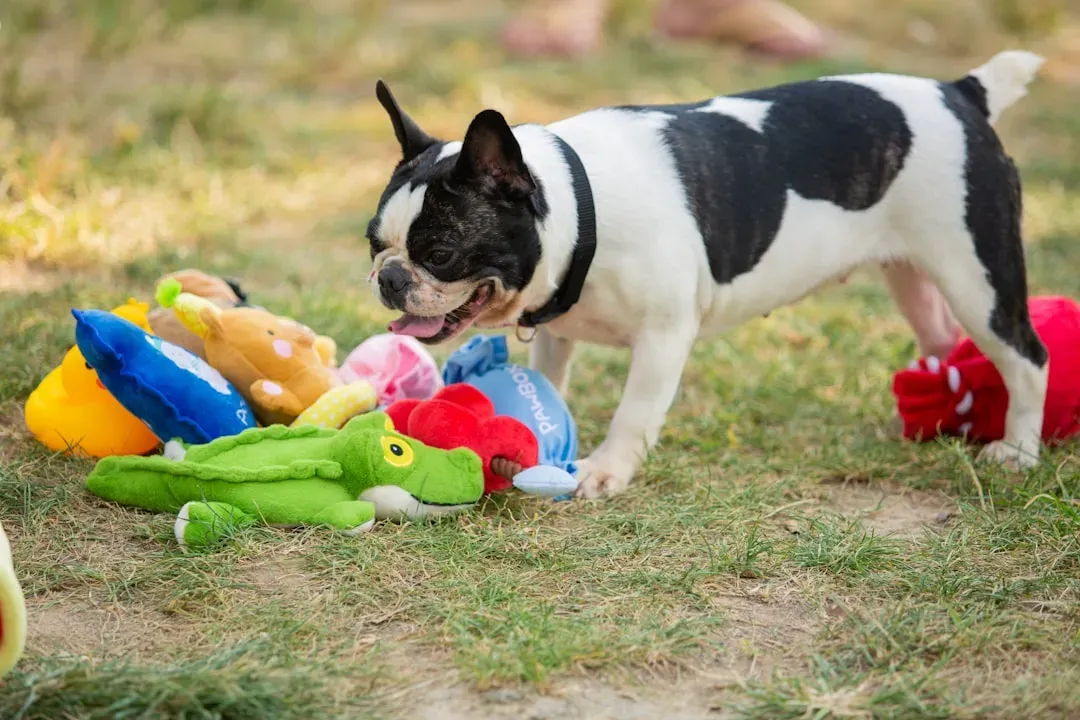
Your resident dog may have never guarded a toy in their life. That can change the moment another animal enters the picture. Prior to bringing your new dog or puppy home, place anything your resident dog might guard in one area. This may include food bowls, bones, beds, and toys. Make sure the new dog has a separate area for all of their items. Even if your pet has never been possessive in the past, it’s best to be cautious and avoid putting the dogs in a position to fight over toys or food.
Pick up all toys, chews and other objects that might cause the dogs to get possessive. These objects can be slowly returned as time goes by, starting with the least interesting. A small inconvenience now saves a potentially nasty situation later.
10. Overwhelming the Resident Dog With Too Much at Once
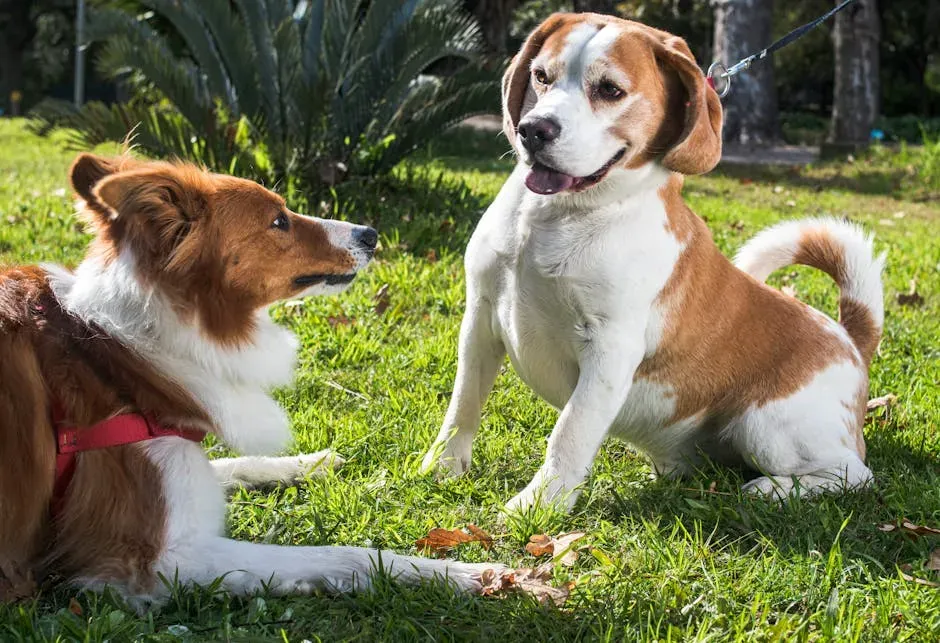
If you have more than one dog already at home, here’s something most people don’t think about. If you have more than one resident dog in your household, it is best to introduce the resident dogs to the new dog one at a time. Two or more resident dogs may have a tendency to “gang up” on the newcomer.
As excited as you are about your new pup, your dog is likely overwhelmed. New sounds, smells, people, and spaces can be a sensory overload that could cause your dog to react defensively. Give your resident dog breathing room too. Their emotional experience through this transition matters just as much as the new pet’s.
11. Neglecting the Resident Dog’s Routine and Attention
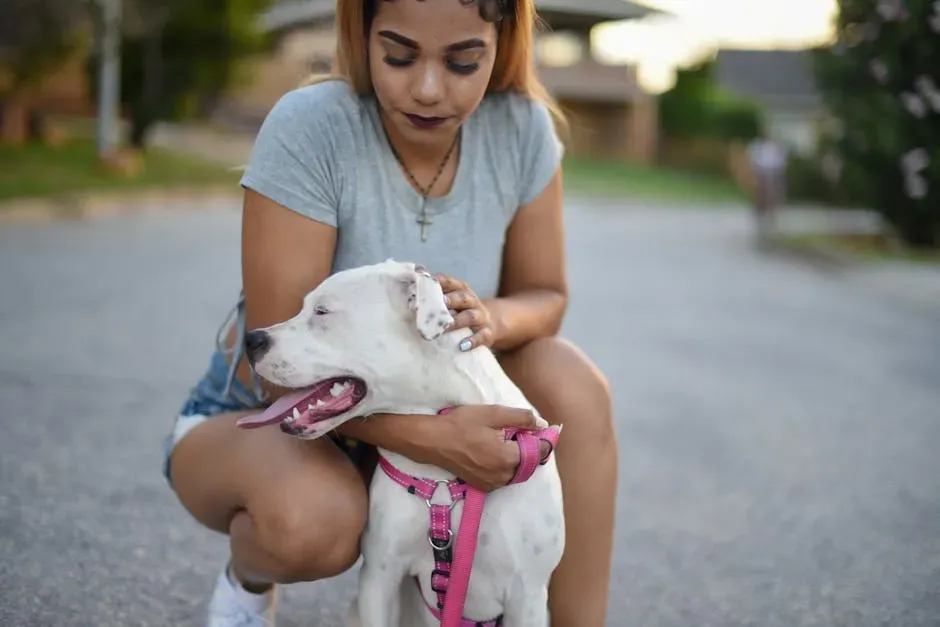
Your existing dog’s world just got rocked. And honestly, they didn’t sign up for this change. Try not to change your resident dog’s routine. Be sure to continue to spend time with your resident dog and praise them whenever the new dog approaches. Consistency is the love language of dogs.
Be sure to give the adult dog some quiet time away from the puppy, and lots of attention when the puppy is around. You are basically saying to your current dog that they get more attention when the puppy is around and should be happy with the puppy’s presence. It’s a brilliant little psychological trick that actually works wonders over time.
12. Expecting Everything to Be Perfect Right Away
Every dog is different. Some settle in quickly. Others take weeks or even months to feel secure. Expect setbacks, and be ready to adjust your expectations. Letting go of that ideal movie-moment where the two dogs immediately become best friends will save you a lot of frustration.
These mistakes don’t come from laziness, lack of intelligence, or lack of love. They’re simply assumptions people often make when new to the world of dog behavior. Once owners understand how dogs think and learn, things get easier fast. A little education up front can save months of frustration and create a smoother, happier relationship from day one. And if things really aren’t progressing, contact a professional animal behaviorist immediately. Dogs can be severely injured in fights, and the longer the problem continues, the harder it can be to resolve. Conflicts between dogs in the same family can often be resolved with professional help.
Final Thoughts: Slow Down and Trust the Process
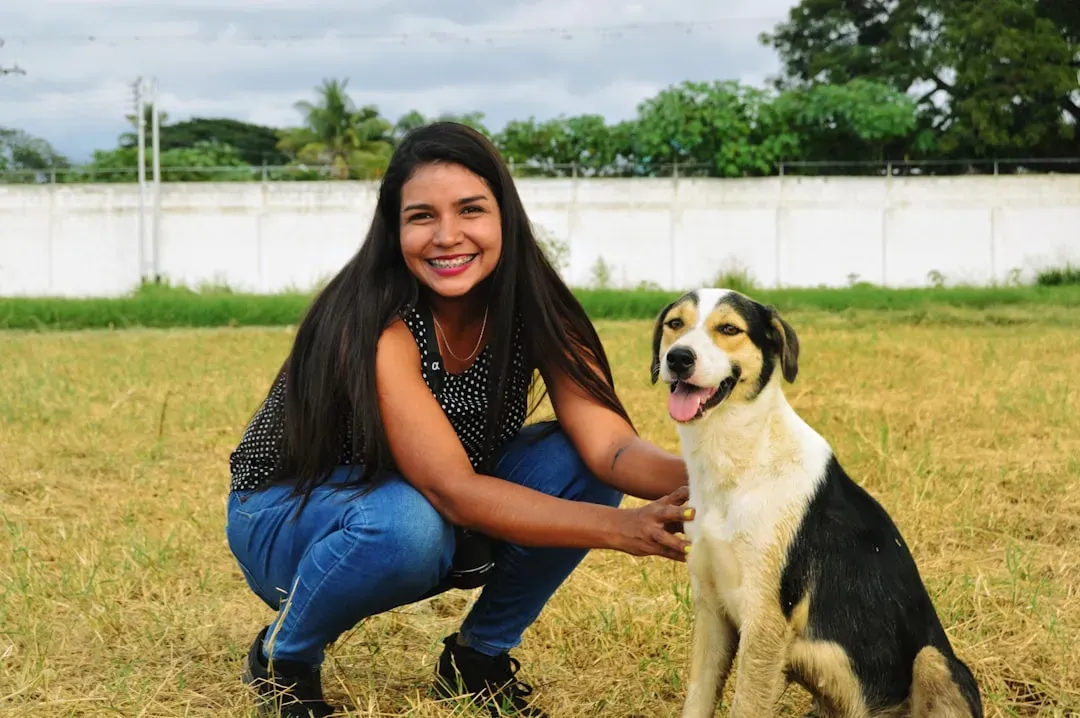
Bringing a new pet home is one of the most generous things a dog lover can do. More love, more life, more chaos – and honestly, more joy. The mistakes covered here aren’t signs of failure. They’re signs that you cared enough to learn before it was too late.
The single most powerful thing you can give both your resident dog and your new pet is time. Time to sniff, to adjust, to test boundaries, and to quietly decide that maybe, just maybe, this new arrangement isn’t so bad after all.
Be patient with your dogs. Be patient with yourself. Because the bond that eventually forms between two animals who started out as strangers is one of the most beautiful things you’ll ever witness in your home. What’s the one mistake on this list you wish someone had told you about sooner? Drop your thoughts in the comments – your experience might help another dog lover get it right.