
10 Signs You’re a Good Dog Parent
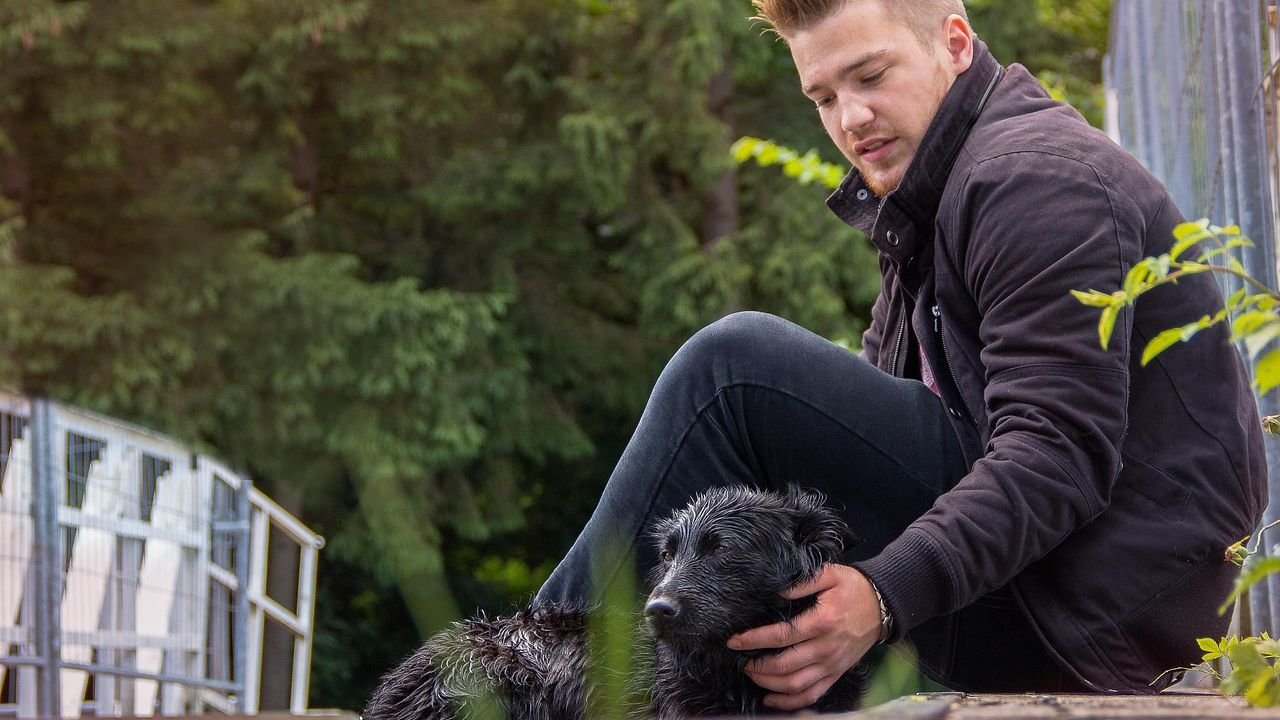
You love your dog. That part is obvious. You share your snacks, your couch, possibly your pillow. But love alone doesn’t quite cover the full picture of what it means to be a truly great . There’s a difference between caring about your dog and caring well for your dog, and honestly, that line matters more than most people realize.
The good news? You might already be doing more right than you think. Let’s dive in.
1. You Keep Up With Regular Vet Visits Without Being Reminded
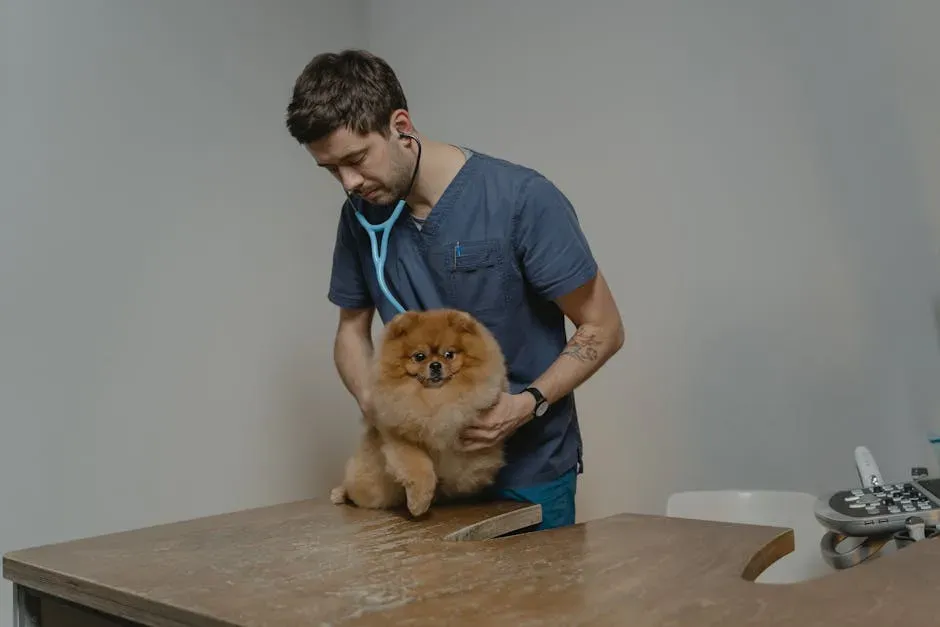
Here’s the thing about dogs: they can’t tell you when something hurts. They’re masters at hiding discomfort, which means a routine vet check isn’t just a box to tick. Preventive care is always better than reactive care, and annual or biannual vet visits can catch potential health issues early. That’s not overthinking it. That’s being proactive.
A great dog parent knows that health comes first, making sure their dog gets regular vet check-ups, stays up-to-date on vaccinations, and eats a balanced diet tailored to their needs. If your vet appointment is already on the calendar before anything seems wrong, you’re doing it right. That’s the sweet spot every dog deserves.
One common mistake is ignoring or dismissing warning signs of illness, such as bad breath, vomiting, weight loss, or skin issues. notices these things and acts. Not panics. Acts.
2. You Know Your Dog’s Body Language Like a Second Language
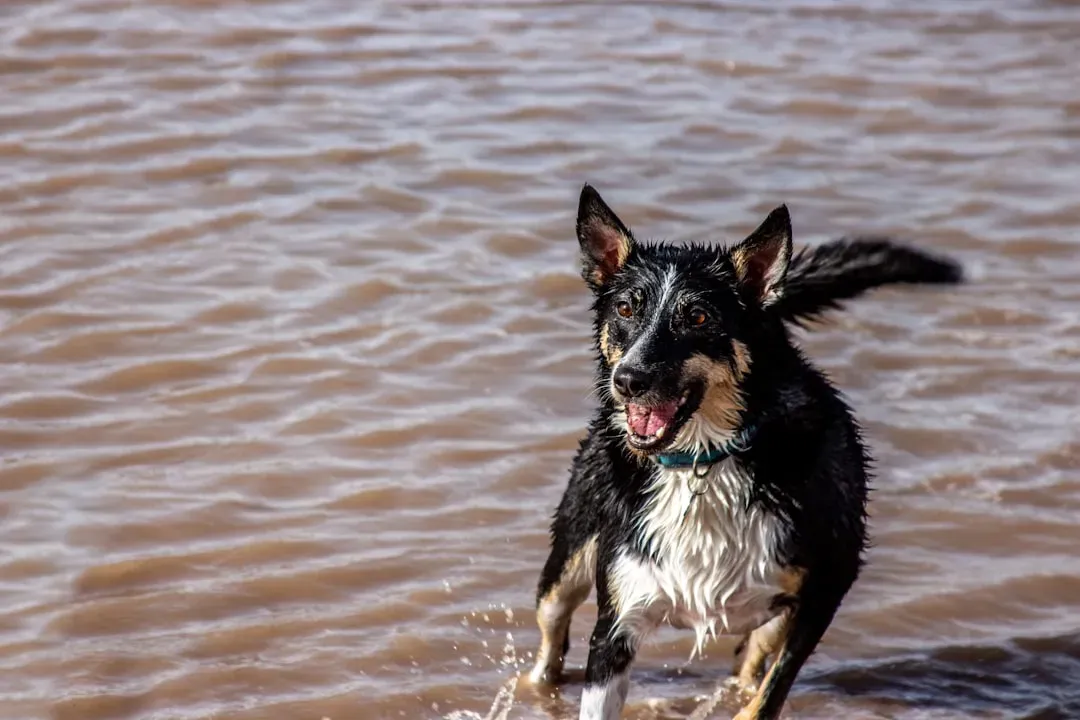
Most people know what a wagging tail means. Fewer people know that a tail wagging to the left can signal anxiety, while a tail wagging to the right usually means genuine happiness. Dogs wag their tails to convey a range of emotions. If your dog wags its tail when they see you, they are probably happy to be in your company. However, tail wagging can mean different things. When a dog wags its tail to the right, it generally means it’s happy, while wagging to the left may indicate anxiety or annoyance.
Dogs often give subtle signals when they’re anxious, tired, or ready for action. Learning to read your dog’s body language, including their ears, tail, and posture, can help prevent unwanted behavior and ensure you’re meeting their needs. Think of it like learning a dialect. Once you’re fluent, your whole relationship changes.
3. You Feed Them Well and Actually Think About Their Nutrition
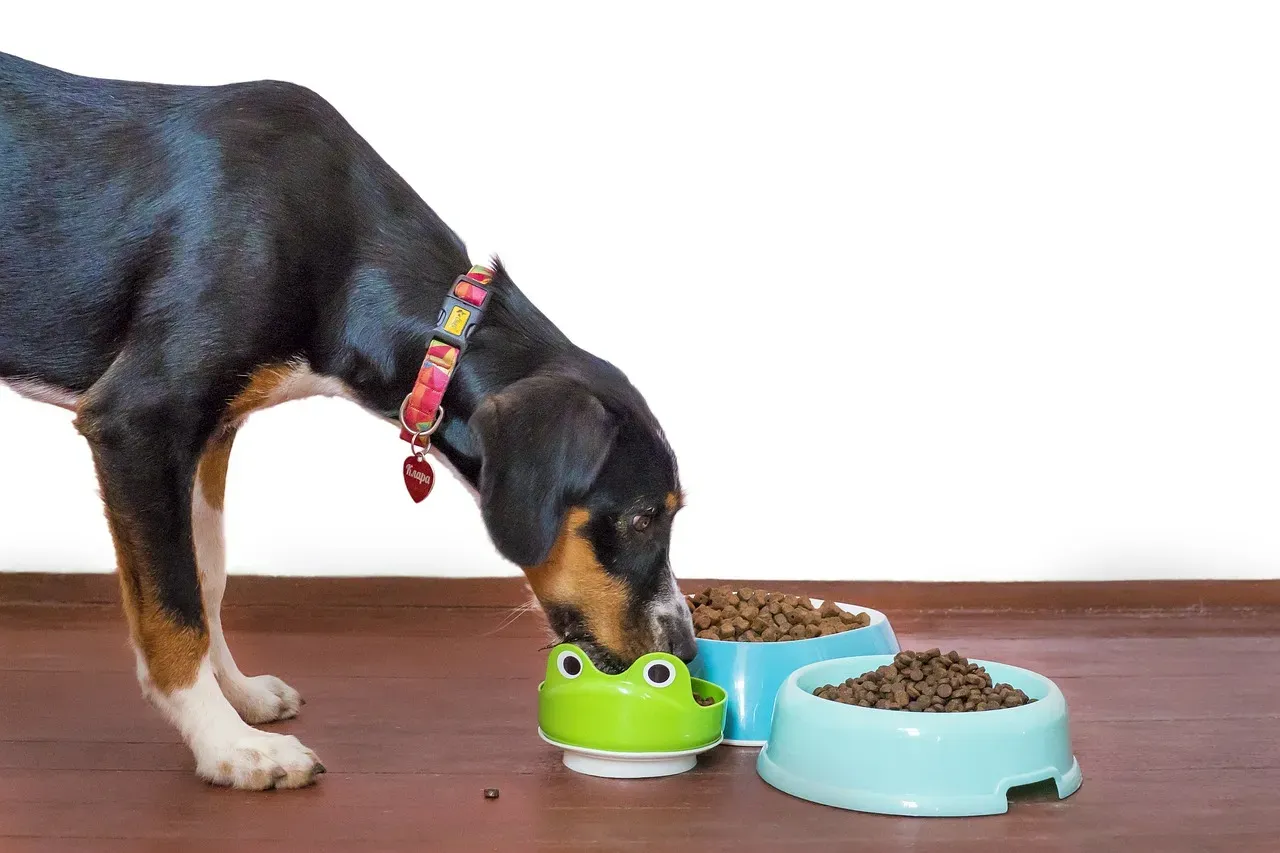
What your dog eats is crucial for their overall health. A balanced diet filled with high-quality ingredients helps support your dog’s energy levels, immune system, and even coat condition. doesn’t just grab the cheapest bag off the shelf. They read labels. They ask their vet questions.
Nutrition plays a pivotal role in your dog’s overall health. Different life stages, different breeds, and different health conditions all call for different nutritional approaches. If you’ve ever adjusted your dog’s food based on age, weight, or a vet’s recommendation, that right there is a sign you’re paying attention in the ways that matter most.
4. You Invest in Training and Actually Follow Through
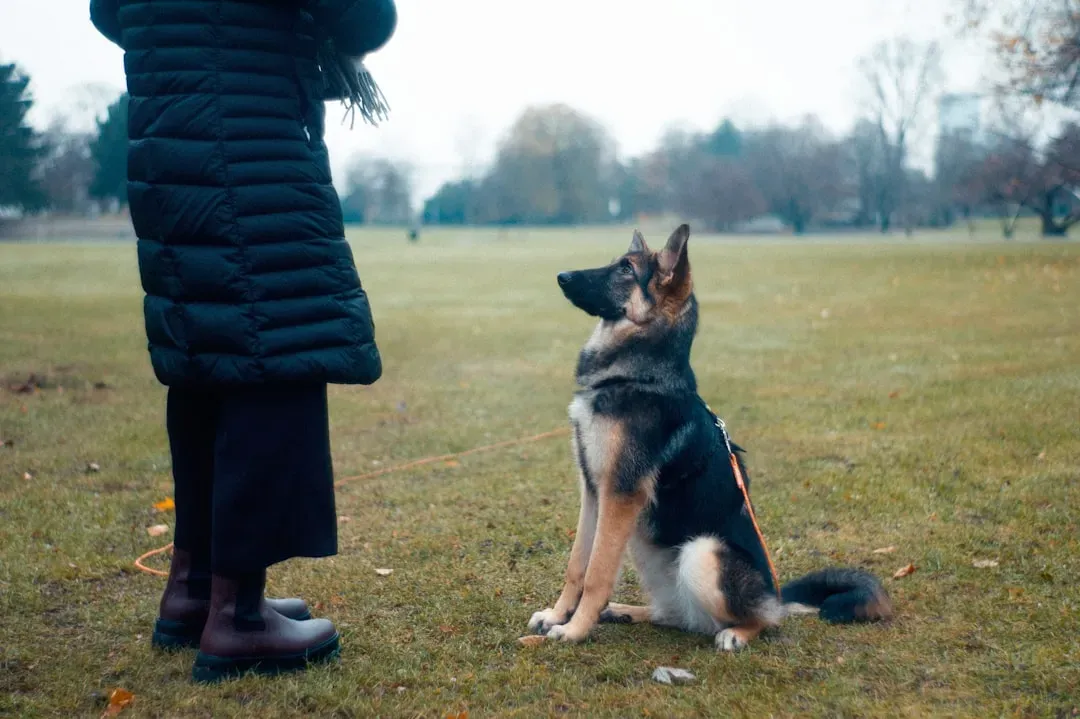
Training your dog isn’t just about teaching them to sit nicely at the dinner table. It’s genuinely one of the most caring things you can do. Teaching a dog to come when called is especially important and can prevent dogs from getting lost or running out into the road. You can also train dogs to help them cope with things, like going to the vet, that they might otherwise find scary.
In 2025, dog training is all about kindness and understanding. Positive reinforcement remains the most effective way to foster good behavior and build trust with your dog. Consistent, kind training also builds confidence in your dog. A dog who understands what’s expected of them is a calmer, happier dog. That’s not a theory. That’s just how it works.
As a responsible pet parent, you should be including dog training in your daily routine. Whether it is making your dog sit before feeding them or having them wait for you to walk through doorways, you can create habits that help keep your pup’s manners sharp.
5. You Prioritize Mental Stimulation, Not Just Physical Exercise
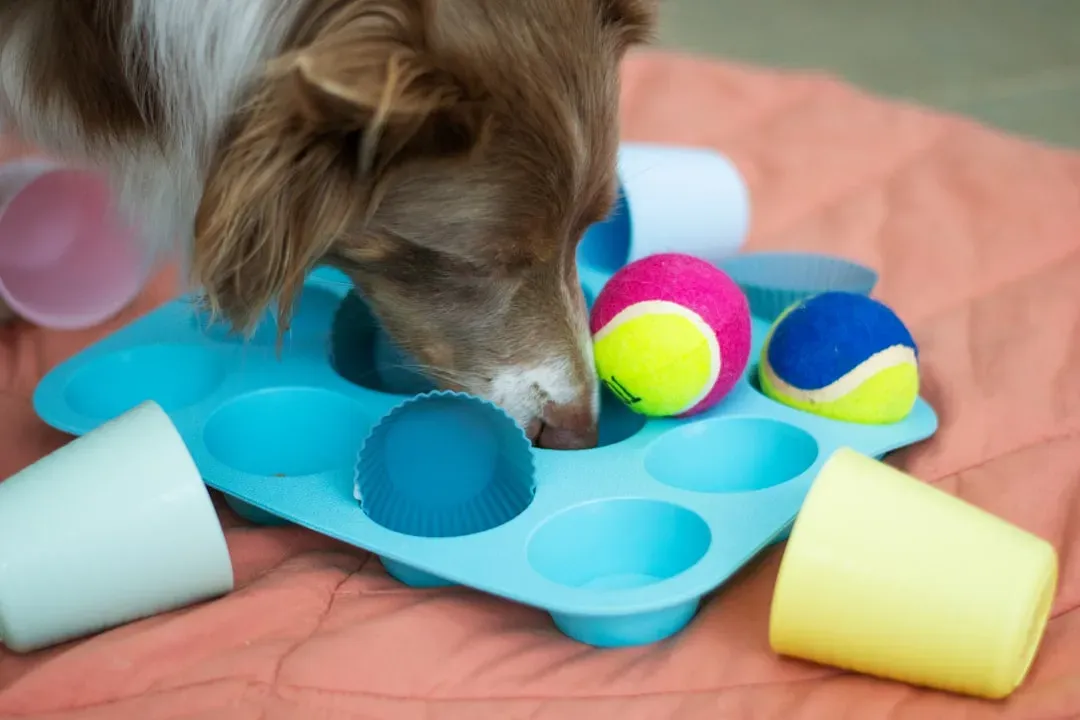
A tired dog is a good dog, right? Physically, yes. Mentally, it’s a whole different story. A bored dog isn’t just restless. They may be at greater risk for anxiety, destructive behavior, and even health issues. Mental stimulation is just as important as daily walks and balanced nutrition.
Physical exercise tires the body, but mental stimulation exhausts the mind. Just fifteen minutes of training or puzzle-solving can tire a dog more than an hour of walking. Puzzle feeders, nose work, learning a new trick, even a sniff-focused walk around the block. These aren’t extras. They’re essentials. Spending time looking for toys that challenge your dog’s brain, like puzzle feeders, and teaching them new tricks to keep their mind sharp, makes for a well-stimulated dog, which is a happy dog.
6. You Socialize Your Dog Thoughtfully and Consistently

Socialization isn’t a one-time event you check off the puppy list and forget about. Socialization isn’t a one-and-done process. Puppies can forget or lose confidence if they aren’t continually exposed to new experiences. Making exposure part of their weekly routine, even after the critical periods, is the better approach.
Great dog parents understand the importance of socializing their dog, whether it’s introducing them to other dogs, new people, or different environments, making sure their pup feels comfortable in social settings. Taking them on trips to the dog park, setting up doggy playdates, or taking them along to outdoor cafés helps them learn to adapt to different situations. The goal isn’t a dog who loves every stranger. The goal is a dog who can navigate the world without fear.
7. You Give Them a Safe, Stable Home Environment
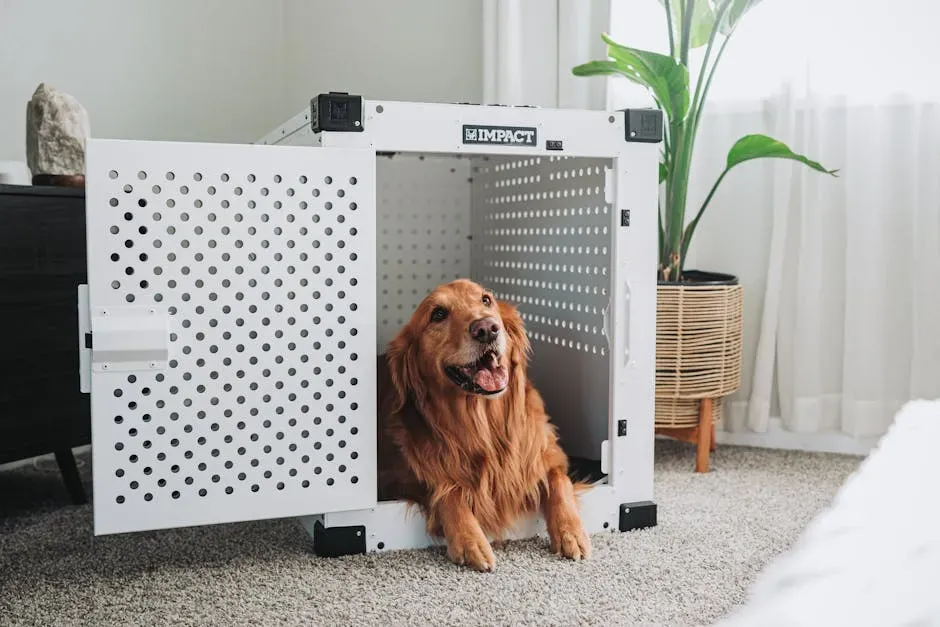
One major sign you’re a great and responsible pet parent is that you provide your furry family member with a safe, secure, and comfortable living space. Pets thrive when they have a stable environment, a true forever home where they can relax, feel protected, and develop healthy routines. Just like humans, pets feel their best when their surroundings support their emotional well-being and overall sense of security.
Creating a routine is an excellent way to be . When dogs know what to expect in their day-to-day lives, they are less likely to be stressed, and they better know what you expect of them. So if possible, waking up, feeding them, letting them outside, going for walks, and going to bed at the same times every day makes a real difference. Predictability is a gift you give your dog every single day.
8. You Notice When Something Feels “Off” and You Act On It
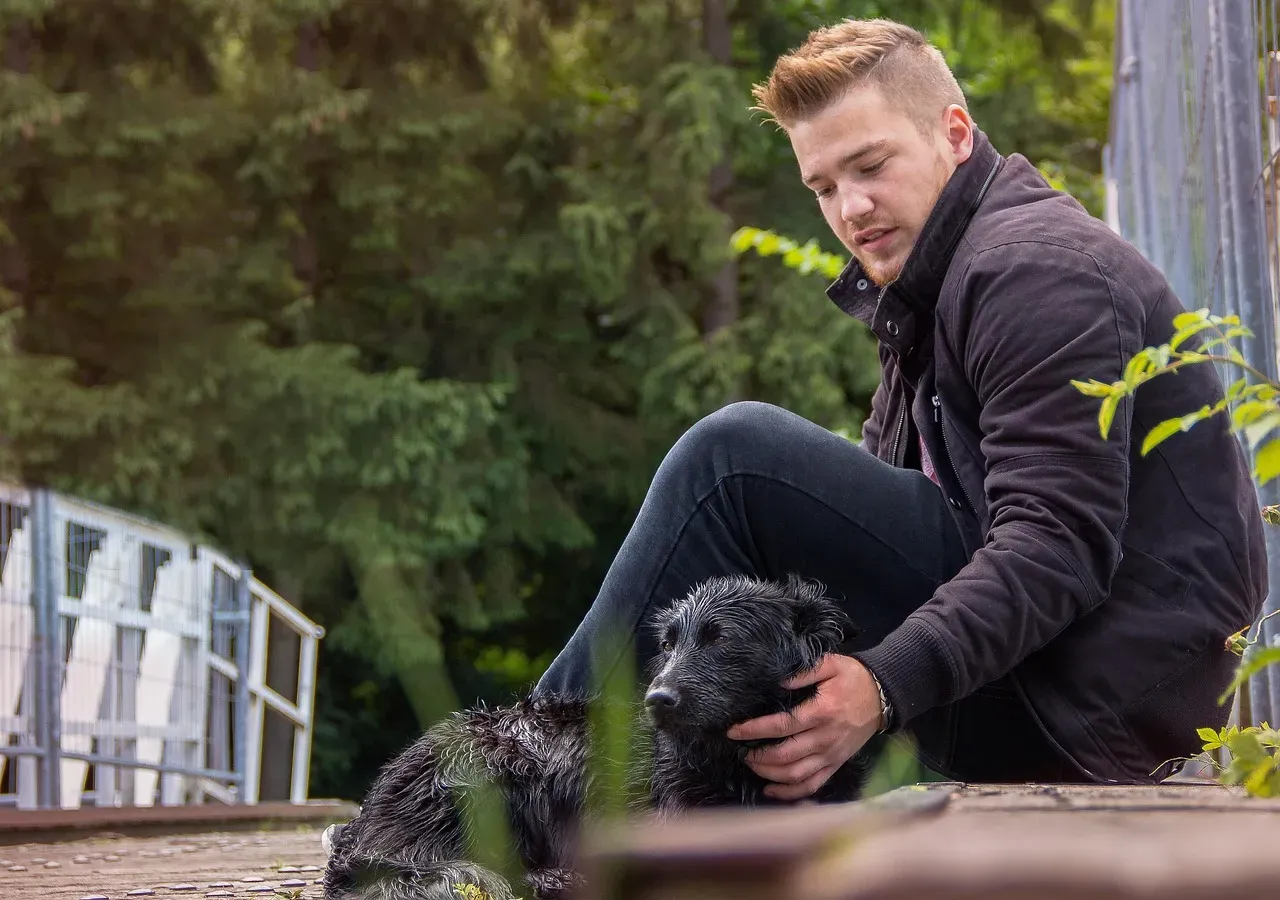
There’s something quietly powerful about a dog owner who just knows when their dog isn’t themselves. Getting to know your furry friend and spending time with them can provide a lot of insight into their behavior, which also makes it easier to spot signs of sickness. It’s not magic. It’s attention built over time, through daily walks, play sessions, and quiet evenings on the couch.
Being mindful of stress triggers and providing a calm, secure environment is important. Signs of anxiety or stress include excessive barking, destructive behavior, or excessive licking. If you notice these signs, it may be time to adjust your routine or seek professional help. Catching things early, whether it’s behavioral or physical, is one of the most underrated signs of a loving, attentive dog parent.
9. You Respect Your Dog’s Boundaries and Individual Personality

Let’s be real: not every dog is a social butterfly, and not every dog wants to be smothered in cuddles. Each dog is unique, and their ways of expressing love can vary. Paying attention to your dog’s individual behavior and cues deepens your bond and understanding of their affectionate nature. Respecting those differences isn’t giving up. It’s actually profound emotional intelligence.
Just like humans, dogs have personal space. Being mindful of their comfort zones, especially in social situations, is key to maintaining a healthy and respectful relationship. A dog who feels respected is a dog who trusts you. If your dog wants to lean on or sit with you, it’s important to let them come to you on their terms and not force them. That kind of understanding is something special.
10. You Keep Learning and Never Assume You Know It All

Honestly, this might be the most important sign of all. Responsible pet ownership involves a commitment to continuous education and knowledge about pet care. While it’s not required to become a certified animal behaviorist, investing time in research is certainly beneficial. No matter your experience level with pets, there is always new information to discover.
Every pet is an individual, and different dog breeds have specific health risks and personality traits that are important to know. Different breeds have different amounts of energy, health risks, and behavioral traits, and when owners take the time to learn these details, they can better provide the right exercise, diet, stimulation, and vet care for their companion. The fact that you’re reading this article right now? That’s the sign. Curiosity about how to do better is the hallmark of a truly great dog parent.
The Bottom Line: Good Dog Parenting Is a Practice, Not a Destination
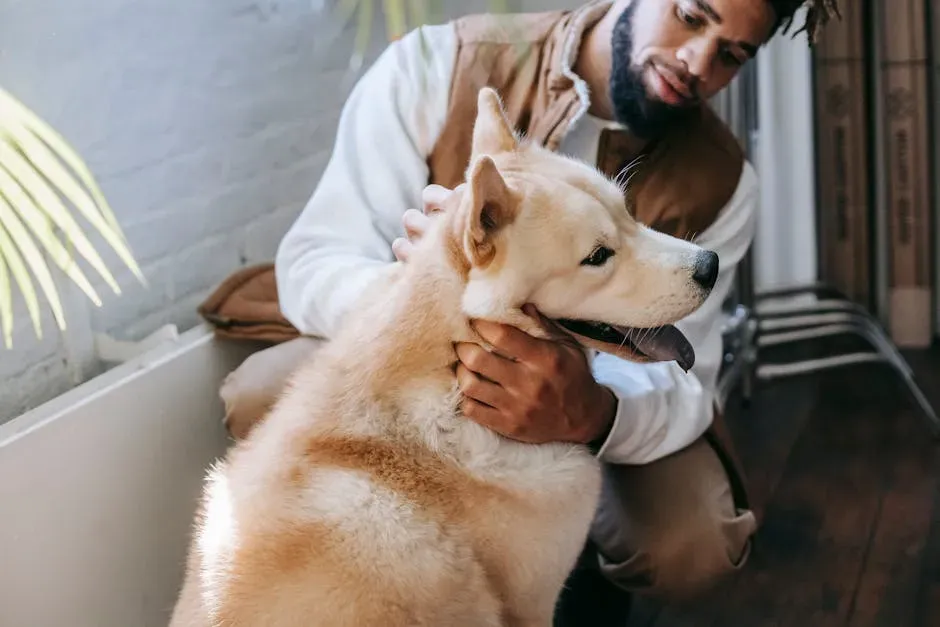
Nobody gets it perfect every single day. Some days you forget the vet appointment reminder. Some evenings the walk is shorter than planned. Life happens. But being a great dog parent isn’t about being perfect. It’s about being present, attentive, and full of love, meeting your dog’s physical and emotional needs and ensuring they feel safe and happy. That intention makes all the difference.
Your dog doesn’t need you to be flawless. They need you to show up, pay attention, and keep caring deeply. Your dog needs your sustained commitment more than they need perfection. Keep investing in that bond, keep learning, and keep showing up. The tail wags and warm eyes your dog gives you in return? That’s all the confirmation you’ll ever need.
What sign resonated most with you today? Share your thoughts in the comments below and tell us what kind of dog parent you’re working on becoming.