
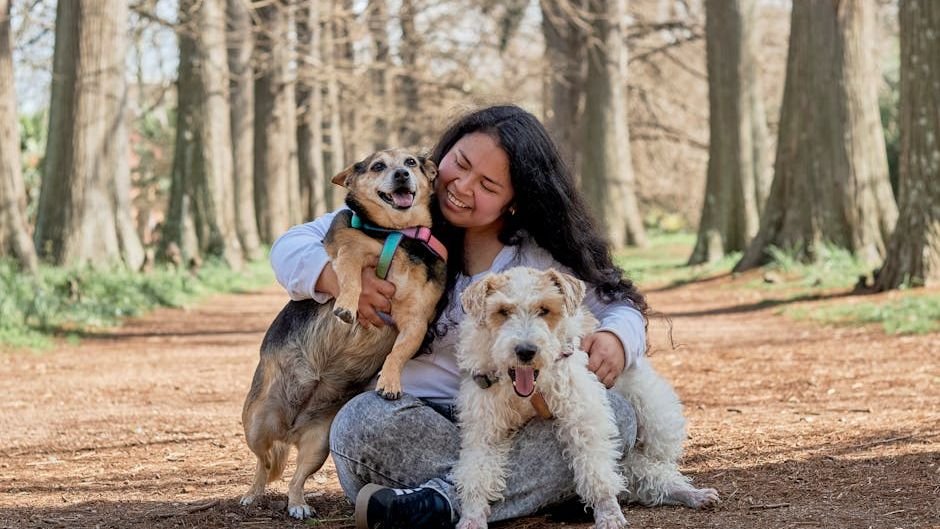
You might call yourself a dog “owner,” but let’s be real – your dog almost certainly sees you as something much more than that. Not a boss. Not just a food dispenser. Something warmer, deeper, and far more meaningful. Science is now backing up what dog lovers have felt in their bones for centuries: that the bond between a dog and their human is strikingly similar to the one between a parent and their child.
Research conducted by scientists at the University of Veterinary Medicine in Vienna revealed that the bond uniting dogs and their owners shares striking similarities with the bond found among parents and their children. Honestly, that’s not just heartwarming – it’s revolutionary. So if your dog follows you into every room, gazes into your eyes, or melts against your leg after a long day, there may be a very specific reason for all of that. Let’s dive in.
Sign 1: Your Dog Uses You as Their Safe Base
Think of the last time you took your dog somewhere new – a park, a vet’s office, or even just a friend’s backyard. Did they keep glancing back at you before exploring? That small, quiet look is actually one of the most powerful signals of parental bonding in the animal world.
This attachment, sometimes called “secure-base behavior,” means dogs feel braver and more confident exploring the world when their human is near. It mirrors exactly what human infants do with their parents. Research at the University of Veterinary Medicine in Vienna traced this bonding back to what’s known as the “secure base effect,” which plays a fundamental role in parent-child bonding.
You, the owner, need to provide a secure base from which your dog can explore their environment, but at the same time, you need to act as a safe haven to return to when your dog faces danger. So the next time your pup sprints ahead on a trail and then dashes back to check on you, know that you’re not just their companion – you’re their anchor.
Sign 2: They Sleep Near You or at Your Feet

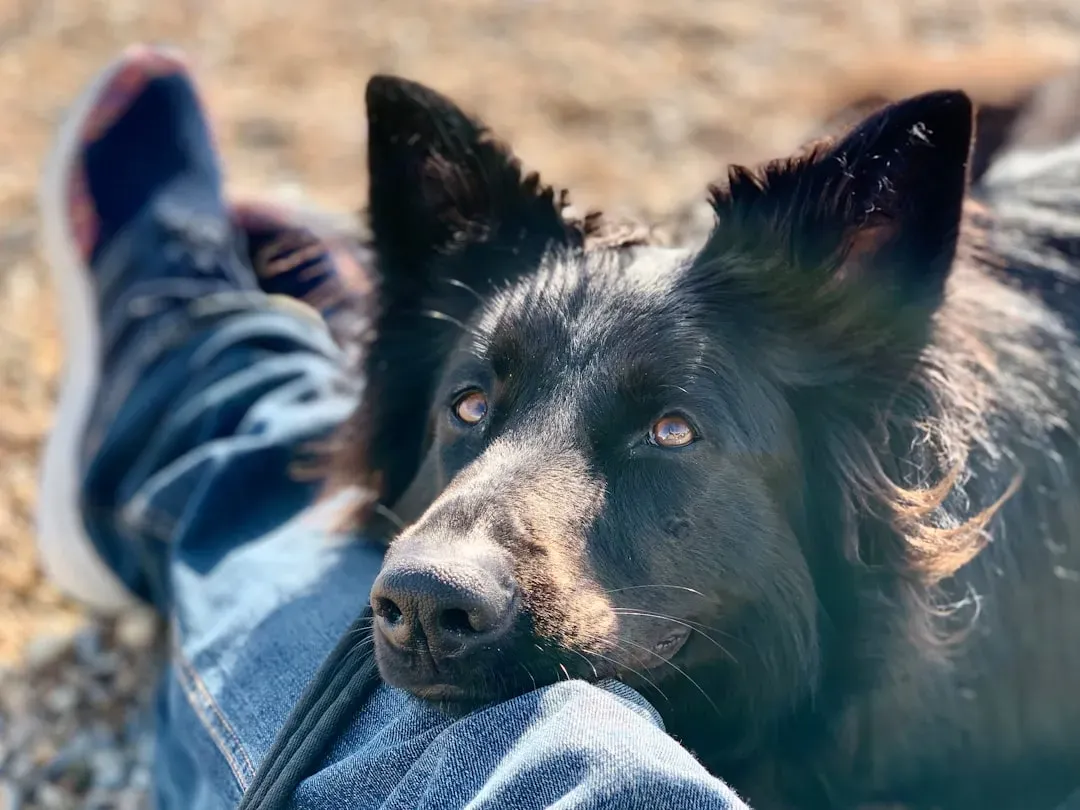
There’s something quietly magical about a dog choosing to curl up at the foot of your bed or press against your legs while you sleep. It feels like trust in its purest form. That’s because it genuinely is.
One of the strongest indicators that your dog considers you a parental figure is where they choose to sleep. This behavior is rooted in instinct and emotion: in the wild, dogs and wolves sleep close for warmth and security, and dogs today retain that pack mindset, with sleeping near you mimicking the childhood instinct of staying close to a mother.
Dogs tend to sleep near those they trust most, especially during uncertain times like thunderstorms, travel, or illness. The Human Animal Bond Research Institute says that humans also benefit from co-sleeping with pets, as it can increase feelings of security and reduce loneliness. So honestly, this one is a win for both of you.
Sign 3: They Mirror Your Emotions and Moods
Here’s something that might surprise you: your dog is quietly studying you, almost all the time. Your tone, your posture, even the chemicals your body releases when you’re stressed – they’re picking up on all of it. It’s less like living with a pet and more like living with a tiny, furry empath.
Dogs watch their humans closely, looking for emotional cues, and often mirror their owners’ moods. An angry or anxious owner may inadvertently cause stress behaviors in their pet. As your bond with your dog grows stronger, they begin to pick up on your body language and personality traits – if you’re an overly anxious person, your pup may start exhibiting similar anxious behaviors.
This emotional mirroring is a deeply parental dynamic. Dogs with strong emotional attachments will be very in tune with their pet parent’s emotions – they can pick up on feelings of anxiety or sadness and will try to provide comfort by nuzzling or licking your face. If your dog has ever come to you on a hard day without being called, that moment was real.
Sign 4: They Bring You Gifts and Seek Your Approval
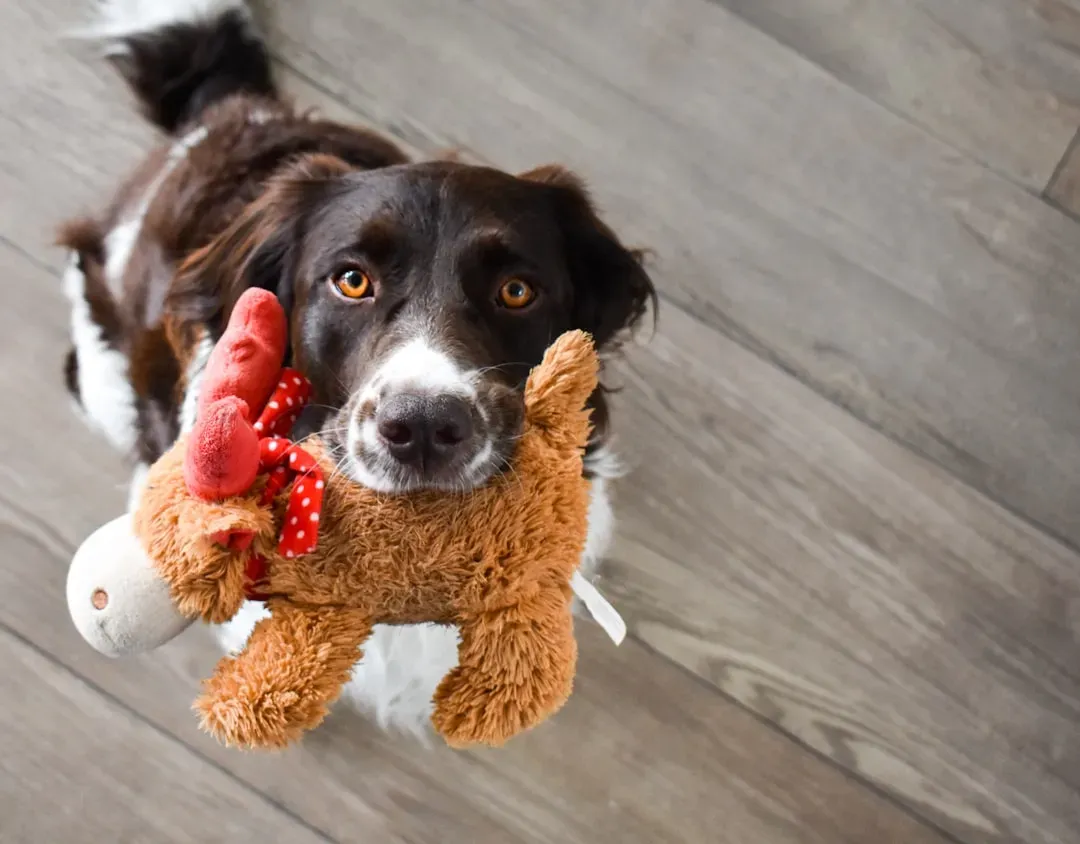
Has your dog ever trotted up to you proudly with a sock, a toy, or even a random stick from the garden? It might look silly, but that little ritual carries a lot of emotional weight. It’s not random. It’s relational.
When dogs bring you toys, they are often doing more than inviting you to play. Toy offerings can serve multiple functions: a social gesture to reinforce bonding, a play solicitation, or even a form of self-regulation during moments of high excitement or stress. When your dog presents you with a thoughtful gift, like a stick or their favorite toy, it’s a heartwarming display of affection and clear recognition that they view you as their cherished parent. In the canine world, this behavior is akin to offering a token of appreciation and trust.
Think of it like a toddler running to show their parent a drawing – the approval matters more than the object itself. Dogs that gaze into your eyes or lean against you are demonstrating affection and trust, much like a child seeks a parent’s attention and approval. These gestures may be small, but they are saying everything.
Sign 5: They Check on You Constantly
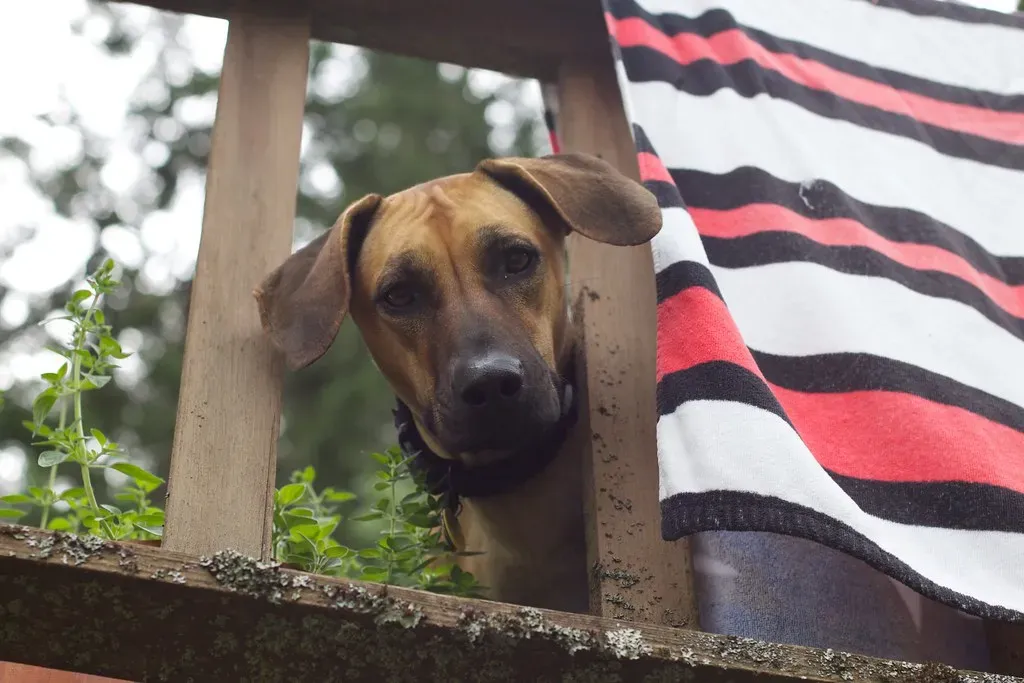
Ever notice your dog peeking around the corner while you’re on a work call? Or quietly padding into the kitchen just to confirm you’re still there? It sounds a little clingy, I know. But in many cases, it’s one of the sweetest signs of parental bonding you’ll ever witness.
When your dog constantly checks on you and pops into rooms, it’s a clear indication of the strong attachment they have with you as their parental figure. Just like children seek help or guidance from their parents when dealing with certain situations, dogs also turn to those they see as their “parents” for assistance or direction. When they feel uneasy or anxious, like during a thunderstorm, they may come to you for comfort and protection.
It’s worth noting that not all check-in behavior is healthy. Constant clinginess – especially if it is new behavior – might signal something more serious, like illness or separation anxiety. So pay attention to the quality of those check-ins: relaxed curiosity is beautiful, but distress is a cue to get some support.
Sign 6: They Make Soft, Sustained Eye Contact With You
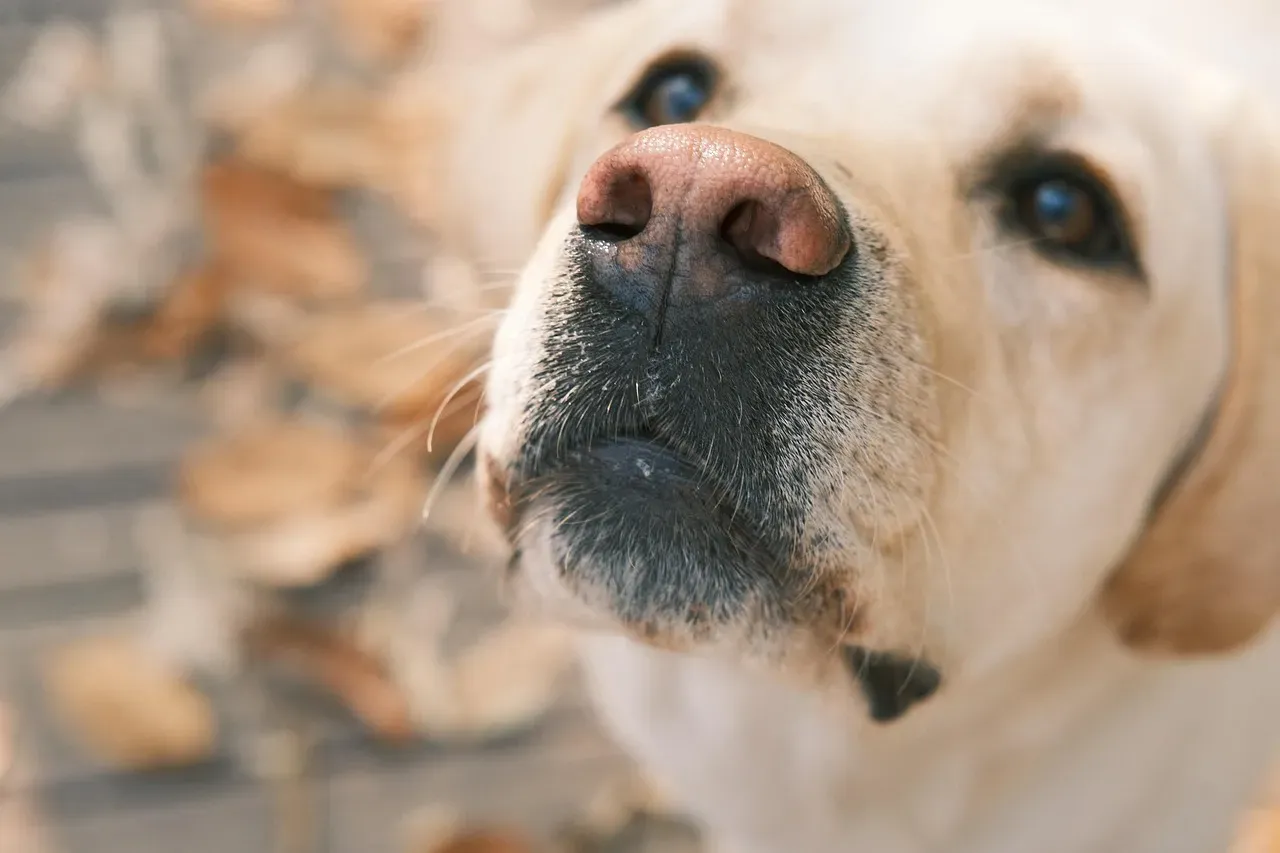
Lock eyes with your dog for a quiet moment sometime today. Really look. If they hold your gaze with soft, relaxed eyes – not tense or anxious – what you’re experiencing is one of the most scientifically fascinating forms of bonding in the animal kingdom.
Studies have found that mutual gazing between dogs and their owners triggered a measurable rise in oxytocin in both species. Oxytocin, often called the “love hormone,” is normally released between mothers and infants and romantic partners. That’s not a metaphor. That’s biology confirming what you already feel.
Dogs can’t talk to us; they communicate through body language. They make deep eye contact with their favorite person to show how much they care, and locking eyes between you and your dog can trigger the release of oxytocin – a hormone often associated with love and bonding – in both of you. Research shows that the pet dog-human caretaker bond may be functionally and emotionally similar to the bond between a human parent and their child. That gaze is where it all begins.
Conclusion: You’re More Than an Owner – You’re Their World
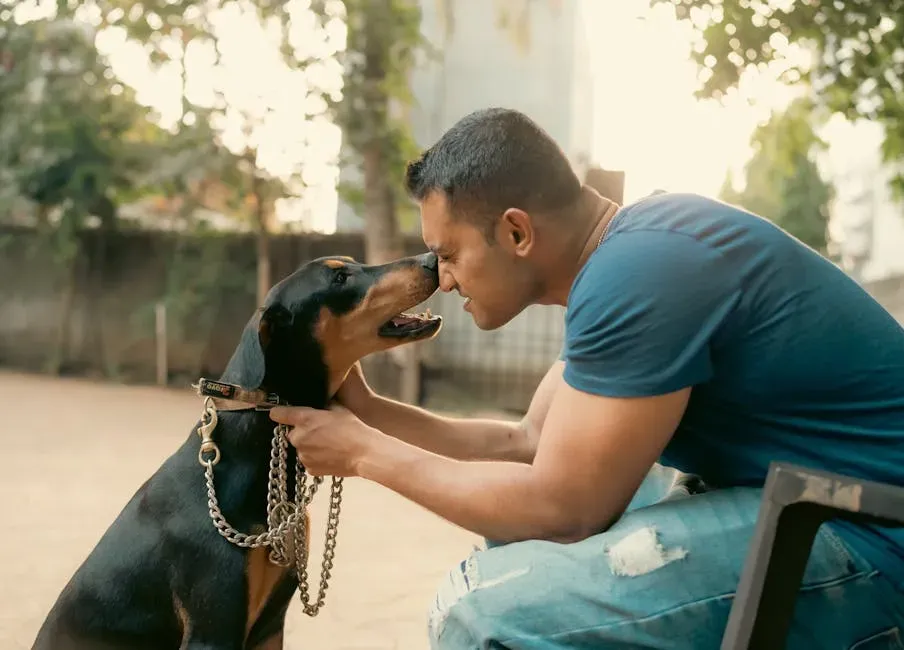
Here’s the thing – your dog doesn’t need a birth certificate to call you family. While dogs don’t “see” us as their biological parents, they do develop family-like attachments. The science is clear, and honestly, so is your dog’s behavior every single day.
Recognizing that your dog may view you as a parent can help strengthen your bond and support better training and communication. Dogs that feel secure and loved are more likely to be emotionally balanced and responsive to guidance. That means every moment of warmth you offer your dog is building something real inside them.
So the next time your dog follows you into the bathroom, drops a sock at your feet, or rests their head on your lap after a rough day – they’re not just being a dog. They’re being yours. Completely and unconditionally. Does that change how you see them? Tell us in the comments – we’d love to know.


