
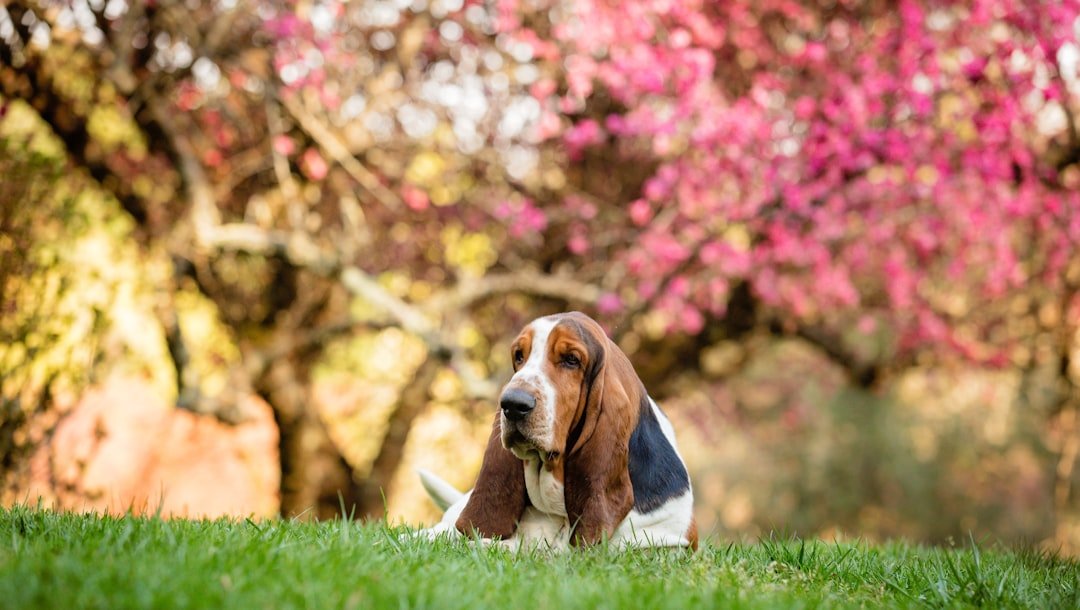
You call your dog’s name. Nothing. You say it again, maybe a little louder. Still nothing. Your dog glances at you with those melting eyes, then casually trots off in the opposite direction. Sound familiar? If you’ve ever felt like you were negotiating with a furry, four-legged toddler who simply refuses to cooperate, you’re not alone, and honestly, you’re not failing as a dog owner either.
Some dogs act like they came pre-installed with “sit” and “stay.” Others hear the same words, look you dead in the eye, and go right back to whatever they were doing. A lot of that isn’t “bad” behavior – it’s breeding. These dogs were built to work independently, follow their nose, or guard on their own judgment, not wait for every little instruction. Knowing which breeds carry this independent streak is the first step to understanding your dog, rather than constantly fighting them. Let’s dive in.
1. Siberian Husky: The Drama Queen of Disobedience
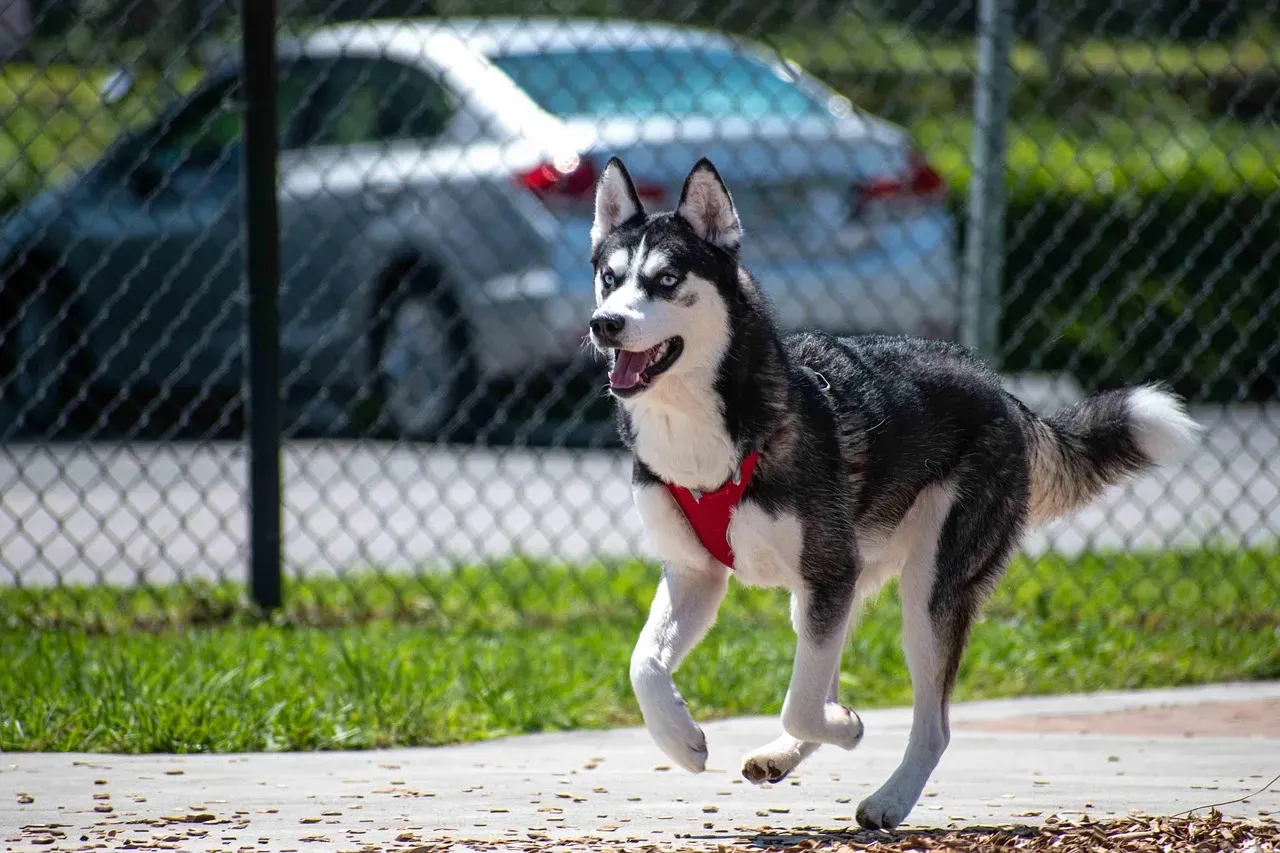
Let’s be real, few dogs make stubbornness look as gorgeous as a Husky does. Huskies are smart enough to know what you’re asking and bold enough not to care. They were bred to run in harness, follow the trail and the team, and make decisions in bad weather, not heel perfectly next to a stroller. When your Husky decides to drag you down the sidewalk mid-walk, just know it’s not personal. It’s deeply historical.
They were originally bred to run for miles on end in frozen tundra, and their souls are still born to run – for hours. Without enough exercise, they will quickly become destructive. Think of it this way: if you locked a marathon runner in a studio apartment and expected them to sit calmly all day, you’d get chaos too. Known for their striking appearance, Siberian Huskies have extremely high stubbornness levels. They are also energetic and have very short attention spans, making it extremely challenging to train them. They have the constant urge to escape the restricted territory, making them an ideal pet for experienced owners only.
2. Beagle: The Nose Knows, and It Doesn’t Care About “Come”
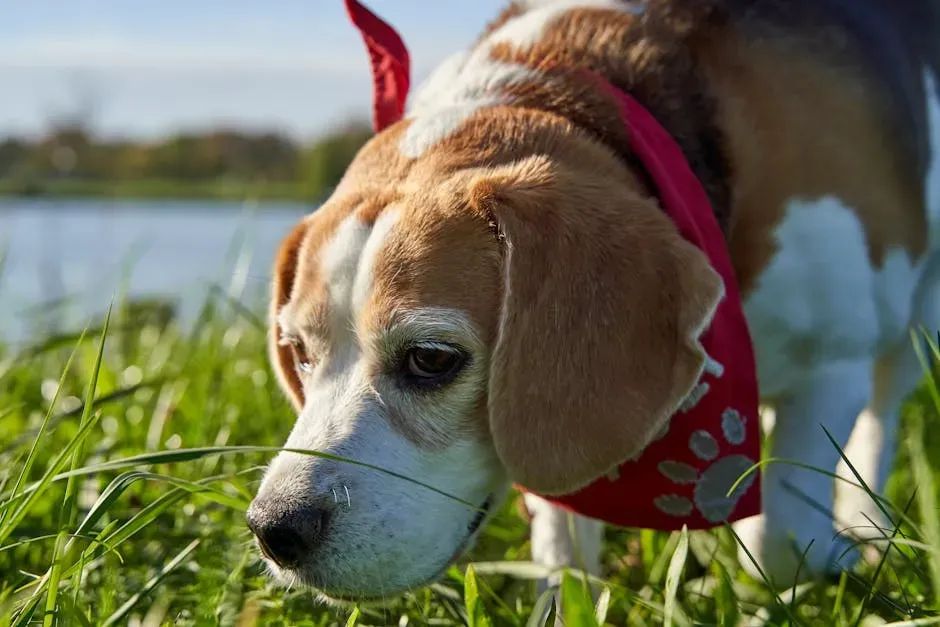
No one would think of this sweet and affectionate breed as stubborn. But yes, Beagles are highly stubborn, apart from being friendly, playful, and curious. They have a strange trait of running into anything they find adventurous and ignoring commands. Picture this: you’re at the park, your Beagle locks onto a scent trail, and suddenly your recall command might as well be broadcast on mute.
Like bloodhounds, Beagles love following their noses, which can sometimes get them into trouble. Traditionally, Beagles were used for hunting, mainly for relatively small game like rabbits and foxes, but also for tracking larger prey. That nose is their superpower, and it’s also their excuse for ignoring you completely. Consistency, positive reinforcement, and scent-based exercises are key to harnessing their attention and curbing stubborn behavior. Despite their mischievous streak, Beagles remain cheerful, loyal, and full of heart.
3. Shiba Inu: Small Dog, Enormous Ego
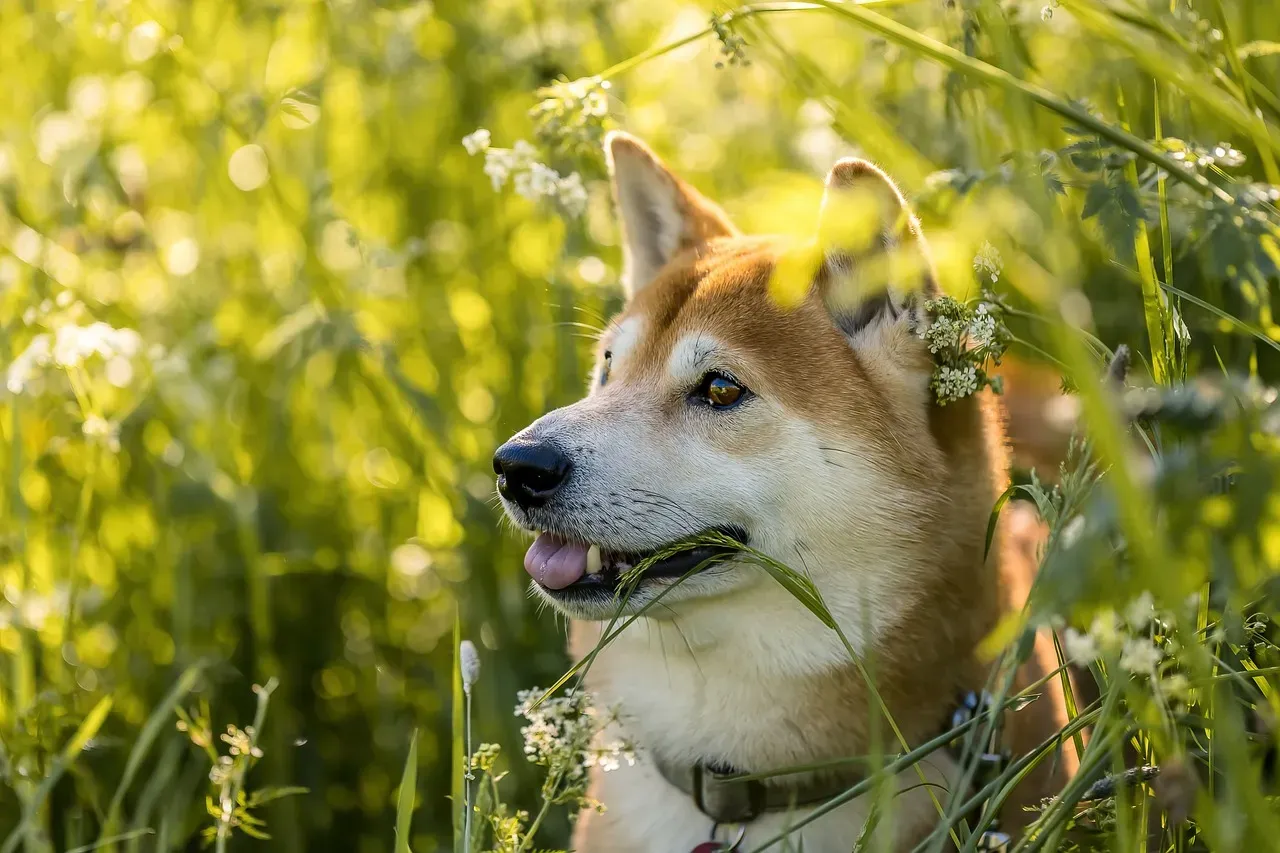
Honestly, if any dog breed could write its own rulebook and hand it to you on arrival, it would be the Shiba Inu. Ah, the Shiba Inu – Japan’s gift to stubborn dog breeds. These fox-like fluffballs are masters of ignoring owner commands while giving you that smug “I know better” stare. The Shiba Inu isn’t being rude. It simply has priorities, and you are not always at the top of the list.
Shibas are fully capable of learning commands. They just see no reason to follow them if the payoff isn’t high enough. They’re independent, sharp, and more interested in controlling their own day than listening to you run through obedience drills. The fix? Make the reward irresistible. Regular exercise, mental stimulation, and structured playtime keep their minds from plotting escape plans.
4. Basset Hound: Born to Take Things Slow (Including Commands)
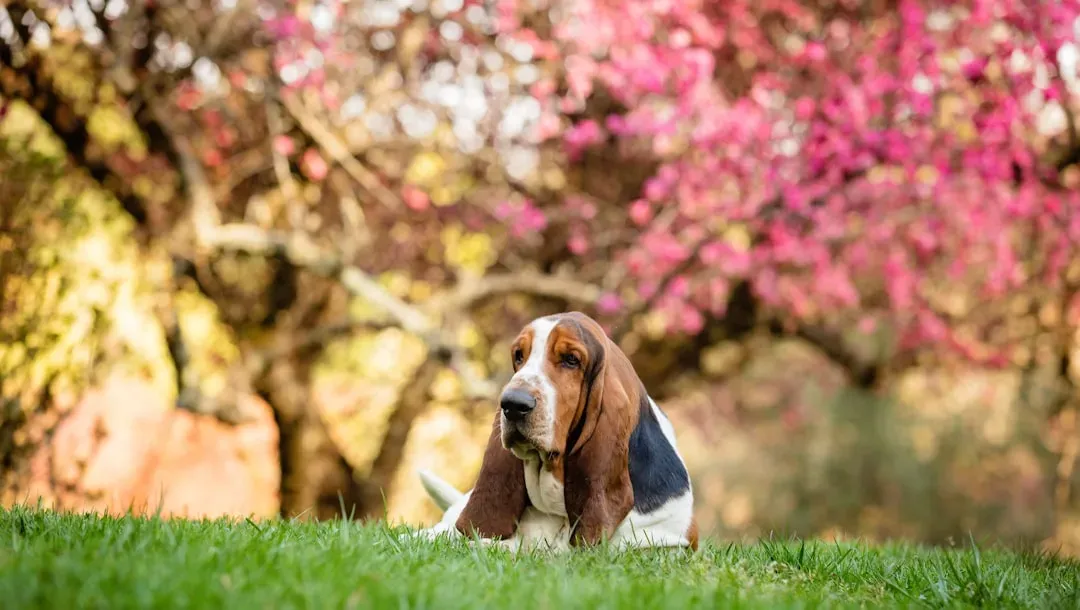
There is something almost poetic about a dog who simply refuses to be rushed. Basset Hounds are masters of the slow life – stubborn, droopy, and dedicated to ignoring commands when it suits them. Speedy obedience isn’t in their vocabulary. Their powerful sense of smell often overrides training efforts. Imagine calling your dog to come inside, and they look at you, sniff the air once more, and then flop down dramatically as if you’ve asked the impossible.
The ASPCA suggests training should begin as early as possible for a Basset Hound because of how naturally stubborn these canines are. Short sessions work best, and treats are your greatest ally. Their independent streak, combined with a nose that seems to have a mind of its own, often leads them astray during obedience sessions. They’re slow learners and notably challenging to housebreak, so early training and consistency are crucial.
5. Afghan Hound: Too Elegant to Follow Instructions
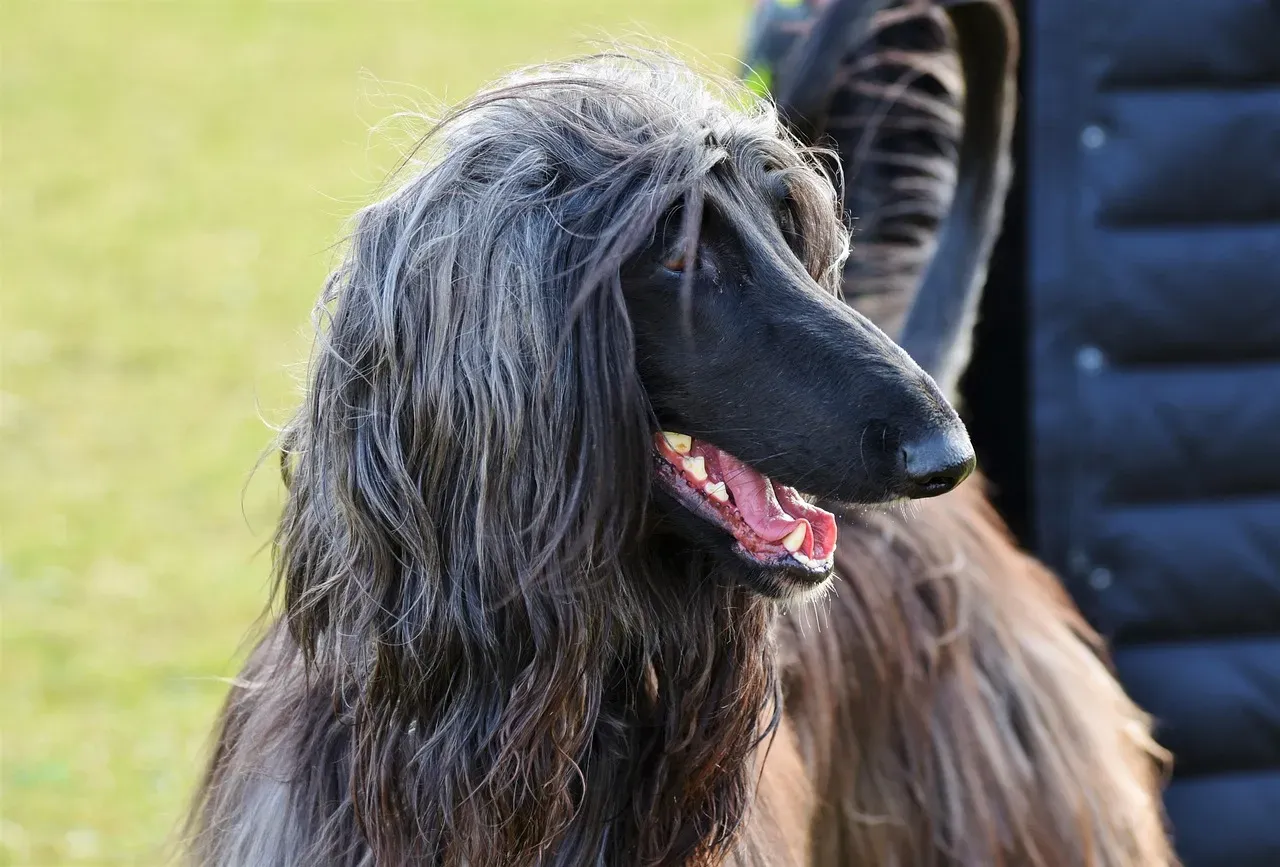
The Afghan Hound is basically the supermodel of the dog world – stunning to look at, but don’t expect it to follow your every command. This is a breed that operates on its own timeline, its own terms, and absolutely its own aesthetic. You ask for a “sit.” The Afghan Hound gives you a graceful, aloof stare, as if the very request was beneath them.
Afghan Hounds have strong prey drives inherited from their hunting ancestry, which can easily distract them during training sessions. Instead of focusing on commands, they may chase after moving objects or small animals, showing their instinctive side over obedience. Despite their reputation for stubbornness, Afghan Hounds are highly intelligent and sensitive. Their apparent disobedience stems more from self-reliance than lack of ability. Patience, gentleness, and positive reinforcement are the only tools that work here.
6. Bulldog: Couch Philosopher, Master of Passive Resistance
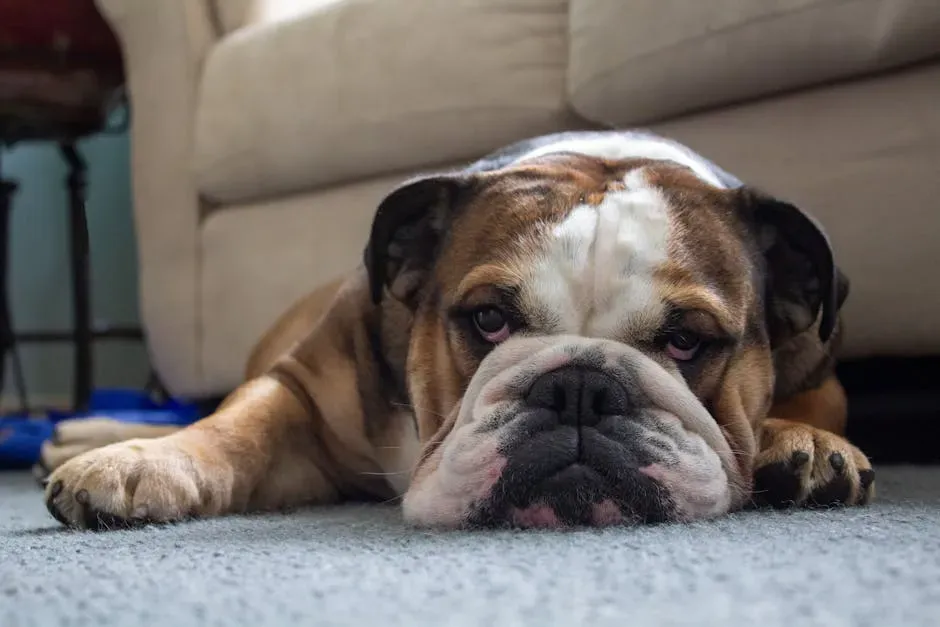
The Bulldog doesn’t resist training with noise or drama. It resists with pure, magnificent stillness. Bulldogs aren’t built for long training sessions or high-speed obedience. They’re stubborn, heat-sensitive, and very aware of their own comfort level. Ask them to do something they don’t feel like doing and you’ll get the classic “statue” response – plant all four feet and refuse to move. It’s almost impressive, really.
The Bulldog was originally developed in 17th-century England for bull baiting. From the Middle Ages for about 600 years, Bulldogs were used to provoke and fight bulls. One reason the breed appears so high on stubborn lists may be its famed laziness. It prefers curling up on the couch rather than running around being “smart” like a Labrador. Keep training sessions short, fun, and treat-heavy – that’s the secret sauce.
7. Dachshund: Little Body, Titanium Will
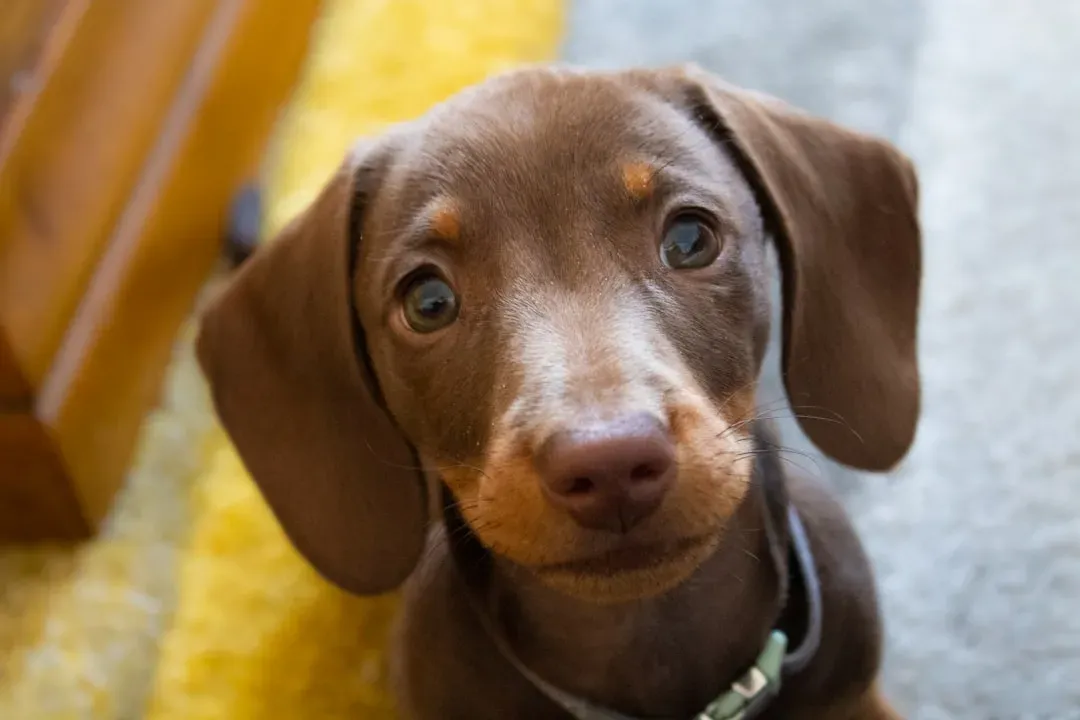
Do not let the sausage shape fool you for even one second. Originally bred to hunt badgers, which required courage and determination, the Dachshund is a fearless and determined breed. That bold personality often shows up as stubbornness in daily life. Dachshunds are loyal and affectionate with their family, but they may test boundaries. Hunting badgers underground, alone, with zero backup? That takes nerve, and that nerve doesn’t simply switch off at home.
The Dachshund is well-known for their lively and independent attitude, as well as their intelligence, hunting ability, and stubbornness. Doxies like to do things their own way, and you are likely to find your Dachshund digging holes, chewing on shoes, or chasing your other pets on a daily basis. Consistent boundaries established early, along with short training sessions, help channel that unstoppable energy into something you actually want. Clear rules, consistency, and early training help prevent stubborn behavior from becoming a long-term habit.
8. Jack Russell Terrier: Small, Turbo-Charged, and Absolutely Not Listening
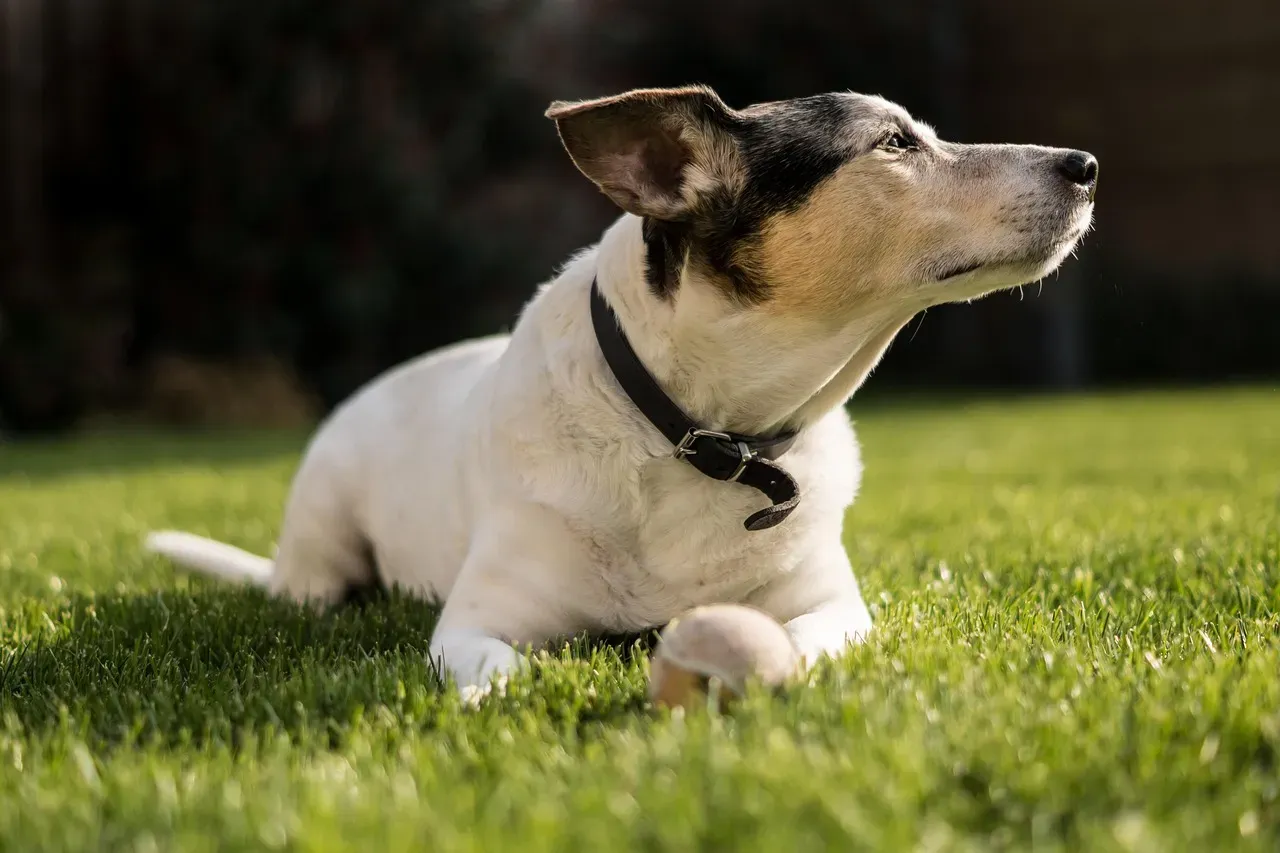
If you own a Jack Russell Terrier, you already know. This dog is a tiny rocket with an independent operating system. They were originally bred to hunt small prey like foxes, so they’re always on a mission of their own – dedicated and committed to a cause only they themselves know of. Training a Jack Russell is less about authority and more about negotiating with a creature who genuinely believes they are the smartest being in the room.
Jack Russells are notorious for their stubborn streak and high prey drive, which often leads them to chase anything that moves. This independent nature means they tend to follow their instincts over commands, testing the patience of even experienced trainers. Without proper outlets for their energy, they can easily turn destructive, chewing furniture or digging tirelessly to entertain themselves. The best training tip? Jack Russells need vigorous daily exercise and mental challenges like agility training or scent games to thrive.
9. Basenji: The Dog That Won’t Even Bark at Your Commands
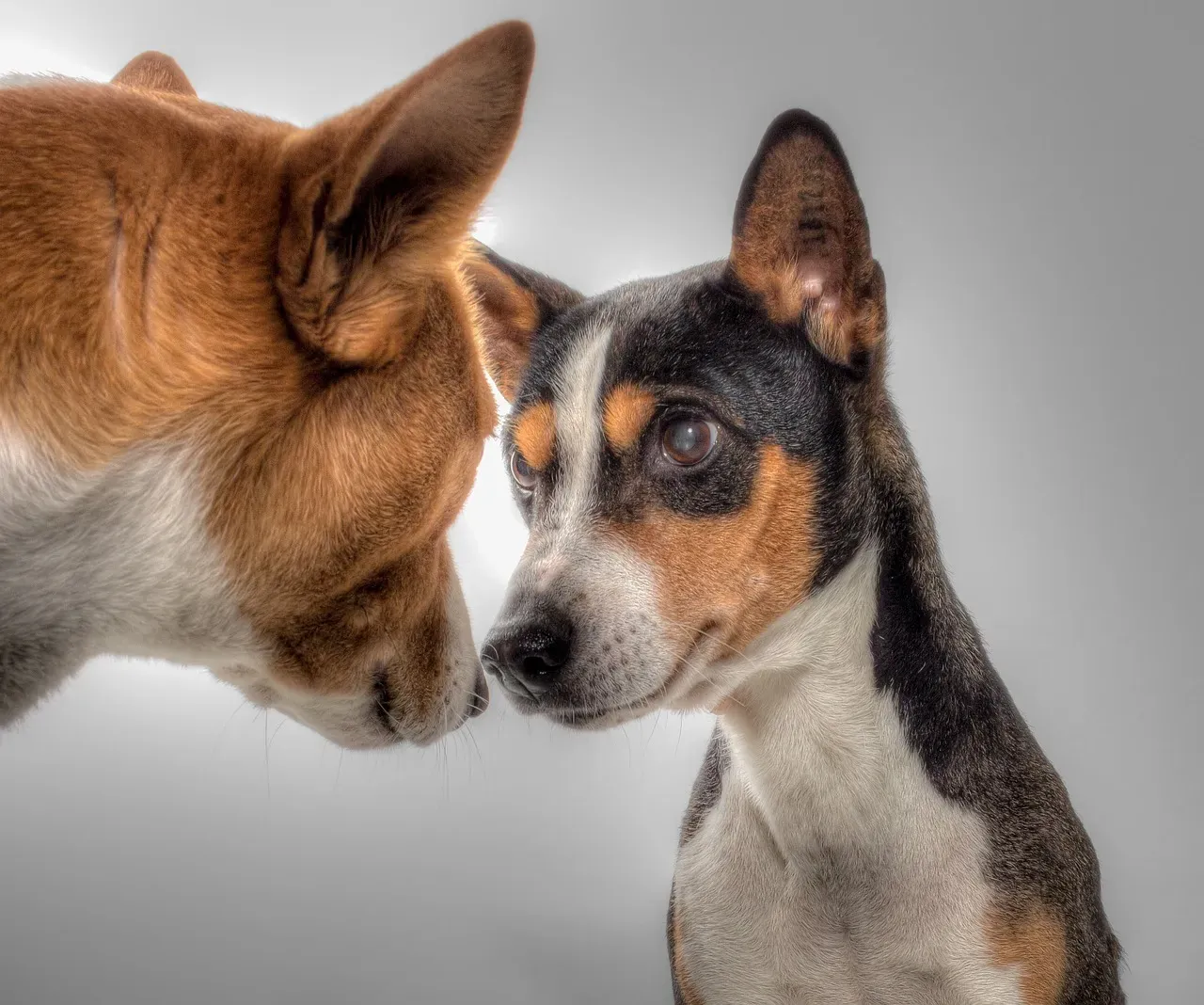
Here’s a fun twist: the Basenji doesn’t bark. It yodels. And it also, quite cheerfully, ignores most of what you ask. The Basenji, often called the “barkless dog,” hails from Central Africa and is known for its sleek build, tightly curled tail, and upright ears. Unlike many breeds, it expresses itself with unique yodel-like sounds rather than typical barking, adding to its distinctive personality. It’s the most theatrical kind of stubbornness you’ll ever encounter.
Interestingly, Basenjis ranked near the bottom of obedience tests, reportedly needing 80 to 100 repetitions to learn new commands and obeying the first command only about 25% of the time. That stat is staggering, and yet Basenji owners adore them fiercely. They thrive on mental stimulation, so traditional drills won’t cut it – creative methods like puzzle games and scent challenges help keep their sharp minds engaged. Their high prey drive and curiosity can easily override recall. Consistency and patience are key, along with early socialization.
10. Chow Chow: Ancient, Dignified, and Not Taking Orders
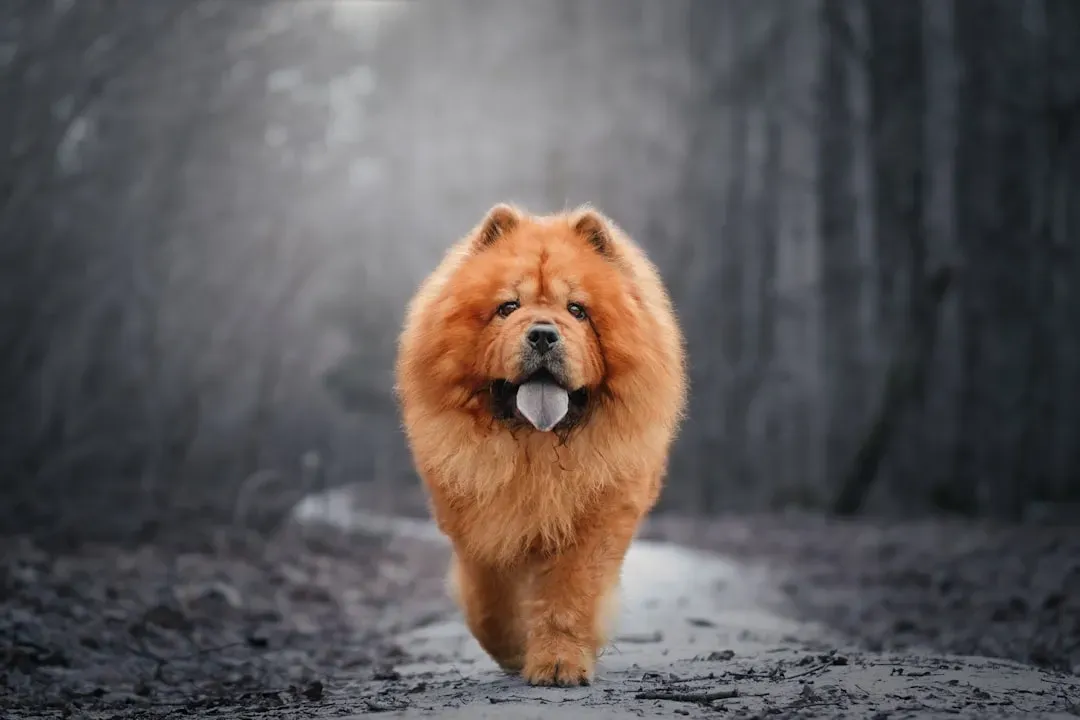
The Chow Chow carries itself like royalty, and it has the stubbornness to match. With a mane like a lion and a blue-black tongue that adds to its air of mystery, the Chow Chow hails from ancient China – think Han dynasty era – and was once a hunter, guardian, and working dog. That ancient independence is written into their DNA, and it shows up every time you ask them to do something they haven’t already decided to do.
Chows have independent personalities and are most likely to ignore commands. They’re intelligent but prefer doing things their own way, which makes training sessions more of a chess match than a game of fetch. Think calm, consistent, positive reinforcement – and maybe a little creative bribery. Socialization from puppyhood is critical. While devoted to their families, Chow Chows tend to be aloof with strangers and other dogs. Their guard-dog past shows in their natural protective instincts, so early socialization is a must to help them warm up to new faces.
Understanding Your Stubborn Dog: The Bigger Picture
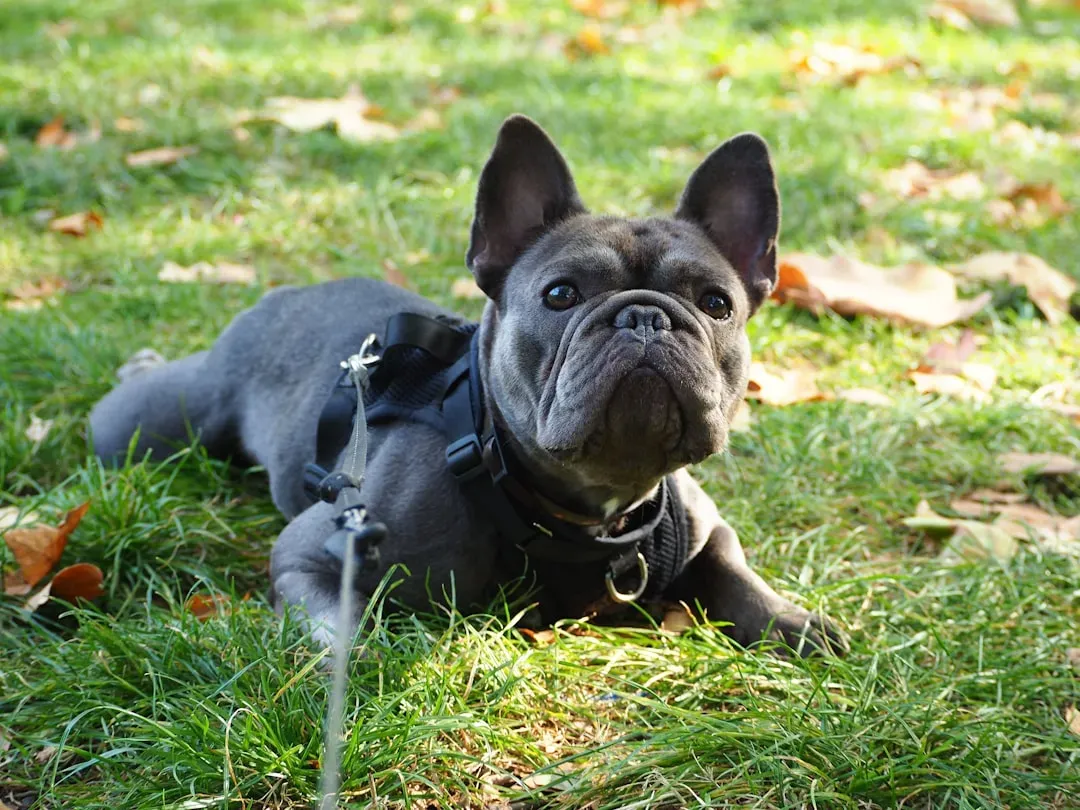
Here’s the thing that every frustrated dog owner needs to hear: stubbornness is not the same as stupidity, and it’s absolutely not defiance for its own sake. Stubborn doesn’t mean unintelligent. Many of the most stubborn dog breeds are highly intelligent and were originally bred to work independently. Their stubbornness often reflects independence rather than defiance. When you reframe it that way, training feels less like a battle and more like a conversation.
Despite their stubborn streak, these breeds are often incredibly clever dogs who can shine when approached with positive reinforcement techniques rather than harsh discipline. Even notoriously willful breeds can transform into well-behaved companions once their unique motivations are understood. The canine world is full of personalities, and disobedience doesn’t mean these dogs are unloving or unworthy – it simply means they require a different training approach and a little extra patience.
Training requires patience and consistency. Stubborn dog breeds respond best to clear expectations, positive reinforcement, and steady routines. Harsh methods often backfire. Think of it like this: you wouldn’t motivate a creative, free-spirited person by barking orders at them. You’d engage their curiosity, reward their effort, and give them space to shine on their own terms. Your stubborn pup is really no different.
So the next time your dog looks you straight in the eye and walks the other way, try not to take it personally. You’re not failing as a dog parent – you simply have a dog who was built to think for themselves. Work with that instinct, not against it, and you might just discover the most loyal, fascinating companion you’ve ever had. Does any of these stubborn breeds sound exactly like your dog? Tell us in the comments – we’d love to hear your story.


