
10 Dog Breeds That Experts Warn Might Not Be Suitable for Families

You walk into a shelter, spot a breathtaking dog with soulful eyes, and your heart is gone. We have all been there. The problem is that falling in love with a dog’s looks is a bit like buying a house because you love the front door, without checking the foundation. Some breeds, despite being absolutely gorgeous and genuinely loyal, come with temperament traits, energy demands, and behavioral tendencies that can make family life surprisingly complicated, especially with young children in the mix.
Some breeds are naturally more patient, gentle, and tolerant with kids, while others may struggle with the unpredictability and energy of little ones. While no dog is inherently “bad,” certain breeds can present challenges for families due to temperament, size, or care needs. This list is not about shaming any dog or scaring you off. It is about helping you make the smartest, most loving decision possible for both your family and your future dog. Let’s dive in.
1. Chow Chow: The Fluffy Bear With Firm Boundaries
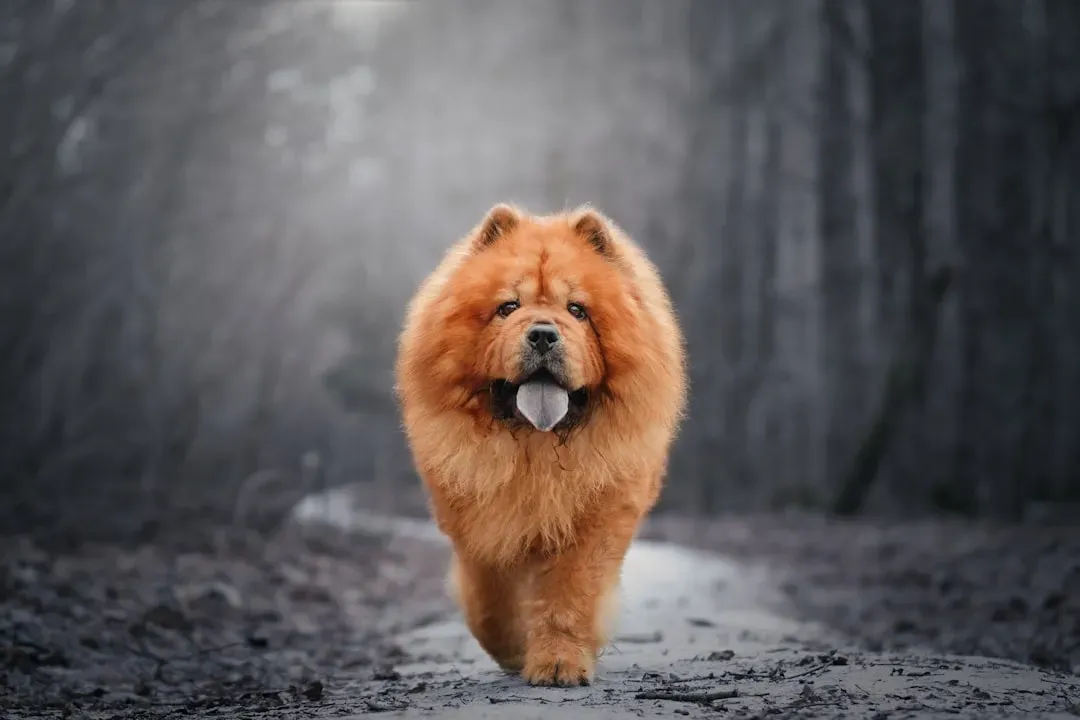
Let’s be real, Chow Chows are one of the most stunning dogs on the planet. Those lion-like manes and deep, brooding expressions make them impossible to ignore. They may look like big cuddly teddy bears, but Chow Chows can become annoyed by children yelling and running around, potentially responding with aggression.
The Chow has a notorious reputation for being powerful, disobedient and unpredictable. They are not suitable for novice owners, children, families or the elderly. These dogs require heavy training, a lot of exercise and regular grooming. Think of it this way: owning a Chow Chow without experience is a bit like handing a first-year music student a concert violin and expecting a symphony.
Originally bred as guard dogs in China, Chow Chows carry strong protective instincts. They are quick to size up new people and environments, often with suspicion. This protective streak can turn into problematic behavior if not managed early with socialization. If your household has toddlers who love to hug random things, a Chow is likely not your best match.
2. Akita: Loyal Guardian, But Strictly on Their Own Terms
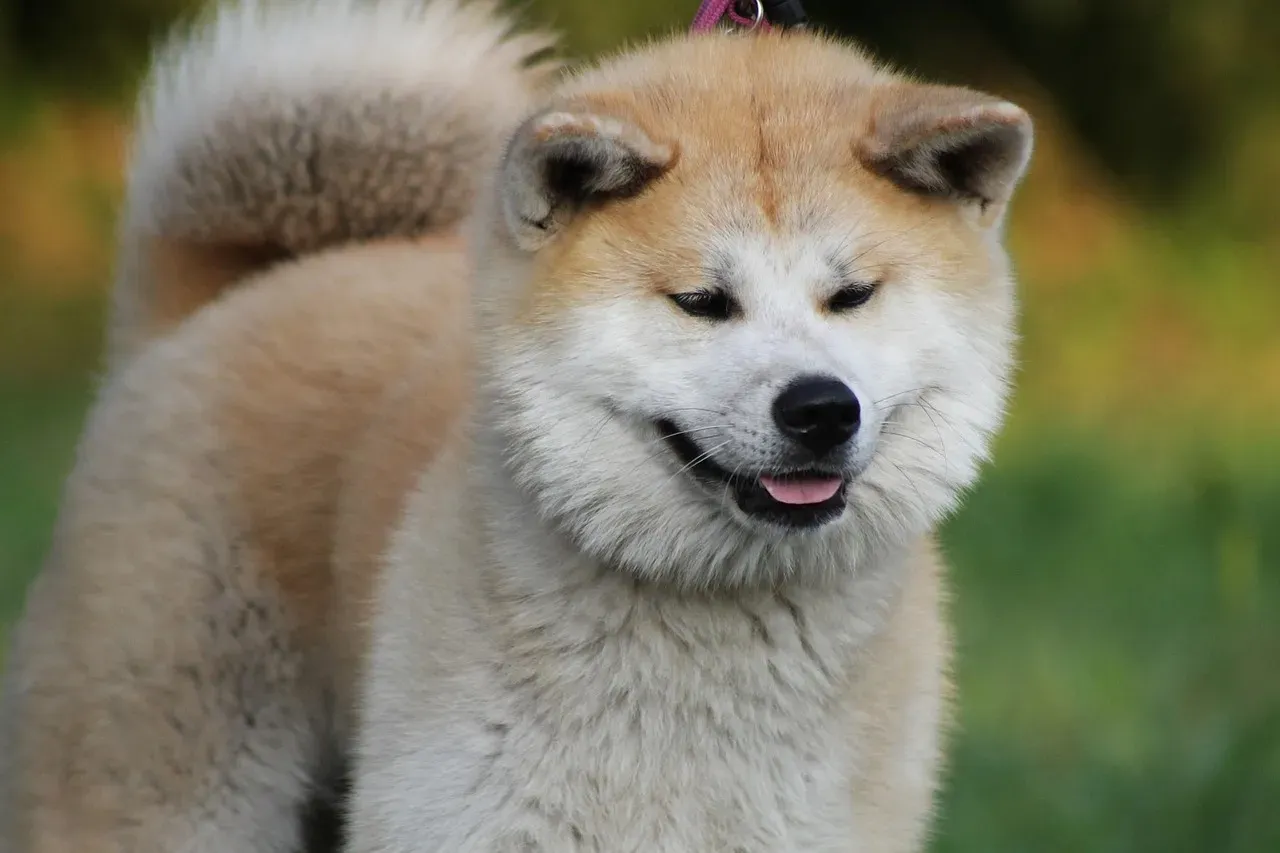
The Akita is one of those dogs that commands respect the moment they enter a room. Powerful, dignified, and deeply devoted to their person, they sound like the perfect protector. The thing is, that protectiveness comes with serious conditions. Because Akitas are stern and somber, they don’t tolerate silliness or teasing very well. If they think the children are being too erratic, they might not respond appropriately. Also, an Akita might be protective of children in your family but dislike outsiders, which can be dangerous for guests.
Akitas may have a strong guarding instinct that can lead to aggression if not properly socialized. Imagine a very serious coworker who is brilliant at their job but absolutely cannot handle office chaos. That is the Akita in a nutshell. Once a child is old enough to fully respect a dog’s boundaries, an Akita might work in your home. Always gauge the situation to see if your child’s personality and the Akita’s all-work-no-play attitude will work.
3. Siberian Husky: The Escape Artist With Too Much Energy
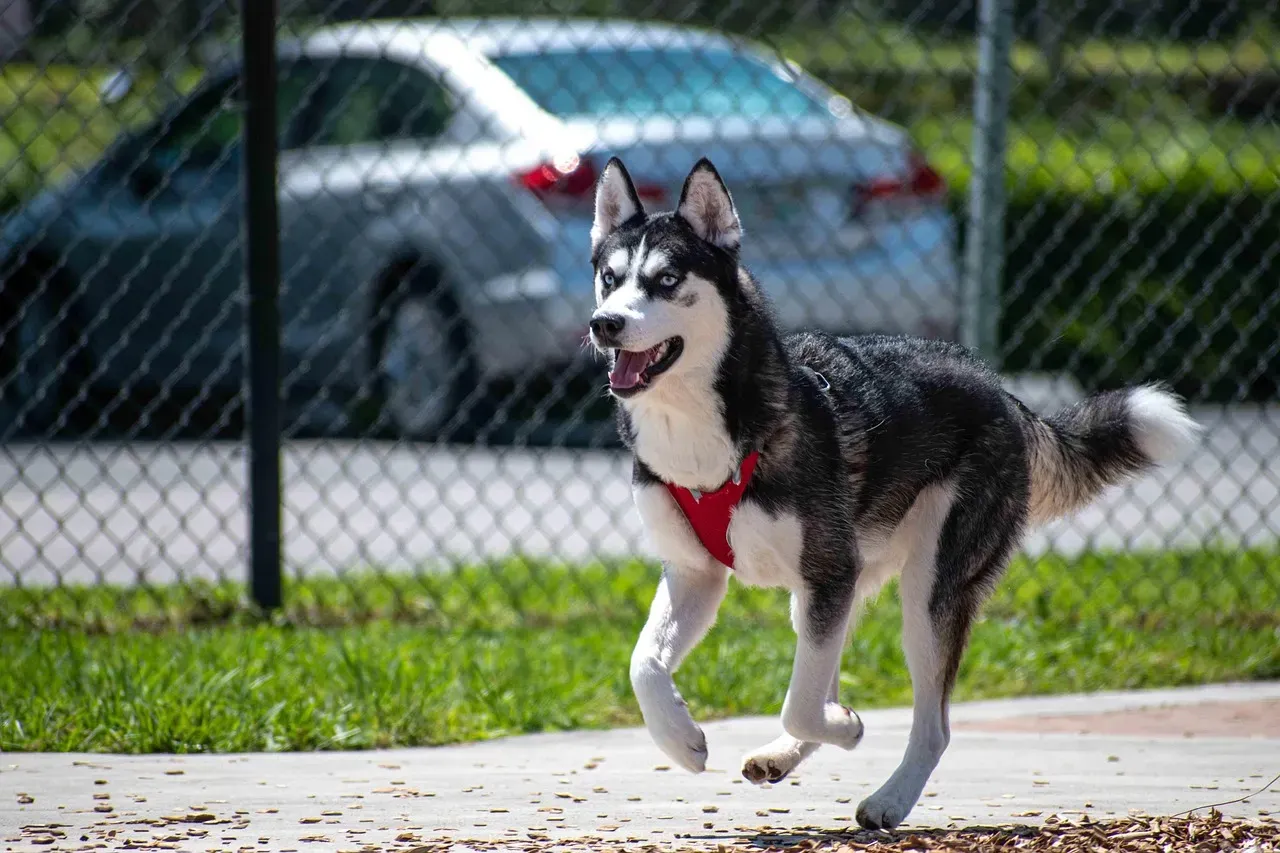
Huskies are magnetic. Their wolf-like looks and piercing blue eyes make them one of the most photographed breeds in the world. Scroll through any dog account on social media and there they are, looking legendary. The reality at home, however, is a completely different story. Siberian Huskies are celebrated for their endurance, but this same trait makes them difficult household pets. Their instinct to roam means they often test fences and barriers, leading to frequent escapes. Owners often describe them as “professional escape artists” with endless curiosity.
These dogs are notoriously vocal, using howls and “talking” sounds to express themselves. Their stubborn streak often challenges first-time owners who expect easy obedience. Managing their strong will requires patience and consistency. With young children already demanding your full attention, adding a Husky to the mix is like trying to juggle while learning to ride a bike. Prevention tip: if you are set on a Husky, invest heavily in early obedience training and secure fencing before they even arrive home.
4. Dalmatian: More Complicated Than the Movie Suggests
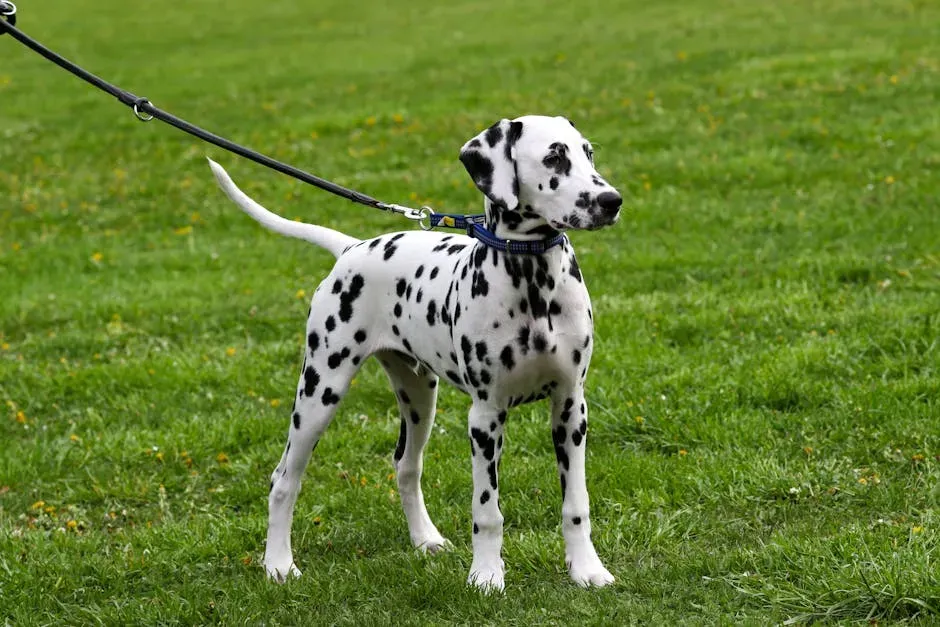
Here is where nostalgia can genuinely hurt families. Dalmatians are a real kid favorite, thanks to the adorable Disney movie 101 Dalmatians. Their sweet little spotted coats and friendly expressions don’t help things, either. But when it really comes down to it, Dalmatians don’t match well with small kids.
Many Dalmatians aren’t able to hear because of a genetic defect in the breed. So, being around a toddler or small child might startle them often. Kids can come out of nowhere, and if your Dalmatian isn’t expecting it, it could result in accidental bites. That hearing issue is a critical behavioral cue to watch. Dalmatians are high energy dogs with boundless intelligence and a need for a lot of training. These dogs can be very stubborn and disobedient and are prone to becoming bored and barking, becoming highly destructive or ill-mannered. Not exactly what you want in a family setting with a busy schedule.
5. Alaskan Malamute: A Gentle Giant Who Plays Too Rough
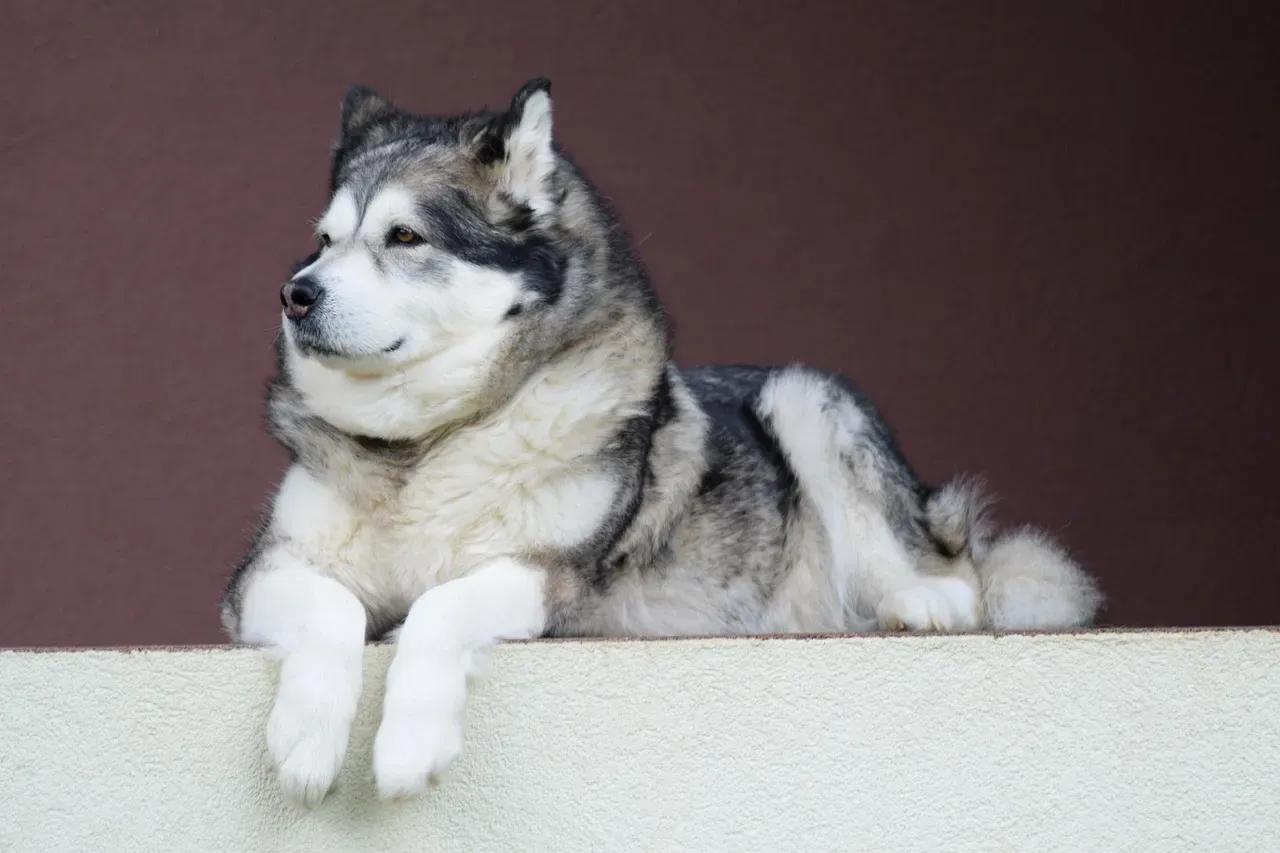
The Alaskan Malamute is all muscle and majesty. These gorgeous arctic dogs look like something out of a nature documentary, and honestly, they are stunning. But size is a real consideration when children are involved. The Alaskan Malamute is a large breed originally bred for hunting and working in the Arctic. They are strong, aggressive, and powerful dogs that can be very dangerous if not properly trained and socialized. They are not recommended for first-time dog owners or families with small children.
Alaskan Malamutes get bored easily and then have a tendency to play rough. They are also very possessive over their food, which is something a young child may find hard to understand. Food guarding is a major warning sign in any family setting. A toddler wandering near a Malamute’s bowl during mealtime is a scenario no parent should have to navigate. Early training and clear structure are non-negotiable with this breed.
6. Chihuahua: Small Dog, Big Attitude, Real Bite
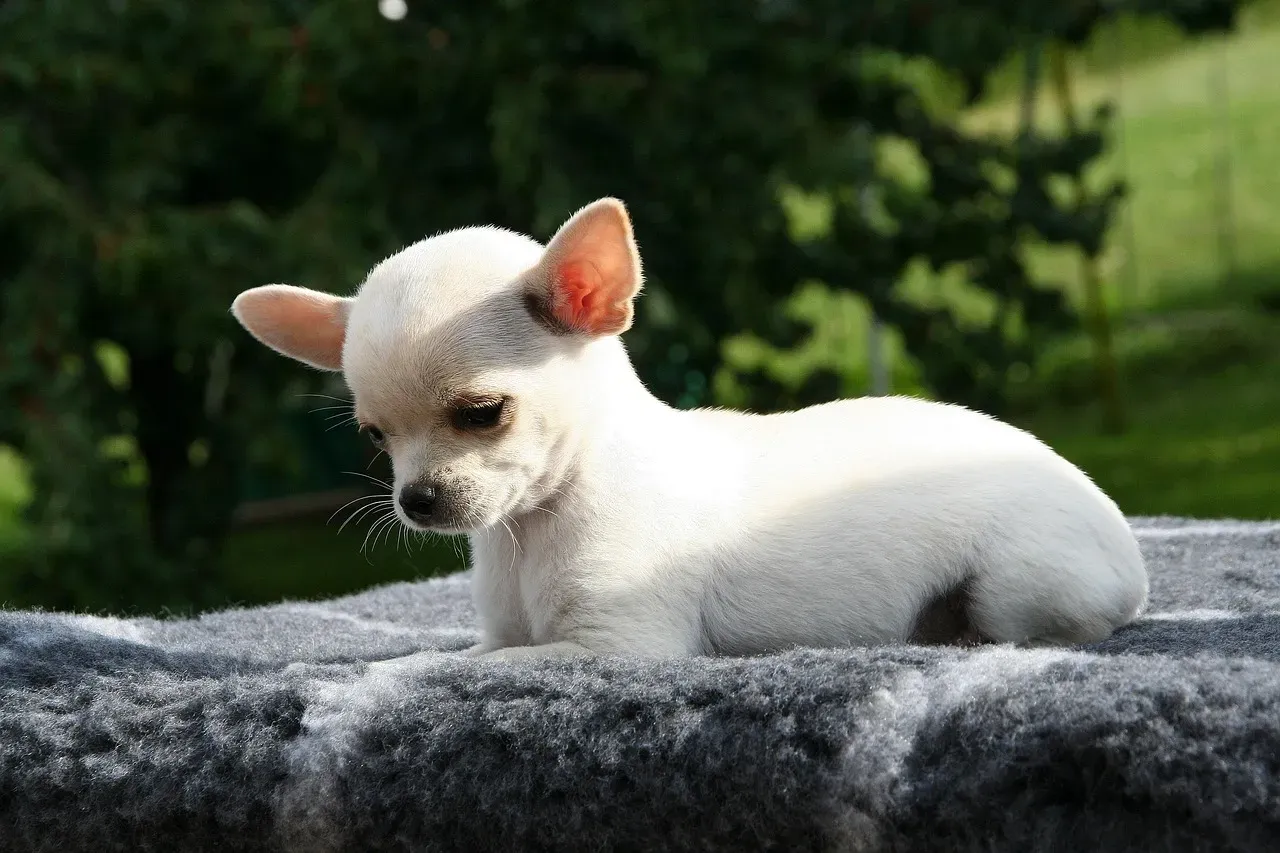
People underestimate Chihuahuas constantly. They are tiny, they fit in a handbag, and how dangerous could they really be? Honestly, more than most people realize. While Chihuahuas can be affectionate with their owners, they generally don’t do well with young children. These tiny dogs shouldn’t engage in roughhousing, as they can be easily injured. They can also get defensive around children too young to understand boundaries. This breed is also very protective and can get snappy and nippy around people it doesn’t know well.
These tiny dogs are a bigger threat than you’d imagine. These little guys rely on their mouths to protect them where their stature can’t, reacting with barks and sometimes bites when they feel the need to defend themselves. Many Chihuahuas need personal space. Kids can often miss cues and might not understand when to give the Chihuahua space, leading to risky situations. The fix? Teaching children to read dog body language early is one of the most important things any parent can do, regardless of breed.
7. Belgian Malinois: Built for Work, Not for Play Dates
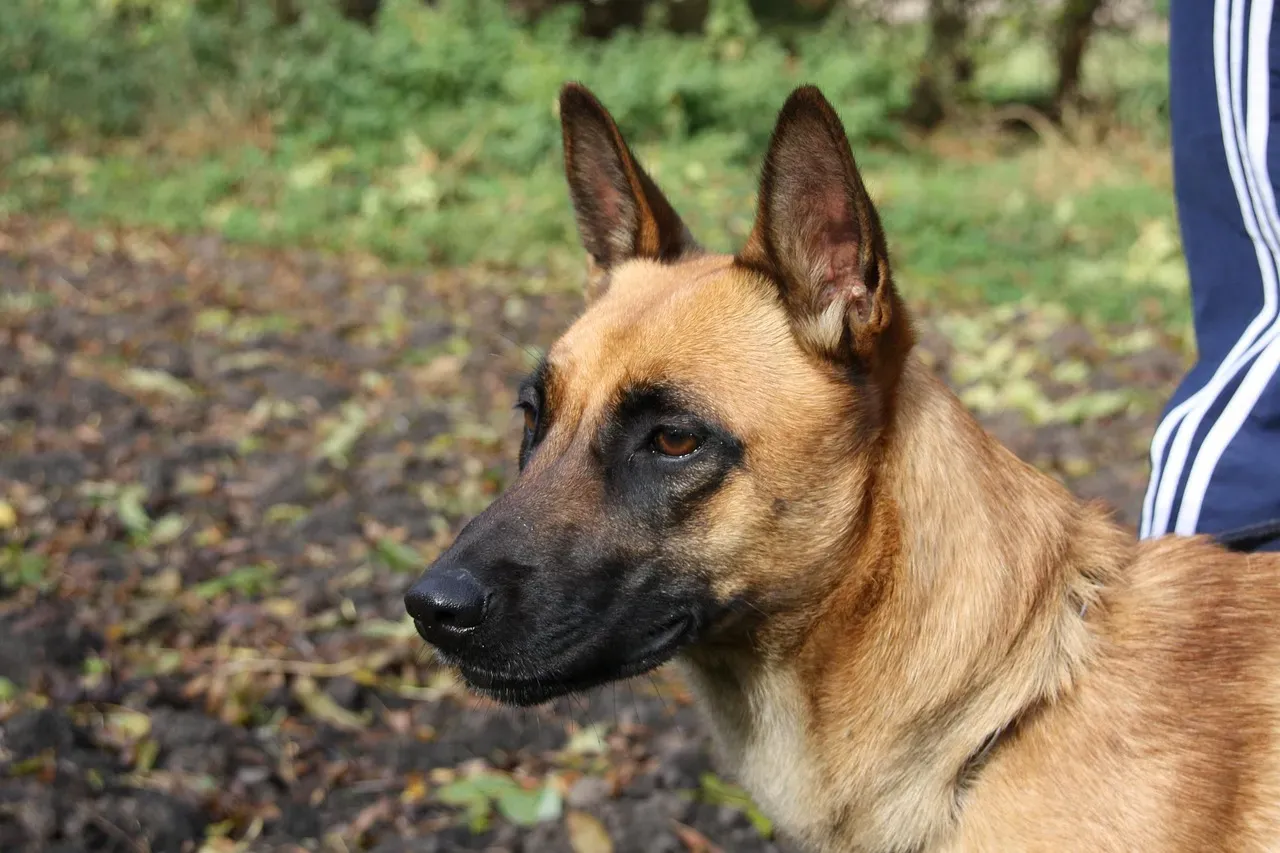
The Belgian Malinois has become wildly popular, partly due to their appearances in military and police operations on social media. They look cool. They are athletic. They are ridiculously intelligent. They are also, according to multiple canine experts, one of the least suitable dogs for family life with young children. Despite its ability to perform crazy feats of obedience and training, the Belgian Malinois is not recommended for families. They bite children, they hurt children, they have no off switch and they want to be go, go, go all the time.
Dogs that rank high on this list are usually those that need experienced owners and firm, consistent training. Without it, they can misinterpret normal child behavior like sudden movements or screaming as a threat. The Malinois has a prey drive that is almost impossible to turn off, and in a home with small, running children, that instinct becomes genuinely dangerous. This is a dog built for a job, not for school runs and family movie nights.
8. Cane Corso: Powerful, Loyal, and Demanding of Structure

The Cane Corso is a breed that commands presence. Massive, muscular, and deeply loyal, these Italian-origin dogs were historically used as guardian dogs and hunters. They are also one of those breeds where the phrase “a little knowledge is a dangerous thing” really applies. The Cane Corso is often recognized for its commanding presence and protective drive. Historically bred in Italy as a guardian and hunter, this dog takes its role seriously even in a modern household.
A Cane Corso needs significant mental and physical engagement every day. Without it, boredom may lead to destructive behaviors, from chewing furniture to guarding spaces unnecessarily. Their sheer power amplifies even small behavioral issues into big concerns. The behavior cue to watch here is resource guarding and space guarding around unfamiliar people. Once bonded, a Cane Corso is deeply loyal, often attaching closely to their family. This devotion, however, can turn into overprotectiveness if not carefully balanced. Managing their instincts requires knowledge, patience, and an understanding of their working heritage.
9. French Bulldog: The Demanding Little Diva

French Bulldogs have been wildly trendy for years now, and it is not hard to see why. Those bat ears, that squishy face, the compact little body. They are adorable and they know it. However, beneath all that charm is a breed that experts genuinely warn families about. The French Bulldog is recognised by its compact, scrunched face. Families with young children should be cautious, as these dogs can exhibit terrier-like behaviour without proper training or treatment.
These dogs require quiet homes. If these dogs come in second, third or anything less than the baby of the family, they can become bored, aggressive, snappy, hostile or even aggressive towards other dogs. There is also a serious health angle here. English and French Bulldogs are known for respiratory issues and may struggle with overheating or keeping up with active kids. A dog in chronic discomfort is far more likely to snap. Watch for signs of labored breathing, especially in warm weather, as a key health signal to discuss with your vet.
10. Dogo Argentino: A Breed That Even Experts Approach with Caution

The Dogo Argentino is not a breed most families encounter every day, but awareness is critical. These large, white, muscular dogs were bred specifically for big-game hunting in Argentina. They are powerful, tenacious, and possess a prey drive that is deeply embedded in their genetics. Despite a noted love for mastiff breeds in general, canine behavior experts have advised against the Dogo Argentino for families. Out of all of the mastiff breeds, the Dogo Argentino is the breed most often heard about going wrong with children.
While the Dogo Argentino is not banned in the US or Ireland, owning one is outlawed in a number of countries across the world, including the UK, Australia and Turkey. That level of restriction from multiple governments says something significant. A dog’s behavior depends significantly on how it is raised, trained, and socialized. Responsible ownership and proper training can mitigate potential issues with any breed. Still, for families with young children, the risk-to-reward ratio with the Dogo Argentino makes it a breed best left to highly experienced handlers only.
A Final Word for Every Dog-Loving Family

Here is the thing: this list is not here to crush your dreams of dog ownership. It is here to make your dream smarter, safer, and more joyful for everyone involved, including the dog. From high-energy pups that never seem to tire, to stubborn personalities that resist training, some dogs require far more patience and structure than the average family can provide. These breeds may still make wonderful companions in the right environment, but they can be difficult to manage without experience, consistent training, and extra time for exercise and mental stimulation.
Many factors, such as poor training, lack of socialization, and neglectful ownership, play a significant role in a dog’s potential for aggression. A dog’s behavior can be shaped through proper training, early socialization, and consistent care. Every single dog deserves a home where they can truly thrive, not just survive.
I honestly think the most loving thing a dog parent can do is choose with their head as much as their heart. Research the breed, visit with the individual dog, consult a certified canine behaviorist, and think honestly about your household’s energy, space, and experience level. The right dog for your family is out there, and when you find the true match, there is nothing quite like it in the world. So, which breed surprised you most on this list? Tell us in the comments below.