
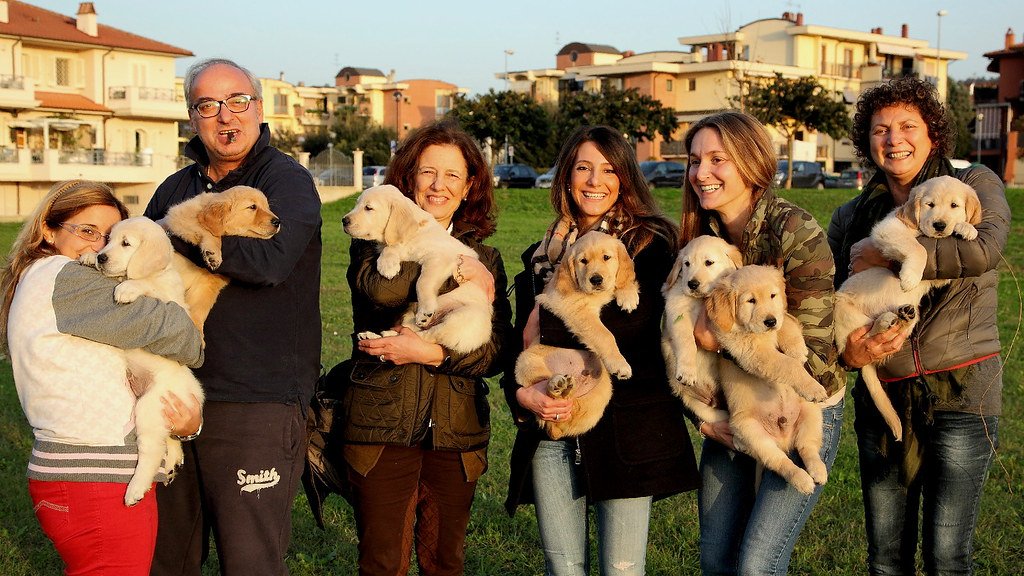
You love dogs. Of course you do. You wouldn’t be here if you didn’t. Yet somehow, nobody warned you that bringing home that fluffy, wide-eyed puppy could also mean bringing home a four-legged whirlwind of chewed furniture, ear-splitting howls, and complete disregard for every command you’ve ever spoken. Sound familiar?
Here’s the honest truth most breeders and pet store windows won’t tell you: some dogs are just born wired differently. While certain breeds have a reputation for being difficult, it’s crucial to recognize that most dogs are a product of their environment and training. Prospective dog owners should consider their ability to meet the physical, mental, and social needs of any dog they bring into their home. Still, knowing what you’re getting into ahead of time can make all the difference between a thriving relationship and a daily battle of wills.
A study by the Texas A&M University College of Veterinary Medicine found that nearly every dog in the United States has behavior problems, so there’s truly no shame in recognizing your dog’s quirks. Whether you’re a seasoned dog parent or a wide-eyed first-timer, this guide will give you the real picture. Let’s dive in.
1. Siberian Husky: The Beautiful Escape Artist
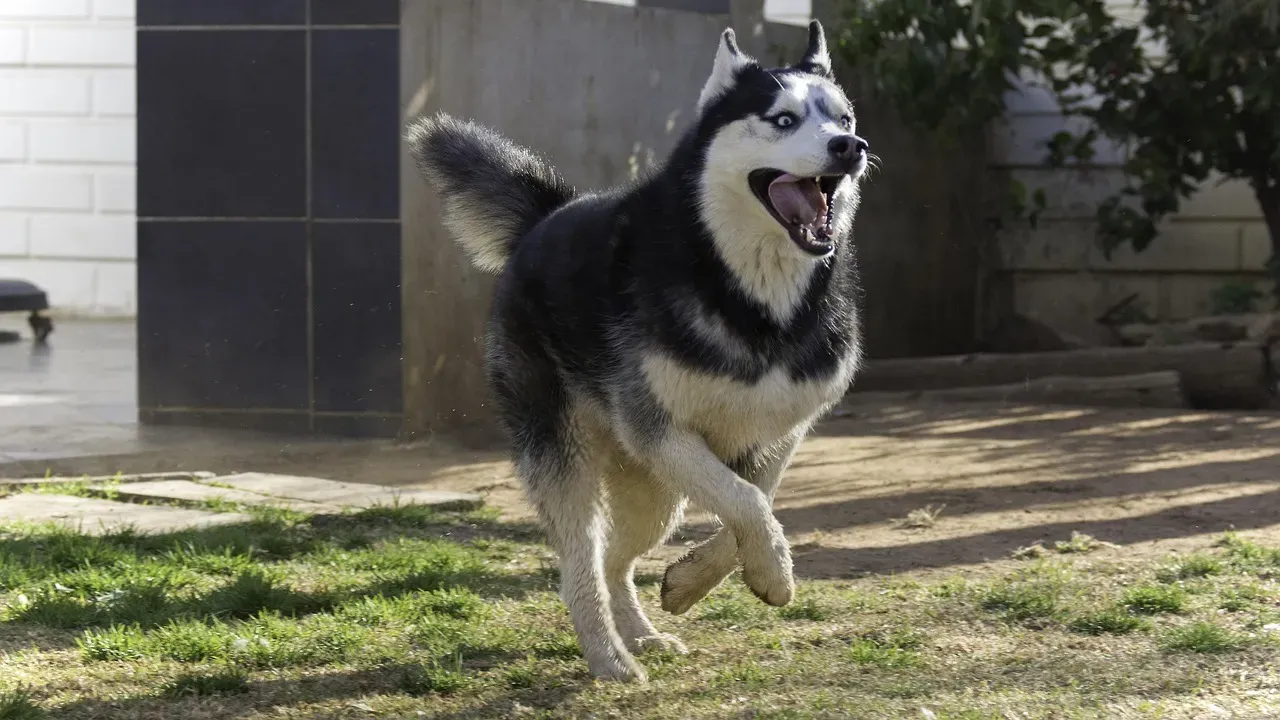
Let’s be real, the Siberian Husky might be the most deceptively charming dog on the planet. Those ice-blue eyes, that wolf-like coat, that effortlessly cool energy. Then you bring one home and realize you’ve essentially adopted a howling, furniture-destroying force of nature with no off switch.
Huskies were originally bred to pull sleds across icy tundras, meaning they are high-energy dogs with a thick double coat and a deep need for stimulation and space. These dogs are escape artists of the next level. Sometimes referred to as “canine divas,” Huskies will often ignore your commands unless you learn to speak their language.
Huskies need the equivalent of three to five miles of exercise four to five times a week. Without that outlet, expect holes in your yard, shredded pillows, and a neighbor who now resents you. Prevention tip: start obedience training early and invest in high-intensity daily exercise. A tired Husky is a calmer Husky. Mostly.
2. Chow Chow: The Fluffy Lion With Boundary Issues
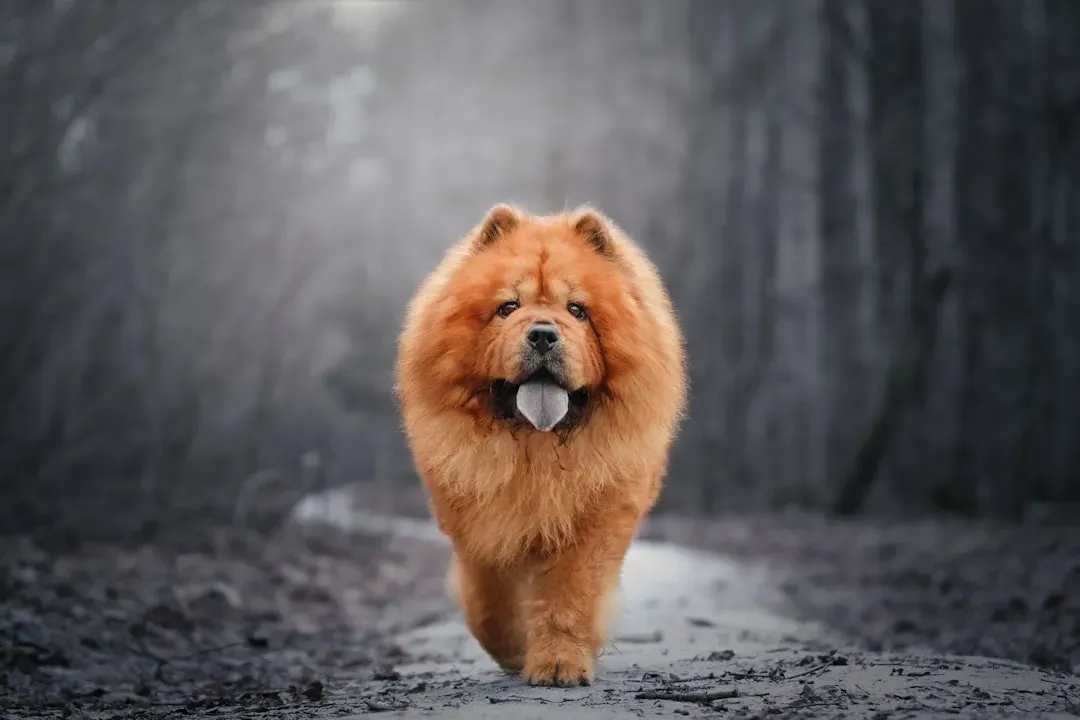
I think of Chow Chows as the introvert who despises small talk but will absolutely bite if you invade their personal space. They are stunning dogs, ancient and dignified. They are also notoriously one of the most challenging breeds to manage without firm, consistent training from puppyhood.
An old dog breed, the Chow Chow is a large dog with a thick, soft double coat and a cuddly appearance. Seemingly aloof, it is attention-seeking, stubborn and independent. Even with training since puppyhood, it can remain overprotective of its owner and doesn’t like other dogs or pets.
Without proper training, Chow Chow’s protective instincts may cause them to have negative reactions toward strangers. Keep socialization consistent from the start. Expose them to different people, sounds, and animals regularly. The payoff is a loyal, deeply bonded companion. The alternative is not pretty.
3. Akita: Moody, Powerful, and Demanding of Respect
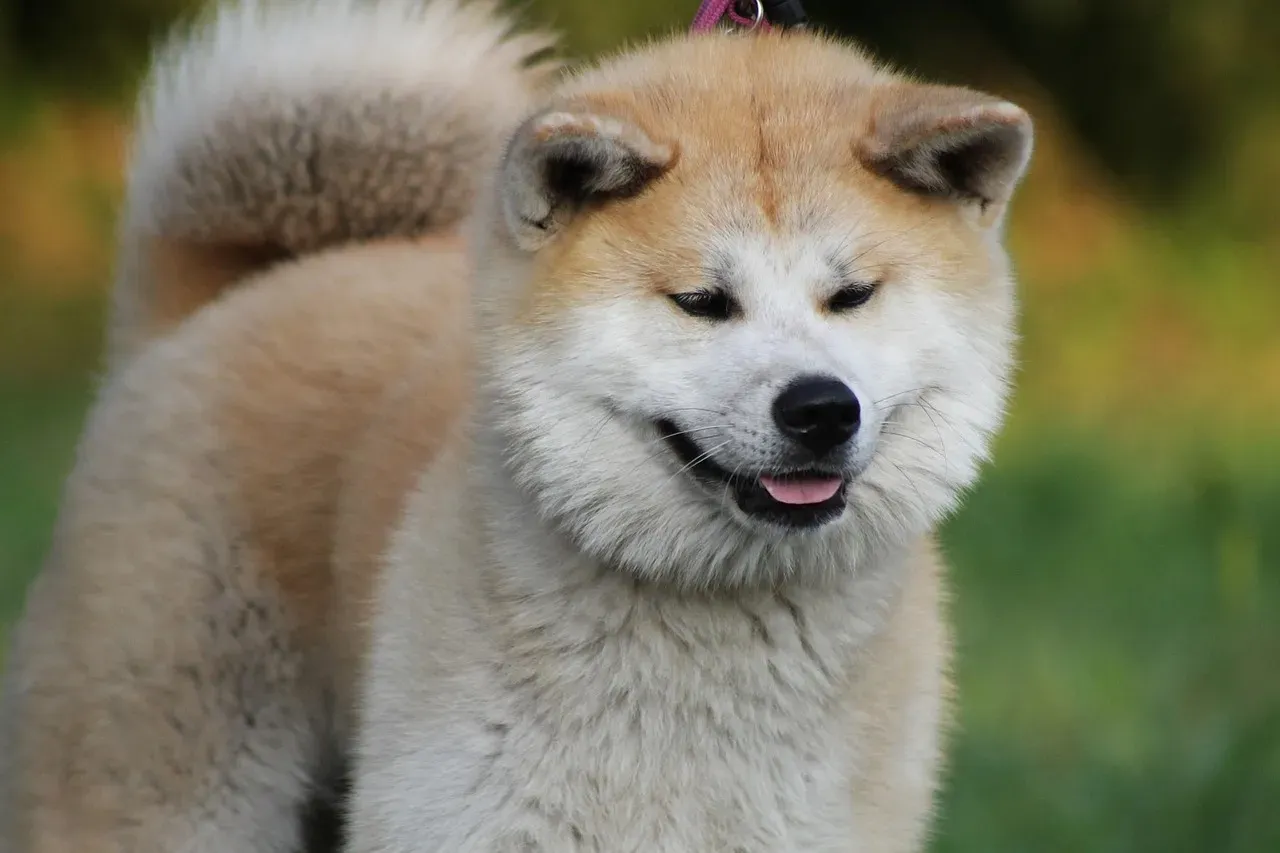
The Akita is a breed that commands the room the moment it walks in. There’s a regal quality to them that’s undeniable. However, that same independence and power that makes them awe-inspiring also makes them one of the toughest breeds for everyday dog owners to handle.
Akitas are a study in contradictions: loyal and loving one moment, moody and independent the next. Their stubborn streak requires patient and consistent training to navigate the dramatic mood swings that can lead to aggression.
Their territorial instincts are no joke, making them wary of other dogs and demanding extensive socialization to curb their protective tendencies. These high-energy pups need at least one to two hours of daily exercise to prevent destructive behaviors. Think of it this way: owning an Akita is less like having a pet and more like earning the trust of a wild thing. Patience is not optional here.
4. German Shepherd: Brilliance Without Structure Is Chaos
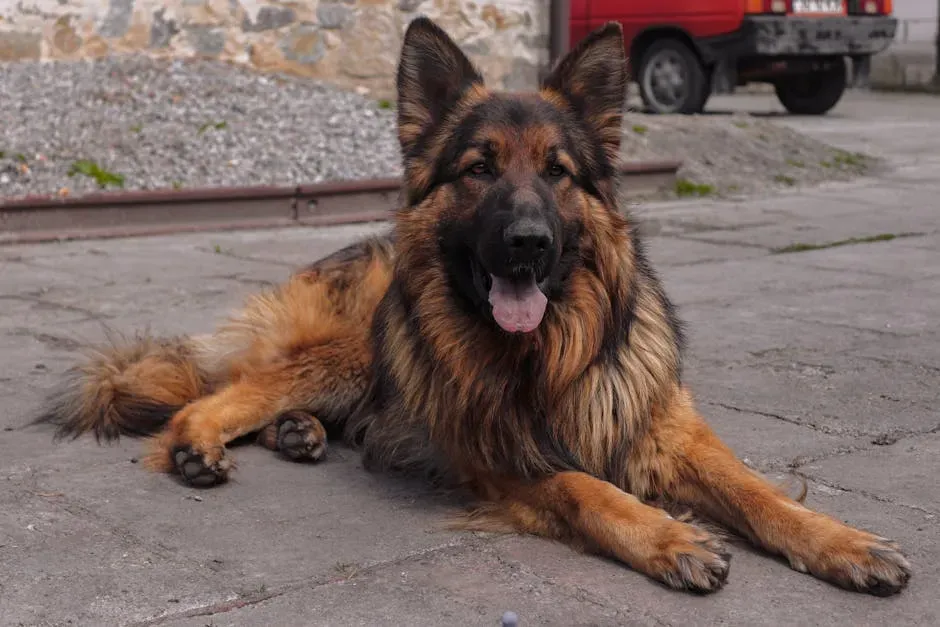
German Shepherds are genuinely brilliant dogs. They’re used in police forces, search-and-rescue missions, and as guide dogs for a very good reason. Yet that same sharp intelligence, when left unstimulated or untrained, can turn into one of the most problematic behavior profiles you’ll ever live with.
German Shepherds are commonly used as guard dogs and police dogs due to their intelligence and loyalty. However, their protective nature can sometimes make them aggressive if they are not properly trained or socialized.
While not responsible for as many fatalities as some other breeds, German Shepherds are still considered a high-risk dog breed, with considerably more dog bite incidents than most other dogs each year. Give them a job. Literally. Agility, obedience competitions, scent work, anything that keeps that mind busy. A bored German Shepherd will create its own job, and you probably won’t like what it comes up with.
5. Rottweiler: Misunderstood Giant With Serious Power
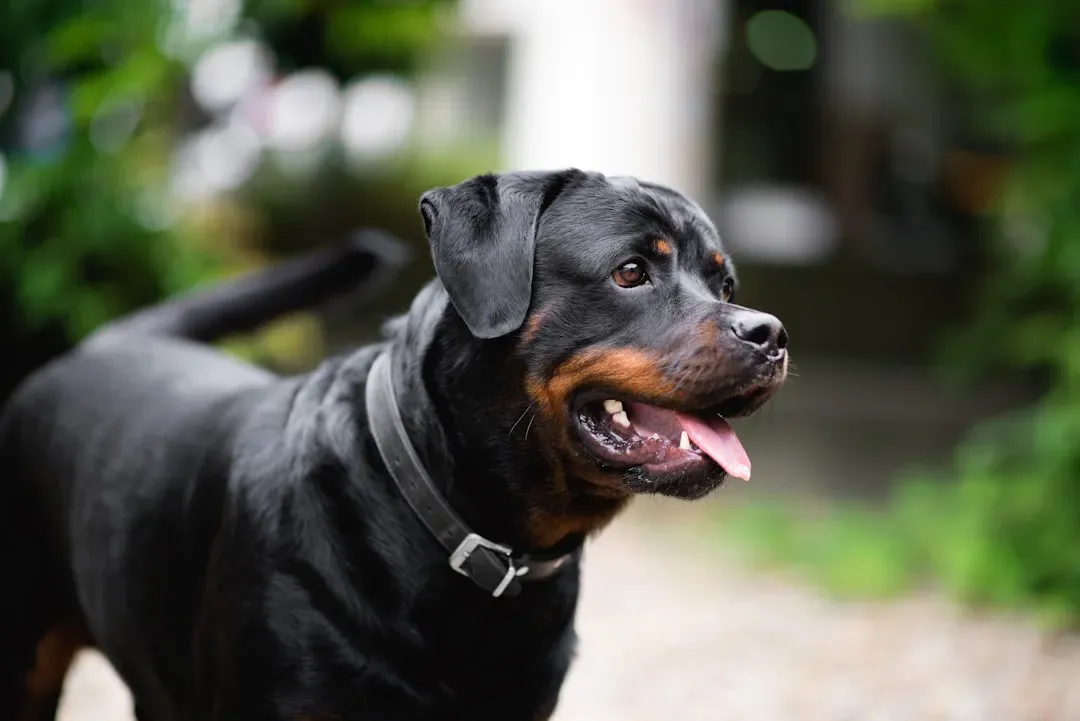
Here’s a breed that gets an unfair reputation, but also a completely fair warning. Rottweilers are devoted, intelligent, and deeply loving within their family unit. Outside of a well-structured home environment though, things can go sideways fast.
Rottweilers are powerful dogs, originally bred to herd livestock and pull carts. They are highly protective, making them great guard dogs. Unfortunately, their strength and protectiveness can become dangerous if not managed correctly.
If they don’t get proper training, they may become suspicious of strangers, which can sometimes lead to aggressive behavior and dominance issues. They are not ideal for families with small children and certainly not for owners who cannot dedicate time to structure and obedience. Train early, socialize constantly, and be a calm, confident leader. Rottweilers mirror their owners more than almost any other breed.
6. Dalmatian: The Movie Star Dog With Real-World Problems
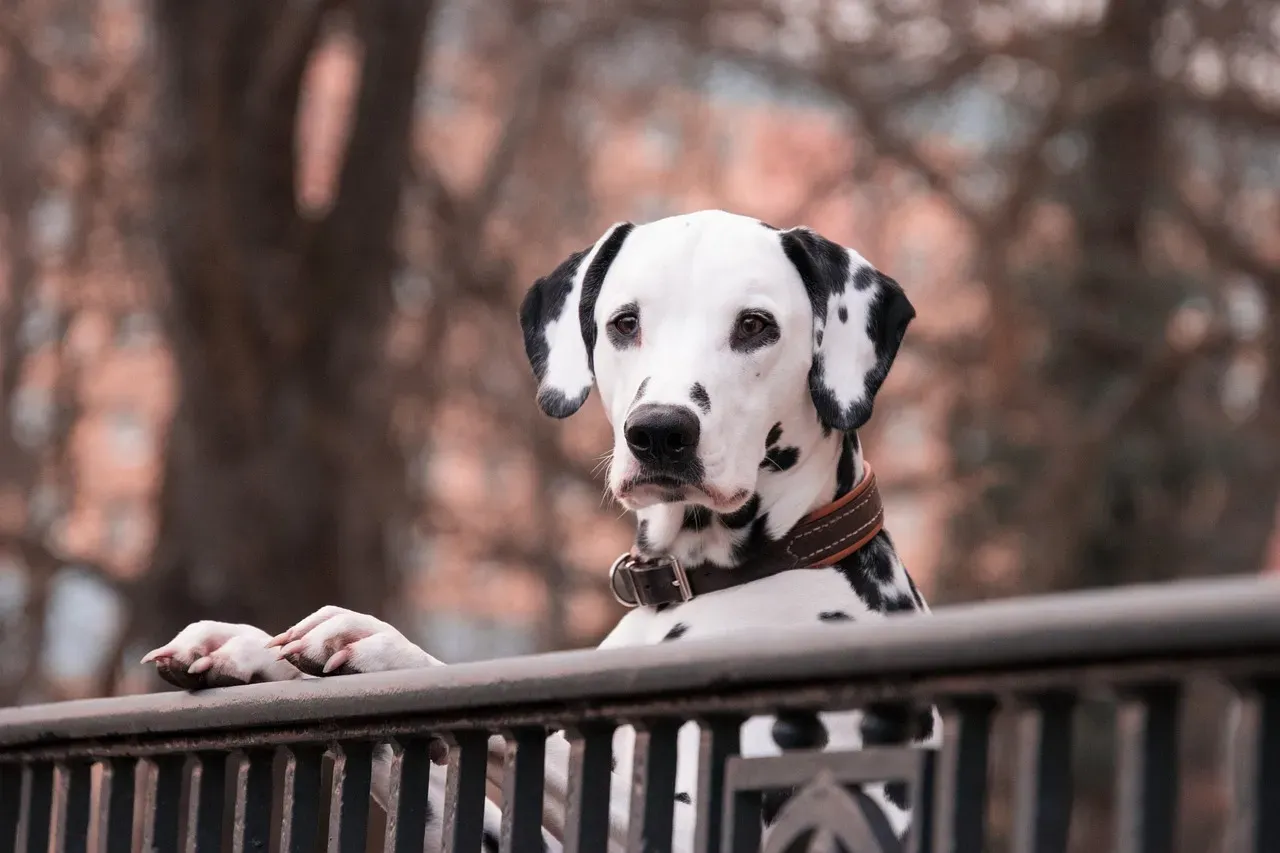
Countless people fell in love with Dalmatians through movies and pop culture. What those charming spots hide is a dog that is truly not built for laid-back living. Dalmatians are intense, high-octane animals bred for a very specific, demanding purpose.
According to research, these dogs were bred to run alongside horse-drawn carriages, meaning they are true high-energy dogs. They need constant movement, structured activities, and real purpose. If you can’t give them these, they tend to be restless, disobedient, and sometimes show aggression.
Many Dalmatians aren’t able to hear because of a genetic defect in the breed. Being around a toddler or small child might startle them often. Kids can come out of nowhere and if your Dalmatian isn’t expecting it, it could result in accidental bites. Prevention tip: always get a Dalmatian hearing-tested before adoption, especially in families with children. It’s a step many owners skip and later regret.
7. Jack Russell Terrier: Small Dog, Enormous Problems
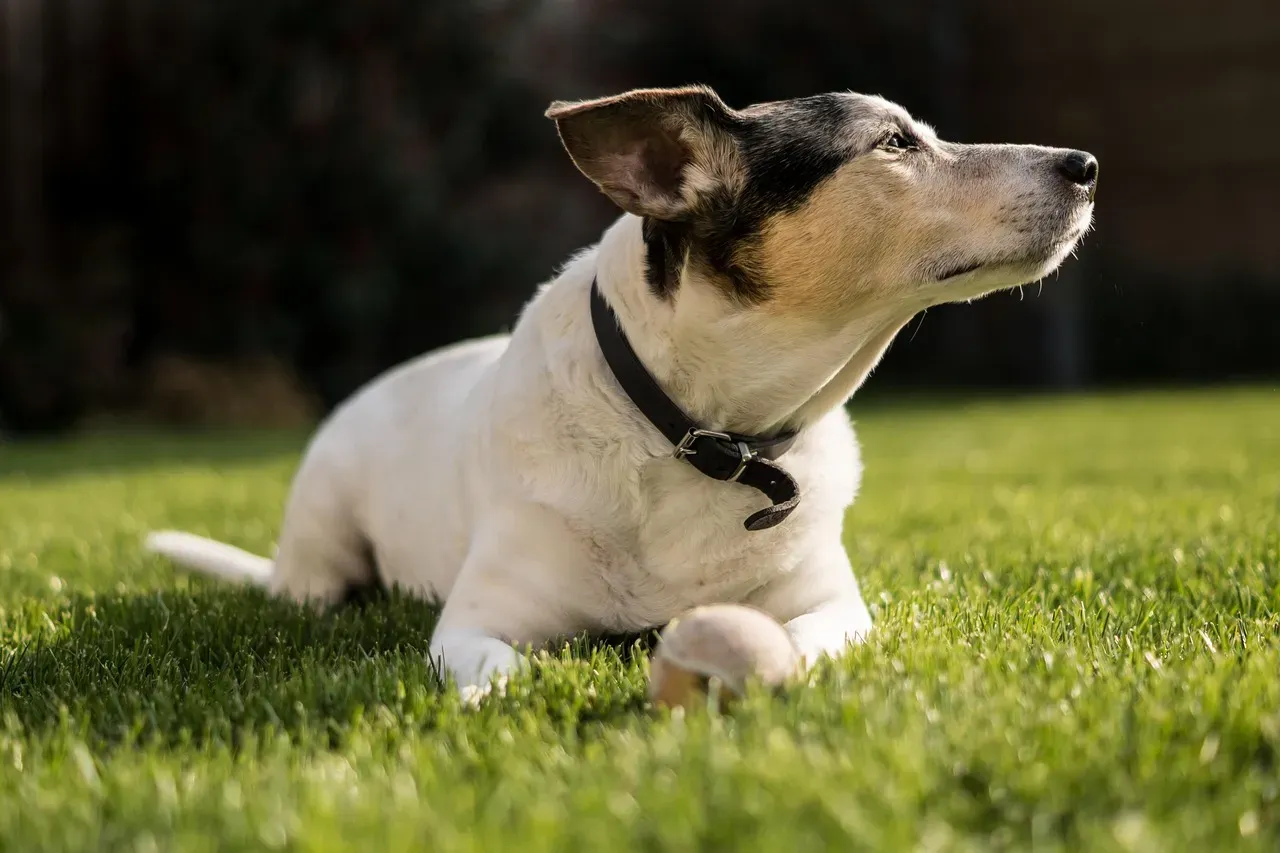
Don’t let the compact size fool you. Jack Russell Terriers operate at a frequency that exhausts grown adults. They are small, relentless packages of energy, stubbornness, and mischief. Honestly, I find them hilarious to watch, but they’re absolutely not for the faint of heart.
Jack Russell Terriers are small, powerful dogs that were bred to be used in fox hunting. They have a very high prey drive, which makes them one of the hardest dogs to train.
They love to learn and play games but can get bored, which could lead to destructive behavior. The key is keeping their brain occupied. Puzzle feeders, trick training, short bursts of intense play throughout the day. Leave a Jack Russell with nothing to do and you will come home to a redecorated living room. You’ve been warned.
8. Border Collie: Genius That Can Break You
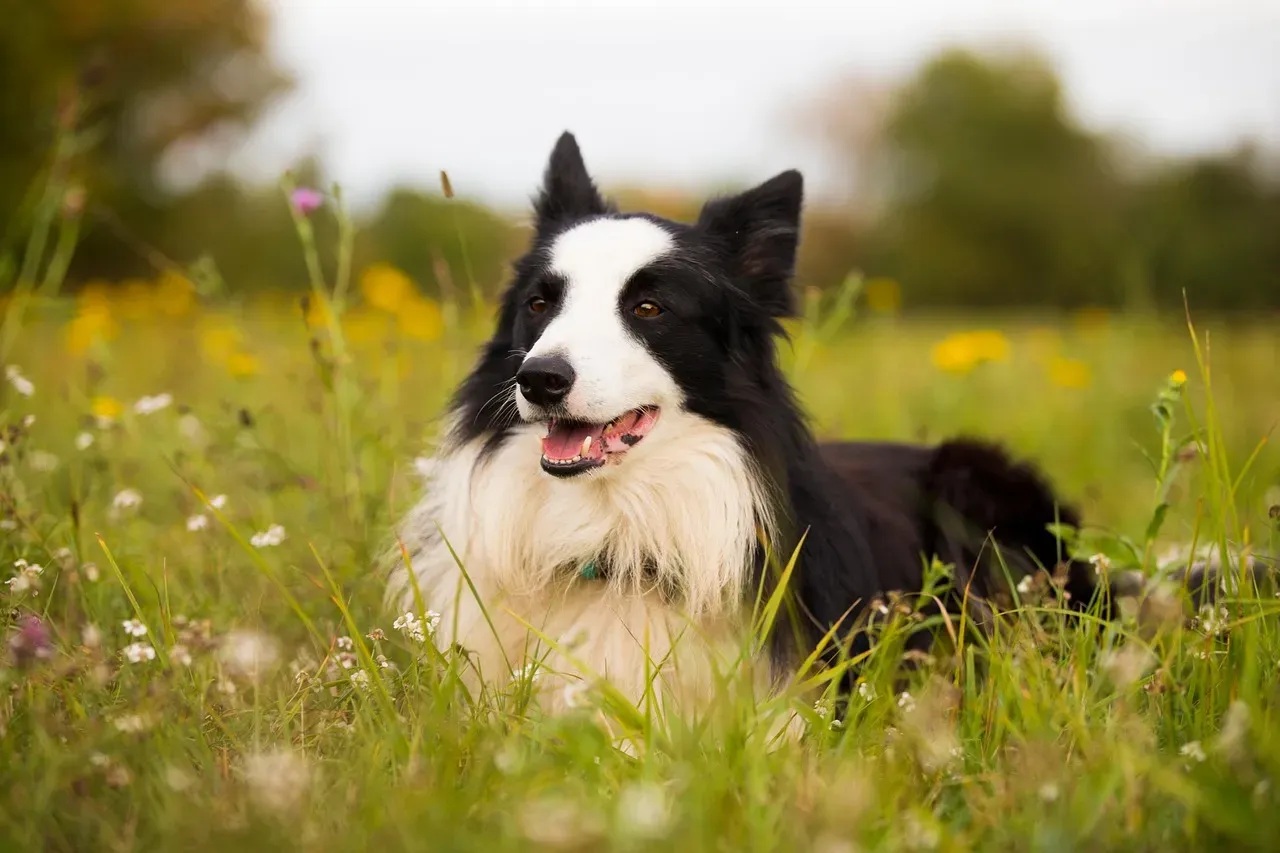
Border Collies are, without question, among the most intelligent dogs ever to grace this planet. They learn commands after just a handful of repetitions. They anticipate your movements. They read your emotions. They’re incredible. They’re also capable of making an inexperienced owner’s life feel like a full-time crisis.
Due to their athletic nature, Border Collies naturally seek a job and outlet for their energy requirements. If not given a decent outlet, they may find a job that is not particularly ideal in your household, such as destructive or obsessive behaviors.
Socializing your Border Collie from a young age helps them avoid herding behaviors towards other people and animals. Yes, that means herding your kids, your cat, your houseguests. Think of them like a Formula 1 car: extraordinary performance, but they need the right track to run on. Give them structured work and they’ll reward you endlessly.
9. Weimaraner: The “Gray Ghost” With Separation Anxiety
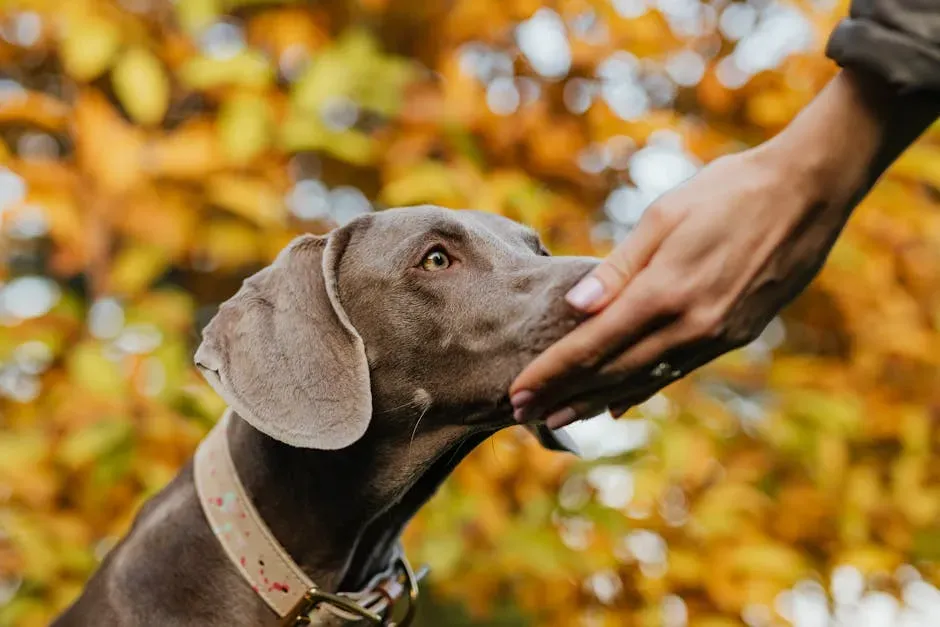
There’s a reason Weimaraners are called the Gray Ghost. They follow you from room to room, sleep at your feet, watch you with that intense, almost unsettling gaze. They’re devoted to a fault. That level of attachment, without careful management, spirals into full-blown separation anxiety incredibly fast.
Their mischievous streak and potential for destructive behaviors thrive on boredom and neglect. Owning a Weimaraner is a commitment, not a casual fling.
Nicknamed the “Gray Ghost,” this dog is a sleek and elegant breed with striking looks and an athletic build. Behind that regal appearance is a ball of high energy and neediness that may surprise many new pet parents. They are smart, intelligent, and bred for hunting, meaning they need constant stimulation and regular exercise. Crate training early and a structured daily routine are your best friends with this breed.
10. Cocker Spaniel: Sweet Face, Hidden Triggers

Cocker Spaniels look like living stuffed animals. Soft ears, soulful eyes, warm personalities. Most of them are genuinely wonderful family dogs. However, there’s a well-documented genetic issue within this breed that every potential owner must know about before committing.
The Cocker Spaniel has developed something called Rage Syndrome, a genetic disorder in which the dog turns into a biting frenzy with no recognizable trigger or stimulus. The dog may attack strangers and even owners. There is no clear cause for this behavior, but it is thought to be a symptom of epilepsy or schizophrenia.
It is especially common in solid-colored, red, or gold-colored Cocker Spaniels. Motley-colored spaniels do not have this issue as often. If you’re set on a Cocker Spaniel, opt for a reputable breeder with extensive health screening records, and favor multi-colored individuals. This one piece of knowledge alone could protect your family.
11. Toy Poodle: The Napoleon Complex on Four Legs
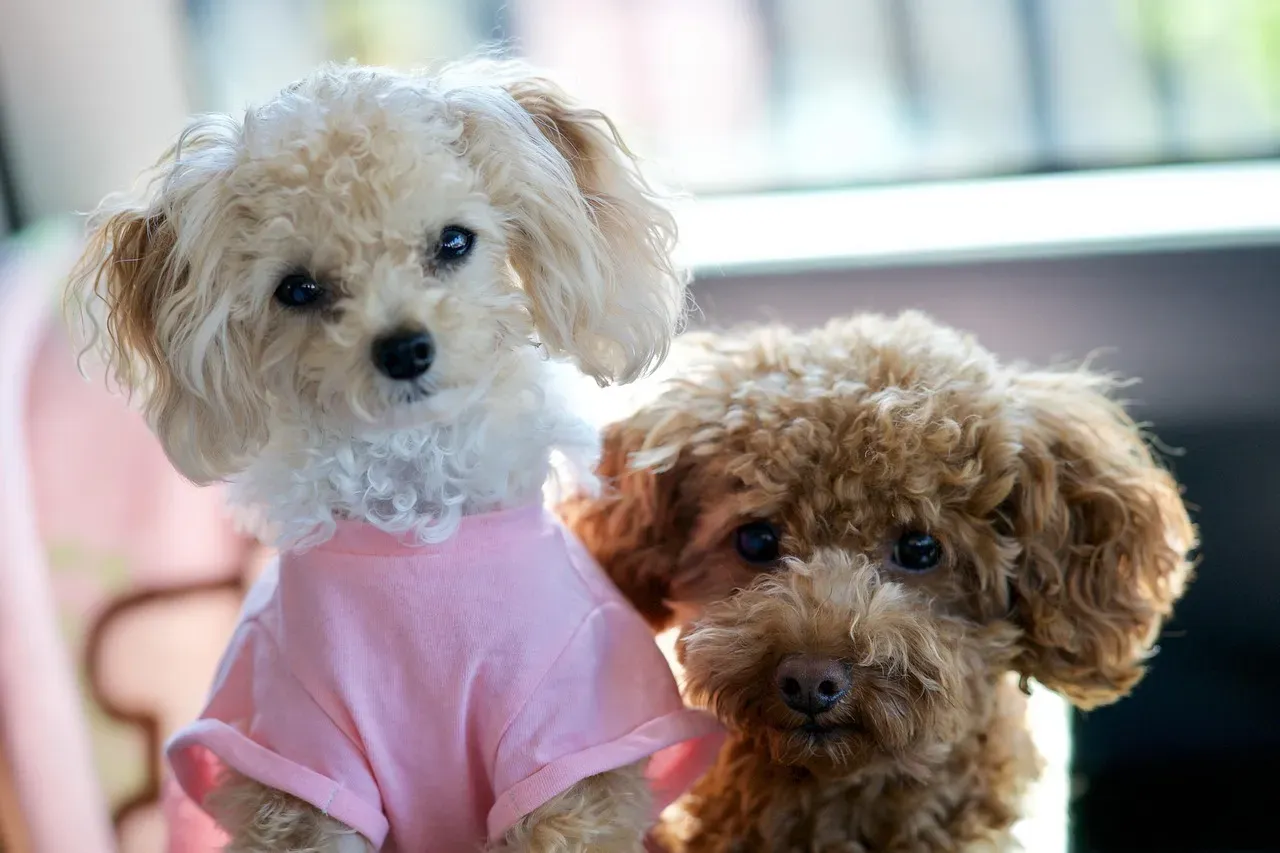
Toy Poodles are whip-smart, deeply sensitive, and often treated more like accessories than dogs. That’s where the problem starts. Because they’re small and undeniably adorable, their challenging behaviors get excused far too often. The result is a dog who truly believes it runs the household.
Toy Poodles are sensitive dogs that are very prone to separation anxiety, which often leads to aggression. The Toy Poodle can also become restless and aggressive when left alone for long periods and has “Small Dog Syndrome,” the dog version of the human Napoleon complex.
Many Toy Poodles are marketed as low-maintenance pets, but they seldom get the exercise they need. They are a shrunken version of the Standard Poodle, an active hunting dog. These little guys have all the drive of their larger cousins without the outlet. Treat them like a real dog. Set boundaries, exercise them daily, and resist the urge to carry them everywhere. They’ll be better for it.
12. Terrier Breeds: Wired, Stubborn, and Unapologetically Themselves
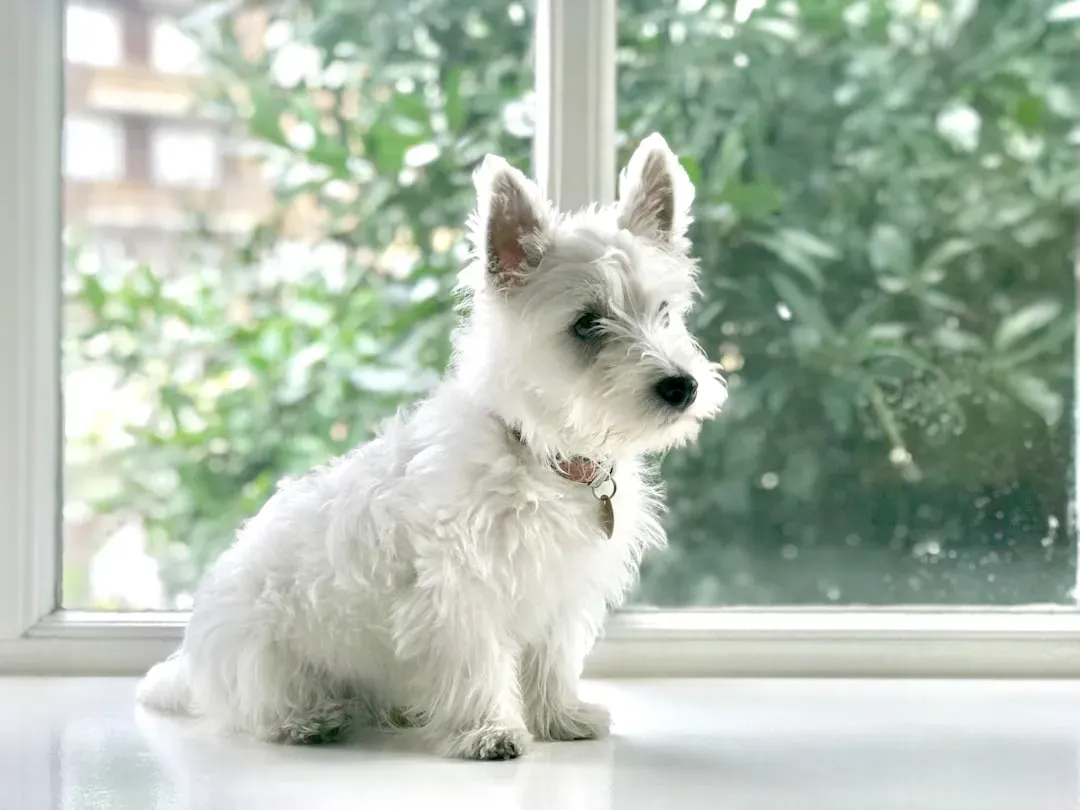
Terriers, as a group, deserve their own mention because the behavior pattern runs consistently across nearly the entire family. Whether it’s a Yorkshire, a Boston, or a Skye Terrier, you’re dealing with a dog that was bred to hunt vermin aggressively and independently. That instinct doesn’t disappear just because they’re living in your apartment.
Terriers were bred to hunt rodents and other vermin, especially small and medium-sized ones. Such an instinct does not go away, and without proper training and socialization to constructively channel that instinct, a terrier is known to act hostile towards people and other dogs.
Given plenty of exercise, proper training, and a job to do, these can be wonderful dogs. I know it sounds crazy, but terriers genuinely thrive with structured dog sports like earthdog trials or agility courses. Channel the stubbornness into purpose and watch a completely different dog emerge.
—
Now, the Good News: 6 Naturally Calm Dog Breeds
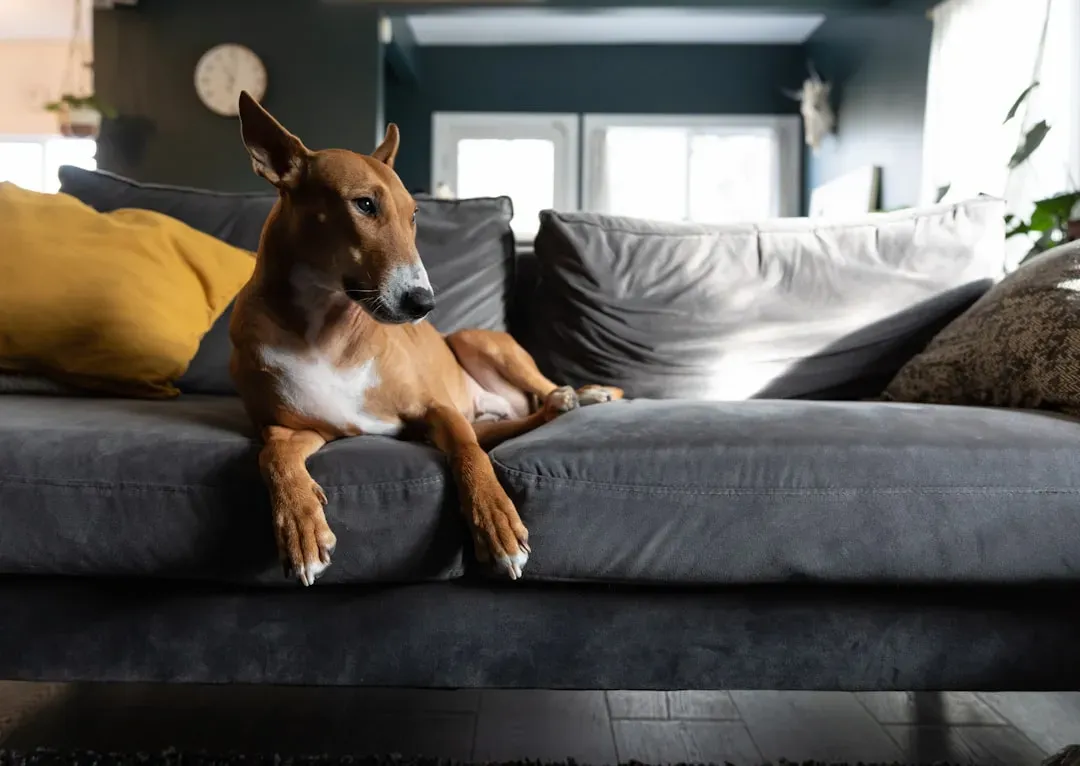
Not every dog owner wants to run a marathon with their pet or negotiate peace treaties daily. Some people want a dog that matches the energy of a quiet Sunday afternoon, and that’s perfectly valid. Some breeds are particularly well-known for their calm and laid-back temperament, and contrary to popular belief, calm dogs don’t just come in the form of gentle giants. Breeds regarded for their peaceful temperaments come in all shapes and sizes.
13. Golden Retriever: The Gold Standard of Easygoing

There’s a reason Golden Retrievers are used as therapy dogs, guide dogs, and emotional support animals. Their temperament is almost otherworldly in its warmth and adaptability. They’re the dog equivalent of a trusted old friend who never overreacts to anything.
Their temperament often makes them great service and therapy dogs, and while they can be playful and have a lot of energy in their youth, a four-year-old Golden Retriever that’s emotionally and physically satisfied is most likely going to be calmer than a puppy of the same breed.
Goldens love to learn and retrieve, and a great way to expend their energy is with obedience, agility, or fetch games. Because they’re eager to please, they also respond well to obedience training, making them one of the best dogs for first-time owners. They’re not perfect, nothing is, but they come remarkably close.
14. Cavalier King Charles Spaniel: Calm, Cuddly, and Content
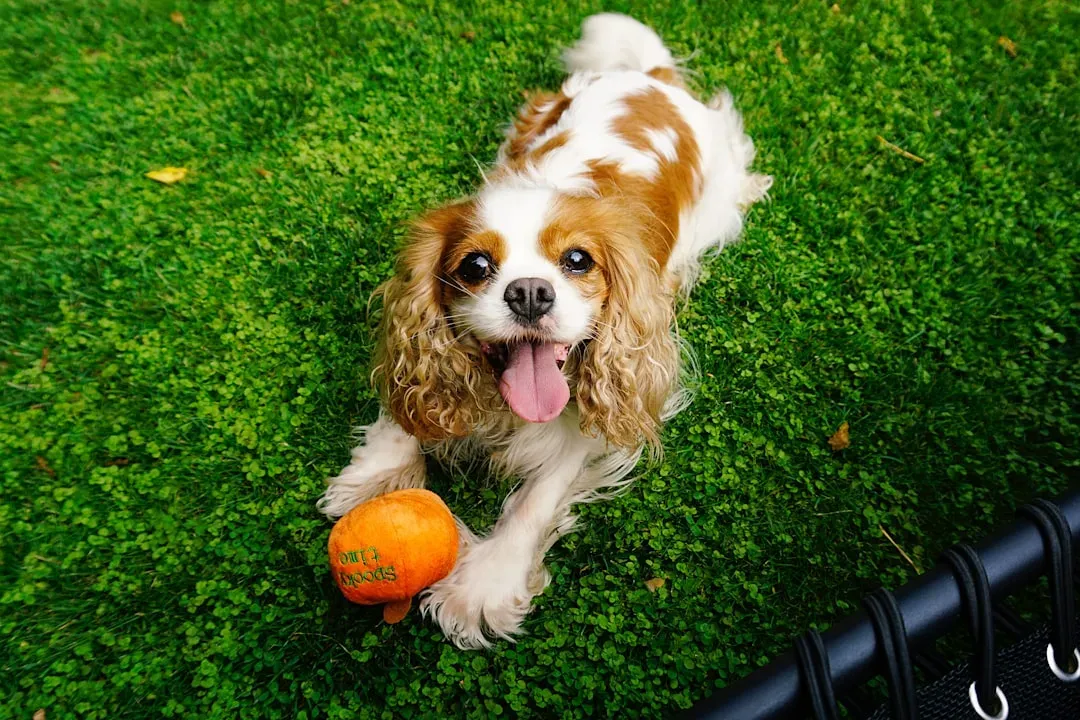
If you want a dog that will happily adapt to your lifestyle, whether that’s long hikes or Netflix marathons, the Cavalier King Charles Spaniel is almost impossible to beat. They’re gentle, they’re social, and they carry themselves with a quiet elegance that genuinely soothes a room.
This elegant breed is a great companion and one that thrives on a human bond. Cavaliers are a small breed that is calm and gentle, well-suited for a family household.
Due to their welcoming disposition, the Cavalier makes a great therapy dog. Enrolling your Cavalier in socialization and training classes will allow for a well-mannered companion that does well in a variety of social situations. This breed does well in a home with children or multiple family members. One health note worth knowing: there is a risk of a congenital defect in this breed called caudal occipital malformation, which can lead to a misshapen skull and neurologic issues. Always choose a responsible breeder.
15. Basset Hound: Born Relaxed, Stays Relaxed

Basset Hounds seem to move through life at their own deeply unhurried pace, and honestly, there’s something deeply admirable about that. They are not going to stress you out. They are not going to redecorate your home in frustration. They are, in essence, professional chill experts.
Once properly trained, Basset Hounds will be your faithful companion nearly anywhere. Their energy levels tend to veer more toward couch potato vibes, so when you’re looking to kick back after a long day, your Basset Hound will be happy to join in and cuddle with you. It’s no wonder they are ideal for people looking for a stress-relieving, affectionate dog.
While calm and quiet at home, Bassets can be stubborn and vocal when out and during daily activities. They may not be the cuddliest breed out there, however, they are steadfastly loyal. Keep in mind they do have a powerful voice when scent-tracking. Apartment dwellers should factor that in before committing.
16. Newfoundland: The Nanny Dog Who Loves Everyone
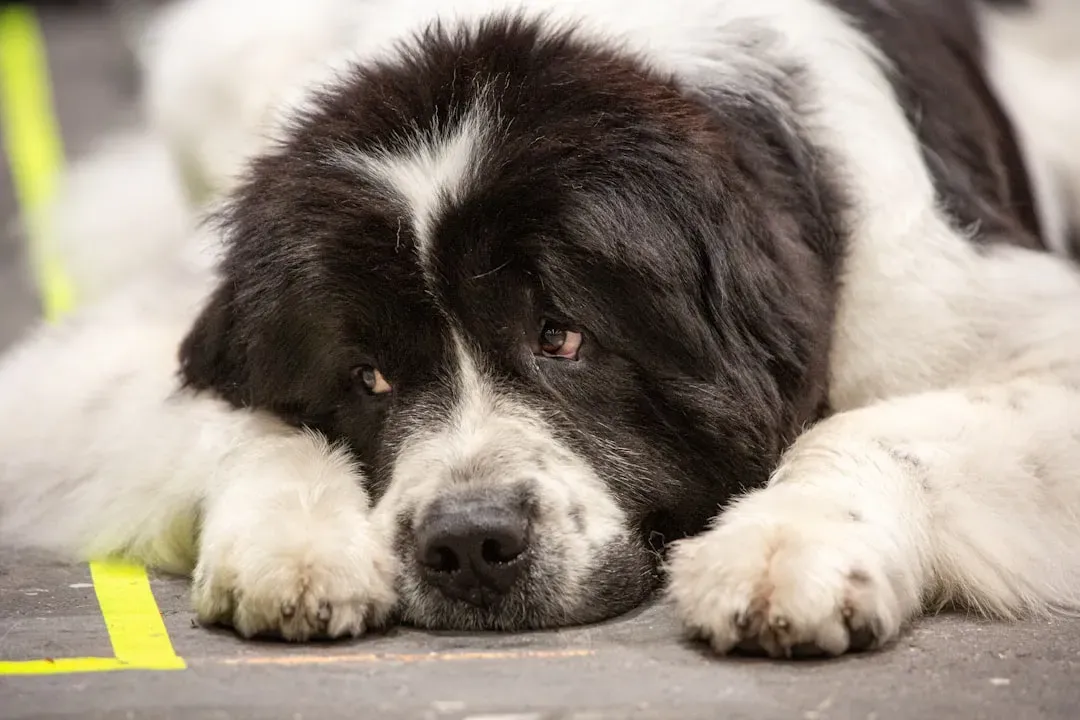
Everything about a Newfoundland is big. Their size, their heart, their capacity for gentle, patient love. These are the dogs that seem almost spiritually designed to be around children and families. They’re the kind of dog that makes even anxious people relax just by walking into a room.
The Newfoundland is dubbed “the nanny dog,” and you won’t find a more devoted and empathetic fan of your kids. Newfies are over 100 pounds of fur and drool, but people who are fans of the breed love the affectionate and good-natured temperament of these dogs. They love kids and are easy to train.
The Newfoundland may be calm, but they are hard workers at heart. Born with naturally webbed feet and thick, heavy coats, these pups were historically used to pull overboard fishermen out of frigid waters. They do require space and regular grooming, and yes, the drool is genuinely impressive. Consider it the price of admission for one of the most loving breeds alive.
17. Great Dane: Gentle Giant, Gentle Soul
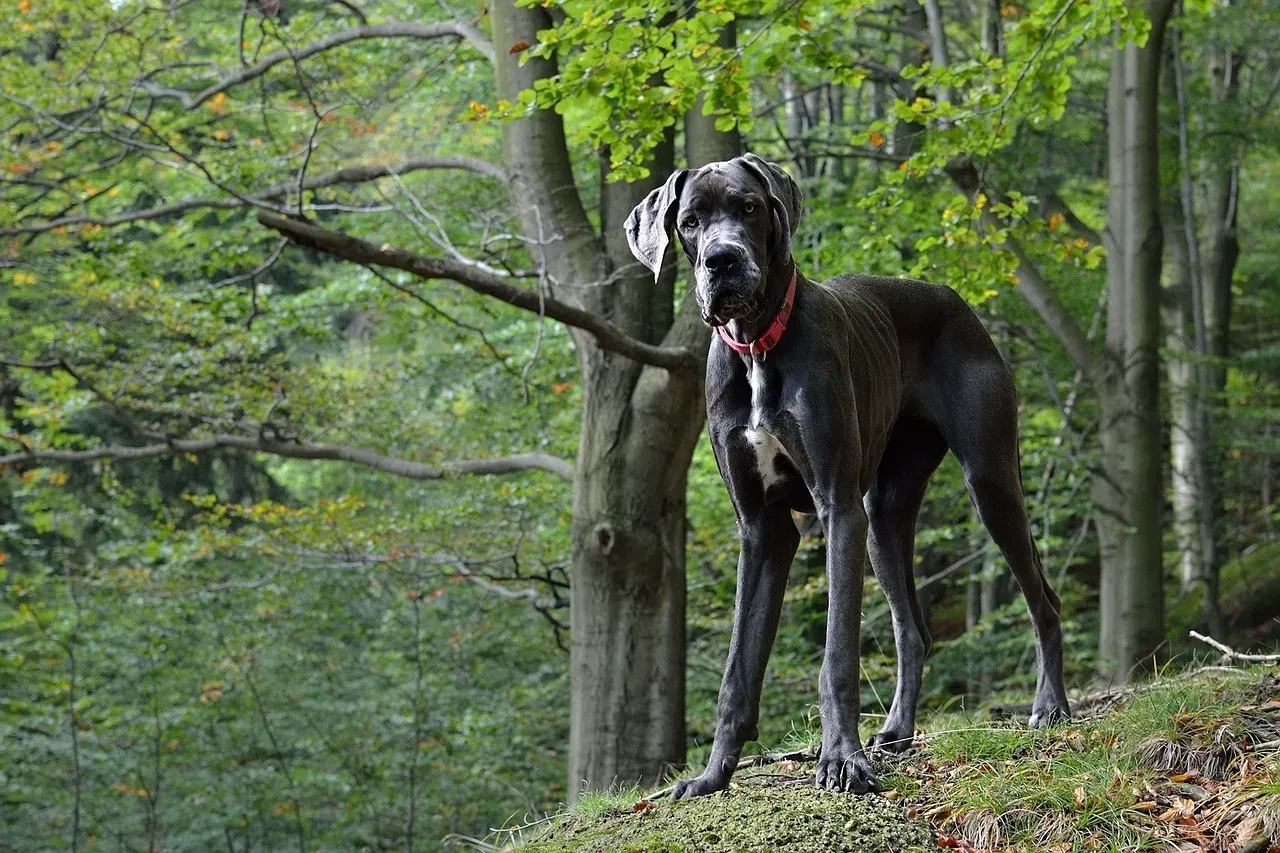
There is something almost poetic about a dog as physically imposing as a Great Dane being one of the most serene, low-drama breeds you can live with. They look like they could bench-press a small car. They actually want to be your living room couch companion.
Despite their large size, Great Danes are often described as gentle souls. They are generally calm and well-behaved, seldom getting worked up over loud or vigorous stimuli. They are also typically affectionate and enjoy being around their human family members.
The giant Great Dane is one of the calmest dog breeds. Their gentle, quiet nature makes them good family dogs, but they do need plenty of space to live and play. Great Danes also need long walks regularly, and their calm demeanor helps make that a generally hassle-free process when encountering other dogs and new people. The one sobering note: Great Danes typically have a short lifespan of six to eight years. Love them fiercely, every single day.
18. Shih Tzu: Royally Relaxed and Family Ready
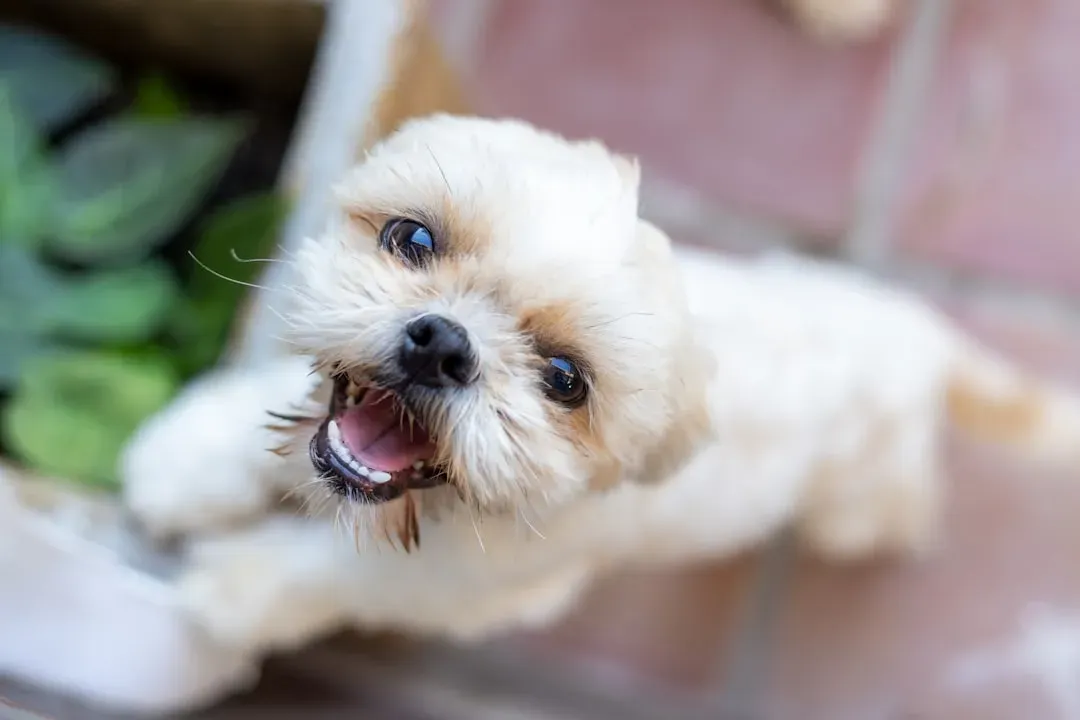
Shih Tzus were literally bred as companions for Chinese royalty. If they occasionally act a little entitled, that’s historically accurate. Joking aside, they are genuinely among the warmest, most adaptable small dogs you’ll find anywhere, and their calm energy makes them incredible family pets.
Shih Tzus are small dogs with a naturally calm and friendly personality. They make excellent lap dogs and are great for families. Proper socialization is recommended early in a Shih Tzu’s life to ensure they get along well with other dogs and new people.
An adorable, affectionate breed well-suited for families, the Shih Tzu is sturdy, well-built, and a bit goofy. They are great for apartment living and bring joy to those who interact with them outside the house as well. They do need regular grooming to keep that gorgeous coat in check, but in return you get a dog that radiates contentment. Honestly, that’s a fair trade.
—
Final Thoughts: Every Dog Deserves a Chance

Here’s what I want you to take away from all of this. No dog breed is inherently bad. According to the American Veterinary Medical Association, the breed of a dog is not a reliable predictor of behavior. Aggression is often a result of poor training or mistreatment rather than the breed itself. Behavior is shaped by environment, consistency, and love, not just genetics.
Whether you have a howling Husky or a zen-level Basset Hound, every dog is asking you the same question: do you see me, do you understand me, and are you willing to meet me where I am? Understanding how your dog perceives the world can improve communication and make it easier to improve any stubborn behavior habits. Keep in mind that different breeds have different needs and temperaments, and understanding your dog’s breed can help you tailor your training and care.
The right dog for you exists. It might be one of the challenging breeds on this list, managed beautifully by a committed, informed owner. It might be one of the calm breeds, perfectly matched to your lifestyle. Either way, you deserve to go into it with your eyes wide open. So tell me, did any of these breeds surprise you? Drop your thoughts in the comments below.


