

You came home after a long day, ready to relax, only to find your sofa gutted like a crime scene, your favorite shoes reduced to confetti, and a dog sitting there looking absolutely angelic. If this sounds familiar, you’re not alone – and honestly, you’re not a bad dog parent either.
When a dog’s energy is not properly channeled, it can lead to destructive behaviors, especially when they’re left bored and unstimulated. Boredom in dogs is often the result of insufficient mental and physical stimulation, and this can show up as chewing furniture, digging, excessive barking, and other forms of destruction. The thing is, it’s rarely personal. It’s biology. Some breeds were literally built to run miles, herd livestock, or pull sleds – and when that drive has nowhere to go, your couch becomes the target.
So whether you’re trying to understand your current chaos-creator or thinking about your next dog, let’s dive into which breeds turn boredom into a full demolition project – and which ones are blissfully chill. Get ready, because some of these might genuinely surprise you.
1. Labrador Retriever: The Enthusiastic Demolisher

Let’s be real – the Lab is everyone’s favorite family dog, and for good reason. Friendly, loyal, and endlessly lovable. These dogs were bred to retrieve game for hunters, so they have a natural instinct to carry things in their mouths, sometimes furniture, shoes, or anything within reach. That mouth? It never really takes a day off.
Labradors are known for their love of chewing, and when left alone or unstimulated, they can quickly turn to household items like shoes, furniture, and even walls as chew toys. Labradors are also social dogs that thrive on interaction with their owners, so if they are left alone for long periods without adequate exercise, they can develop separation anxiety, which often leads to destructive behaviors.
Prevention tip: Providing Labradors with plenty of physical exercise like long walks, playtime, and mentally stimulating activities like puzzle toys is essential to keeping their destructive tendencies in check. A tired Lab is a happy Lab – and a safe sofa.
2. Border Collie: The Genius With Too Much Time On Its Paws

Here’s the thing about Border Collies – they’re brilliant. Almost unsettlingly so. Border Collies are often hailed as one of the most intelligent dog breeds in the world. Originally bred to herd sheep, these dogs have an almost endless energy supply and a sharp mind that thrives on problem-solving and challenges.
This combination of intelligence and energy means that Border Collies can quickly become bored if they’re not given enough to do. When bored, they can become destructive, turning their attention to chewing, digging, and even herding children or other pets in the home. Imagine a toddler with the cognitive ability of a chess grandmaster and no one to play with. That’s a bored Border Collie.
Behavior cue to watch for: Border Collies are more prone to struggling with intense boredom when alone. This can often lead to destructive behavior and excessive barking. If your Collie starts shadow-chasing or staring obsessively at walls, it’s time to add more mental enrichment to their day.
3. Siberian Husky: The Drama Queen of Destruction
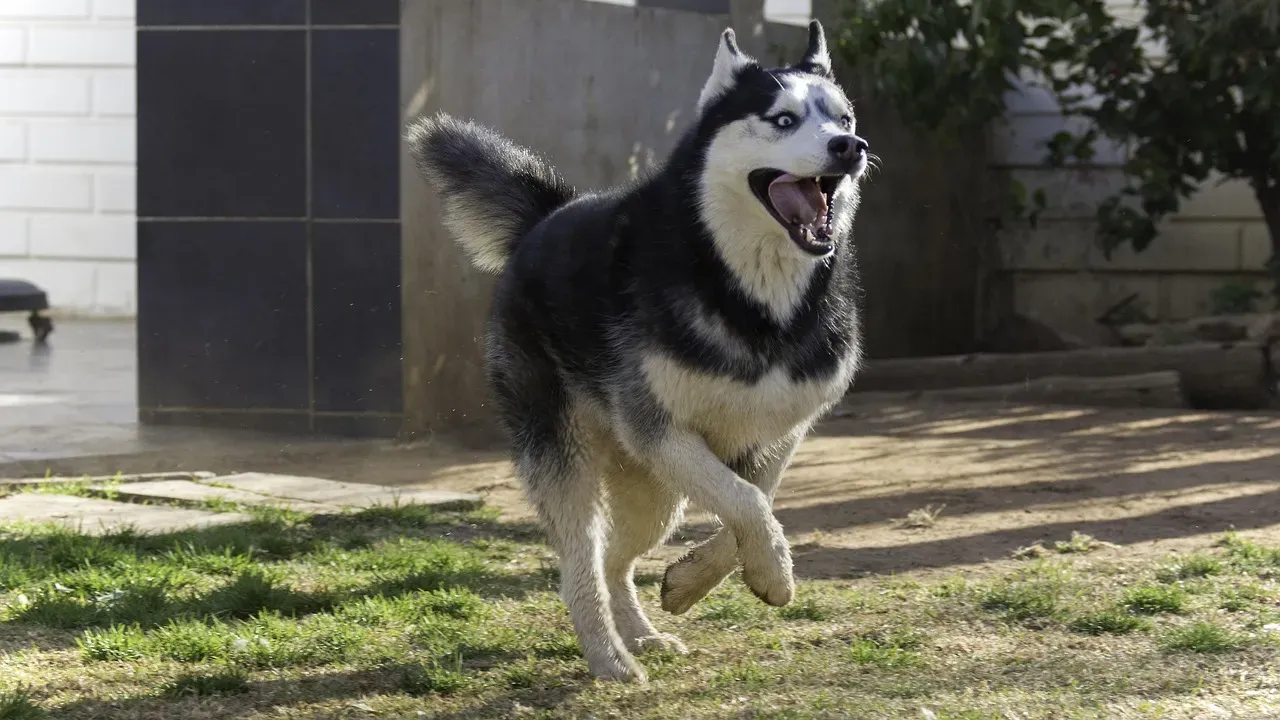
Nobody throws a bigger tantrum than a bored Husky. Nobody. Bored Siberian Huskies have a reputation for being destructive indoors, digging holes outside, and escaping yards to run freely. They don’t just chew – they perform.
Bored Huskies will become rambunctious, expressing themselves by howling and destructive chewing. Bored Siberian Huskies are famous for chewing through drywall, ripping the stuffing out of sofas, and turning your yard into a moonscape of giant craters. I know it sounds crazy, but yes – drywall. These dogs treat your home like a renovation project.
Prevention tip: Tiring out a Husky is no easy task, but it’s the best option to keep them happy. Remember that Huskies are working dogs, so they need a lot of daily exercise and mental stimulation. Think of daily running, hiking, or even canicross as non-negotiable – not optional extras.
4. German Shepherd: The High-IQ Homewrecker
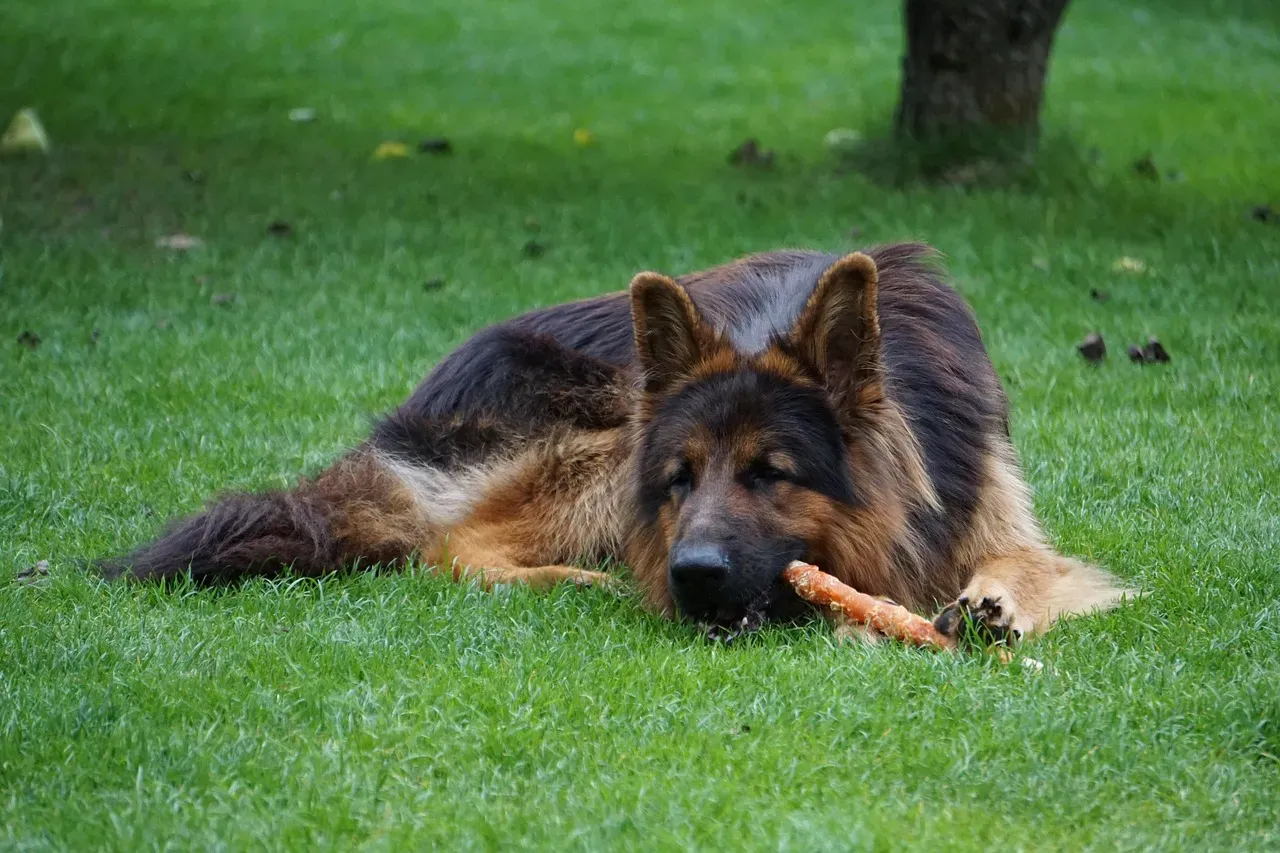
German Shepherds are known for their high energy levels and need for mental stimulation. Left alone or under-stimulated, they can easily turn to chewing and digging. This is a breed that was literally bred to work all day, every day. Leaving one alone without a plan is like handing someone a power drill and walking away.
German Shepherds can go through chew toys at a rate of knots. They have a strong work drive, athletic physique, and powerful bite force, which makes them notoriously demanding on their toys. These heavy-duty chewers tend to love exercising their strong jaws throughout their life, not just in the puppy phase, and it serves as a useful distraction, reducing stress and providing mental stimulation.
Health sign to watch: Excessive chewing in German Shepherds can sometimes signal anxiety or even pain. If your dog is suddenly chewing more than usual, a vet check is worth it before assuming it’s purely boredom.
5. Weimaraner: The Velcro Dog That Turns Clingy Into Chaos
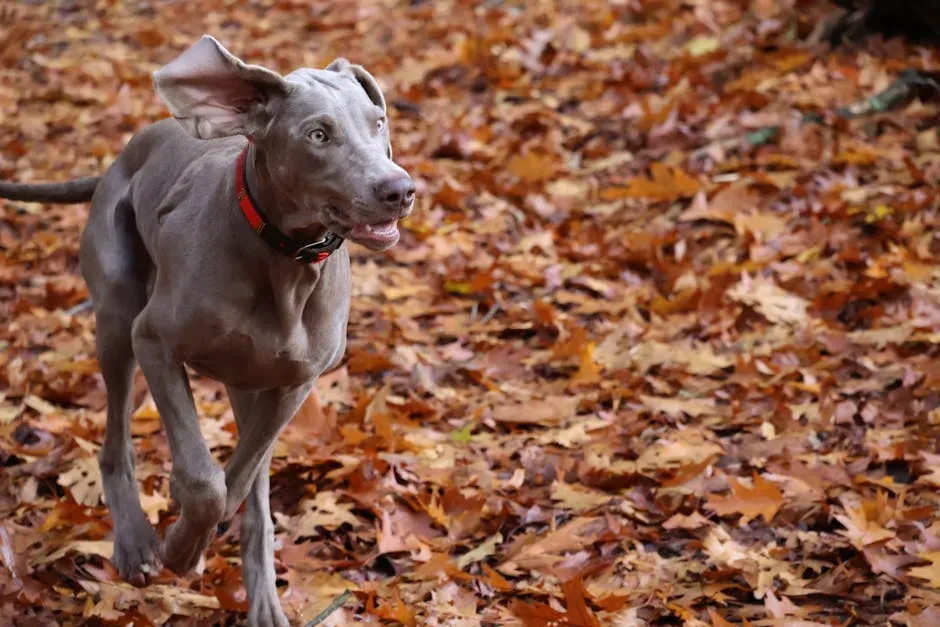
The Weimaraner is high-energy, high-drive, and high-maintenance when it comes to attention and exercise. These dogs are also called “Velcro dogs” because they’re deeply bonded to their humans. Sweetly devoted? Yes. But that devotion has a very destructive flip side.
That loyalty comes with a cost: separation anxiety is common. Boredom can lead to destructive behavior like chewing, digging, or barking at absolutely nothing. They’re also highly intelligent and trainable, but they need structure, variety, and lots of mental stimulation. Think of the Weimaraner as a co-worker who becomes a liability the moment you stop giving them a project.
Prevention tip: Bored Weimaraners may resort to destructive chewing, digging, or excessive barking. To keep them happy, they need plenty of exercise, obedience training, and mentally stimulating games like fetch or tracking exercises.
6. Australian Shepherd: The Herder Without a Herd

Australian Shepherds are highly intelligent and energetic dogs with a strong herding instinct. They excel in agility, obedience training, and herding competitions. However, their intelligence also makes them prone to boredom if not given enough tasks to perform.
Honestly, this breed without a job is a bit like a high-powered sports car stuck in a school zone – the energy builds and builds until something gives. Without regular activity and mental stimulation, they may resort to destructive habits like excessive digging or chewing. Keeping them engaged through advanced training and outdoor adventures can help prevent behavioral issues. Agility training, obedience courses, and long hikes are their love language.
7. Jack Russell Terrier: Small Dog, Maximum Chaos
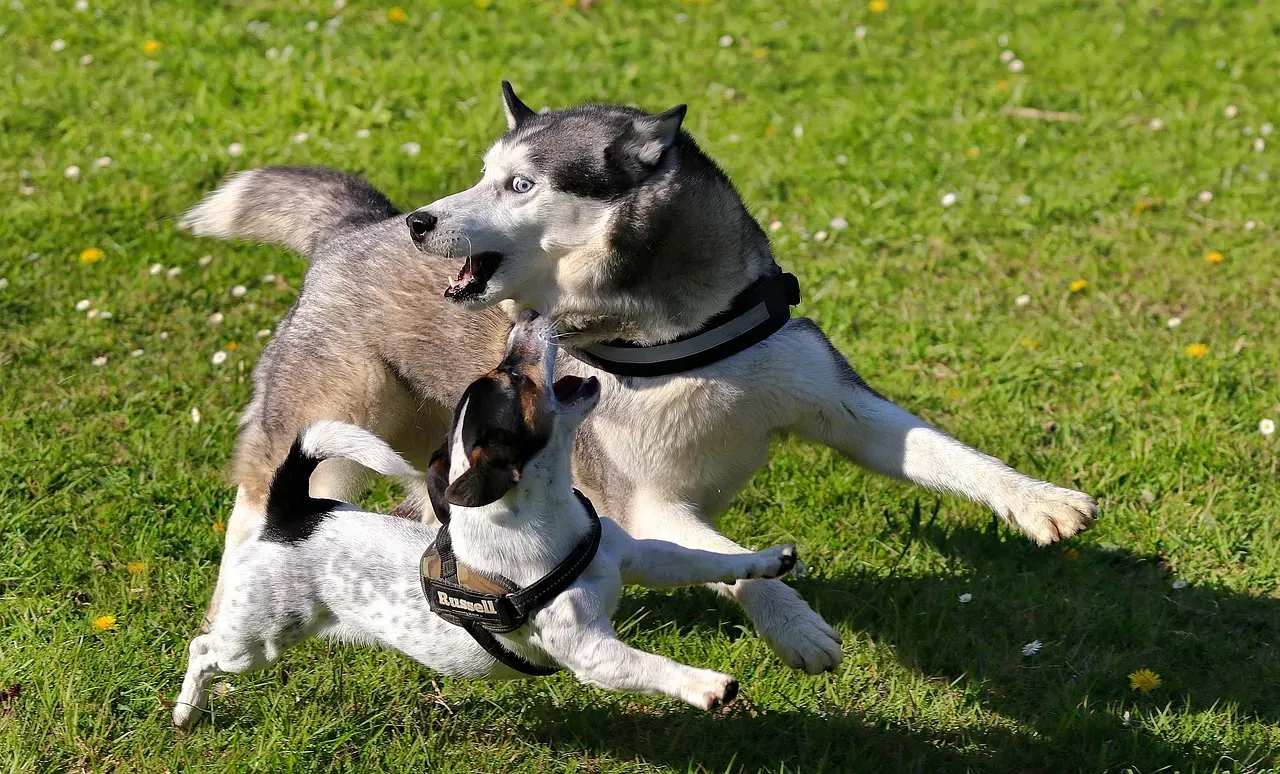
Don’t let the size fool you. The Jack Russell Terrier is basically a stick of dynamite wearing a fur coat. Originally bred for fox hunting, Jack Russell Terriers possess a high prey drive and an instinct to dig. If left to their own devices, your yard could quickly become riddled with holes as they “hunt” for critters. Inside, they might decide to excavate your couch cushions or tear into a favorite pair of shoes.
Jack Russells have endless sources of energy and are always looking for ways to use up that energy. Sometimes it’s with activities like digging. Other times, it’s getting their teeth around the nearest thing they can find and ripping it to shreds. Their size just means the destruction is concentrated and surprisingly thorough.
Prevention tip: You should always be sure to keep a chew near your Jack Russell and give them regular exercise and teach new tricks to keep their body and mind busy. Short, frequent training sessions work far better than one long exhausting marathon.
8. Beagle: The Nose-Led Tornado

Beagles are just as likely to chew things as they are to dig and howl. Considering they are hunting dogs, it absolutely makes sense that they would be all about destructive behaviors when they get bored. Their nose leads them into trouble more often than you’d think.
When it comes to being greedy, Beagles take the top spot. These playful pups have been known to steal the food off your plate, tip over the bin for a rummage, and ransack any cupboard within reach. Combine that with a powerful nose and relentless curiosity, and your kitchen becomes an adventure zone. Childproof cabinets are genuinely not just for children – Beagle owners know the struggle.
9. Dalmatian: The Energetic Spotted Surprise

Dalmatians are famous for their striking spotted coats and history as firehouse mascots, but they are also known for their high energy levels and need for constant activity. Bred as carriage dogs, they were meant to run long distances and guard horses, which required both stamina and alertness.
Dalmatians can quickly become bored and restless when they don’t receive enough physical exercise or mental stimulation. This boredom can lead to destructive behaviors such as chewing on furniture, digging up the yard, or finding ways to escape and explore independently. They’re stunning, spirited dogs – but they need a lifestyle to match that energy. A calm apartment life with two short walks simply won’t cut it for this breed.
10. Rottweiler: Powerful Jaw, Powerful Consequences

The Rottweiler shouts out strength and power with its imposing physique. They naturally have a powerful bite and strong chewing instinct, so it’s little surprise this is a breed renowned for destructive chewing habits without training. As a working dog, they need to use their mind and body to ward off frustration and stress – chewing can be an outlet for this.
Think about it this way: when a Labrador chews your shoe, you lose a shoe. When a Rottweiler chews something, that thing ceases to exist entirely. These dogs can have powerful jaws and a strong desire to chew, which can lead to damage to furniture, belongings, or even their surroundings. It’s essential for owners to invest time and effort in training and providing mental and physical stimulation to prevent destructive habits.
Now, the Good News: 5 Breeds That Are the Least Damaging When Bored

Not every dog owner wants or can manage a high-octane breed – and that’s completely valid. Unlike high-energy breeds, low-energy dogs are less likely to engage in destructive behaviors like excessive barking or chewing. Their calm temperament makes them easier to train and manage. These five breeds tend to take boredom in stride without redecorating your home in the process.
Still, it’s worth saying – no dog is completely destruction-proof. The difference is simply that these breeds tend to sit down, sigh, and wait for you to return rather than reinvent your living room decor.
1. Basset Hound: The World’s Most Unbothered Dog

Basset Hounds are known for their droopy ears, soulful eyes, and calm personalities. They enjoy lounging but still need occasional moderate exercise to maintain a healthy weight. A slow walk and some quality nap time make them happy.
Modern Basset Hounds are surprisingly chill. These charming dogs are patient and loyal, and unlike some of their hound companions, they can be fairly lazy. A daily walk will probably be enough for a Basset; otherwise, they’re perfectly happy being couch potatoes. If boredom were an Olympic sport, the Basset Hound would win gold – purely by sitting still and waiting it out.
2. Cavalier King Charles Spaniel: The Gentle Soul

The Cavalier King Charles Spaniel is an affectionate breed that is incredibly relaxed. Cavaliers enjoy short bursts of play but are happiest cuddling on the couch with their owners. Their easygoing nature makes them great for apartments.
Due to their ability to sense and adjust to their owners’ temperaments, Cavalier King Charles Spaniels are terrific for people always on the go. Their compact size and easy dispositions make them perfect matches for elderly persons, apartment dwellers, and homes with other pets. They’re the dog equivalent of a warm cup of tea – soothing, uncomplicated, and deeply appreciated.
3. Greyhound: Fast Sprinter, Devoted Napper

Most people assume Greyhounds must be absolute tornadoes of energy. Honestly, it’s one of the biggest misconceptions in the dog world. Despite being famous for athleticism and speed, the Greyhound only requires an occasional gallop to offset a napping regime and does best in a calm, quiet home. This makes the Greyhound arguably the best low-maintenance dog and the ultimate canine couch potato.
Greyhounds are known for their racing careers, which has led a lot of people to believe that they are a high-energy dog breed. However, Greyhounds prefer to put on short bursts of speed only, and are perfectly content to lay around on the couch for most of the day. These big dogs are usually content with a short daily walk, which makes them a good fit for apartment living. Give them a soft blanket and they’re entirely at peace with the universe.
4. Pekingese: Royally Relaxed
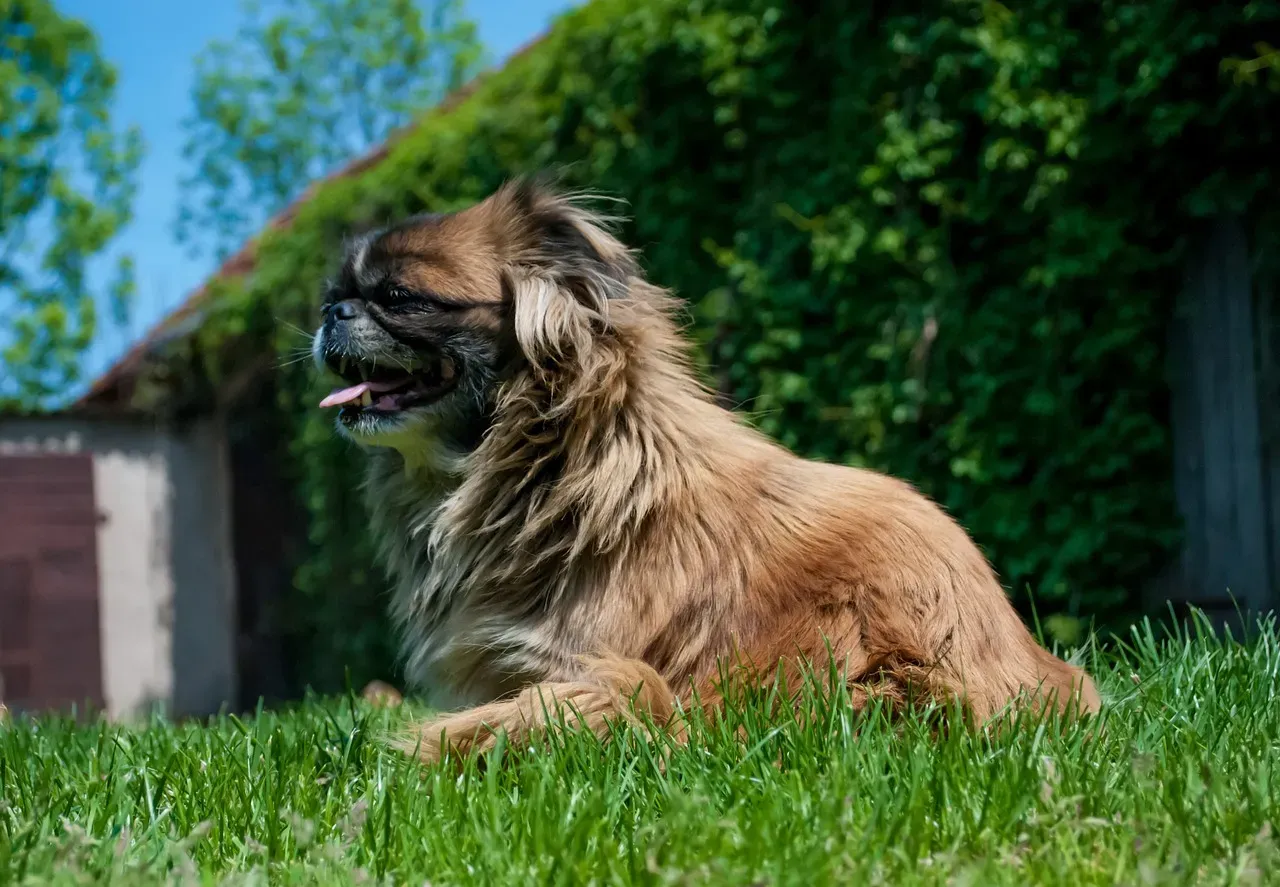
The Pekingese is a regal, independent toy breed with a surprisingly low-energy lifestyle. Once cherished by Chinese royalty, these small dogs are known for their calm temperament and tendency to spend hours lounging near their owners.
Despite their royal heritage, Pekingese are surprisingly low-maintenance when it comes to exercise. They prefer quiet companionship over rough play and rarely bark unless truly necessary. This makes them ideal for apartment dwellers or retirees seeking a peaceful pet. They’re not lazy – they’re just operating on a higher, more dignified frequency. There’s a difference.
5. Great Dane: The Gentle Giant Who Just Wants to Lounge

Great Danes may be large dogs with low energy, but they are gentle and love to lounge around. These big dogs don’t need much exercise; just some moderate activity and time spent indoors will keep them happy. Their sheer size fools people into expecting chaos, but the reality is often the opposite.
Great Danes can be amazing apartment pets. The name “gentle giant” is super fitting with this breed, whose calm demeanor makes them perfect for small-space living. Yes, they might accidentally knock your coffee table over just by wagging their tail. That’s not boredom-induced destruction though – that’s just physics, and you learn to rearrange accordingly.
Conclusion: Know Your Dog, Protect Your Home – and Your Sanity
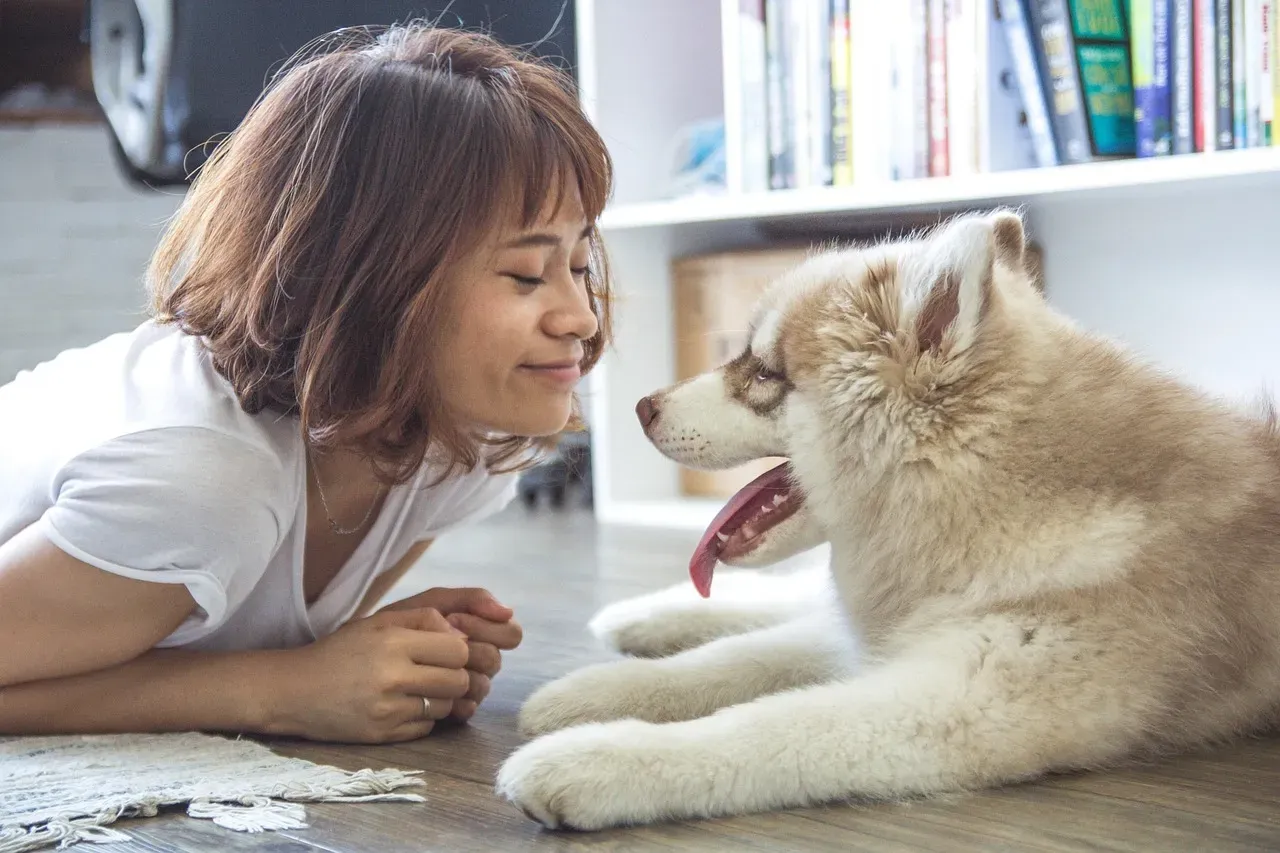
At the end of the day, no dog destroys your home out of spite. It’s communication. Certain breeds like Labradors, Beagles, and Jack Russells are naturally energetic and curious, making them more prone to destructive chewing. Often, it’s not bad behavior but a sign of boredom, anxiety, or too much pent-up energy. Your dog isn’t the problem – the mismatch between their needs and their environment is.
Understanding your dog’s breed instincts is one of the most empowering things you can do as a pet owner. Ensuring your dog gets enough exercise and mental stimulation is key to avoiding boredom. Active breeds may need long walks, extra exercise, or games like fetch to stay happy. For bored dogs, teaching new tricks or interactive activities can help keep their minds sharp.
Whether you share your home with a couch-shredding Husky or a blissfully lazy Basset Hound, the most important thing is that you understand them and meet them where they are. A dog that feels seen, exercised, and mentally engaged rarely has a reason to remodel your kitchen. So – which breed are you living with, and does your home still have baseboards? Tell us in the comments!


