

There is something quietly extraordinary about the way a dog can walk into a room and make everything feel a little less heavy. You don’t have to explain your bad day. You don’t have to keep it together. That wagging tail, that warm body pressed against your leg – it just gets you. No questions asked.
For millions of people across the world, a dog is not simply a pet. It is a presence. A grounding force. Something that holds steady when everything else feels like it is unraveling. And what’s remarkable is that science is now catching up to what dog lovers have felt in their bones for centuries.
So why exactly do our dogs become such powerful emotional anchors? Let’s dive in.
1. They Literally Change Your Brain Chemistry

Here’s the thing about dogs – their effect on you is not just emotional. It is biological, measurable, and genuinely profound. Interacting with a dog lowers cortisol, the stress hormone, while simultaneously boosting oxytocin, often called the “love hormone,” promoting calmness, reducing anxiety, and strengthening feelings of connection. Think of it like a natural reset button built right into your relationship with your dog.
Beyond oxytocin, dog interaction also triggers endorphins – those natural feel-good chemicals that reduce pain and boost happiness – as well as dopamine and serotonin, both linked to pleasure and mood regulation. That rush of warmth you feel when your dog runs toward you at the front door? That is not your imagination. That is your brain rewiring itself toward joy.
2. Dogs Are Wired to Read Your Emotions

Research shows dogs are naturally attuned to human emotions, sensing changes in mood and stress through body language, scent, and tone of voice, and this unique connection helps ease feelings of loneliness and anxiety. It sounds almost too good to be true, but this is the result of thousands of years of co-evolution. Dogs were shaped, partly, by their need to understand us.
Brain imaging studies reveal that dogs possess voice-processing regions in their temporal cortex that respond to vocal sounds, and emotionally charged sounds – a laugh, a cry, an angry shout – activate dogs’ auditory cortex and the amygdala, the part of the brain involved in processing emotions. So when you cry and your dog nudges you with their nose, they are not guessing. They genuinely registered your distress. That should move you, because honestly, it moves me every time I think about it.
3. They Offer Unconditional, Non-Judgmental Presence
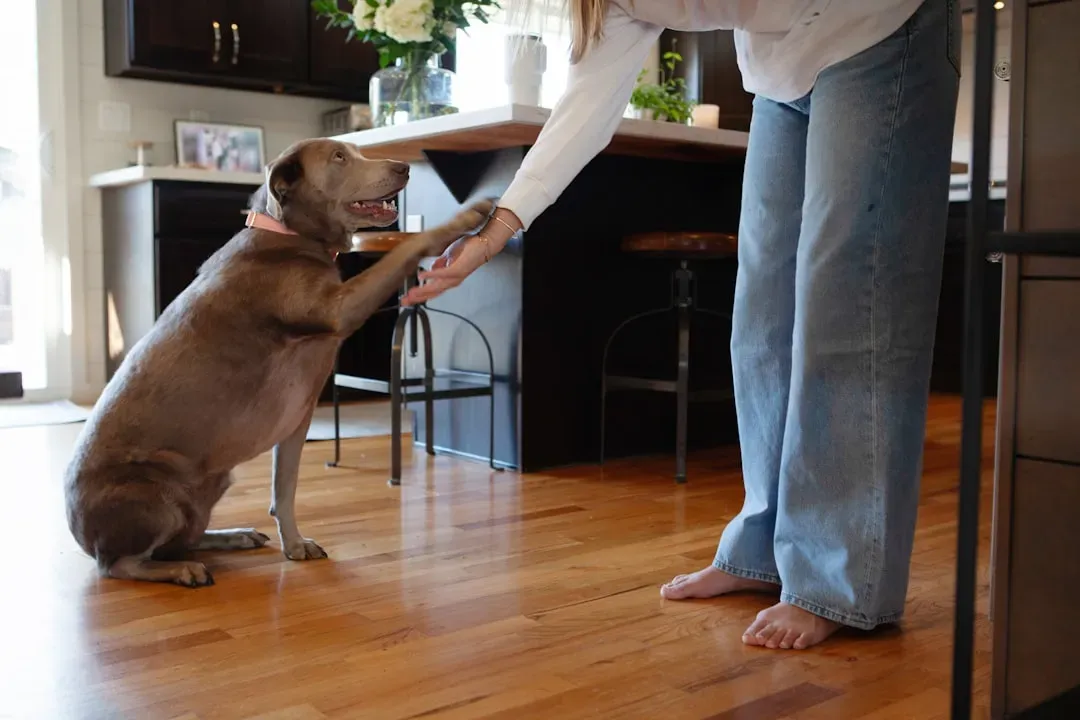
In Western societies, dogs are more than pets; they’re companions, family members, and, in many cases, emotional anchors. Part of what makes them so remarkable as emotional anchors is that they hold zero expectations. They do not care what you earn, what you failed at today, or whether you forgot to reply to that email. Their acceptance is total and completely unconditional.
While talking to and confiding in pets has been identified as an important source of support, it is important to receive unconditional and non-judgmental company and affection from pets, without the pressure to verbally communicate, demonstrating the unique social and emotional benefits of pets for mental health compared to human companions. Human relationships, wonderful as they are, always carry some degree of social weight. A dog? Zero pressure. Just presence. That distinction matters more than most people realize.
4. They Create Structure and Daily Routine

Let’s be real – when life falls apart, routine is one of the first things to go. Depression makes mornings feel impossible. Grief can strip away your sense of time. Anxiety blurs the edges of every day. Dogs fix that, quietly and firmly, by simply needing you. Caring for a pet promotes a daily structure and sense of responsibility, since animals need the same things at roughly the same times every day: food, walks, and care – and that consistent responsibility creates a built-in rhythm to your day, serving as a stabilizing force especially when you’re feeling overwhelmed.
Taking care of a dog instills in people a feeling of accountability and direction, making them more likely to get out of bed, stick to a schedule, and participate in daily activities when they know another living thing depends on them for care. It sounds simple. It is simple. That is exactly why it works so beautifully.
5. They Physically Calm Your Nervous System
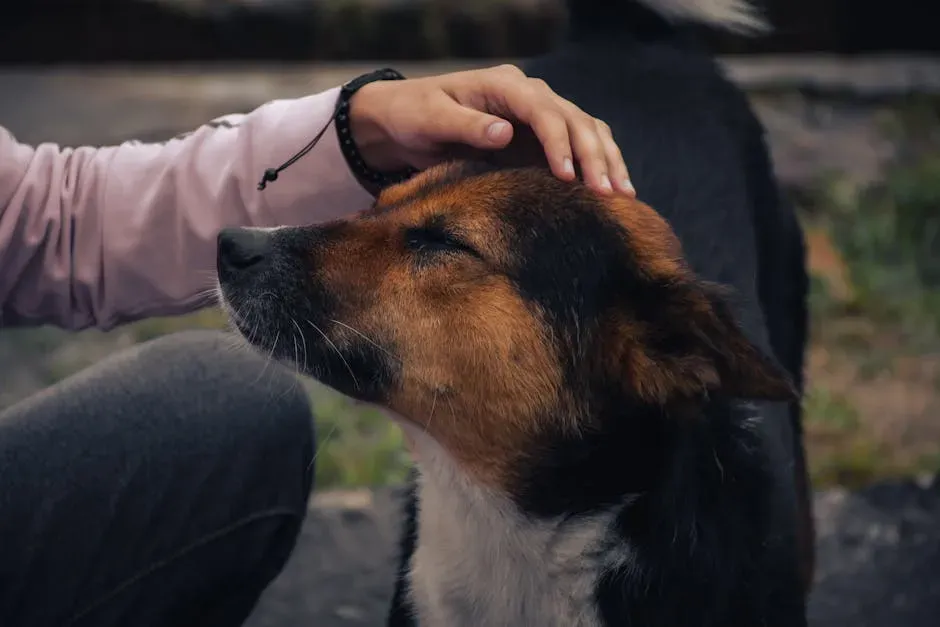
Beyond feelings and emotions, dogs do something remarkable to your body itself. Just 10 minutes of interacting with dogs produced a significant reduction in students’ cortisol, a major stress hormone. Ten minutes. That’s roughly the time it takes to make a cup of coffee. Think about that the next time you feel like there’s no time to play with your dog.
The changes in brain chemistry that make us feel calm and happy when we pet a dog also lower blood pressure and heart rate, much like often recommended strategies such as meditation and deep breathing for cardiovascular health interventions. Your dog is, in a very literal sense, a living, breathing wellness practice. One that comes with fur and sloppy kisses.
6. They Help You Recover From Stress Faster

Stress is unavoidable in modern life. It is how quickly you recover from it that matters most. And this is where dogs shine in a way that might genuinely surprise you. In research studies, participants without a dog exhibited more than 50% higher cortisol response during a stress test than those in the dog group. That is a staggering difference, not a subtle one.
Research also suggests that dogs can provide a faster stress recovery response, with cortisol levels in dog owners dropping more rapidly after the stress period ended. Imagine having a living, breathing recovery tool always by your side. For many dog owners, that is simply Tuesday. But the science makes it all the more worth appreciating.
7. They Strengthen the Human-Animal Bond Through a Shared Gaze

There is something almost magical about looking into your dog’s eyes. Turns out, science agrees. When dogs and humans make gentle eye contact, both partners experience a surge of oxytocin, often called the “love hormone,” reinforcing bonding much like the gaze between a parent and infant. This is not a metaphor. It is an actual neurochemical loop that builds trust and closeness between you and your dog every single time you look at each other.
Astonishingly, this effect is unique to domesticated dogs – hand-raised wolves did not respond the same way to human eye contact, and as dogs became domesticated, they evolved this interspecies oxytocin loop as a way to bond emotionally to their humans. Those soulful, soft eyes your dog gives you from across the room? They are doing something deeply ancient and meaningful. Every single time.
8. They Serve as Bridges to Social Connection

One of the more overlooked gifts a dog gives you is not just companionship with them, but connection to other humans. A person walking a dog is often seen as more approachable and is in fact more likely to be engaged in casual conversation in public than a person walking alone. Dogs are social catalysts in ways we rarely give them credit for. They open doors – sometimes literally.
Having pets creates communities, whether through dog parks, pet training classes, or online forums, and studies have found that these pet-facilitated social connections can help buffer against the negative impacts of loneliness and social isolation. Loneliness is one of the great silent epidemics of our time. Your dog may be quietly fighting it on your behalf every single morning walk.
9. They Give You a Deep Sense of Purpose
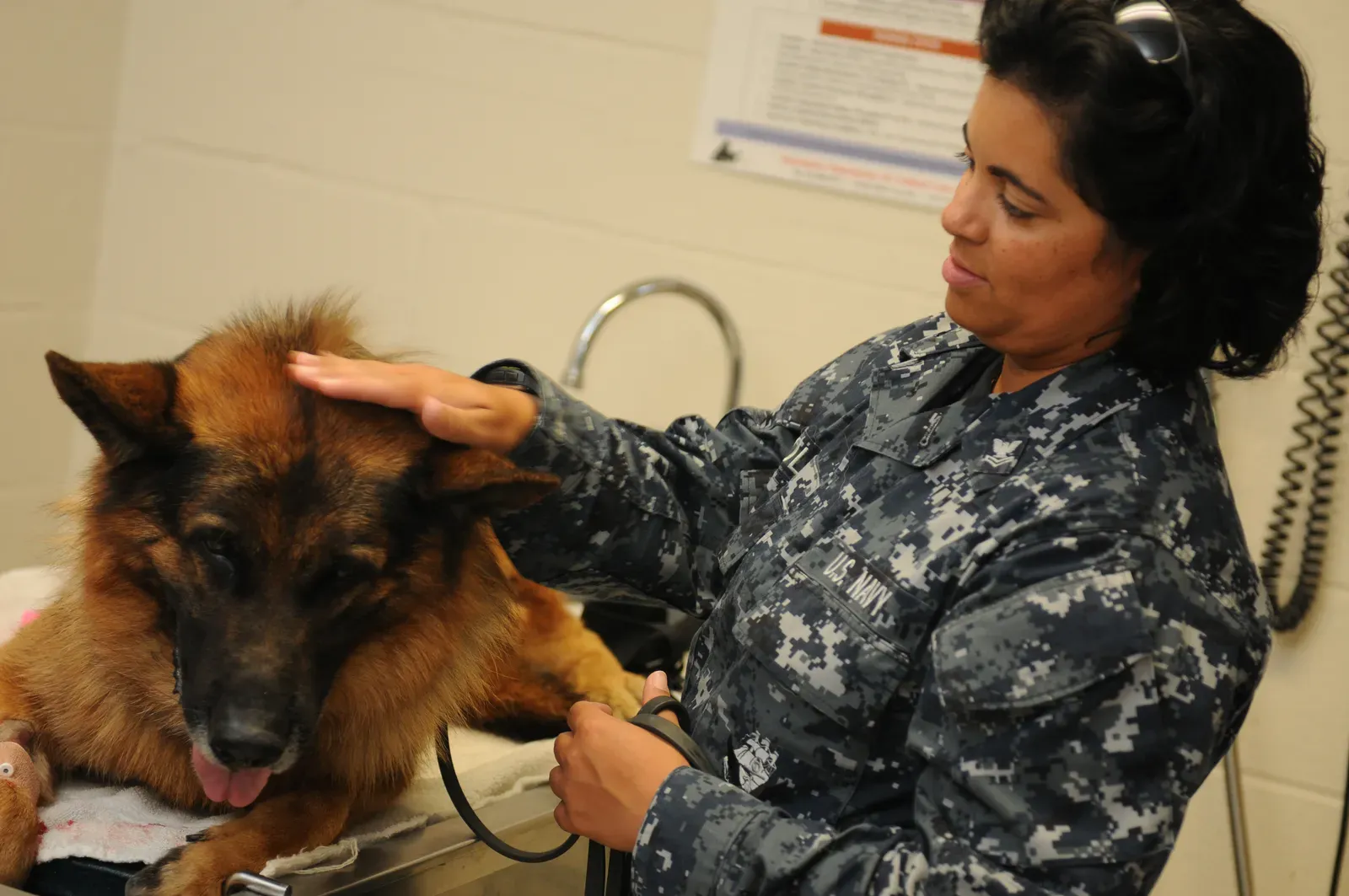
The obligation to care for another living being can serve as an anchor during difficult times, providing both motivation and a sense of being needed. It is hard to say for sure exactly why being needed feels so healing, but anyone who has ever cared for a dog during a hard season of life will tell you without hesitation: it matters enormously. Your dog’s need for you becomes, in the best way, your reason to show up.
There is an unmistakable sense of purpose that comes with caring for another living being, one that relies heavily on you – and on days when you feel a little adrift in the world, that feeling of being needed can make all the difference and can be surprisingly beneficial to your mental health. Honestly, that is one of the most quietly powerful things a dog does for you. They need you, and in doing so, they save you.
10. They Support Veterans and Trauma Survivors in Profound Ways

PTSD service dogs perform specific tasks that help address PTSD symptoms, such as applying pressure to alleviate anxiety and nudging to interrupt flashbacks, and previous research has found benefits including reduced severity of symptoms, improved mental health, and improved social interactions. For veterans who have carried unimaginable weight, a dog becomes something even greater than a companion. It becomes a lifeline.
Veterans and first responders with PTSD who had a service dog showed significantly less PTSD-related symptoms, better sleep quality, and better wellbeing experience than those without a service dog. These routines dogs introduce help establish structure that supports emotional wellbeing, and many veterans and first responders report that caring for their dog provides renewed purpose and motivation. That is not a small thing. That is a life reclaimed.
11. They Support Children With Emotional and Developmental Challenges

For some children with autism spectrum disorder, dogs may provide a calming and positive presence and may reduce anxiety and improve problematic behaviors, with parents reporting that pet dogs and service dogs can provide benefits to children’s moods, sleep, and behavior. Children who struggle to find safety in human interaction often find it with extraordinary ease in a dog. There is something in their presence that bypasses the social complexity that can overwhelm a child.
Children who read to real dogs during a study showed better social skills and more sharing, cooperation, and volunteering, and also had fewer behavioral problems. Think about that scenario for a moment. A nervous child, a patient dog, a book. No performance pressure. No judgment. Just two beings sharing a moment. It is deceptively simple and genuinely transformative.
12. The Dog-Human Bond Rivals Our Deepest Human Relationships

Research paints a picture of dog-owner bonds that not only rival but often surpass human relationships in terms of satisfaction, support, and emotional harmony, with dog owners experiencing greater satisfaction in their relationship with their dogs than with most human partners. I know it sounds almost crazy, but the science stands behind it firmly. Dogs are not lesser relationships. They are different ones – and in many ways, more consistently fulfilling.
Dog owners in studies reported experiencing fewer negative interactions with their pets than with any human counterpart, and this lack of conflict, combined with high emotional support, positions dogs uniquely as both comforting and low-maintenance companions. Moreover, research shows that a good relationship with a dog doesn’t replace human connections but rather enhances them, offering a powerful emotional counterbalance in a world where human interactions can be fraught with complexity.
The Bond That Holds Us Together

When you look at the full picture – the brain chemistry, the emotional attunement, the structure, the unconditional acceptance – it becomes clear that calling a dog “just a pet” sells the relationship spectacularly short. The human-canine bond offers profound impacts on our emotional well-being, with interacting with a dog able to alleviate stress, anxiety, and depression. Dogs are not accessories to a happy life. For many people, they are the very thing that makes a happy life possible.
They wake us up in the morning with purpose. They steady us during grief. They walk with us through seasons of life that no human ever fully witnessed. If you have a dog, take a moment today to really look at them. Not just a glance, but a real look. Because that creature staring back at you with complete devotion has, in all likelihood, carried more of your emotional weight than you have ever fully given them credit for.
So here’s a thought to leave you with: when was the last time you truly recognized how much your dog has quietly anchored you? Tell us in the comments – we’d love to hear your story.


