
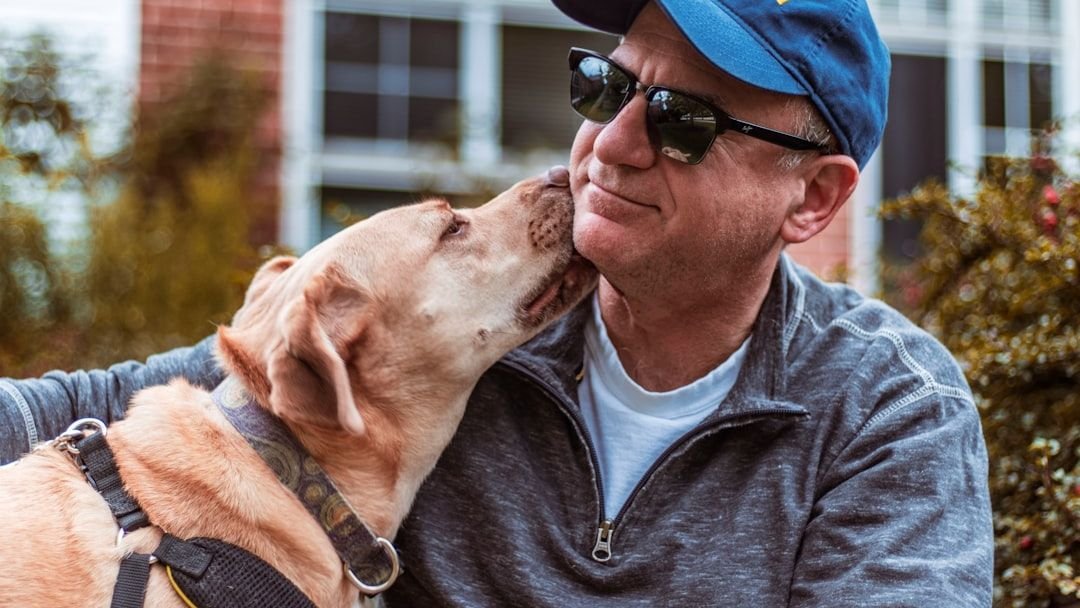
There is something almost magical about the relationship between a dog and their human. You come home from a rough day, and before you even close the door, your dog is already reading you like a book. Their nose twitches. Their ears adjust. Something inside them shifts. Most of us chalk it up to love, and we’re not wrong. But there is so much more happening beneath that wagging tail than simple affection.
Here’s what surprises a lot of dog owners: many of the behaviors we casually dismiss as quirks, clinginess, or even stubbornness are actually ancient protective instincts playing out in real time. Many of the quirks we think are just cute habits are actually deep-seated instincts designed to keep us safe, and our four-legged companions are constantly monitoring the environment, watching for threats, and ensuring their favorite human is secure. Honestly, I think that is one of the most beautiful things about dogs. They do not need a job title to take their role seriously.
So let’s pull back the curtain on twelve behaviors your dog displays every single day that are, in fact, acts of protection. Some will surprise you. Others might make you see your pup in a whole new light. Let’s dive in.
1. Positioning Themselves Between You and Strangers
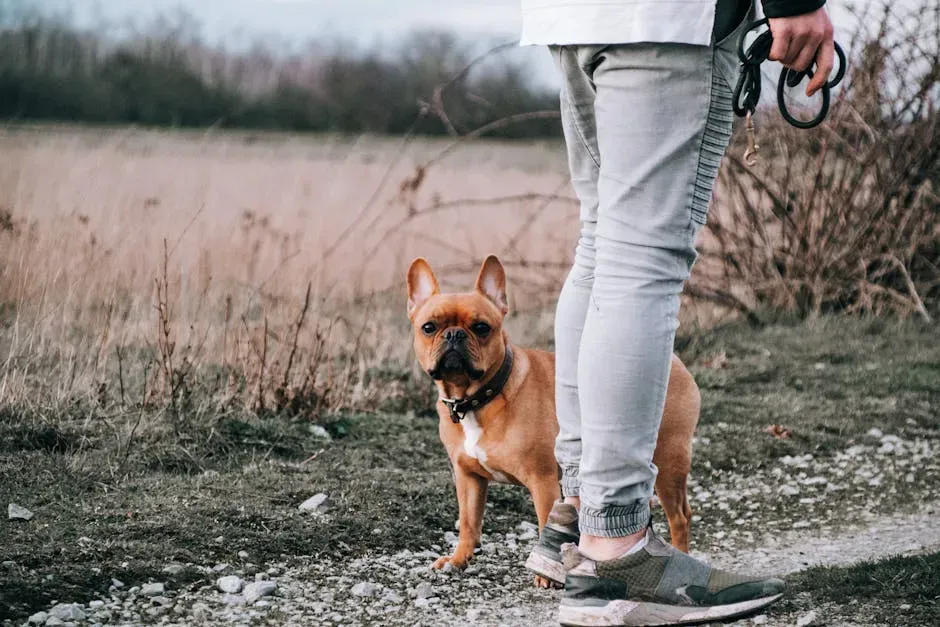
This one seems obvious once you know what to look for, but most people miss it entirely in the moment. One of the most telling signs of protective behavior is how your dog positions themselves in relation to you. A protective dog will strategically place their body between you and a perceived threat, creating a physical barrier. This is not an aggressive move, but a calculated positioning that shows alertness and readiness to intervene if necessary.
Think about the last time a stranger approached you on a walk. Did your dog casually drift to stand in front of you? That was not coincidence. If your dog always seems to step between you and a stranger, they are not just being nosy – they are instinctively protecting you. This subtle movement ensures they are the first line of defense if anything goes wrong. It is especially common in protective breeds, but even the most gentle lapdogs will do it if they feel their human needs extra security. Small dogs with big bodyguard energy, anyone?
2. Sleeping Right Next to You at Night
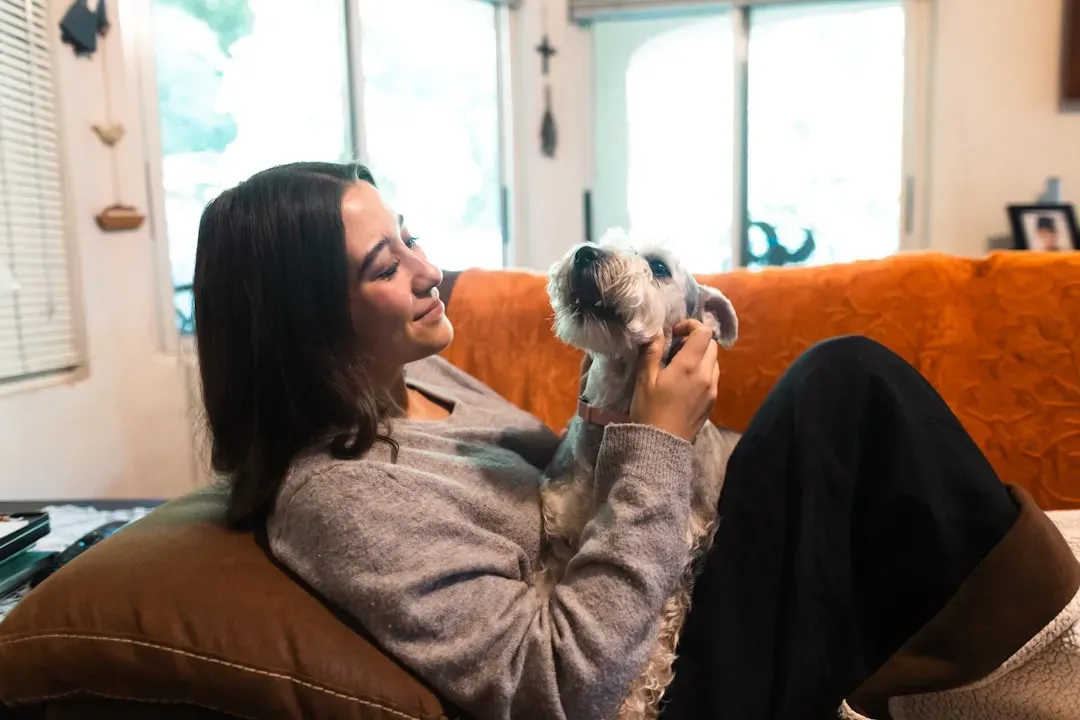
Every dog owner has had that experience of waking up at 2 a.m. with a furry body pressed against their legs, wondering how they ended up on three inches of mattress. Cute? Absolutely. But there is ancient reasoning behind it. You might assume your dog hogs the covers just because they want to be close and stay comfortable. In reality, sleeping in close proximity is an ancient pack behavior designed to provide security during the pack’s most vulnerable hours. By pressing against you, they can instantly alert you to any unusual sounds or movements in the night.
The American Kennel Club notes that you might even get better sleep when your dog sleeps right beside you through the night. Your pup is not just a bed warmer – they are your night watchman. So the next time you consider banishing them to the floor, remember: they genuinely believe they are on guard duty. And in their mind, they absolutely are.
3. Following You From Room to Room
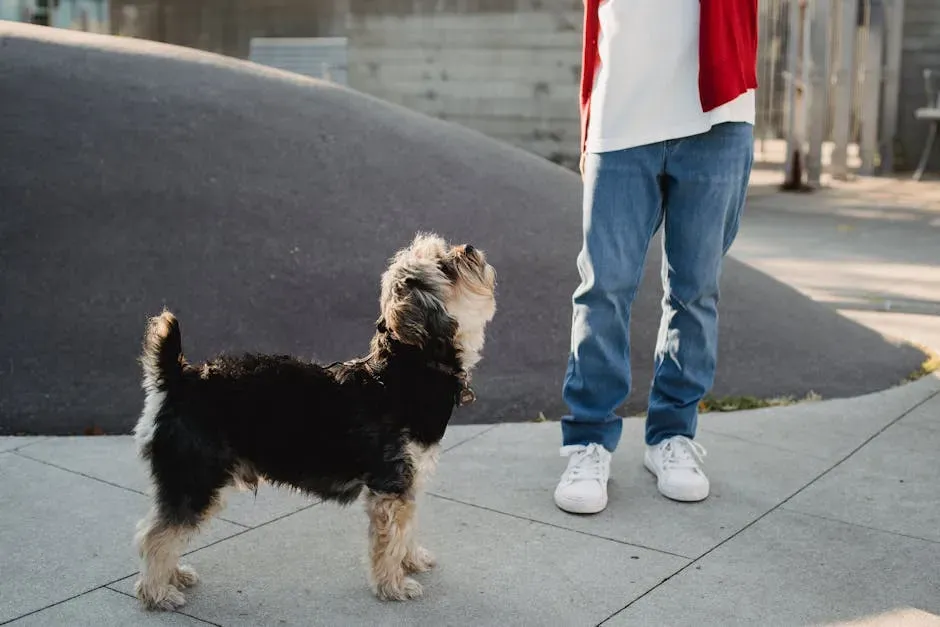
If your dog follows you to the bathroom, the kitchen, and back again without fail, you have probably called them clingy at some point. Fair. But here is the thing: that behavior has a name and a purpose. Having a “velcro dog” who follows you to the bathroom might seem like a lack of boundaries. However, in their mind, leaving you alone in a vulnerable, closed-off room is a security risk they are not willing to take. They are shadowing you to ensure your safety as you move from one territory to another within the home. This constant companionship is a sign they view you as a high-value asset worth guarding.
Is your dog’s nickname “Velcro dog” because they stick to you all the time? That is your dog on duty. From room to room, they will shadow you around like a furry bodyguard, always making sure to watch for dangers potentially lurking behind your back. It is both deeply loyal and, honestly, a little adorable once you understand the why behind it.
4. Leaning Their Body Against Your Legs
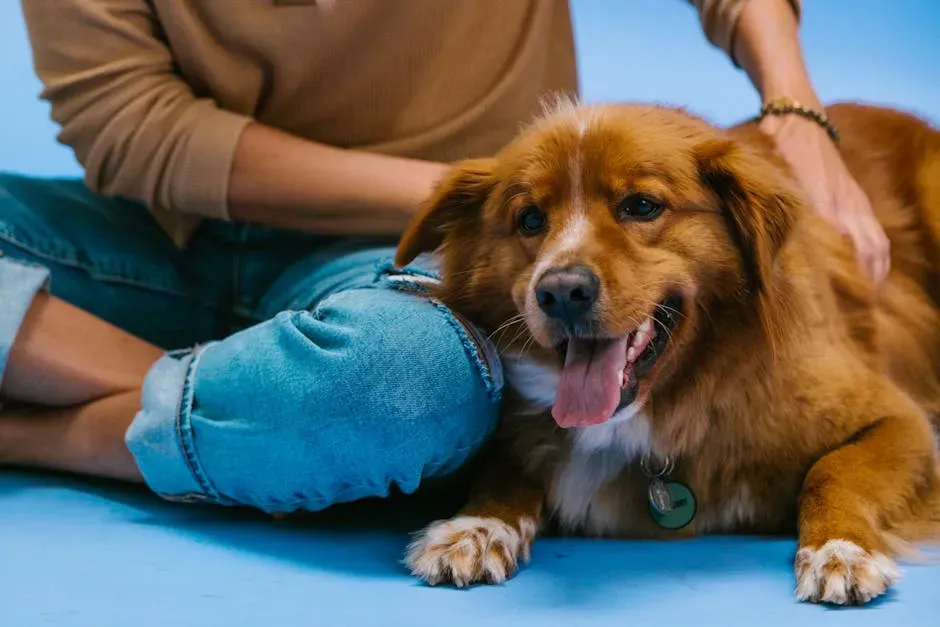
A dog leaning against you feels like a hug, and in many ways it is. But it is also something more deliberate than you might expect. When your dog presses their weight against your legs, it is often more than just a request for head scratches. This physical contact allows them to monitor your emotional state and immediate safety without needing to look at you. It is a way of saying “I am right here” while facing outward to watch for potential trouble.
This behavior frequently happens in new environments or when strangers are present. By leaning on you, your dog establishes a physical boundary that signals to others that you are claimed and under their watchful supervision. It is a silent, comforting signal that they have got your back, literally and figuratively. Think of it as a canine version of a protective hand on your shoulder. Warm, grounding, and completely intentional.
5. Sitting on Your Feet
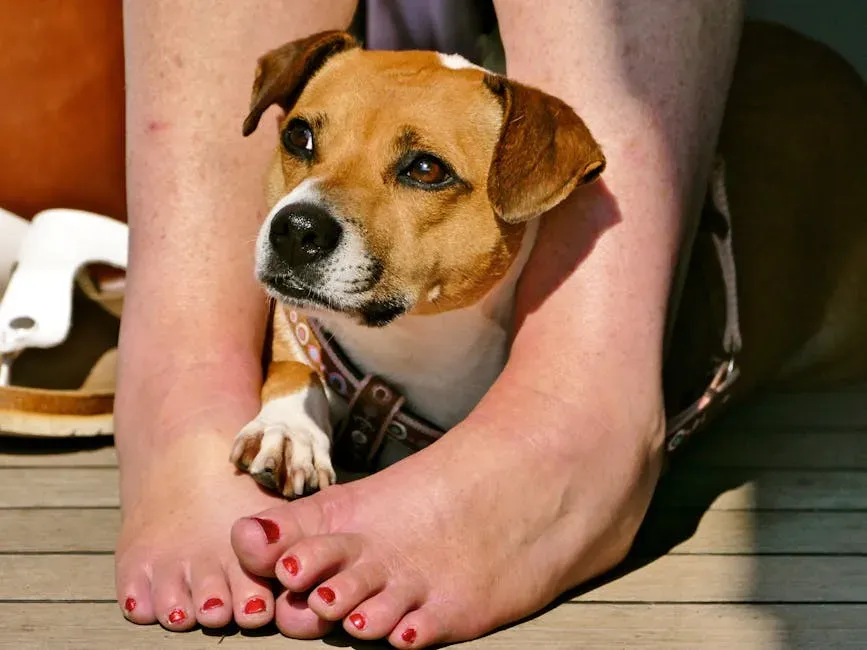
You know that strange moment when your dog parks themselves directly on top of your feet and refuses to move? It might feel mildly inconvenient when you are trying to get up. It is, however, a layered piece of protective behavior with a surprisingly logical explanation. This behavior serves a dual purpose of ownership and rapid response. By sitting on your feet, your dog can feel exactly when you move, allowing them to follow you instantly if you decide to leave. It also claims you as its property in front of other dogs or people nearby. It is a very grounding gesture that keeps them connected to your every move.
It is not about dominance as older dog training myths used to suggest. It is about connection and readiness. Dogs are pack animals by nature. In the wild, they rely on their pack for safety and survival. Domesticated dogs view their human families as their pack, and their protective instincts kick in when they perceive potential threats. Sitting on your feet is simply one way of keeping the pack close.
6. Staring Intensely at You
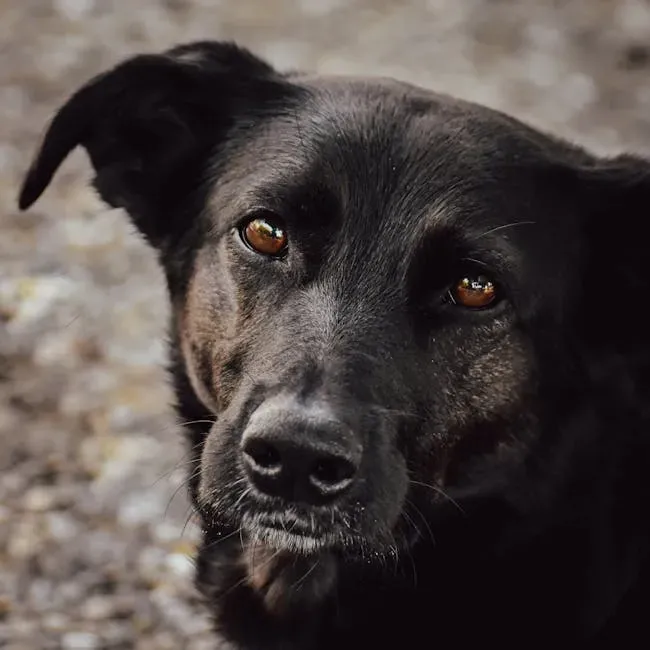
A dog staring at you with those big, unblinking eyes can feel both touching and slightly unnerving, especially at 6 a.m. when you haven’t had coffee yet. But this direct gaze is far from random. A dog that stares at you is not always begging for a treat or a walk around the block. They are often checking in to read your body language and assess whether you are comfortable in your current situation. This visual check-in allows them to synchronize their mood with yours and react instantly if you show signs of fear.
This connection goes both ways and strengthens the chemical bond between you. Scientific research shows that sustained eye contact triggers the release of oxytocin, the “love hormone,” which reinforces their desire to protect and care for you. They are watching you to make sure you are okay and looking for cues on how to act. Basically, your dog’s stare is an act of devotion dressed up as something a little intense.
7. Growling Softly at Approaching People
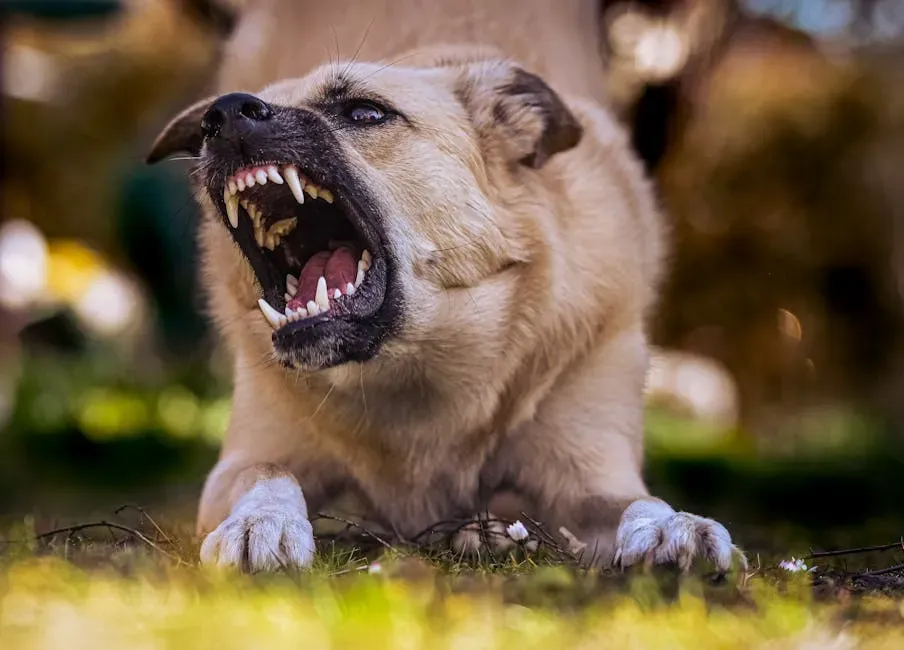
Here is where things get a little nuanced, because a growl is often misread as pure aggression. In reality, a soft, low growl directed at someone approaching you is one of your dog’s most honest forms of communication. Dogs have perfected a vocal triage system consisting of a soft warning bark that may escalate to a growl, and in extreme emergencies, a full-blown siren. These vocalizations are distance-increasing behaviors meant to send potential intruders away.
The key is reading the full picture. If your dog steps between you and another dog, growls softly while watching, or displays a stiff posture with ears forward, these are signs they might be protecting you. Observe their overall body language and the context of the situation. A stiff body paired with a low growl is a warning. A relaxed body with a loose tail tells a very different story. Never suppress a warning growl outright – it is important communication. Redirect it with training and positive reinforcement instead.
8. Walking Slightly Ahead of You on Unfamiliar Terrain
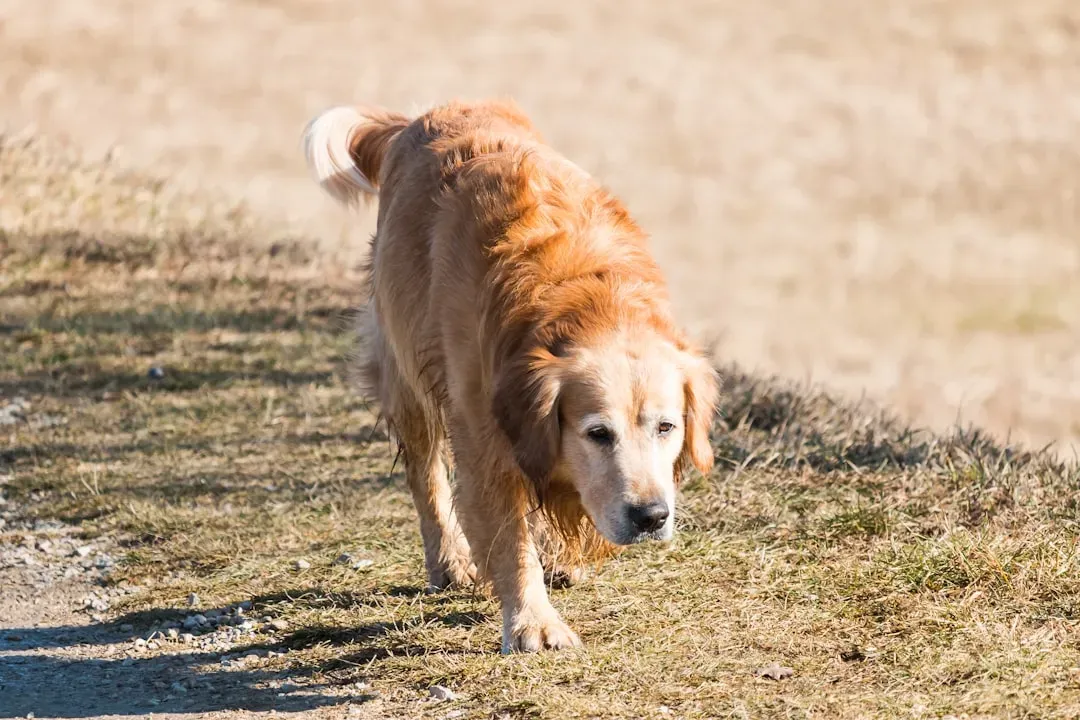
Does your dog insist on leading the walk, especially in new places? Most people assume it is just a pulling habit or excitement. It is more purposeful than that. Have you ever noticed that your dog sometimes tries to walk slightly ahead of you, especially in unfamiliar places? This is not just about them being excited – it is a protective behavior. When dogs walk in front, they scan the area for potential dangers and ensure the path is clear for you. Some dogs will even adjust their pace based on how comfortable they feel in a situation.
A protective dog will often walk ahead of you, but it frequently turns its head to check on you. This “check-in” ensures you are still coming along and nothing has sneaked up on the pair of you. They are scouting the path ahead while maintaining a visual tether to their charge. This shows they are leading the expedition but keeping your safety as the priority. Lead dog, scout, and best friend all rolled into one.
9. Barking at the Doorbell or Knocking
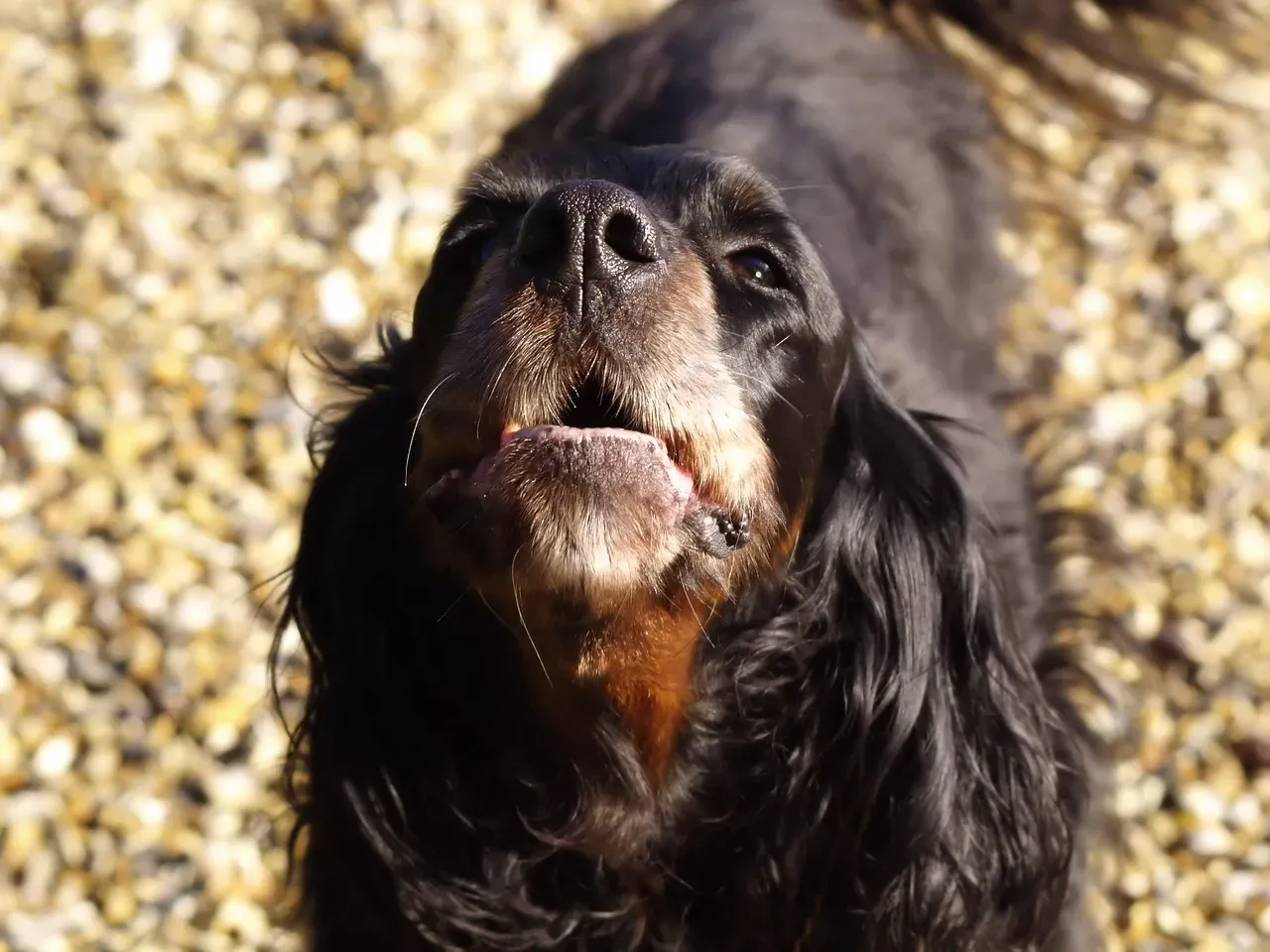
Let’s be real – the doorbell bark is one of the most stereotypically “dog” things in existence. It can feel embarrassing when guests arrive. But before you shush your pup into silence, consider what they actually believe is happening. While it can be annoying, barking at the doorbell is your dog’s primary way of alerting the pack to a potential breach. They are announcing their presence as outsiders and warning the person on the other side that this home is occupied and guarded.
This is pure protective instinct, no training required. A protective dog remains hyper-aware of their surroundings. They may scan the environment frequently and react quickly to sudden noises or movements. The doorbell represents an unknown intrusion in their mind. If they relax once you greet the guest calmly, that is actually a great sign of healthy protectiveness, not aggression. They took the cue from you and stood down. Exactly as it should work.
10. Perimeter Patrolling Before Settling Down
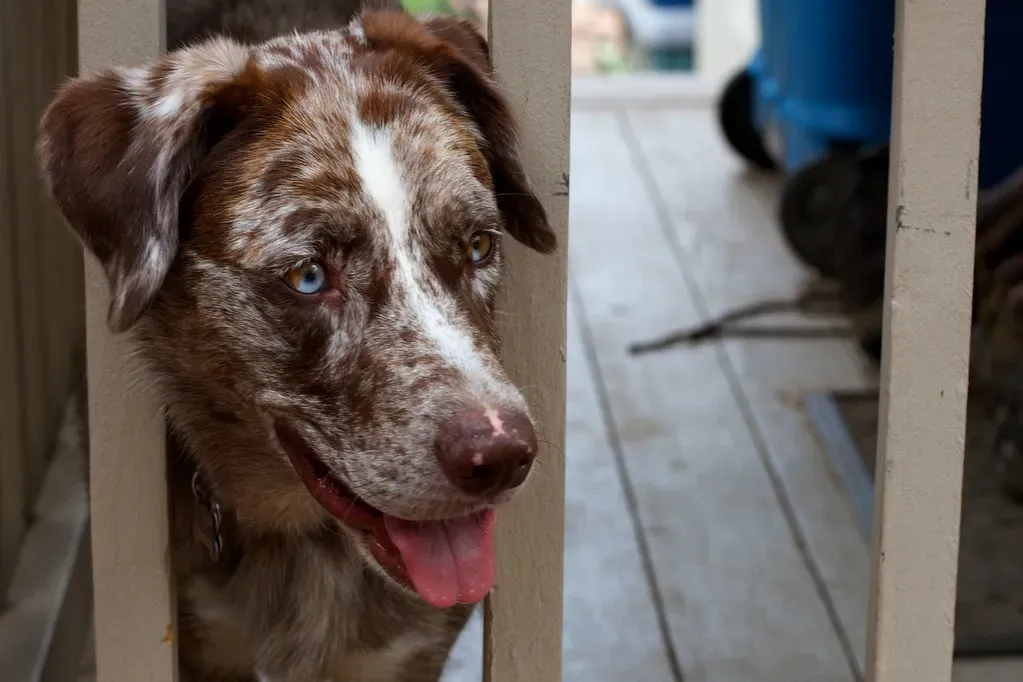
Ever notice your dog pacing the backyard or walking circuits around the house before finally lying down? It looks restless and aimless. It is neither. If your dog paces around the house or yard before settling down, they are not just being restless. They are performing a perimeter check to ensure there are no intruders or anomalies in their territory before they can relax. This patrol behavior is common in herding and guarding breeds that take their job very seriously. They are systematically clearing the area so you can relax without worry.
This is especially common in German Shepherds, Belgian Malinois, Border Collies, and similar working breeds. Certain breeds like German Shepherds, Belgian Malinois, and Rottweilers are more predisposed to protective behaviors due to their history as working dogs. However, any dog, regardless of breed, can display protective tendencies based on their environment, training, and bond with their owner. If your little Chihuahua does a lap around the living room before napping, trust me – they mean exactly the same thing.
11. Nudging or Comforting You When You’re Upset
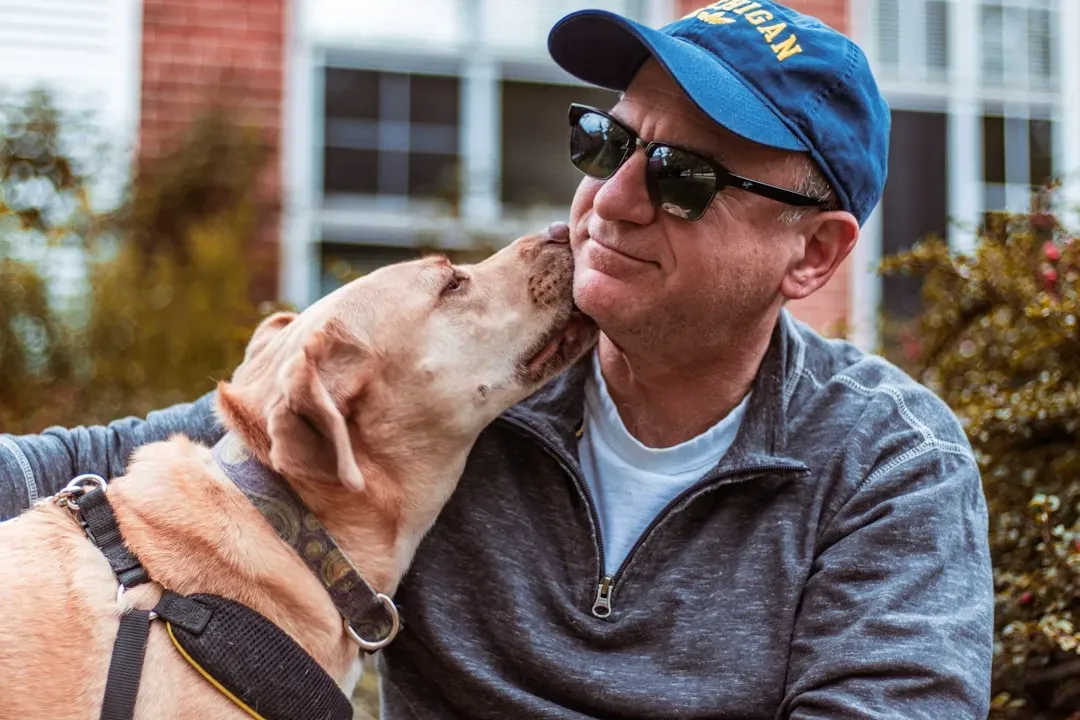
Emotional protection is just as real as physical protection, and this is where dogs genuinely blow my mind. When you are stressed, anxious, or crying, your dog seems to appear out of nowhere and press their head into your hand or sit quietly beside you. That is not coincidence. Dogs are incredibly in tune with human emotions and can sense when you are anxious or upset. If your dog suddenly starts nudging you, licking your hands, or even sitting closer when you are stressed, they are not just looking for attention – they are trying to comfort and protect you.
Some dogs are even trained as emotional support animals because of their ability to detect anxiety and provide immediate relief. Your pup does not need training to know when you need them – they instinctively step up when they feel you are in distress. Think of it like having a friend who always knows when to show up without being called. Except this friend also sheds on your couch and that is totally worth it.
12. Herding Family Members Together
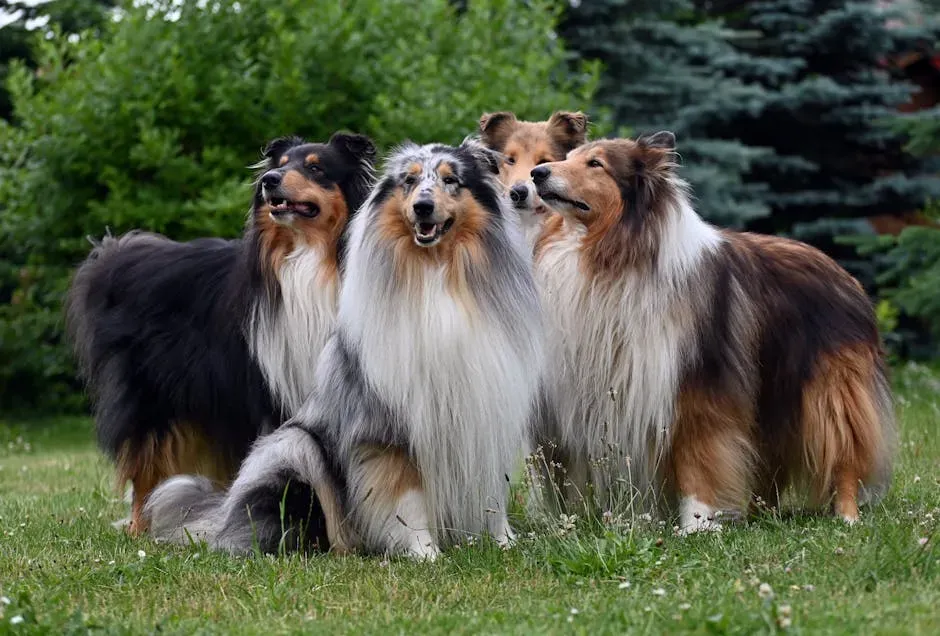
This one is unexpected enough to make most people laugh when they realize what is happening. If you have a herding breed like a Collie, Australian Shepherd, or Corgi, you may have noticed them gently nudging family members, particularly children, into the same area of the room or yard. It feels bossy. It is actually strategic. If you have a collie or shepherd mix, you might find them nipping at your heels or nudging you in a certain direction. This herding instinct is their way of keeping the pack together, allowing them to easily protect everyone at once. If family members are scattered, the dog cannot effectively guarantee everyone’s safety.
Even non-herding breeds do a milder version of this during gatherings or chaotic moments. This behavior is an attempt to consolidate their most important people into a safe, manageable zone. It is not bossiness – it is a strategic maneuver to maximize group security. Next time your dog nudges your kids together at the park like a tiny sheepdog, give them a little extra credit. They are on the clock.
Understanding the Line Between Protection and Overprotection
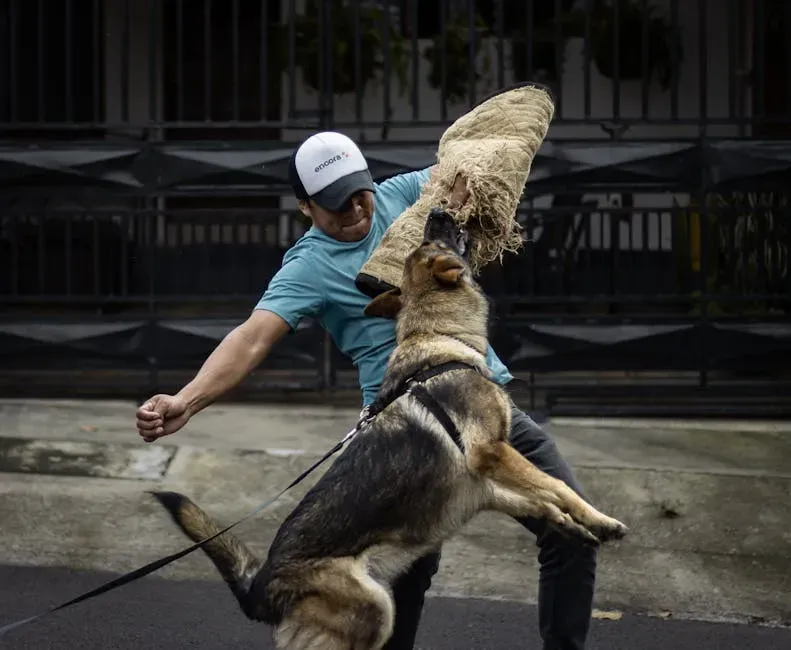
Here is something every dog lover needs to hear: protection is healthy. Overprotection is not. Protectiveness is surveying a situation and reacting appropriately; overprotective behavior is the immediate aggressive response to stimuli. A dog who settles after assessing a situation is balanced. A dog who growls at every guest, lunges at strangers, or refuses commands is crossing into territory that needs professional attention.
Proper socialization from an early age is crucial in developing healthy protective instincts. By exposing your dog to various people, animals, and environments, you teach them to differentiate between genuine threats and normal interactions. This prevents overreactive or anxious behaviors that can be mistaken for protection. If things feel out of hand, it is always important to partner with a professional dog trainer who only uses positive reinforcement. If a dog lunges, bites, or snaps at someone, then it is time to bring in a professional. Timing of treats and distance are critical components, and a professional trainer can address issues quickly and effectively.
Conclusion: Your Dog Is Always Working for You
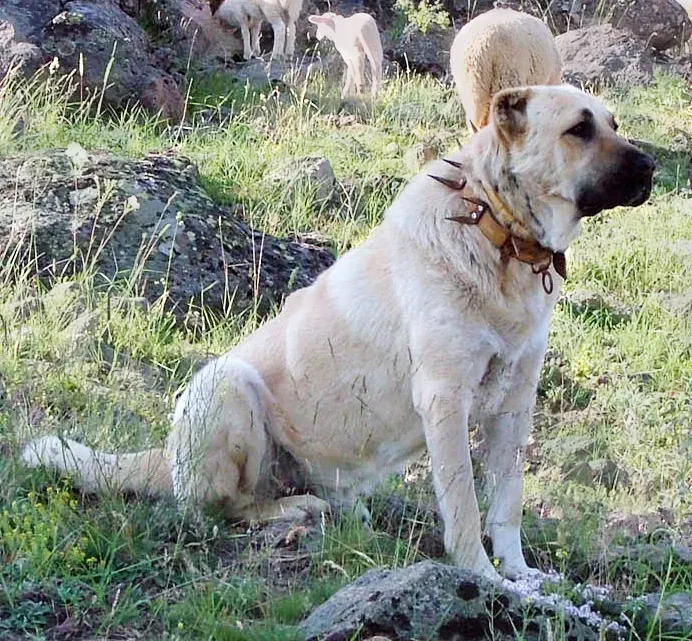
When you understand what is really going on beneath the surface of your dog’s behavior, something shifts. The dog who sits on your feet, follows you to the bathroom, and loses their mind at the doorbell is not being dramatic. They are being a dog. A loyal, devoted, wired-for-protection dog who has decided you are worth guarding.
Your dog may not have a badge, but they take their job as your protector seriously. Their instincts, loyalty, and deep connection to you drive them to watch over you in ways you may not even notice. Whether leaning against you, watching you sleep, or barking at unseen threats, every action says: “I’ve got you.”
The best thing you can do in return is learn their language, respond to their cues, and guide their instincts with patience and consistent training. You already give them food, walks, and love. Now give them understanding too. That is how the bond deepens into something truly extraordinary.
Which of these 12 behaviors did you recognize in your own dog? Tell us in the comments – we would genuinely love to hear your stories.


