
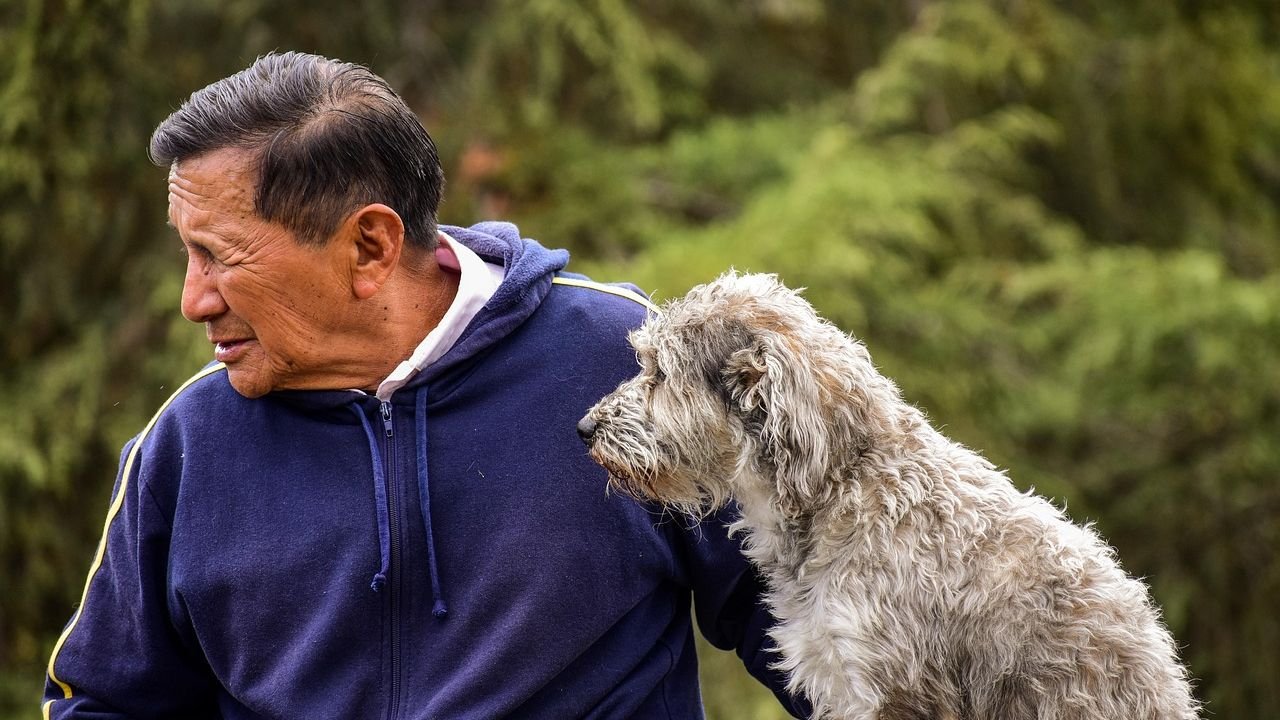
There’s something quietly magical about the moment a dog curls up next to you and sighs contentedly. No agenda. No demands. Just warm, unwavering presence. For seniors stepping into dog ownership for the very first time, that kind of calm, uncomplicated companionship isn’t just wonderful – it’s essential.
The best dog breeds for seniors are those that tend to be calm, manageable in size, and whose energy matches their owners, are easy to train, and are generally healthy. That’s a pretty precise checklist, and honestly, it makes total sense. Jumping into dog ownership at any age is a big commitment. Doing it for the first time later in life – without a lifetime of dog-handling experience behind you – deserves serious, thoughtful consideration. Dog ownership is a simple yet powerful way to enhance seniors’ physical activity, emotional health, and overall quality of life. So the question isn’t whether a dog is right for you. It’s which dog is right for you. Let’s dive in.
Why Patience and Temperament Matter More Than Size
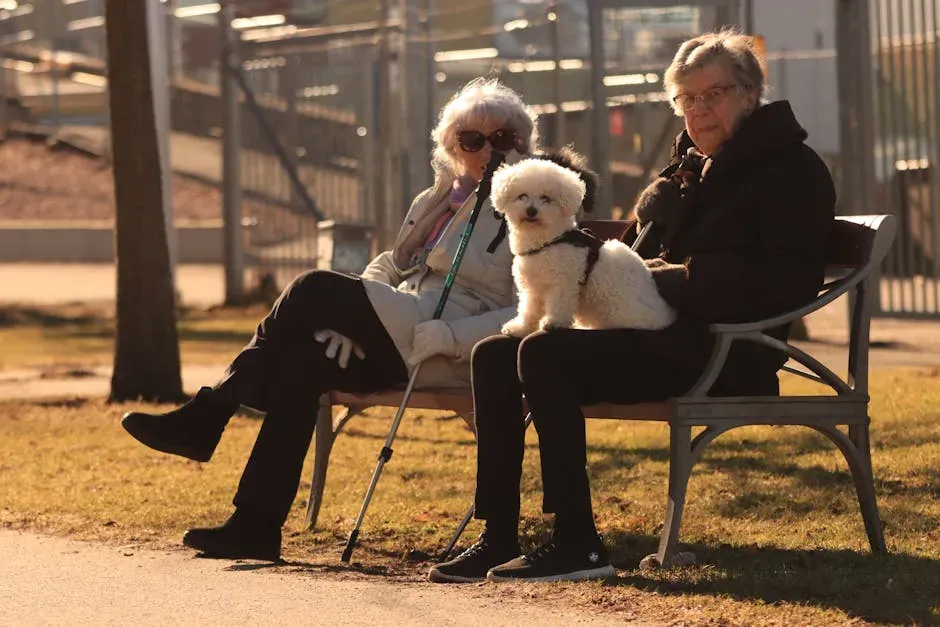
Let’s be real: most first-time senior owners don’t need the most exciting dog in the room. They need a dog that won’t knock them over, doesn’t demand a five-mile run every morning, and won’t melt down when the routine shifts slightly. Temperament is everything here. Temperament is equally important. A dog with a calm, friendly demeanor will be more suitable for older adults. These dogs can provide emotional comfort without being too demanding.
Think of it like choosing a roommate. You want someone who is easygoing, adapts to your rhythm, and doesn’t leave chaos in their wake. Dogs are drawn to calm, gentle, and consistent people. Seniors often provide affection, patience, and predictable routines, which dogs naturally respond to with trust and love. That’s a beautiful, mutually beneficial relationship just waiting to happen. The 14 breeds below represent the very best of that relationship.
1. Cavalier King Charles Spaniel – The Gentle Soul
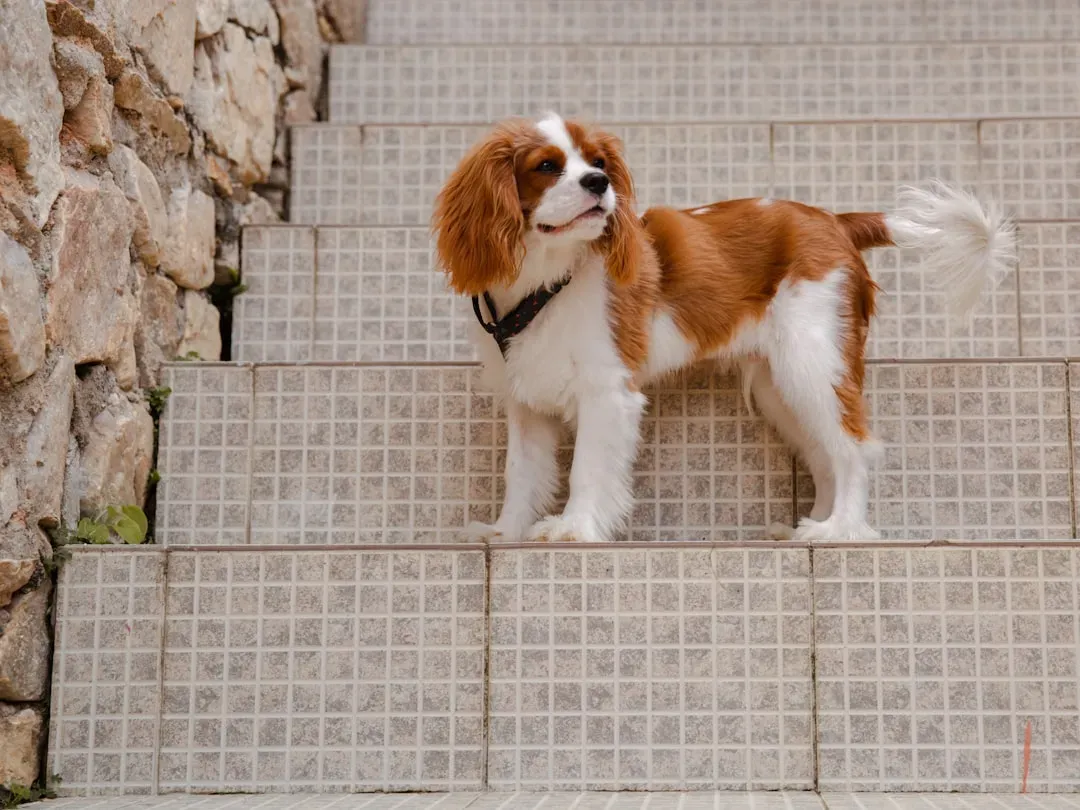
The Cavalier King Charles Spaniel was bred to be a comforting, non-aggressive, and gentle pet. That breeding history shows in everything they do – the way they quietly follow you from room to room, the way they melt into your lap like they were made for it. They’re trainable and adapt well to their owner’s preferences, whether it’s an active, outdoorsy lifestyle, or a laid-back snuggle in a big leather chair. For a first-time owner who’s still figuring out their rhythm with a dog, that flexibility is genuinely priceless.
Cavalier King Charles Spaniels frequently emerge as top contenders for seniors seeking a loving, low-maintenance companion dog. These small dogs typically weigh 13–18 pounds and stand just 12–13 inches tall, making them perfect lap-sized companions. Their gentle, affectionate temperament means they’ll cuddle close and provide constant companionship. Moderate exercise needs – just 20–30 minutes daily – suit seniors who can’t manage high-energy breeds. Watch for signs of heart murmurs as they age – a vet checkup every six months is a smart habit with this breed.
2. Shih Tzu – The Loyal Shadow
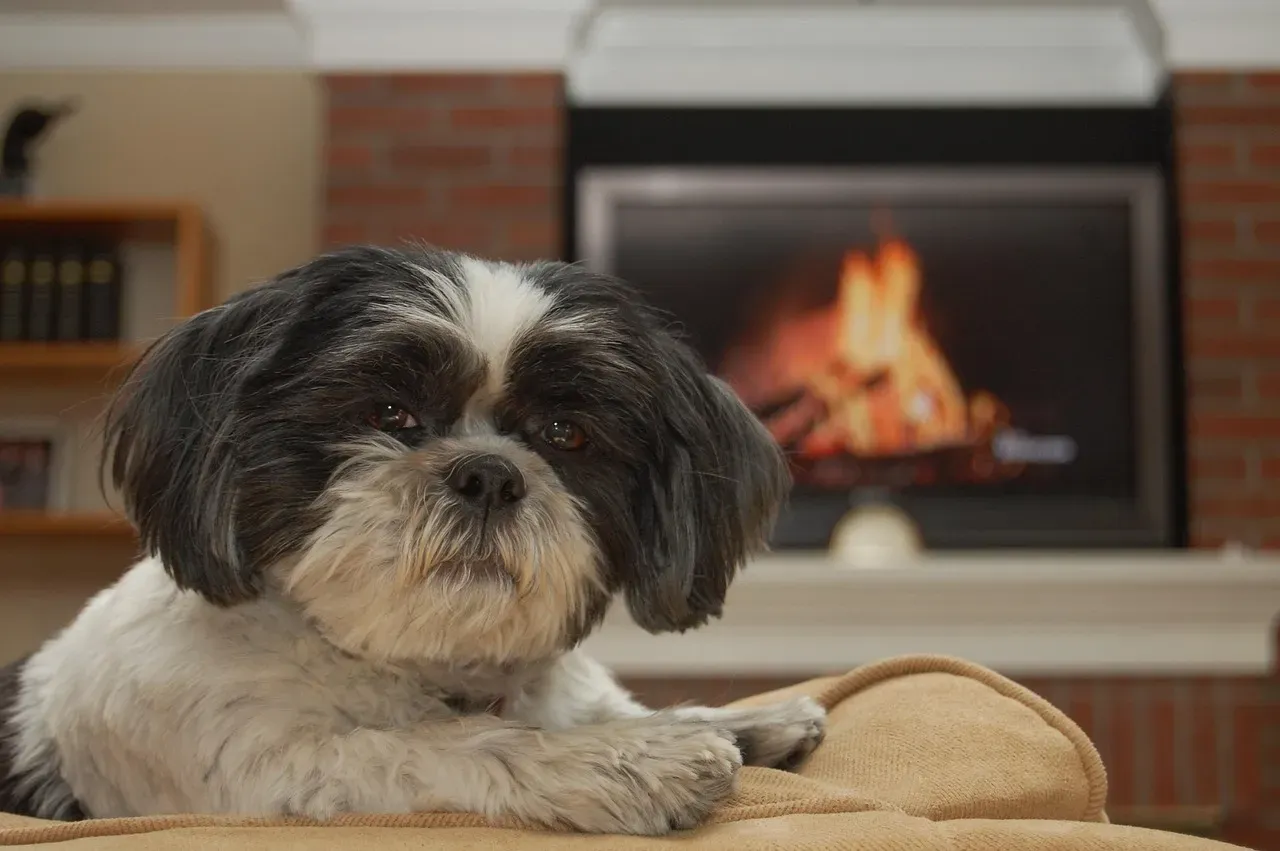
Shih Tzus are renowned for their remarkably calm and low-energy temperament. Unlike many dog breeds that require extensive exercise, these dogs are perfectly content with minimal physical activity. Their small size combined with a gentle disposition makes them excellent companions for seniors living in apartments, condos, or smaller homes. Honestly, if you live somewhere compact, a Shih Tzu is like the dog version of a perfectly fitted cozy chair – they just belong there.
The breed’s core strength lies in their deep emotional connection with their human companions. Shih Tzus are happiest when they are close to their owners, creating an almost symbiotic relationship. They do not demand long walks or intense play sessions but instead thrive on cuddles, soft interactions, and being near their favorite person. One practical tip: ask your groomer about a “puppy cut” for their coat – they are supposed to be brushed regularly, but they have a simpler form of cut in their hair, which makes it much easier to groom them.
3. French Bulldog – The Easygoing Charmer
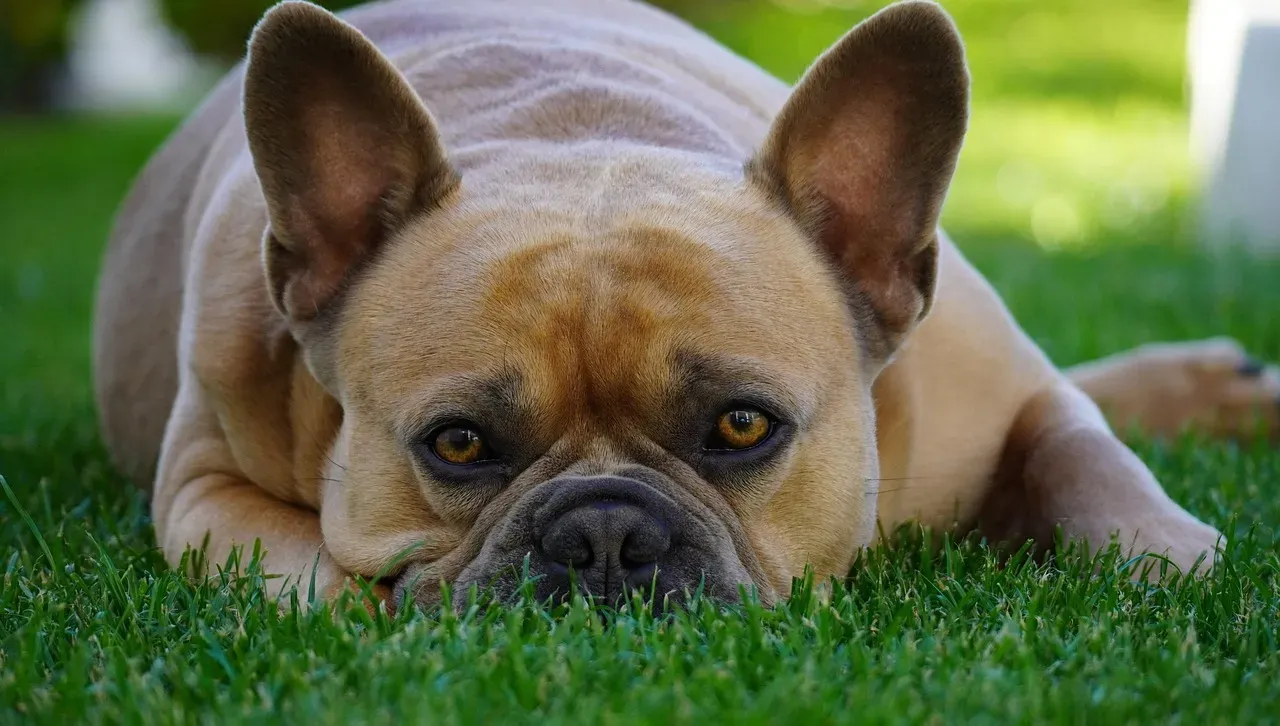
The French Bulldog offers a calm, sturdy presence that aligns well with a slower-paced lifestyle. They gravitate toward close contact and steady routines, often choosing to stay by a senior’s side throughout the day. Their temperament is famously even, something supported by most breed clubs and owners. There’s a reason French Bulldogs consistently rank among the most popular breeds – they’re just genuinely delightful to live with, and they ask for very little in return.
They are easy to train, rarely bark excessively, and enjoy spending quiet moments alongside their owners. They are one of the top breeds for seniors wanting companionship without the high-energy demands of larger breeds. Their short coat is low maintenance, needing only occasional grooming, which adds to their appeal for seniors who prefer simplicity in pet care. One important health note: because of their shortened muzzle, French Bulldogs shouldn’t partake in tiresome outdoor activities. Keep walks short and sweet, and avoid hot afternoons outdoors.
4. Maltese – The Ancient Lap Dog with a Big Heart
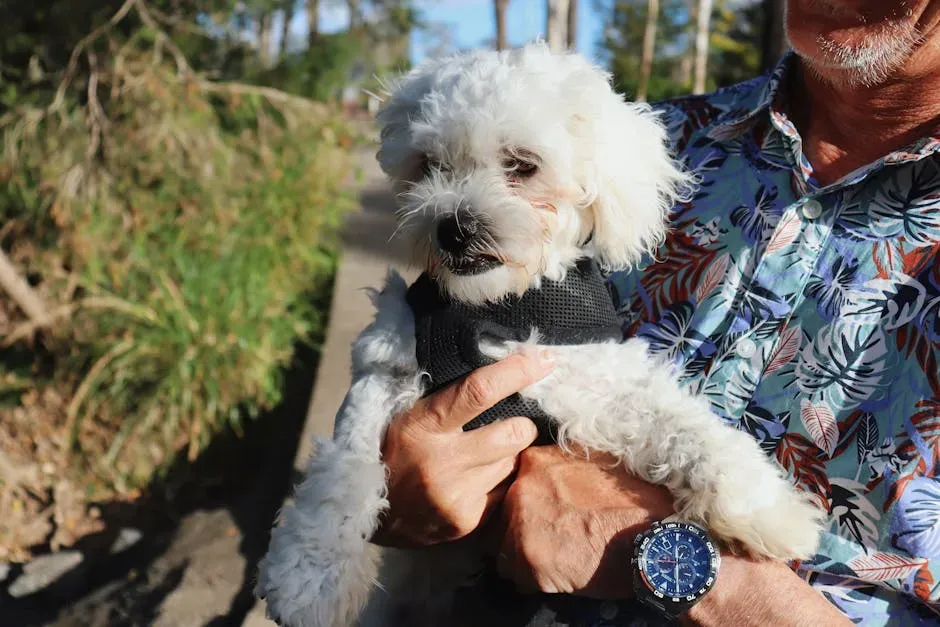
Your grandma’s little Maltese might not be as old as its owner, but the breed is one of the most ancient ones. No wonder it’s so good at offering calm company as a lap dog to seniors; it’s been doing it for centuries. Malteses aren’t just amazing pets for apartment living; they’re wonderful companions for seniors who can’t put up with super-energetic dogs. There’s something poetic about a breed that has literally spent millennia perfecting the art of companionship.
The Maltese is a sweet, gentle dog that is deeply devoted to its owner. Its small size makes it easy to manage, and it can thrive in smaller living spaces. Maltese dogs have a calm demeanor, which makes them excellent companions. They enjoy short walks but are also content spending quiet time at home. Health-wise, keep a close eye on their teeth – because these dogs are small and delicate, common health issues include patellar luxation and dental disease. Regular dental care makes a real difference with this breed.
5. Pug – The Comedian with Calm Instincts
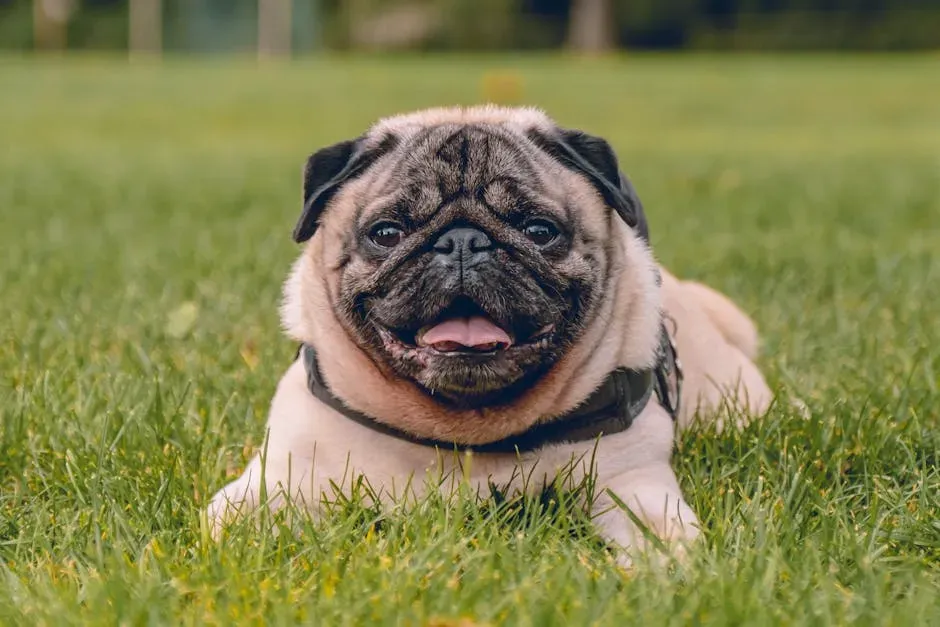
Known for their calm, easygoing temperament, Pugs enjoy being close to their owners and offer loyal companionship without demanding high levels of activity. I think what makes Pugs so uniquely suited to first-time senior owners is that they’re just so easy to read. They want to be near you. That’s basically the entire job description. Pugs crave attention and cuddles. Elders particularly like such dogs that are easy to get along with. Pugs like to play, have a cheerful personality, and sometimes they act a bit clownish to entertain their owners.
While Pugs generally require minimal grooming, they do benefit from daily light exercise to maintain a healthy weight and prevent obesity. Their short muzzle means care is needed in hot weather, and their prominent eyes require gentle attention. Regular grooming keeps their dense coat in good condition, while a simple wipe of their facial wrinkles helps prevent irritation. Think of wrinkle-wiping as a simple daily ritual – like brushing your teeth – rather than a burden. It takes about 30 seconds and keeps your pup comfortable.
6. Bichon Frise – The Hypoallergenic Happiness Bomb
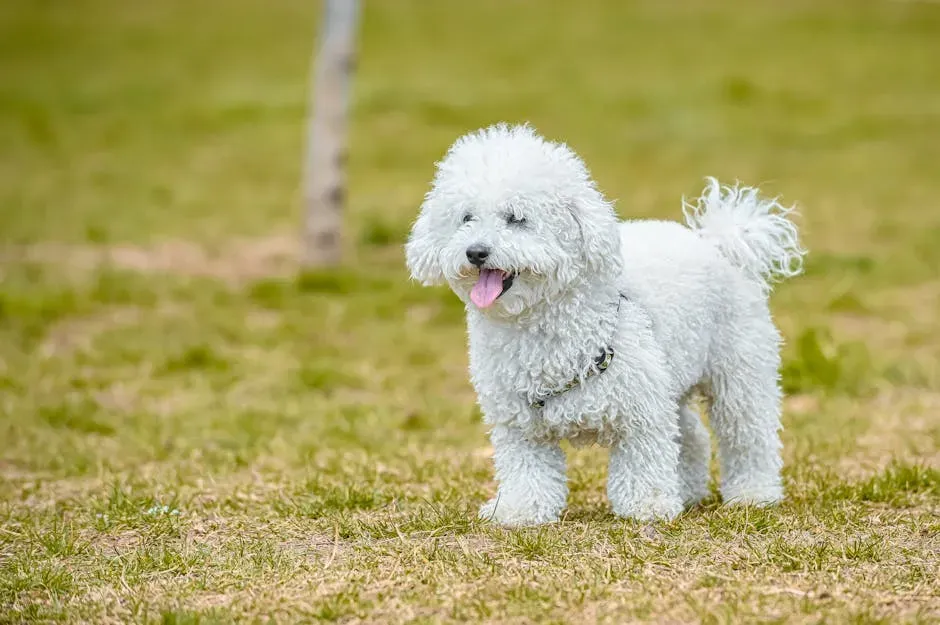
The Bichon Frise is a friendly, playful breed that thrives on companionship. These dogs are small and easy to manage, making them a good choice for older individuals. While they enjoy playtime and light activity, they can adjust to the energy level of their owners. In addition, the Bichon Frise is hypoallergenic, which makes them an excellent choice for seniors with allergies. That last point is huge. So many people hold back from dog ownership simply because of allergy concerns, and a Bichon can change that equation entirely.
Bichons are outgoing and like to mingle, although they do not require a lot of physical activity. Frequent walks and a little bit of indoor play make them happy. Regular grooming is a fairly easy task, and most owners take their pets to the groomer every few months. Their mischievous but not obtrusive nature leaves their owners happy without being too demanding, making them a favorite among seniors who need a suitable companion.
7. Greyhound – The Surprising Couch Potato
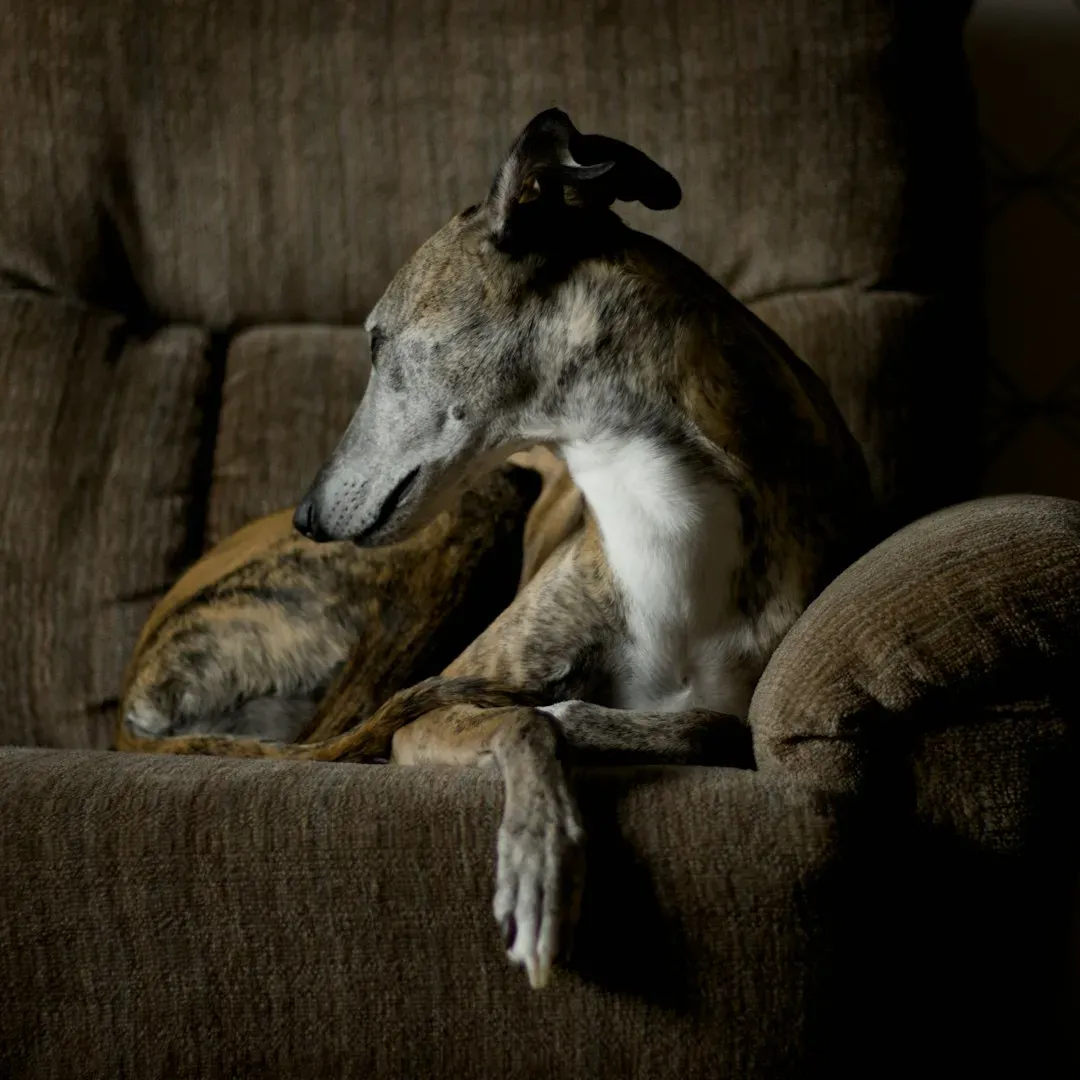
Here’s a fun piece of trivia that trips people up every time: the fastest dog breed in the world is also one of the most relaxed household companions you can find. The fastest dog breed in the world, the Greyhound may seem like an unlikely fit among the best dogs for older people. However, this athletic dog is low-key, calm, and content with lounging around the home once it gets in its exercise. Greyhounds are ideal dogs for senior citizens who prefer larger – but manageable – furry friends.
The Greyhound is a gentle, quiet, and compassionate pet. This breed is independent and can be rather reserved around company, which is part of its appeal. They’re like the introverted houseguest who’s perfectly happy being in the same room without demanding constant interaction. Greyhounds come along with an added benefit of minimal grooming needs due to their short coat and little to no maintenance, which is an appreciated attribute that many seniors would prefer. One behavior note: always keep them leashed outdoors, as their prey drive is strong.
8. Poodle (Toy or Miniature) – The Smart, Sensitive Companion
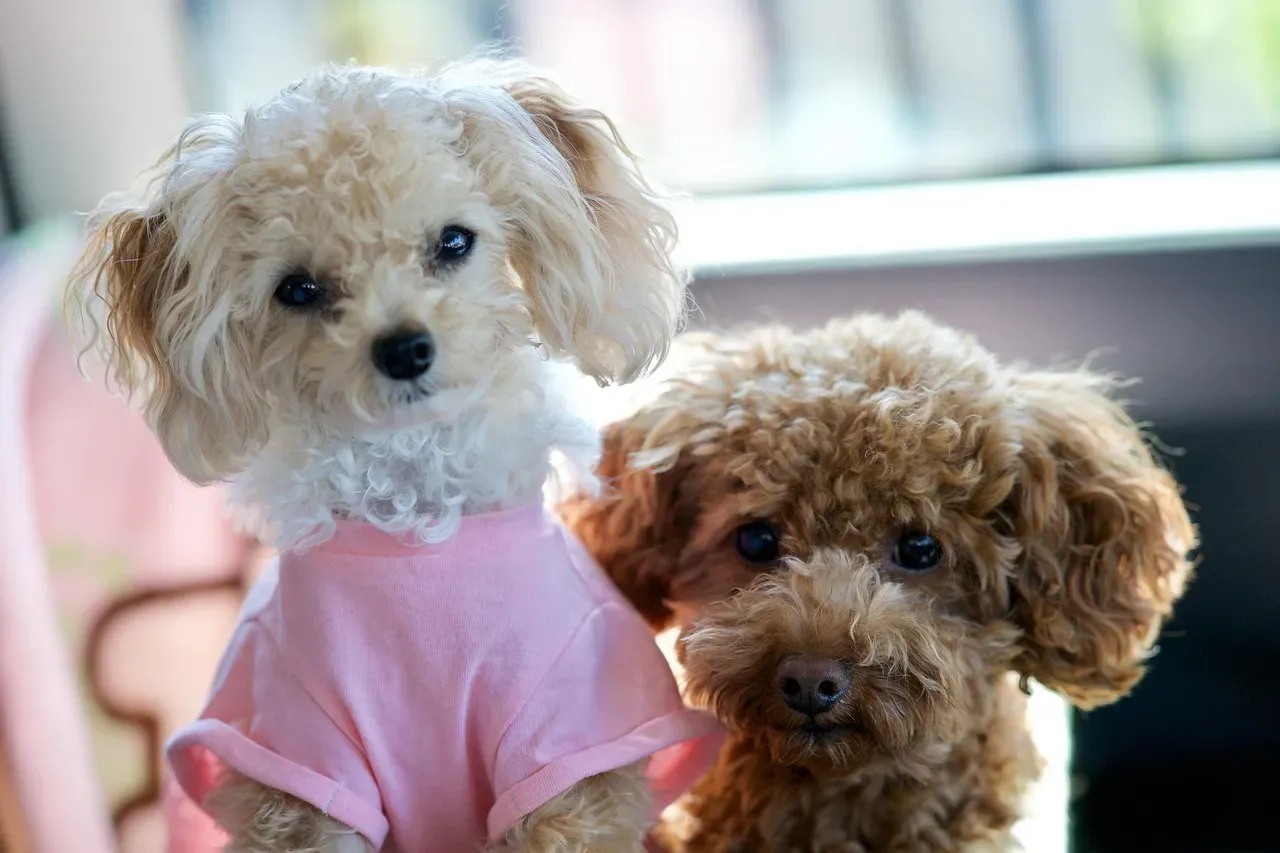
Poodles are an excellent option for older adults with allergies. Both the miniature and toy varieties of Poodles are hypoallergenic, which means they are less likely to trigger allergic reactions. Beyond allergies, though, Poodles bring something extra to the table: intelligence. They are famously easy to train, which is a genuine gift for a first-time owner who might worry about handling a dog that doesn’t listen. Poodles are not only elegant but also incredibly intelligent. Available in toy, miniature, and standard sizes, they adapt well to different living spaces.
While they are energetic and playful, Poodles can adapt their activity level to their owner’s mobility. They enjoy walks and moderate play but are not overly demanding. That adaptability is the key. A Poodle essentially reads the room and adjusts – active day? They’re in. Rainy afternoon on the sofa? Also completely fine. Choosing a Poodle means welcoming a smart, loving, and low-maintenance companion who will bring joy and companionship to your golden years.
9. Havanese – The Cheerful Cuban Companion
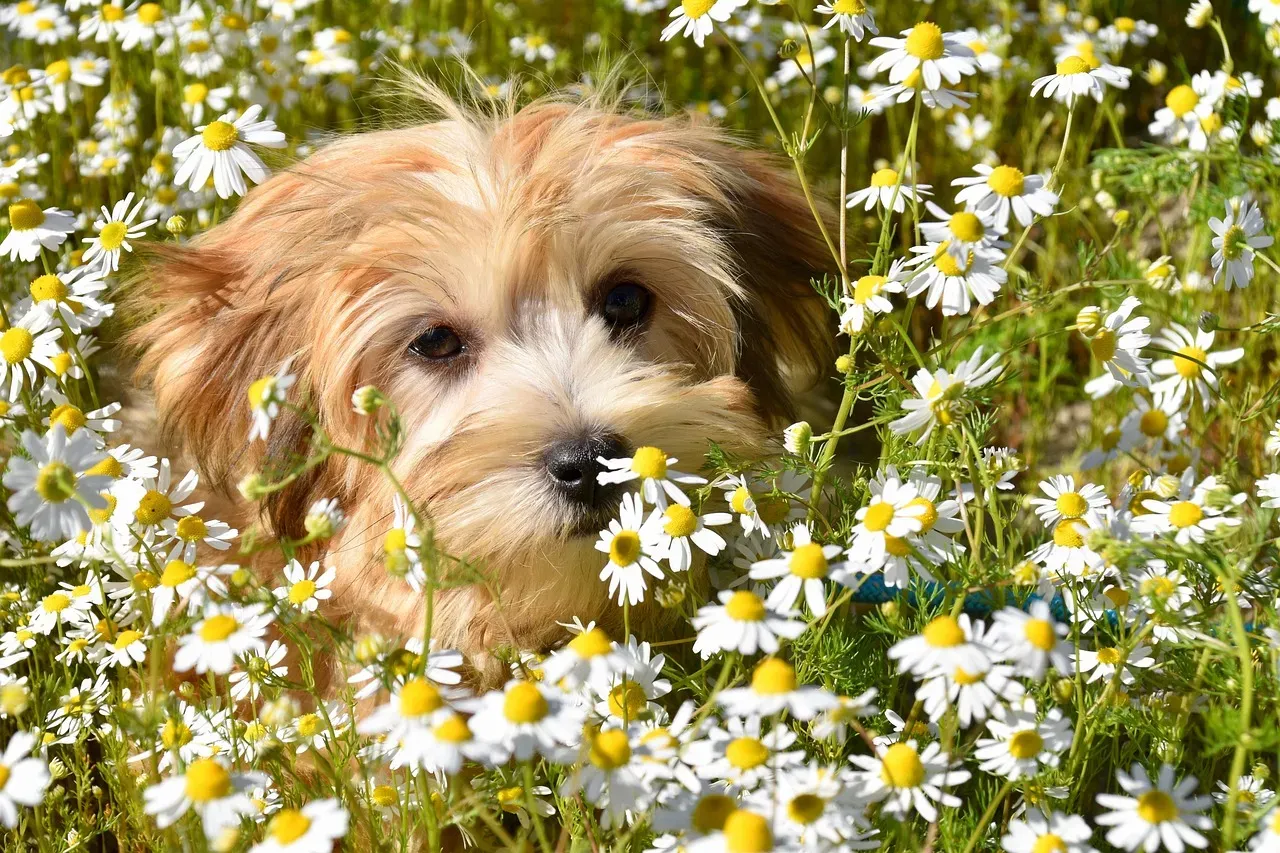
The only breed native to Cuba, the Havanese is a cheerful, quiet little dog described as “happy, loving, intelligent, social, and accommodating” by the breed club. They’re content to stay inside and snuggle with their humans and will play patiently with children. Havanese don’t require much exercise but are happy to take occasional short walks. It’s hard to sound exciting describing a dog that’s basically just relentlessly pleasant – but that’s exactly the kind of low-drama energy first-time senior owners need.
As intelligent dogs, they learn to follow commands and understand cues wonderfully, so they won’t frustrate their senior owners. Training a Havanese is less like discipline and more like a cheerful conversation. They thrive on human interaction, forming deep bonds and reducing loneliness. Their gentle temperament and adaptability mean they’ll seamlessly fit into your lifestyle, providing affection and joy without demanding intense physical activity. Watch for signs of anxiety if left alone for long periods – this breed bonds deeply and prefers company.
10. Basset Hound – The Laid-Back Listener
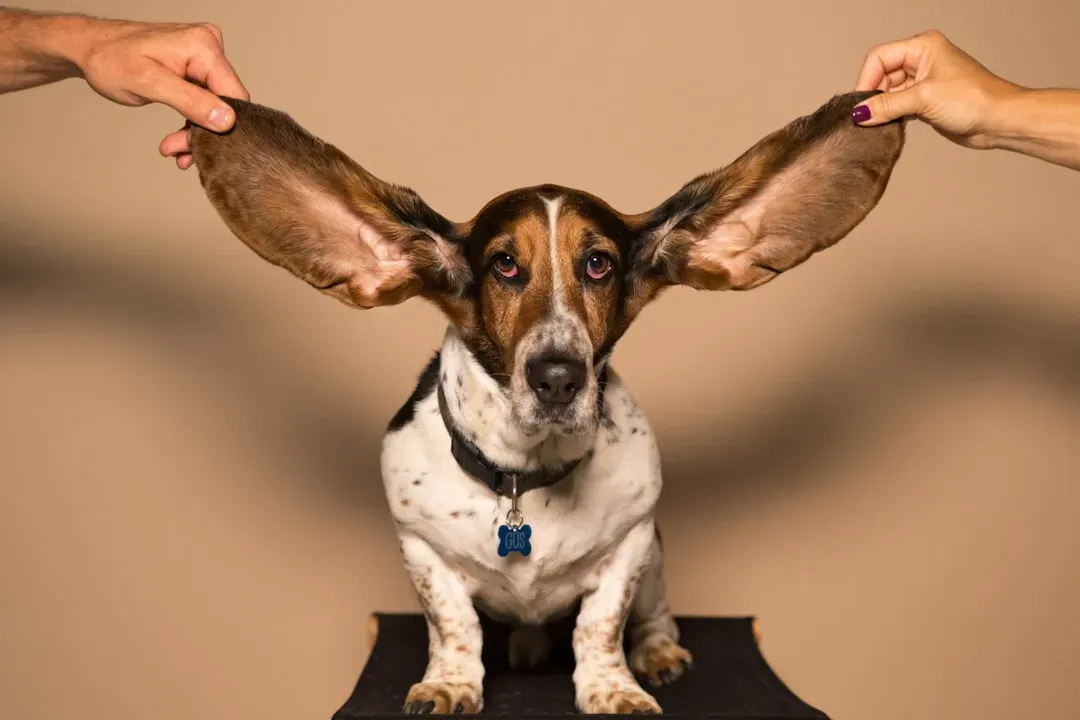
With their big, droopy ears and cartoonish proportions, it’s hard to resist the charm of Basset Hounds. Their calm, warm demeanors make them ideal companions for seniors. There’s something deeply comforting about a Basset Hound’s energy – slow, deliberate, and utterly unbothered. They move through life at their own gentle pace, and somehow, that has a calming effect on everyone around them. As a powerful but characteristically gentle breed, they are patient, lovable companions who take best to gentle training.
With their laid-back demeanor and moderate exercise needs, Basset Hounds are well suited for seniors who prefer relaxed walks and cuddle sessions at home. Their nose is their superpower – they’ll sniff absolutely everything on a walk, which actually makes walks pleasantly slow and manageable. One health reminder: keep an eye on their weight. A heavier Basset puts extra strain on their long spine and short legs, so portion control and light daily movement are key prevention tools.
11. Dachshund – The Small Dog with Big Personality
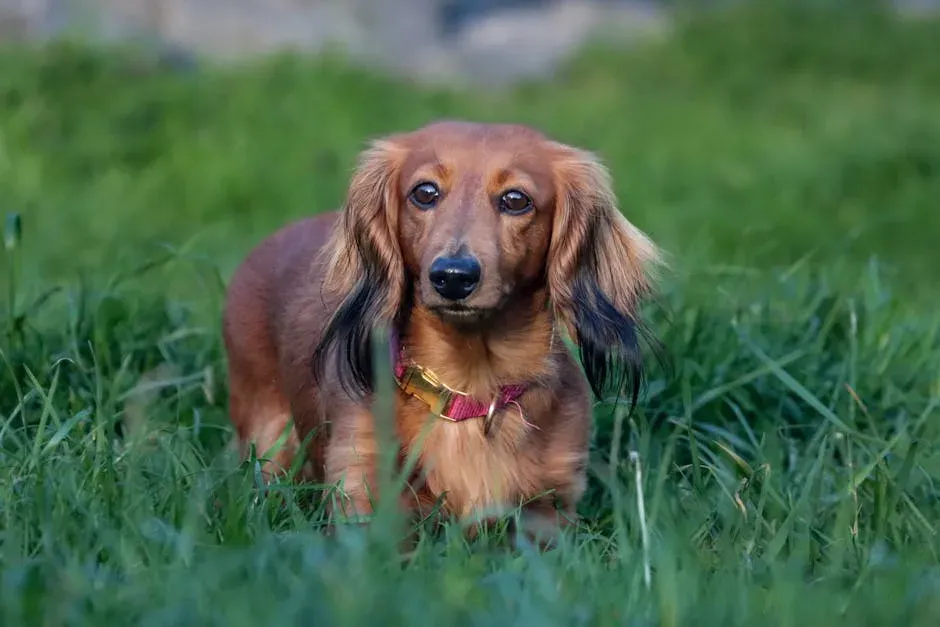
Moving on to smaller breed dogs, a Dachshund is a wonderful consideration for seniors. This small but fierce breed loves human company and socializing with others. Though they’re full of pep and personality, their small frame and short legs preclude them from doing extended physical activity. This makes them a good match for seniors who may be up for taking several shorter walks throughout the day. Think of it as built-in motivation to take mini breaks throughout the day – good for both of you.
The smooth, wirehaired, or long-haired Dachshunds are incredibly affectionate dogs ideal for homebodies searching for comfort and for active seniors who love to go on hikes and explore the wilderness. One important health cue to watch: because of their elongated spine, Dachshunds are prone to back issues. Prevent strain by keeping them off high furniture unaided, monitoring weight carefully, and avoiding activities that involve sharp twisting or jumping. Weight control is important with Doxies since they’re susceptible to back problems, so a couple of short walks a day is advisable.
12. Pembroke Welsh Corgi – The Devoted Little Herder
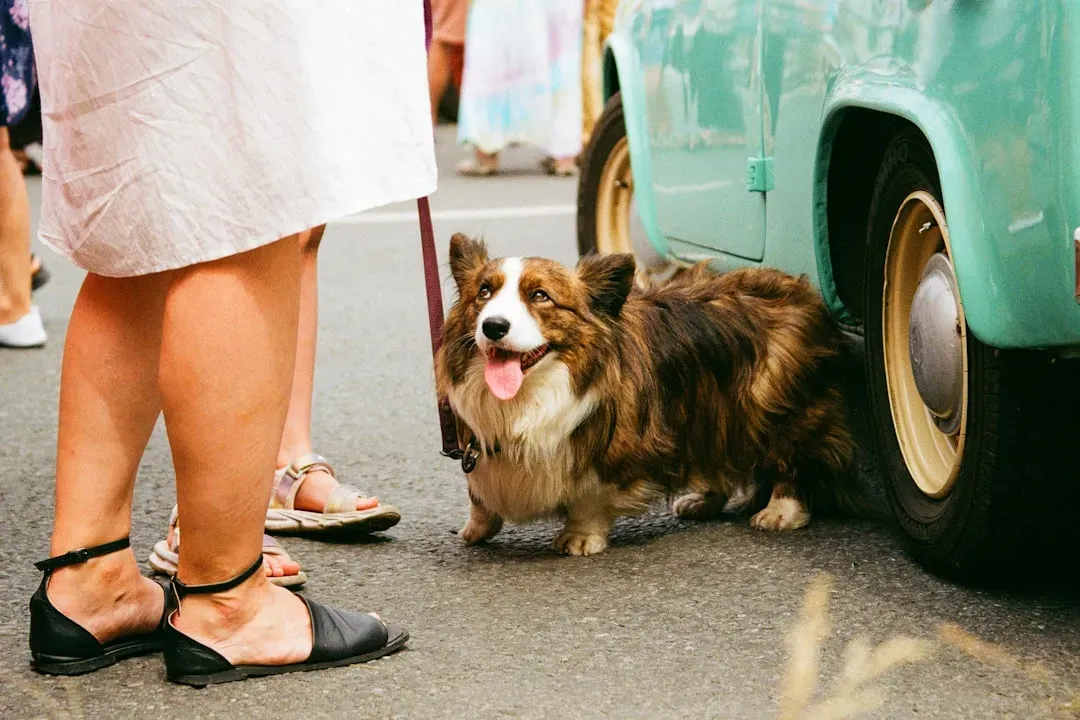
The Pembroke Welsh Corgi is no taller than 10–12 inches with a weight of around 28–30 pounds. This fluffy dog is known for its herding background; they love to please their owners and have a watchful nature that makes them an amazing companion for aging owners. There’s something endearing about a dog that was bred to manage entire herds of cattle but is now happily devoted to keeping tabs on one person – you. They bring a quiet sense of security to a home.
Pembroke Welsh Corgis make great four-legged friends for older owners. They’re smart, trainable, and respond beautifully to positive reinforcement. Choosing a Pembroke Welsh Corgi means welcoming a loyal friend who will bring joy, energy, and a sense of security to your daily life. Keep in mind that Corgis do shed quite a bit, so a weekly brush is smart grooming practice. Their energy level sits slightly higher than other breeds on this list, so a daily walk is genuinely important for their mental wellbeing.
13. Pekingese – The Regal Homebody
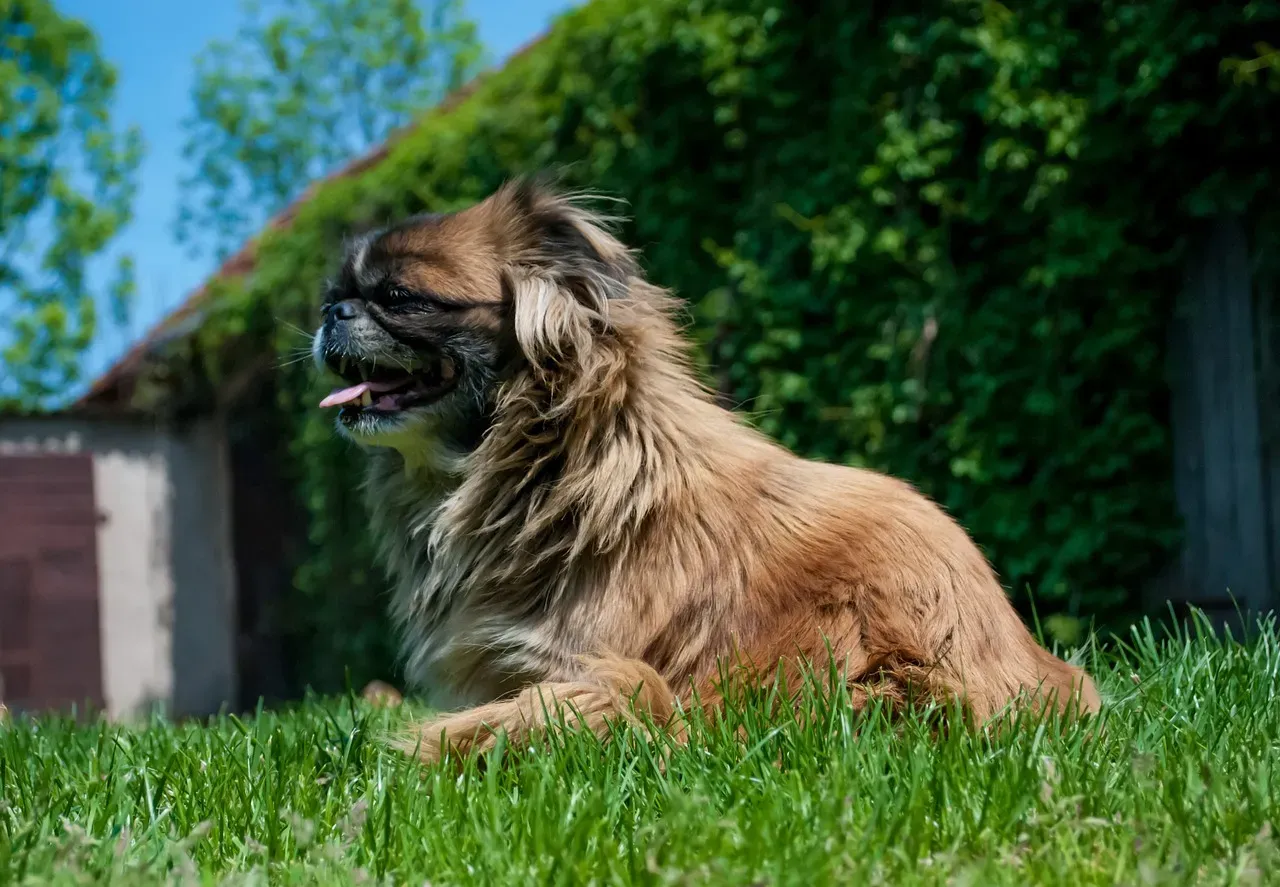
The Pekingese carries a calm, almost regal ease that pairs beautifully with seniors who love quiet companionship. Their steady pace and thoughtful movements make them ideal house dogs, bringing a sense of serenity to daily life. This breed’s lion-dog heritage still shows in their dignified but affectionate personality. They do exceptionally well in indoor environments, appreciating small living spaces and gentle routines. It’s a bit like sharing your home with a tiny, furry emperor who has decided you are worthy of their affection – and honestly, that’s delightful.
The ultimate lapdog, the regal Pekingese is a true charmer. Because this breed isn’t too fond of rough play, it seems to be the best dog for older people who are more likely to live in a calm atmosphere rather than a house full of energetic children. Their grooming does require some commitment, but their grooming can be tailored to the owner’s preferences, and many keep a medium-length coat for easy maintenance. Their activity requirements are low, usually limited to leisurely walks or relaxed indoor movement.
14. Miniature Schnauzer – The Low-Shedding Loyal Friend
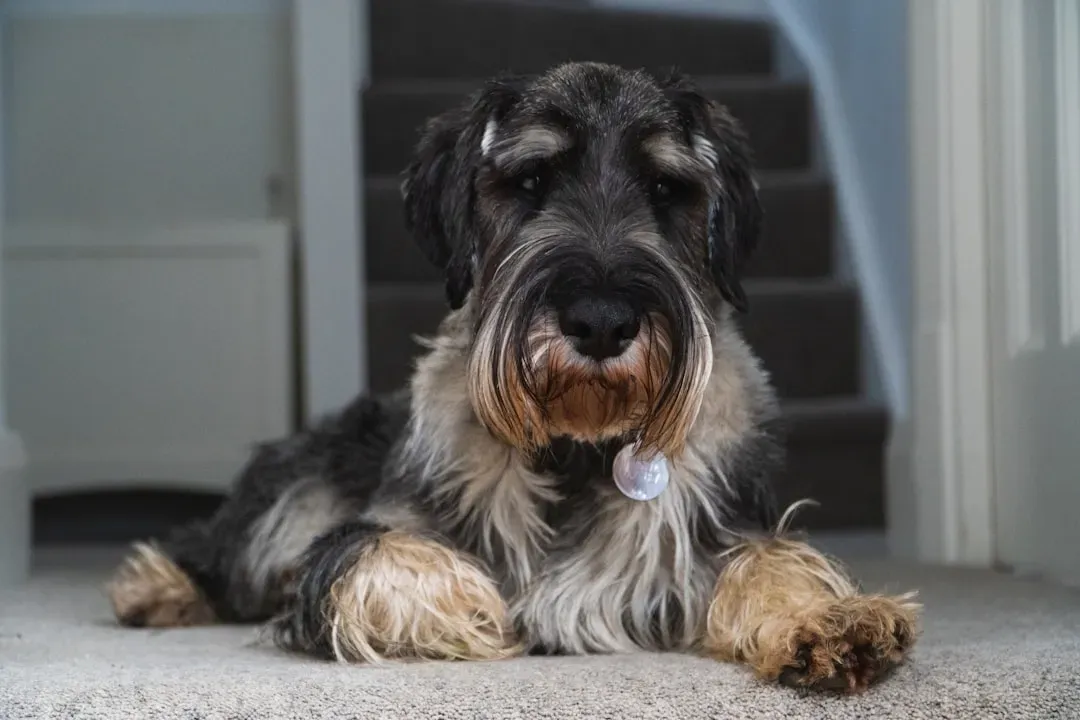
The handsome Miniature Schnauzer provides ultimate companionship and commitment to their senior pet parent. Like Shih Tzus, Miniature Schnauzers are patient with children and enjoy playtime, making them compatible with grandkids as well. That social flexibility is underrated. A dog that can coexist peacefully with visiting grandchildren without becoming chaotic or anxious makes family gatherings so much more enjoyable for everyone involved.
Miniature Schnauzers are alert and have a very friendly nature. Don’t think your senior owner will enjoy picking up a lot of dog hair from their furniture? A Miniature Schnauzer is one of the low-shedding dogs that saves you a lot of hassle. Their wiry coat does need regular trimming, but the tradeoff – almost no shedding – is worth every grooming appointment. They’re active dogs, and their spunky companionship motivates their owners to stay energetic, which is genuinely one of the best health benefits a senior dog owner can receive.
How to Set Yourself and Your New Dog Up for Success
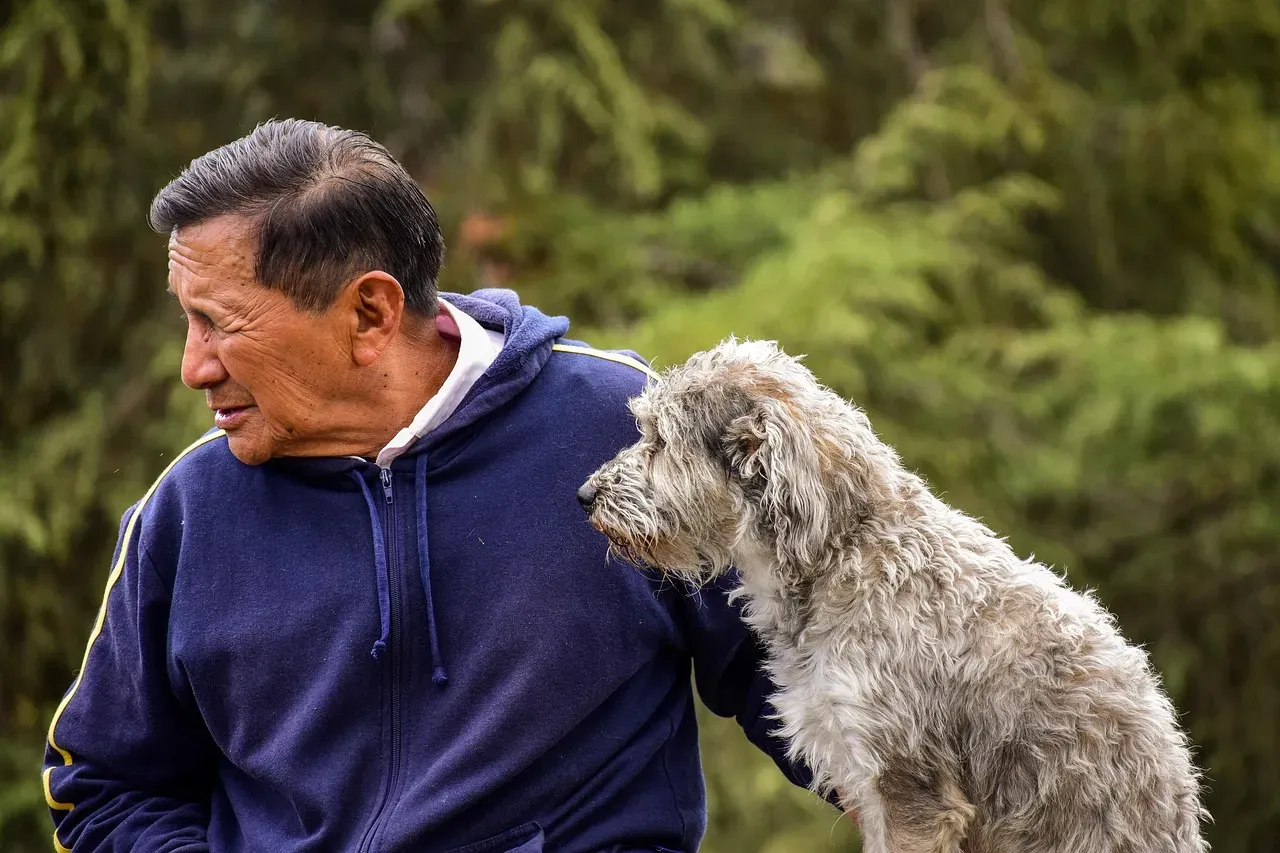
Bringing home any dog – regardless of breed – requires a transition period that both of you will need to navigate. When considering dog ownership, older adults should look into adopting an adult dog rather than a puppy. Puppies require a lot of energy, training, and patience, which may not be ideal for older adults. Adult dogs are often calmer and already trained, making them easier to manage. An adult dog from a shelter can be an absolute gem – they often come already knowing the basics, and they’re profoundly grateful for a calm, loving home.
The 3-3-3 rule helps both you and a newly adopted dog adjust smoothly to a new home. The first 3 days: focus on letting the dog settle in. Keep interactions calm and predictable, provide a safe space, and avoid overwhelming them with visitors or new experiences. That rule is worth printing out and putting on your fridge. It reframes those first uncertain days from frustrating to something you can actively manage. Family or caregiver support is another factor to consider. Some older adults may require assistance for tasks such as grooming, vet visits, or long walks. Before getting a dog, make sure you have the support you need for any tasks you can’t do alone.
Conclusion: The Right Dog Can Genuinely Change Your Life
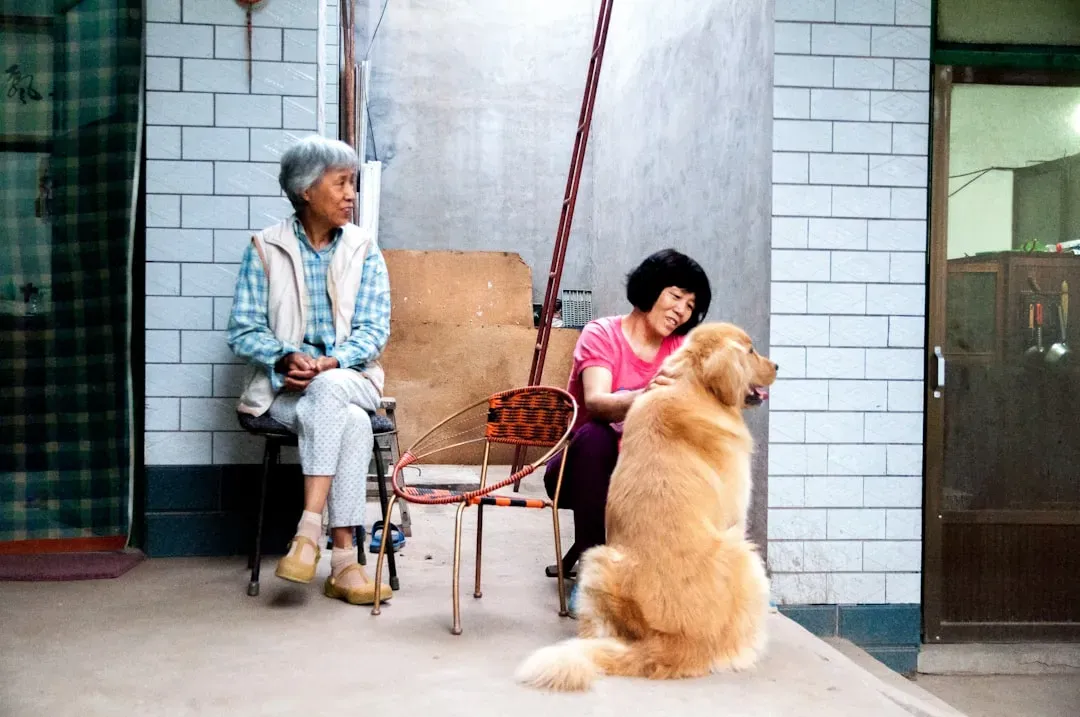
According to the Human-Animal Bond Research Institute, having a dog supports physical activity and longevity among older adults. Their research shows that seniors with dogs are more likely to take short daily walks, stay active, and enjoy improved heart health and emotional stability. That’s not a small thing. That’s genuinely life-changing. A dog doesn’t just keep you company – they give your days structure, purpose, and a reason to step outside.
Each of the 14 breeds on this list brings something unique to the table – a Cavalier’s silky gentleness, a Greyhound’s surprising serenity, a Pug’s endless good humor. The perfect match is out there for you. As we age, lifestyle priorities naturally shift toward peace, routine, and meaningful connection – and that’s exactly where the right dog can make a difference. So whether you’re 62 or 82, a first-time dog owner or returning to canine companionship after years away, take your time, trust your instincts, and choose the dog that makes your heart feel light.
Which of these 14 breeds surprised you the most? Share your thoughts in the comments – we’d love to hear about your journey toward finding your perfect four-legged companion.


