
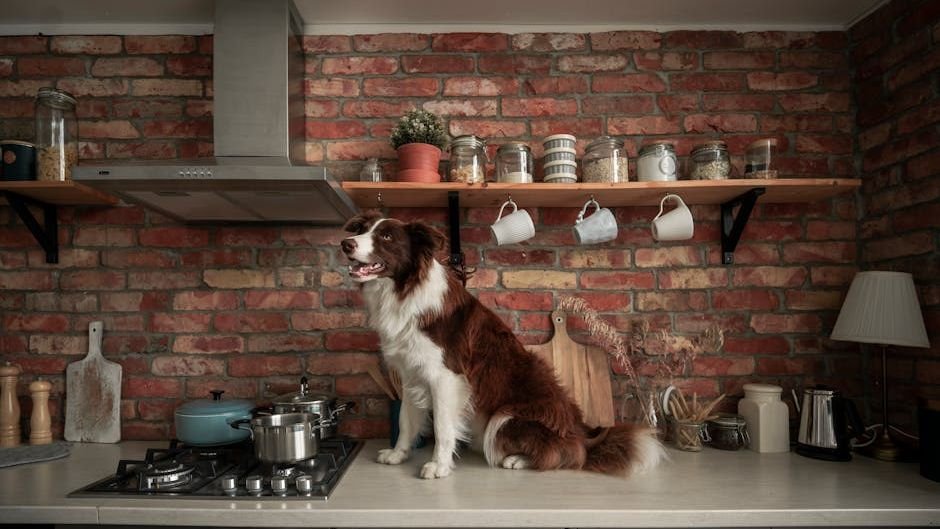
There is something almost indescribably magical about a new puppy bounding through your front door for the first time. Those clumsy paws, that wiggly tail, those eyes full of wonder at absolutely everything. It is pure joy. But here is the thing most new puppy parents don’t realize until it’s too late: your cozy, beautiful home is essentially an obstacle course of hidden dangers just waiting to be discovered by a tiny, fearless explorer with zero impulse control.
Honestly, I think of it like this. A puppy sees your living room the same way a toddler sees a candy store that’s also a hardware shop. Everything looks interesting, everything goes straight into the mouth, and nothing is off limits until you make it so. The good news? A little preparation goes a very long way. So let’s dive into the seven essential puppy-proofing tips that will set your new family member up for a safe, happy, and tail-waggingly wonderful life.
Tip 1: Get Down on All Fours and See the World Through Their Eyes

Before you move a single piece of furniture or buy a single baby gate, do something that will feel a little silly but is genuinely one of the smartest things you can do: get down on your hands and knees and crawl around your home. Gain insight into the potential hazards from your puppy’s point of view by lowering yourself to their height. This eye-level inspection reveals hidden dangers such as dangling electrical cords, accessible toxic houseplants, small objects that could be choking risks, or chewable items that should be off limits.
Crawling around your floor also helps detect tight spots where a puppy might get trapped or hurt. Think about the gap behind your washing machine, the space under the kitchen cabinets, or that tangle of cables behind your entertainment unit. You’d be amazed what reveals itself when you shrink your perspective. This one simple exercise changes everything, because what looks like a tidy, safe home from an adult’s standing height can look like an entirely different world from six inches off the ground.
Tip 2: Tame the Cable Jungle Before It Becomes a Crisis
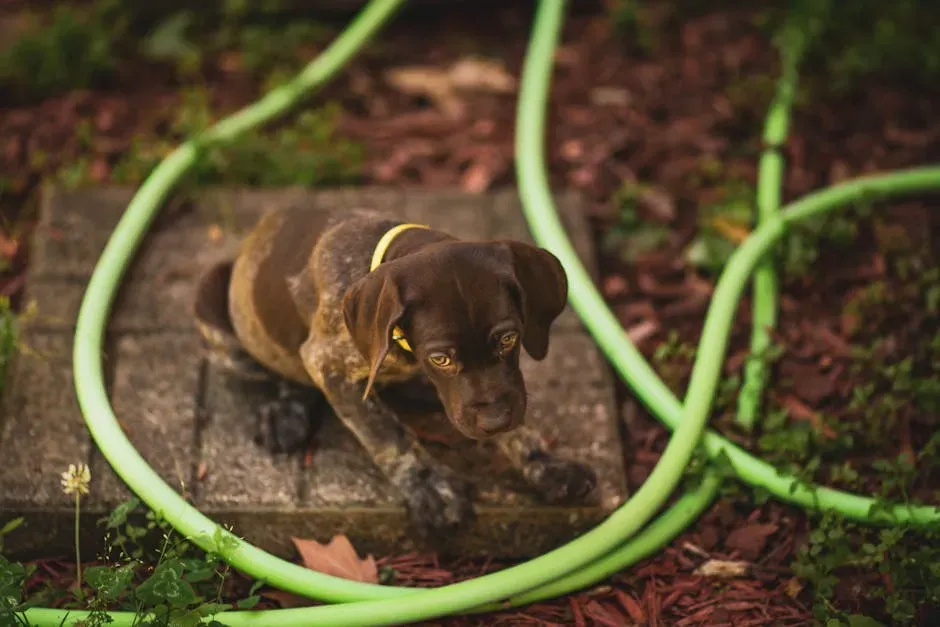
Electrocution from chewing on electrical cords is the most common type of electrical injury for household pets, and it can also cause choking. That phone charger dangling off your bedside table, the lamp cord snaking across the floor, the television cables bunched behind the unit. To you, they are just background noise. To a teething puppy, they are the most irresistible chew toys on earth. Electrical cords are a big danger to puppies, who often chew on them while playing. This can cause burns in the mouth, electrical shock, or death by electrocution.
The fix is thankfully straightforward. Puppies may be tempted to chew on electrical cords, which are dangerous. Use cord covers, clips, or organizers to keep cords out of the puppy’s reach or tuck them away behind furniture. Use outlet covers to prevent curious pups from accessing outlets, as they may try to lick, sniff, or nibble on them. Select covers that securely fit into outlets and can’t be easily removed by small paws. You can also apply bitter-tasting sprays to any cords that simply cannot be hidden. Think of it as making the forbidden fruit taste absolutely awful.
Tip 3: Lock Down Toxic Substances Like Your Puppy’s Life Depends on It (Because It Does)
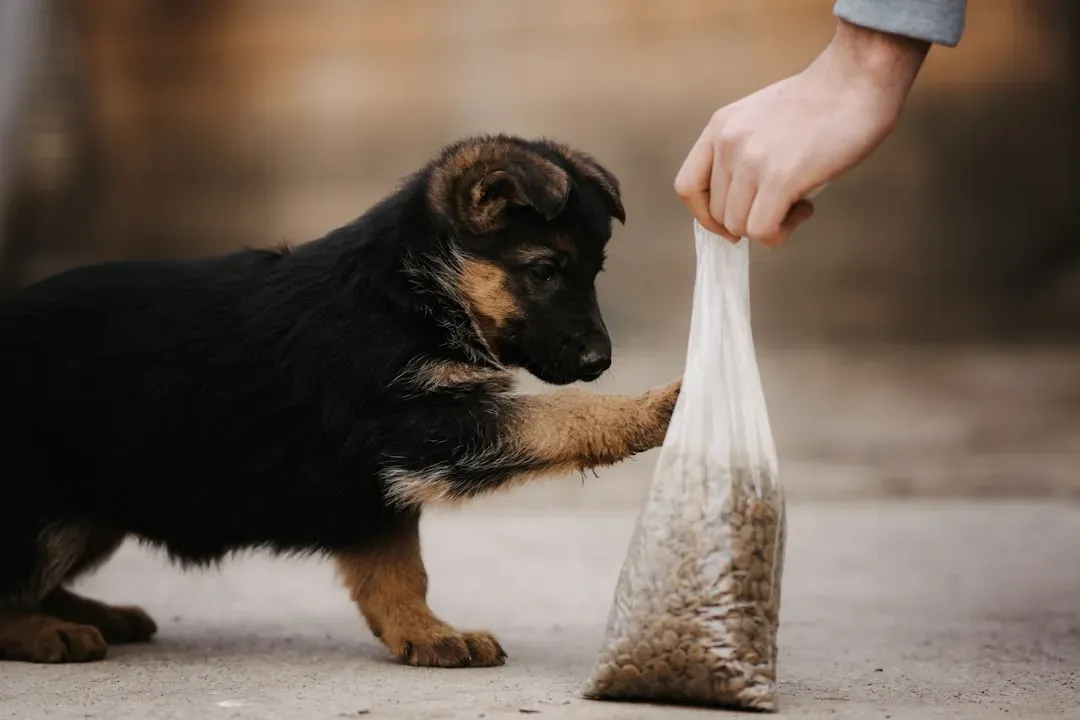
The average household may contain as many as 400 different chemicals. The list of products that are dangerous to dogs includes automotive products, cleaning products, detergents, drain openers, paint, turpentine, and de-icing products, to name a few. Most of us don’t even think about the cleaning supplies under the sink or the medications on the nightstand because they are just part of the furniture of daily life. For a puppy, though, those things are a serious threat. Most cleaning products contain chemicals that are harsh on paws, tongues, and curious noses. Puppies lick everything, including floors, right after you’ve mopped.
Keep personal items like purses, backpacks, and gym bags out of reach, as they often contain items like medications, chocolate, or sugar-free gum made with xylitol, which is extremely toxic to dogs. The same goes for bathroom cabinets. Ensure medications are put away in a closed cabinet, draw or secure container, and never leave them out on a bench. If your puppy ever does get into something they shouldn’t, call your vet or the Pet Poison Helpline immediately. The professional may recommend a visit to an emergency vet. Save that number in your phone right now. Seriously.
Tip 4: Audit Your Greenery – Some Plants Are Quietly Dangerous
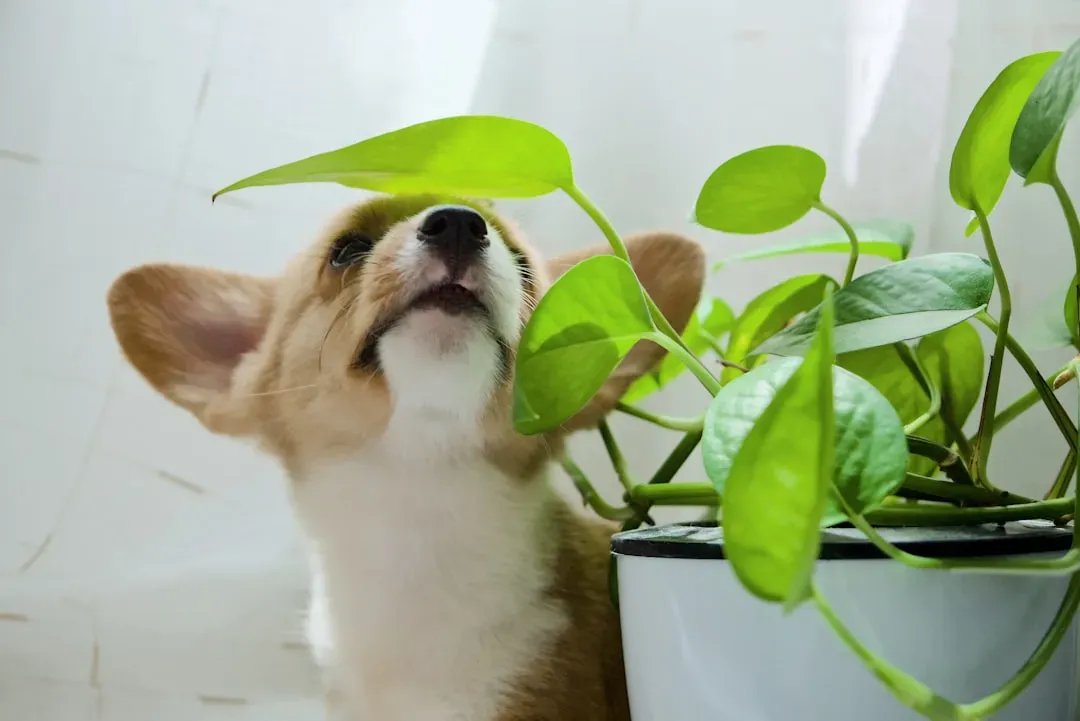
Here is something that surprises even experienced dog lovers. That lush, beautiful houseplant collection you’ve spent years curating could be one of the biggest threats to your new puppy. Certain houseplants can be toxic to dogs, causing symptoms ranging from mild stomach upset to severe organ failure. Research your existing plants and remove or relocate any that are harmful, such as Sago Palm, Philodendron, Cyclamen, and Autumn Crocus.
Many common houseplants – lilies, pothos, philodendrons, sago palms – can cause vomiting, diarrhea, or even organ failure if eaten. The behavior cue to watch for is a puppy that is sniffing, pawing, or nibbling at plant leaves or digging in the pot soil. Move toxic plants to high shelves or rooms your puppy can’t enter. Swap them for pet-safe alternatives, such as spider plants, Boston ferns, or parlor palms. Your plant collection doesn’t have to disappear entirely. It just needs a strategic rearrangement. Think of it like a museum curator shifting priceless art out of reach of tiny, grabby hands.
Tip 5: Use Barriers and Safe Zones Strategically
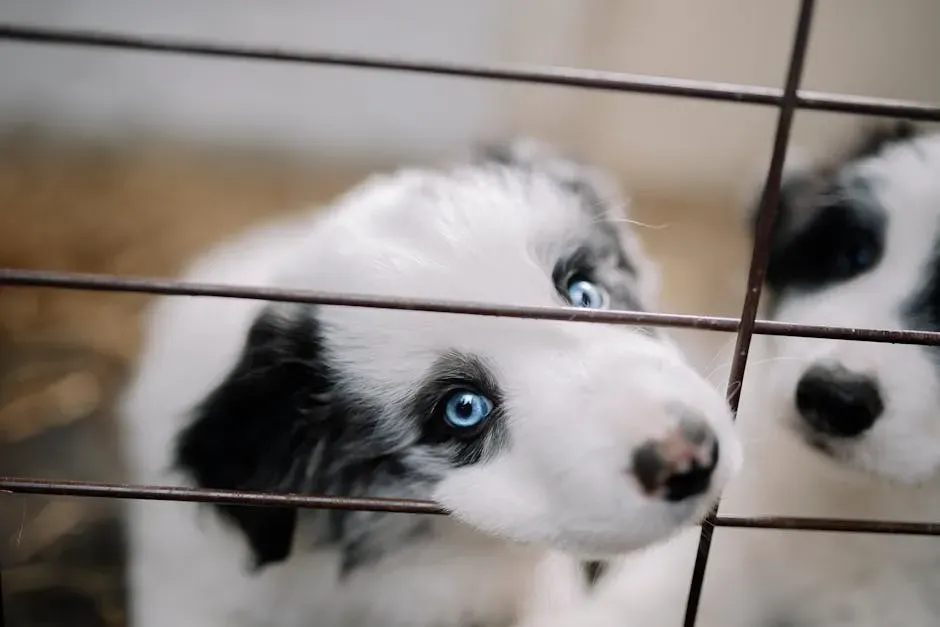
It is in your pup’s best interest to restrict movement and access to certain areas around your house. You can purchase playpens or baby gates to create boundaries. Some of the best places to install the equipment are to block off dangerous areas, such as the kitchen or stairwell. Not only will these installations help to reduce the odds of accidents, they will also allow you to slowly introduce your furry friend to various areas around the house.
A crate is a wonderful tool to help keep your puppy safe when you can’t supervise them directly. So, start crate training your puppy as soon as you bring them home. This will help them see it as a place of comfort. New puppies tire easily and need to have a place to rest and retreat from the world, so make sure their crate is always readily accessible. Think of the crate not as confinement but as a puppy’s personal bedroom, a den where they feel secure and calm. The difference in mindset matters enormously for how training goes.
Tip 6: Secure the Trash and Rethink the Kitchen
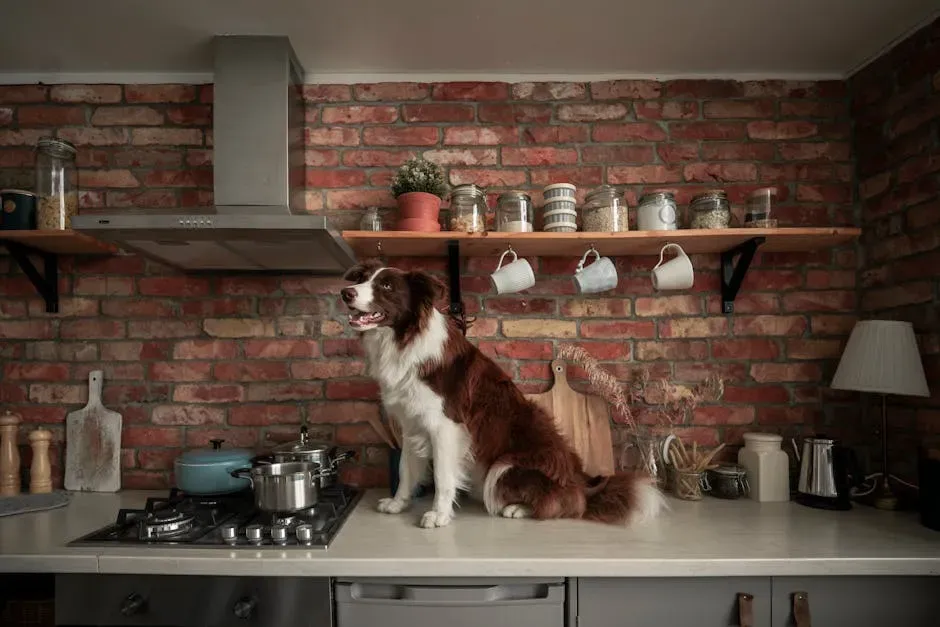
Let’s be real: the kitchen is the single most dangerous room for a curious puppy, and the trash can is ground zero. Puppies are naturally curious and may explore trash cans, which can lead to ingestion of toxic foods or suffocation in snack bags. It sounds almost comical until you realize that a single foil wrapper, a chicken bone, or a grape stem can land your pup in the emergency vet. The ASPCA’s Animal Poison Control Center deals with a huge number of chocolate toxicity cases per day. Many pups have a hard time resisting this delectable sweet, even though chocolate is toxic to dogs due to a compound called theobromine, an ingredient they’re unable to metabolize effectively.
Make your trash bins pet-proof by using locking lidded trash cans and blocking access to them by keeping them out of your dog’s area. Beyond the trash, keep countertops completely clear of food scraps. Food products make up a significant portion of all toxicosis cases in canines. Foods that create the highest call volume include protein and snack bars, grapes, products containing xylitol, onions, and garlic. If it’s edible and within snout’s reach, your puppy will find a way to get it. That’s not a maybe. That’s a guarantee.
Tip 7: Puppy-Proof the Yard Before the First Step Outside
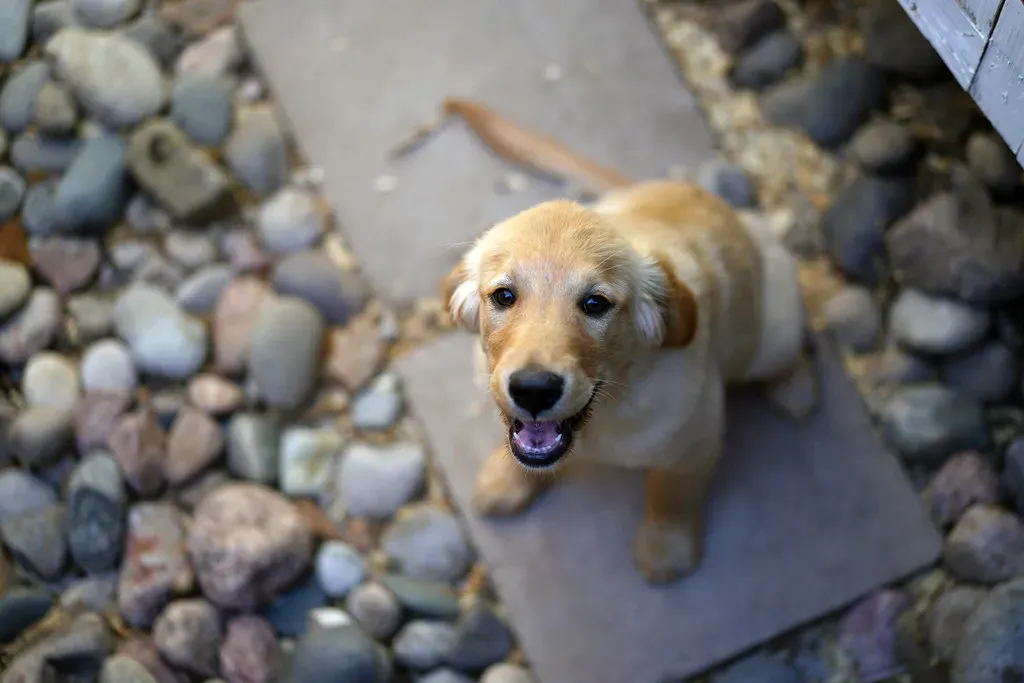
The backyard feels like paradise for a puppy. Fresh air, new smells, endless things to dig up and investigate. It is also loaded with hazards that are easy to overlook because they blend into the scenery. Check your fence is secure and intact so your puppy can’t escape, and that your fence is high enough, so they are unable to jump over it. Keep the lawn trimmed and brush under control. Ticks are more likely to hide in tall grasses and latch onto your pup.
Grass maintenance is crucial for puppy safety, as certain lawn treatments can pose risks to dogs. Fertilizers, pesticides, and herbicides often contain toxic substances that, if ingested, can harm a puppy. Puppies are especially vulnerable because they tend to chew on grass, dig in soil, and lick their paws after exploring. If you have a pool or other body of water in your backyard, you also have a drowning hazard. Keep bodies of water strictly off limits to your puppy when they’re unsupervised. Walk your yard with fresh eyes, and if something could hurt a curious, fearless, tiny creature who has no idea what danger even is, fix it before that creature ever sets a paw outside.
Conclusion: Your Preparation Is the Greatest Act of Love
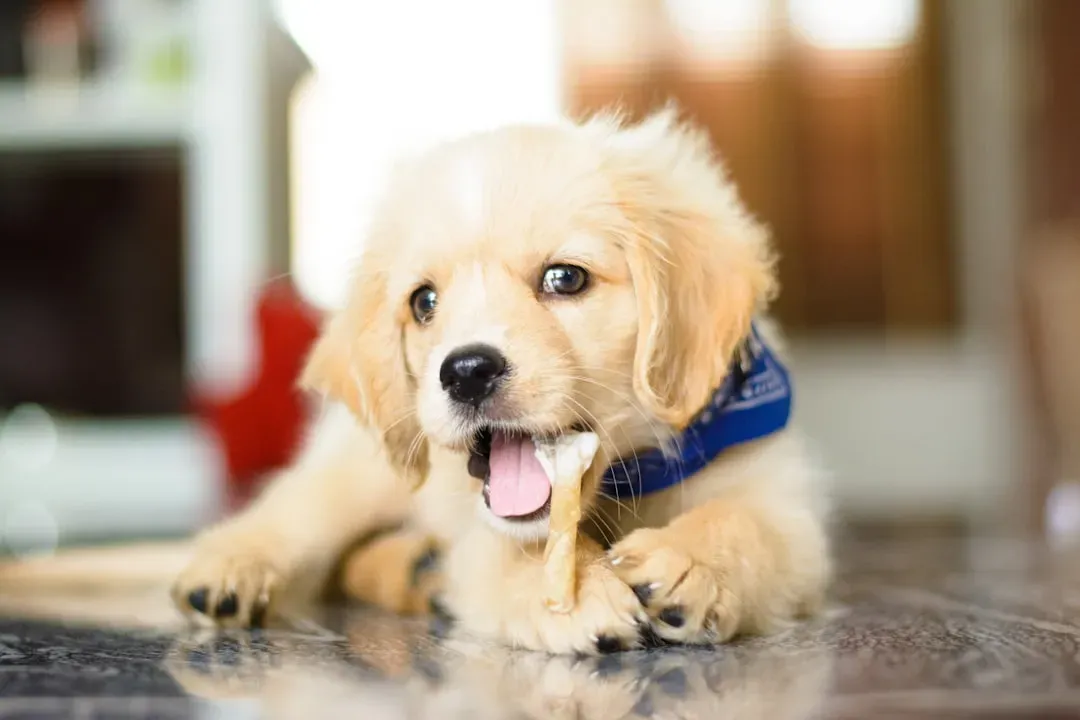
Puppy-proofing is not about fear or paranoia. It is about respect. Respect for how puppies actually think and behave, and respect for the responsibility you’ve taken on by welcoming this little life into your home. Puppy-proofing your home not only protects your belongings but also sets the stage for a well-behaved dog long term. The effort you put in during those first weeks creates a foundation of safety, trust, and routine that your dog will carry with it for life.
Puppy-proofing is not a one-time chore. It requires daily vigilance and adjustments as your puppy grows and their ability to reach new things changes. That’s actually kind of beautiful if you think about it. It means your job as a dog parent is always evolving, always growing alongside your pup. You’ve got this. Now go get down on those hands and knees, see the world like your puppy does, and make it a place where they can thrive safely. What would you change first in your home today?


