
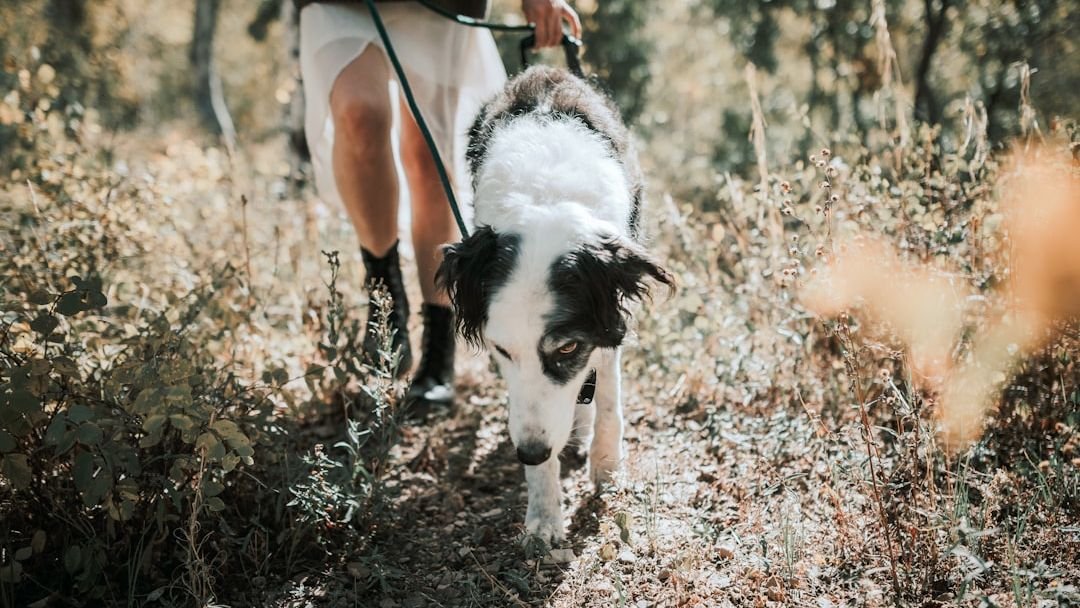
There is something quietly heartbreaking about watching your once-energetic dog take the stairs slowly, pause before lying down, or hesitate at the front door where they used to charge right through. If you’ve been there, you already know that feeling. The good news? Slowing down does not have to mean stopping altogether.
As dogs age, their activity levels naturally decline, but staying active is crucial to maintaining their health, mobility, and overall happiness. Older dogs can still enjoy regular exercise – the key is tailoring routines to their age, physical abilities, and any underlying health concerns. Think of it less like a workout program and more like a love language. These seven gentle exercises are not about pushing limits. They’re about keeping your senior dog comfortable, engaged, and genuinely happy in their golden years. Let’s dive in.
Why Movement Is Still Medicine for Senior Dogs
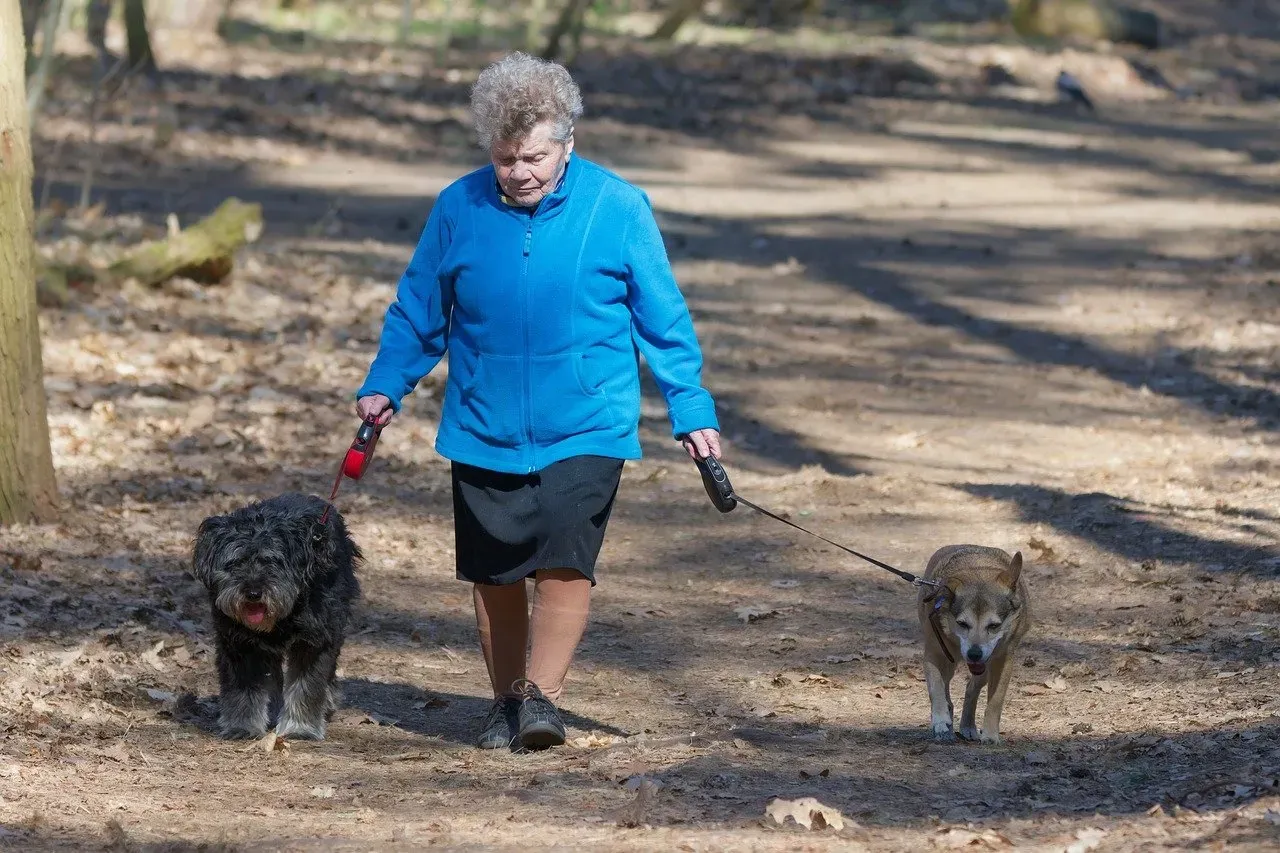
Historically, it was thought that dogs with arthritis should limit their activity, and “exercise restriction” was prescribed. It turns out this recommendation is incorrect, and if strictly followed, it would contribute to weight gain, stiff joints, loss of muscle, and a decline in functional abilities. That might surprise a lot of dog parents. Honestly, it surprised me too the first time I heard it.
Exercise can help improve joint mobility, reduce pain and inflammation, strengthen your dog’s muscles, and keep them active – not to mention help with weight loss and boosting the bond between you. The body, whether human or canine, is designed to move. Even small daily efforts create ripple effects across your dog’s whole wellbeing.
Dogs who remain active throughout their lives have a lower risk of developing arthritis, obesity, and cognitive decline. Fitness isn’t just about exercise – it’s a lifestyle that protects long-term health. So before you feel guilty about those slow walks or the backyard shuffle, know this: you’re already doing something meaningful just by keeping your dog moving.
Exercise 1: The “Sniff and Stroll” Walk
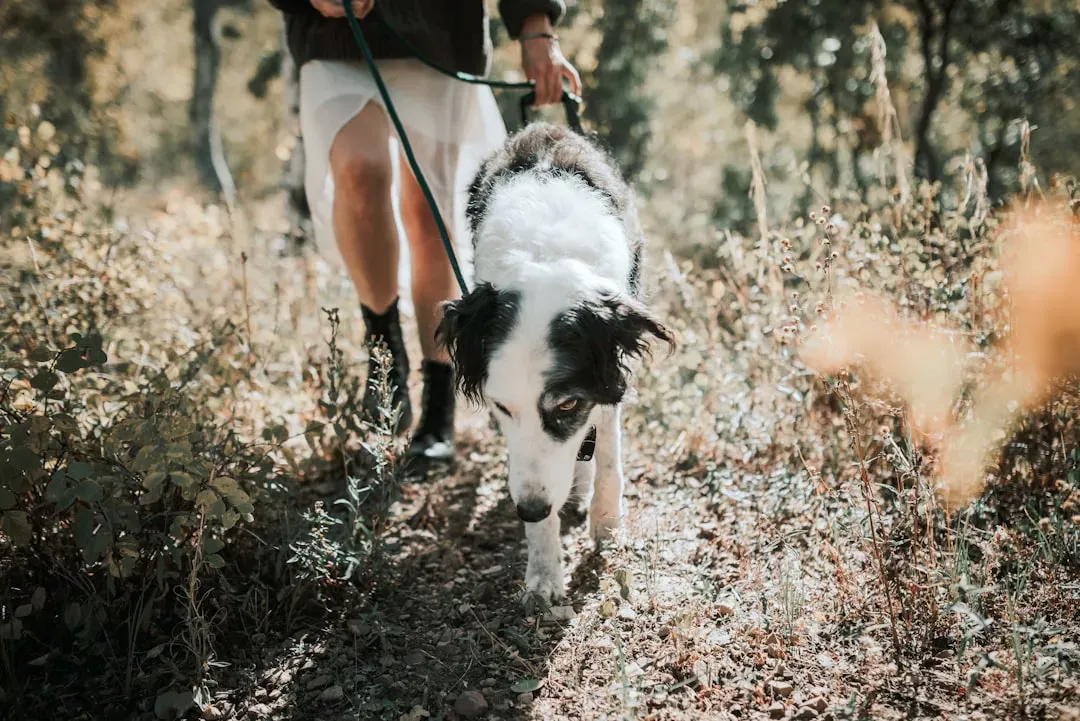
Here’s the thing – your senior dog doesn’t need to cover miles. What they need is consistent, low-pressure movement. Walking remains the cornerstone of geriatric mobility programs, but with important modifications for senior dogs. Unlike the brisk walks of younger years, senior dogs benefit from what could be called the “sniff and stroll” approach – shorter, gentler excursions that prioritize enjoyment over distance.
Short, frequent walks of around 10 to 15 minutes, taken two to three times a day, are better than one long walk. Let your dog sniff and go at their own pace. Sniffing, by the way, is genuinely tiring for dogs in the best possible way. It engages their brain just as much as their body. Think of it like a crossword puzzle with legs.
Watch for signs of fatigue such as panting, limping, or reluctance to move – those are indicators to stop. Adapt for weather by avoiding hot asphalt in summer or icy paths in winter. Older dogs may dehydrate faster during exercise, so always keep water nearby.
Exercise 2: Swimming and Water Therapy
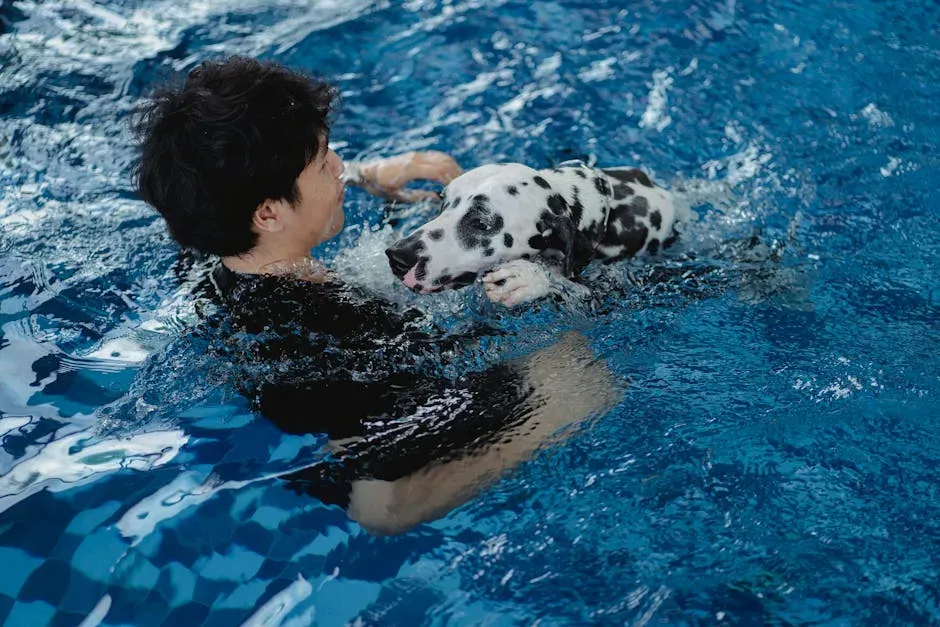
If your dog has access to water, this might just be the single most powerful gentle exercise you can give them. The water provides buoyancy, which diminishes the stress on the joints, allowing the dog to move without pain. When swimming, the dog moves their legs in a different manner than walking, which results in more range of motion and stretching of the joints and muscles. The water also offers resistance for muscle strengthening.
If a dog is exercising in an underwater treadmill with the water at the level of the hip, the joints have roughly 38 percent less weight on them than they do on land. That is remarkable. Imagine going from carrying a heavy backpack to suddenly feeling almost weightless. That’s what water does for your arthritic dog.
One study found that swimming over two days per week, consistently for eight weeks, can improve the function of osteoarthritis joints. If your dog isn’t a natural swimmer, start with shallow water and always supervise. Look for a dog-safe pool or calm lake, or ask your vet about water treadmill therapy. Sometimes walking in chest-high water is safer for those joints than swimming, depending on their condition.
Exercise 3: Passive Range of Motion and Gentle Stretching
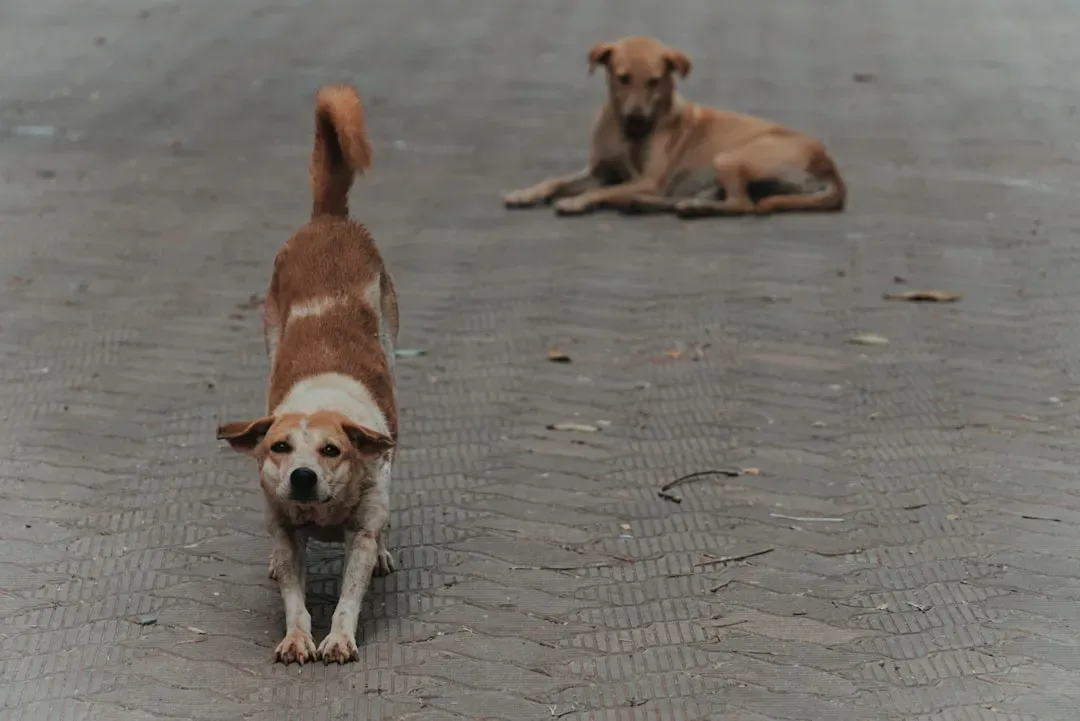
This one you can do right on your living room floor, right after bedtime. No equipment needed – just your hands and about ten minutes of quiet time together. Passive range of motion exercises are movements you perform for your dog rather than ones they perform actively. These gentle manipulations help maintain joint flexibility and circulation without putting weight or stress on painful areas.
Most senior dogs benefit from daily sessions focused on shoulders, elbows, wrists, hips, knees, and ankles. The entire session might take only 5 to 10 minutes, but provides significant benefits for joint health and circulation. Many dogs come to enjoy these sessions as bonding time, particularly when combined with gentle massage.
The key to effective stretching is gentleness and gradual progression. Movement should never cause pain or distress. Hold stretches briefly for around 3 to 5 seconds and always reward participation. Watch your dog’s face. Pay careful attention to your dog’s reactions – while mild initial hesitation is normal, any signs of pain such as pulling away, growling, or whining mean you should stop immediately and consult your veterinarian.
Exercise 4: Sit-to-Stand Repetitions and Balance Work
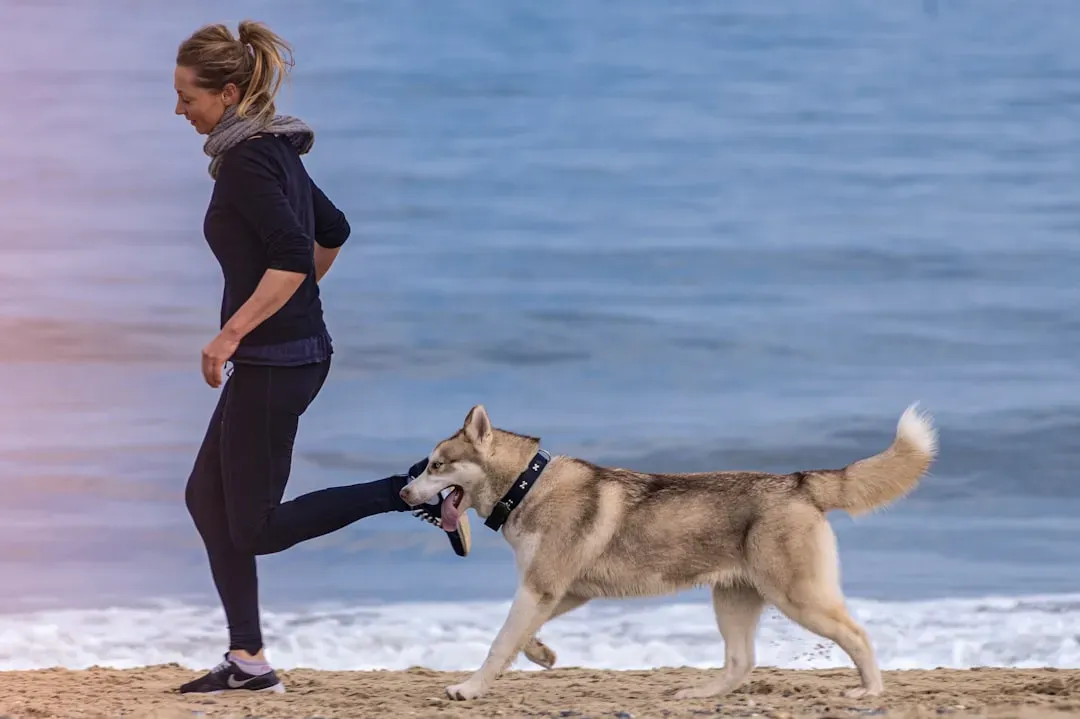
This one sounds almost too simple, but don’t underestimate it. Hindquarter weakness is common in aging pets and often manifests as difficulty rising from lying positions. Modified exercises specifically targeting these crucial muscle groups can help while minimizing joint stress. Think of sit-to-stand reps as the canine version of chair squats for an elderly person. Small movement, big payoff.
Gentle sit-stand repetitions, walking in figure-eights, or standing on a balance pad with support can all build stability. You can do a few repetitions using treats as a reward to guide the motion. Keep sessions short. Two to five reps is enough. The Orthopedic Foundation for Animals recommends incorporating balance work even before mobility issues become apparent, as preventative strengthening significantly reduces injury risk. For arthritic pets, balance exercises on cushioned surfaces can improve stability while minimizing discomfort.
Always provide physical support during these exercises and never allow unsupervised attempts by unsteady senior dogs. The goal is controlled, deliberate movement rather than cardiovascular exertion.
Exercise 5: Nose Work and Mental Movement Games
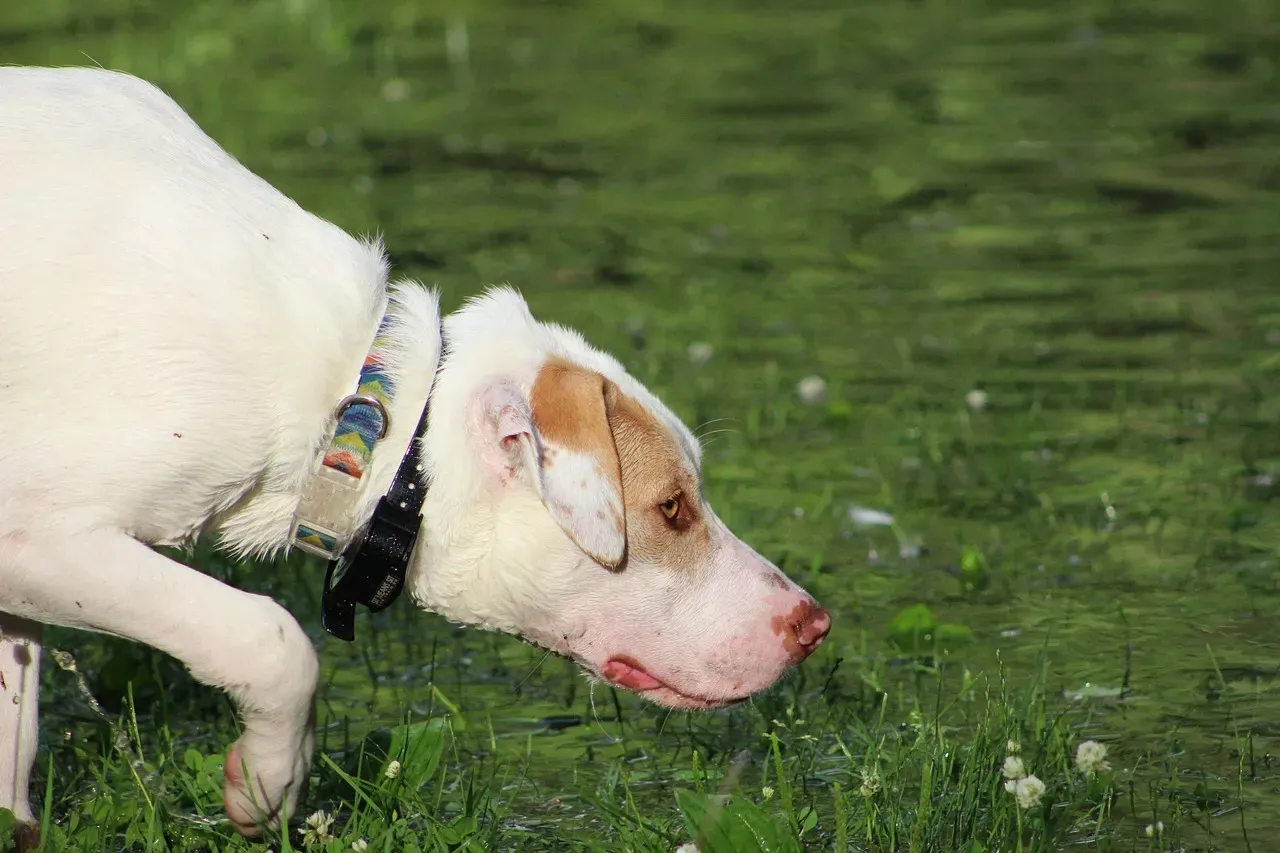
Let’s be real – not every “exercise” needs to look like exercise. Sometimes the most powerful workouts happen when your dog thinks they’re just having fun. The mind-body connection plays a powerful role in canine mobility. Mental exercise that encourages physical movement provides dual benefits, keeping both brain and body engaged. For seniors with limited physical capabilities, mental stimulation becomes especially important.
Scentwork keeps dogs moving without tiring or over-exerting them. Nose work keeps them thinking, helping them maintain their cognitive abilities. You can start incredibly simply. Hide a few treats around a room and let your dog find them. That’s it. That low-to-the-ground sniffing, moving, and searching works muscles, joints, and the brain all at once.
These activities not only prevent cognitive decline but also maintain neural pathways essential for coordinated movement. They’re especially valuable on days when weather or health issues might limit more active exercises. Research from the Journal of Veterinary Behavior suggests that dogs receiving regular mental stimulation alongside physical therapy show better overall mobility outcomes than those receiving physical therapy alone. That last part is worth reading twice.
Exercise 6: Gentle Massage for Circulation and Comfort
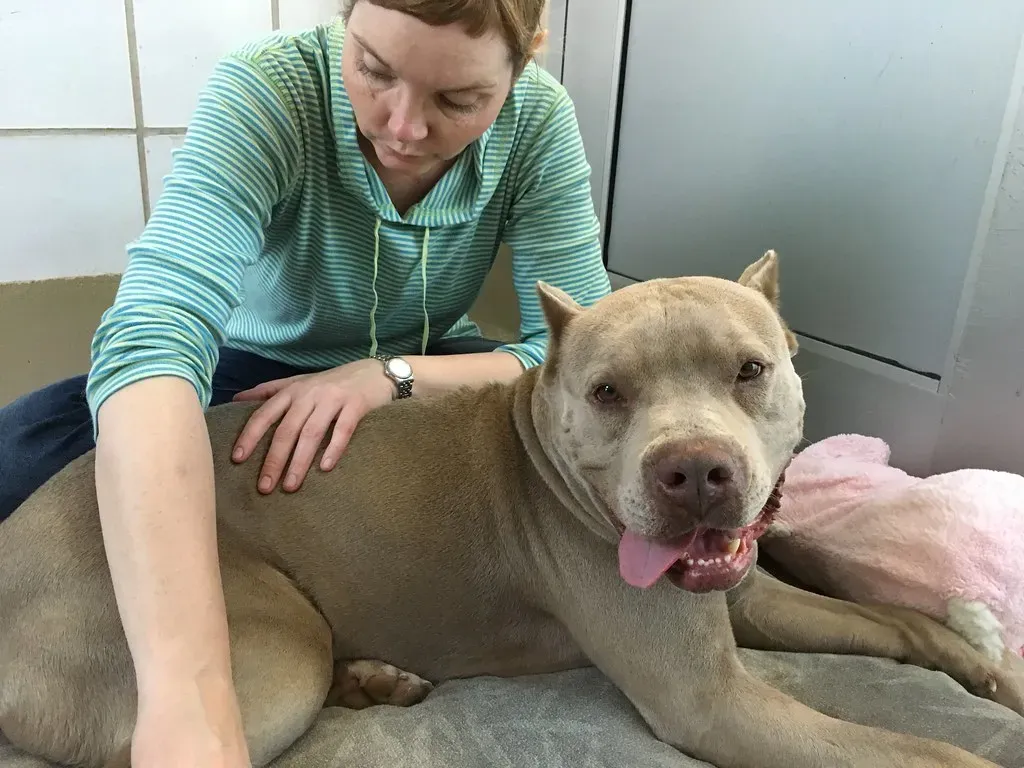
Massage is not just a luxury. For senior dogs, it is a legitimate therapeutic tool. Stretching exercises and gentle massages are excellent additions to senior pet fitness, especially for those with arthritis or stiff muscles. Simple stretches, like gently lifting one limb at a time, can help keep muscles flexible and improve blood flow. Massage also helps with relaxation, improves circulation, and can reduce anxiety.
Moving the joints actually produces synovial fluid, which lubricates your pet’s joints. Think of synovial fluid like WD-40 for your dog’s hinges. Regular massage helps keep that fluid flowing. Specialized joint massage can be an effective natural remedy because it stimulates blood flow into the joints, which can promote natural healing.
It’s a perfect activity to do after walks or playtime to soothe muscles. Perform these exercises slowly and be gentle, as senior pets are more prone to injury. Start with slow, circular strokes along the back, shoulders, and hips. If your dog leans in and sighs, you’re doing it right. Consider consulting with a professional pet massage therapist to learn techniques that specifically benefit senior dogs.
Exercise 7: Low Indoor Obstacle Paths and Modified Fetch
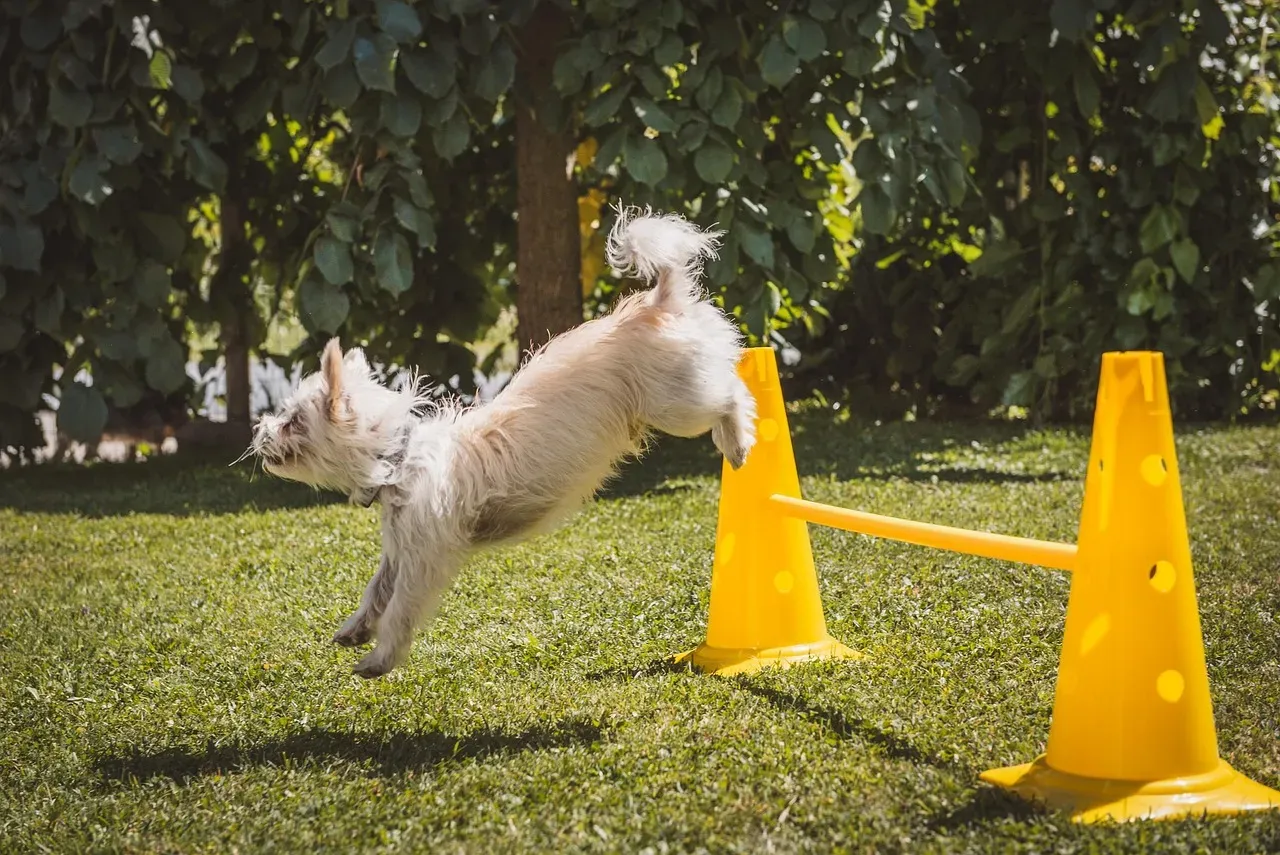
I know it sounds crazy, but even a gentle indoor obstacle course can do wonders for an older dog’s coordination and confidence. You can make a course with broomsticks or small poles, spaced body-length apart, that your dog can walk over slowly. This causes increased flexion of all joints and helps with proprioception – knowing where their limbs are in space.
Proprioception is a huge deal in senior dogs. As they age, they can lose their sense of where their paws are, which leads to stumbling and falls. A simple pole-walking course counteracts this in the most natural way possible. Older dogs tend to prefer items that are easy to track, so soft, lightweight toys work best for any adapted fetch game indoors.
Safe play activities for senior dogs include gentle fetch, tug-of-war with a soft toy, or nose work games. These activities stimulate their minds and bodies without being too strenuous. Avoid activities like high-impact jumping or rough play that could lead to injury, especially if your dog has arthritis or joint pain. Keep sessions short, fun, and always on their terms.
How to Know When to Slow Down: Key Health and Behavior Cues
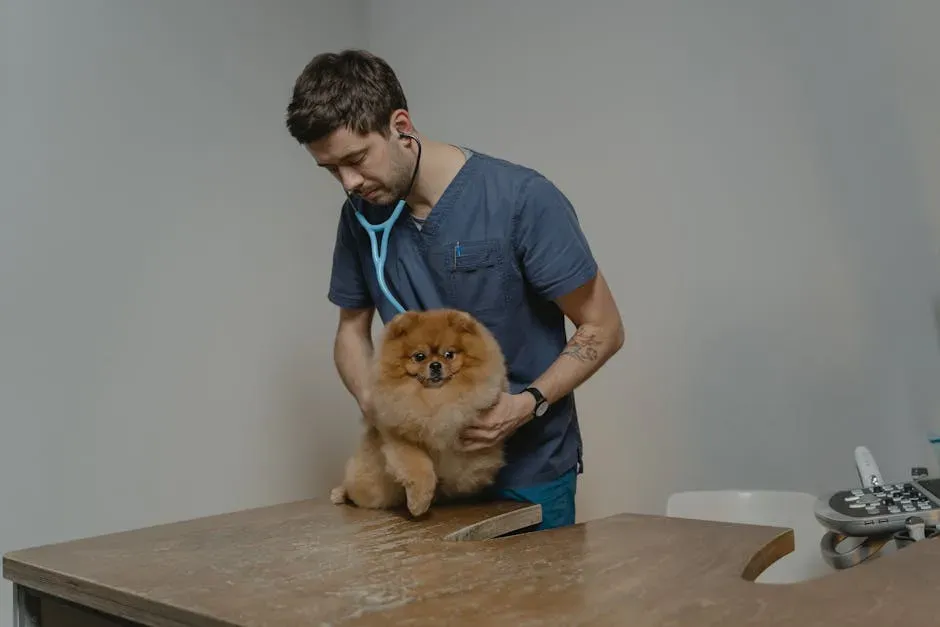
Your dog cannot use words. So learning to read their body is everything. Signs of pain may include limping, reluctance to move, whining, or panting excessively. These are signals that you need to stop the activity and reassess.
Difficulty rising from a resting position is a classic early indicator of arthritis. Pain can make dogs irritable, withdrawn, or unusually quiet. Some dogs may also show signs of anxiety or sleep disruption due to joint discomfort. If you notice your dog suddenly seems grumpy or less social, don’t write it off as “just getting old.” It’s often pain talking.
Frequent check-ups with a veterinarian are fundamental for managing your senior dog’s health. After exercise, watch for signs of fatigue, limping, or reluctance to move. If any of these symptoms arise, it’s crucial to scale back on activity and consult a vet. Always loop in your vet before starting any new exercise program. Before introducing a new routine, check with your veterinarian. They know your dog’s full picture.
Conclusion: Every Small Step Is a Big Deal
Your older dog does not need to run agility courses or swim laps to live a full, joyful life. A well-designed exercise plan keeps joints flexible, strengthens muscles, and helps prevent weight gain – all of which contribute to a longer, happier life for your senior companion.
The truth is, the most powerful thing you can do is show up consistently. A ten-minute sniff walk in the morning. A five-minute massage before bed. A nose game in the hallway on a rainy afternoon. Older dogs that stay active often show brighter moods, better sleep, and greater independence. That alone is worth everything.
Your dog has given you years of unconditional love, silly moments, and endless loyalty. These exercises are your way of giving some of that back. One gentle step at a time. What exercise are you going to try with your senior pup first? We’d love to hear about it in the comments.


