
You’ve made the decision. The dog is coming home. Your heart is full, your phone camera is ready, and honestly, you might have already picked a name. But here’s something not enough people talk about before the big day arrives – your home is probably not as ready as you think it is.
Bringing a dog into your life is one of the most rewarding things a person can do. It is also one of the most humbling experiences, especially if this is your very first time. That wagging tail and those eyes that love you unconditionally? That part is real. So is the chewed shoe, the 3 a.m. whimper, and the mysterious puddle on the kitchen floor. The difference between a smooth transition and a chaotic one almost always comes down to preparation. So let’s dive in.
1. Dog-Proof Every Room Like You Would for a Curious Toddler
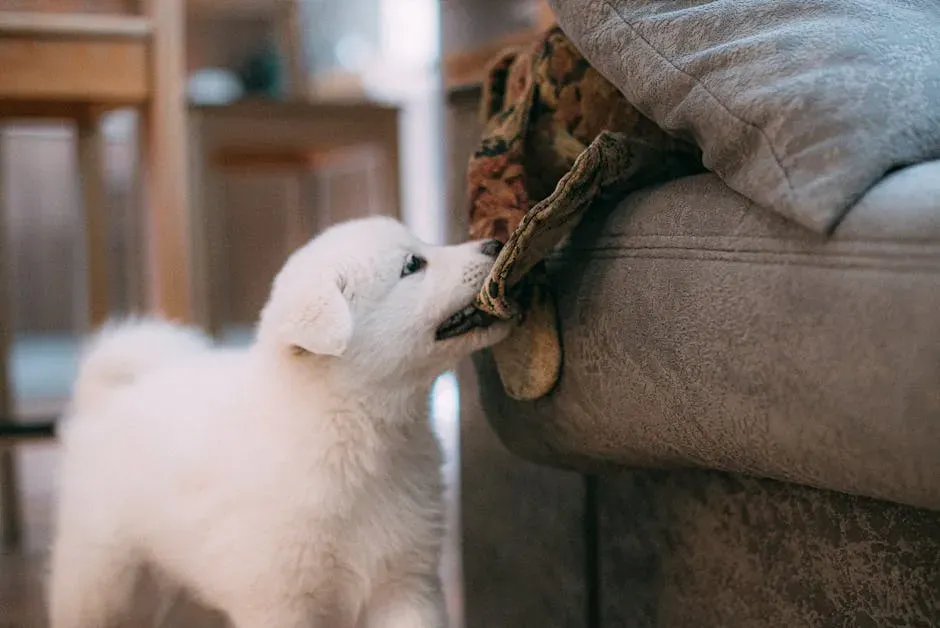
Before your new dog arrives, you should dog-proof your home in much the same way that you would child-proof your home for a toddler. Get down low. Look at your home from a dog’s eye level. What can they reach? That perspective alone is eye-opening. The dangling phone charger behind the couch? That’s basically a chew toy invitation.
Unplug electrical cords, move them out of reach, or string them through cord concealers, because these chewing hazards can cause burns to the mouth or electrical shock. That is not being overly cautious – that is just being a responsible dog parent. Make your trash bins pet-proof by using locking lidded trash cans, and keep personal items like purses, backpacks, and gym bags out of reach, as they often contain items like medications, chocolate, or sugar-free gum made with xylitol, which is extremely toxic to dogs.
Many common houseplants are poisonous to dogs, such as Sago Palms, Cyclamen, and Autumn Crocus. Go through your living spaces, check every plant, every low shelf, every accessible cabinet. Treat it like a treasure hunt where the treasure is your dog’s safety.
2. Set Up a Dedicated Safe Space Before They Walk Through the Door
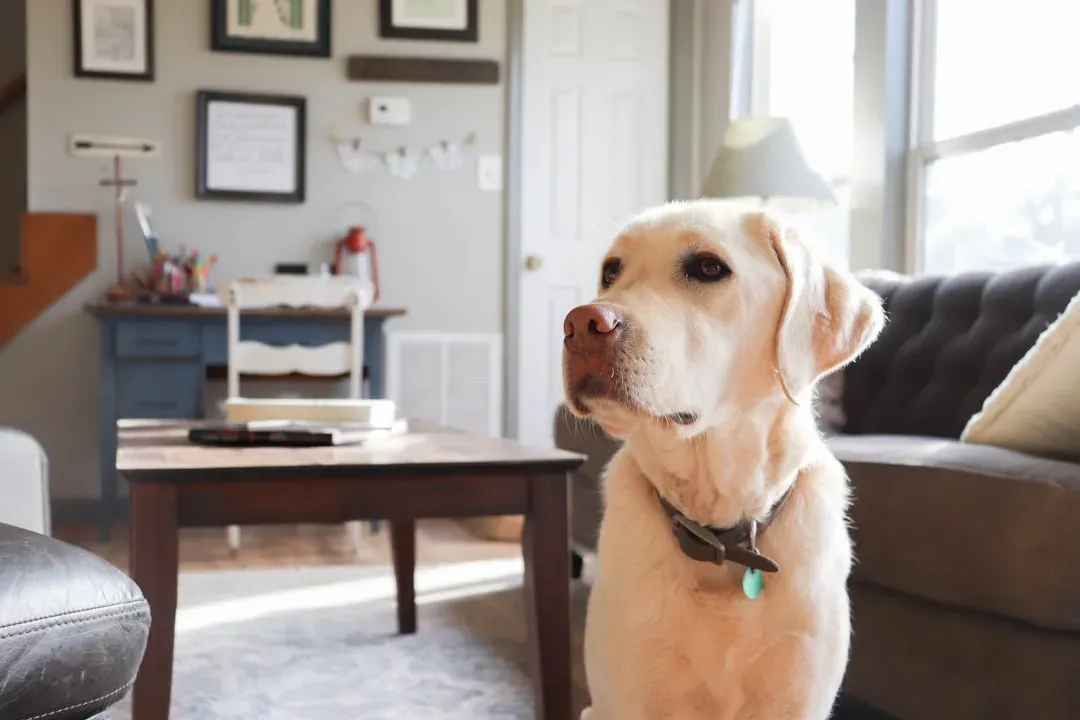
Here’s the thing – your brand-new dog does not see a cozy home when they first arrive. They see overwhelming newness. Every smell, every sound, every face is completely foreign. What they desperately need is one small corner of the world they can call their own.
Set up a designated area where your dog can feel safe and comfortable. This could be a crate, a bed in a quiet corner, or a specific room. Think of it like giving someone their own bedroom in an unfamiliar house – a place to breathe. A crate may look to you like the canine equivalent of a jail cell, but to your dog, who instinctively likes to den, it can be a room of their own. The crate should be roomy enough to allow your dog to stand up, turn around, and sit comfortably in normal posture.
To make the crate a positive place for your dog to spend time, add a comfortable bed and give them treats in the crate. Add a worn t-shirt with your scent on it too. That tiny detail can calm an anxious dog faster than almost anything else.
3. Secure Your Outdoor Space Before the First Yard Adventure

I cannot stress this enough: the backyard is not automatically safe just because it has a fence. Dogs, especially new ones who are still figuring out their boundaries, are natural escape artists. A curious nose follows a smell, and before you know it, your dog is three blocks away.
Do a walk around your yard before your new dog comes home. Is your yard completely fenced? Are there any spaces or gaps that your new dog can escape through? Small dogs and puppies can squeeze through very small spaces. Is there anything a dog can climb on that would allow them to escape over the fence, such as a wood pile, a fountain, latticework, or a garbage can?
Some plants like oleander, azaleas, and rhododendrons are poisonous to dogs. Antifreeze is another hazard because it is toxic and can be fatal. Dogs are attracted to its sweet taste, so don’t allow your dog to drink from standing water near where cars have been parked. The yard inspection is not optional – it is a pre-arrival non-negotiable.
4. Stock Up on the Right Supplies Before Day One
Going to the pet store after your dog arrives is a recipe for chaos. You are running on adrenaline, the dog is overwhelmed, and you end up impulse-buying seventeen things you do not need while forgetting the one thing you do.
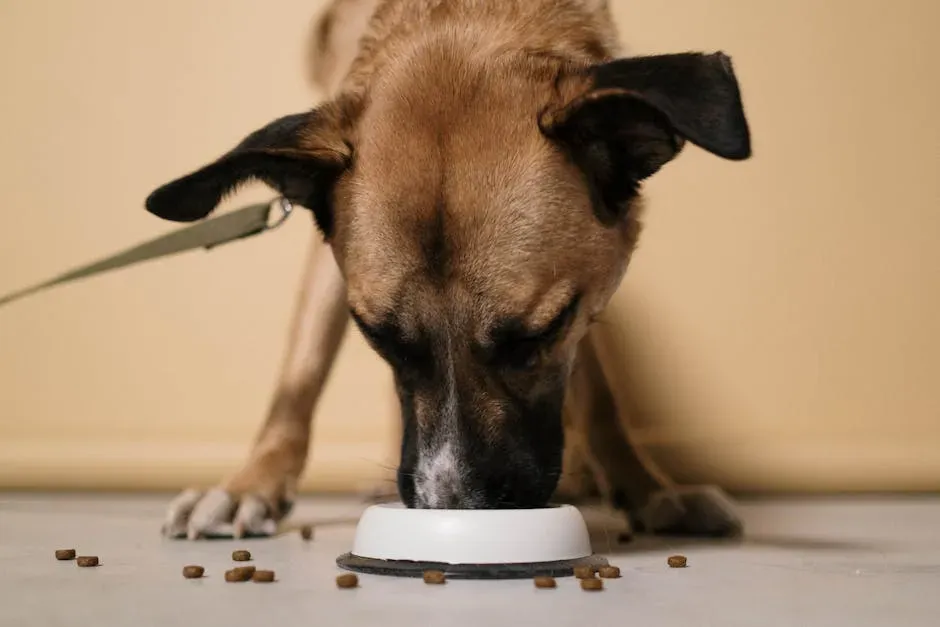
You will need a flat-buckle or martingale collar and identification tag, a harness and a 6-foot nylon leash, food and water bowls, a bed, and toys. Get all of that sorted before pickup day. Buy durable rubber or nylon toys that satisfy a dog’s urge to chew. Toys that you can stuff treats into, like Kongs, should keep a dog occupied for a while.
Rotate the toys weekly and keep only four or five toys available at a time. If your dog has a huge favorite, like a soft teddy bear, consider leaving it out all the time. Honestly, watching a dog bond with one specific toy is one of the most heartwarming things you will witness as a new dog owner. Worth every penny.
5. Plan the Food Transition Carefully to Avoid Tummy Trouble

This is one of the most overlooked parts of bringing a new dog home, and it causes real suffering when ignored. Dogs have sensitive digestive systems. Switching their food abruptly is the equivalent of going from home-cooked meals to street food in a foreign country overnight – your stomach would not thank you either.
When you pick up your dog, ask what and when they were fed. Replicate that schedule for at least the first few days to avoid gastric distress. If you wish to switch to a different brand, do so over a period of about a week by adding one part new food to three parts of the old for several days, then switch to half new food, half old, and then one part old to three parts new.
A well-balanced diet is crucial for your dog’s health and longevity. Your dog’s nutritional needs will vary based on factors like age, size, breed, and activity level. Consult with your veterinarian to choose the best food for your dog. Watch for signs like vomiting, loose stools, or loss of appetite in the first week – these are common stress responses, but persistent symptoms always warrant a vet call.
6. Establish House Rules and a Daily Routine From Day One

Dogs are creatures of profound habit. They thrive when they know what to expect, when meals happen, when walks occur, when it is time to sleep. Inconsistency is genuinely stressful for them – it is like living in a house where the rules change every single day with no explanation. Not fun for anyone.
To help your dog adjust, come up with a daily routine. For example, you could start the day with a walk and breakfast, then time in the confinement space until a dog walker comes, then confinement with a treat toy or chewie until you come home, another walk, dinner, and time hanging out in the living room. It does not matter exactly what the routine looks like, but the more regular the routine, the faster your dog will settle in.
Establish house rules early. Are pets allowed on the couch or bed? Are any rooms off-limits? Who is in charge of walking and feeding the dog? Every family member needs to be on the same page. Mixed signals from different people are one of the top reasons dogs develop confusing, frustrating behaviors that seem to come out of nowhere.
7. Prepare for the Emotional Adjustment Period – for Both of You
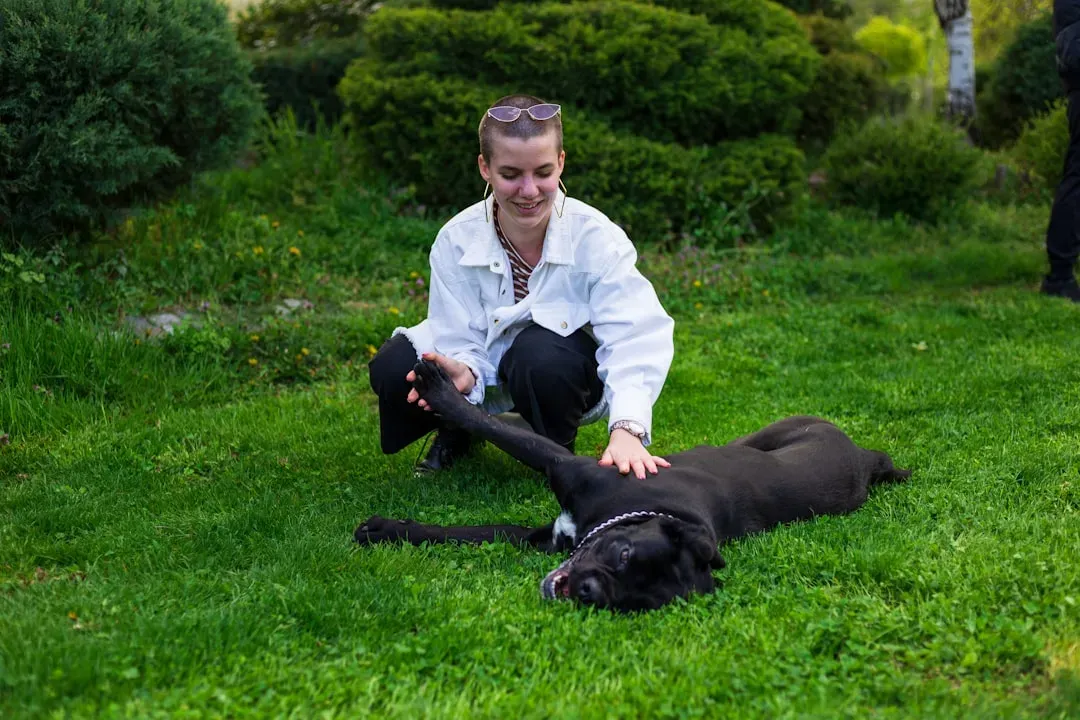
Let’s be real: the first few days can be genuinely hard. Your dog may cry at night, refuse to eat, pace the floors, or seem completely shut down. It does not mean something is wrong. It means they are a living creature processing a massive life change with zero ability to understand what is happening.
There is a well-known 3-3-3 rule for bringing home an adopted dog: 3 days to decompress, 3 weeks to be comfortable in the house, and 3 months to adjust to the house routine. That timeline is real, and it is worth printing out and sticking on your fridge for the moments when you start to worry. Your dog might cry or whine, sleep a lot, seem stressed, pace, or show anxious behavior during their transition into your home and family. Do your best to be patient with these behaviors, even if they are difficult for you to see.
Try not to coddle your dog while they are displaying nervous behavior, as this can reinforce it and lead to separation anxiety issues. Calm, confident energy from you is genuinely contagious – your dog reads your emotional state more accurately than you might think.
8. Schedule a Vet Visit Within the First Week
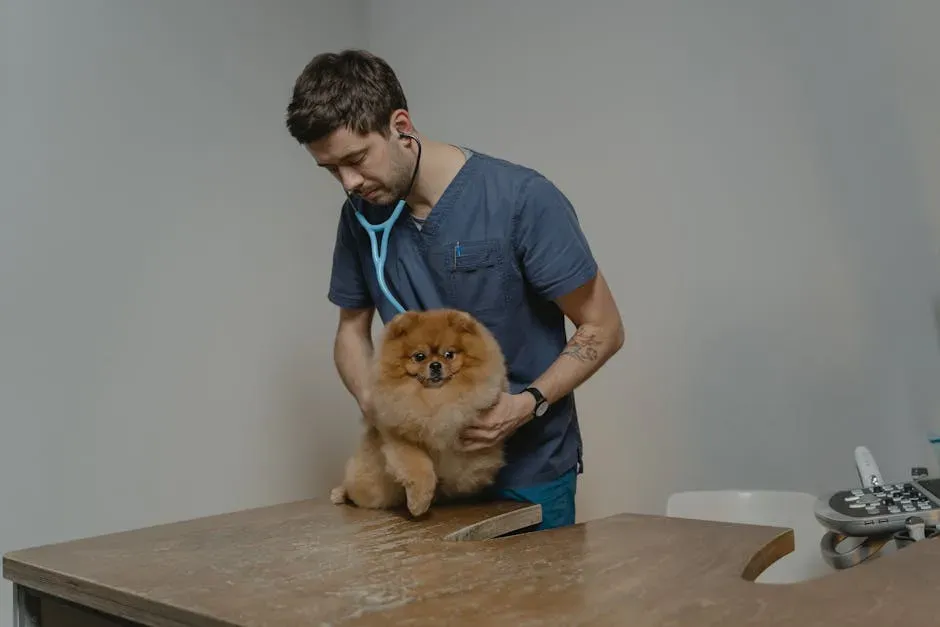
Your dog could look perfectly healthy and still be carrying an undetected issue. A wellness check in the very first week is not about fear – it is about giving your dog the best possible start and building a relationship with a vet who knows your pet’s baseline health.
Take your new dog to the veterinarian within a week for a general health check, vaccinations, and preventative flea and tick medicine. It is likely that your shelter, rescue, or reputable breeder already vaccinated, microchipped, and spayed or neutered your dog, but if not, you will need to request a microchip and make a spay and neuter appointment as well.
Prepare for a dog emergency by saving a pet poison control hotline in your phone and locating your nearest 24-hour emergency vet clinic. Make a pet emergency disaster plan and pack an emergency bag of your dog’s essentials. This sounds overly cautious until the one night it is not. Being prepared is not pessimism – it is love in its most practical form.
A Final Thought: The Best Gift Is a Home That’s Ready
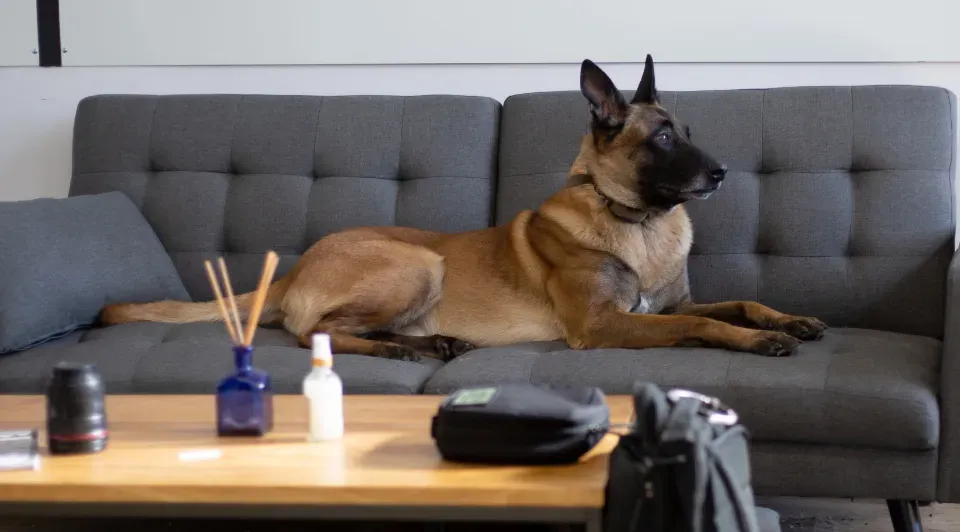
Preparing your home for a new dog is really just another way of saying: I want to do this right. You are setting the stage for trust, for safety, for a bond that will genuinely change your life.
A puppy’s first night at home may require a lot of work initially, but it is well worth the effort down the road. Establishing good habits in those first weeks will lay the groundwork for a lifetime of happiness for you and your dog. None of this has to be perfect. It just has to be thoughtful. Dogs are extraordinarily forgiving – they meet us where we are, every single time.
So take a breath, check those cords, set up that crate, call your vet, and get ready for the most unconditional love you will ever experience. Your dog does not need a perfect home. They just need a safe one, and a human who cares enough to try.
What does your home preparation look like? Have you been through the new-dog transition before? Share your experience in the comments – your story might be exactly what another first-timer needs to hear.


