
Most of us think we know what makes our dogs happy. A treat here, a belly rub there, maybe a walk around the block. Simple enough, right? Well, here’s the thing – science has been quietly unpacking the inner world of dogs, and what researchers have found is both fascinating and, honestly, a little humbling for those of us who thought we had it all figured out.
Dog happiness isn’t just about tail wags and squeaky toys. It runs deeper than that, touching on neuroscience, emotional bonding, instinct, and daily routine in ways that can genuinely change how you care for your four-legged family member. Whether you’ve had dogs your whole life or you’re just starting out, there’s something powerful waiting for you in these pages. Let’s dive in.
Your Dog’s Brain Is Wired for Joy – But Also for You
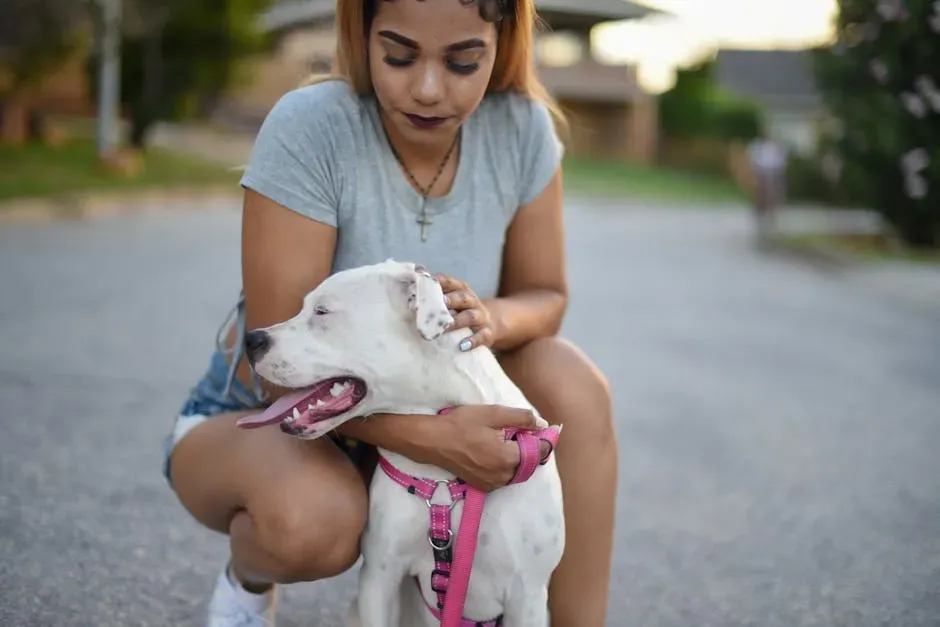
Dogs experience core emotions remarkably similar to those of human toddlers. Their brains produce the same neurochemicals that drive our feelings: oxytocin for bonding, dopamine for pleasure and motivation, and serotonin for contentment and calm. Think about that for a second. The same chemical cocktail that lights up in a child’s brain when they hug a parent? Your dog is experiencing something very similar when they press their nose into your hand.
Research shows that emotionally fulfilled dogs live longer, healthier lives with fewer behavioral issues. They recover faster from stress, adapt better to change, and form stronger connections with their human families. So investing in your dog’s emotional world isn’t just a nice thing to do. It’s one of the most practical things you can do for their long-term health.
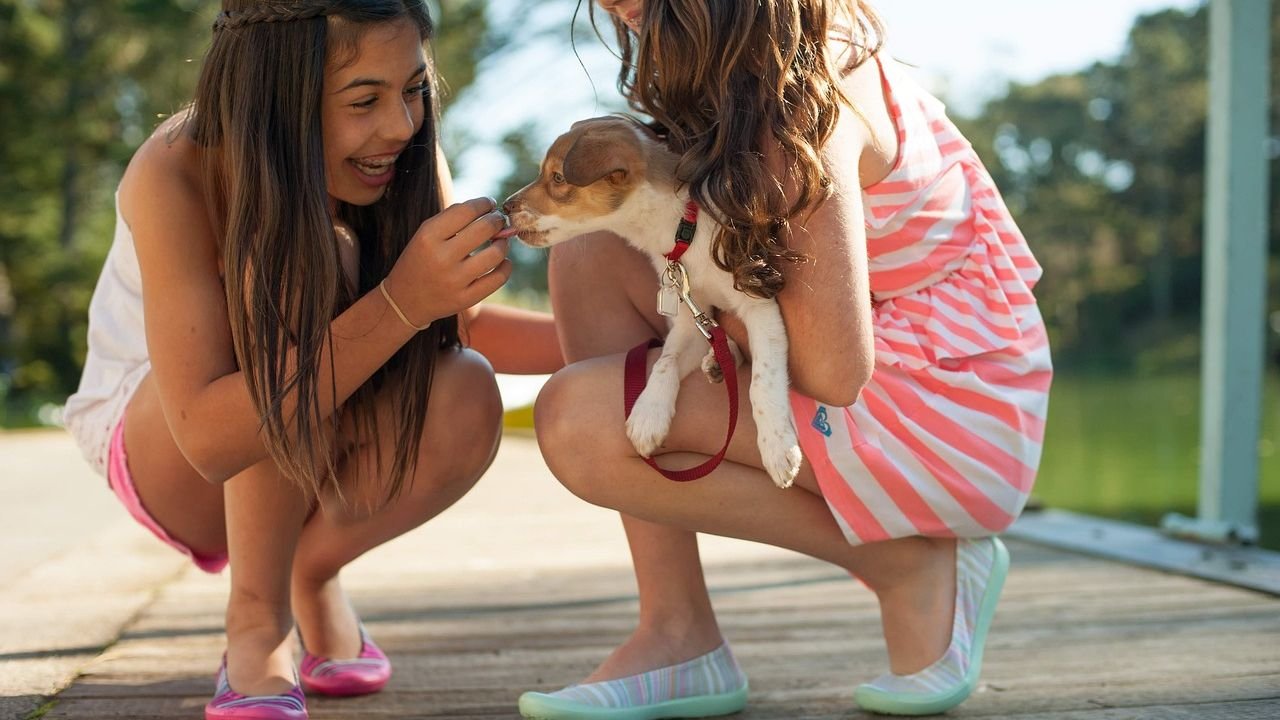
All of this research shows that you can make your dog happier with just one key ingredient: you. Make more eye contact to release that “cuddle hormone.” And surprisingly, dogs actually prefer pats over treats. I know that might sound hard to believe – I always assumed a treat was king – but the science is pretty clear on this one.
The Magic of the Mutual Gaze: Eye Contact Changes Everything
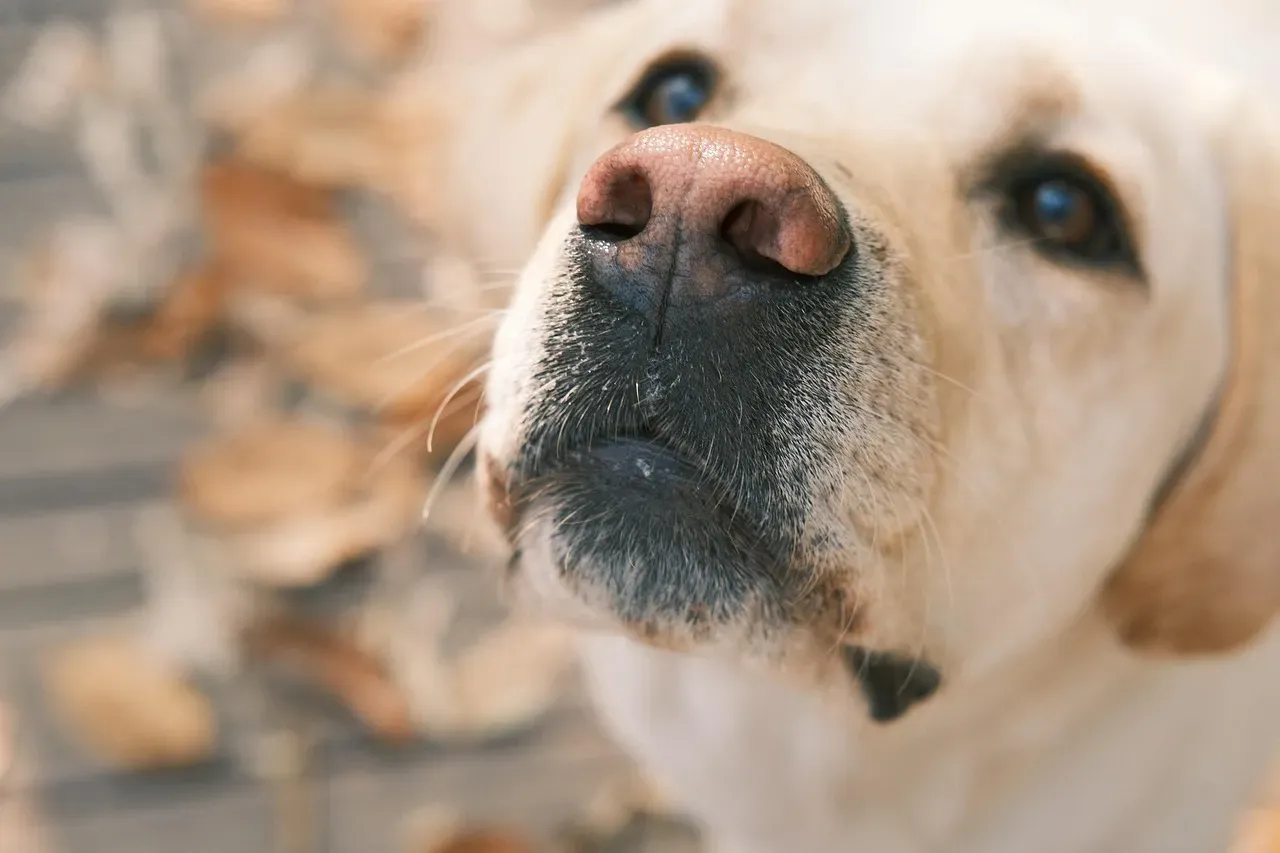
When dogs and humans make eye contact, oxytocin levels can increase by up to 300% in both species, creating a positive feedback loop that reinforces their bond. This mutual oxytocin release represents a unique biological phenomenon that doesn’t typically occur between different species. That’s almost unbelievably intimate when you think about it. The simple act of looking into your dog’s eyes is literally a biological bonding event.
The human-dog bond is facilitated by the interaction of oxytocin feedback loops that emerged over the course of domestication. During dog domestication, neural systems implementing gaze communications evolved that activate the human oxytocin attachment system, resulting in an interspecies oxytocin-mediated positive loop to facilitate human-dog bonding. Your dog didn’t just accidentally learn to look at you with those soft, soulful eyes. Evolution shaped that gaze specifically to connect with you.
Brief but frequent moments of mutual gazing throughout the day can be more effective at strengthening bonds than forced, prolonged eye contact sessions. Combining eye contact with gentle touch can enhance the oxytocin release for both parties. Always respect your dog’s comfort level and allow them to initiate or break eye contact naturally.
Reading the Room: How to Tell If Your Dog Is Truly Happy
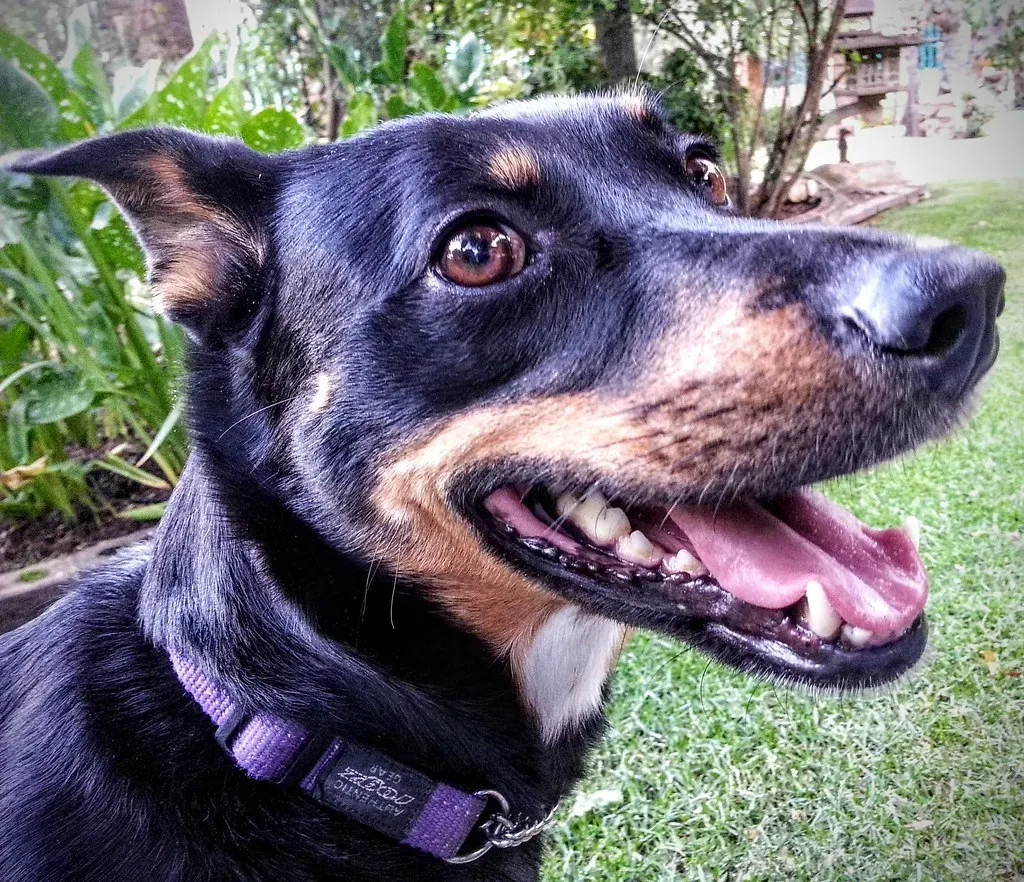
A happy dog has a loose, wiggly posture, soft eyes, and a slightly open mouth. The tail may wag naturally, not stiff, and the ears rest in their natural position. Think of it like reading someone’s body language at a party. A relaxed person and a tense person look very different, even from across the room. Dogs are the same.
When a dog is happy, their eyes and eyelids will be open and relaxed, their gaze will be soft, and they will blink often. Narrowed eyes and a hard gaze can indicate aggression, while wide eyes, particularly if the whites are showing, could mean your dog is frightened. These are small but telling cues. Once you know what to look for, you’ll start seeing them everywhere.
Loose muscles, a softly wagging tail, a floppy sprawl on the couch – these are all green lights for happiness. On the flip side, a stiff posture, tucked tail, wide eyes, or raised hackles are signs something’s off. A dog at peace really does look melted into their surroundings, like they have absolutely nowhere else they’d rather be. That, honestly, is the goal.
Mental Stimulation: The Happiness Factor Most Owners Miss
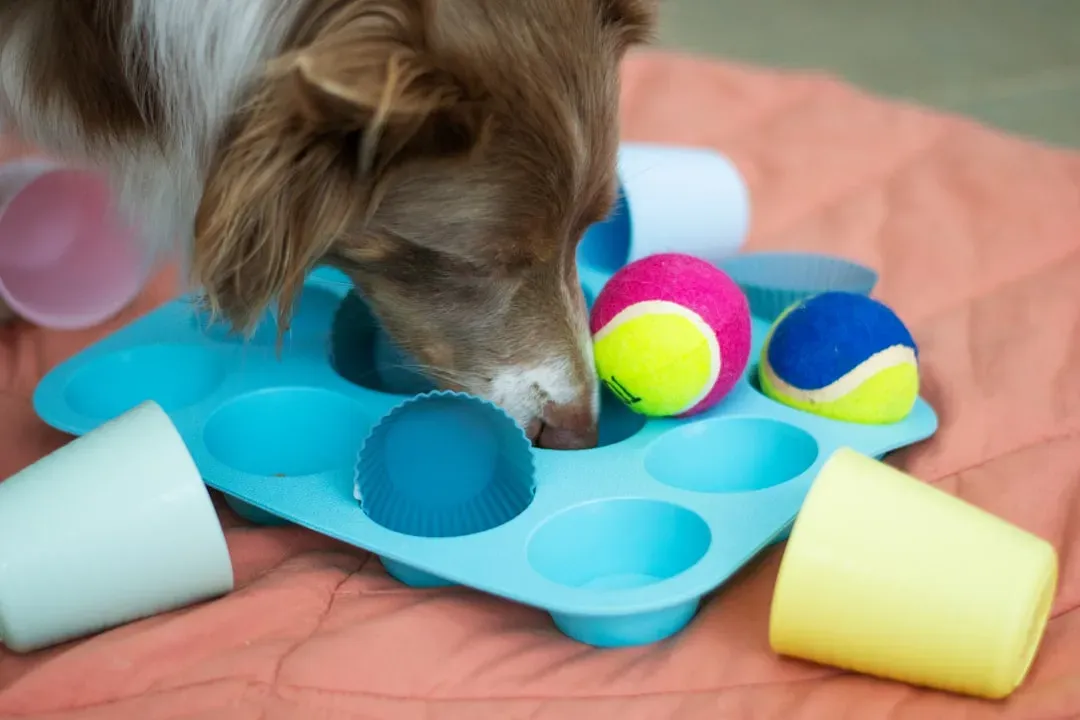
Let’s be real – most dog owners are good about walks and feeding times, but mental enrichment? That one often falls through the cracks. Here’s why it matters so much more than people realize: research shows that just 15 minutes of mental stimulation can be as tiring for a dog as a 30-minute walk, providing a deeper, more restorative form of fatigue that physical activity alone cannot achieve. That’s a game-changer for busy owners.
The key to a happy and healthy dog is regular enrichment and allowing them to engage in their innate behaviors, such as playing, chasing, smelling, chewing and scavenging. By allowing your dog to engage in these behaviors, you allow them to be physically, emotionally and mentally satisfied. Dogs who don’t receive stimulation tend to find ways to enrich themselves, resulting in unwanted behaviors. Suddenly that chewed-up couch cushion makes a lot more sense, doesn’t it?
You can make your dog happier by taking them on the occasional “sniffy walk” – letting them lead the way and take as much time to smell as they’d like. Such walks can make dogs happier by allowing them to gain lots of information about the world around them. It’s a tiny shift in how you walk, but for your dog, it’s like swapping a black-and-white TV for full-color HD.
Dogs thrive on knowing when meals, walks, and rest times will happen. A predictable routine builds security and reduces stress. Routine is the quiet, underrated backbone of a happy dog’s life. It’s like giving them a map of the day so nothing feels uncertain or threatening.
Exercise, Play, and the Body’s Role in a Happy Dog Life
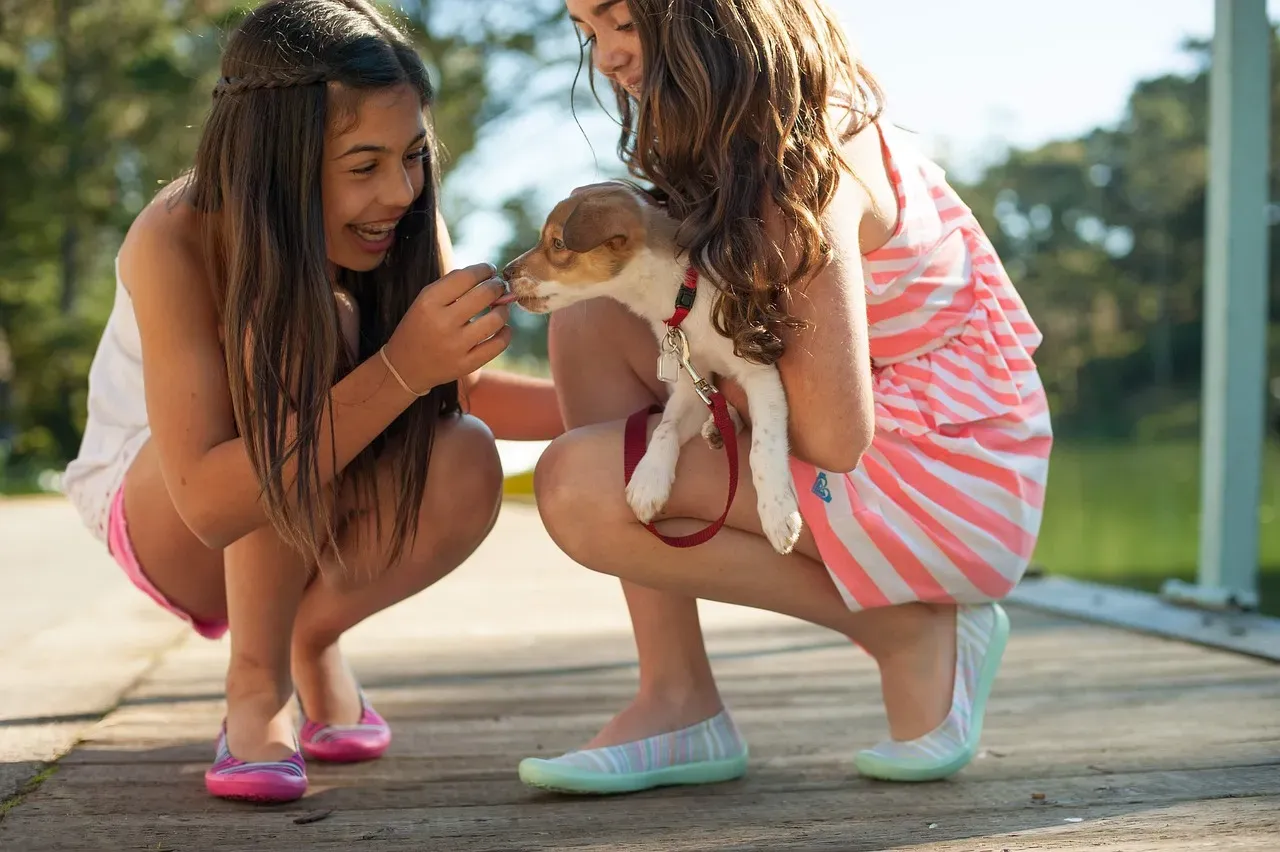
Physical activity can help dogs maintain a healthy weight, reduces stress, and may contribute to a longer, healthier life. It also encourages them to channel their energy into positive play, rather than troublesome behavior. Exercise is far more than just burning calories. It’s an emotional regulator, a stress reliever, and honestly one of the most direct paths to a visibly happier dog.
The right amount and type of exercise depends on the individual dog’s breed, age and overall health. High-energy dogs and canine athletes may thrive on running or swimming. Puppies need gentler exercise while their bones and joints are still developing. Overweight dogs and aging pups with stiff joints do best with short, slow walks to avoid injury while still staying active. One size definitely does not fit all here. A senior Basset Hound and a two-year-old Border Collie need completely different things, and honoring that difference is a form of love.
Whether it’s a run around the block or chasing a ball in the backyard, a dog who plays is a happy dog. That goes for all ages and stages. Even dogs who aren’t super into toys or tug, or dogs in their golden years, still have their version of play – an extra wag, a friendly woof, and so on. Pay attention to what makes your specific dog light up. That’s their version of joy, and it’s worth chasing.
The Bond That Runs Deeper Than Any Toy or Treat
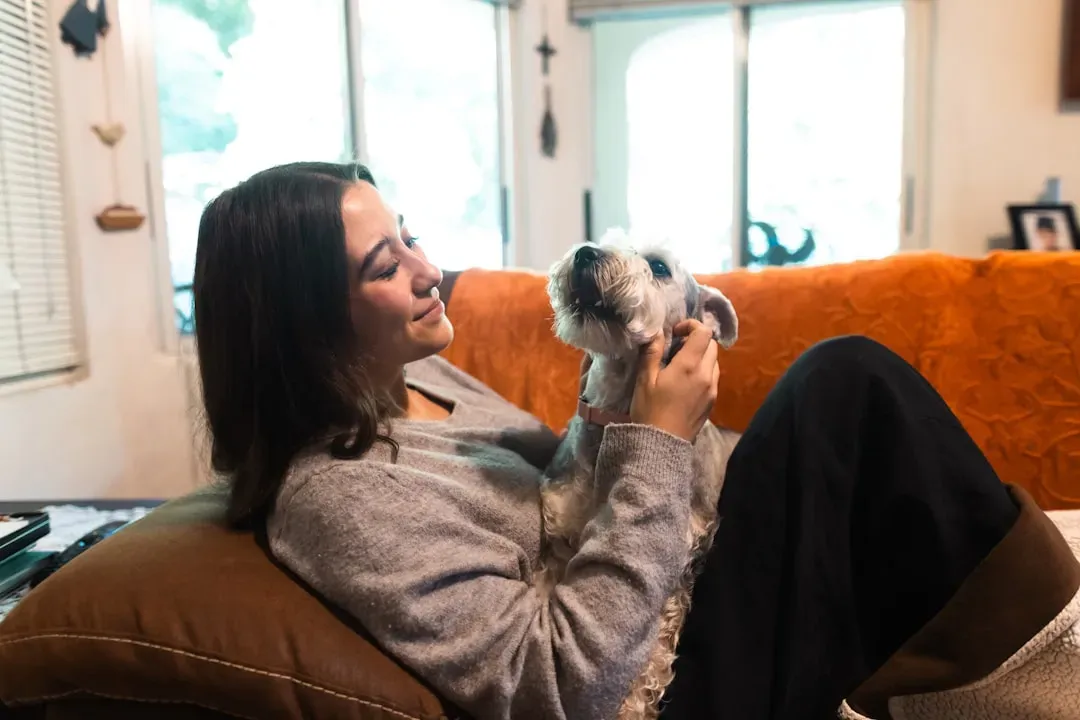
Here’s the truth that quietly sits at the center of all this research, and it’s the one I find most moving: chances are, your dog occupies a special place in your heart. Recent research suggests your dog feels the same way about you. Your dog adores you. The average dog spends a lot of time gazing at its owner, creating what researchers call a “love loop.”
Dogs attach to their owners in much the same way human infants attach to their parents. Like babies, dogs show distress when left with a stranger and rush to reunite upon their person’s return. And in one remarkable piece of research, scientists demonstrated that dogs actually secrete tears when reuniting with their owner, and the data suggest that this tear secretion is mediated by oxytocin. This is the first report of positive emotion stimulating tear secretion in a non-human animal. Yes, your dog can essentially cry tears of joy when you come home. Let that sink in.
At the end of the day, nothing beats the joy of spending quality time with your dog. Human interaction is the most enriching experience they can have. Whether you’re playing, training, or simply relaxing together, you are your dog’s favorite part of their world. That’s not poetic license. That’s peer-reviewed science saying you, just by being present, are enough.
Conclusion: Happiness Was Never That Complicated
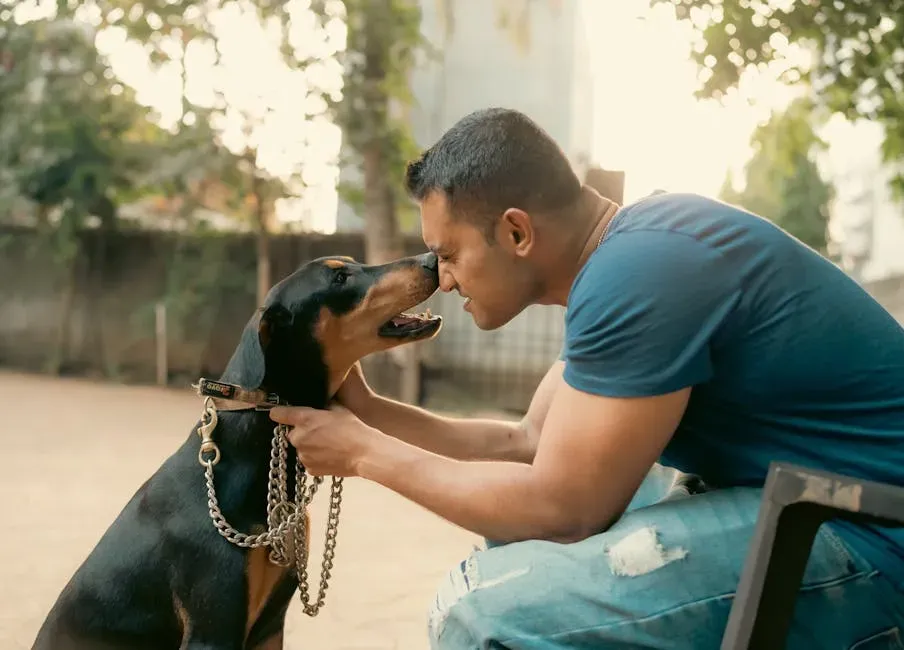
After going through all of this research, the honest takeaway is surprisingly simple. Your dog doesn’t need the most expensive toys, the fanciest food, or a packed schedule of activities. They need you – present, attentive, and engaged. They need mental challenge, physical movement suited to their body, a consistent routine they can count on, and the quiet reassurance of your gaze and your touch.
The science just confirms what many dog lovers have sensed all along: this relationship is genuinely mutual. Your dog is not just happy when you are kind. They are wired, at a neurological level, to feel joy through the bond they share with you. That’s a profound responsibility, and it’s also the most beautiful one most of us will ever have.
So the next time you’re tempted to rush through the evening walk or scroll your phone while your dog rests at your feet, pause for a moment. Look into those soft eyes. That moment of connection is doing more good than you might ever imagine. What’s one small thing you could do differently this week to make your dog’s world a little brighter? Tell us in the comments.


