

There is something almost magical about the bond between a dog and their human. One tail wag can lift your spirits after the worst day imaginable. One worried look from your pup can stop you in your tracks, making you wonder, “What’s going on in there?” Honestly, most of us love our dogs deeply but sometimes miss the quiet signals they send us every single day.
The truth is, your dog is communicating constantly. Through their body, their behavior, their energy, even the way they chew or yawn. Learning to truly read those signals, and respond to them with knowledge and empathy, is one of the most powerful things you can do as a dog owner. So whether you have a bouncy puppy who never sits still or a senior dog who naps more than ever, this guide is written for you. Let’s dive in.
Reading Your Dog’s Body Language Before It Becomes a Problem
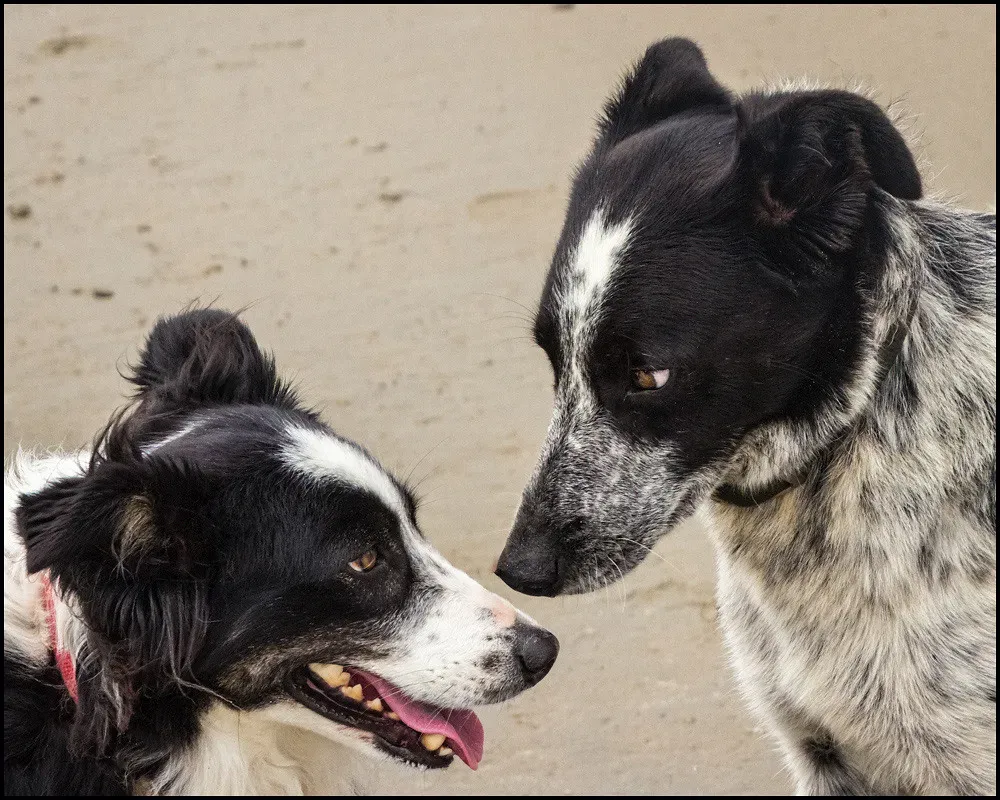
Behavior is a window into your dog’s emotional and physical health, and misinterpreting those behaviors, or missing signs of distress altogether, can lead to unresolved issues that affect your dog’s well-being and your bond with them. Think of your dog like a toddler who can’t use words. Every flicker of an ear, every tucked tail, every hard stare is a sentence in their language. The sooner you learn to read it, the better.
Recognizing signs of stress and anxiety in dogs is essential for their well-being. While barking, pacing, and trembling are common indicators, subtle cues like yawning, licking lips, and tail tucking can also signal distress. Observing changes in body language such as flattened ears, dilated pupils, or raised hackles can further reveal their emotional state. I think a lot of dog owners are genuinely surprised when they learn that tail wagging doesn’t always mean happiness. While a wagging tail is often associated with happiness, it can also indicate agitation, insecurity, or even aggression, and observing the pattern and context of tail wagging is key to understanding the emotional state of your dog.
Here’s the thing: body language literacy is a skill, and like any skill, it gets sharper with practice. Pay close attention during walks, playtime, and even during simple grooming sessions. You’ll start noticing patterns. Your dog is not random. They are remarkably consistent once you know what to look for.
The Hidden Health Signs Most Dog Owners Overlook
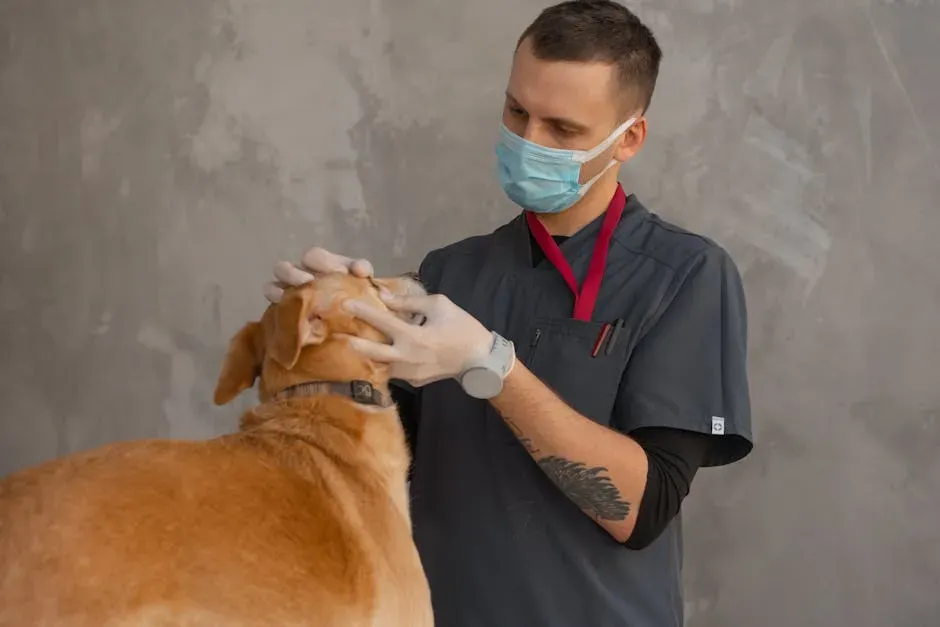
Dogs often hide signs of illness, which is why routine wellness care helps catch problems before symptoms appear. This is something that genuinely floors new dog owners. Dogs are instinctively wired to mask vulnerability, a survival mechanism inherited from their wild ancestors. That means by the time your dog looks obviously sick, they may have been struggling quietly for a while.
Loss of appetite, lethargy, vomiting, weight changes, or unusual behavior are signs your pet may need veterinary care. Keep a mental baseline of what your dog’s “normal” looks like. Taking photos of your dog’s eyes and gums in good health gives you a comparison for when they look “off,” and in 2026, early detection isn’t just luck, it’s improved observation. Even a slight weight drop or a small increase in resting breathing rate can be an early red flag worth discussing with your vet.
Dental disease is a silent killer in dogs, with a staggeringly high proportion showing signs of oral issues by age three. Yet how many of us actually look inside our dog’s mouth on a regular basis? Dental health is often overlooked but plays a major role in pet wellness, and poor dental hygiene can lead to serious health problems. Make a habit of checking gums, eyes, ears, and coat condition weekly. Think of it as your home health exam. It takes five minutes and could save your dog’s life.
Exercise and Mental Stimulation: Two Needs You Cannot Separate
Exercise isn’t just about keeping your dog fit. It’s crucial for mental enrichment and well-being, and regular activity can prevent obesity and behavioral problems like anxiety. This is one of those things that sounds obvious but gets underestimated constantly. A physically tired dog is a well-behaved dog. A mentally stimulated dog is a genuinely happy one. You need both, not one or the other.
The amount of exercise a dog needs depends on their breed, age, and health. On average, dogs require between thirty minutes and two hours of exercise daily. High-energy breeds like Border Collies and Labradors benefit from longer and more intense activities, while smaller breeds or older dogs may need less. There’s no one-size-fits-all answer here. A leisurely stroll with a Basset Hound and a frantic game of agility with a Belgian Malinois are both “exercise,” but they serve very different needs.
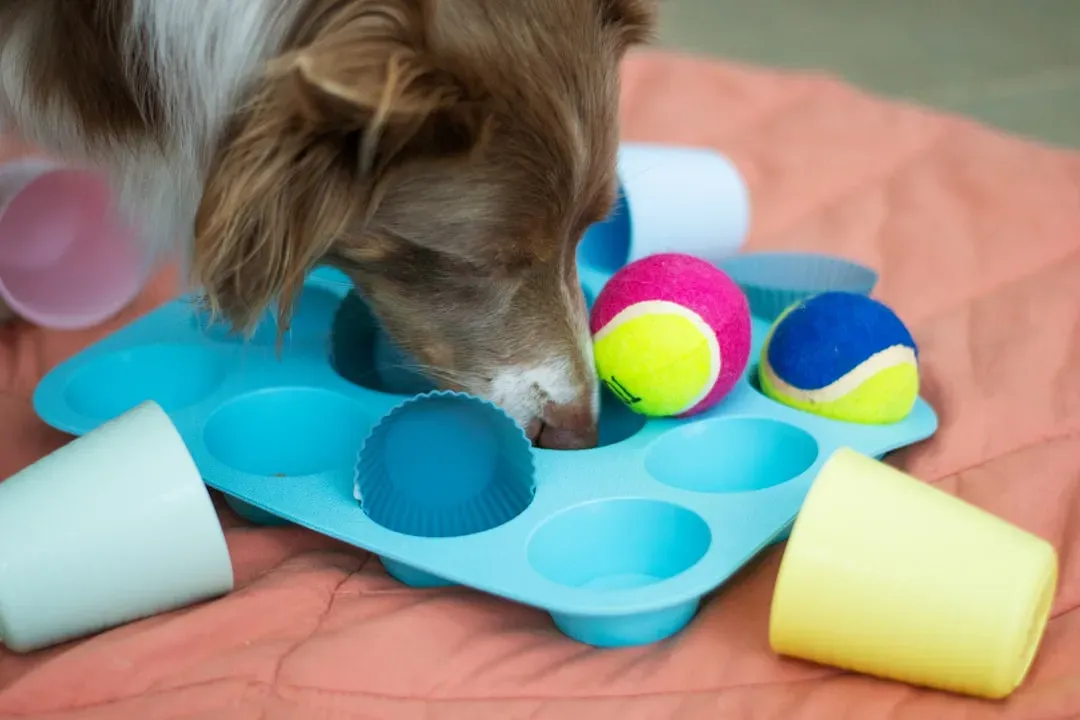
Mental stimulation with puzzle toys or scent games can keep your dog’s mind sharp. Think of puzzle feeders like a crossword puzzle for your pup. Consider giving your dog decompression walks. A dog’s primary sense is smell, and a fast-paced walk does almost nothing for their brain. Once a week, put your dog on a long line, go to a quiet area, and let them choose the pace and direction. That kind of walk? It’s genuinely restorative for them.
Understanding and Addressing Behavioral Challenges With Empathy

Behavioral issues in dogs can arise from stress, lack of socialization, fear, boredom, or underlying health problems. Common problem behaviors include excessive barking, destructive chewing or digging, inappropriate urination, or aggression toward people or other animals. Recognizing and addressing the underlying causes of these behaviors is essential for maintaining a harmonious relationship with your dog. Let’s be real: most “bad behavior” is not actually bad. It’s a message.
One of the first steps in understanding the root cause of a behavior should almost always be an examination by a veterinarian. Pain, vision or hearing problems, and urinary or other infections may all cause unwanted behaviors to manifest and must be dealt with before other behavior modification techniques are tried. So before you hire a trainer or panic about your dog’s sudden aggression or house soiling, rule out a medical cause first. It’s a step many owners skip, and they shouldn’t.
If you need to reprimand your dog, a verbal correction in a stern tone should be all that is needed. Yelling, striking, kenneling as punishment, or using shock collars may only make matters worse. Be consistent and seek professional advice for behavioral issues if needed. Stick to rewarding your dog for doing well. Positive reinforcement is not just a trend. It’s the most effective, most humane, and most relationship-preserving approach we have.
Preventive Veterinary Care: The Smartest Investment You Will Ever Make
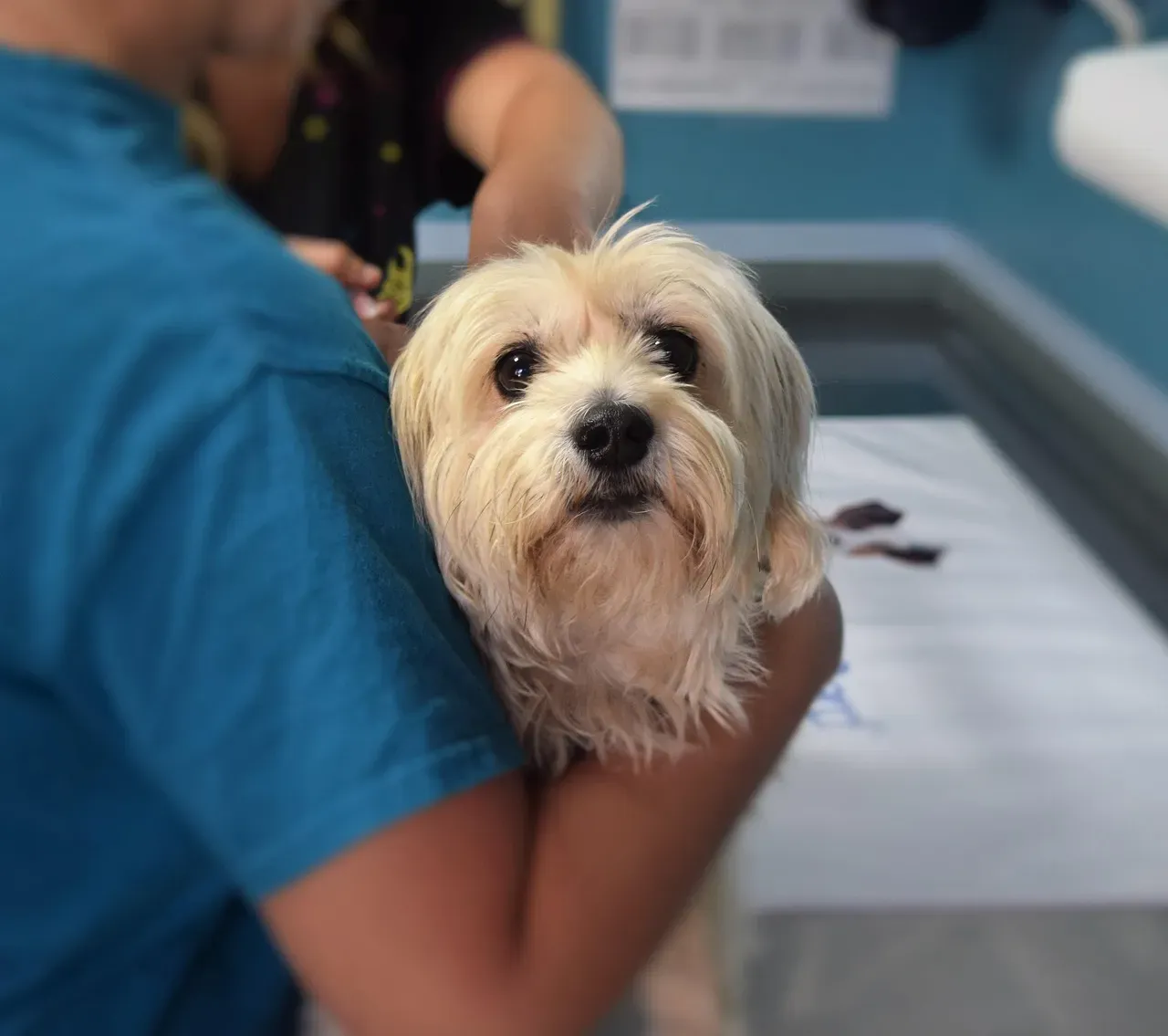
Preventive care is always better than reactive care, and annual or biannual vet visits can catch potential health issues early. I always compare it to car maintenance. You don’t wait for your engine to die before you get an oil change. The same logic applies to your dog’s health. Regular checkups are not a luxury. They are a baseline expectation of responsible ownership.
Regular veterinary visits remain essential for early detection of health issues, and in 2026, vets now have access to advanced diagnostic tools that can catch problems before symptoms appear. All dogs should be spayed or neutered, microchipped, examined regularly, and kept current on their vaccinations and parasite control. These are non-negotiables. Not suggestions. Vaccines help protect your dog from serious diseases, and core vaccines recommended by nearly all veterinarians prevent illnesses like distemper, parvovirus, and rabies.
Preventing heartworm disease is significantly more cost-effective and less risky than treating it. Heartworm medication comes in various forms including oral tablets, topical solutions, and injectable drugs, and these medications are designed to kill heartworm larvae before they mature, offering a shield against infection. It’s hard to say for sure what the biggest overlooked area of preventive care is, but parasite prevention tends to be near the top of the list. Don’t skip it.
Building a Deep, Trusting Bond That Transforms Everything
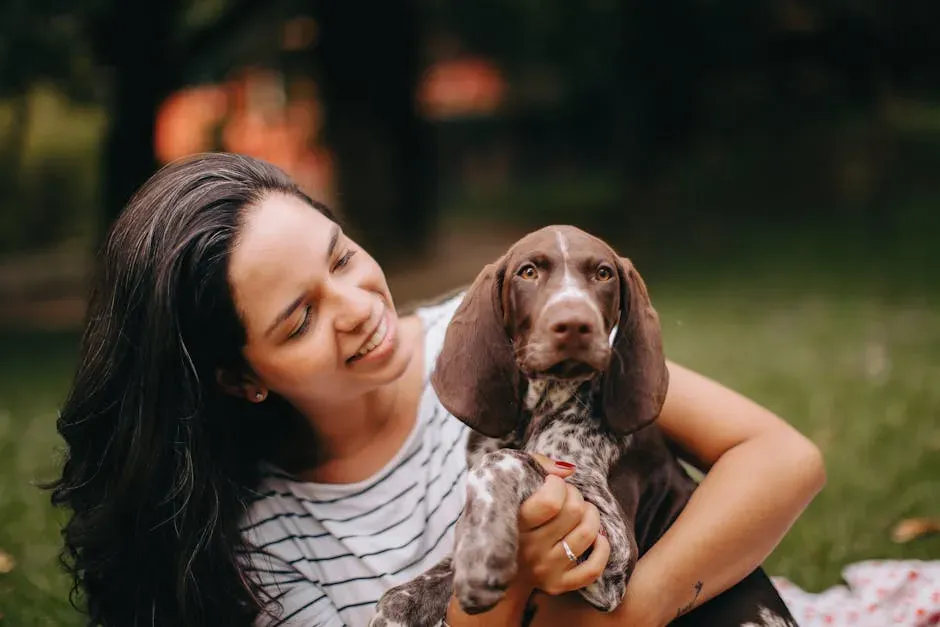
Social interaction is vital for dogs’ emotional health, and regular playdates with other dogs and quality time with family members strengthen your dog’s confidence and reduce stress. The bond you build with your dog isn’t just heartwarming. It is genuinely therapeutic, for both of you. A dog who trusts you deeply is easier to train, calmer in stressful situations, and more resilient overall. That bond doesn’t just happen. You build it, intentionally, every single day.
Paying attention to your dog’s body language helps you understand their feelings, and a strong bond improves your dog’s trust and makes training easier. Think about it this way: you’re not just training a dog to sit or stay. You’re establishing a mutual language. Since you won’t have to reprimand your pup constantly for problematic behaviors, you can focus on building a genuine relationship and having fun together. That shift, from manager to partner, changes everything.
Mental health isn’t just a human concern. As awareness grows, more pet parents are recognizing signs of anxiety, depression, and stress in their dogs. From thunderstorm phobias to separation anxiety, behavioral health is becoming a priority, with solutions including interactive toys, calming supplements, and even pet therapy sessions. Your dog feels things deeply. Meeting them with empathy, consistency, and curiosity is the foundation of an extraordinary life together.
Conclusion: Your Dog Deserves Your Best Attention
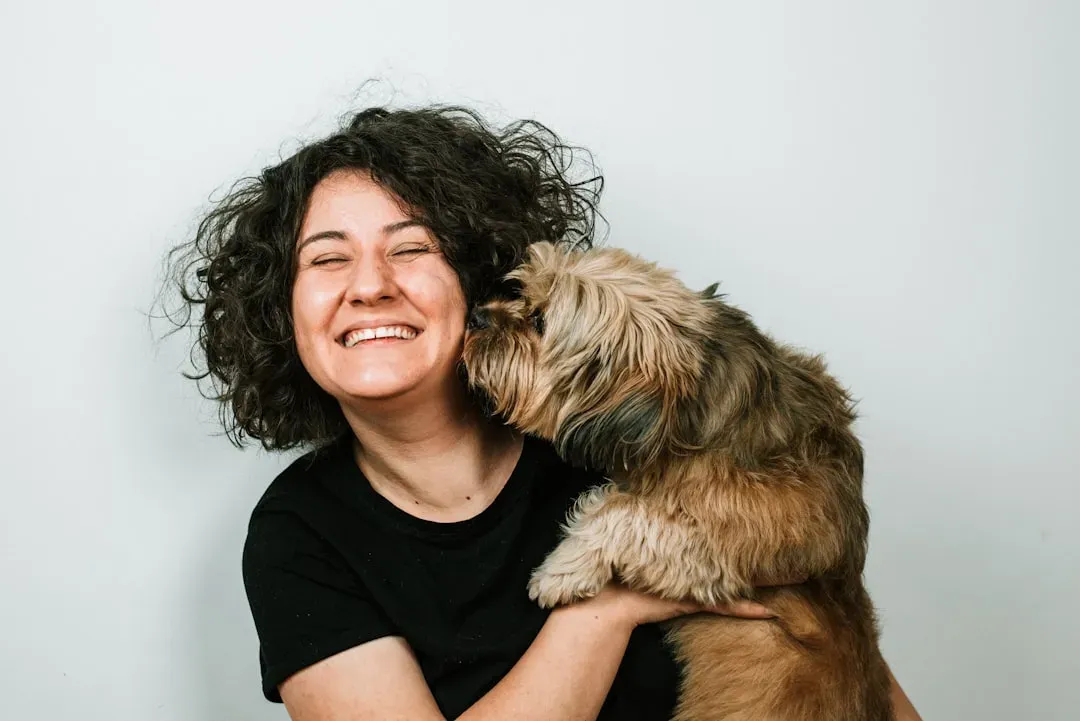
Every dog walking this earth is doing their absolute best with what they’ve got. They’re not plotting. They’re not being “bad.” They’re communicating, surviving, loving, and trusting you with their whole heart every single day. The least we can do is show up curious, informed, and willing to listen, even when the message comes in the form of a chewed shoe or a middle-of-the-night bark.
Good dog ownership isn’t about perfection. It’s about paying attention. It’s catching the subtle change in your dog’s gait before it becomes a limp. It’s understanding that the barking at 2am might not be annoyance. It’s showing up to that vet appointment even when your pup seems “totally fine.” Small, consistent acts of care compound over time into a long, healthy, joyful life for your dog.
You already love your dog. Now let that love become knowledge. Let it become action. Because the dog curled up at your feet right now? They are counting on you. And honestly, there’s no greater privilege than being someone a dog trusts completely. What changes will you make today to show up even better for your pup?


