
Texas summers are no joke. We’re talking about a state where triple-digit temperatures can roll in by June and hang around well into September. The pavement burns, the humidity wraps around you like a wet blanket, and the sun feels almost personal. For us humans, we sip iced coffee and crank the AC. But for our dogs? It’s a whole different story.
If you’re a dog lover living in Houston, Dallas, Austin, or anywhere across the Lone Star State, the breed you choose matters enormously. Not just for comfort, but for safety. Some dog breeds are genetically predisposed to feel more comfortable in hot weather, while other breeds could be in danger if they live in warm-weather climates. Choosing the right companion isn’t just smart pet ownership, it’s an act of love. Buckle up, because what you’re about to discover might just surprise you. Let’s dive in.
1. Chihuahua: The Tiny Texan Who Was Born Ready
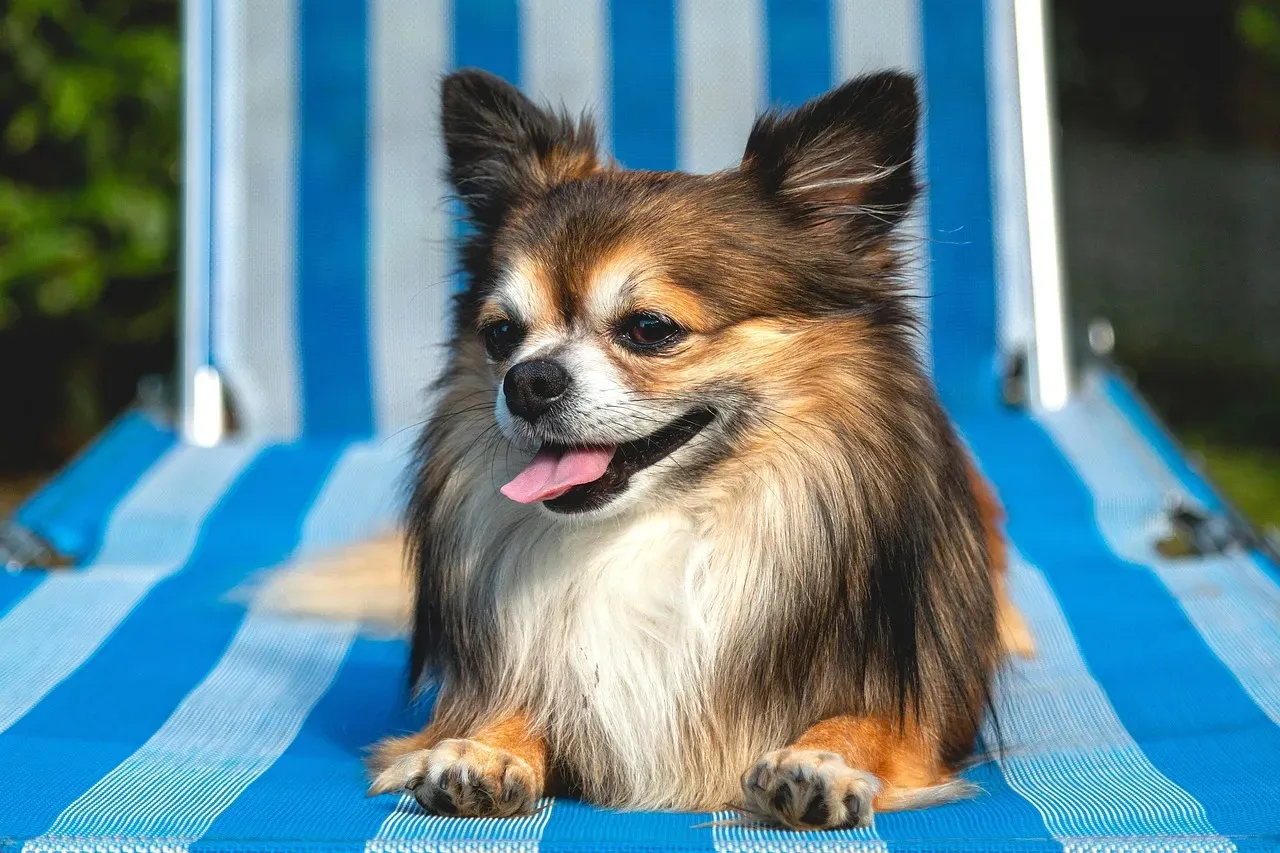
Here’s a fun fact that should surprise absolutely no one who has ever owned a Chihuahua – these little dogs practically invented the concept of loving heat. Originating in the Mexican desert, the Chihuahua is a national symbol of Mexico with a lineage dating back to the ancient kingdoms of pre-Columbian times. Centuries in the blazing sun have basically hard-wired these pups to thrive in warm climates.
Chihuahuas are small and lightweight, making them well-suited for hot weather. Their compact size allows them to stay cool and comfortable even on the hottest days. Originating in Mexico, they’re well-suited for hot weather due to their small size, short coat, adaptation to warm climates, and behavior of seeking shade. Think of them like living thermostats set permanently to “bring it on.” Just keep in mind that even they need fresh water, shade, and the occasional indoor break on extreme heat days.
2. Australian Cattle Dog: Built Tough for Brutal Heat
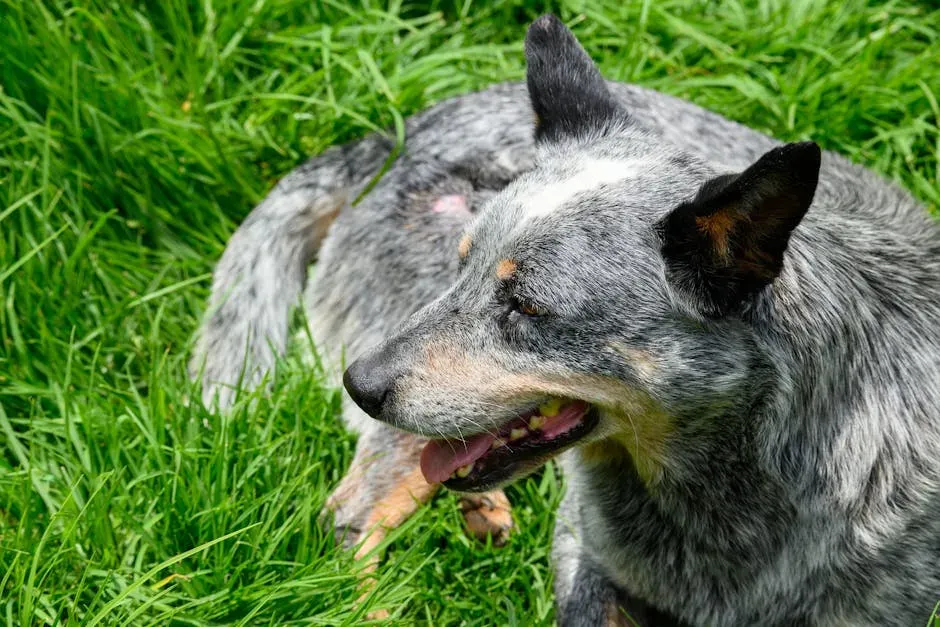
If there’s one breed that genuinely seems unbothered by Texas heat, it’s the Australian Cattle Dog. Hailing from hot weather Australia, the Australian Cattle Dog is related to the Dingo in the outback and is accustomed to working in hot weather. This Herding Group member is born with a short double white coat that turns gray or red. These dogs were literally bred to work sunup to sundown in some of the harshest terrain on earth.
Bred for endurance in hot, arid environments, Australian cattle dogs are perfect for active owners. Though they do require a lot of physical activity, their coats help dissipate heat, making them well-suited for warm climates. I think this breed is genuinely one of the best fits for active Texan families. They want a job, they want to move, and they want to do it even when it’s hot outside. Just make sure you give them plenty to do mentally, too, or you’ll find them redecorating your backyard on their own terms.
3. Basenji: Africa’s Gift to Hot-Climate Dog Lovers
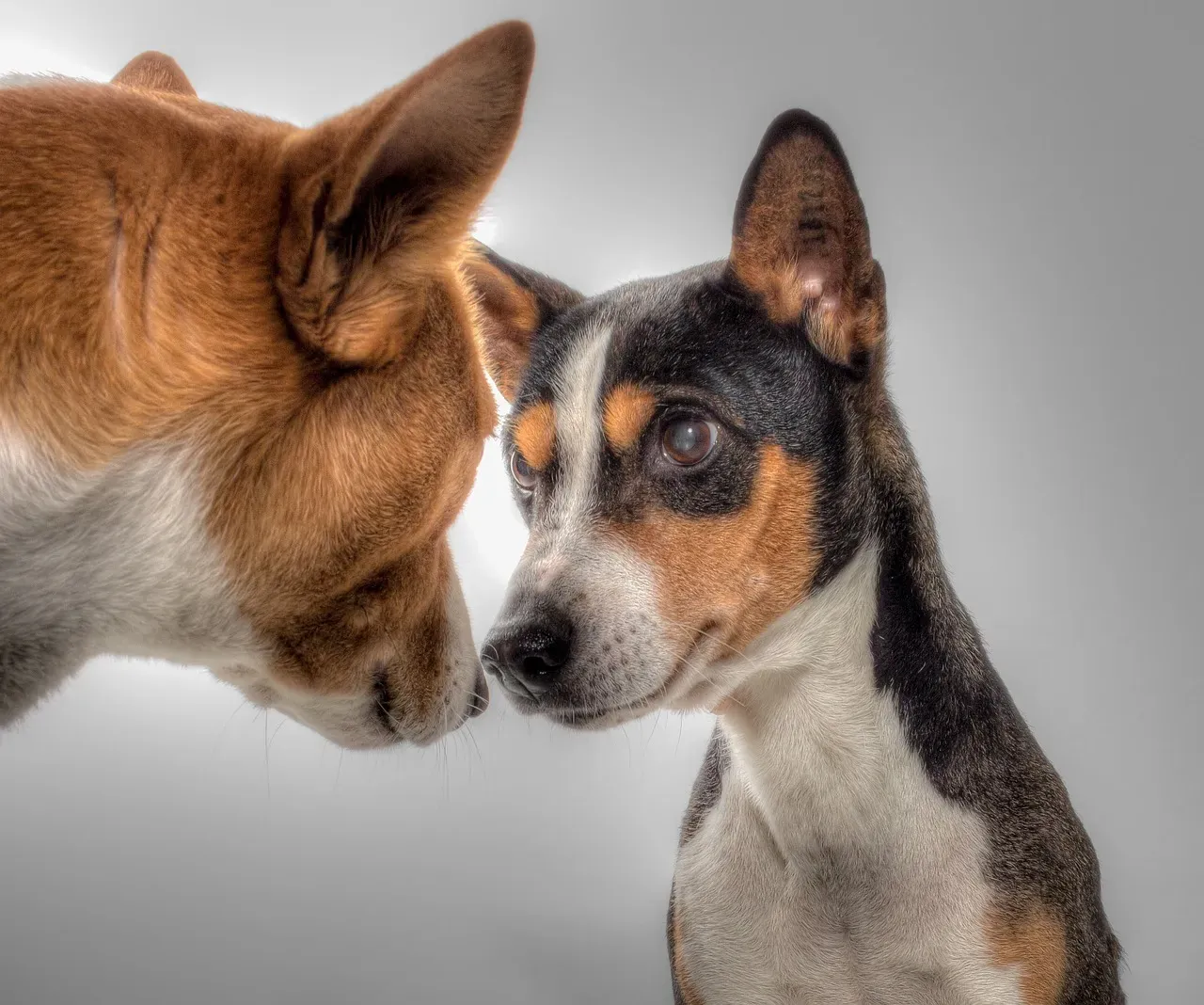
The Basenji is one of those breeds that most people haven’t heard of, and that’s honestly a shame. Basenjis are small hunting dogs first brought from interior Africa and given to the pharaohs of Ancient Egypt. The breed’s short, fine coat is chestnut red, black, tricolor, or brindle with white legs and feet. Small erect ears help keep the dog cool in hot weather. Everything about this dog was designed by centuries of equatorial living.
Originating from central Africa, Basenjis are known as the “barkless” dogs due to their unique larynx. Their short coat and lean body make them well-suited for hot climates. They’re also famously cat-like in their cleanliness and independence, which can be charming or mildly infuriating depending on the day. Basenjis can be stubborn and are not the easiest to train. They need consistent, patient training and secure fencing to manage their strong prey drive and curiosity. In other words, don’t let their small size fool you into thinking they’re low maintenance.
4. Greyhound: The Sleek Speed Machine That Loves the Sun
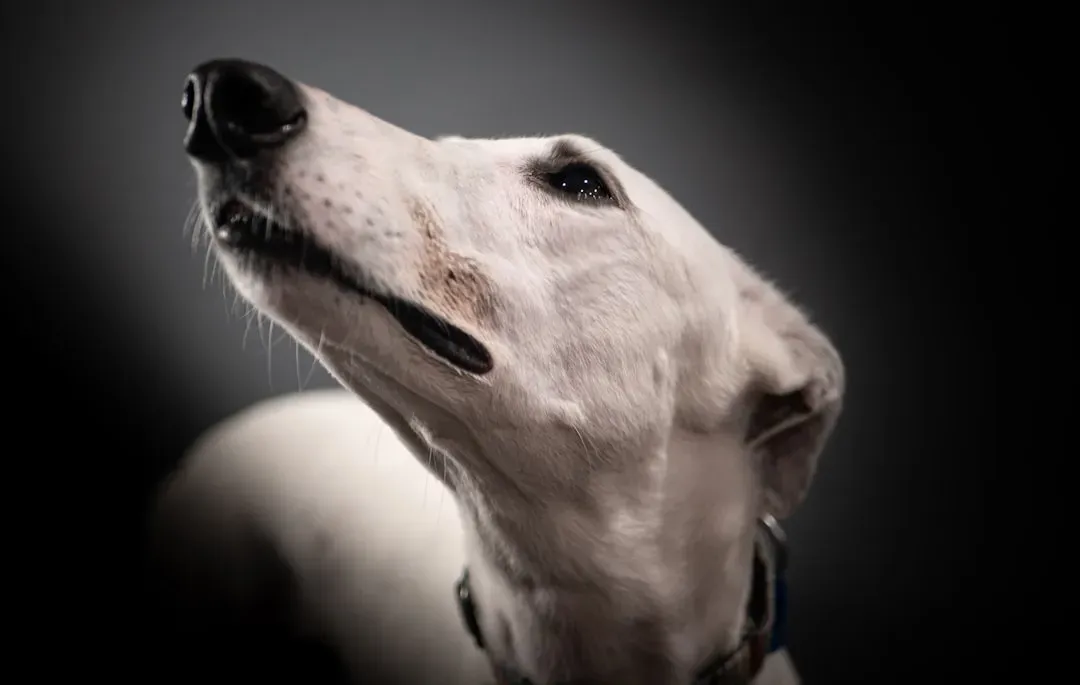
Greyhounds are one of the most misunderstood dog breeds in America. People assume that because they’re built for speed, they must need endless exercise. Actually, these dogs are basically professional nappers. A Hound Group member and sprinter with a lean body mass, the Greyhound can easily regulate its body temperature when the weather heats up. With 5,000-year-old Egyptian roots, the Greyhound’s coat is short and smooth in many colors.
No matter what the size of a Greyhound, they all do fairly well in hot weather thanks to their lack of body fat, short hair, and thin physique. Their lean frame is basically a natural heat-management system. Think of them as the sports car of the dog world: aerodynamic, efficient, and surprisingly good at just chilling in the garage (or on the couch) for most of the day. They’re exceptional companions for Texas families who want a calm, gentle, hot-weather-friendly dog.
5. Dalmatian: The Spotted Survivor with Serious Stamina
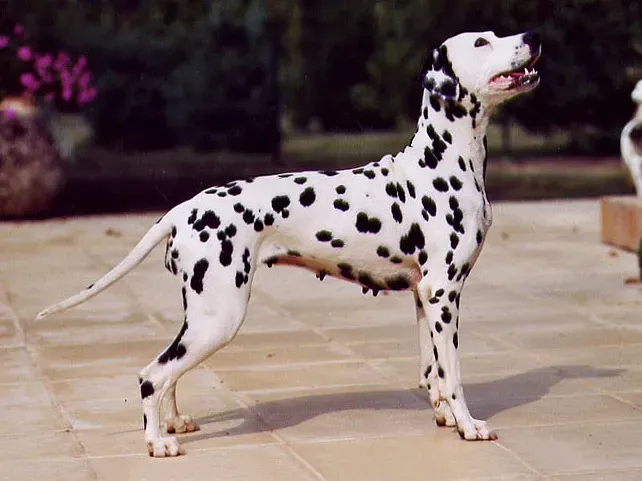
Let’s be real, the Dalmatian deserves way more credit than it gets in the “hot weather dog” conversation. The Dalmatian, recognized for its distinctive black or liver-spotted coat, is a breed that thrives in warm climates. Originating from Croatia, Dalmatians were historically used as carriage dogs, running alongside horse-drawn carriages to clear the path. Miles of running in open sun was basically their original job description.
Dalmatians’ short coats and low body fat contribute to their ability to manage heat effectively. Their white fur, interspersed with spots, reflects sunlight, aiding in temperature regulation. That said, Dalmatians can dehydrate rapidly, particularly post-exercise or in hot climates. Always provide access to fresh water, and monitor for dehydration symptoms such as dry gums or heavy panting. During outdoor activities, prioritize frequent water breaks to ensure your Dalmatian remains well-hydrated. They’re tough, but they still need your help staying safe out there.
6. Vizsla: The Velcro Dog That Thrives in the Sun
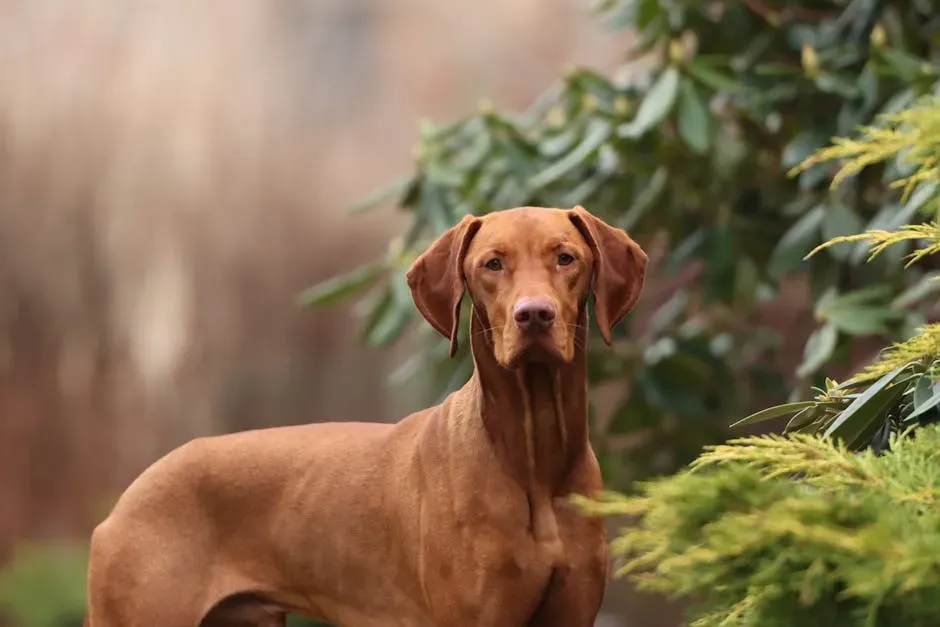
The Vizsla is a breed that basically defines the phrase “athlete with a heart of gold.” Originating from Hungary, Vizslas are no stranger to warm climates. Their short, rust-colored coats reflect sunlight, and their lean build helps them manage body temperature effectively. They’re one of the few sporting breeds that genuinely handles heat with grace.
The Vizsla is a versatile hunting dog traditionally used to point, hunt, and retrieve. Thanks to their near unmatchable stamina, these dogs are used to spending long days in the field in all sorts of warm weather. They have short coats and lean builds that lend nicely to warmer climates. Honestly, they’re a dream breed for active Texas families who spend a lot of time outdoors. Just be aware that it’s essential for owners to monitor their dogs closely during hot weather and provide ample shade, fresh water, and avoid strenuous activities during peak heat hours. Despite potential heat sensitivity, many Vizslas adapt well to warm environments, especially when their exercise needs are met during cooler parts of the day.
7. Whippet: Quiet, Elegant, and Surprisingly Heat-Hardy
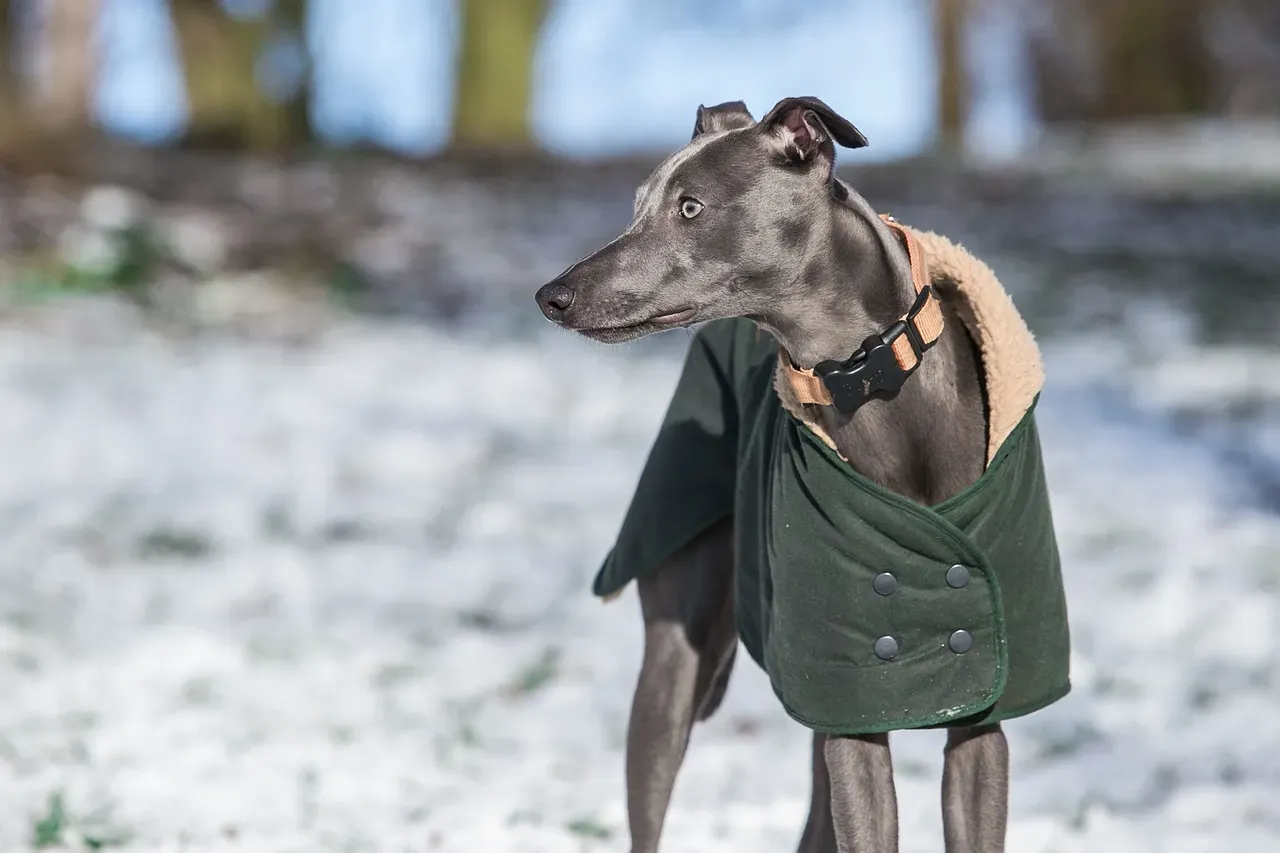
If you want a dog that’s like a Greyhound but slightly smaller and deeply affectionate, the Whippet is your answer. Originating from Victorian England, the Whippet is a Greyhound look-alike. A Hound Group member bred to pursue and capture rabbits and race other Whippets, this breed’s smooth, super short thin coat comes in various patterns and colors. That minimal coat is a huge advantage in Texas summer conditions.
Whippets combine bursts of high-speed energy with calm, relaxed behavior at home. Their extreme heat tolerance and minimal grooming needs make them easy to care for in hot climates. They burn off energy fast and then spend the rest of the day being the most elegant couch ornament you’ve ever owned. Their low body fat and minimal undercoat help them stay cool in the heat. Whippets are gentle and affectionate, making them great companions in warm weather. They should still be provided with plenty of water and shade.
8. German Shorthaired Pointer: The Outdoor Enthusiast’s Dream Dog
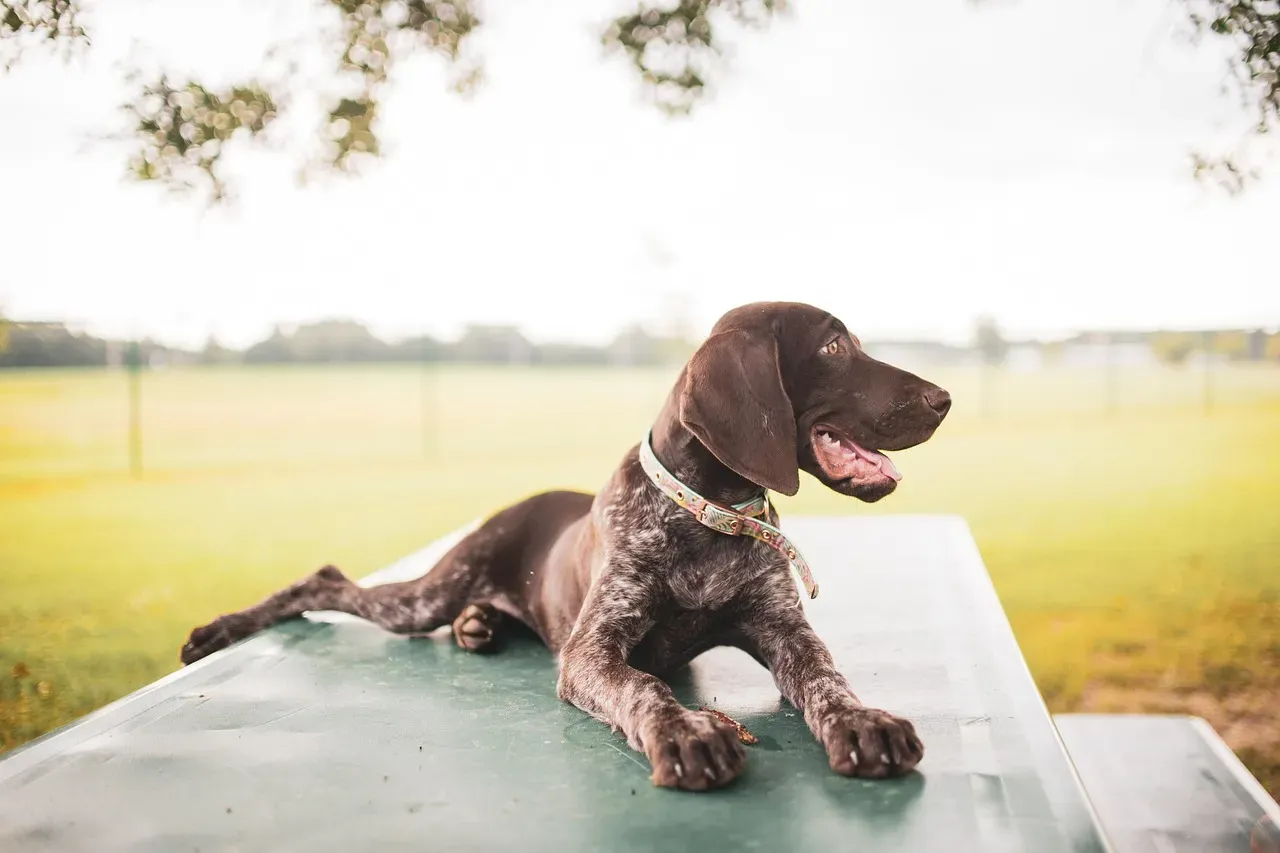
If you’re someone who hikes, hunts, or generally spends every weekend outside, the German Shorthaired Pointer might just be your soulmate. German shorthaired pointers are known for their robust energy and versatility in outdoor activities. Their short, dense coat makes them well-suited for hot climates. They were literally designed for long days in the field under a blazing sun.
A breed that screams “outdoor adventure companion,” the German Shorthaired Pointer has boundless stamina and an athletic build in addition to its short coat that enables it to fully thrive in hot weather. WebMD mentions that the German Shorthaired Pointer is a loving dog breed and makes a good addition if you have an active family. They’re the happiest when they have a job, something to do. Schedule their runs during cooler morning hours, keep water on hand, and this dog will never complain about Texas summers. It’s really that straightforward.
9. Catahoula Leopard Dog: Louisiana’s Heat-Tested Native
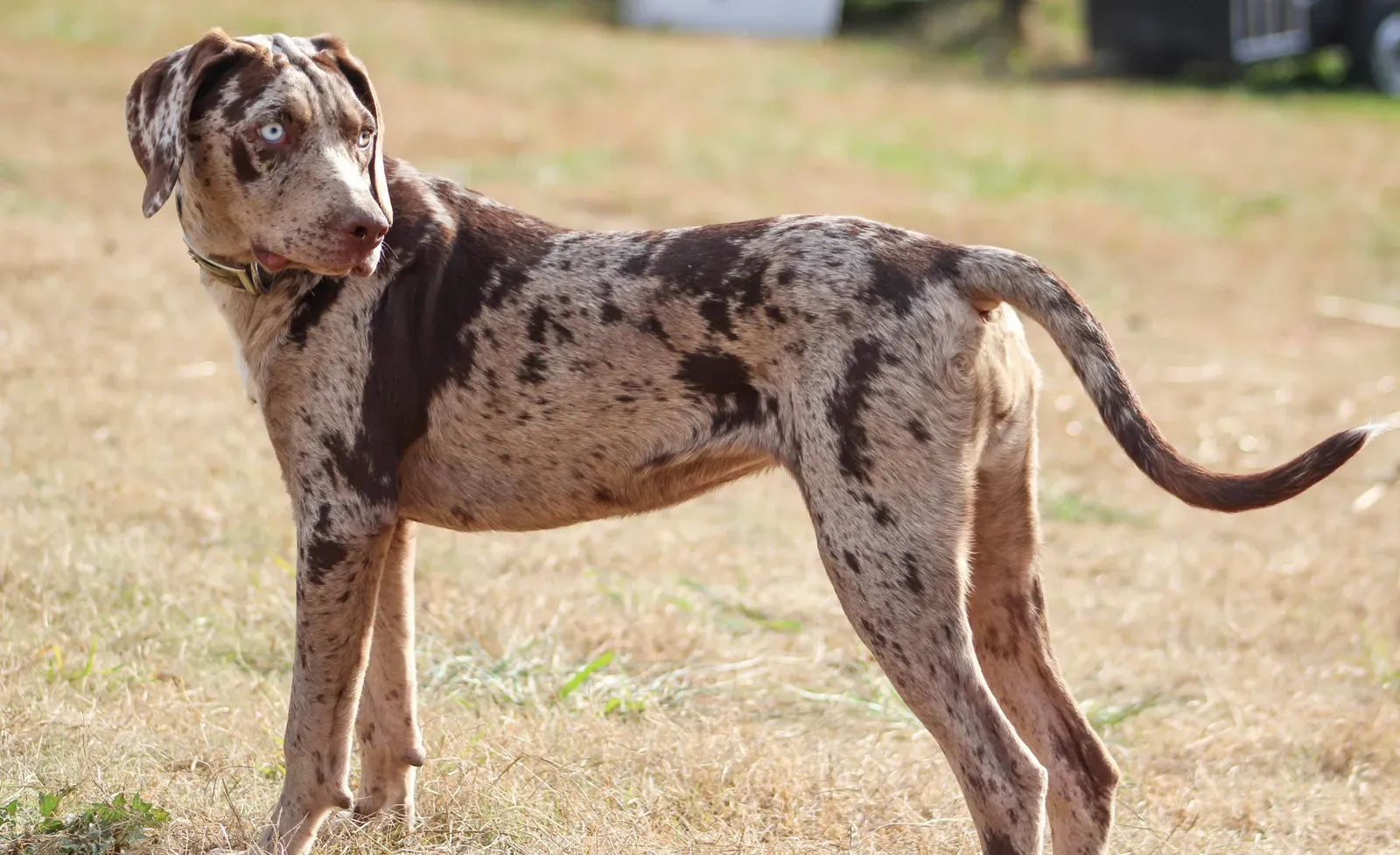
Previously published: www.facebook.com/SasquatchCatahoulas, CC BY-SA 3.0)
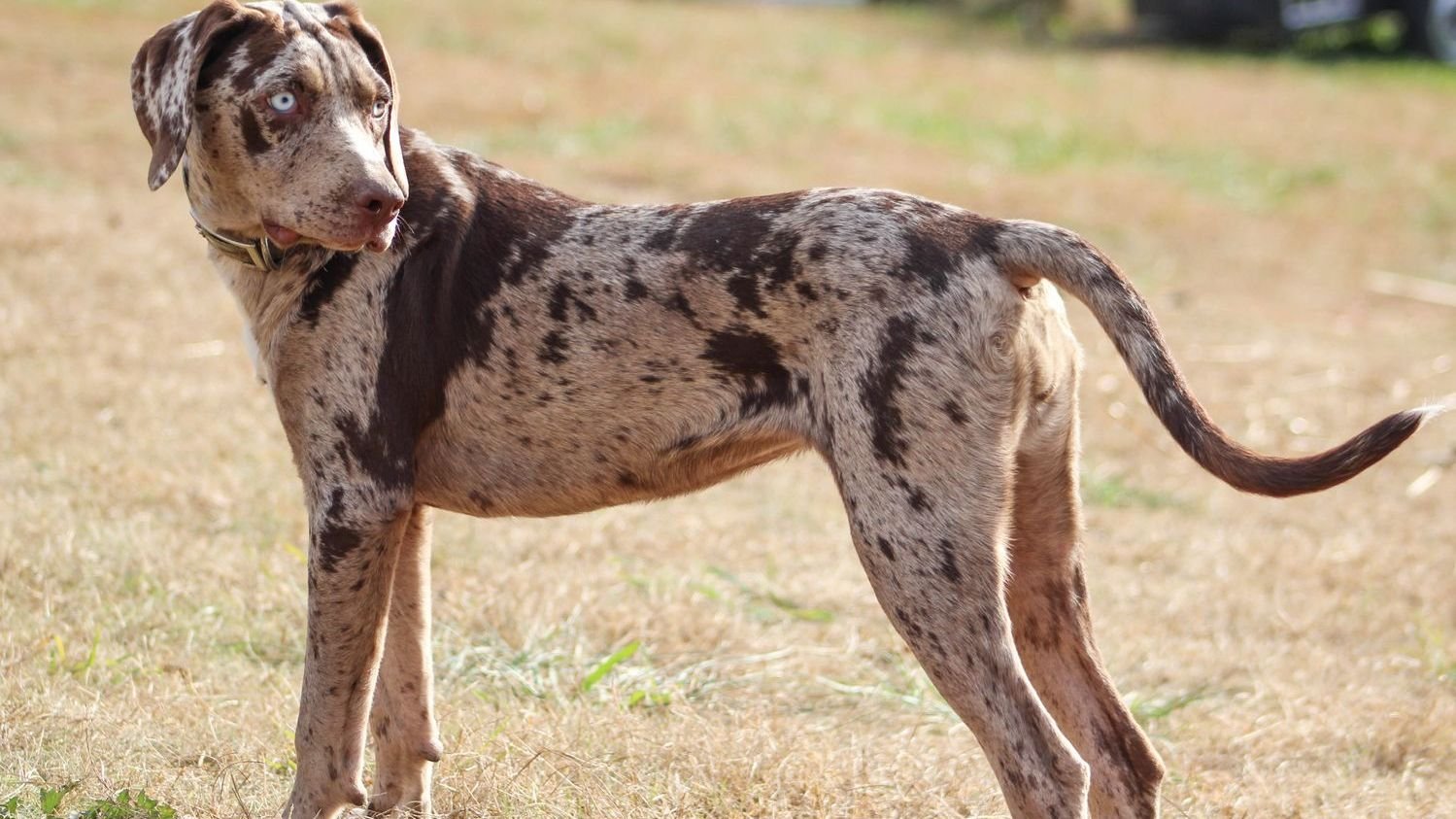
Here’s one that genuinely surprises people. The Catahoula Leopard Dog, Louisiana’s state dog, is one of the most underrated heat-tolerant breeds in the American South. This breed, originally from the southern United States, is known for its endurance and adaptability. They are loyal, protective, and can tolerate warm climates. Bred to work in swampy, humid, scalding-hot environments, these dogs aren’t intimidated by Texas heat one bit.
They have short to medium coats, lean athletic builds, and an energy level that matches the relentless pace of Southern summers. Australian Cattle Dogs and Catahoulas alike are bred for herding livestock in harsh conditions. They are tough and adaptable, with a strong work ethic and the ability to handle the Texas heat. Catahoulas are loyal and sharp, but they need experienced owners who understand working breeds. Give them a purpose, give them space, and they will absolutely thrive under the Texas sun.
10. Labrador Retriever: The All-American Family Dog That Can Take the Heat
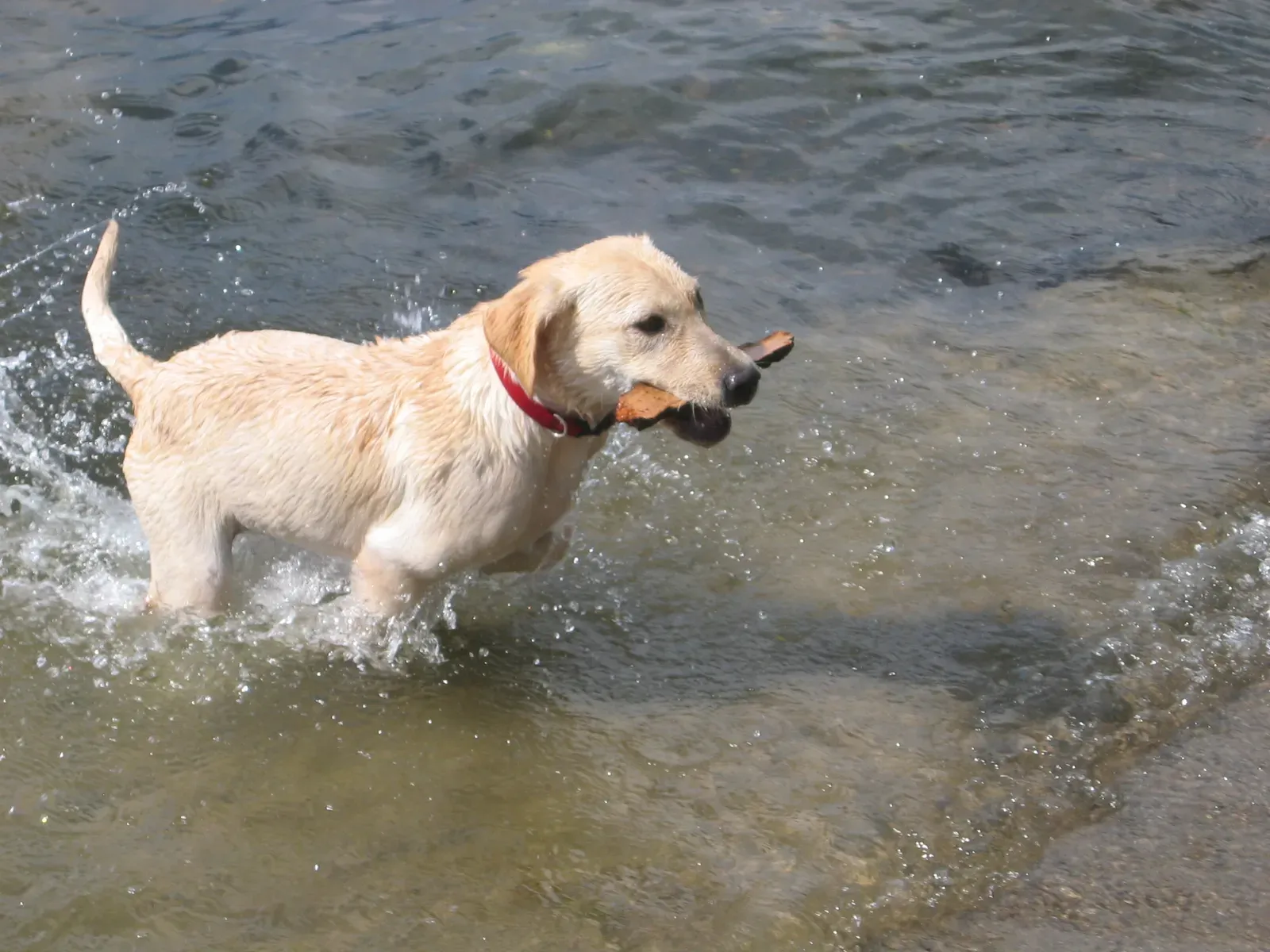
Labs are everywhere in Texas, and for good reason. The Labrador Retriever has been America’s favorite dog breed for many years. Known for their friendly nature and high energy, Labradors are perfect for active families and those who love the outdoors. Their ability to adapt to various environments and their skill in hunting and retrieving make them ideal companions for both rural and urban Texans.
Labs are a special mix of toughness and playfulness that can thrive in both cold and hot temperatures. They’re good swimmers and love a pool or a lake. Honestly, a Lab with access to a kiddie pool is possibly the happiest living thing on the planet. They do have double coats, so you’ll want to schedule outdoor activities during the cooler parts of the day and brush regularly to manage shedding. Still, their adaptability, their love of water, and their easygoing nature make them an outstanding choice for Texas families.
11. Rhodesian Ridgeback: The African Lion Hunter Who Loves Texas
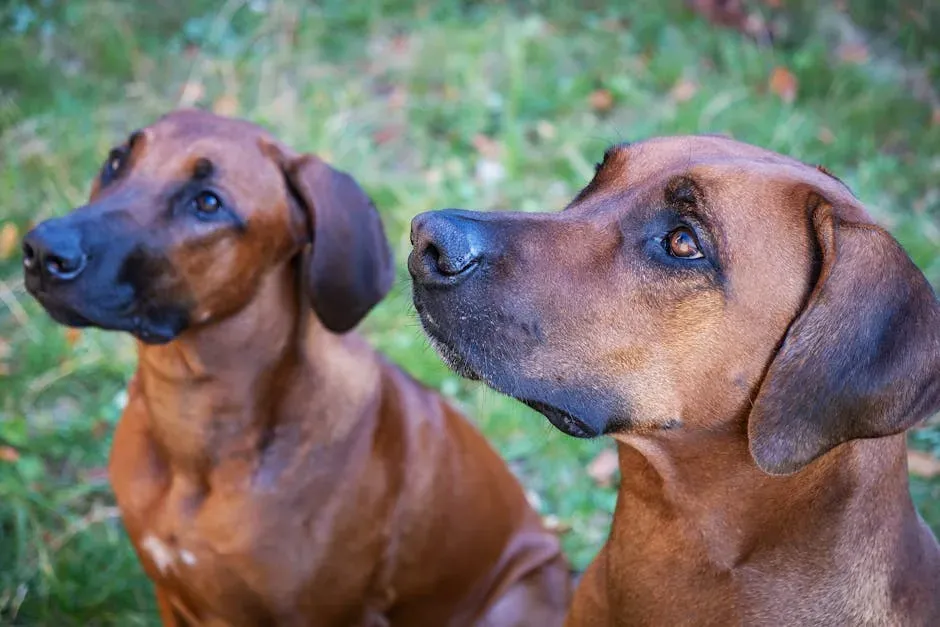
If you want proof that some dogs were literally built for harsh climates, look no further than the Rhodesian Ridgeback. Rhodesian Ridgebacks, originally bred in Africa, are well-adapted to hot climates. Their short, sleek coat and strong, muscular build make them well-suited for warmer temperatures. They are known for their endurance and protective nature, making them excellent family dogs.
These dogs were bred to track lions across the African savanna – a task that required incredible heat endurance, courage, and physical toughness. Imagine having a dog that can comfortably handle African heat. Texas suddenly seems manageable, right? They’re calm indoors, devoted to their families, and impressively stoic in the face of summer temperatures. Despite their heat tolerance, they should have access to plenty of water and some daily shade, but they take hot weather far more in stride than most breeds their size.
12. American Staffordshire Terrier: The Muscle-Bound Texan Who Handles Heat
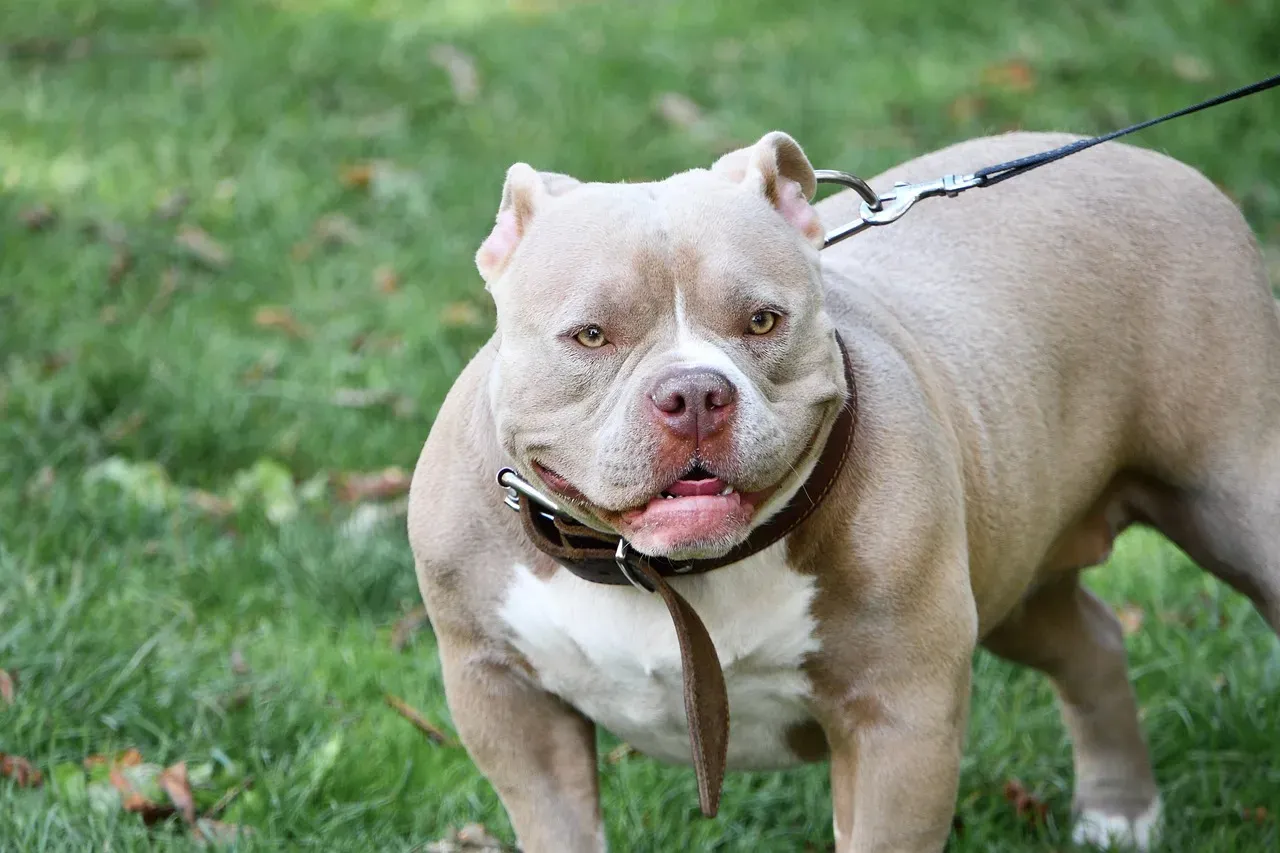
The American Staffordshire Terrier, affectionately called the AmStaff, is one of those breeds that combines strength, loyalty, and surprising heat tolerance into one lovable package. American Staffordshire Terriers have a short, smooth coat that is ideal for hot climates. Their muscular build and high energy levels make them well-suited for active families living in warmer areas. Despite their heat tolerance, it’s important to ensure they have plenty of water and a cool place to rest.
Their short, tight coat doesn’t trap heat the way longer or double-coated breeds do, which gives them a real advantage during Texas summers. They’re playful, affectionate, and deeply bonded to their families. Think of them as the neighborhood kid who’s always outside no matter the weather – except this one has four legs and a tail that never stops wagging. Socialization from puppyhood is essential, and early training goes a long way with this breed.
13. English Bulldog: The Lovable Face That Struggles in the Heat
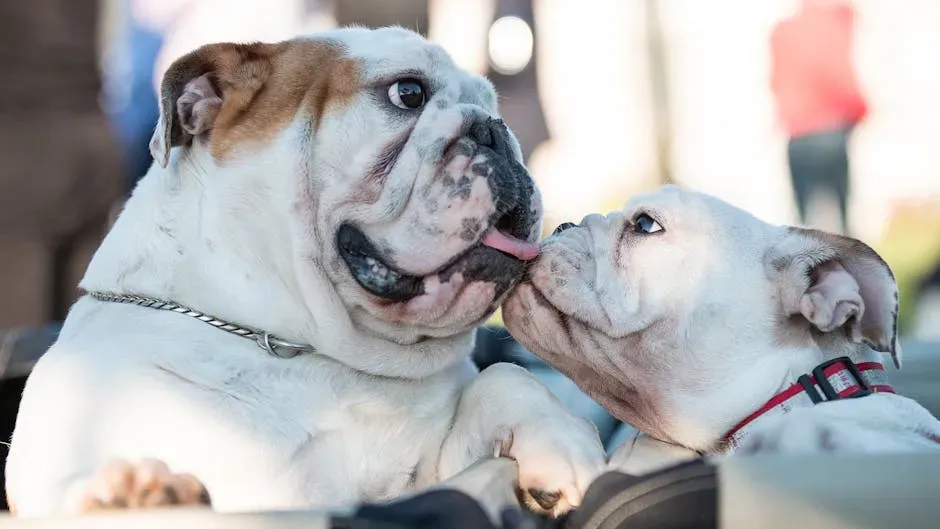
Now we’re into territory that every Bulldog owner needs to hear. The flat face of an English Bulldog makes this breed prone to overheating. It’s vital that pet parents restrict this dog’s outdoor activity during the heat of the day. This isn’t meant to scare you – it’s meant to protect your dog.
Brachycephalic dogs, or dogs with a flat face, are prone to heat stroke because of their narrow airways and nostrils and don’t do well in Texas heat. These breeds include English bulldogs, French bulldogs, pugs and Boston terriers. They are all great dogs, but they do better in a more moderate climate. If you have a Bulldog in Texas, think of yourself as their personal climate manager. Short walks during early morning or late evening, air conditioning always on, cold water always accessible. They’re worth every extra effort.
14. French Bulldog: Cute, Trendy, and Dangerously Heat-Sensitive
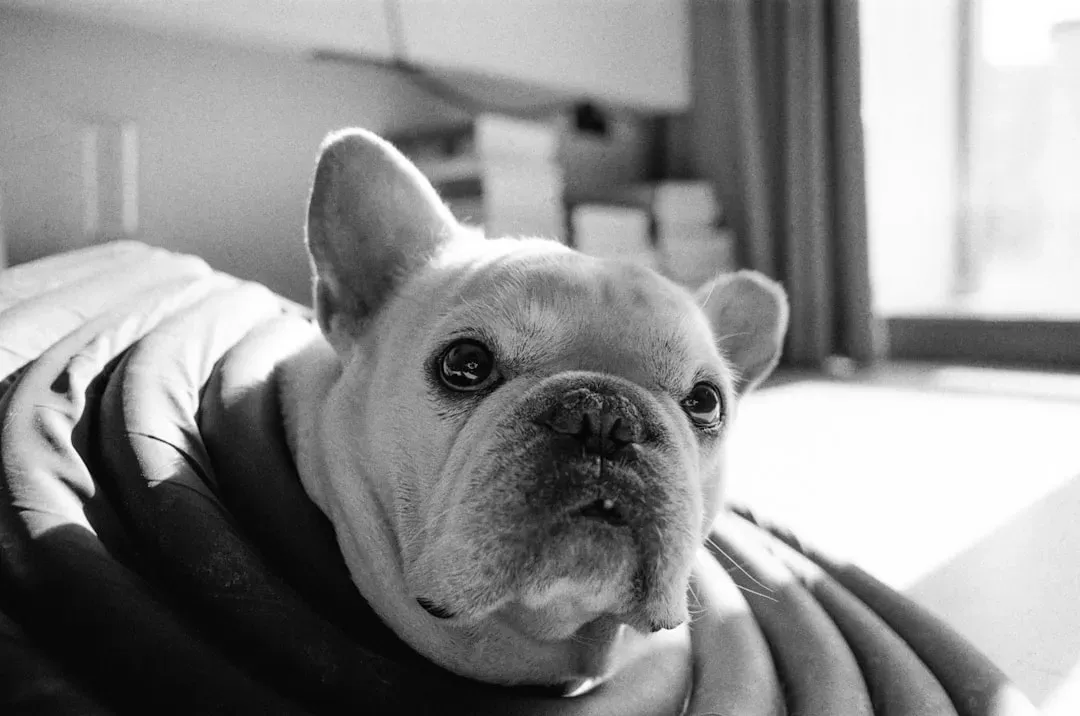
French Bulldogs are one of the most popular breeds in America right now, and Texas is no exception. But their adorable smashed-face look comes with a serious health trade-off in hot climates. French Bulldogs cannot effectively cool down through panting. Because dogs don’t sweat like humans do, this can be dangerous. On a hot Texas afternoon, that’s a potentially life-threatening combination.
Brachycephalic breeds with squishy, short noses like Frenchies generally have a harder time dealing with heat, as they just can’t pant as effectively to cool down. If you own a French Bulldog in Texas, your summer routine needs to revolve around their safety. Morning and evening walks only, zero outdoor midday activity, and constant access to cool air. They are wonderful, funny, deeply devoted companions – they just need you to be extra vigilant when the mercury rises.
15. Siberian Husky: Beautiful, Brilliant, and Built for the Wrong Climate
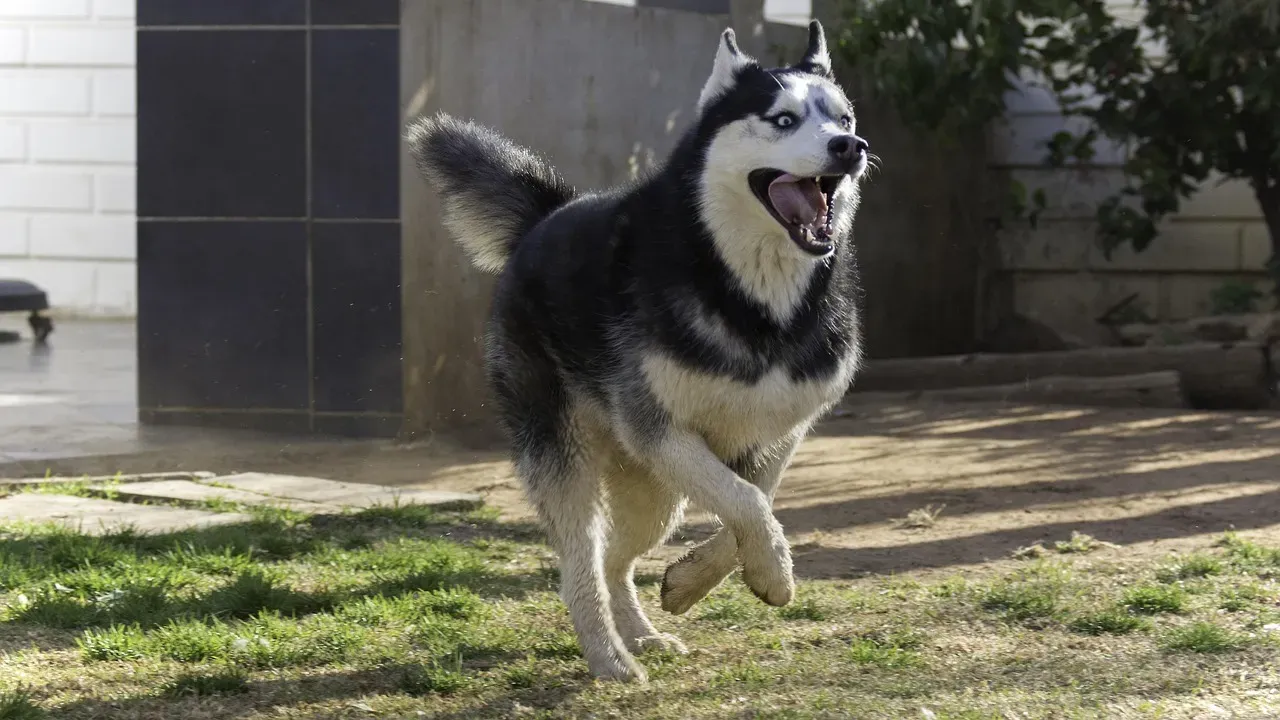
It’s hard to say this without feeling a little guilty because Huskies are breathtaking dogs with incredible personalities. But let’s be completely honest here: they were built for the Arctic, not Austin. Siberian Huskies come from cold, wintry climates and run the risk of overheating in hot weather. They definitely shed a ton, especially as summertime approaches, which is helpful to staying cool. But you’re going to want to keep an eye on Huskies on hot days.
Dogs with thick, double coats, like Huskies and Malamutes, are better suited for colder climates. They may overheat quickly in Austin’s summer heat. If your heart is set on a Husky in Texas, commit to early morning exercise sessions, never leave them outside unattended during summer, keep the house cool, and always monitor for signs of overheating. It requires extra dedication, but it can be done responsibly with the right care.
16. Pomeranian: The Fluffy Cloud That Wilts in the Texas Sun
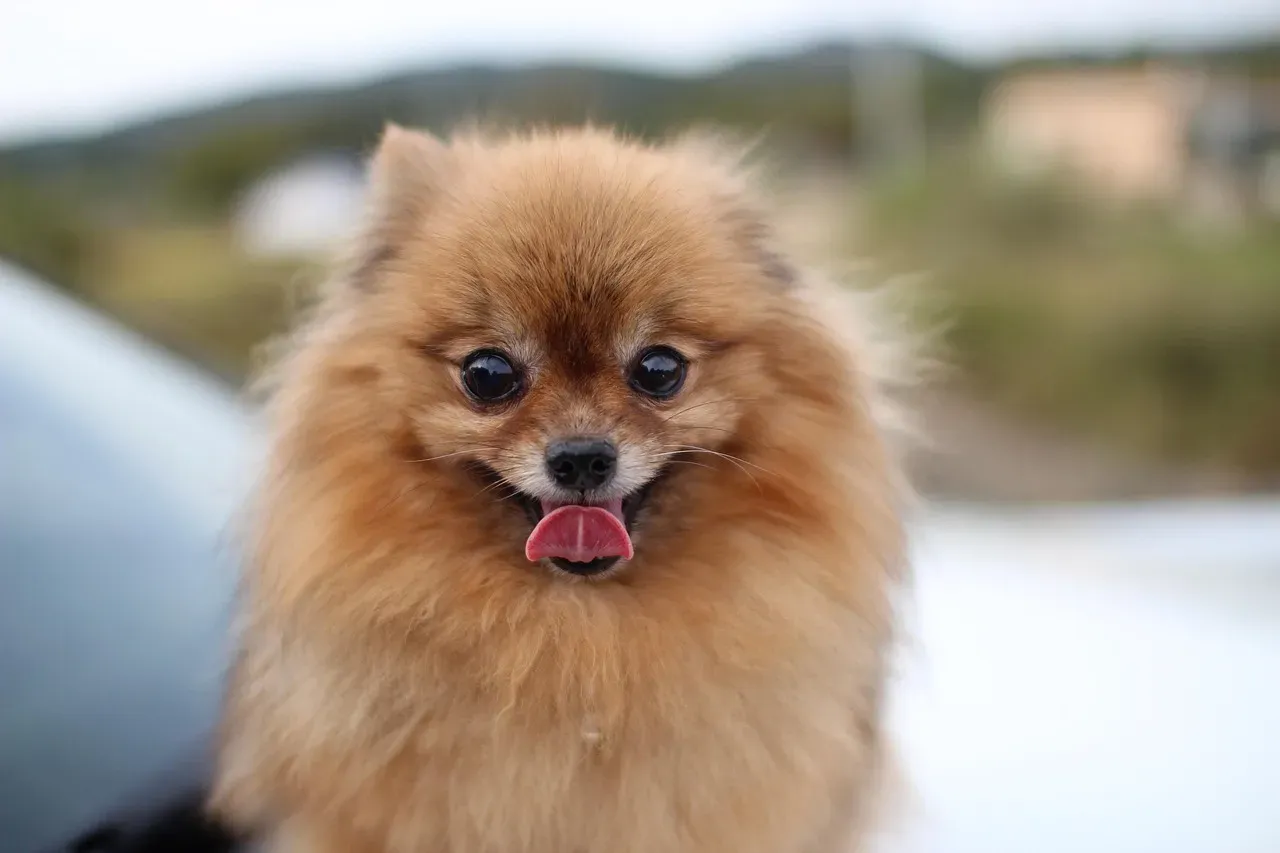
Pomeranians are undeniably adorable. They’re also, frankly, a tough match for Texas summers. Pomeranians have a short nose and a thick coat. Shaving their hair may ruin their coat, so just try to keep them hydrated and brushed. That thick, gorgeous double coat was designed for cold European climates, not sweltering Gulf Coast summers.
These tiny feisty pups have both copious amounts of fur and shortened noses, which means double trouble in the heat. It’s like wearing a down coat and running with your nose partially pinched – all at the same time. If your Pomeranian lives in Texas, frequent grooming to remove excess undercoat is absolutely essential, and outdoor time during summer must be brief and carefully timed. They’re a high-maintenance match for the Texas climate, and that’s just the honest truth.
17. Chow Chow: The Dignified Lion Dog Who Needs Air Conditioning
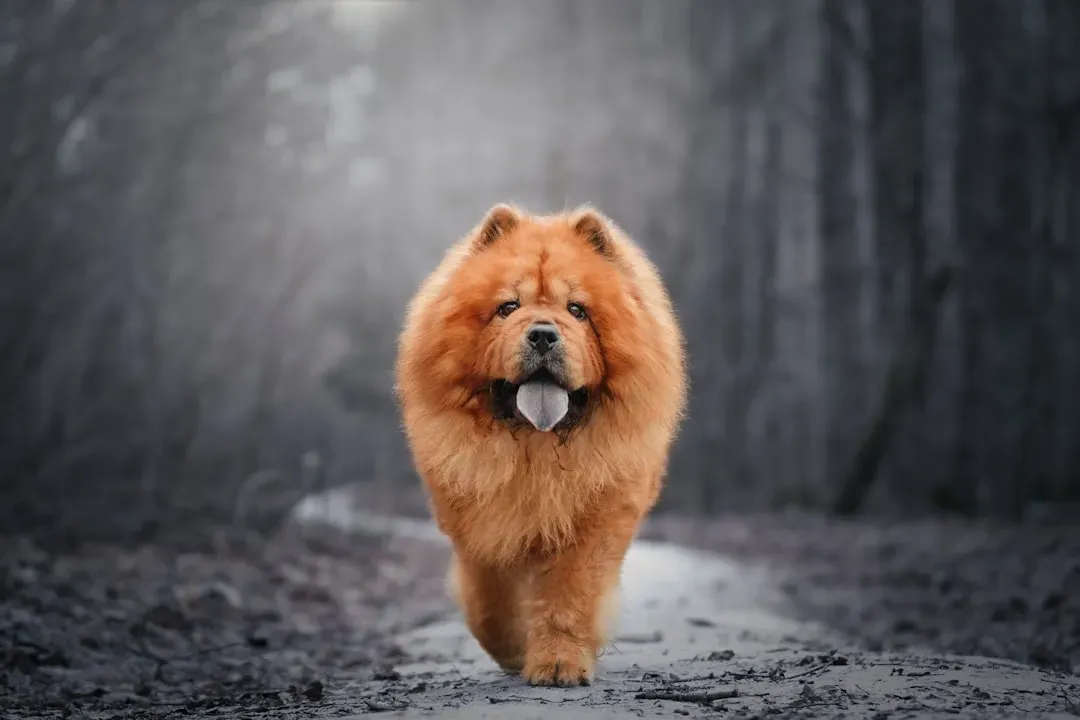
The Chow Chow is one of the most regal dog breeds in existence, and their spectacular lion-like coat is a huge part of their identity. It’s also the thing that makes Texas summers genuinely dangerous for them. Chow Chows are not well suited for hot weather due to their thick double coat and heavy build. Their coat, which is incredibly dense, works essentially like a full-body insulated suit.
Hot weather can be dangerous for all dogs, and can lead to heat exhaustion, heat stroke, or even death. Dogs are most susceptible to heat stroke when they are left in hot cars, left outside in hot and humid weather without shade, or access to cool fresh water, or exercising in hot conditions. Some dogs are at higher risk than others, including dogs with thick fur coats, very old or young dogs, and dogs with heart or upper respiratory problems. For Chow Chow owners in Texas, the air conditioner is not a luxury – it’s a medical necessity. Keep them inside during the hottest parts of the day, groom regularly, and never leave them in direct sun for extended periods.
Recognizing the Warning Signs: What Every Texas Dog Owner Must Know
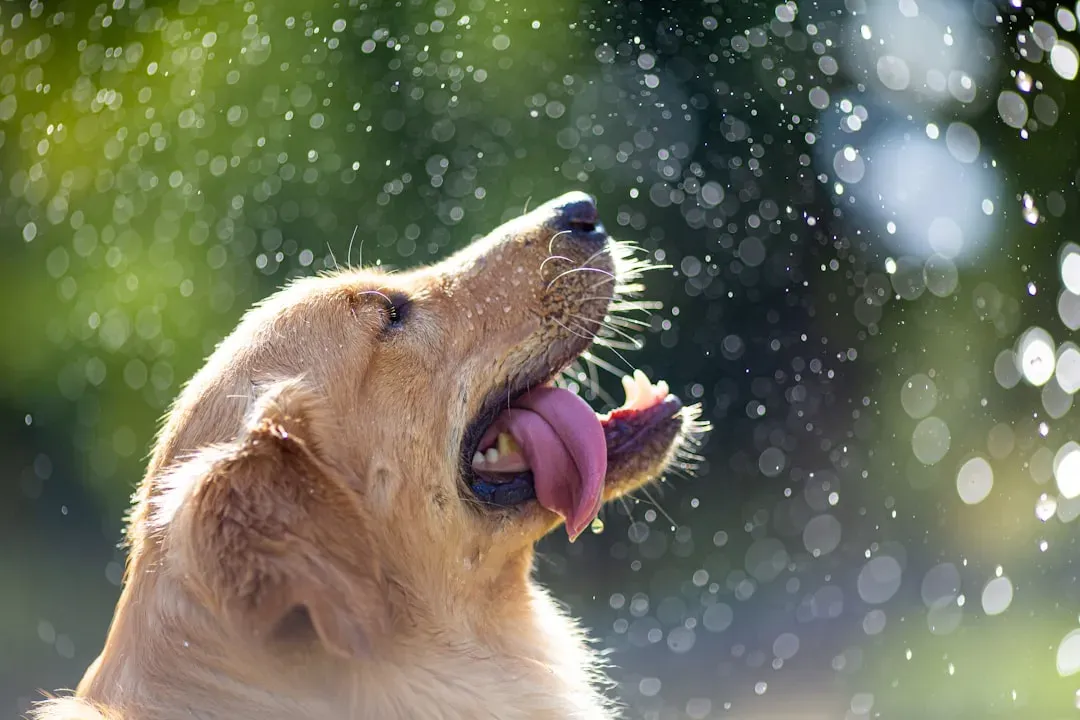
No matter which breed you have, every dog owner in Texas needs to know what heat distress looks like before it becomes a crisis. Signs of heatstroke include heavy panting, drooling, vomiting, diarrhea, weakness, collapse and more. These can escalate shockingly fast, sometimes within minutes.
Heavy panting, seeking shade, whining, reluctance to play and drooling may be early signs that your dog is overheating. Bring them into cool air conditioning with access to water immediately. If things progress beyond these early warning signs, cooling your pet prior to arrival at the hospital has been shown to increase their chances of survival from 50% to 80%. Use cool (never ice cold) water, get them to shade, and call your vet without delay. Speed truly matters.
Universal Texas Dog Safety Tips: How to Protect Any Breed in the Heat
A few differences set warm and cold-weather tolerant dogs apart: their coat type and color, ear shape, and muzzle length. The best dogs in hot weather have short, single, or hairless coats. Understanding your dog’s physical limits is step one. Step two is building a routine around those limits.
Regardless of the breed, all dogs need proper care in hot climates to avoid heat-related issues. Always ensure your dog has access to fresh water. Provide a shaded area where your dog can escape from the sun. Exercise early in the morning or late in the evening to avoid the hottest parts of the day. Also, never forget the pavement test: while the pads on dogs’ paws are tougher than our skin, they can still suffer burns from walking on hot pavement. If you cannot put your own hand or stand barefoot on the pavement for about 10 seconds, then it is likely too hot for your dog to walk on. That single check could save your dog serious pain.
Conclusion: The Right Dog for the Texas Life You’re Living
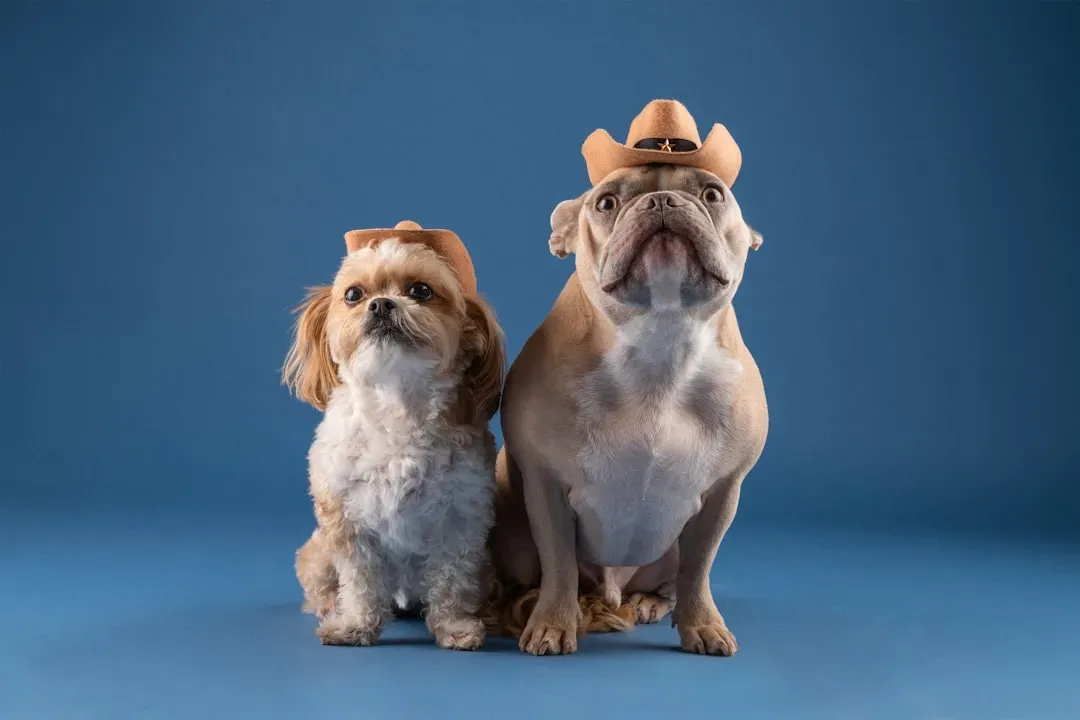
Choosing a dog in Texas is about more than falling in love with a face on a breeder’s website. It’s about matching your lifestyle, your climate, and your commitment to a companion who will depend on you completely. When living in a hot climate, choosing the right dog breed can significantly impact your pet’s well-being and comfort. That truth doesn’t get said enough.
The good news is that Texas is genuinely a great home for many incredible breeds. From the heat-loving Chihuahua and the tireless Australian Cattle Dog to the noble Rhodesian Ridgeback and the elegant Whippet, there’s a perfect match out there for every Texan dog lover. The breeds that struggle aren’t bad dogs – they just need owners who understand their limits and love them enough to work within those limits every single day. By choosing a breed suited for hot weather and taking the necessary precautions, you can help ensure your dog remains happy, healthy, and comfortable despite the heat.
At the end of the day, the best dog for Texas isn’t just the one that tolerates the heat. It’s the one whose needs you’re fully prepared to meet. Which breed surprised you the most on this list? Drop it in the comments – we’d love to hear from you!


