

Your dog can’t text you, call you, or sit you down for a serious chat. They can’t say “I’ve been lonely today” or “I’m really not okay.” Yet somehow, if you pay close enough attention, they’re saying all of that and more, every single day.
The truth is, dogs feel deeply. They grieve, they get bored, they miss you, and they struggle with change just like we do. Most dog owners don’t realize how many everyday situations can quietly chip away at their dog’s happiness, and that’s what makes this topic so important. So let’s talk about it.
The Invisible Weight of Loneliness and Too Much Time Alone
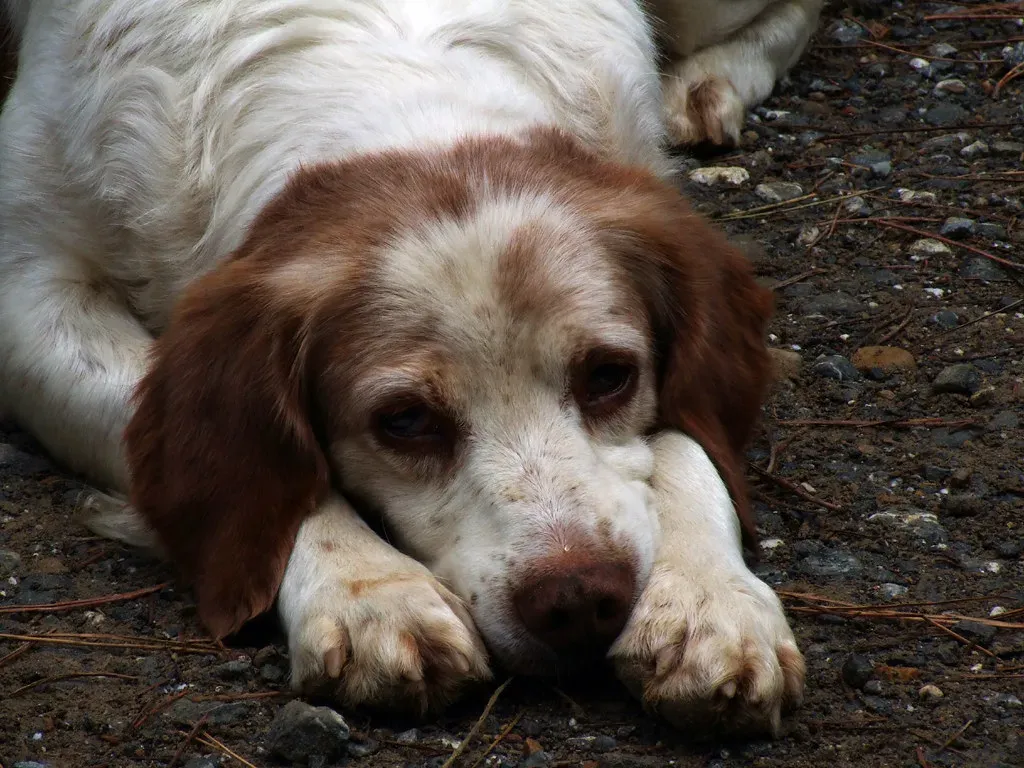
Here’s the thing – one of the biggest heartbreaks in a dog’s life is also one of the most common. If a dog’s needs aren’t met and they aren’t given stimulation and enrichment, they may start showing signs of sadness. Dogs who are left alone for long periods of time may also show depression-like signs, such as shutting down. It’s a quiet kind of suffering. No drama, no noise. Just a dog curled up on the couch, waiting.
Separation anxiety is triggered when dogs become upset because of separation from their guardians, the people they’re attached to. Research from the University of Lincoln studied over 2,700 dogs and identified four main forms of distress for dogs when separated from their owners, including wanting to get away from something in the house, wanting to get to something outside, reacting to external noises or events, and a form of boredom.
Dogs with separation-related behavior problems engage in unwanted behavior such as destruction of property and excessive vocalization when left alone, causing distress for both the dog and the owner. Think of it this way – a dog left alone all day is a little like a social, active person locked in an empty room for eight hours. The walls close in fast.
Prevention tip: If you have to leave your dog alone while you’re at work or running errands, make sure they get plenty of exercise before you leave. Additionally, supply your pup with enough toys to keep them occupied. Look for toys that are interactive or can be stuffed with treats to keep your pup’s body and mind active while you’re out of the house.
Grief Is Real: When Dogs Lose Someone They Love

I know it sounds heavy, but dogs grieve. Genuinely, viscerally grieve. Dogs alter their behavior when they mourn, much like people do. They may become depressed and listless. They may have a decreased appetite and decline to play. They may sleep more than usual and move more slowly, sulking around. If you’ve ever watched a dog search the house for a companion who’s no longer there, you know how gut-wrenching it is.
A 2021 study examined 279 dogs who had lost a canine companion. The results revealed that nearly two-thirds of dogs exhibited behaviors associated with grief, including a decrease in appetite, increased vocalization such as whining or howling, and a decrease in playfulness. The dogs were also more likely to seek out their owners for comfort, displaying signs of sadness and depression.
It’s not unusual for dogs to grieve the loss of a person they’ve bonded with. While dogs might not understand the full extent of human absence, dogs do understand the feeling of missing a human or dog who’s no longer a part of their daily lives. Honestly, that alone is enough to make you want to go squeeze your dog right now.
What can you do? Help your dog cope with the loss of their pet sibling by providing extra attention, sticking to routines, and introducing new activities to keep them mentally and physically engaged. Consistency is the antidote to grief’s chaos.
Big Life Changes That Shake a Dog’s Sense of Safety

Most dogs like routine and are happiest when they are confident in their environment and know what to expect during their day. Dramatic changes, such as house moves, building work, or major home reorganizations, can leave your dog feeling uncertain. Think about it from their perspective. They woke up, the furniture is different, the smells are unfamiliar, and the daily schedule has disappeared. That’s terrifying for an animal who maps safety through predictability.
Most dogs will bond to their entire perceived “family,” and changes to this social dynamic can strongly affect dogs. This could be changes in the home as a result of divorce, bereavement, children leaving home, or even a change in working patterns. Dogs don’t understand where their friend or loved one has gone, and of course we can’t explain it to them. Something as seemingly minor as a new work schedule can genuinely destabilize a dog.
Things like their owner passing away or being gone for a long time can make dogs anxious or sad. Even more minor changes, like moving to a different place, getting hurt, having a different daily routine, or having a new pet or person around, can also make your dog feel a bit down. The best protection? Keeping core routines intact during transitions, and offering extra physical closeness during uncertain times.
Boredom: The Slow, Quiet Sadness Nobody Talks About Enough

Let’s be real – boredom is massively underestimated as a cause of dog misery. Many dogs appear outwardly unremarkable but suffer internally: they are chronically under-stimulated. This has consequences, not just for a dog’s mood, but also for their health. Our four-legged friends are natural problem solvers, seekers, and explorers. If this need is ignored for a long time, serious behavioral disorders can develop.
Dogs who don’t receive enough mental stimulation throughout the day can become bored, which can lead to depression. A large study from the University of Helsinki involving more than 4,400 dogs found that behaviors like excessive licking of paws, circling, or tail chasing occur significantly more often in dogs that get little variety, few social contacts, or little exercise. Under-stimulated dogs not only show problem behavior more often, but they are also often emotionally heavily burdened.
Ignoring dog boredom can lead to long-term consequences such as increased aggression, chronic stress, and even cognitive decline over time. Chewed shoes and shredded pillows are rarely “naughtiness.” They’re a dog screaming for mental engagement the only way they know how. Activities such as food-puzzle toys, snuffle mats, scent or nose-work games, and short positive-reinforcement training sessions are excellent ways to engage your dog’s mind.
When Harsh Training Methods Break a Dog’s Spirit

This one is hard to hear, but it matters too much to skip. Heavy-handed training techniques relying on yelling, harsh conditioning, and punishment destroy the dog’s confidence, resulting in learned helplessness. The state appears like obedience but is a sign of chronic stress and depression. That quiet, still dog who “never misbehaves”? They may not be calm. They may be broken.
Heavy-handed methods that rely on punishment can leave the dog feeling unable to succeed, resulting in a loss of confidence in their owner and producing a state of learned helplessness. These dogs may appear quiet and well-behaved, but may actually be experiencing a very low mood state and chronic stress where it is far safer to do nothing. That’s not training. That’s emotional suppression.
Positive reinforcement training methods, which involve rewarding desirable behaviors, are highly effective in modifying behavior and strengthening the human-dog bond. Conversely, punishment-based techniques can lead to fear, anxiety, and even aggression. Your dog wants to please you. They just need you to show them how, gently and patiently. The reward-based approach isn’t “soft” – it’s smart, and it protects your dog’s mental health at the same time.
Chronic Pain and Hidden Illness: The Sadness Nobody Sees

A major cause of depression is underlying disease. Dogs who feel unwell, especially those who have chronic health conditions like diabetes, may experience a general feeling of sadness. Dogs who have chronic pain due to conditions such as arthritis are also more likely to develop depression. This is the sneaky one. A dog in persistent pain doesn’t wave a white flag. They just slowly withdraw.
The symptoms of dog depression are often very similar to those displayed by a dog suffering from an underlying medical condition or chronic pain. Sometimes, these issues can even be triggers for depression. This is exactly why a sudden change in behavior should never just be shrugged off. While dog depression is not considered a medical emergency, it should never be ignored. If your otherwise happy dog suddenly becomes withdrawn or simply seems unlike himself, it’s important to visit a veterinarian to identify the cause.
If your dog is sad, they’ll likely display changes in one or more behaviors. These depression-like signs may include destructive behavior, vocalizations, more frequent accidents, fatigue or low energy, changes in appetite, weight fluctuation, and excessive grooming or scratching. Any combination of these signals, especially without an obvious cause, is your dog asking for help in the only language available to them.
Once medical issues are ruled out, recovery is very possible. Depressed or anxious dogs often benefit from predictable environments, well-regulated social interaction, and a consistent routine with lots of physical activity. Depending on the dog and the circumstances, the recovery process can take anywhere from days to months.
A Final Thought: Your Dog Is Always Trying to Tell You Something

Dogs are not dramatic. They don’t fake sadness for attention and they don’t exaggerate their emotions. When something is wrong, they show you through behavior – and those signals deserve to be taken seriously. A study shows nearly three-quarters of dogs show signs if they’re experiencing poor mental health. That’s a remarkable number. It means most of us, at some point, will have a dog trying to tell us they’re struggling.
The good news is that dogs are resilient. Dogs are amazingly resilient. If there is a significant event associated with their depression, often some simple environmental and social changes can make a huge difference, such as spending some extra time with them, taking them on extra fun walks, playing a little tug, or having a little grooming session.
You don’t need to be a canine psychologist to help your dog. You just need to pay attention, stay consistent, and show up. No matter what, the love and care of their owners can help them overcome their sadness. You already love your dog. Now you have the knowledge to love them even better.
Ask yourself this: when did you last truly check in with your dog – not just feed them or take them for a quick walk, but really look at them and notice how they’re doing? You might be surprised by what you see. Share your thoughts and experiences in the comments below – your story could help another dog lover recognize the signs in their own pup.


