
Picture this: you’re trying to finish a work call, and your dog is pressing their entire body weight against your leg, staring up at you with those earth-shattering eyes. Sound familiar? Whether you find it endearing or slightly overwhelming, the truth is that a dog’s need for human connection isn’t a flaw. It’s biology, history, and a whole lot of heart woven into their DNA.
Some dogs were literally born to need you. Others? They’re perfectly fine watching you leave the room without missing a beat. Understanding which category your dog falls into can transform the way you care for them, reducing stress for both of you in the process. So, whether you’re a new dog parent trying to decode your pup’s shadow behavior or a seasoned owner wondering why your rescue follows you into the bathroom, this guide was made for you. Let’s dive in.
1. Vizsla: The Original Velcro Dog
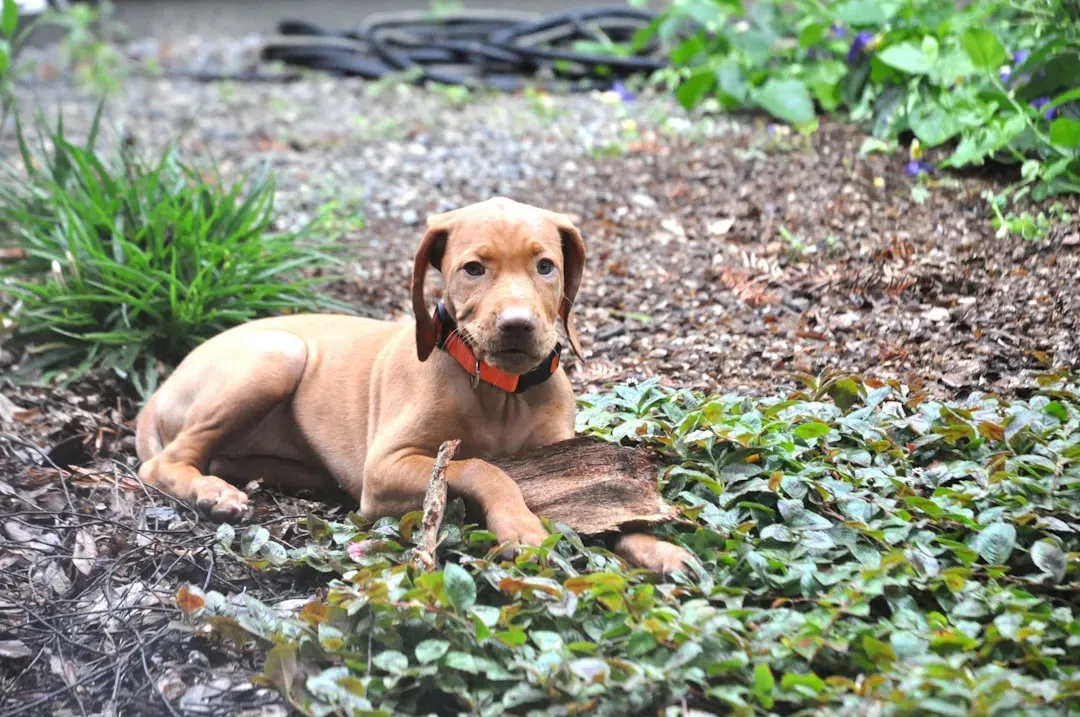
If there were a gold medal for clinginess in the dog world, the Vizsla would win it every time, no contest. The Vizsla is a Hungarian hunting breed that forms exceptionally tight bonds with its owners. They were bred to work closely with humans and typically want to be in the same room, deeply coveting their owner’s lap at all times. I honestly think calling them “velcro dogs” undersells it a bit. They are more like a second shadow.
If there’s a poster pup for velcro dogs, it’s the Vizsla. These hunting dogs were bred to work closely with their humans, making their attachment to their people one of their finest features. Vizslas thrive on human companionship and will happily follow you from room to room. Known as the “Velcro dog,” the Vizsla needs early independence training and daily exercise to stay emotionally balanced. Without it, anxiety can build quickly and quietly into a serious behavioral issue.
2. Labrador Retriever: Your Enthusiastic Best Friend Who Never Wants to Be Alone
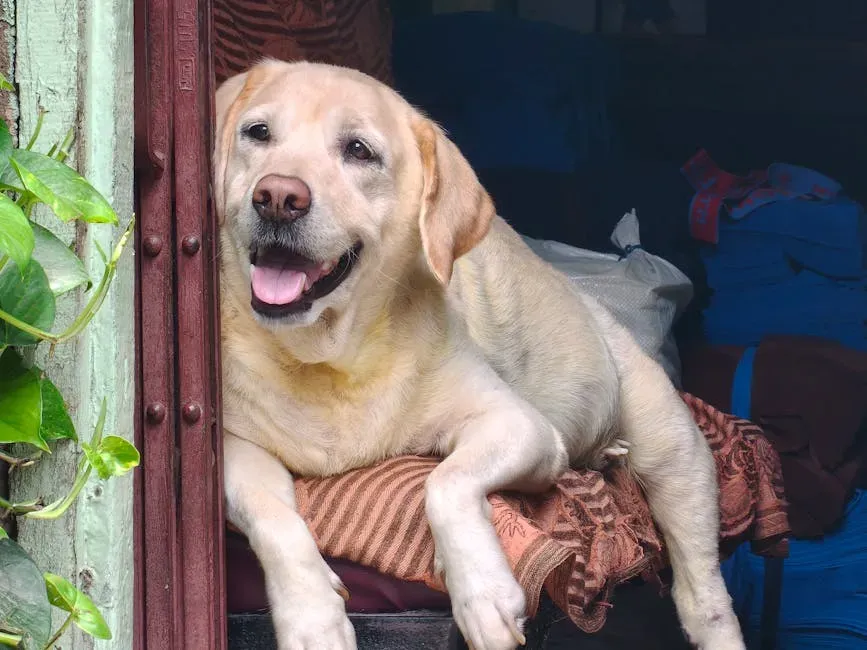
Labrador Retrievers are known for their friendly and affectionate nature. They are also one of the most loyal breeds, always wanting to be close to their owners. Labs are great family dogs and love to be around people. Here’s the thing though: that lovable enthusiasm has a shadow side. Since Labrador Retrievers are very clingy, they can get mopey if no one is paying attention to them.
The Labrador Retriever is known for loyalty, charm, and a slightly clingy side that often turns into jealousy. They crave affection so deeply that any distraction like a phone or another pet can trigger a gentle sulk or strategic nudge. Labs are emotional and intelligent, reading human moods like experts, which sometimes fuels their possessive streak. Labs are America’s favorite dog breed for good reason: They’re relentlessly friendly, fun-loving, and laser-focused on their pet parents. Their devotion runs so deep that being left alone can trigger destructive behaviors and excessive barking. Daily walks and structured play sessions go a long way in keeping this breed centered.
3. Golden Retriever: The Gentle Soul Who Lives for Your Love
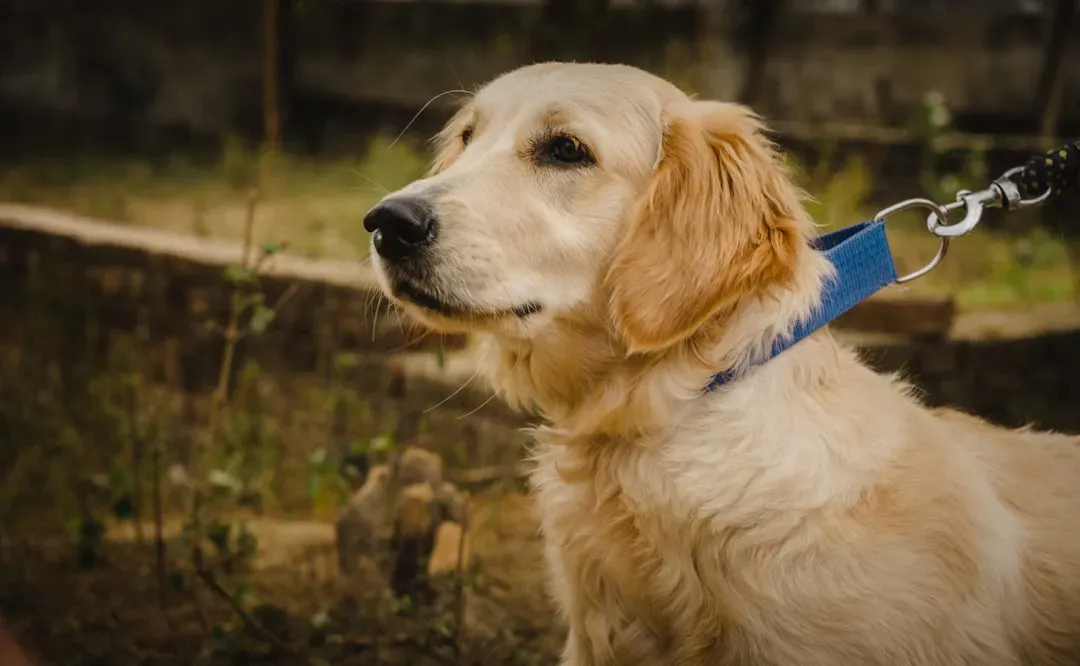
Golden Retrievers are the epitome of a family dog, known not only for their beautiful, lustrous coats but also for their clingy and affectionate nature. They are incredibly loyal and form strong bonds with their family members, often showing a particular attachment to one person. Goldens are patient, gentle, and always eager to please, which translates into a desire to be involved in every aspect of their owner’s life. Whether it’s following them around the house or waiting patiently by the door, Golden Retrievers crave companionship and interaction.
It’s no surprise that the loveable Golden Retriever is considered a clingy, family dog. It’s his eager-to-please personality and need for praise that makes him so in need of human affection. Think of a Golden like that warm, loyal friend who gets genuinely hurt when you cancel plans. They won’t act out dramatically, but you’ll feel it. Make sure to give them at least one solid bonding activity daily, whether that’s a fetch session, a training drill, or just a calm evening cuddle on the couch.
4. German Shepherd: Fiercely Loyal and Surprisingly Needy
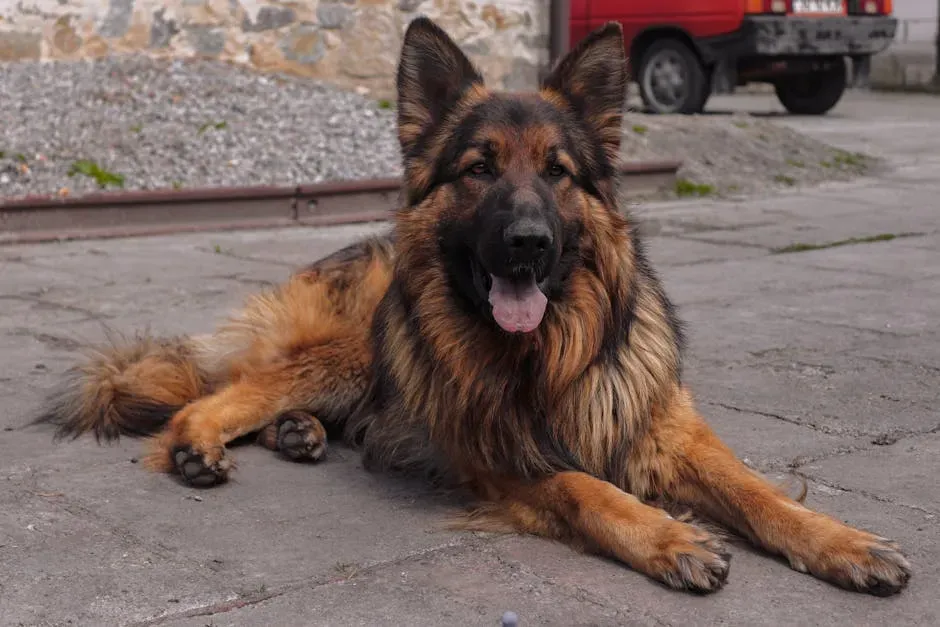
Most people picture the German Shepherd as a stoic, confident working dog. Honestly, that’s only half the story. Despite their size, German Shepherds crave love and attention from their owners. This lovely dog breed is super loyal, and this is one reason why they always like to be near their owners. The German Shepherd is surprisingly clingy, and in modern society can develop severe separation anxiety if not properly trained and socialized.
They are also surprisingly sensitive and form deep, exclusive bonds with their families. They thrive on routine and consistency. Sudden shifts in their owner’s presence can lead to pacing, door-scratching, and other anxious behaviors. A German Shepherd without enough mental engagement is essentially a bored genius, which is about as dangerous as it sounds. Puzzle feeders, scent work, and obedience training are your best friends here. Treat their mind like a muscle that needs daily exercise.
5. Australian Shepherd: The Herding Dog That Herds You Too
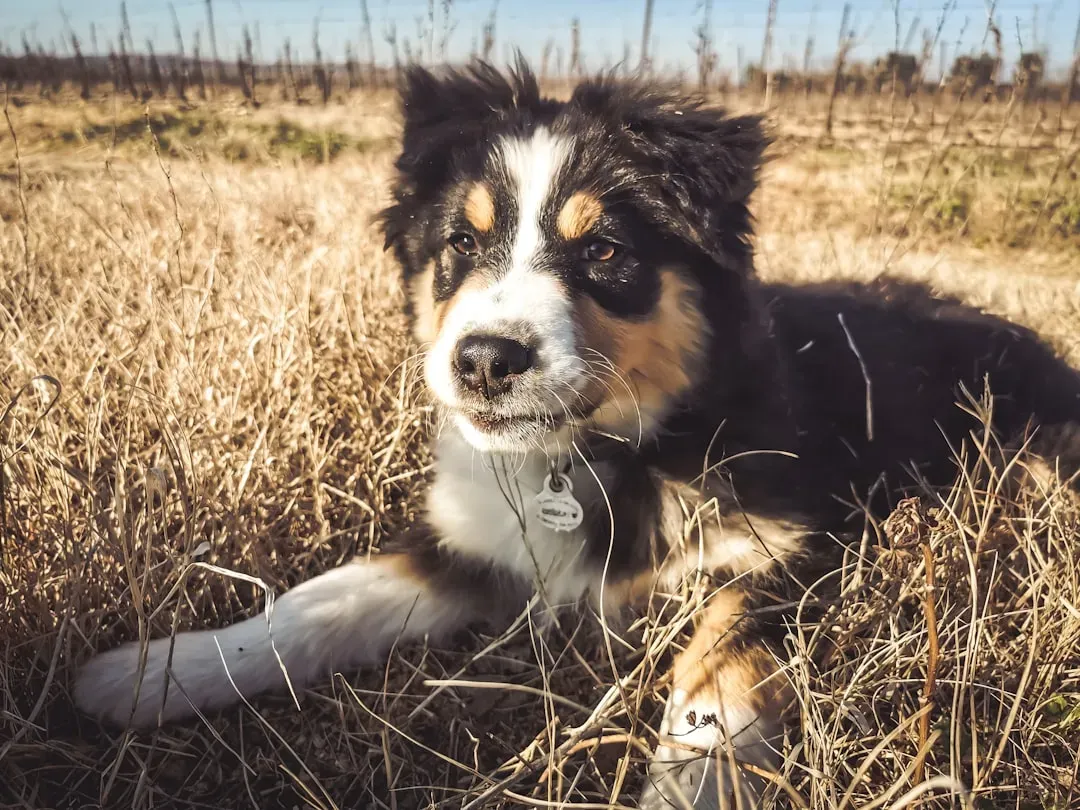
Australian Shepherds are not just skilled working dogs but also intensely loyal companions. They form deep bonds with their owners and can be quite clingy, always wanting to be involved in activities. Aussies are energetic and thrive on having a job to do, whether it’s participating in dog sports, performing tricks, or simply being by their owner’s side. Left without direction, they’ll invent their own, and it usually involves reorganizing your household against your wishes.
Similar to other herding breeds, Aussies are designed for constant activity and companionship. They are highly sensitive to their surroundings and, as a result, they often overreact. They will typically have a negative response to any break in their daily routine with their owners. Australian Shepherd is a working breed with big needs. Understimulation can turn into destruction. If you have an Aussie, treat your daily schedule like a sacred contract. They’re counting on it.
6. Cavalier King Charles Spaniel: The Royal Lapdog with a Fragile Heart
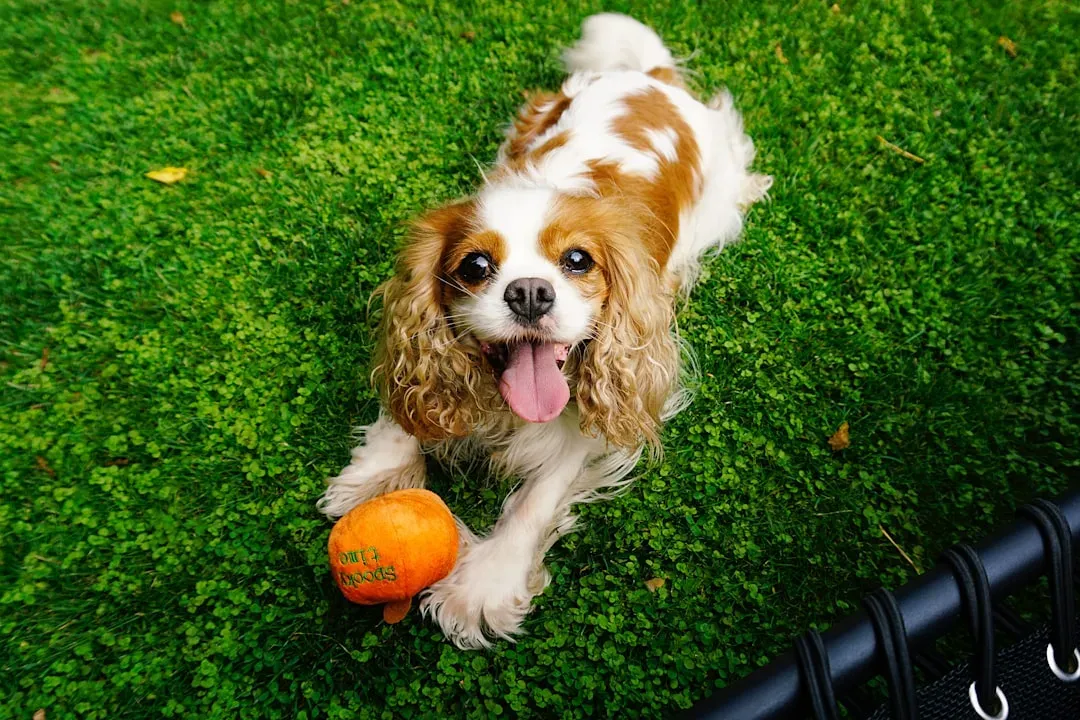
Originally bred as lap dogs for royalty, Cavaliers are cuddle experts. If you own one, expect to share your lap, often. The Cavalier King Charles Spaniel is a superb lap dog. Their smaller size, kind demeanor, and constant desire to snuggle with pretty much anyone who will snuggle back makes them total lovers, though needy. These playful babies with big, beautiful eyes adore having fun and crave constant human affection and are totally devoted to their owners.
Cavalier King Charles Spaniels often face anxiety and stress-related behaviors when left alone. Separation anxiety in Cavaliers manifests as panic, whining, and clinginess when alone. Symptoms include distress even during brief absences. Preventing separation anxiety in Cavalier King Charles Spaniels is much more effective than tackling it after it has already developed because early intervention can stop the behavior from becoming deeply ingrained. Once separation anxiety forms, it can become a persistent issue that is difficult to resolve, requiring long-term management and behavior modification. If you’re away from home for long stretches regularly, this breed may not be the right fit for your lifestyle, and that’s genuinely important to know before you adopt.
7. Bichon Frise: Small Dog, Enormous Emotional Needs
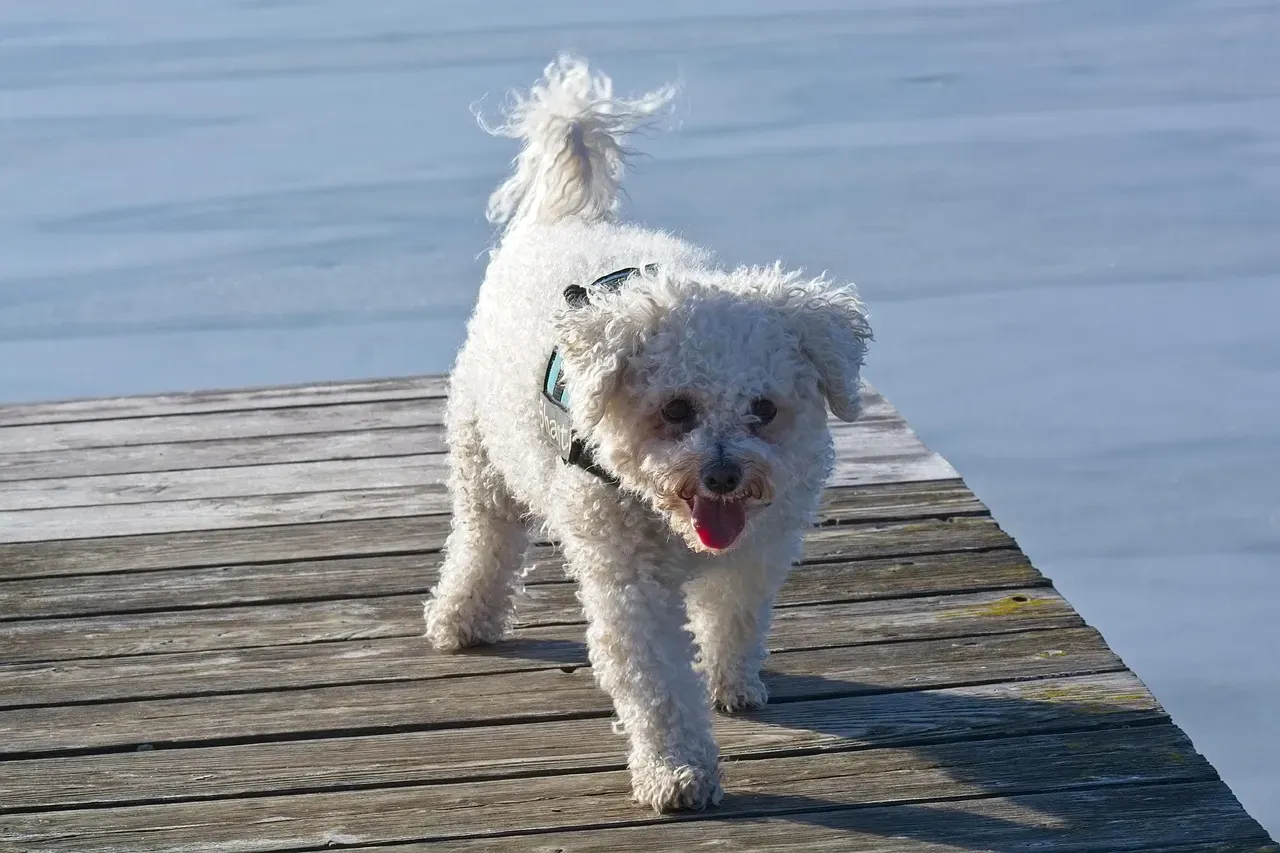
The Bichon Frise was bred almost exclusively to be a companion. And it does its job quite well. When brought into a family, they often become attached to one specific person. They are highly prone to depression and stress-induced vocalization. Because of their sensitive and affectionate nature, Bichons can feel emotionally low when left alone for too long. They may vocalize or seek attention, not to be difficult, but because they genuinely miss their people.
Bichon Frise loves constant company. They may cry or have accidents indoors when left alone for extended periods, which is a real behavioral red flag worth taking seriously. Think of the Bichon like a person who gets genuinely lonely without company. Their emotional sensitivity is not a quirk to manage around; it’s a fundamental need. Regular social interaction, even a doggy daycare visit once or twice a week, can make an enormous difference to their wellbeing.
8. Border Collie: The Genius That Demands Your Full Attention
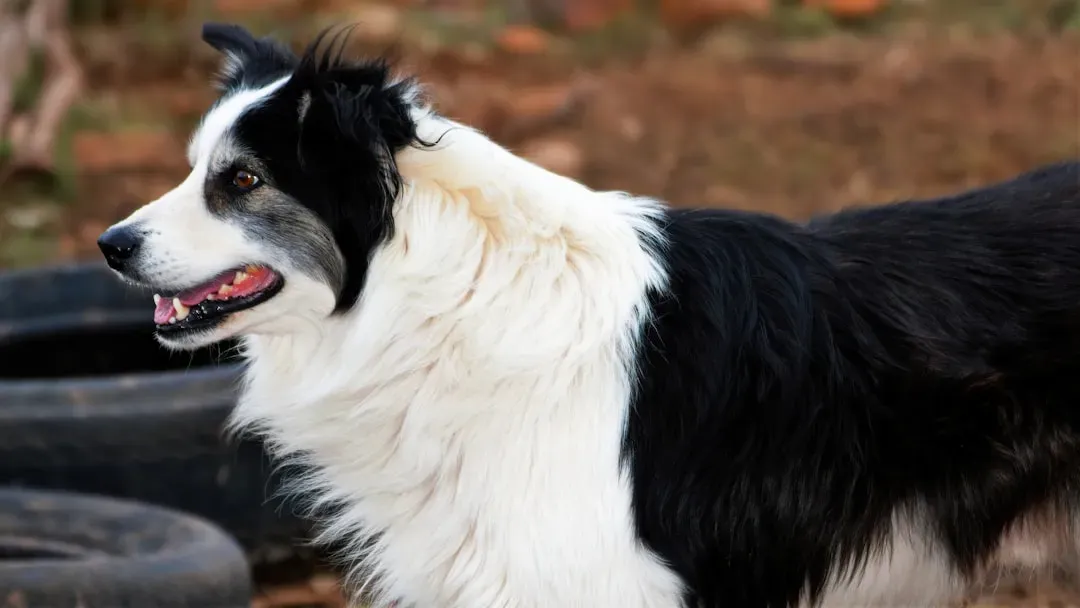
Border Collies are uncommonly smart dogs who crave stimulation and companionship. Border Collies also need a lot of attention and need to participate in many activities. Border Collies, renowned for their intelligence and work ethic, are also among the clingiest breeds. Originally bred for herding, they have a built-in desire to stay close to their flock, which in a domestic setting, translates to their human family. Border Collies thrive on attention and activity, often becoming shadowy figures to their owners.
Border Collie is always “on.” Without mental work, pacing and chewing can start. Imagine hiring the smartest employee in the world and then giving them absolutely nothing to do all day. That’s a Border Collie on a lazy Sunday. They need structured learning, agility work, puzzle games, and meaningful social time. Without it, their brilliance turns into anxiety, and anxiety becomes your problem too. These dogs are deeply rewarding, but they ask a lot in return.
9. Maltese: The Ancient Lap Dog Who Still Expects Royal Treatment
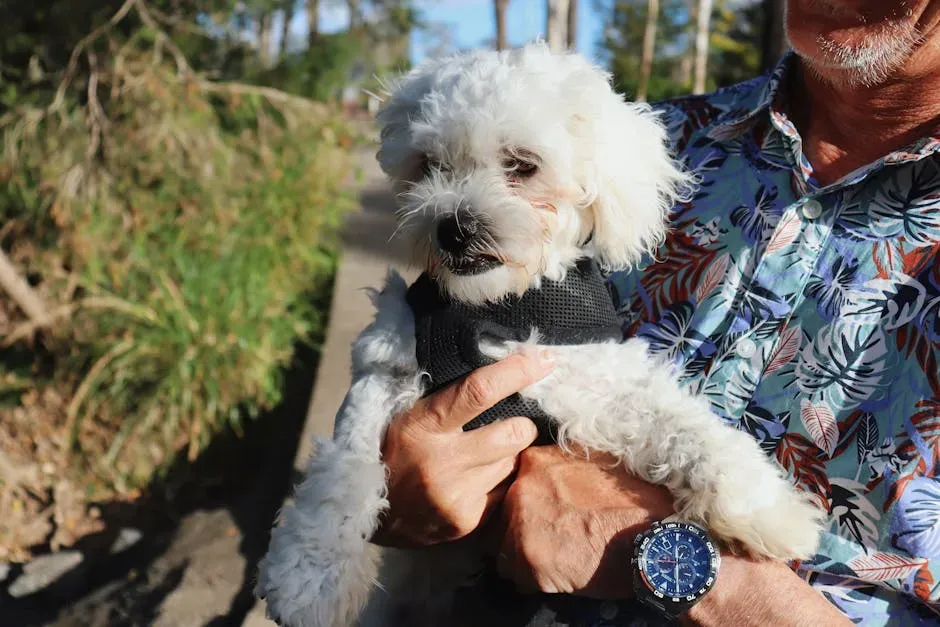
Maltese dogs are compact and clean dogs. These sensitive and playful pups prefer to spend their days at the foot of their owner, looking for attention. Maltese pups are fans of sitting on laps, no matter who it is. They also love to socialize and make new friends. During the time of the Roman Empire, aristocratic women would bring Maltese dogs along with them, making them a symbol of loyalty. So yes, these tiny dogs have been demanding top-tier attention for centuries.
The Maltese is a breed that combines elegance with a profound desire for companionship. Despite their aristocratic appearance, Maltese dogs thrive on affection and are happiest when snuggled up beside their owner. Some breeds, like companion breeds such as the Maltese or Cavalier King Charles Spaniel, are naturally more prone to seeking close human contact. Keep sessions of interactive play and lap time consistent and watch this tiny dog absolutely flourish.
10. Pug: The Comedian Who Needs an Audience
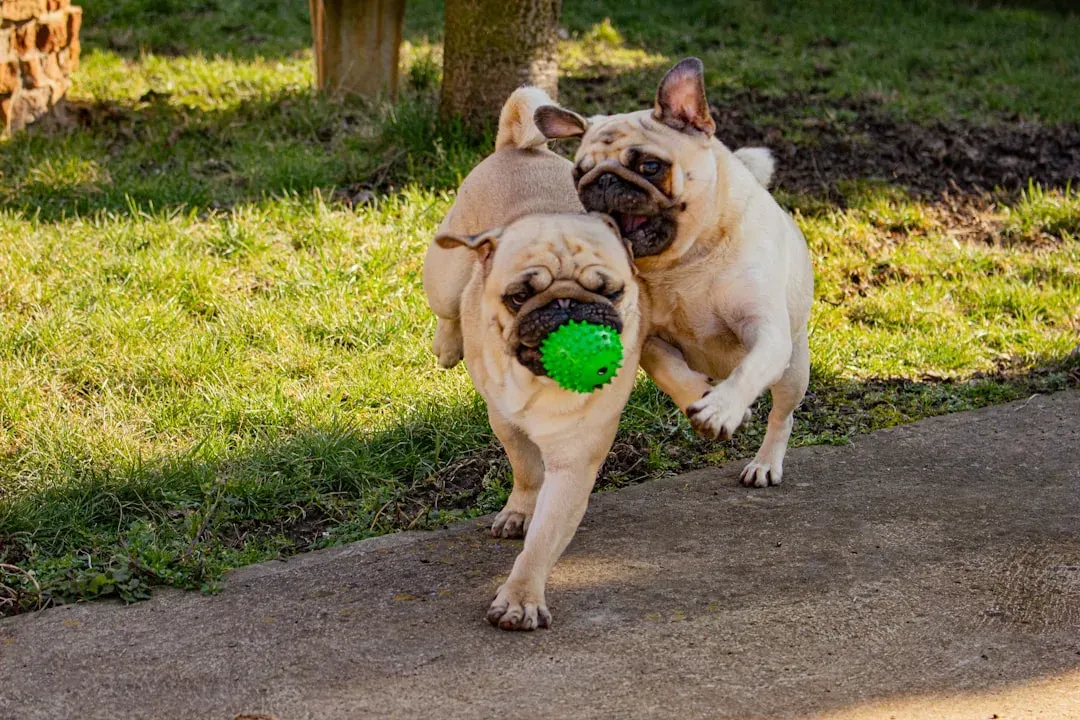
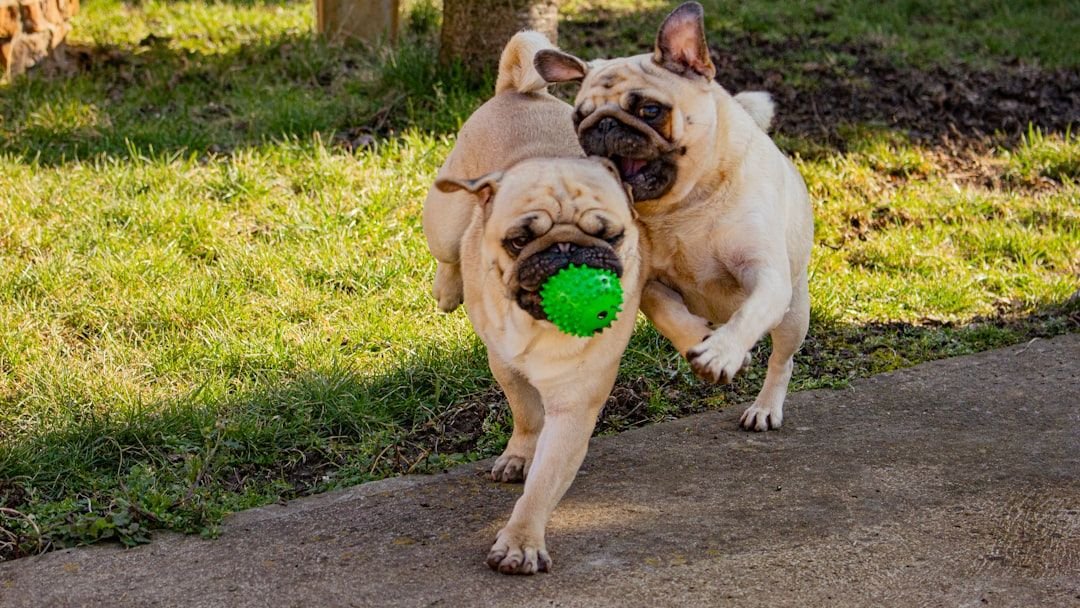
Pugs adore being adored, and they make it very clear when they are not the center of attention. They may whine, snort, or climb into your lap mid-conversation just to remind you who matters most. Their jealousy is rarely serious and often more like comic relief that fills the room with laughter. Living with a pug is, honestly, never boring. They are performers at heart and the smallest things entertain them as long as you’re watching.
That flat-faced, overly expressive, wrinkly bug-eyed Pug is a super-clingy yet totally adorable dog. Despite their self-confident approach to life, they are extremely needy. They are also very eager to please their owners in order to secure the attention they crave. Pugs are brachycephalic, meaning their short snouts can cause breathing challenges, so it’s important to monitor them during play and avoid overheating. Keep exercise gentle, keep your presence steady, and you’ll have one deeply content little clown on your hands.
11. Chihuahua: Tiny Body, Enormous Loyalty, Zero Concept of Personal Space
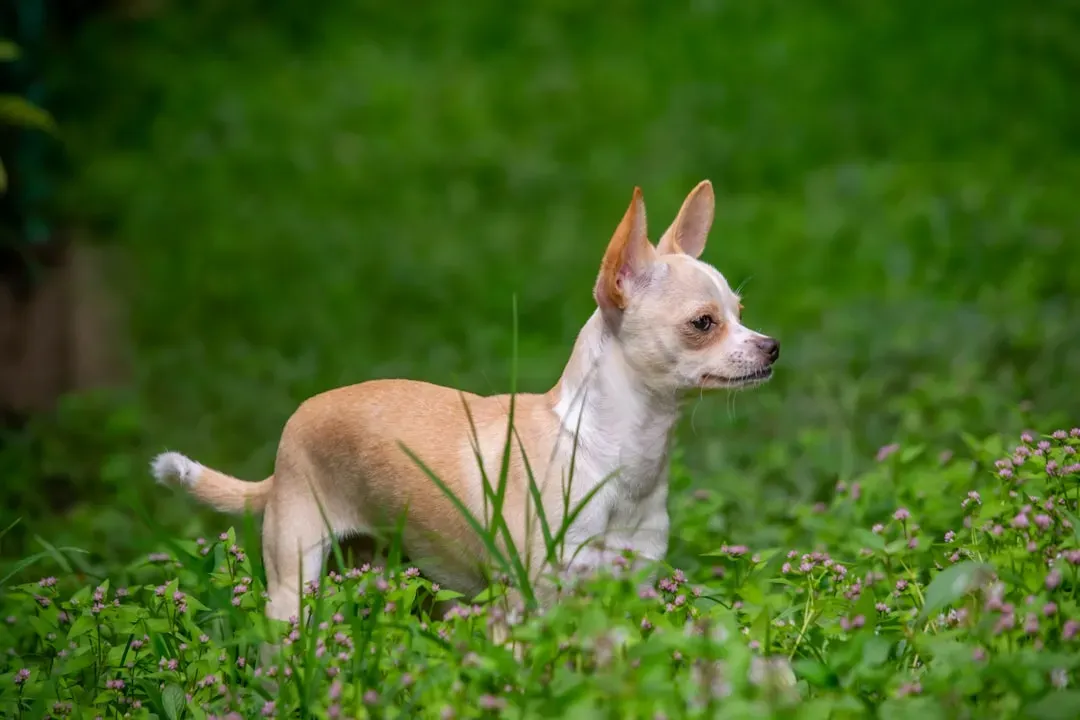
Chihuahuas may be small in size, but their capacity for attachment is enormous. Known for their loyalty and affection towards their owners, Chihuahuas can be particularly clingy, often demanding attention and preferring to be carried or held. They are alert and possessive, viewing their humans as their sole property. It’s hilarious and touching in equal measure until they growl at your houseguest for sitting too close to you.
The Chihuahua is the smallest dog in the world; yet ironically, their owners say they have the biggest personalities. This tiny companion is fiercely loyal to its owner and expects to be included in all family activities. They can be jealous too. If you have a Chihuahua, you know they are devoted to their owners so much that they can be nippy to strangers or other animals vying for your attention. Early socialization and consistent boundaries from puppyhood are the two most powerful prevention tools you have with this breed. Don’t skip them.
12. Cocker Spaniel: Soft Eyes, Soft Heart, Very High Emotional Needs

Cocker Spaniels are affectionate and sensitive, which makes them especially prone to jealousy. They crave constant connection and may whine or paw for attention when affection is directed elsewhere. Their expressive eyes can deliver a guilt trip that rivals a Shakespearean performance. Their jealousy stems from deep devotion and a strong emotional need to be loved as much as they love you, completely and continuously.
Cocker Spaniels tend to be loyal and loving. Their overall temperament makes them prone to separation anxiety. Because they are naturally such a friendly, rewarding dog in response to people’s attention, Cocker Spaniels seem to feel aggrieved when they don’t get enough of it. Make routine check-ins part of your daily life with a Cocker Spaniel. A quick session of gentle grooming or a calm walk together does more for their emotional health than you might expect. Their grooming needs can also become a beautiful bonding ritual if approached with patience.
13. Chow Chow: The Independent Thinker Who Owns Its Own Schedule
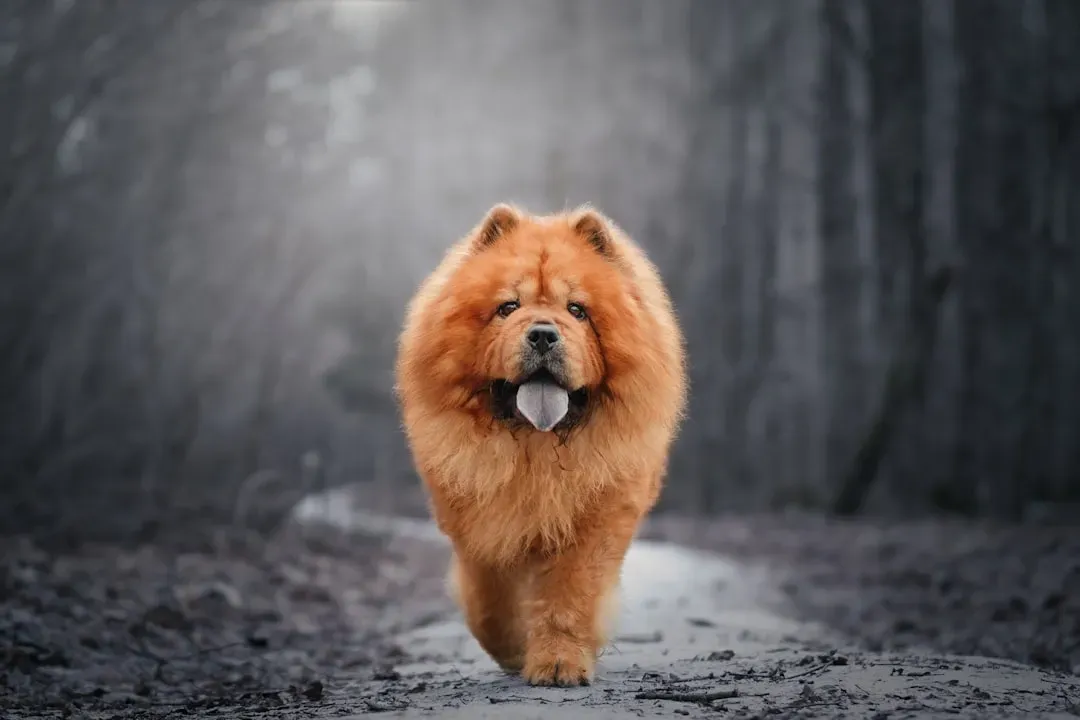
Now, let’s talk about the other side of the spectrum. Not every dog is waiting by the door counting the minutes. Historically, the Chow Chow worked as a guardian and hunter in ancient China. This working heritage, combined with the dogs’ calm disposition, makes the Chow Chow one of the most independent dog breeds. Though independent, Chow Chows are loyal to their family and typically bond deeply to one person.
Chow Chows are loyal to their families but do not demand constant attention. They may act reserved or distant, especially around strangers. This makes them a good fit for people who want a more self-reliant pet. You may notice your Chow Chow is not always eager to please. They have a dignified personality and enjoy doing things their own way. Early socialization matters greatly with this breed. Their reserved nature can tip into aloofness or territorial behavior if they don’t learn to read social situations from a young age.
14. Shiba Inu: The Cat-Like Dog That Respects Mutual Boundaries
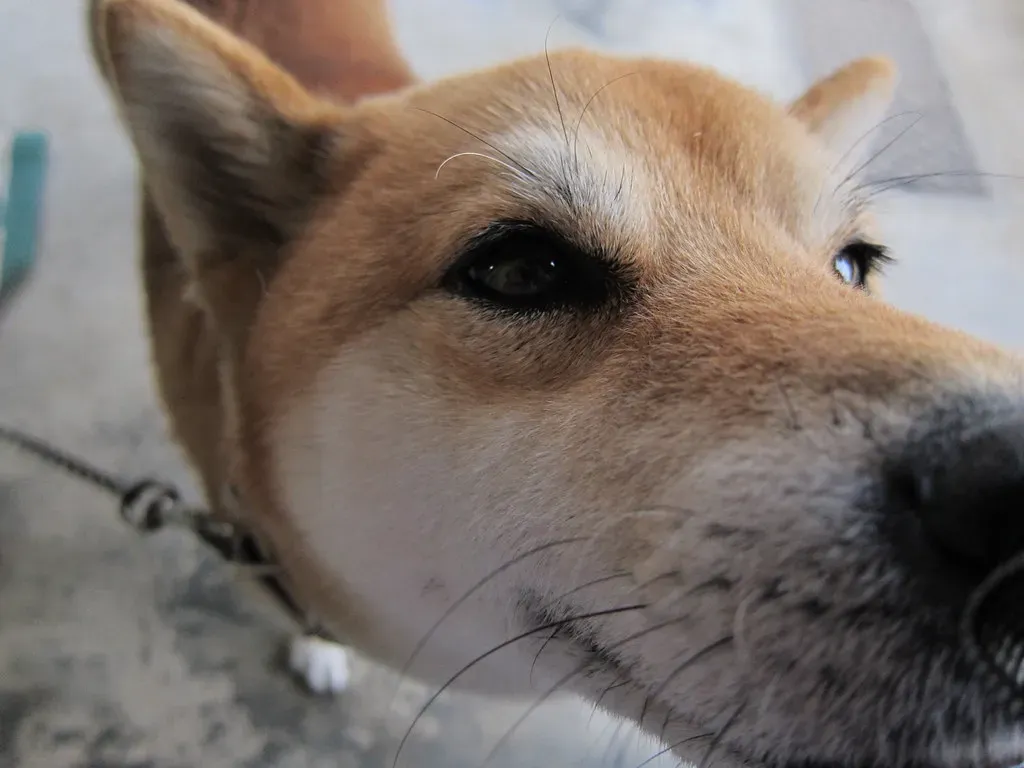
The Shiba Inu is basically the cat of the dog world. These little fox-like dogs are confident, clever, and extremely independent. They’re not known for being overly cuddly or obedient, but they are incredibly loyal. A Shiba might not climb into your lap, but they’ll follow you around the house at a respectful distance, keeping an eye on things. Their love is quiet, proud, and deeply rooted. They just don’t feel the need to prove it every five minutes.
The Shiba Inu is an intelligent and strong-willed dog with an almost cat-like personality. They’re independent dogs and enjoy their own space, but they’re also high-energy and need outlets for their physical and mental energy, or else they can become anxious and overly vocal. Think of the Shiba like that quiet, observant friend who never posts on social media but notices absolutely everything. They are deeply aware of you, just on their own terms. Respect that and you’ll have a fiercely loyal companion for life.
15. Akita: The Dignified Guardian Who Loves on Their Own Terms
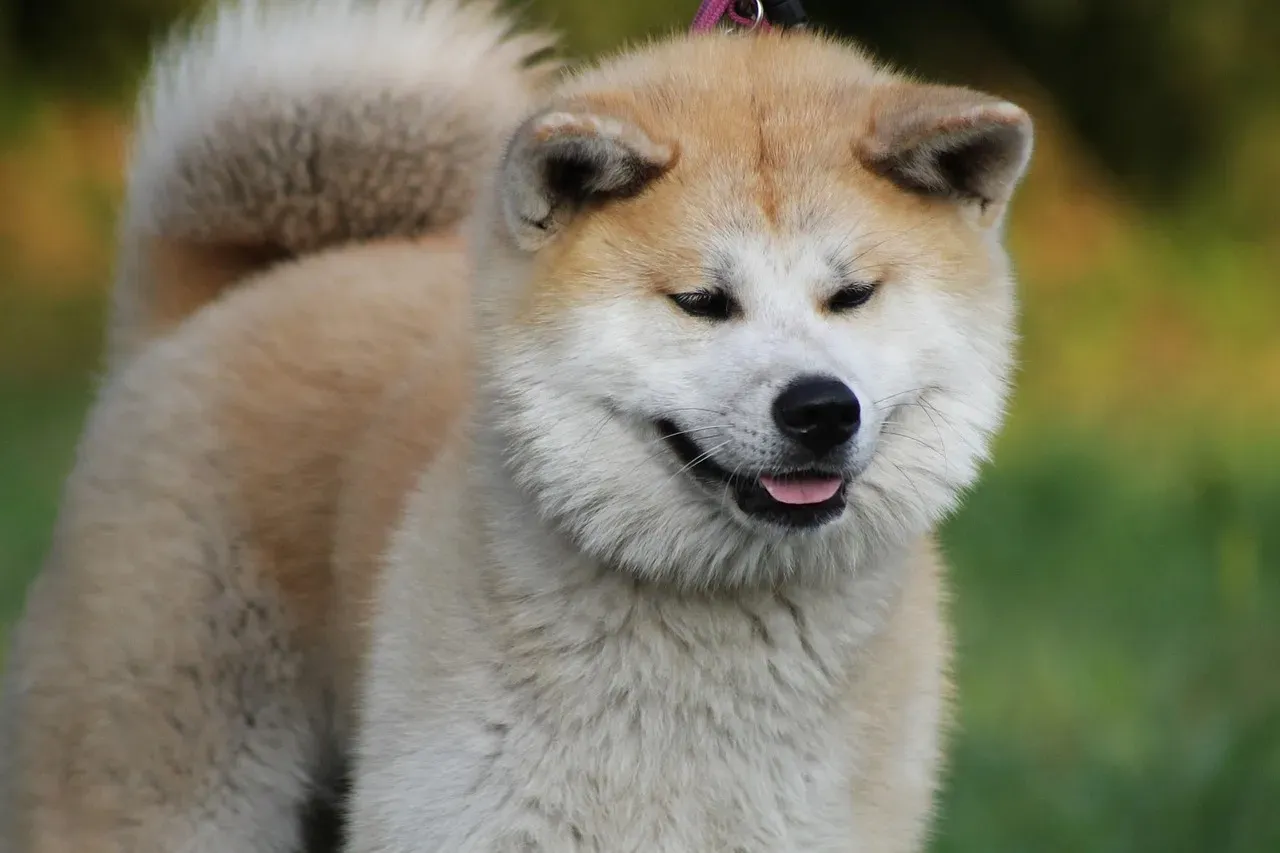
Akitas are strong, dignified dogs with a deep sense of independence. They are naturally protective and tend to be reserved, especially with strangers. This breed forms deep bonds but does not rely on constant attention. Their calm confidence and self-assurance make them excellent companions for experienced owners who understand their need for space and respect.
The Akita is a large and powerful breed known for its loyalty and independence. Originally bred in Japan for hunting and guarding, Akitas are incredibly self-sufficient. Akitas thrive on routine and structure but are content to spend time alone when their humans are busy. Their independent mindset means they don’t constantly seek attention, allowing them to be dignified companions who are satisfied with their own company. This is a breed for experienced dog owners who understand the language of calm leadership. Give them that structure, and they will give you unwavering loyalty.
16. Basset Hound: The Laid-Back Soul Who Naps Through Your Drama
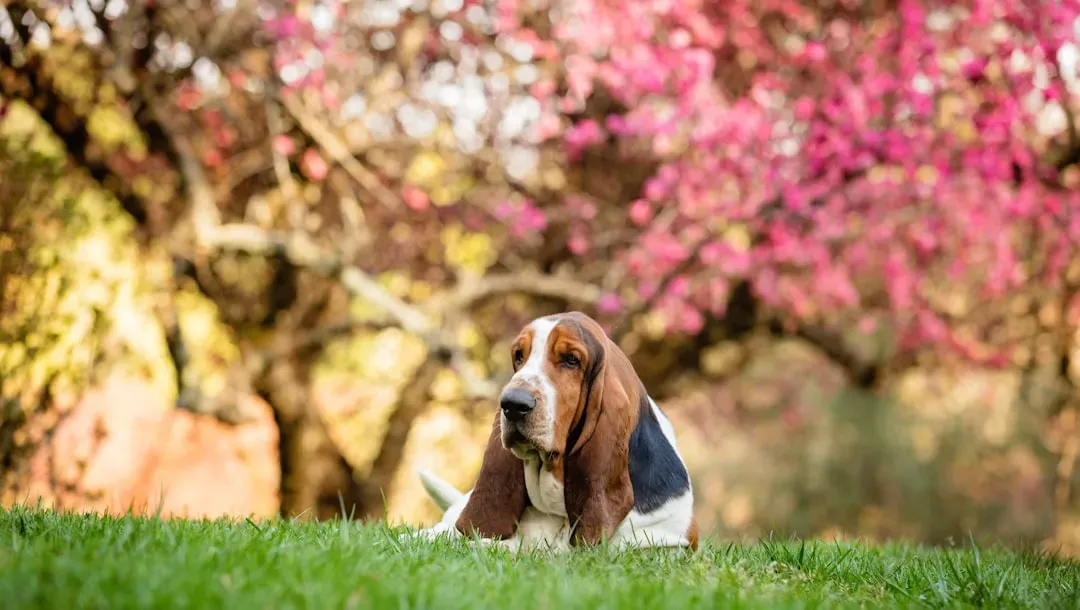
The Basset Hound is considered to be a low-energy dog breed thanks to their calm, easygoing personality that borders on being lazy. As a result, most Basset Hounds are independent dogs that don’t mind some solo time, which they’ll likely choose to spend napping. Unlike many other breeds that require constant mental stimulation, Basset Hounds are perfectly fine just hanging out on their own. Their calm demeanor means they don’t need a lot of attention to stay happy, making them ideal for people who have busy lifestyles.
One thing to keep in mind is that Basset Hounds are a bit stubborn when it comes to training. They’re independent thinkers, and they won’t be rushed into doing something they don’t want to do. With some patience and consistent training, they’re more than capable of learning what you need them to. Basset Hounds’ noses are second only to the Bloodhound in terms of scent detection. Their long ears help funnel scents straight to their nose, making them one of the best scent trackers in the dog world. Channel that nose into scent-based enrichment games and you’ll have one very fulfilled Basset on your couch.
17. Greyhound: The Fast Dog Who Loves Doing Absolutely Nothing

Despite their reputation as racing dogs, Greyhounds are surprisingly independent and low-maintenance in a home environment. Known for their speed and agility, they were originally bred for hunting. However, their calm demeanor makes them excellent couch companions. Greyhounds enjoy a good sprint but are also content to lounge around for most of the day. This is one of those breeds that genuinely surprises people. The fastest dog in the world, and all it wants to do after a short sprint is find a warm blanket.
Greyhounds might be famous for their lightning-fast sprints, but they are also low-key and low-maintenance. They are gentle, affectionate on their own schedule, and remarkably adaptable to apartment living as long as they get a daily burst of exercise. If you’re adopting a retired racing Greyhound, give them extra time to decompress and trust you. Many have never lived in a home before. The reward for that patience is one of the most graceful, soulful dogs you’ll ever share a couch with.
18. Siberian Husky: The Free Spirit Who Marches to Their Own Beat
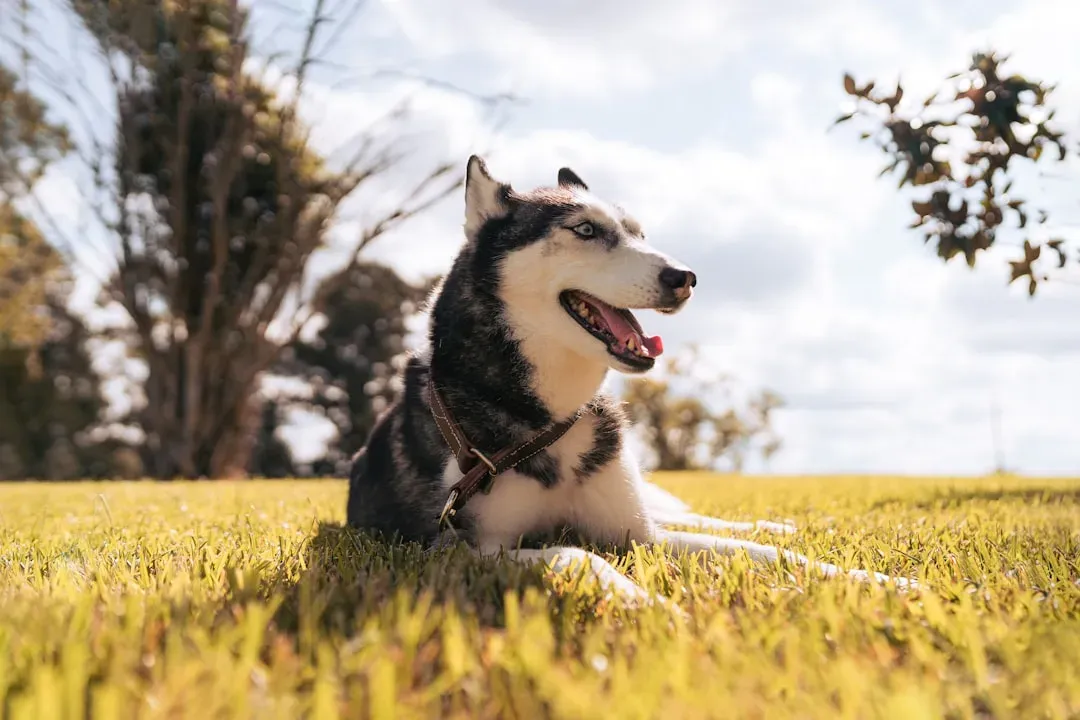
Siberian Huskies are known for their adventurous spirit and independent mindset. They are intelligent but not always obedient, often choosing their own path if given the opportunity. Siberian Huskies are known for their striking appearance and adventurous spirit. Originally bred for sledding, they are strong and independent dogs that thrive in outdoor settings. Huskies are intelligent and have a high energy level, which allows them to entertain themselves.
Built for endurance and harsh conditions, the Alaskan Malamute is an independent working dog that was bred to pull sleds across icy landscapes. These dogs are strong-willed and confident, often enjoying a bit of alone time outdoors. But make no mistake, they love their families fiercely. Malamutes often express their affection through playful antics, body language, and a powerful presence rather than clingy behavior. The Husky is similar: affectionate and spirited, but wired for independence. A fenced yard, consistent training, and daily vigorous exercise are non-negotiable. Miss those basics, and this dog will remind you, loudly.
Conclusion: Know Your Dog, Know Your Bond
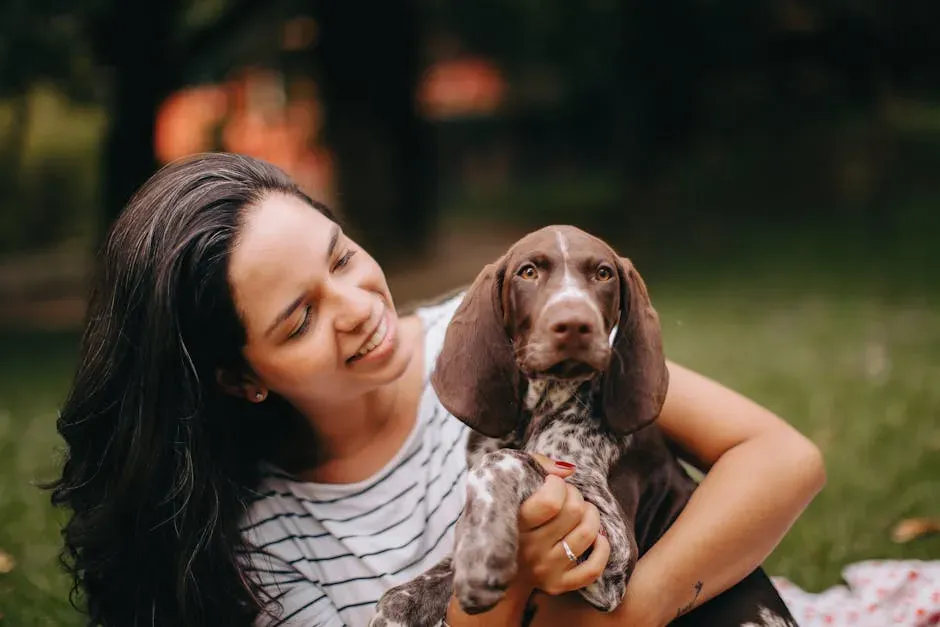
Some dogs immensely enjoy the company of their humans, but some others are genetically predisposed to crave constant interaction. They struggle a bit when they are left alone. These breeds, often referred to as “Velcro dogs,” may develop separation anxiety. Understanding this is not about labeling your dog as needy or difficult. It’s about seeing them clearly and meeting them where they are.
Independent dog breeds still need daily care, attention, and affection, and they shouldn’t be left alone for long periods. Remember that every dog is an individual with their own unique personality. Whether your dog follows you into every room or barely notices when you leave, your responsibility as their person remains the same: show up consistently, read their signals honestly, and care for them with intention.
Honestly, the most powerful thing any dog owner can do is simply pay attention. The clingy ones are asking for help out loud. The independent ones are asking more quietly. Either way, they’re asking. So the real question isn’t whether your dog needs you. It’s whether you’re truly listening. What does your dog’s behavior tell you about what they need right now?


