
12 Everyday Habits That Strengthen Your Dog’s Trust in You
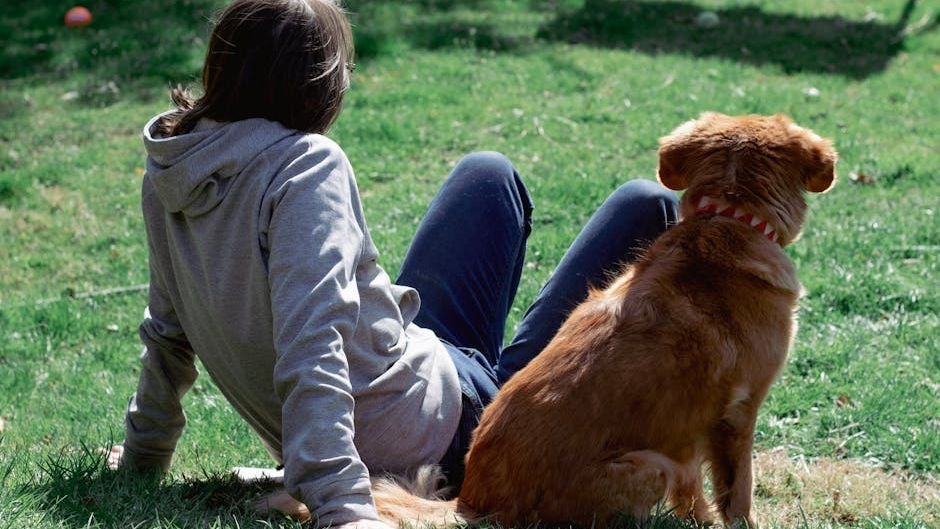
Think about the last time your dog looked up at you mid-walk, caught your eye, and just… held your gaze for a moment. That small, quiet exchange says more than most people realize. It is not just affection. It is trust. And trust, for dogs, is everything.
Dogs are wired for connection. They read us constantly, picking up on our moods, movements, and patterns with a level of emotional intelligence that honestly puts some humans to shame. The thing is, most dog owners want a deeper bond but are not always sure where to begin. The good news? You are probably already doing some of this without knowing it.
The habits that build trust are not dramatic or expensive. They do not require a professional trainer or a strict boot-camp schedule. They live in the little moments, the way you greet your dog in the morning, how you respond when they seem nervous, whether you actually put your phone down when you pet them. Let’s dive into the 12 everyday habits that make your dog feel genuinely safe, seen, and bonded to you.
1. Keep a Consistent Daily Routine
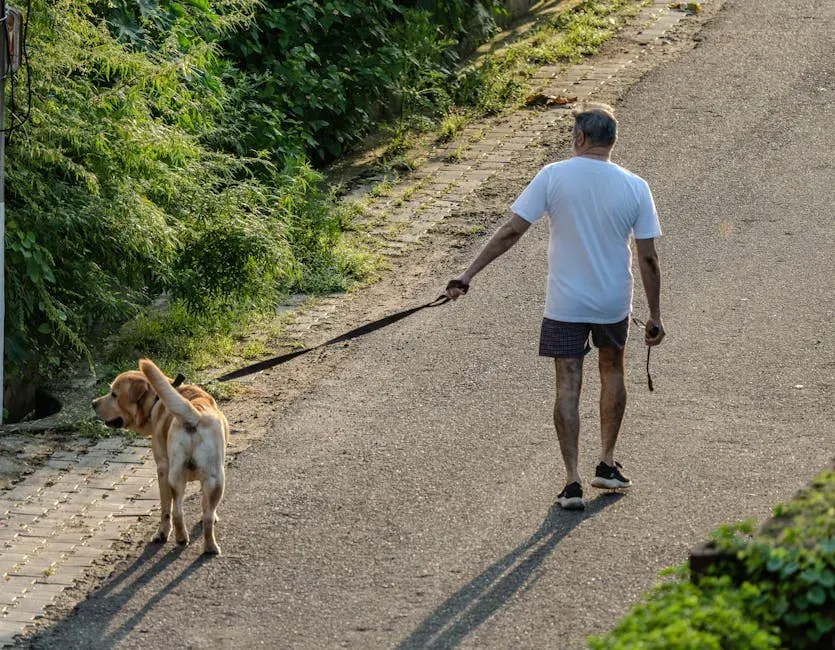
Dogs thrive on routine. Predictable mealtimes, walks, play, and rest help your dog feel safe and secure, especially if they are new to your home. Think of it this way: if someone moved you to a new country with a different language and no schedule, you would feel anxious too. A routine is your dog’s emotional anchor.
Dogs feel secure when they know what to expect, and regular feeding times, walks, and bedtime rhythms help your dog relax and trust you. Over time, that predictability does not just reduce stress. It tells your dog that you are reliable, and reliability is the very foundation of trust. A consistent schedule also reduces anxiety and can make it easier to train your dog, including potty training. Start there if you are not sure where to begin.
2. Use Positive Reinforcement, Not Punishment
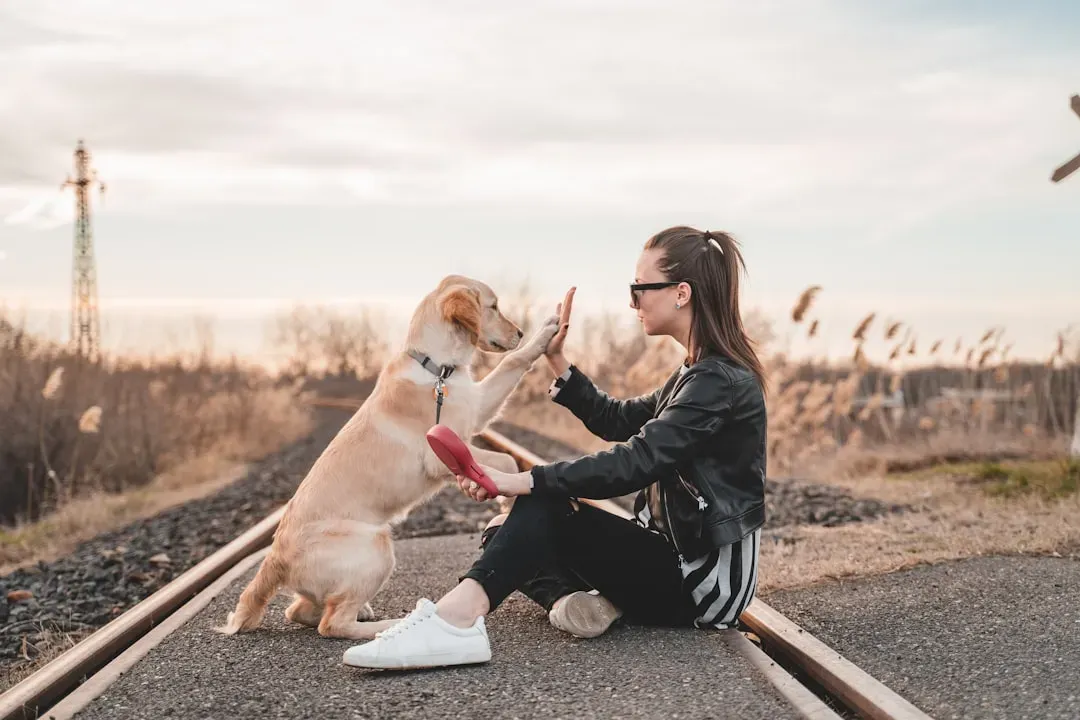
Training your dog using positive reinforcement is not only effective, but it is also a relationship builder. Rewarding good behavior with treats, praise, or playtime reinforces your bond and creates a safe space for learning. It is a simple concept with a profound impact. Rewards communicate that good things happen when your dog listens to you.
Avoid punishment-based methods, which can damage trust and create confusion or fear. This is not just opinion. Positive reinforcement strengthens the bond because your dog learns through trust and reward rather than fear, building confidence, cooperation, and a more secure relationship. When your dog makes a mistake, redirect rather than punish. Your patience in those moments matters more than you think.
3. Learn to Read Your Dog’s Body Language
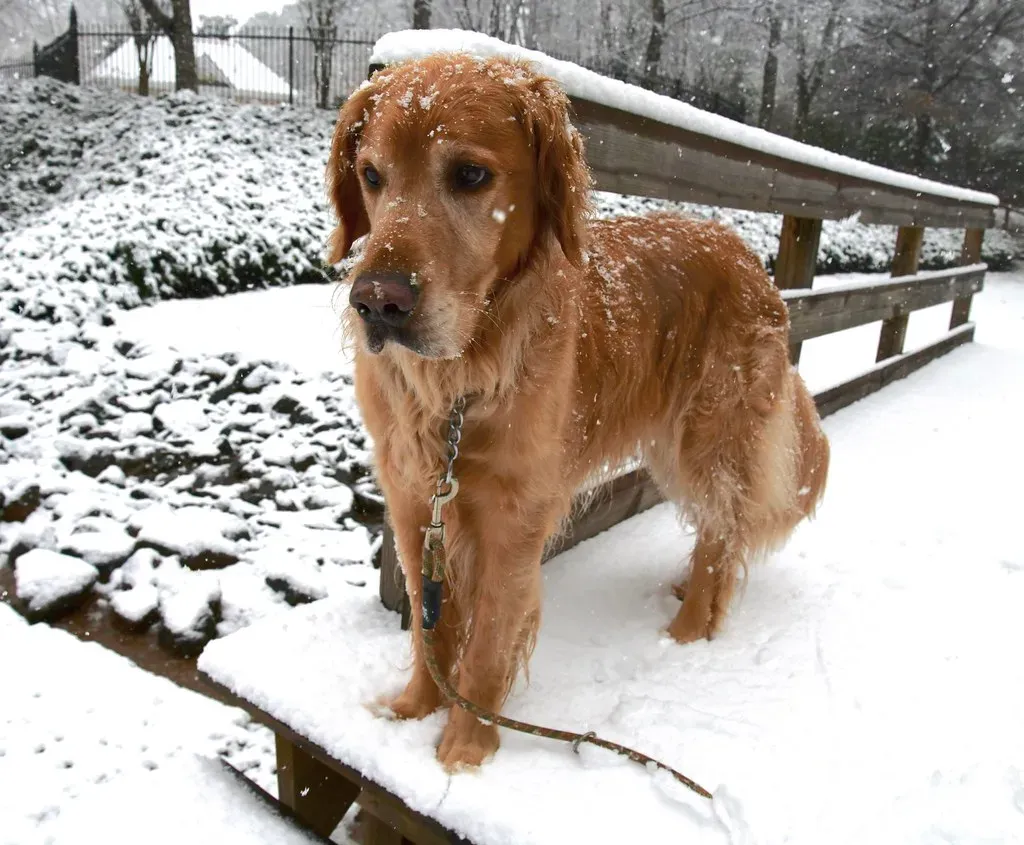
Understanding your dog’s body language is one of the most powerful ways to strengthen your bond. Dogs communicate how they feel through their posture, tail movements, ears, eyes, and overall behavior. Honestly, once you start looking for these signals, you cannot unsee them. It changes the entire relationship.
Dogs tend to repeat behavior that works well for them, so responding to your dog’s behavior and subtle body language is really important. For example, if a dog tries turning their head and blinking to say they are unsure and need space, and you understand and help them, they are more likely to do this next time. Watch for the quiet signals. Signals like yawning, lip licking, or turning away often mean your dog is feeling overwhelmed. Catching those early means fewer meltdowns and a dog who feels genuinely heard.
4. Give Your Dog Your Full Attention During Petting
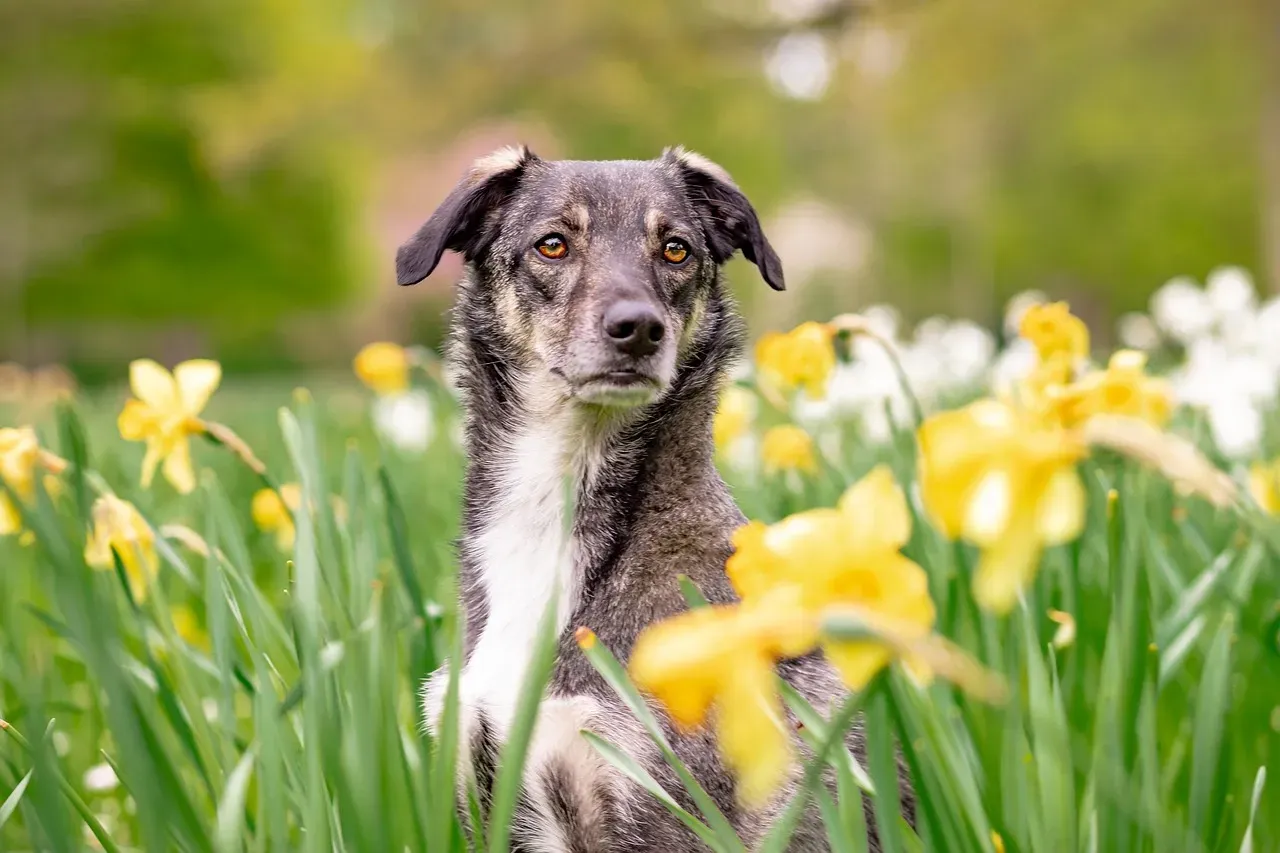
Let’s be real: how often do we pet our dogs while scrolling through our phones, barely looking at them? More often than we would like to admit. When you pet your dog, it is important that they know they have your full attention. A few absentminded head rubs are nice, but they are not going to mean nearly as much as when you are really invested in petting your pooch.
Petting with purpose, while making eye contact and speaking in an affectionate tone, shows your dog they have your full attention and reinforces your bond. Take time to notice what they love most. Some dogs love belly rubs, while others prefer ear scratches or just being near you. Finding their preference is part of the joy of knowing your individual dog.
5. Make Grooming a Positive, Trust-Building Ritual
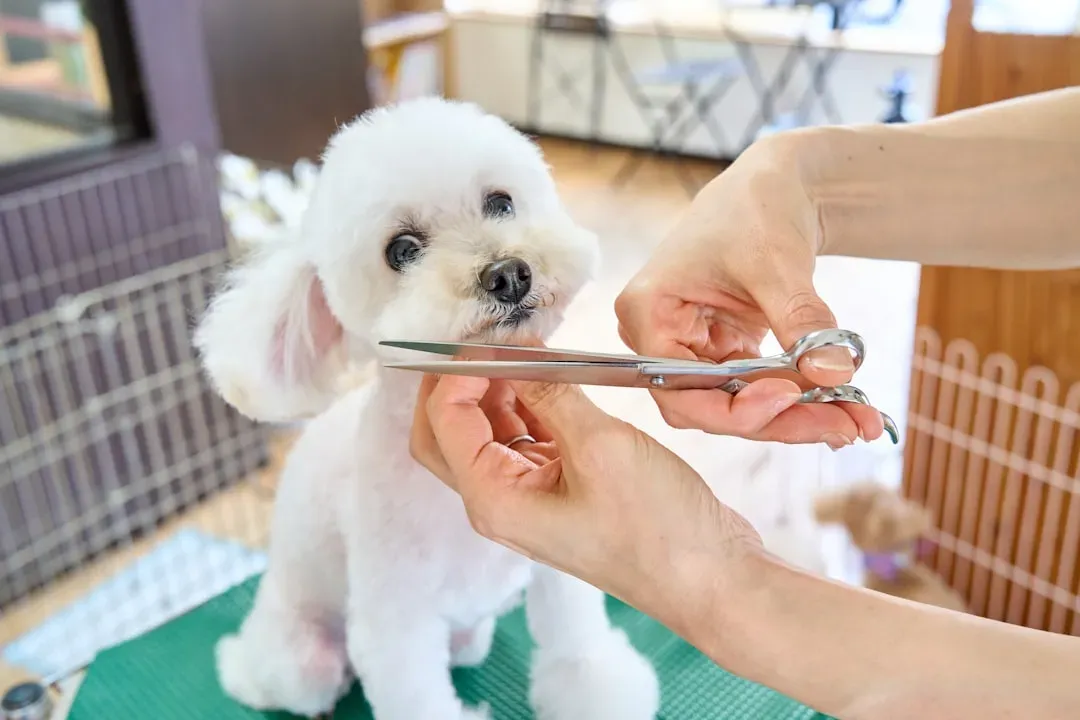
Regular brushing, gentle petting, or massage not only keeps your dog healthy, but it also reinforces your bond. Touch builds trust and comfort, especially when it is paired with positive experiences. Grooming is one of those daily tasks that people rush through without realizing the bonding opportunity sitting right in front of them.
Touch builds connection when it is done respectfully. Regular grooming sessions can become bonding rituals, especially when you move slowly and let your dog set the pace. If your dog is resistant, go even slower. Slow handling, calm touch, and rewarding your dog during brushing or nail care can build trust and make grooming feel safer over time. Think of it less like a chore and more like a conversation. One where you are asking permission with every gentle stroke.
6. Advocate for Your Dog in Stressful Situations
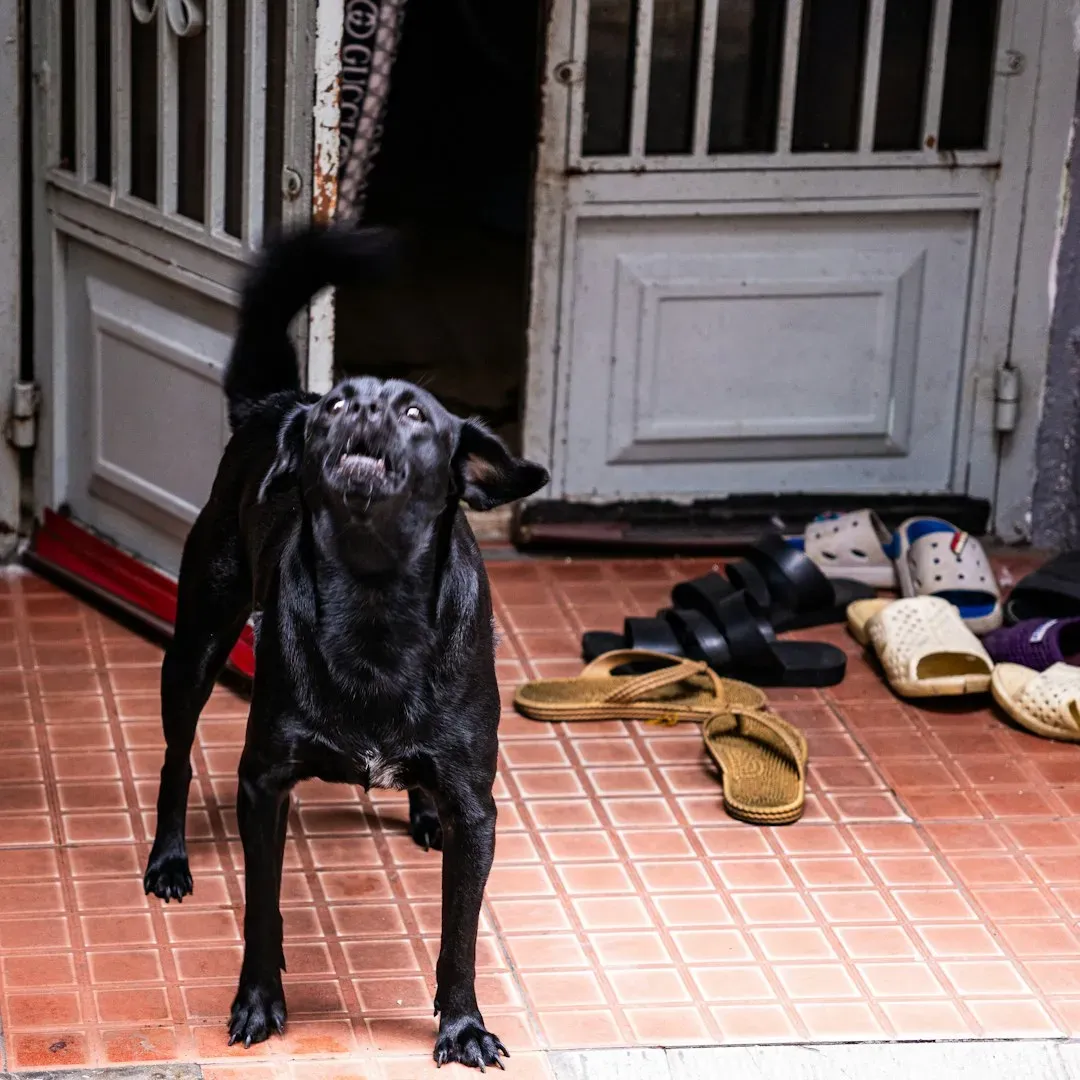
Here is something a lot of dog owners do not do enough: standing up for their dog. Advocate for your dog in new or stressful situations, and do not force them into uncomfortable interactions with people or other animals. Pay attention to what makes your dog uneasy, and step in to protect their emotional and physical wellbeing.
That simple act of stepping in creates a foundation of trust that money just cannot buy. Dogs remember when you had their back. Think about what it means to a dog when a loud stranger rushes toward them and their person does nothing. Now think about what it means when their person steps in front of them and says, quietly but firmly, “Not today.” Your dog does not need to greet every stranger or play with every other dog at the park. What they need is someone who understands their boundaries and respects them.
7. Spend Distraction-Free Quality Time Together
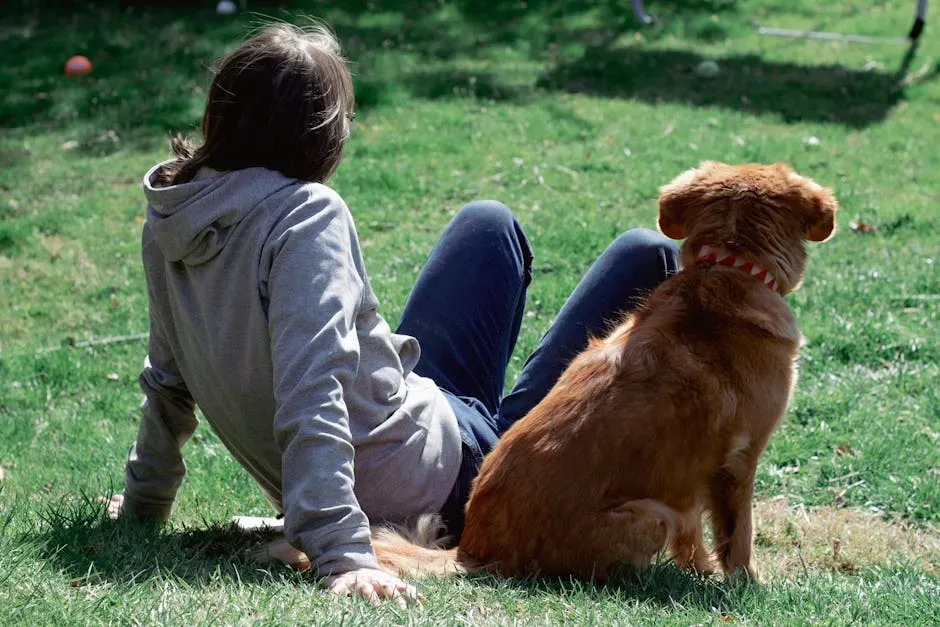
Quality time is not just a human concept. Dogs thrive on attention and routine. Even ten to fifteen minutes of focused time, whether playing, training, or simply relaxing together, strengthens your connection. It does not have to be structured. Sometimes sitting on the floor with your dog, fully present, is worth more than an hour of half-hearted interaction.
Science has shown that dogs synchronize their stress levels with their owners. Sharing quiet moments, whether lounging on the couch or enjoying nature, promotes relaxation and strengthens your emotional bond. So when your dog curls up next to you during a slow Sunday morning, do not brush them off. That closeness is not just sweet. It is scientifically significant. Mornings set the tone for the day, and spending focused attention with your dog helps establish trust and happiness.
8. Use Calm, Consistent Communication
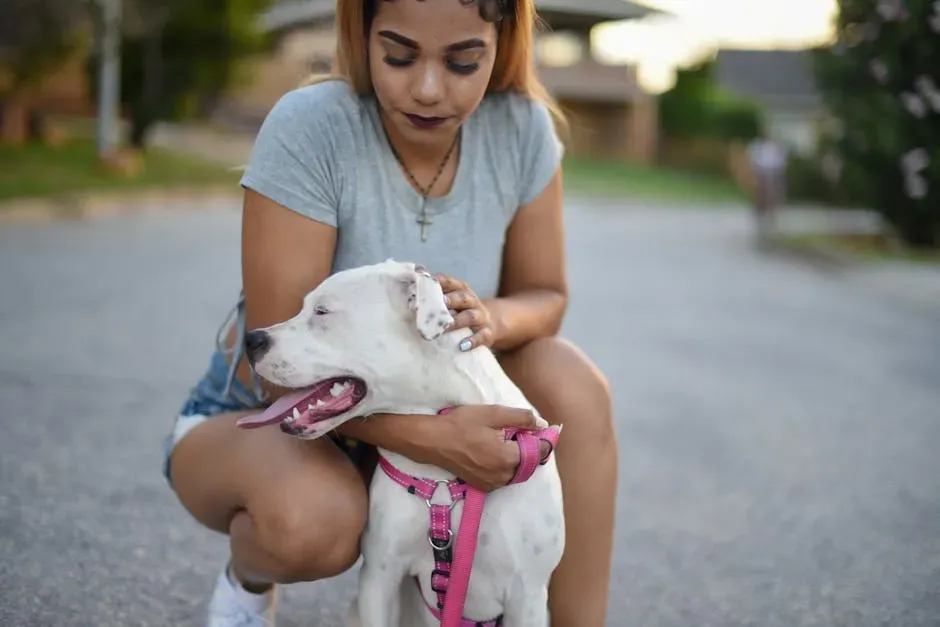
Consistent, positive communication can help strengthen the bond with your dog, including both verbal and non-verbal cues. Whether you are training them to sit or simply going through their daily routine, dogs appreciate knowing what is expected of them. You will notice over time that your best friend will respond better when you communicate clearly and regularly. This consistency helps avoid confusion and builds trust.
Your tone matters just as much as your words, maybe more. Tone does not just go in. It is also felt by dogs. Use it lightly and invitingly to encourage a good response. A calm voice during a chaotic moment at the vet or in a crowded park can be the difference between a dog who panics and one who pauses and looks to you for guidance. That look, that pause, is trust in action.
9. Respect Your Dog’s Personal Space and Boundaries
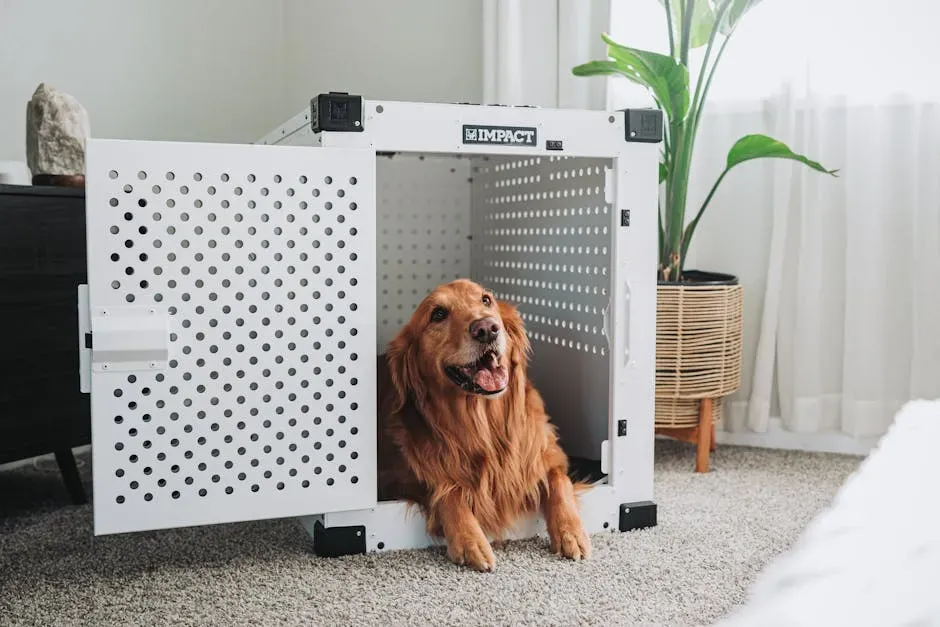
While dogs love spending time with their humans, they also need personal space from time to time. Dogs are den animals, and creating a cozy retreat like a crate or a dog bed allows your dog to have a safe space where they can relax and unwind. Providing your dog with their own space helps them feel more secure and can actually strengthen your bond when they know they have a place to go when they feel overstimulated or tired.
Forcing interactions your dog clearly dislikes breaks trust. If your dog shows discomfort with hugs, forcing them to tolerate hugs teaches them their communication does not matter to you. Respecting their boundaries strengthens trust. It sounds counterintuitive, I know. Giving your dog space feels like distance. In reality, it is one of the deepest forms of respect you can offer.
10. Play Together Every Single Day
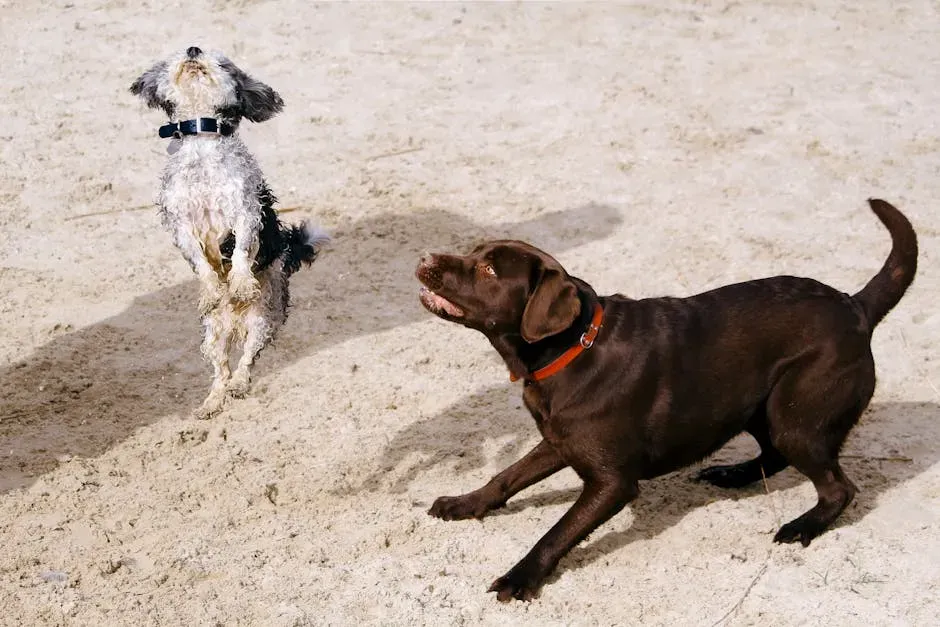
Play is more than entertainment. It is a powerful bonding tool that keeps your dog physically healthy and emotionally connected to you. A game of fetch before dinner, a five-minute tug session in the backyard, or hiding treats around the living room for your dog to sniff out, these moments are not trivial. They are the glue in your relationship.
Interactive games like fetch, tug-of-war, or hide-and-seek are not just fun. They are scientifically proven to build trust and improve your dog’s confidence. Tug-of-war, for example, has been shown to enhance cooperation without increasing aggression when played fairly. The key phrase there is “played fairly.” Let your dog win sometimes. Seriously. Teaching new tricks stimulates your dog mentally and strengthens your bond through shared accomplishment. Even simple tricks like “shake paw” or “spin” can create positive experiences.
11. Make Eye Contact with Love and Intention
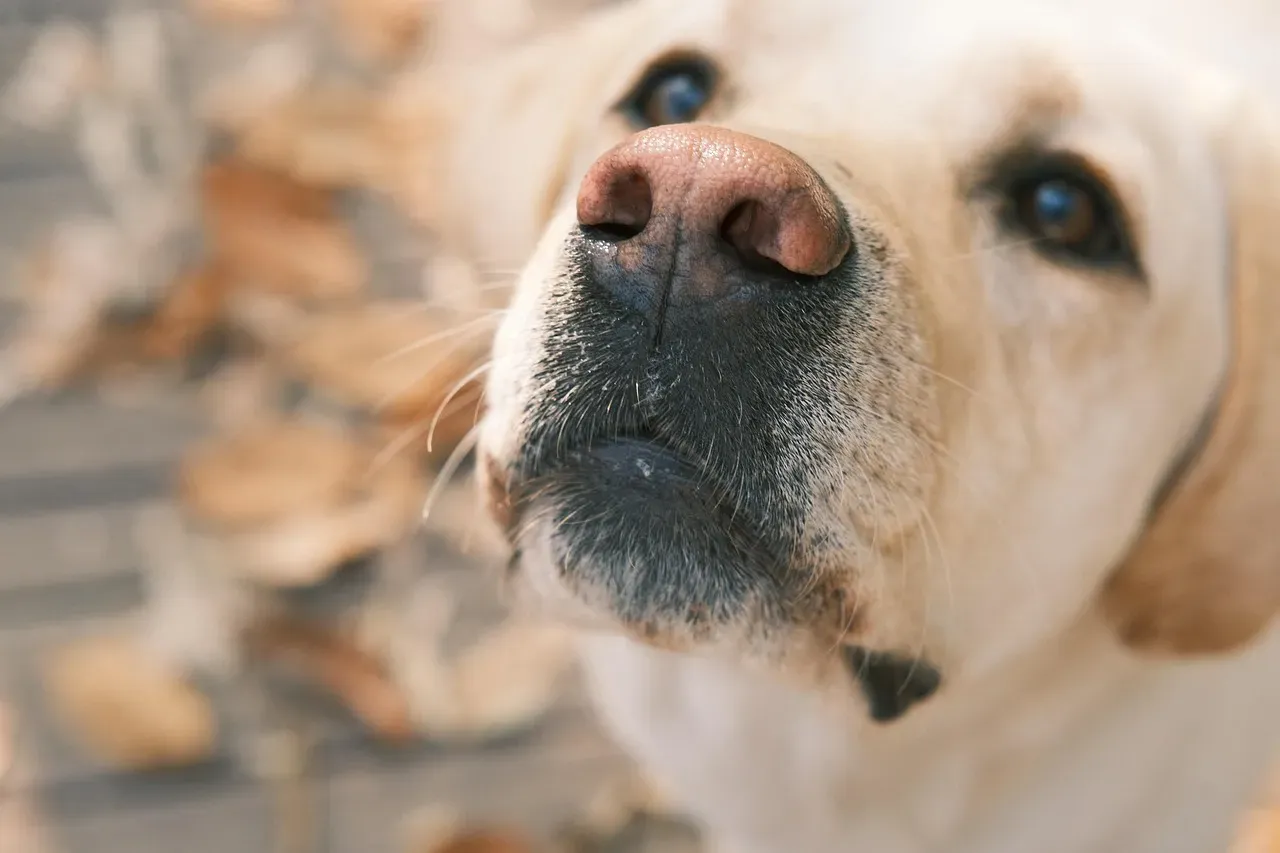
Research from Japanese scientists has revealed that sustained eye contact between dogs and their trusted humans triggers the release of oxytocin in both parties. That is the same hormone released between mothers and their newborns. Let that sink in. A simple look between you and your dog is a biological bonding event.
Without being able to speak the same language, eye contact is an important way for dogs to communicate with us, and only through regularly gazing in your eyes can a meaningful relationship be developed. For this reason, eye contact is one of the most telling signs your dog trusts you. It is worth pointing out that there is a difference between loving eye contact and a hard, dominant stare. Soft eyes, a relaxed face, and a gentle gaze are what you are going for. Regular positive interactions between dogs and their owners can increase oxytocin, also known as the love hormone. Daily rituals such as walks and playing a favorite game also help release oxytocin, which can reduce stress for both of you and improve your emotional connection.
12. Follow Through on What You Start

Breaking promises matters to dogs too. If you regularly promise walks by grabbing the leash but then do not follow through, or if you call your dog and then do something unpleasant like give medicine, they learn your cues cannot be trusted. Dogs are paying close attention to the relationship between what you do and what follows. It is pattern recognition on a deeply emotional level.
Inconsistency, such as allowing something one day and forbidding it the next, confuses dogs and causes stress. I think this is the most underestimated habit on this entire list. Being a person your dog can predict, a person whose word means something, is the quiet cornerstone of a rock-solid bond. Some improvements can happen in days, but a deep bond builds over weeks and months. Consistency matters most. Small, repeated positive interactions create lasting trust.
Final Thoughts: Trust Is Built in the Ordinary Moments
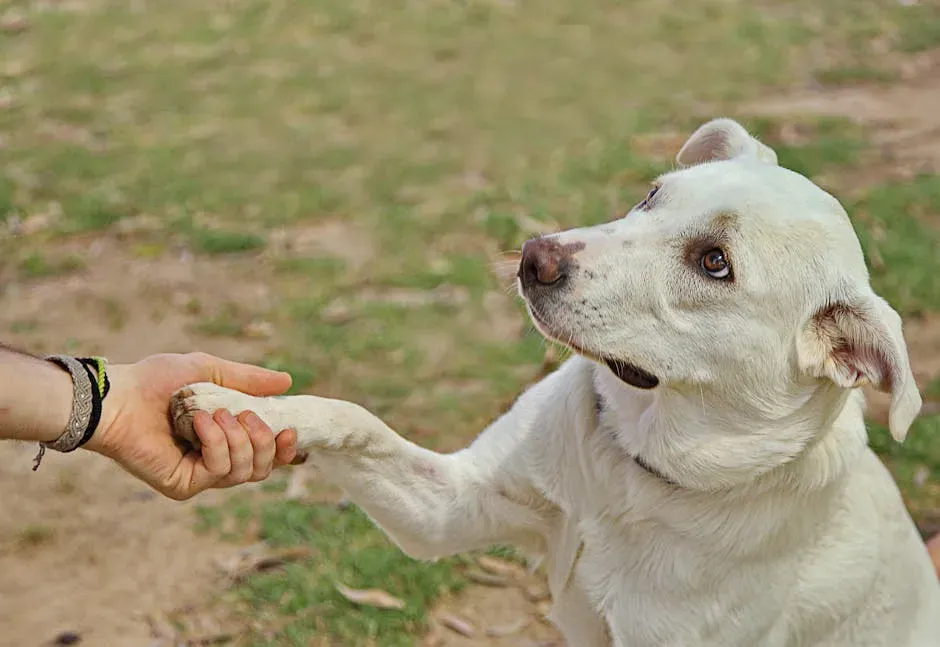
Here is the beautiful truth no one tells you enough: you do not need to be a perfect dog owner to have a dog who trusts you deeply. You just need to show up. Consistently, kindly, and with your eyes open.
A strong relationship with your dog does not come from grand gestures or perfect training. It is built quietly, day by day, through trust, consistency, and care. When you strengthen your bond with your dog, you are creating a foundation of emotional security that supports better behavior, deeper trust, and a happier life together.
Trust also impacts your dog’s overall wellbeing. Dogs who trust their owners show lower stress levels, adapt better to changes, and recover faster from scary experiences. They sleep more soundly, eat more consistently, and play more enthusiastically. That is not just a happier dog. That is a healthier one.
Every walk, every grooming session, every quiet evening on the couch is a deposit into the trust account you share with your dog. The balance grows slowly, but it is remarkably durable once it is there. Which of these habits will you start with today? Tell us in the comments. Your dog will probably notice before you even do.