
How To Stop A Dog From Excessive Play Biting
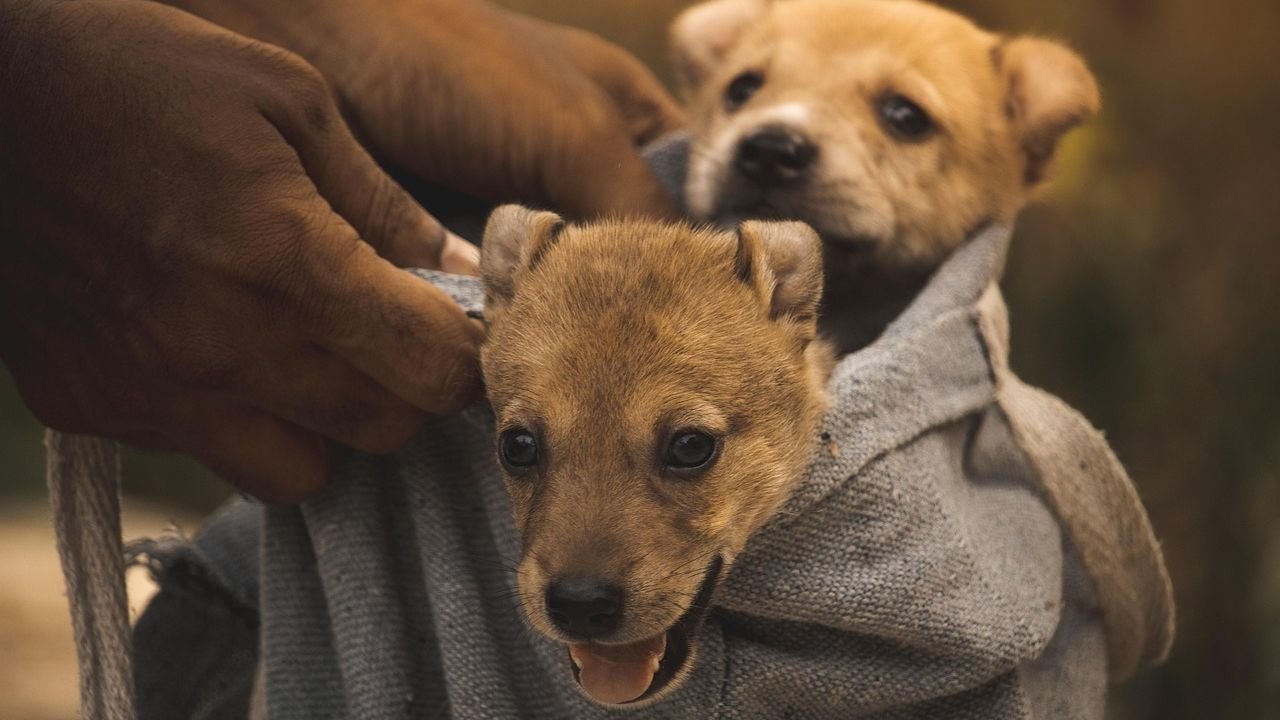
You’re sitting on the couch, laughing and playing with your dog, when suddenly those tiny teeth clamp down just a little too hard. Ouch. What started as adorable puppy energy now leaves your arms looking like you wrestled a rosebush. Sound familiar? You’re definitely not alone, and honestly, this is one of the most common things dog owners struggle with, especially in the early months.
The good news? Excessive play biting is rarely a sign that something is deeply wrong with your dog. It’s actually rooted in completely natural canine behavior. The challenge is knowing when it crosses a line, why it happens, and most importantly, what you can do about it, starting today. Let’s dive in.
Why Dogs Play Bite in the First Place
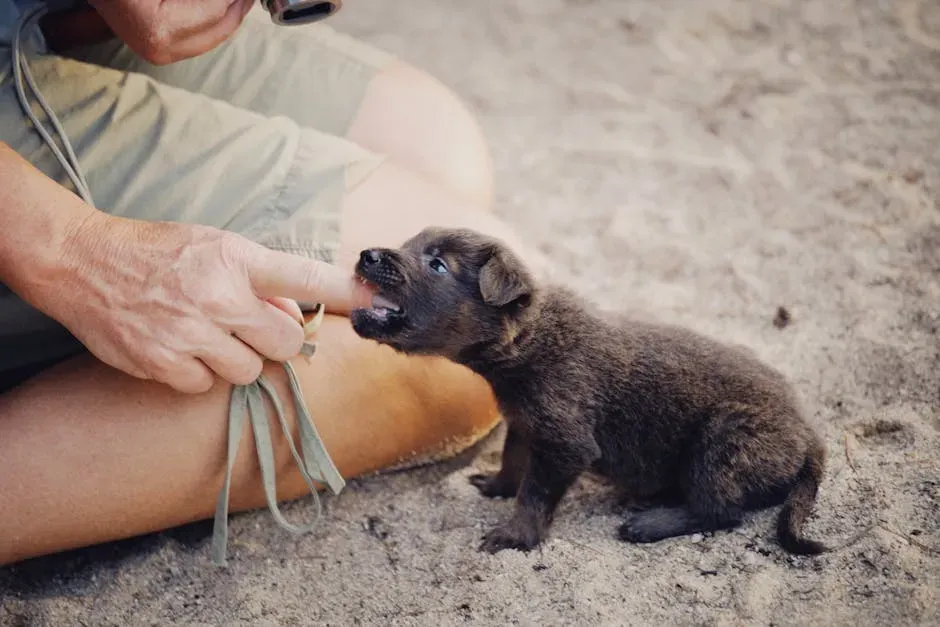
Biting is a normal behavior in puppies. Just like human babies, they often explore everything with their mouths. Since they don’t have hands, puppies frequently use their mouths as part of normal play with other dogs and humans. Think about that for a second. A puppy’s mouth is essentially their hands, their curiosity tool, and their way of saying “hey, let’s be friends” all at once.
Although often thought to be a teething behavior, nipping, mouthing, and biting in young dogs is generally a form of social play. Teething is more likely to involve gnawing or chewing on household objects. So if your pup is going after your fingers during a game of chase, it’s social instinct, not aggression.
This often happens during play, exercise, and whenever dogs are overexcited. While puppies under five months tend to explore the world with their mouths, dogs past this age are considered adolescents and should no longer be play biting. That’s a key benchmark to keep in mind as your dog grows.
Understanding Bite Inhibition: The Skill Every Dog Needs
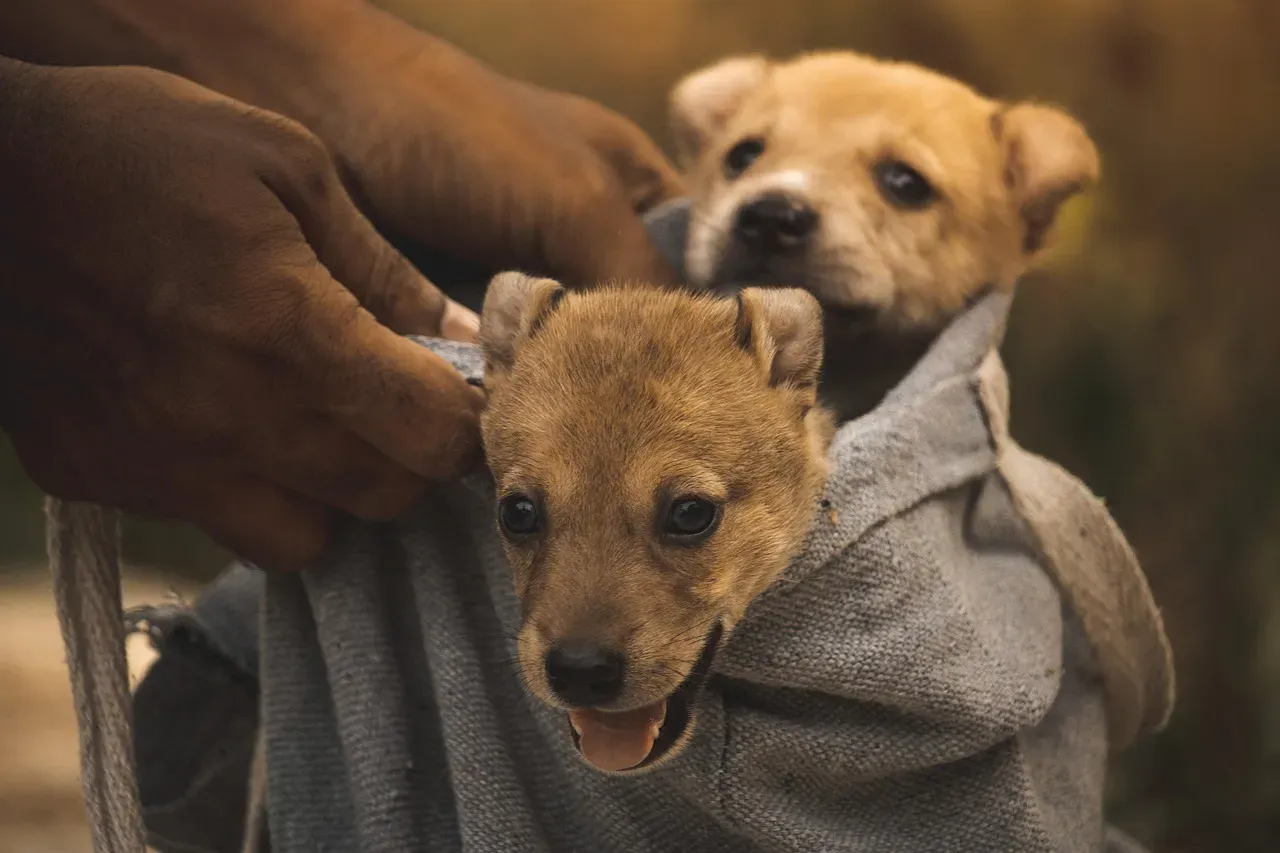
Bite inhibition refers to a dog’s ability to control the force of his mouthing. A puppy or dog who hasn’t learned bite inhibition with people doesn’t recognize the sensitivity of human skin, so he bites too hard, even in play. It’s a bit like a toddler not knowing their own strength when they hug you around the neck.
Young dogs usually learn bite inhibition during play with other dogs. If you watch a group of dogs playing, you’ll see plenty of chasing, pouncing, and wrestling. Dogs also bite each other all over. Every now and then, a dog will bite his playmate too hard. The victim of the painful bite yelps and usually stops playing. The offender is often taken aback by the yelp and also stops playing for a moment. However, pretty soon both playmates are back in the game. Through this kind of interaction, dogs learn to control the intensity of their bites so that no one gets hurt and the play can continue.
Some behaviorists and trainers believe that a dog who has learned to use his mouth gently when interacting with people will be less likely to bite hard and break skin if he ever bites someone in a situation apart from play, like when he’s afraid or in pain. So teaching bite inhibition isn’t just about playtime. It’s genuinely a lifelong safety skill.
The Yelp and Time-Out Method: Your First Line of Defense
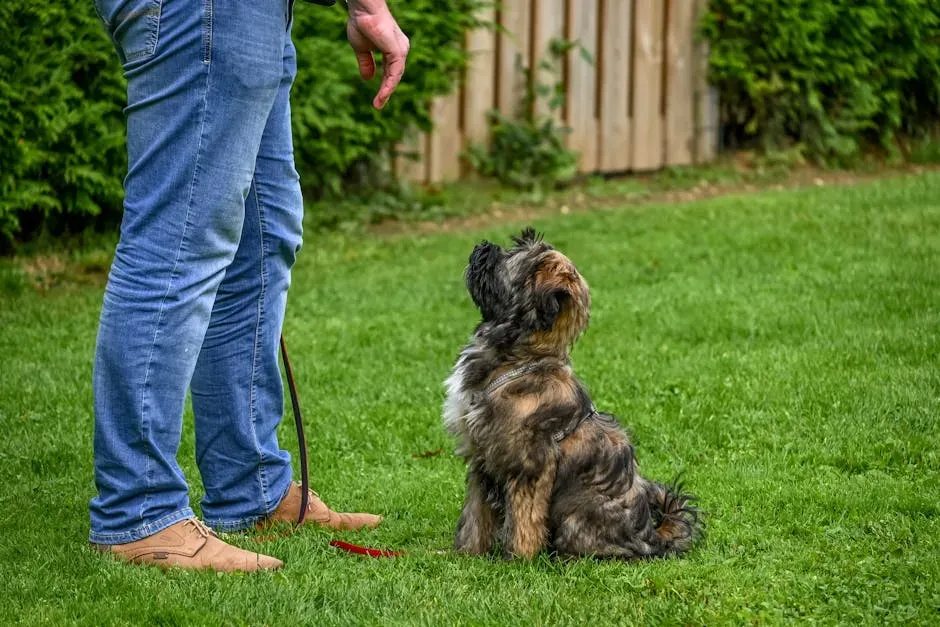
When you play with your dog, let him mouth on your hands. Continue play until he bites especially hard. When he does, immediately give a high-pitched yelp, as if you’re hurt, and let your hand go limp. This should startle your dog and cause him to stop mouthing you, at least momentarily. It’s a surprisingly simple trick that mimics exactly what a littermate would do.
Repeat these steps no more than three times within a 15-minute period. If you find that yelping alone doesn’t work, you can switch to a time-out procedure. Time-outs are often effective for curbing mouthy behavior in adolescent and adult dogs. Here’s the thing though: some dogs actually get more excited by the yelp sound. For some puppies, this actually gets them even more worked up and likely to bite. In this case, it is better to turn quietly around, walk away, or gently put the puppy into their crate for a few minutes to calm down.
Either ignore your dog for 10 to 20 seconds or, if he starts mouthing on you again, get up and move away for 10 to 20 seconds. If necessary, leave the room. After the short time-out, return to your dog and encourage him to play with you again. Consistency here is everything.
Redirect, Redirect, Redirect: The Toy Swap Strategy
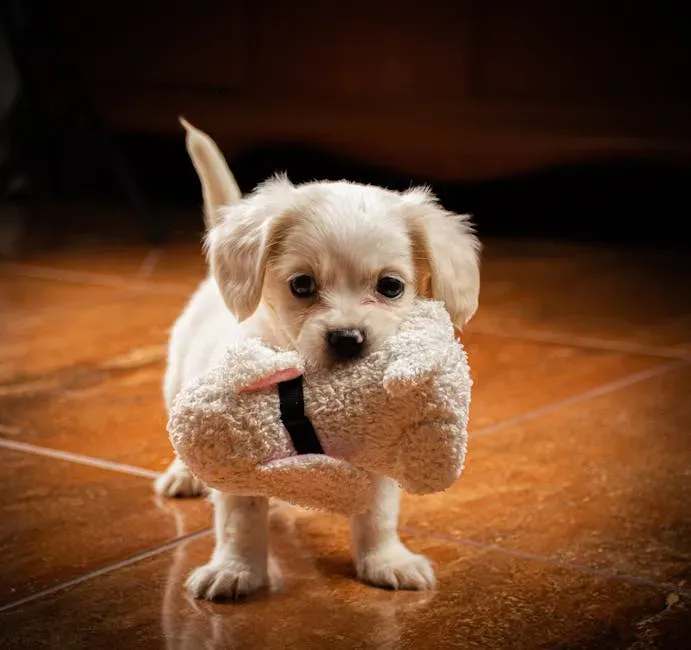
Substitute a toy or chew bone when your dog tries to gnaw on fingers or toes. I know it sounds almost too easy, but this is genuinely one of the most effective tools in your training arsenal. The idea is to give your dog something appropriate for their mouth that isn’t your arm.
If your puppy bites at your feet and ankles, carry his favorite tug toy in your pocket. Whenever he ambushes you, instantly stop moving your feet. Take out the tug toy and wave it enticingly. When your puppy grabs the toy, start moving again. It turns every ankle-attack moment into a training opportunity. Honestly, it’s kind of brilliant once you get into the habit.
Provide plenty of interesting and new toys so that your puppy will play with them instead of gnawing on you or your clothing. Provide plenty of opportunities for your puppy to play with other puppies and with friendly, vaccinated adult dogs. Playing and socializing with dog buddies is important for your puppy’s development, and if he expends a lot of his energy playing with other puppies, he’ll feel less motivated to play roughly with you.
What You Should Never Do When Your Dog Bites During Play
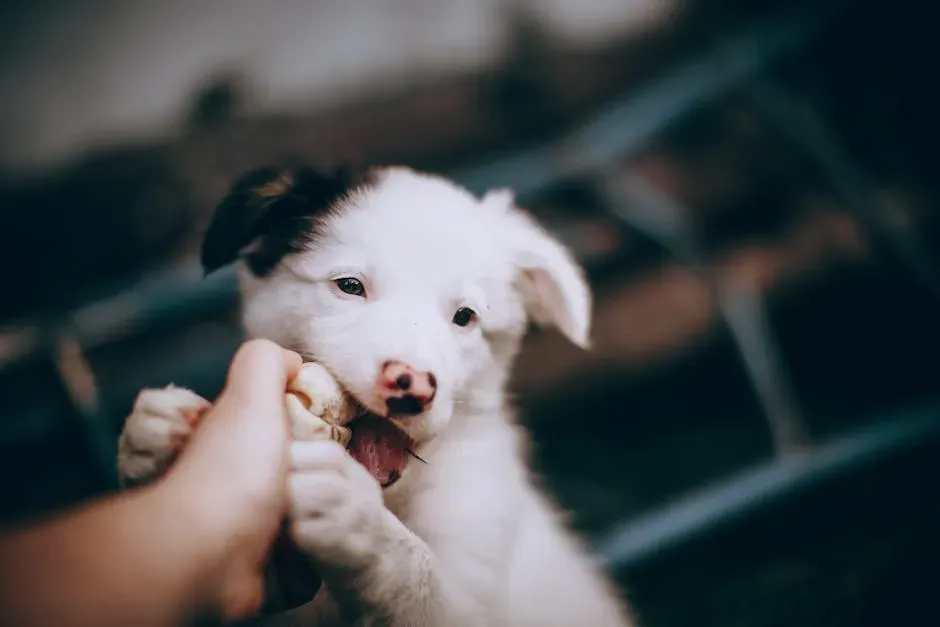
Some techniques involve harsh discipline, like slapping the puppy under the chin or forcefully holding the mouth closed. Remember, pain can cause aggression and cause the puppy to become anxious, fearful, or perhaps more excited. These techniques also require that you grab an excited puppy, which is not an easy thing to do. Some puppies may even misinterpret the owner’s attempts at punishment as rough play, which in turn might lead to an increase in the behavior. Physical methods are therefore not recommended.
Don’t roughhouse with your puppy. Don’t yell or shout at your puppy. This is likely to make the behavior worse. It also teaches your puppy that humans can be unpredictable and scary. Let’s be real, none of us want our dog to be afraid of us. That’s the opposite of the relationship we’re trying to build.
Avoid jerking your hands or feet away from your dog when he mouths. Jerky movements might seem like a game to your dog and encourage him to jump forward and grab at you. It’s much more effective to let your hands or feet go limp so that they aren’t much fun to play with. Slapping or hitting dogs for playful mouthing can cause them to bite harder. So the calm, steady, boring response is actually the most powerful one.
Play Biting vs. Aggression: How to Tell the Difference
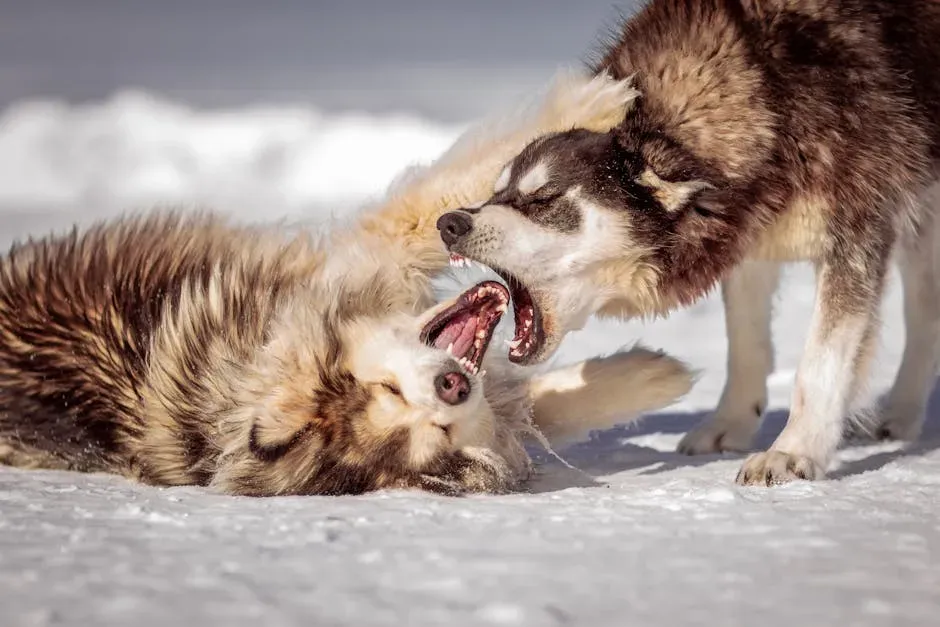
In most cases, a playful dog will have a relaxed body and face. His muzzle might look wrinkled, but you won’t see a lot of tension in his facial muscles. Playful mouthing is usually less painful than more serious, aggressive biting. Body language is your best decoder ring when it comes to understanding what your dog is actually communicating.
Most of the time, an aggressive dog’s body will look stiff. He may wrinkle his muzzle and pull back his lips to expose his teeth. Serious, aggressive bites are usually quicker and more painful than those delivered during play. If something feels different, trust that instinct. If a dog is in pain or discomfort due to an injury or an underlying health issue, they may react aggressively during play if certain movements exacerbate this discomfort. Biting can be a way for them to communicate their discomfort. If you see your dog suddenly starting to bite during play when it previously has never done so, it’s worth getting them checked out by your vet.
If you suspect that your dog’s biting fits the description of aggressive behavior, please consult a qualified professional, such as a Certified Applied Animal Behaviorist or a board-certified veterinary behaviorist. There’s no shame in calling in the experts. That’s what they’re there for.
Conclusion: Patience Is the Real Training Tool
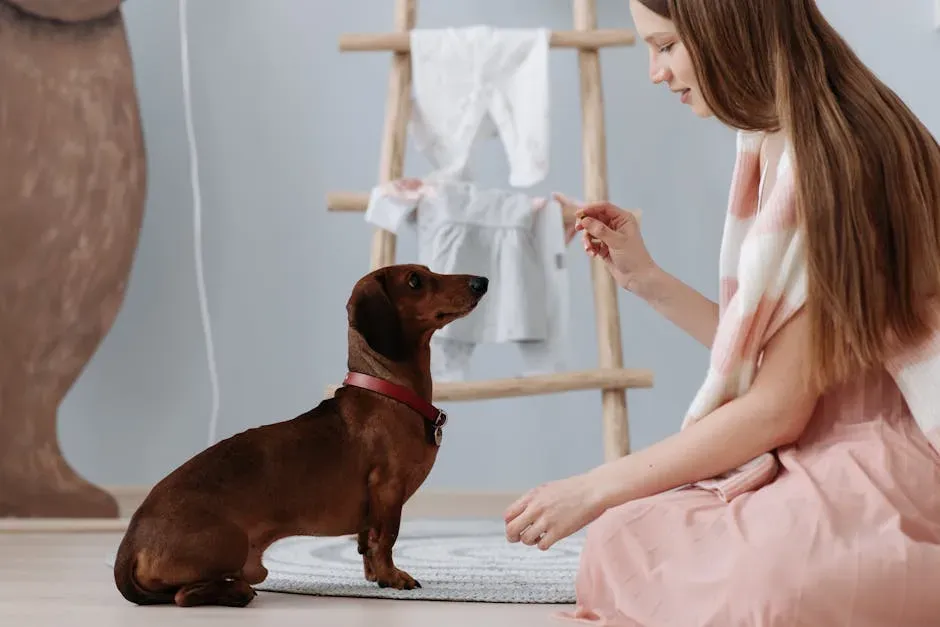
Here’s the honest truth about stopping excessive play biting: there’s no magic trick that works overnight. It takes consistency, patience, and a real understanding of what your dog is going through developmentally. Every puppy goes through some version of this, and with clarity and intention from us, they all come out the other side with the ability to use their mouth gently.
For a dog to get the idea that mouthing is not acceptable, they will need lots of practice. As with other dog training techniques, consistency is key, so make sure that anyone who interacts with your dog knows how to discourage mouthing. That last part is huge. If one person in the household allows it and another doesn’t, your dog will be confused and the behavior will drag on longer than it needs to.
Ultimately, your dog isn’t trying to hurt you. Your puppy is trying to play with you, even though the behavior is rough. Dogs are social animals that live in family groups and this kind of behavior is important for establishing relationships and trust. Redirect that energy, set clear boundaries, stay consistent, and you’ll both come out the other side with a stronger bond than ever. What method are you going to try first with your dog? Tell us in the comments!