
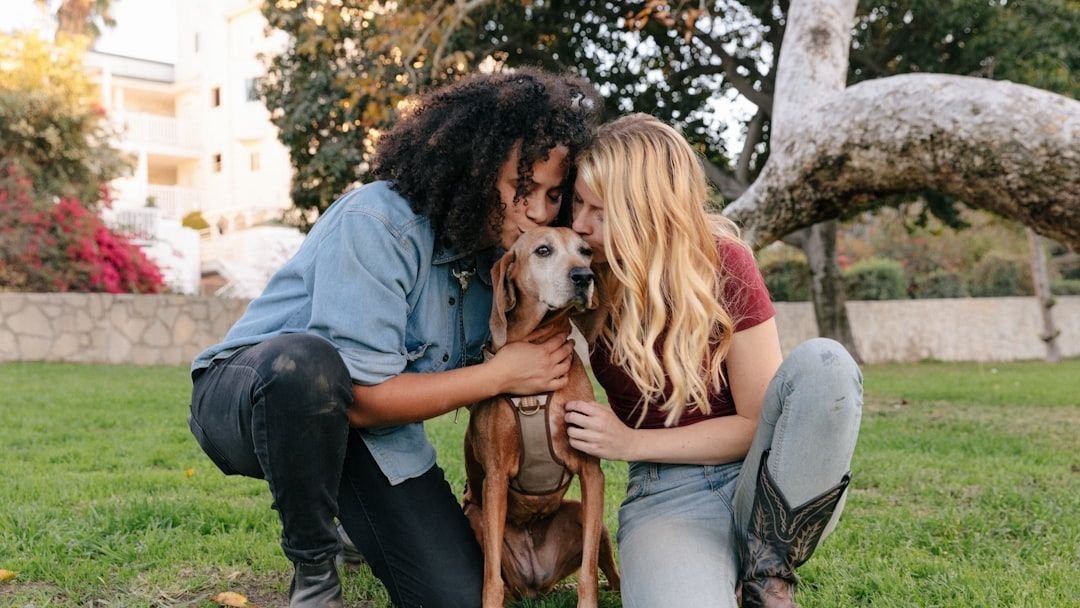
You move to a new city. You change jobs. A baby arrives. A relationship ends. The furniture gets rearranged, the schedule gets turned upside down, and somehow, in the middle of it all, your dog is still right there. Sitting at your feet. Following you from room to room. Looking up at you like you are the most important thing in the world.
It is one of those things that genuinely makes you stop and wonder. How does a dog stay so steady – so devoted – when everything around both of you keeps shifting? Honestly, the answer is equal parts science, evolution, and something that feels a lot like real love. Let’s dive in.
It Was Never Just About the Food Bowl
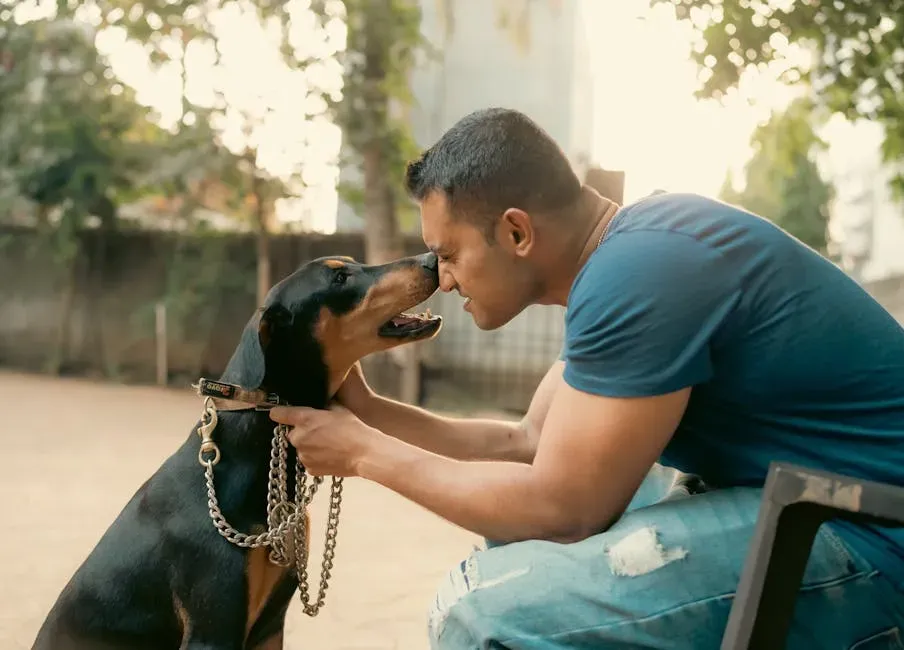
Let’s be real – a lot of people assume dogs are loyal because we feed them. Seem simple enough, right? Here’s the thing, that explanation falls apart pretty fast when you think it through. Your dog still loves you when you return from a long vacation, even though you have not been feeding them during that time. A purely transactional relationship wouldn’t survive that kind of absence.
In a landmark experiment, researchers presented dogs with their owner’s scent, a stranger’s scent, and the scent of food – and brain scans were taken as the dogs approached each one. Not only did dogs react more strongly to the scent of their owners, but the part of the brain associated with enjoyment and positive emotions lit up specifically when they were given their owner’s scent. That is not a hunger response. That is something far deeper.
One key factor in canine loyalty is the role of hormones – specifically oxytocin, commonly called the “love hormone.” Studies indicate that when dogs make direct eye contact with their owners, it triggers the release of oxytocin in both the dog and the human – the same hormone that bonds mothers to their infants. So when your dog gazes up at you with those soft, steady eyes, that is not just a cute moment. It is biology confirming the bond.
Thousands of Years of Earning Your Trust
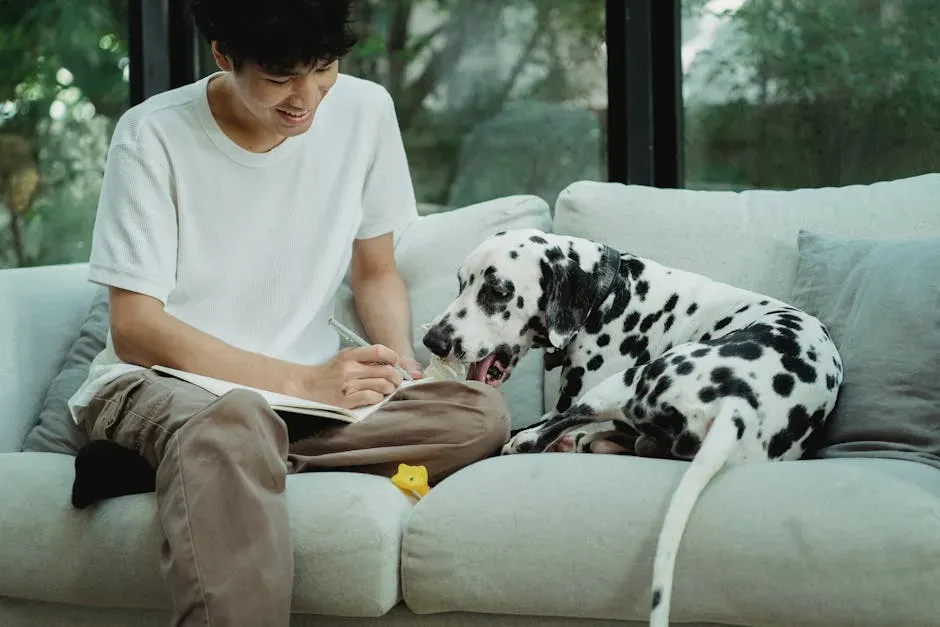
Dogs are descendants of wolves, animals known for their strong pack mentality and social structures. Thousands of years ago, certain wolves began to interact with human groups, leading to a mutually beneficial relationship where humans provided food and shelter, while wolves offered protection and assistance in hunting. Over generations, these wolves adapted to human companionship, eventually evolving into the domestic dogs we cherish today. Think about that timescale – we are talking tens of thousands of years of co-evolution, not a few decades of selective breeding.
Over thousands of years, humans selectively bred dogs for traits that include loyalty and companionship. This process reinforced dogs’ natural social tendencies, as those who were more cooperative and bonded well with humans were more likely to be cared for and survive. Loyalty was not just an endearing quality – it was a survival advantage, literally baked into the canine gene pool. Gradually, in many cultures, the primary role of dogs became that of companions, leading to a bond characterized by loyalty, trust, and amity.
Your Dog Sees You as Family – Not Just a Caretaker
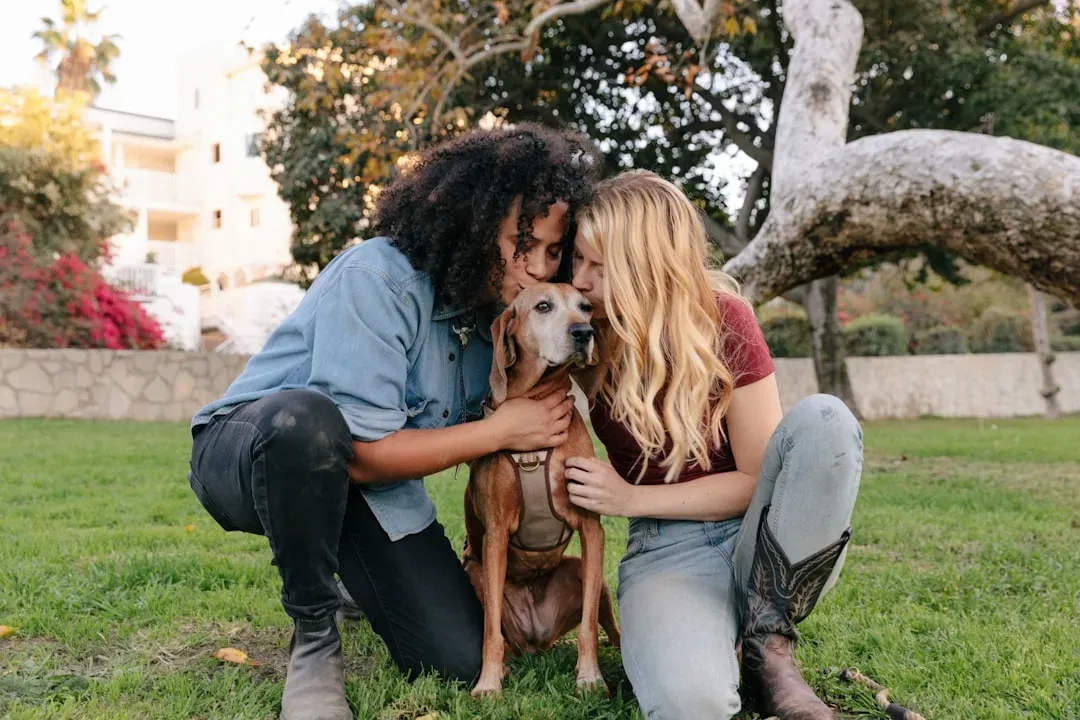
Domestic dogs have retained a pack mentality, viewing their human families as their pack. They look to their owners for guidance, protection, and leadership. This intrinsic need to be part of a social group drives dogs to be loyal and attentive to their human companions, always seeking to please and stay close to their “pack.” This is not metaphor. This is how a dog literally processes your household – as a social unit they belong to and would do anything to protect.
Dogs have shown behaviors indicative of an attachment relationship, including proximity seeking, where the animal will seek out the attachment figure as a means of coping with stress. The absence of an attachment figure can trigger behaviors indicative of separation-related distress. The presence of a human can also attenuate the effect of a stressful event – the so-called “safe haven” effect of attachment theory. Sound familiar? That is the same framework used to describe the bond between a human parent and child. Your dog isn’t just attached to you – they are attached in a deeply meaningful, emotionally real way.
Research by Custance and Mayer found that dogs will alter their behavior to accommodate the mood that the person appears to be in – and what’s remarkable is that they will do so even with complete strangers. I think that says everything. Your dog’s loyalty isn’t just reserved for you – it’s an expression of who they fundamentally are.
When Life Changes, Watch What Your Dog Does Next
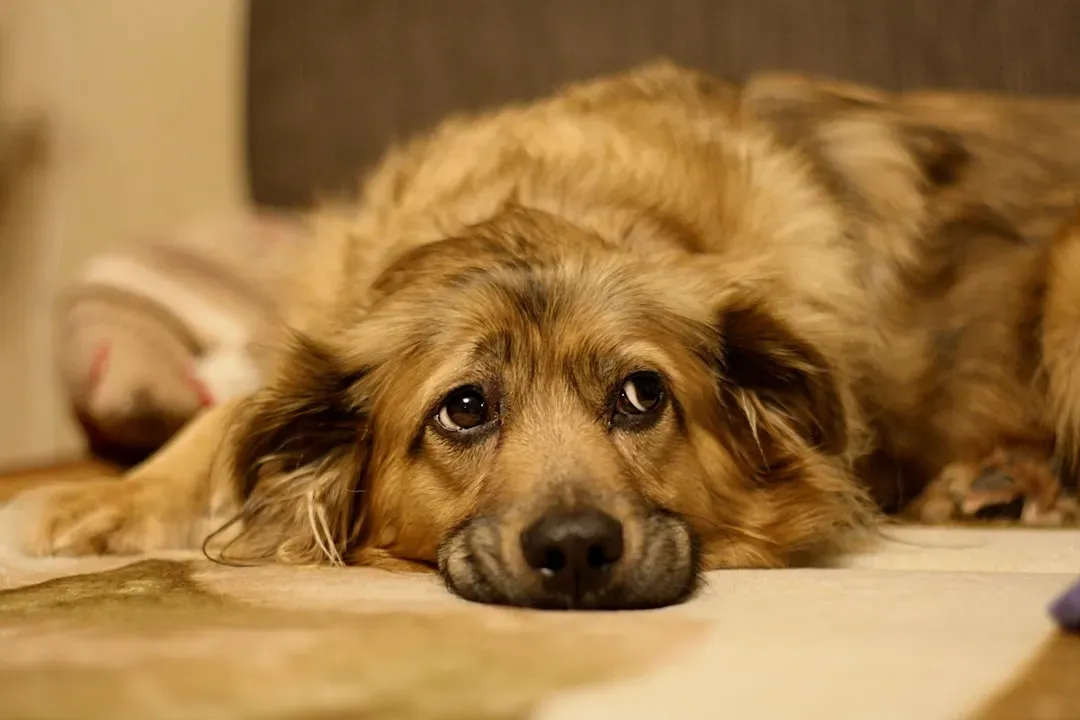
Life changes don’t just happen to people – they ripple outward to the animals who share our homes. A move to a new house, a new work schedule, the arrival of a baby, or even a roommate moving out can disrupt a pet’s sense of safety. Dogs pick up on everything. Every suitcase pulled from the closet. Every shift in your tone of voice. Every change in routine. It’s hard to say for sure exactly how much they understand, but the behavioral evidence is striking.
Animals rely on predictability. When that predictability disappears, stress behaviors can show up – pacing, hiding, excessive barking, changes in appetite, or accidents in the house. These reactions aren’t “bad behavior.” They are communication. A dog who suddenly starts chewing things they never touched before after you move houses is not being difficult. They are telling you something. Just like us, dogs can experience stress and anxiety during big life changes like moving house or losing a canine companion – and this can leave them feeling unsettled, leading them to seek you out for comfort and reassurance more often.
When Loyalty Tips Into Anxiety: Reading the Signs
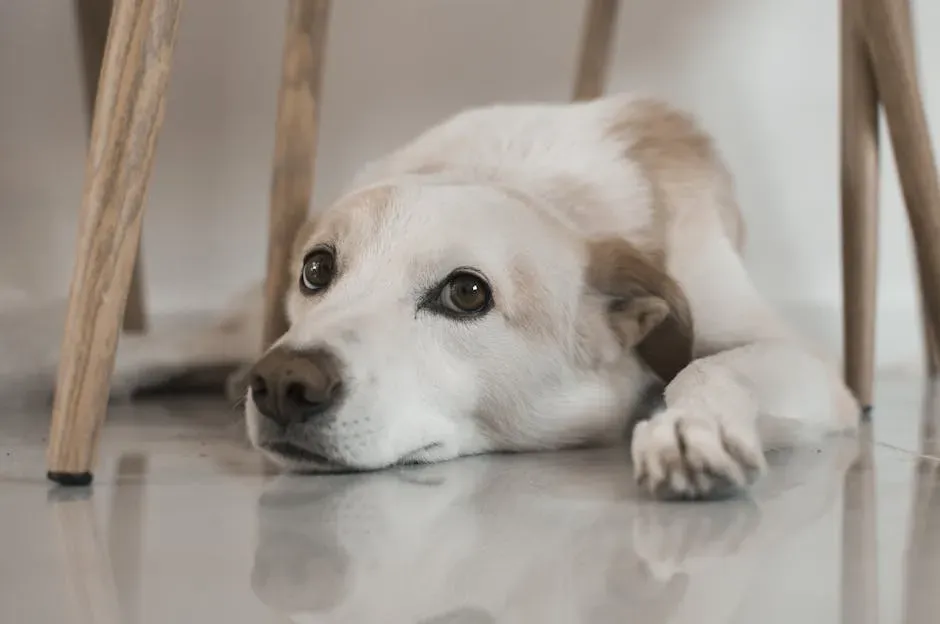
Separation anxiety is triggered when dogs become upset because of separation from their guardians, the people they’re attached to. Escape attempts by dogs with separation anxiety are often extreme and can result in self-injury and household destruction, especially around exit points like windows and doors. This is the shadow side of deep loyalty – a bond so strong it becomes distressing when broken, even temporarily. It’s not weakness. It’s love without the language to manage it.
Watch for these specific behavior cues: Some dogs suffering from separation anxiety become agitated when their guardians prepare to leave. Others seem anxious or depressed prior to their guardians’ departure or when their guardians aren’t present. Some try to prevent their guardians from leaving. Usually, right after a guardian leaves, the dog will begin barking and displaying other distress behaviors within a short time – often within minutes.
Prevention matters enormously here. One method to potentially reduce anxiety is to encourage your pet to exercise and release some energy prior to leaving for your day at school or work. A long walk or game of fetch may do the trick – essentially, a dog trades morning stress-filled yelps with a morning nap instead. Simple. Practical. Genuinely effective. One important thing to remember: do not scold or punish your dog for anxious behaviors. These are not the result of disobedience or spite. They are distress responses.
How You Show Up Shapes the Loyalty You Get Back
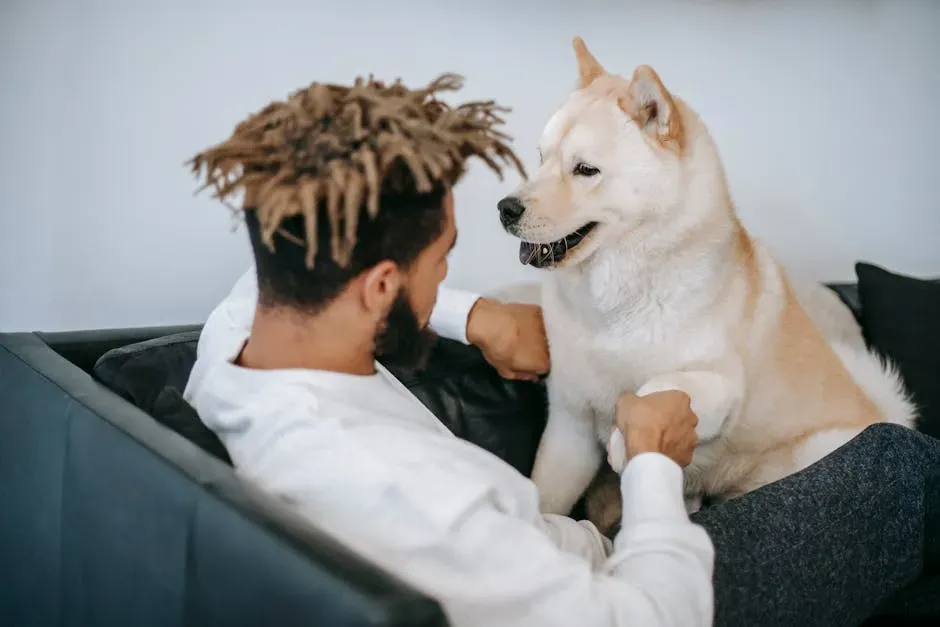
Research indicates that pet parenting styles do predict patterns of dog behavior and cognition. Dogs with authoritative owners – meaning high expectations paired with high responsiveness – had the highest rate of secure attachment, were highly social, and more persistent and successful on problem-solving tasks than dogs with authoritarian or permissive owners. In other words, how you parent your dog matters just as much as who your dog is.
Researchers have established that dogs know enough about human behavior to take their pet parent’s side during even passive confrontations. In one Kyoto University study, when strangers held a treat out for the dogs after a skit involving the guardian, the dogs were more likely to choose a treat from a kind or neutral stranger and ignored the one who wouldn’t help their guardian. Your dog is paying attention – not just to you, but to how people treat you. That is next-level loyalty.
Research also shows that more frequent interactions with pets – such as affection and play – were linked to stronger and more secure bonds. So if you want that unbreakable loyalty to flourish, the investment is simple and deeply enjoyable. Spend time. Make eye contact. Go on walks. Play. Pets thrive when their humans provide structure, patience, and reassurance. That’s the whole formula, really.
Conclusion: The Dog Who Stays
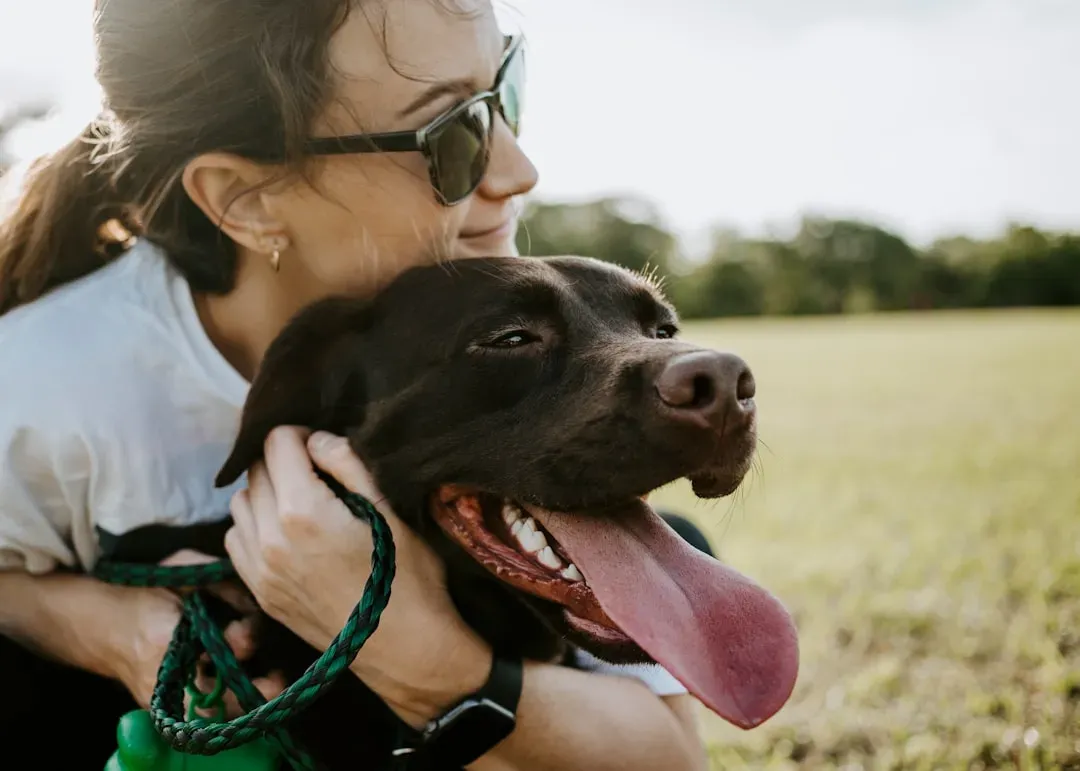
Through moves, breakups, new babies, lost jobs, and quiet Tuesday evenings with nothing particularly dramatic happening at all – your dog stays. Not out of habit. Not because they have nowhere else to go. But because somewhere in their ancient, loyal heart, you are their entire world.
The science confirms what most dog owners already feel: while dogs provide companionship, protection, and assistance, humans offer food, shelter, and affection. This mutual dependence has been reinforced over millennia, creating a cycle of loyalty and care that benefits both species. It’s a relationship built across generations – and your dog is living proof of every single one of them.
The best thing you can do is honor that devotion. Stay consistent. Stay present. Learn your dog’s cues and respond with kindness. Because loyalty like this – the kind that doesn’t flinch when everything changes – is rare. Honestly, it might be the most extraordinary thing a living creature can offer another. What kind of loyalty could you offer back? That’s worth thinking about.


