
Your dog can’t send you a text. They can’t tap you on the shoulder and say, “Hey, I’m really not okay right now.” What they can do is speak to you in a language that most of us have never been taught to read. And that’s honestly the heartbreaking part.
So many devoted, loving dog owners go through their days completely unaware that their best friend is quietly struggling. Not because they don’t care. But because the signs are often so subtle, so easy to dismiss as “just being quirky,” that they slip past even the sharpest eyes. The truth is, the signs of anxiety in dogs are often subtle and can easily be misinterpreted unless the full context is understood. That gap between what dogs are saying and what we’re hearing is exactly what this article is here to close. Let’s dive in.
1. The “Whale Eye” – When Your Dog’s Eyes Tell a Story You’re Missing
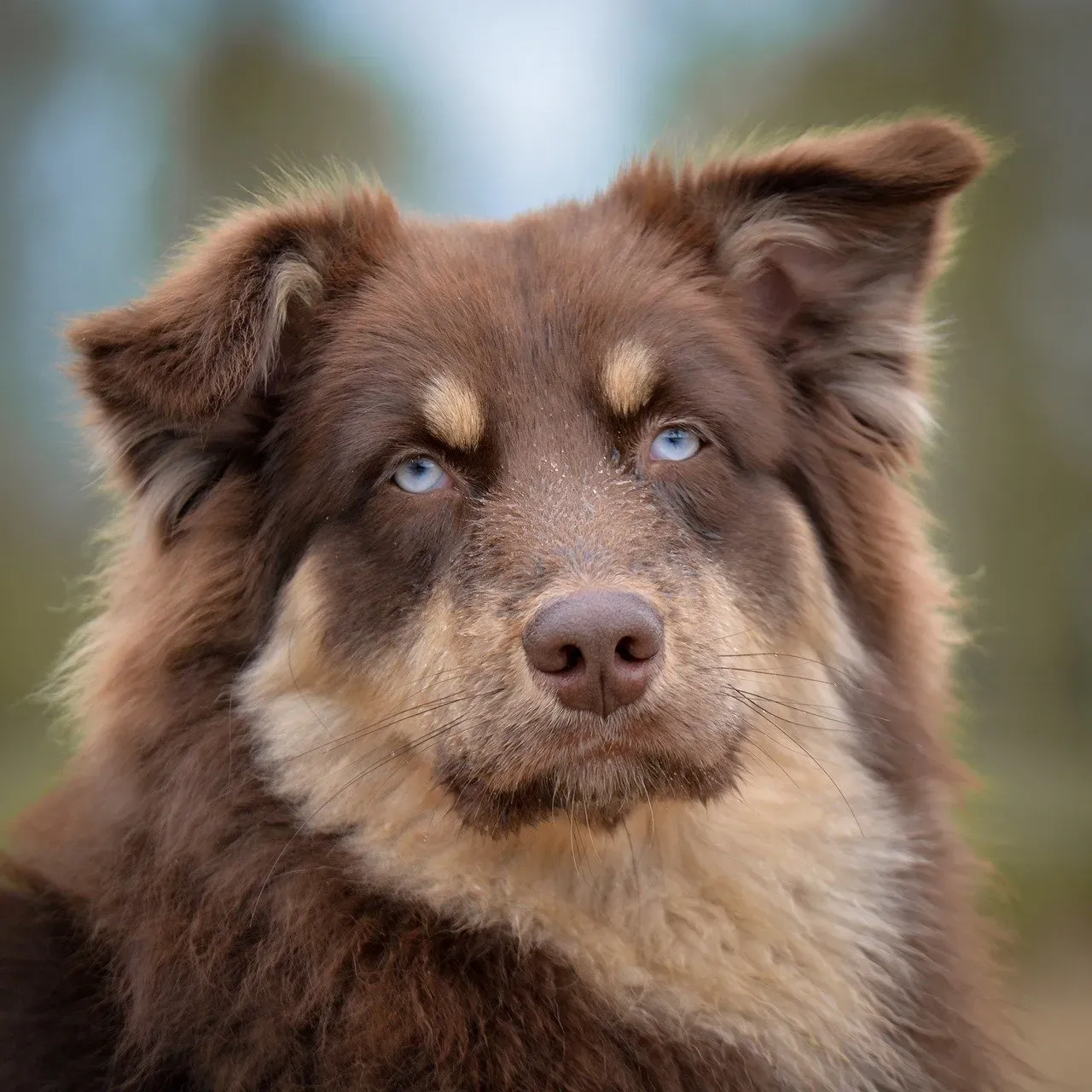
Here’s something most dog owners never notice: the whites of a dog’s eyes. It sounds strange, but it matters enormously. One of the most commonly missed stress signals is “whale eye,” which is when you can see the whites of your dog’s eyes. This occurs when a dog turns their head away from something while keeping their eyes fixed on it, creating a crescent of white in the corner of the eye.
Think about it like this. Imagine someone nervously side-eyeing a situation they don’t feel safe in but are too polite to run from. That is exactly what your dog is doing. Whale eye typically indicates anxiety, fear, or uncertainty. Your dog is monitoring a situation they find stressful while trying to appear non-threatening by turning their head away.
You might see this during a vet visit, when a stranger walks in too fast, or even during a family gathering that feels overwhelming to your pup. When we ignore these early warnings, dogs may feel compelled to escalate to more obvious signals like growling or snapping. Catching whale eye early is a genuine act of kindness toward your dog.
2. Excessive Yawning That Has Nothing to Do with Being Tired
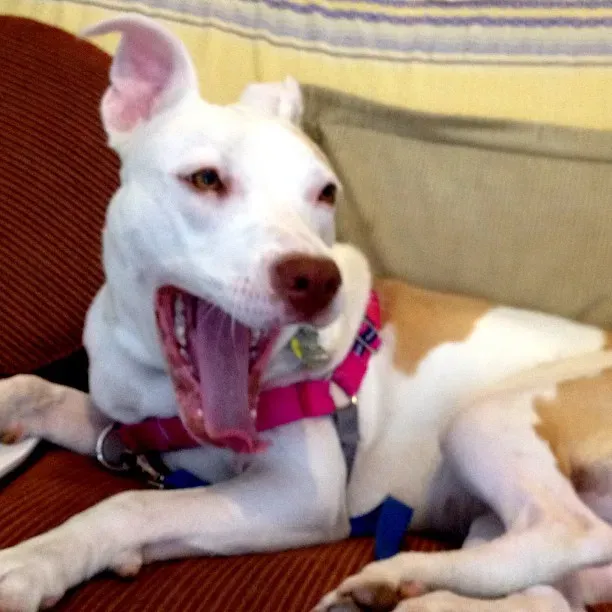
We’ve all seen our dogs do a big, dramatic yawn and assumed they were just sleepy. Honestly, sometimes that’s true. But sometimes it absolutely isn’t. Dogs yawn when they are tired or bored, and they also yawn when stressed. A stressful yawn is more prolonged and intense than a sleepy yawn.
There are entire books written on dog body language and “calming signals,” a term developed by Norwegian dog trainer Turid Rugaas. Rugaas realized that dogs have more than 30 ways to avoid stressful situations and try to calm themselves. Yawning is one of those signals. It’s a dog’s polite way of saying, “I’m uncomfortable and I’m trying to defuse this.”
If your dog yawns repeatedly during a training session, at the dog park, or when guests arrive, don’t brush it off. Context is everything. To differentiate stress signs from normal behavior, you must be familiar with your dog’s regular demeanor and pay attention to the context. That way, you can tell if they are licking their lips because they are anxious or because they want a treat.
3. Lip Licking and Nose Flicks That Happen Way Too Quickly
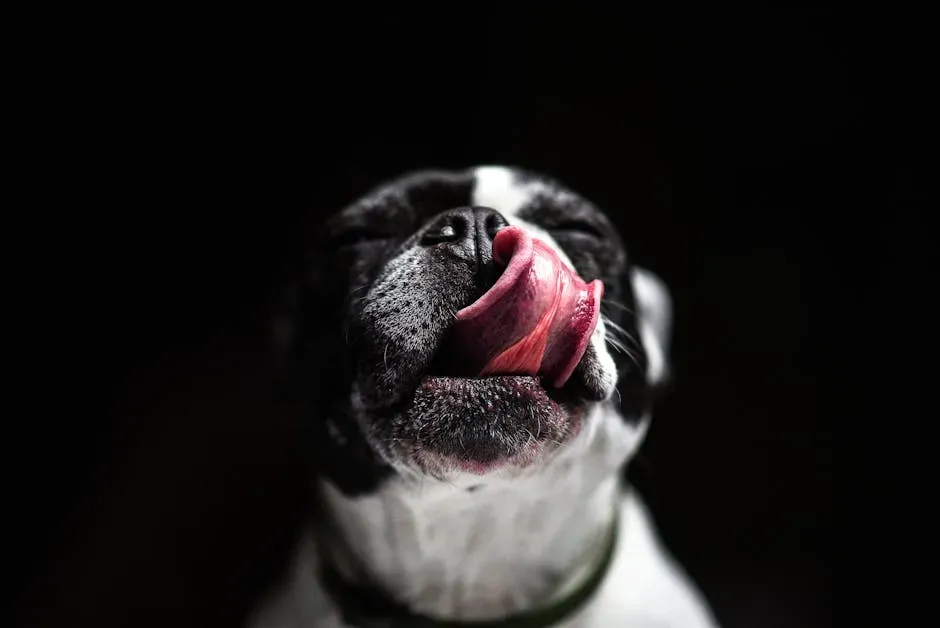
You know that slow, satisfied lick your dog does after finishing dinner? This is nothing like that. Lip licking is one of the most frequent stress signals dogs display, and it’s often misinterpreted as the dog simply being hungry or licking food residue from their mouth. What it looks like: a quick tongue flick that licks the nose or lips, often so fast you might miss it if you’re not paying attention. This is different from the slower, more deliberate licking after eating or drinking.
This behavior is a calming signal that dogs use to self-soothe when they’re feeling anxious or to communicate peaceful intentions to others. It’s blink-and-you’ll-miss-it fast. Honestly, I think this is one of the most underrated signals out there, because it happens in plain sight and yet almost nobody catches it.
Watch for this flicker during nail trims, loud social situations, or when your dog is being approached by an unfamiliar child. Stressed dogs lick their noses and lips frequently, pant without being hot or having just exercised, and frequently yawn. When you see those three happening together, your dog is almost certainly sending an SOS.
4. Sudden Shedding That Seems to Come from Nowhere
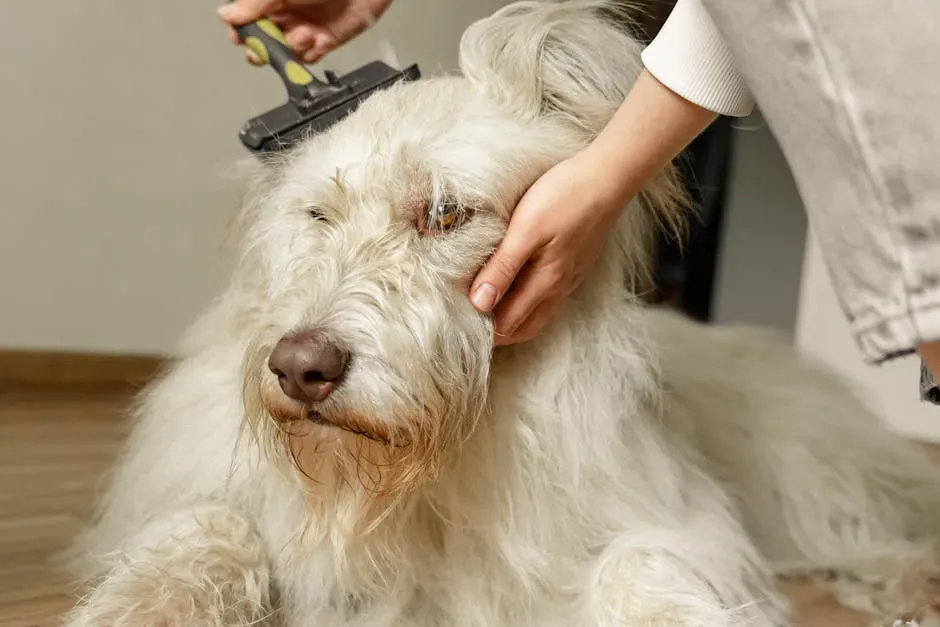
If you’ve ever noticed clumps of fur floating through the air at the vet’s office, you already know this one without realizing it. Shedding is a real stress signal. Show dogs that become nervous in the show ring often “blow their coat.” Dogs also shed a lot when in the veterinary clinic.
High levels of stress hormones, such as cortisol, can cause hair loss and skin problems. So when your dog appears to be dramatically molting in an unusual situation, that’s not a coincidence. Their body is literally responding to elevated stress chemistry. It’s the dog equivalent of a human breaking out in stress-induced hives.
Pay attention to when the shedding happens. Is it only at home? On walks through busy streets? During car rides? The pattern will tell you exactly what’s triggering your pup’s nervous system. Once you identify the trigger, you can work with your vet or a certified trainer to build a calming plan around those specific situations.
5. Refusing to Eat or Snatching Treats Urgently

A dog that suddenly won’t touch their food bowl is sending a loud message, even if it doesn’t feel dramatic. A common sign of chronic stress is reduced appetite or increased digestive problems. Dogs, even dogs who are overweight, will still eat regularly when they are healthy. If your dog is suddenly refusing food, it’s a sign of stress.
The flip side is also worth noting. Many anxious and stressed dogs refuse to take treats, or they might quickly snatch them from your hand. That frantic, grabby behavior isn’t greediness. It’s anxiety leaking out. Picture someone stress-eating through a bowl of chips during a tense movie – same energy, different species.
Other dogs might not eat because they are depressed, especially after a major life change. Sometimes dogs who have isolation anxiety will not eat when their owners are not at home. Food refusal lasting more than 24 hours should prompt veterinary consultation, as it can lead to additional health complications. Don’t wait too long on this one.
6. Hiding or Withdrawing from People They Normally Love

Picture this: your usually social, tail-wagging Lab suddenly disappears under the bed when the holiday guests arrive. It feels almost comical. But it’s actually a meaningful sign. One of the early signs of stress, especially situational stress, is retreating. Your dog, who might normally enjoy being the center of attention, might choose to withdraw from the group and hide in a safe place.
Anxious dogs often seek security through avoidance, retreating to secluded areas like under furniture, in closets, or bathrooms, avoiding interaction by becoming uncharacteristically distant from family members, and creating personal safe zones where they retreat when stressed. This behavior is particularly common in dogs with noise sensitivities, past trauma, or those experiencing new environmental changes.
Respect the hiding. Resist the urge to drag your dog out and force social interaction, even when guests insist on meeting them. If you notice signs that your dog is stressed, first remove them from the stressor. Find a quiet place to regroup. Giving your dog the freedom to opt out is one of the most loving things you can do for their mental health.
7. Displacement Behaviors That Look Totally Random
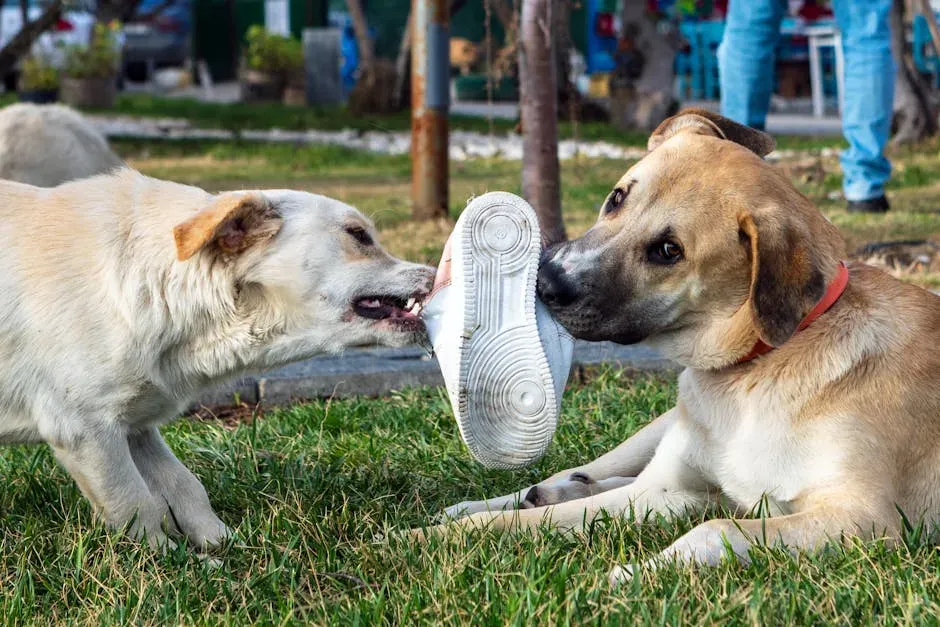
Your dog suddenly starts sniffing the ground obsessively right in the middle of meeting a new dog. Or they start scratching behind their ear for no obvious reason when you raise your voice. These “random” behaviors have a name. When dogs exhibit behaviors out of context, called displacement behaviors, they are signaling discomfort with their current situation.
Dogs use a complex system of visual signals to communicate their emotional state, and many of these signals are designed to prevent conflict and reduce tension. These are called “calming signals” or “displacement behaviors,” subtle cues that indicate your dog is feeling uncomfortable, anxious, or stressed. It’s like a person who nervously checks their phone when a conversation gets uncomfortable.
It’s crucial to understand that stress signals rarely appear in isolation. Dogs typically display multiple signals simultaneously, and recognizing these clusters provides the most accurate assessment of their emotional state. For example, a stressed dog at a dog park might show whale eye combined with ears back, lip licking, a slightly lowered tail, and a body leaning away. Learn to read the clusters, not just individual signals.
8. Sleeping Too Much or Becoming Unusually Lethargic

We love a good nap, and so do our dogs. But there’s a difference between a content, cozy snooze and a dog who can barely muster the energy to lift their head. Dogs can share some of the same stress signals as humans, including getting too much sleep. Dogs can get depressed, and sleeping more is a method of coping.
Anxiety can also affect a dog’s appetite, as they often eat less, but some anxious dogs eat more. Activity levels may also change, with some dogs being overly stimulated and hyper and others retreating into themselves and becoming listless. So anxiety doesn’t always look like panic. Sometimes it looks like quiet, foggy sadness.
If it seems like your dog does not perk up even with daily walks and activities, or if they are too tired to complete a routine walk, it’s best to consult your veterinarian to rule out illness. Exercise can be a great stress reducer. For healthy dogs, physical activities such as walking or playing fetch may help both you and your dog release tension. Start small, but start.
9. Mirroring Your Own Stress Without You Realizing It
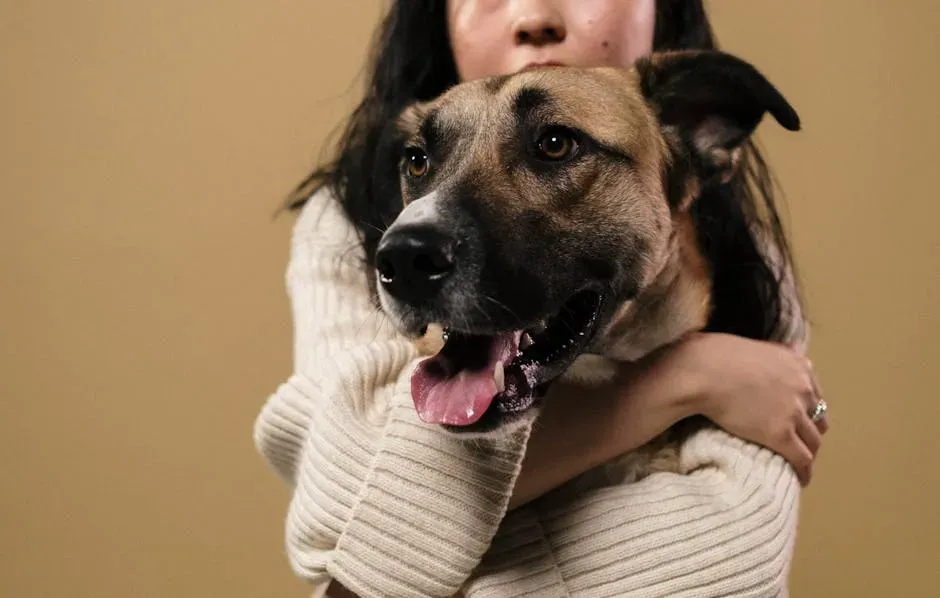
This one is genuinely humbling. Your dog might not just be stressed because of their own triggers. They could be picking up entirely on yours. Recent research reveals your dog can detect when your stress levels are heightened, and they subsequently mirror your emotions during this time. A study conducted by researchers from Queen’s University Belfast shows that changes in an owner’s heart rate can predict changes in their dog’s heart rate.
It’s hard to say for sure how deeply dogs feel our emotional states, but the science is becoming increasingly clear. Dogs can discriminate stressed from non-stressed human odor samples. They are reading you through smell, body language, and tone of voice in ways that are frankly astonishing. Your bad day at work literally follows you through the front door, and your dog smells it.
Dog owners should also reflect on their own behavior to see how they might be contributing to the stress. Some ways owners might make their dogs stressed include not giving clear commands, staring directly at them, or punishing them unnecessarily. This isn’t about guilt. It’s about empowerment. When you calm yourself down, you are often simultaneously calming your dog. That’s a beautiful partnership if you think about it.
Your Dog Is Always Talking – Are You Listening?
None of these nine signs are dramatic. None of them involve your dog knocking things over or howling at the moon. That’s exactly the point. Your dog can’t tell you when they’re stressed, but they can and will show you if you know what to look for. Stress can manifest as behavioral or physical changes, and some signs may be subtle and easy to overlook. Recognizing the warning signs can help you intervene before stress escalates into a more serious problem.
Anxious dogs are truly suffering, so if you suspect your pet is stressed, it’s important to seek help immediately. The benefits of early treatment can’t be overstated, because anxiety symptoms tend to get worse over time. A quick vet visit or consultation with a certified behaviorist can change everything.
The good news? Early socialization to build healthy coping skills, as well as identifying signs of stress and taking action to mitigate them, can help your dog live a low-stress life. You already love your dog. Now you just have the language to love them even better. Look a little closer the next time your pup yawns, licks their lips, or slides quietly under the bed. They’re not being weird. They’re asking for help.
Which of these signs surprised you the most? Share your experience in the comments – your story might help another dog owner recognize what their pup has been quietly trying to say all along.


