
There is something quietly heartbreaking about watching your once-energetic dog slow down. The dog who used to zoom around the yard or solve every puzzle toy in seconds now seems a little… elsewhere. Maybe they stare at the wall more than they used to, or they wander through the house like they have forgotten where they were going. Sound familiar? You are not alone, and here is the thing: this does not have to be the full story.
As dogs age, just like humans, they can experience a decline in cognitive function that affects memory, learning, and sensory perception. However, mental decline is not inevitable, and there are many ways to keep your senior dog’s mind sharp and engaged. The good news is that you do not need an expensive trainer or a fancy setup. You just need the right knowledge, a little consistency, and a whole lot of love. Let’s dive in.
1. Understand What Is Actually Happening in Your Dog’s Aging Brain
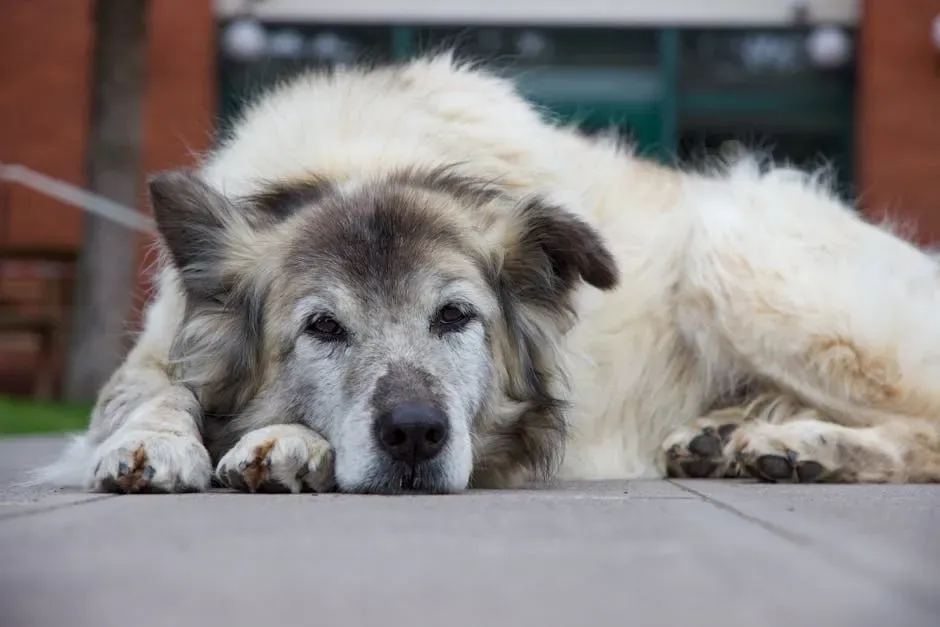
Before you can help your older dog, it helps to understand what you are dealing with. As canine companions age, their cognitive abilities often decline, similar to what we observe in elderly humans. This process, known as canine cognitive dysfunction syndrome (CCDS), affects approximately fourteen to thirty-five percent of geriatric dogs, with prevalence increasing significantly after eight years of age. Think of it like your dog’s brain losing some of its Wi-Fi signal. The connection is still there, it just needs a stronger router.
Research shows that roughly a quarter of eleven to twelve year old dogs, nearly half of fourteen year old dogs, and over two thirds of sixteen year old dogs will show at least one marker of canine cognitive dysfunction, also known as doggy dementia. This cognitive decline can manifest as disorientation, changes in social interactions, and altered sleep-wake cycles. Knowing these signs early is powerful. Catching them means you can act, not just react.
2. Make Puzzle Toys a Daily Non-Negotiable
Research by psychologist Norton W. Milgram at the University of Toronto shows that giving older animals mental exercise in the form of new problem-solving experiences, as well as exposing them to richer and different environments, helps offset the usual decline in mental efficiency in senior dogs. Stimulating the mind in this way changes the physiology of the brain, creating new connections between existing neurons in the cortex as a result of experience. That is not just encouraging. That is genuinely exciting.
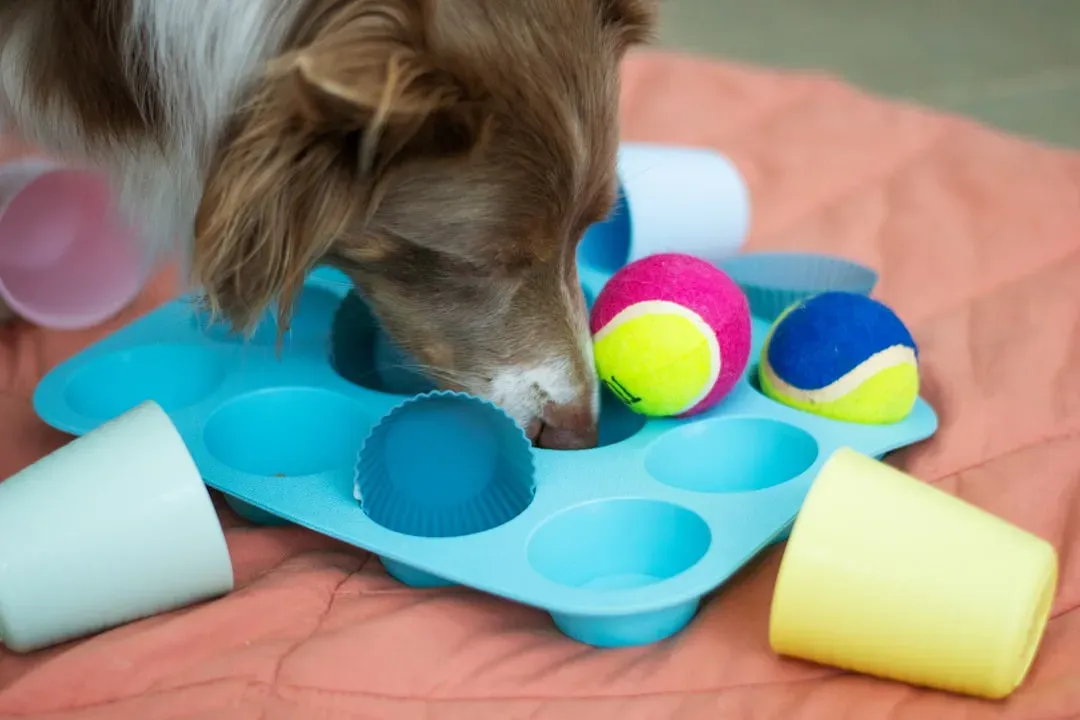
Puzzle toys are one of the most popular dog brain training tools, and for good reason. These interactive toys require your dog to manipulate pieces, slide compartments, or flip levers to access hidden treats. Look for toys that have sliders, lifters, or hidden compartments that encourage your dog to figure out the opening mechanism. Start with simpler puzzles to build confidence, and gradually introduce more complex ones. Think of it like starting your dog on a crossword puzzle before handing them a full sudoku book.
3. Harness the Power of Your Dog’s Incredible Nose

Dogs have one hundred to three hundred million odor receptors compared to our six million, making scent work their most powerful mental exercise. Honestly, when you think about it, their nose is basically a supercomputer. Scent games are a fantastic way to stimulate your senior dog’s brain, encouraging them to use their natural sniffing instincts. This type of mental exercise can help maintain their olfactory abilities, which are crucial for brain health.
Even ten minutes of scent work can tire your dog as much as a thirty-minute walk. Create a simple treasure hunt by hiding small treats around your home while your dog waits in another room. Start easy with treats in plain sight, then gradually increase difficulty by hiding them under towels, inside boxes, or in other locations. Scent work is also calming and especially helpful for dogs who feel anxious due to limited movement. Two birds, one treat.
4. Yes, You Really Can Teach an Old Dog New Tricks
Let’s be real, this old saying needs to retire along with certain myths about senior dogs. Contrary to common belief, older dogs can be ideal candidates for learning new tricks due to their heightened focus and attentiveness, attributes that often surpass those exhibited during their puppy years. The process of training aging dogs not only imparts new abilities but also instills a sense of accomplishment, fostering confidence in them.
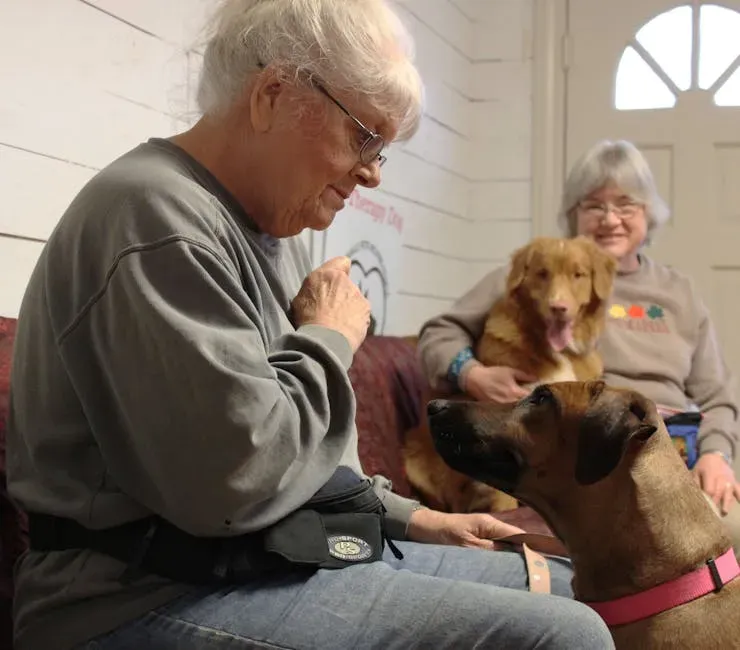
You may not think of obedience training as mental enrichment, but every time your dog learns a new trick or command, they are exercising their brain. Short five to ten minute training sessions can do wonders for mental stimulation and confidence. Plus, it strengthens communication between you and your dog. Teach your dog new, simple tricks that are achievable and do not strain their physical limits. For example, “shake hands” or “speak” can be fun and genuinely engaging.
5. Reinvent the Daily Walk with a Sniff-First Approach
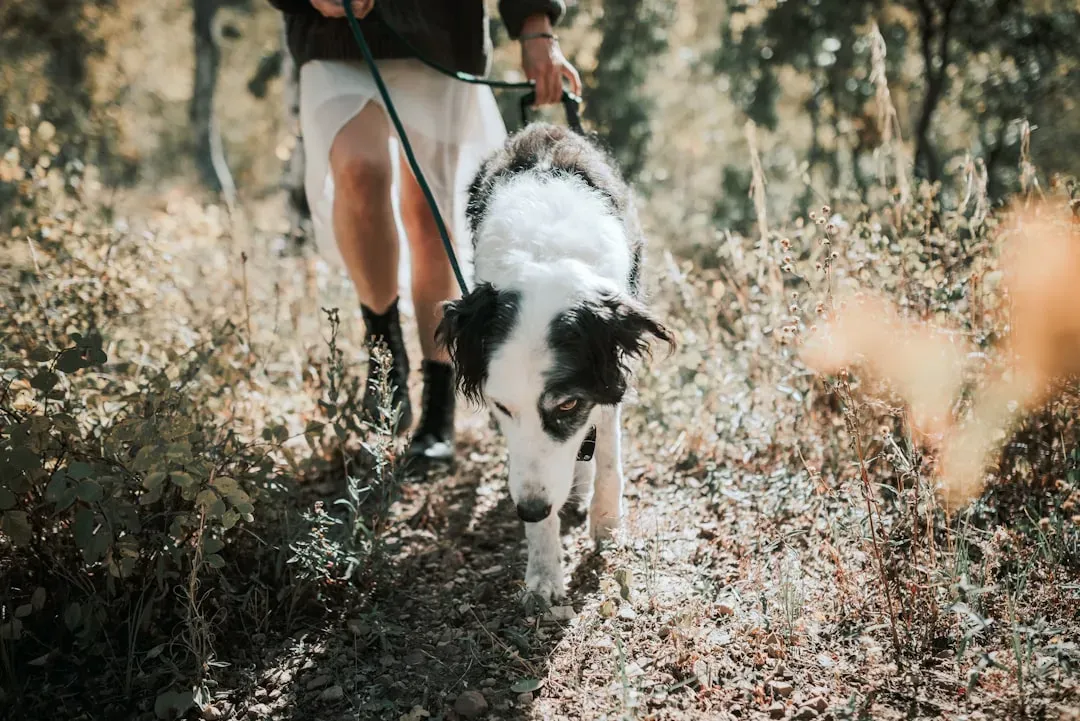
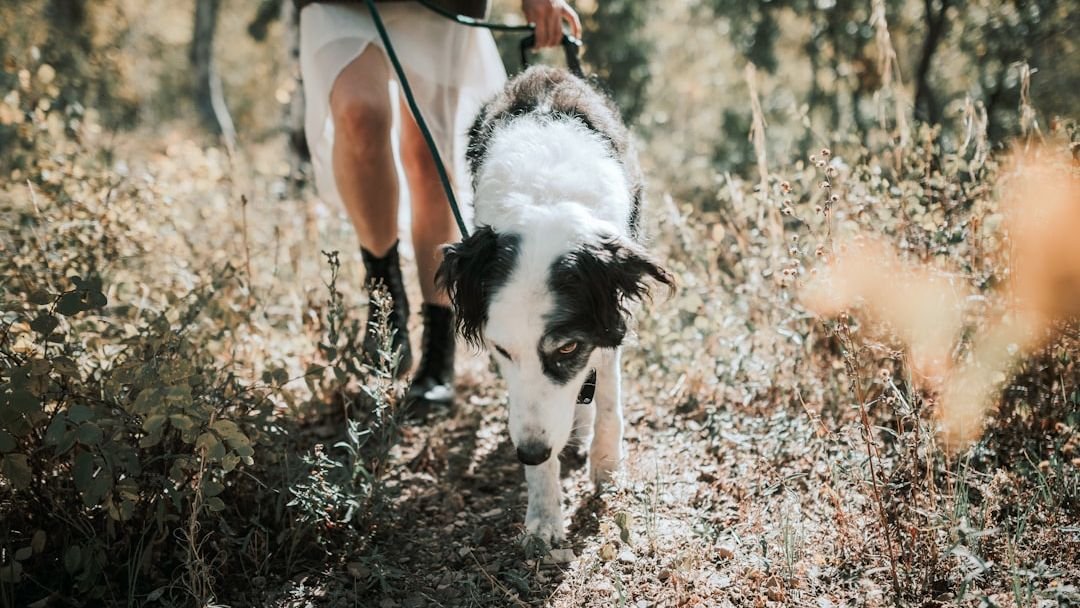
Most of us rush our dogs through their walks. We have places to be. But for your senior dog, that walk is one of their richest sources of mental nourishment. Sniff walks can be adjusted by limiting distance and allowing frequent, relaxed pauses. Extra time for smelling enriches cognitive engagement without straining joints and muscles. Let them linger. That fire hydrant might be old news to you, but to your dog it is practically a newspaper.
Changing up your dog’s daily experiences is key to warding off cognitive decline. An easy way to do this is to vary their walks. By consistently taking different routes, you expose them and their brains to a variety of new exciting sights, smells, and sounds. Watch for signs of fatigue such as panting, limping, or lagging behind to prevent overexertion. Soft or grassy paths lessen impact on aging bones and provide better traction. A slow walk done mindfully beats a fast one done carelessly.
6. Turn Mealtime Into a Mini Mental Workout
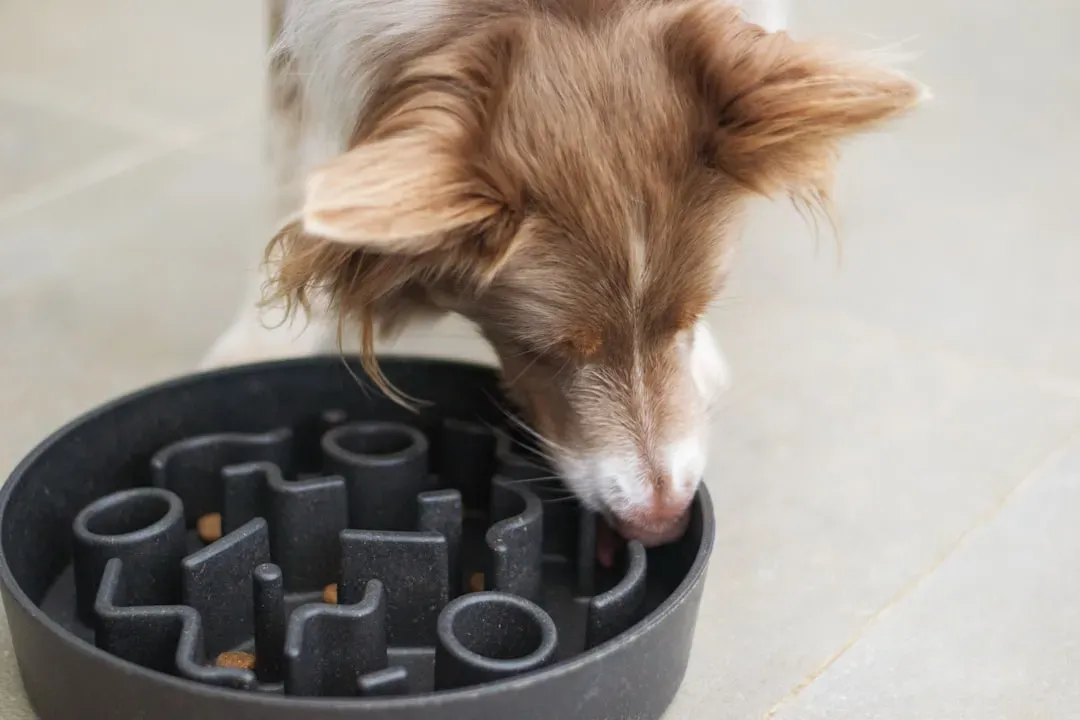
Here is a simple switch that costs almost nothing. Instead of sliding a food bowl down and walking away, make your dog work a little for their meal. Interactive feeders force your dog to roll, push, or paw at toys to release kibble. This keeps meals stimulating and slows eating, which is great for digestion and energy release. It is honestly one of the easiest upgrades you can make to your dog’s daily life.
Snuffle mats mimic grass and allow your dog to forage for kibble or snacks, which is perfect for natural scent stimulation. Instead of serving meals in a regular bowl, try using a snuffle mat or puzzle feeder to make mealtime an engaging activity that can last fifteen to twenty minutes instead of two minutes. That is fifteen minutes of brain activation your dog was not getting before, and all you did was swap the bowl. Simple. Effective. Done.
7. Feed the Brain from the Inside Out with Smart Nutrition

What goes into your dog’s body absolutely affects what happens in their brain. A balanced diet is key to your dog’s mental fitness. Nutrients such as omega-3 fatty acids, antioxidants, and B vitamins can help maintain brain health and improve cognitive function. Senior-specific dog foods often contain ingredients that support cognitive health, such as antioxidants, omega-3 fatty acids, and glucosamine.
MCT oil provides an alternative energy source for aging brains. As dogs age, their brains become less efficient at utilizing glucose for energy, but can use ketones derived from MCTs. A landmark study in the British Journal of Nutrition demonstrated that dogs receiving MCT supplementation showed improved attention and reduced signs of cognitive dysfunction. Always consult your vet before adding any supplement, but this area of research is genuinely promising and worth discussing at your next appointment.
8. Keep Social Connections Alive and Meaningful
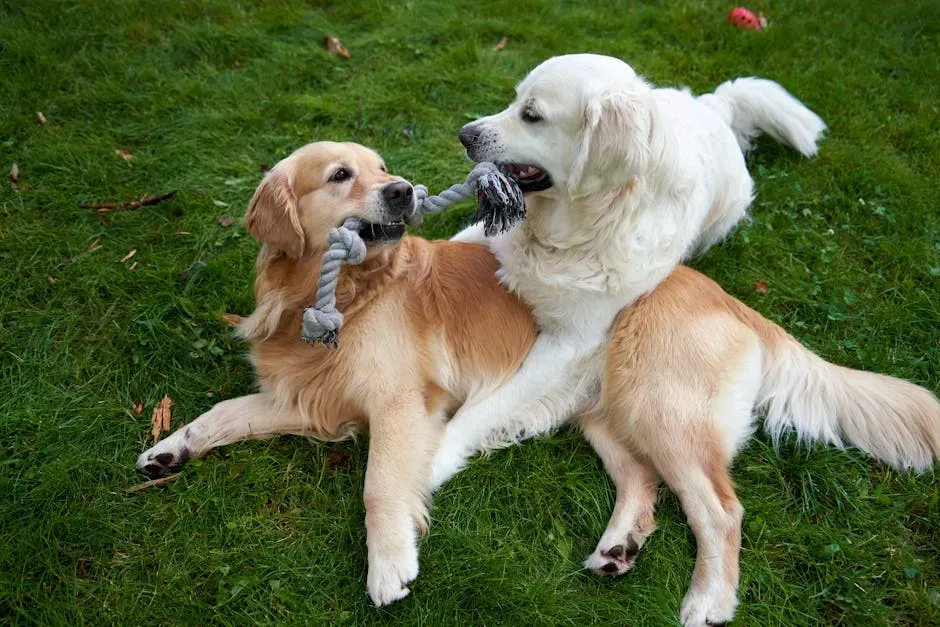
It is easy to let your senior dog’s social world shrink as they slow down. Fewer dog park trips, fewer visitors, more quiet days at home. It is understandable, but social isolation can quietly chip away at your dog’s mental health. Consider regular playdates with other dogs, which can provide much-needed social and mental stimulation. Taking your senior dog to pet-friendly places, like parks or pet-friendly cafes, can also expose them to new sights, smells, and experiences.
Dogs form incredibly close ties with their owners. Play sessions help to strengthen the bond you share with your dog. When you spend time playing with your pet, they realize you are doing something for them. Depression and anxiety tend to form in older dogs that are bored and have a lack of purpose. Participating in activities together can be a great moment to bond and connect with your dog. Your presence is, genuinely, part of the medicine.
9. Build a Consistent Routine That Your Dog Can Rely On
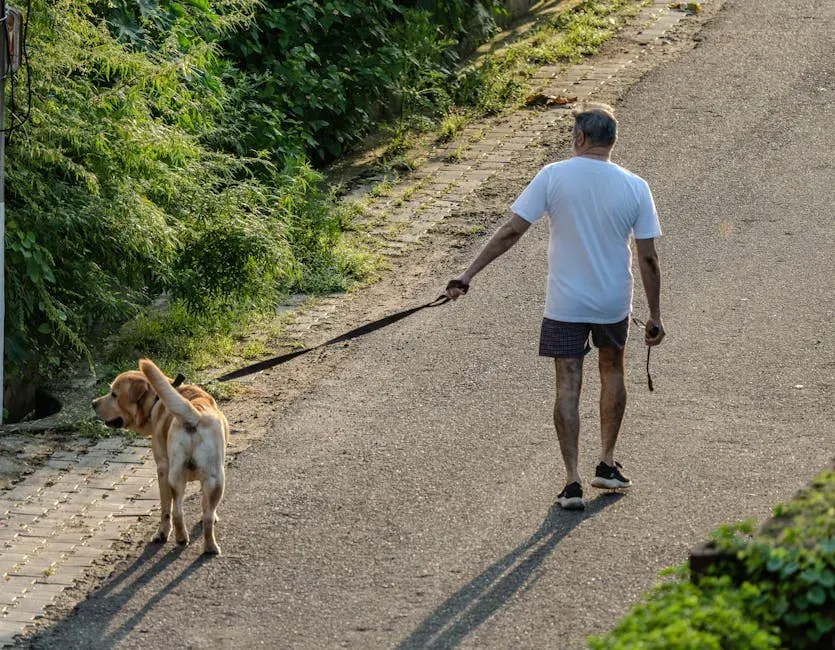
Routine is underrated. For a senior dog whose world can feel increasingly disorienting, a predictable schedule is like a map they can always follow. Supporting cognitive health in geriatric dogs requires a multifaceted approach combining appropriate medications, targeted supplementation, environmental enrichment, and consistent routine. Structure is not boring for your dog, it is actually deeply comforting.
Start with ten to fifteen minutes of mental activity daily and adjust based on your dog’s engagement. Mental stimulation can be more tiring than physical exercise, so watch for signs of mental fatigue such as yawning, looking away, or lying down. Multiple short sessions throughout the day are more effective than one long session. Think of it like interval training for the brain. A little bit, regularly, adds up to a whole lot over time.
10. Watch the Behavior Cues That Tell You Something Is Shifting
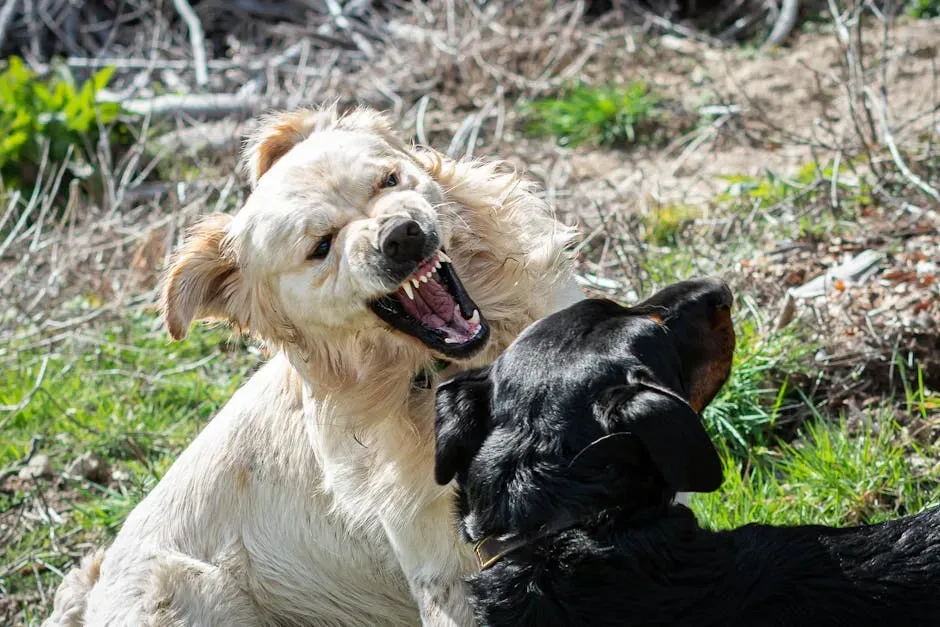
Your dog cannot tell you when something feels off. So you have to become fluent in their body language and behavior patterns. Cognitive stimulation can slow the progression of canine cognitive dysfunction, improve memory, and provide a valuable source of entertainment and engagement for dogs. Additionally, cognitive exercises can help reduce anxiety and restlessness, enhance the quality of sleep, and even help manage physical symptoms of aging. But you have to notice the changes first.
As dogs age, they may experience health issues like arthritis, dental disease, or vision loss, which can impact their quality of life and mental health. Discuss any changes in your dog’s behavior with your vet, as these could be signs of cognitive decline. Your vet can provide guidance on managing these changes and keeping your dog mentally fit. Trust your gut on this one. You know your dog better than anyone, and if something seems different, it probably is. Early action always beats late regret.
Conclusion: Your Senior Dog Still Has So Much Living to Do
Starting enrichment early builds cognitive reserves, but it is never too late to begin. Even dogs already showing signs of cognitive changes can experience meaningful gains from appropriate stimulation. The scientific evidence shows that lifestyle choices significantly influence how the aging canine brain copes with neural changes, making consistent enrichment valuable at any stage of your dog’s life.
Mental stimulation opportunities should not be viewed as an extra luxury for senior dogs, but instead as a necessity. By incorporating a variety of activities into their daily routines, we can support their cognitive function, alleviate boredom, strengthen our bonds, and ultimately enhance the overall quality of their last chapter. Your dog gave you their whole life without asking for much in return. A few minutes of puzzles, sniff walks, and nose games is a beautiful way to give something meaningful back.
So here is the question worth sitting with: if your dog could tell you what they need most in their golden years, what do you think they would say? What would you have guessed before reading this?


