
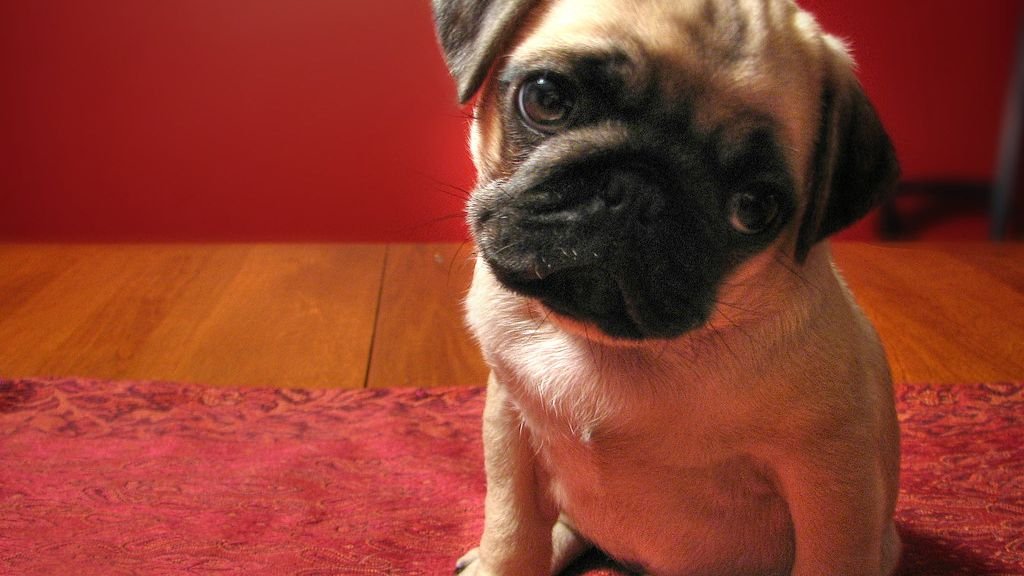
There is something quietly extraordinary about the moment your dog fixes their gaze on you. You could be eating breakfast, watching television, or just sitting still, and there they are, those big, soulful eyes locked onto yours like you are the most fascinating thing in the universe. It’s flattering, slightly weird, and honestly, a little addictive.
The truth is, that stare is not random. It is not just your dog being dramatic or waiting for a biscuit to fall. Behind those eyes lies a complex web of emotion, communication, evolution, and science that most dog owners have never fully explored. So let’s dive in.
The Love Hormone: Why Your Dog’s Stare Is Actually a Hug
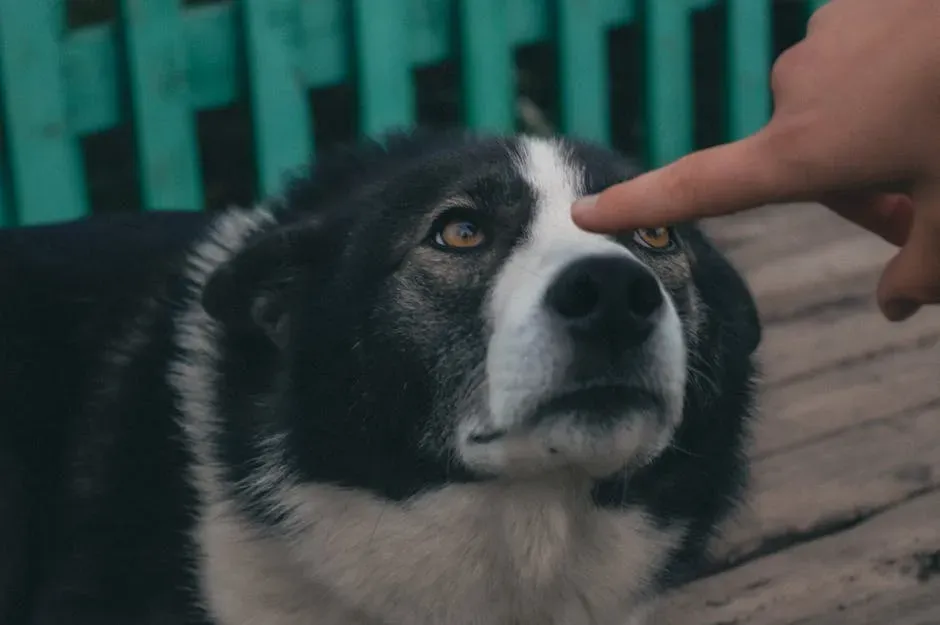
Here’s the thing most people don’t realise. Just as humans stare into the eyes of someone they adore, dogs stare at their owners to express affection, and mutual staring between humans and dogs actually releases oxytocin, known as the love hormone. That’s not a metaphor. That’s biochemistry.
This chemical plays an important role in bonding and boosts feelings of love and trust. It is the same hormone released when a new mother looks at her baby. Think about that for a second. Your dog gazing at you activates the same neurological response as a parent bonding with a newborn. It sounds almost too good to be true.
When dogs and humans make eye contact, oxytocin levels can increase by up to 300% in both species, creating a positive feedback loop that reinforces their bond. So every long, lazy gaze your dog gives you across the room? They are literally dosing you both with happiness.
It’s Evolution, Not Just Instinct
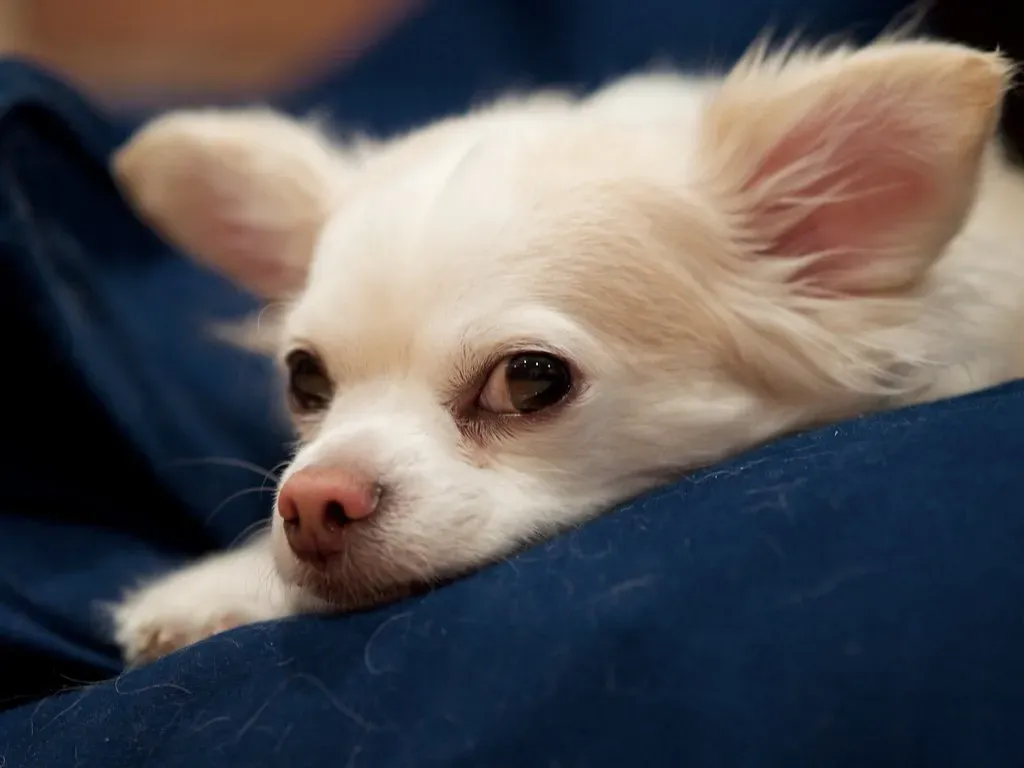
This eye contact is far more than casual observation. Unlike their wolf ancestors who interpret direct eye contact as threatening, domesticated dogs have adapted to use this visual connection as a primary way to understand, bond with, and communicate with their human companions. That’s an enormous evolutionary shift, and it happened specifically because of us.
Human-like modes of communication, including mutual gaze, in dogs may have been acquired during domestication with humans. Gazing behaviour from dogs, but not wolves, increased urinary oxytocin concentrations in owners, which consequently facilitated owners’ affiliation and increased oxytocin concentration in dogs.
This positive feedback loop may have played a critical role in dog domestication. As wolves were morphing into dogs, only those that could bond with humans would have received care and protection. Honestly, dogs did not just become our companions. They engineered it.
Your Dog Is Reading You Like a Book
More than almost any other animal on earth, dogs are in tune with humans. They sense our moods, follow our pointing gestures, and read us for information about what’s going to happen next. That means they stare at us a lot to gain knowledge about their environment.
Your dog watches your body language and looks at your facial expressions to help them recognise what you’re thinking and feeling. Think about how often we do this with people we care about. Watching their face for cues, trying to decode a mood. Your dog is doing exactly that, all day long.
Dogs are excellent at remembering our daily habits, but will often stare at us to try to piece together our actions. As well as watching you carefully, they most likely use their other senses to gain extra information. They listen to the tone of your voice and may even use their incredible sense of smell to work out how you’re feeling. In a way, your dog is the most attentive companion you will ever have.
They Want Something, and They Know You’ll Cave
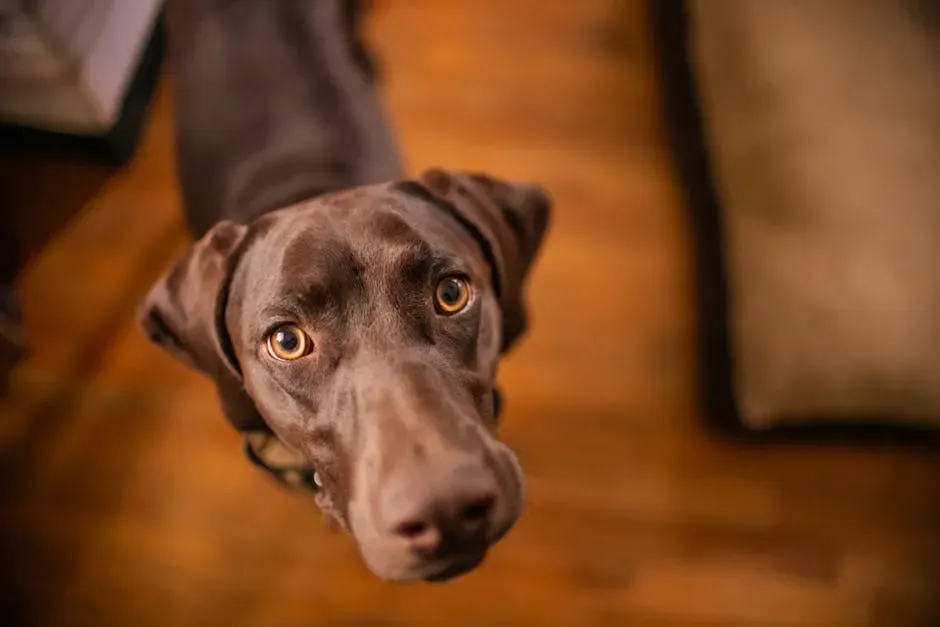
Let’s be real. Not every gaze is poetic. Sometimes your dog is staring at you because dinner is five minutes late and they are appalled by your poor time management. Dog owners often feel compelled to act when dogs won’t give up looking so intently at them. The reason why dogs stare at us when they want something is because we’ve unintentionally taught them this behaviour.
Whether it’s reaching for the treats, taking them for a walk, or offering them a cuddle, dogs quickly learn there is a cause and effect rule involving their ability to keep eye contact with their owner. If you reward them with treats and attention every time they sit and stare at you, they’ll keep doing it to get what they’re after. You created this. No judgement, we all did.
Around dinner time, many dogs may try to catch your eye to remind you to feed them. Dogs may also stare and paw at you to remind you to take them out. If your pup stares at you, paws at you, or walks towards the door, it’s time to leash them up and take a quick potty break. The dog is basically your personal assistant at this point.
Anxiety, Confusion, and the Worried Stare
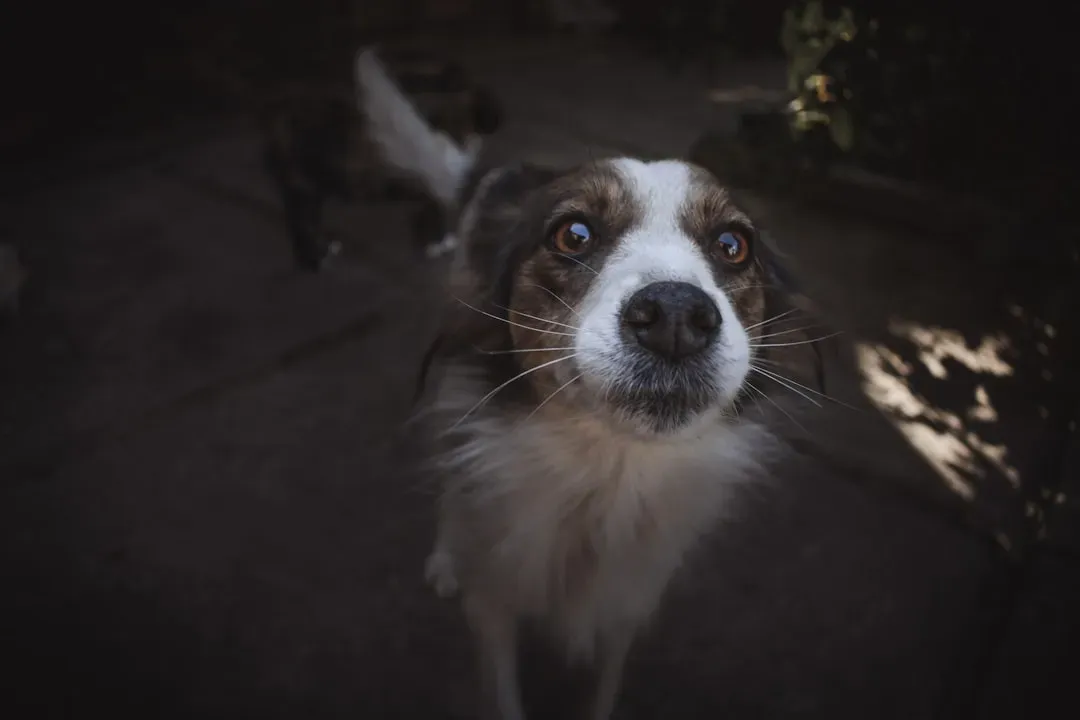
Not all staring is warm and fuzzy. Some of it is genuinely anxious. Some dogs with separation anxiety will constantly stare at their pet parents because they’re worried you’ll sneak out and leave them home alone. That wide-eyed, unblinking look that follows you even to the bathroom? That is your dog processing something emotionally difficult.
When a dog feels unsafe or uneasy, they might stare at their owners for protection or to seek reassurance. In such situations, they might even show more signs of anxiety or distress, such as trembling or excessive panting. If you can spot the source of their distress, you should address it and take appropriate steps to make your dog feel safe and comfortable.
Sometimes your dog may be staring at you because they simply don’t have a clue what’s happening or what they’re expected to do. By looking at you closely, it helps them collect information to understand more about their situation. If you’ve asked your dog to do something and they just stare at you, it might not be that they’re being stubborn, but they may just need another hint from you. Honestly, the dog is trying their best.
When the Stare Turns Hard: Recognising Warning Signals
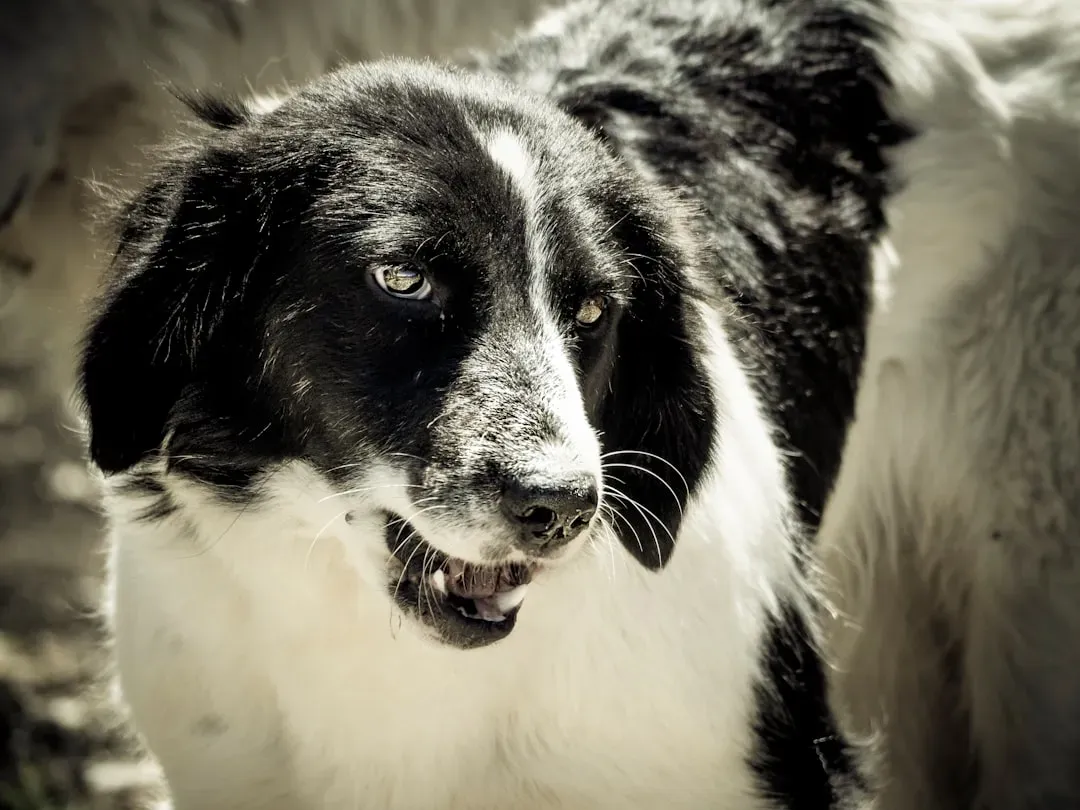
There is a stare that feels entirely different from love or curiosity. Dogs lock eyes with one another to establish dominance or to show aggression. If a dog gives a person a hard, steady stare without blinking, the dog might be warning the human to back off. Knowing the difference between these two kinds of eye contact could genuinely matter.
When dogs are showing aggression, they will stare with mostly the whites of their eyes as a warning signal. These are called ‘whale eyes’ and will usually happen if you’re approaching a dog you don’t know, or your dog is feeling threatened or overwhelmed. If you ever see this, do not stare back.
If you’re ever concerned about a dog’s stare, you’re never wrong to look away and slowly back away while facing the dog. If the dog was uncomfortable and you move away, you should see a relaxation in their body language. Trust those signals. Dogs rarely bluff.
When Staring Signals Something Medical
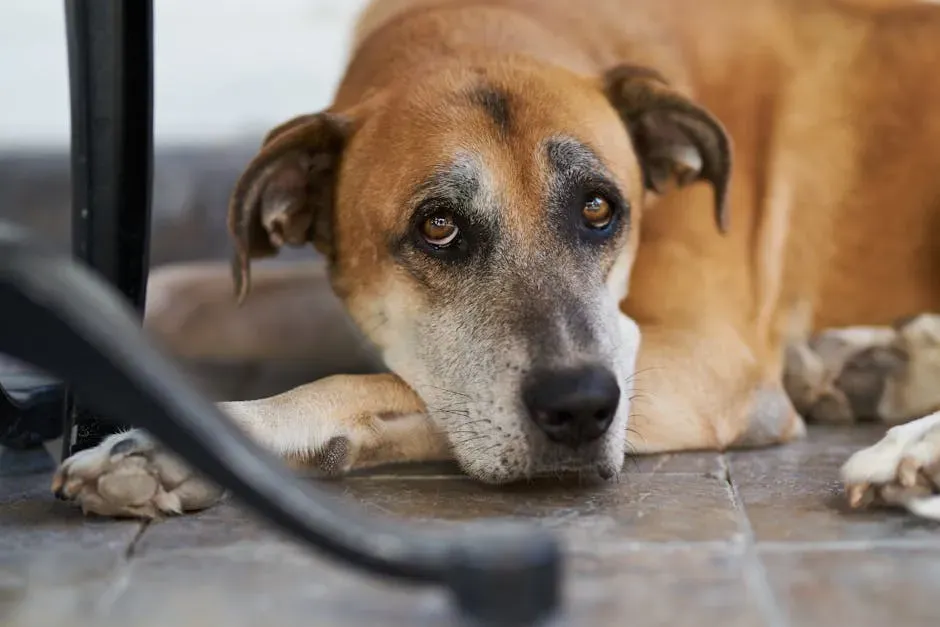
I think this one surprises people the most. Sometimes, particularly in older dogs, a dog that is regularly staring at their owner, or staring into space, could be a sign of a form of dementia. If they seem confused, keep having accidents inside the house, or are showing signs of memory loss, you should speak to your vet for advice.
If your dog tends to stare blankly, not just at you but at walls, objects, or into the distance, you should take them to a vet to be checked over. This is especially important if they also seem disorientated or confused when walking around the house, carrying out their regular routine.
Senior dogs are more likely to stare blankly, either at their owners, objects, or into the distance, as their brain function starts to decline. Chat to your vet if you’ve noticed this, as it could be a sign of cognitive dysfunction syndrome. Catching it early always makes a difference.
Conclusion: Those Eyes Are Saying Everything
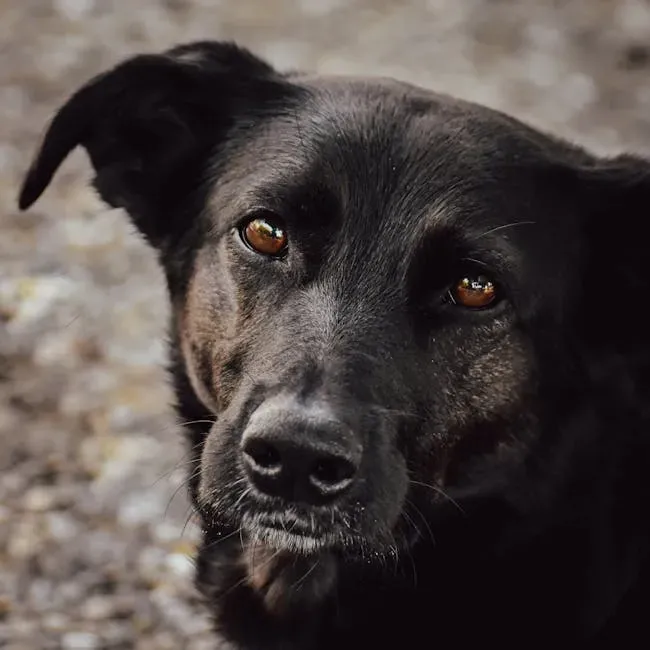
Your dog’s gaze is one of the most layered, fascinating, and genuinely moving forms of communication in the animal world. It can mean love, hunger, worry, warning, confusion, or a deep evolutionary bond that has been tens of thousands of years in the making. There is no single answer, and that is what makes it so beautifully complex.
The mutual gaze boosts trust and empathy between the dog and human, strengthening the bond between them and creating a sense of calm and contentment. It’s not a bad thing if your dog stares at you a lot, as it’s usually a sign of love and affection, and looking into your dog’s eyes strengthens the bond between you.
The next time your dog locks eyes with you from across the room, maybe hold that gaze a little longer than usual. You are both getting something out of it, and science has proved it. What kind of stare does your dog give you most often? Tell us in the comments.


