
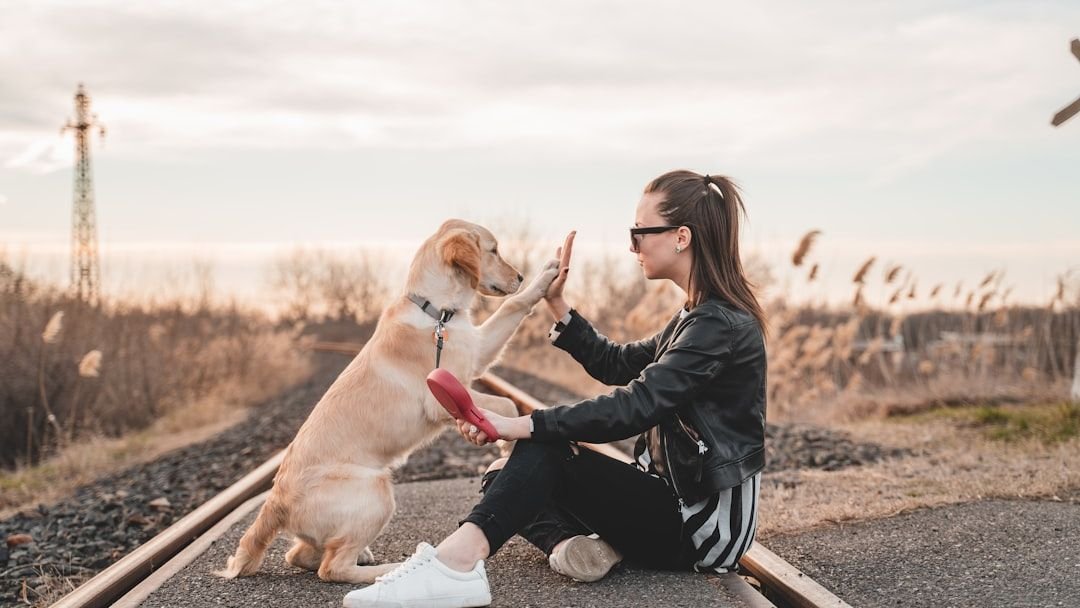
There is something quietly extraordinary about the way a dog looks at you. Not just any look, but that soft, lingering, deeply personal gaze that seems to say everything words never could. We share our homes, our routines, our messy Tuesday mornings with these animals, and yet the question so many of us quietly carry is: does my dog actually feel loved here?
It turns out, dogs speak a rich and nuanced language, every single day. You just need to know what you are looking for. Get ready, because what you are about to discover might completely change the way you see your dog’s everyday behavior.
The Eyes Have It: What a Soft Gaze Really Means
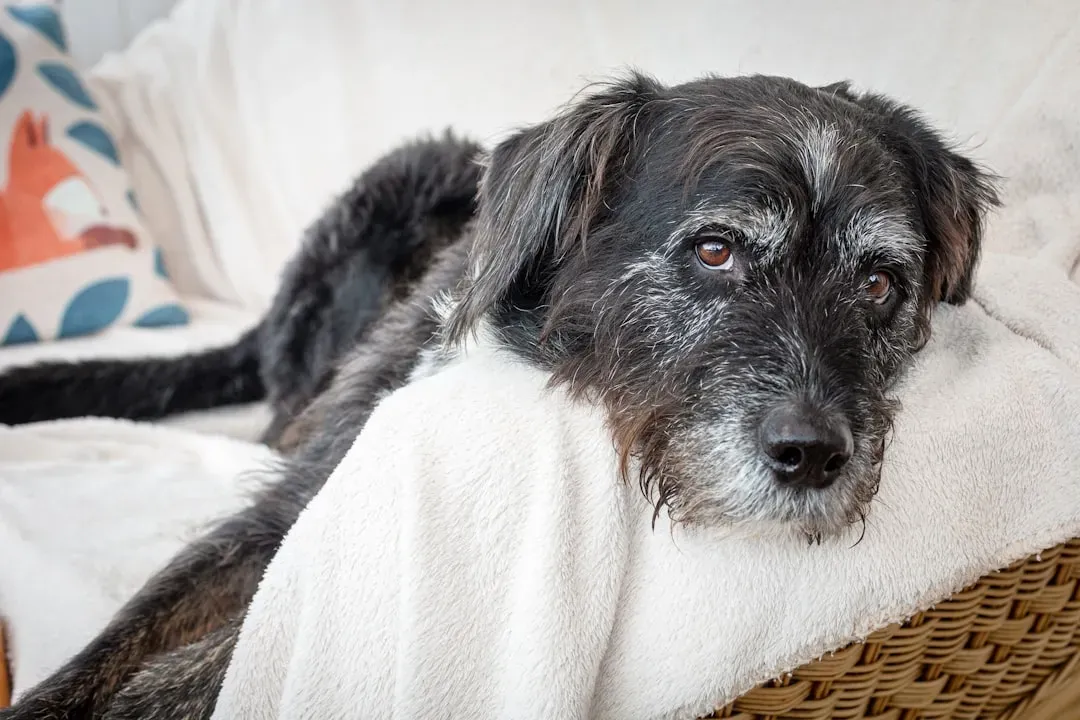
Let’s start with the most intimate signal of all. Many scientific studies have found that oxytocin, the so-called “love hormone,” is released in dogs through deep and meaningful eye contact, and without being able to speak the same language, eye contact is an important way for dogs to communicate with us. Think about that for a moment. The same hormone that bonds a mother to her newborn child floods your dog’s brain simply because they are looking at you.
If your dog is making eye contact with you, blinking, and maintaining a calm and relaxed demeanor, they are trying to express their love to you. Research shows that when dogs and their owners lock eyes, both experience a spike in oxytocin, the “bonding hormone,” which shows trust and affection between the two of you. It is a two-way chemical conversation, and honestly, that is one of the most beautiful things science has ever told us about dogs.
Like any other animal behavior, it is important to recognize their body language alongside these signals. If your dog is making eye contact with you, not blinking, and looking stressed or agitated, there is a chance they are uncomfortable. Only you can decipher between a loving gaze and an urgent request to go to the bathroom. Context is everything, as it always is with love.
Loose, Relaxed, and Totally Unguarded: Reading Their Body Language
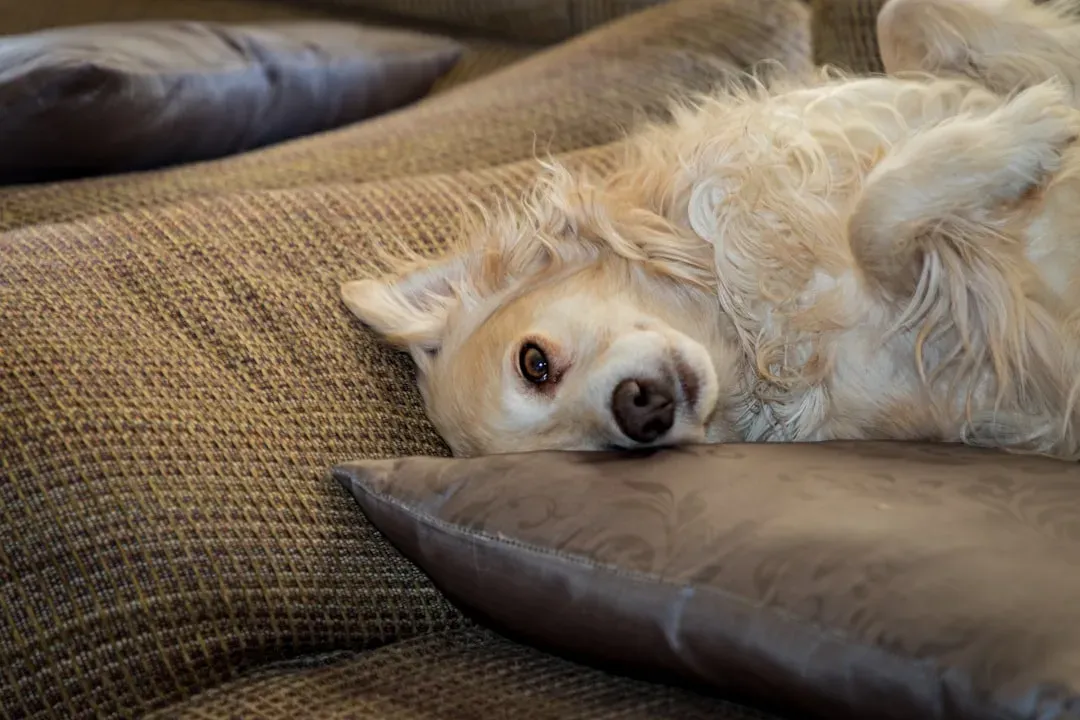
A dog’s body language speaks volumes about their emotional state. When a dog feels safe and content, their body appears loose and relaxed. Look for signs such as a wagging tail, a slightly open mouth that looks almost like a smile, or a soft gaze. A dog who is tense, rigid, or guarded is a dog who does not yet feel fully at ease. The relaxed dog, on the other hand, practically melts into their surroundings.
A dog who is on alert and worried will have vastly different posture than one who feels at ease. Your trusting dog will present with body language that shows their comfort level with you, and you will likely see a relaxed face, soft eyes, and a wag that wiggles the entire hind end. I think of it like this: a nervous dog is like a clenched fist, and a happy dog is an open hand. The difference is unmistakable once you start watching.
Relaxed, floppy ears that rest naturally against your dog’s head are a clear sign of happiness and comfort. Sometimes you might notice one ear cocked up while the other remains relaxed, a casual positioning that indicates your dog feels secure enough to let their guard down while staying mildly alert to their surroundings. Adorable and deeply telling, all at once.
The Belly Roll: Vulnerability as the Ultimate Compliment
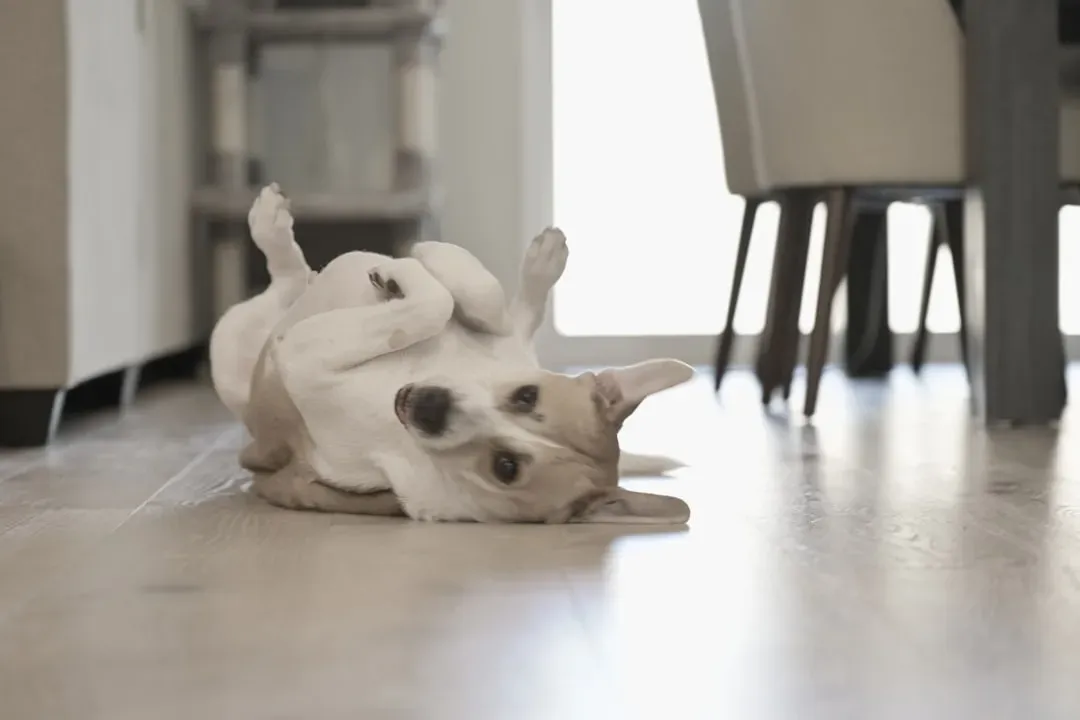
One of the most vulnerable parts of a dog’s body is the belly. So when a dog feels comfortable enough to roll onto their back in your presence, it is more than likely they trust you enough to voluntarily roll into this exposing position. Often, when dogs roll onto their backs, they do so in the hope of a loving belly rub. Belly rubs and tickles can be incredibly soothing and relaxing for dogs, so if your pup trusts you enough to do this, it can be a fantastic way to further enhance your bond.
The greatest indicator of trust is showing off their belly. Since exposing the belly shows that a dog has dropped its guard and is emotionally comfortable, the posture demonstrates complete trust. They show their belly when they feel confident. The American Kennel Club explains that when a dog shows their belly in a relaxed manner, they are in a space that is low in stress. They feel emotionally safe and are guarded and protected by their favorite humans. Honestly, there is no higher honor a dog can give you.
Following You Everywhere: Shadow or Sign of Love?
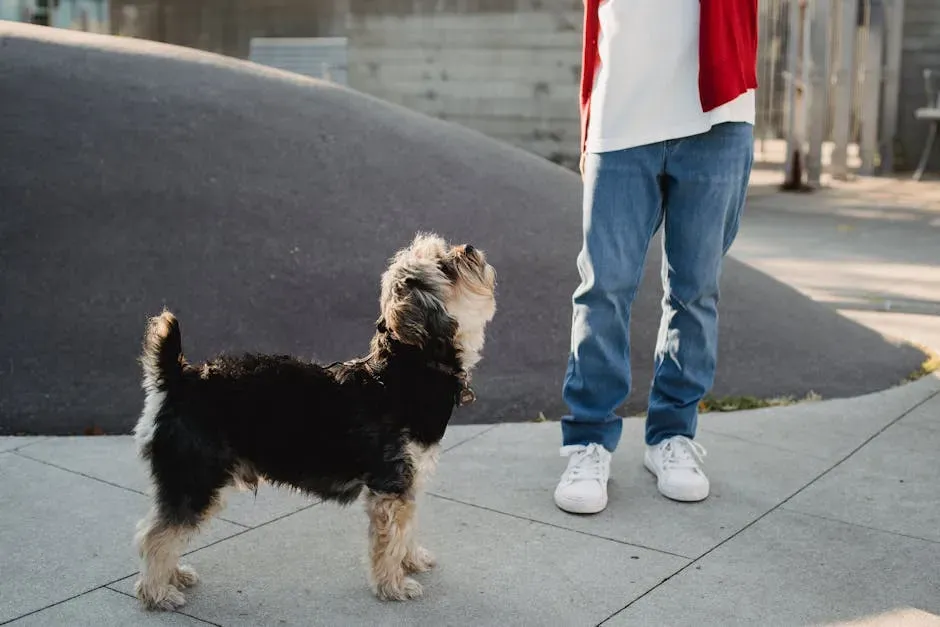
If your dog follows you from room to room or lies nearby while you are doing something boring, that is a big deal. Studies have found that dogs stick closer to their owners than to other people, which is a strong sign that they feel safe, bonded, and emotionally connected to you. It is like having a tiny, four-legged best friend who genuinely wants to be wherever you are. Not because they have to, but because being near you simply feels right to them.
When a dog follows you around, they do not depend on you out of fear. A dog following you without being anxious shows that they trust you, are emotionally confident, and feel that they are in a safe environment. A dog that is not anxious is showing that they are comfortable and it is safe for them to be near you. A dog often follows their owner to provide emotional security and anchor their presence to daily routines and overall environment, reinforcing emotional stability and comfort.
Sleep, Sighs, and Sacred Moments of Stillness
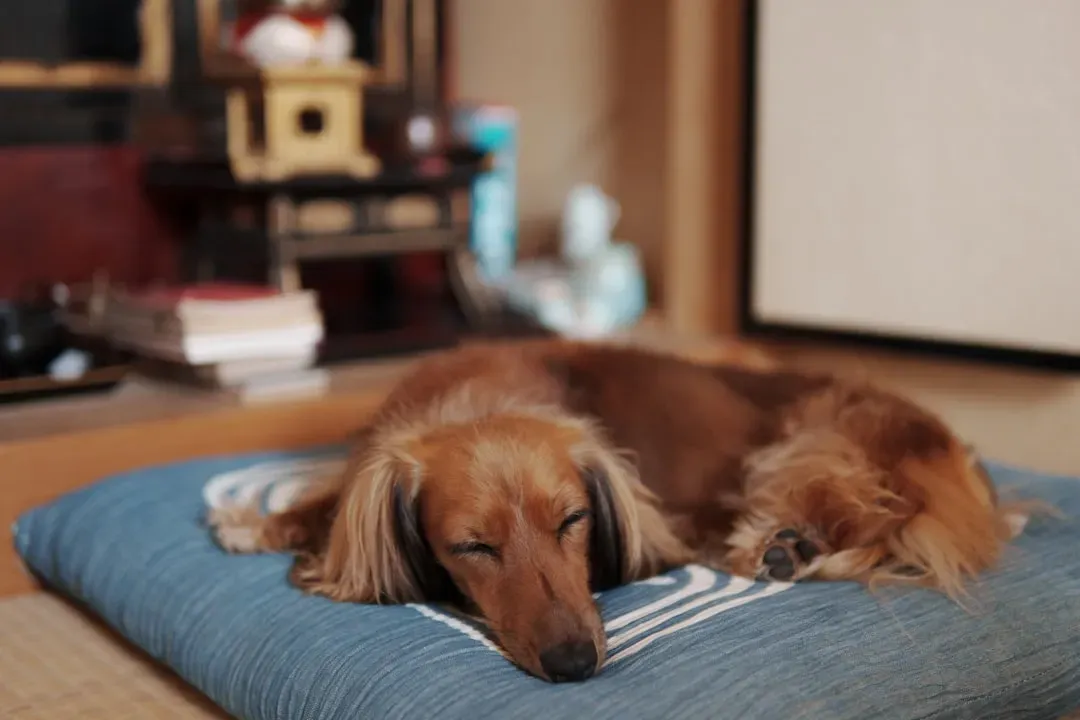
Sleeping positions show emotional security in a powerful way. Dogs rest on their sides and backs only when feeling safe and loose and not tense. Trust and emotional comfort are shown when a dog chooses to sleep in close proximity. Relaxed sleeping positions reflect the belief that the dog is guarded and protected and does not have to be on high alert. Relaxed sleeping patterns show trust in the presence of humans and confidence in the safety of their surroundings.
While sighs can sometimes be a sign of annoyance or frustration in dogs, they are most commonly a sign of contentment, especially when you are relaxing with them. It can be shocking, comical even, to hear your dog sighing like they have worked a 60-hour work week, but it is truly a sign of love. They are feeling safe, comfortable, and happy. Next time your dog lets out that dramatic, world-weary exhale while lying next to you, take it as the compliment it truly is.
The Emotional Mirror: How a Secure Dog Reflects Your Energy
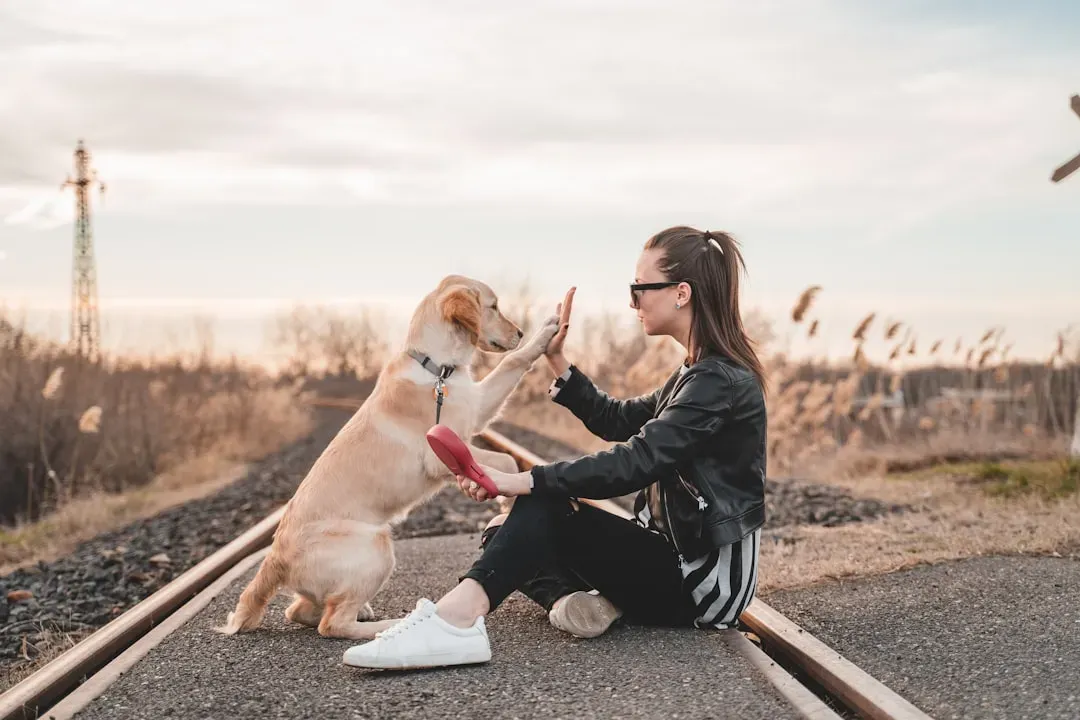
The results of a 2013 study showed that dogs that have a strong bond with their owners behave similarly to the bond human children have with their parents. They look to their owners when they are uncertain. They are more likely to explore new places with their owners, as opposed to going alone or with a stranger. They even copy their owners’ emotions to a degree, showing anxiety when the owners are anxious or being calm when the owners are calm.
Dogs are incredibly emotionally intelligent animals. They are adept at picking up on human emotions and often mirror the feelings of their owners. When you are happy, your dog is likely to be more playful and energetic. Conversely, when you are sad, your dog may become more subdued, offering quiet companionship to comfort you. This emotional sensitivity is a key part of the bond between dogs and humans and reinforces the idea that dogs truly love and care for their owners.
Playfulness, Appetite, and the Joy of Everyday Moments
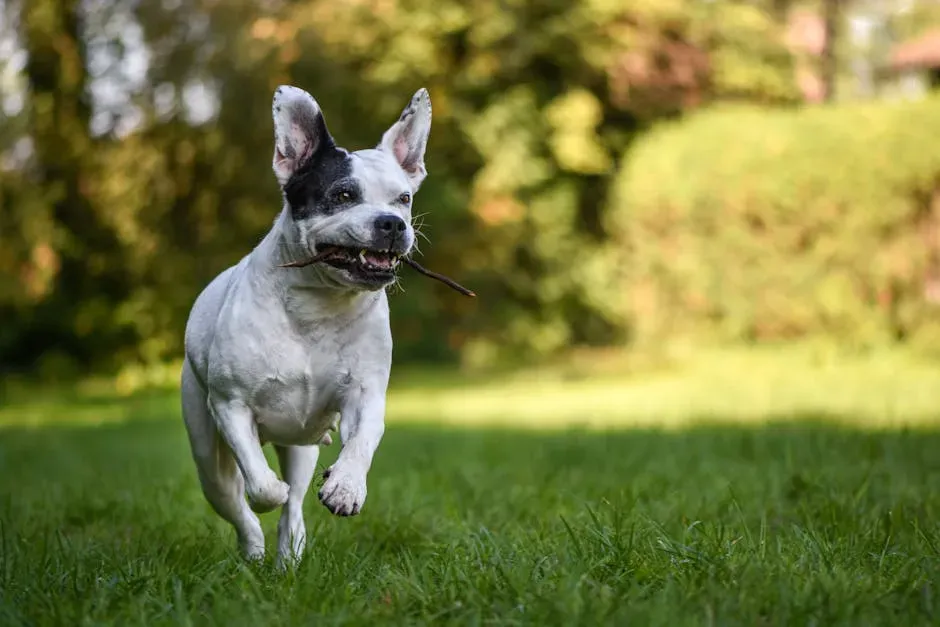
Dogs that feel safe and happy are typically eager to play and interact with their humans or other pets. Whether it is chasing a ball, tugging on a rope toy, or zooming around the yard in excitement, playfulness is a surefire sign of a joyful pup. Pay attention to how often your dog initiates play. When they bring you their favorite toy or nudge your hand for attention, they are inviting you to share in their happiness. Interactive play not only keeps your dog physically healthy but also deepens your bond.
Dogs that feel safe will eat their meals without hesitation or anxiety. A relaxed mealtime indicates trust in the environment and assurance that their owners will provide for their needs. It is a small thing, a dog eating calmly, but it speaks volumes. A content and secure dog will maintain a steady appetite and show enthusiasm for mealtime. They will eagerly approach their food bowl when it is time to eat and drink water consistently. On the flip side, sudden changes in eating habits such as skipping meals or avoiding water might indicate stress or a health issue. When in doubt, always consult your vet.
Conclusion: Learning to Read the Love That Was Always There
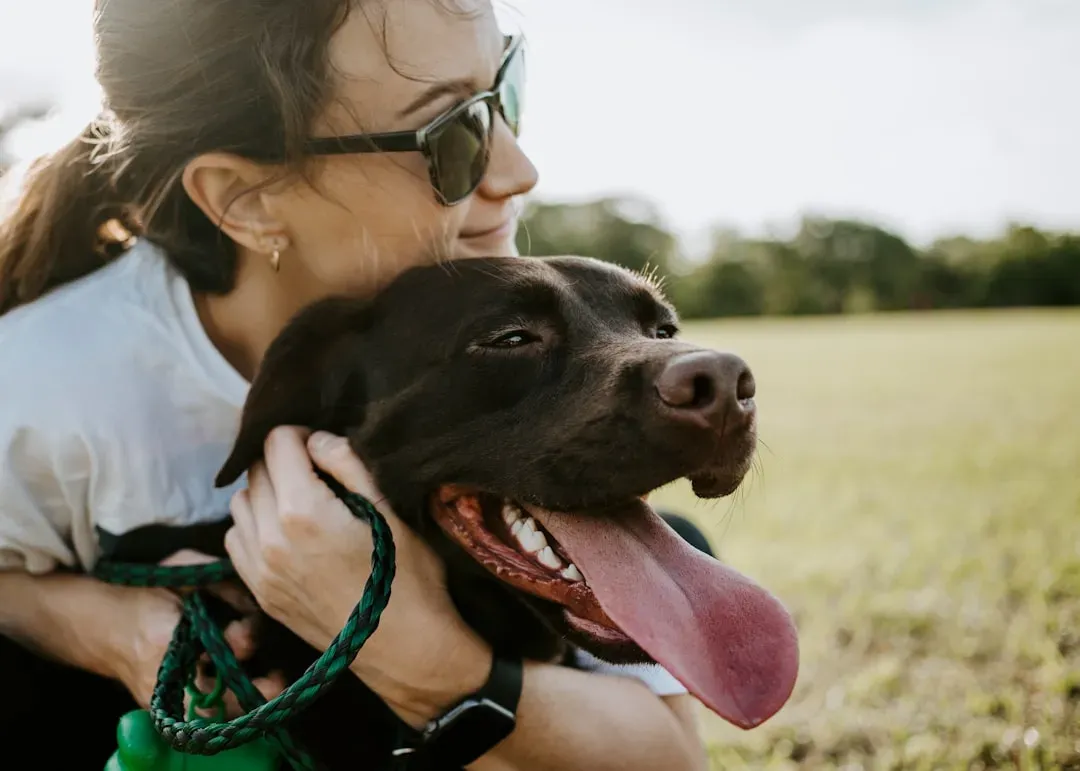
Here is the thing that gets me every time I think about it. Your dog has been telling you they feel loved and secure all along. The soft gaze across the room, the dramatic sigh after dinner, the way they press their entire body weight into you while you watch television. None of it is accidental.
Like humans, dogs need to have trust in their companions, and it is up to us to foster their willingness to build it. As science continues to explore these lovely creatures, our understanding of how their brains and emotions work is broadening. A wide range of experiments have found that dogs are capable of some amazing and complicated social feats, including intelligence and emotional sensitivity. The more we learn, the more astonishing they become.
Trust in dogs is built through routine, consistency, and emotional security. It is not built through grand gestures or expensive gifts. It is built in the quiet, repeated moments of daily life. The walks. The meals. The evenings on the sofa. Your dog is not waiting for perfection. They are simply waiting for you. So the next time your dog catches your eye and holds it just a moment longer than feels ordinary, hold it back. That right there is love in its purest form. What do you think, did you realize your dog had been saying all of this to you already?


