
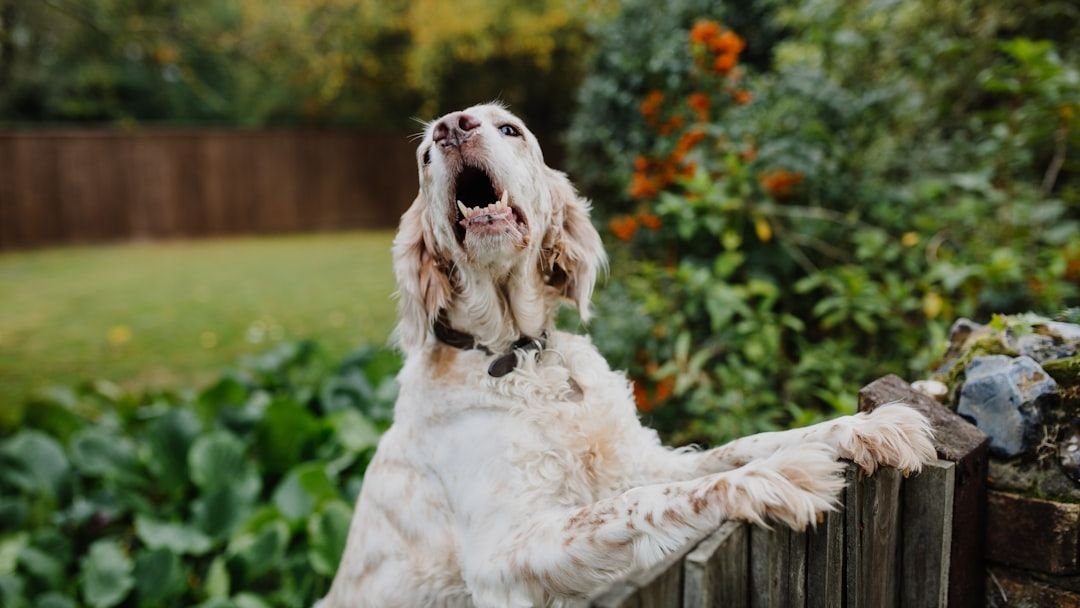
Ever catch your dog staring right at you with those big, soulful eyes just after they’ve shredded your favorite slippers? It feels like they’re saying sorry, but honestly, that gaze might be smarter than you think.
Dogs crave connection, and their looks pack a punch. Yet, in our rush to react, we often miss how our responses turn mischief into habit. Ready to uncover the hidden cues?[1]
The Deadly Attention Trap
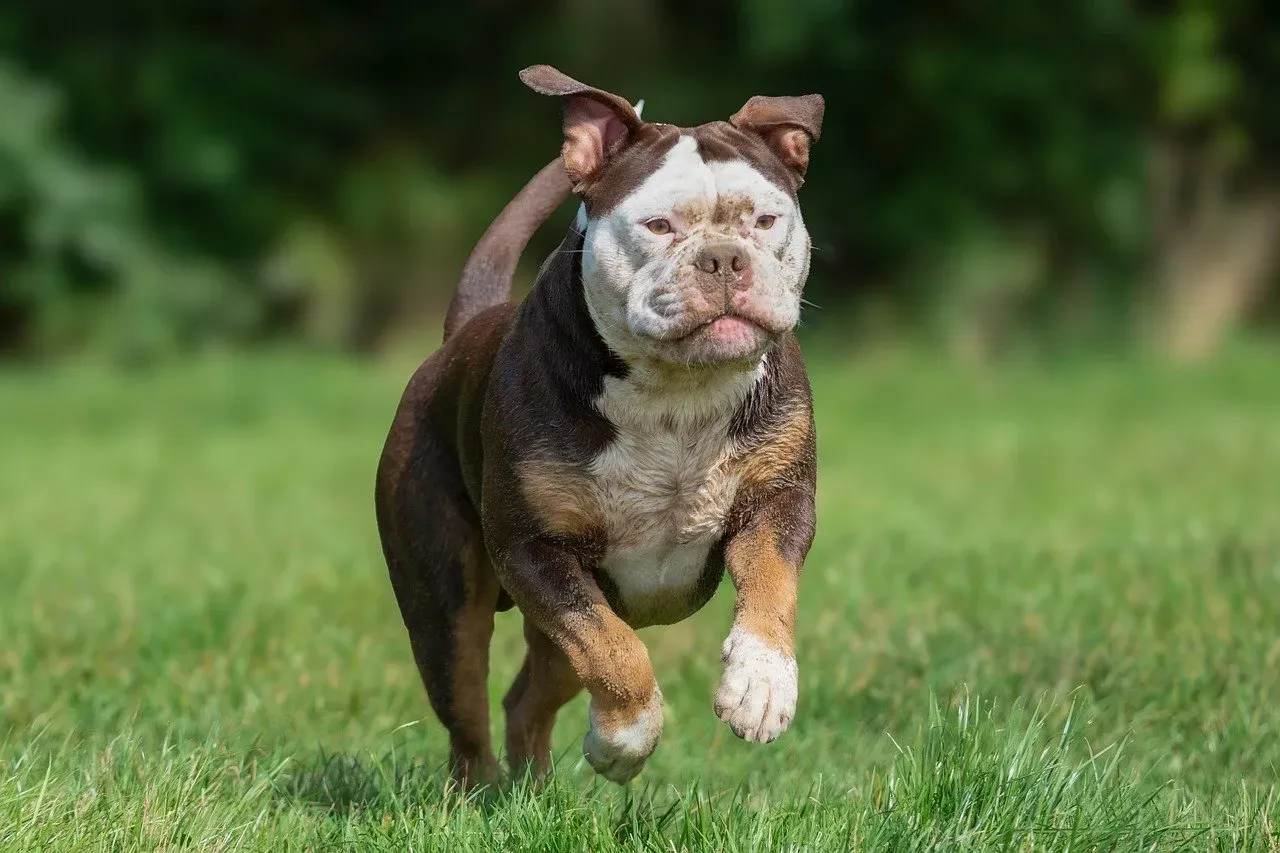
Your pup jumps on guests, and you push them away while saying “no.” That physical contact and your voice? Pure gold to them. Any attention reinforces the behavior, even if it’s scolding.[1]
Let’s be real. Dogs don’t distinguish between good and bad attention. They just know interaction happened, so the jumping repeats. Ignore it completely, and watch the magic unfold.
Owners fall into this daily without realizing. Sparky learns quick that paws on laps equal fun chaos. Shift to rewarding calm sits instead.
Yelling Makes Barking Worse
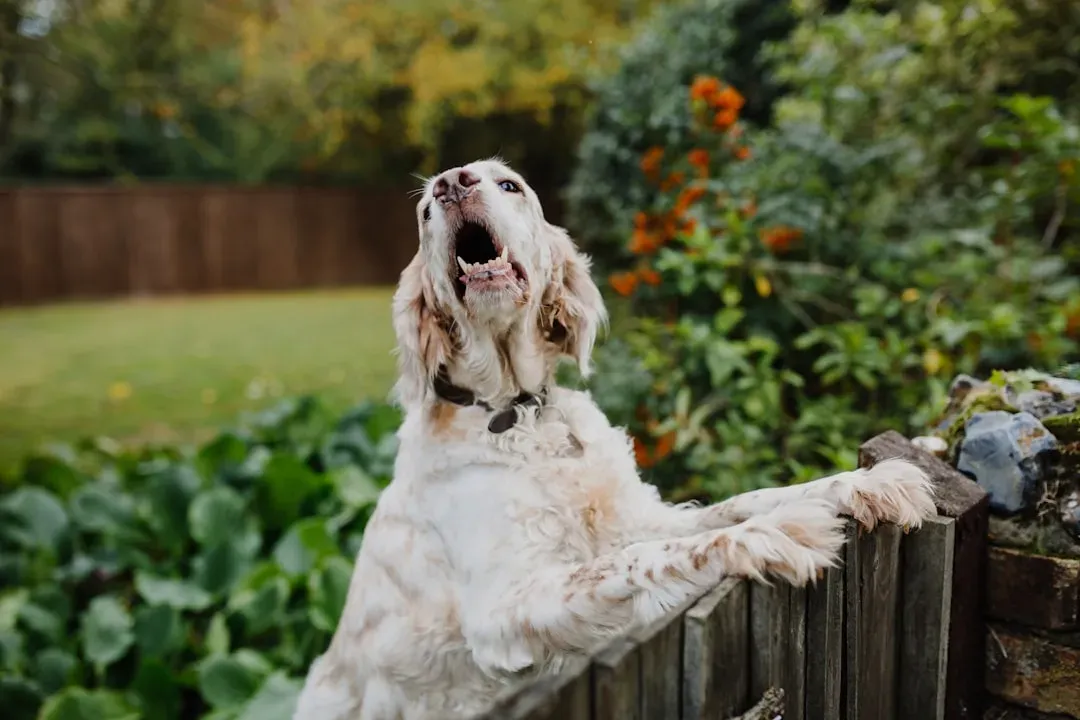
The doorbell rings. Your dog goes wild barking. You yell to quiet them down. Problem is, your raised voice sounds like joining the chorus, ramping up the noise.[1]
Reinforcement sneaks in here big time. The dog keeps barking because it worked before. Stay silent, turn away, reward quiet moments with treats.
I think this surprises most folks. We’ve been conditioned to shout, but silence speaks volumes to dogs. Their barks fade when excitement drops.
Inconsistent Rules Breed Confusion
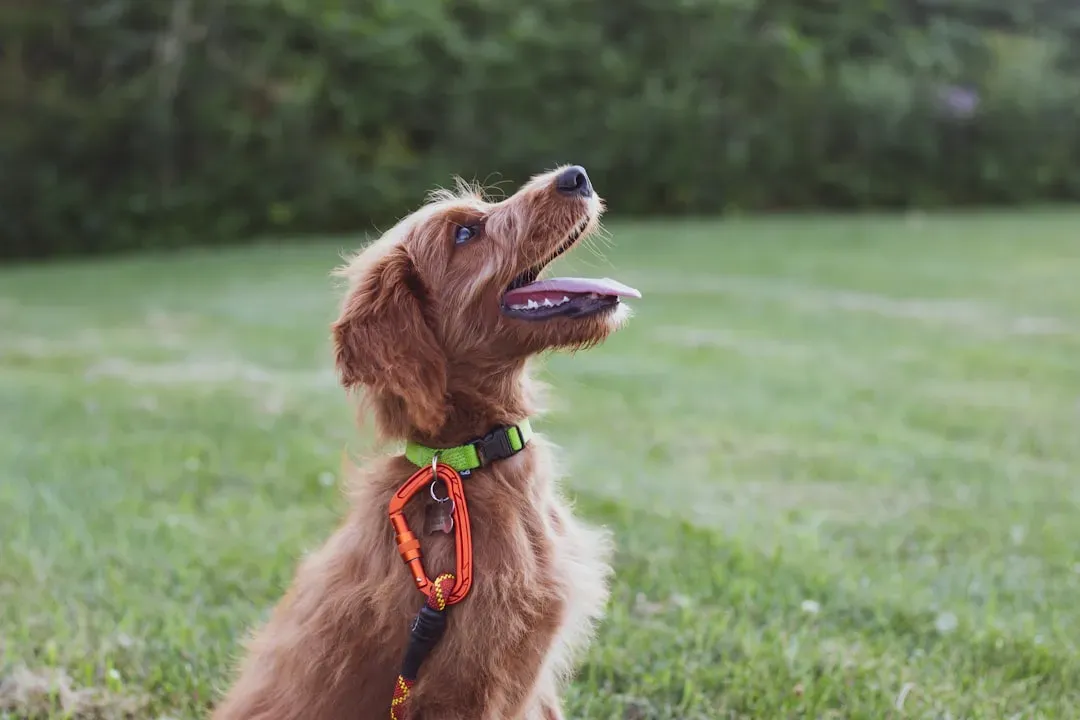
One day you let Fido on the couch during movie night. Next day, you shoo them off. That flip-flopping teaches nothing but opportunism. Dogs thrive on clear boundaries.[2]
Family members must align too. If kids pet jumping dogs while you don’t, chaos reigns. Consistency turns naughty pups into pros overnight.
Here’s the thing. Inconsistency feels fair to us but baffles them. Pick one rule, stick to it, and harmony follows.
Jumping Turns into a Greeting Habit
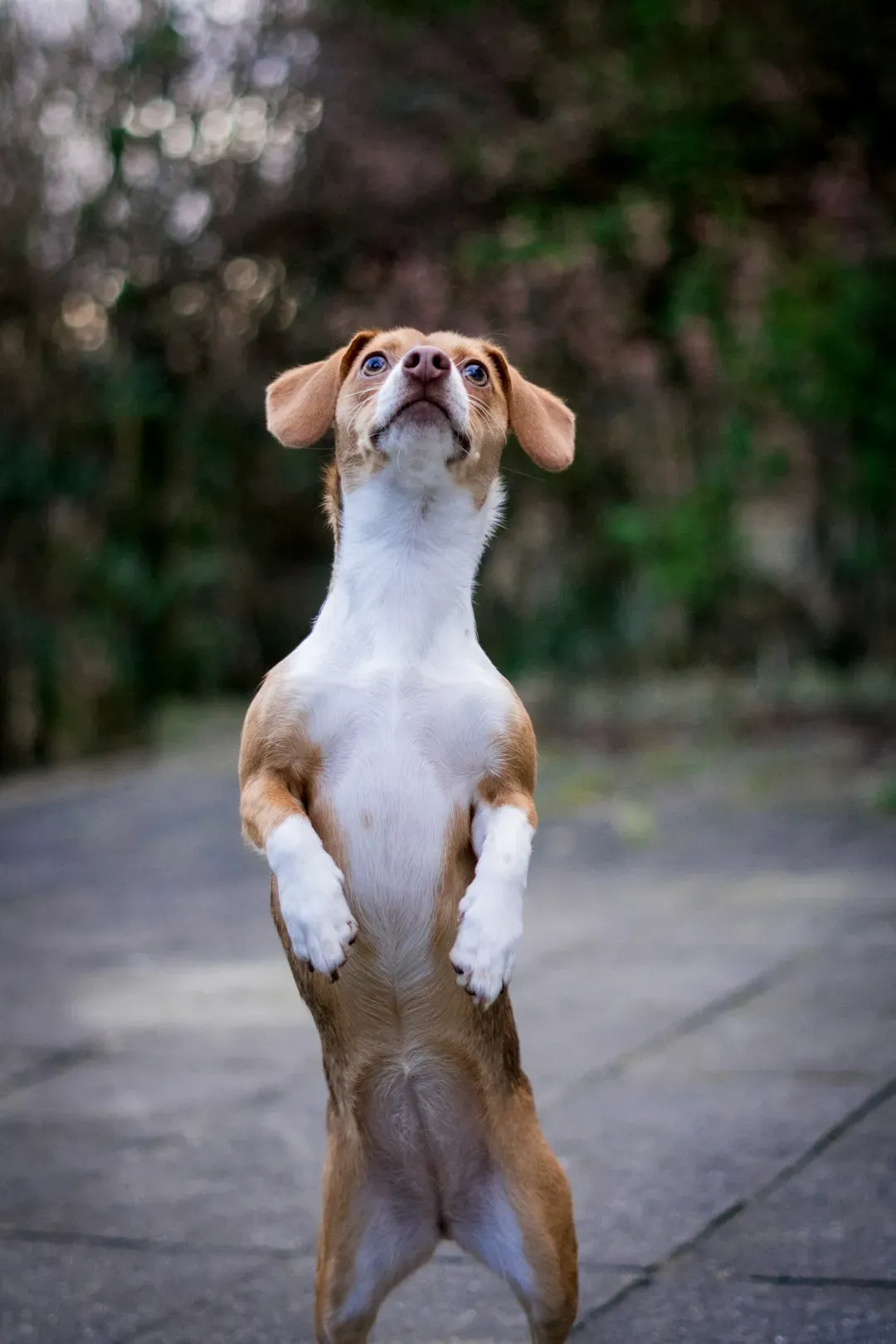
Puppies leap for face licks, mimicking wild greetings. Allow it once, and it sticks as your “hello.” Even knee nudges count as wins for them.
However, turning away works wonders. No touch, no talk, no eye contact until all paws hit the floor. Reward that four-on-the-floor stance lavishly.[2]
Small dogs get picked up often, fueling demands. Set them down, teach sits. Patience pays off with polite puds.
Picture a world where greetings stay grounded. Yours can be that story.
Decoding That Intense Dog Stare
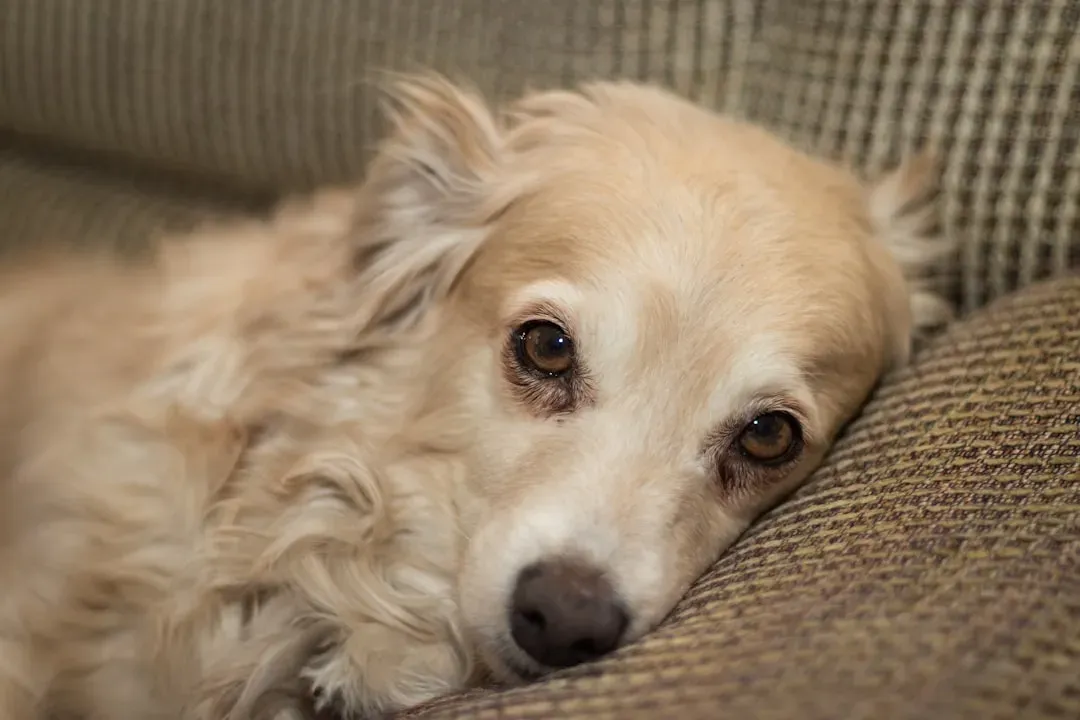
Your dog locks eyes after mischief, like counter surfing. Seems apologetic, right? Actually, they’re checking for your reaction, often fishing for play or forgiveness.[3]
Stares signal many things. Seeking approval in training, or stress if too intense. Context matters, like tail wags or stiff posture.
For nervous dogs, forced eye contact spikes anxiety. Let them glance naturally. Build trust softly.
The Bonding Magic of a Soft Gaze
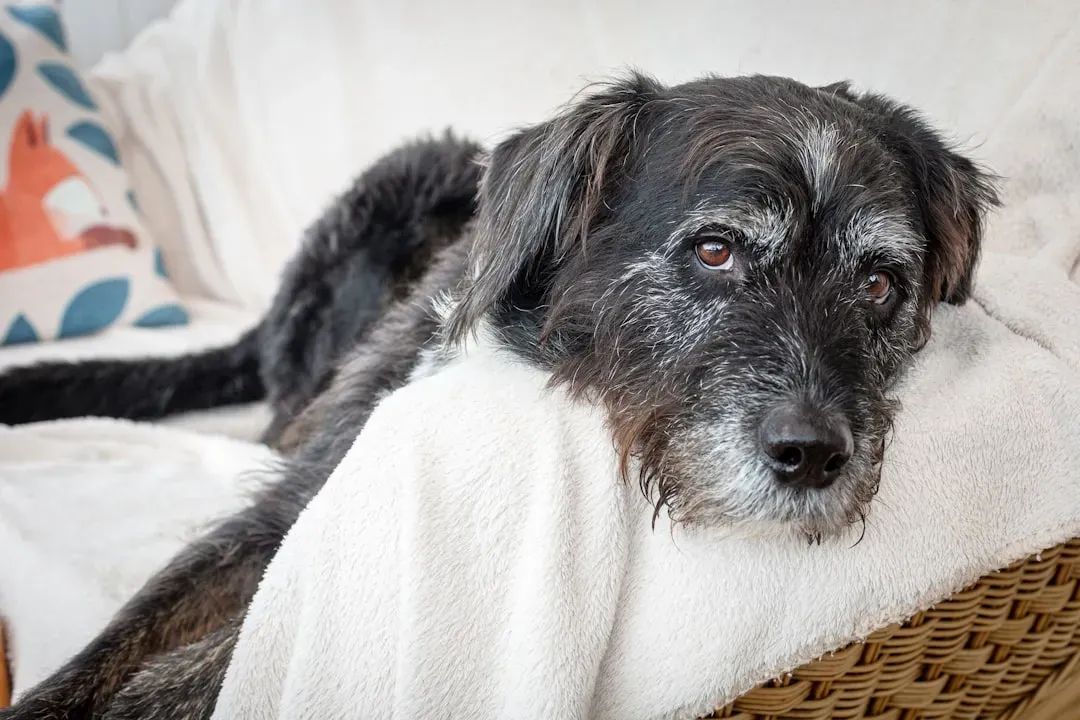
A gentle shared look boosts oxytocin in both of you, like mom-baby bonds. It strengthens your pack tie. Use it wisely during calm training.[4]
Yet, demanding stares backfires. Dogs avert eyes under pressure, signaling discomfort. Reward voluntary peeks instead.
I know it sounds crazy, but science backs this feel-good loop. Harness it for focus without force. Your dog will gaze more willingly.
Train by treating brief looks, building duration. Pure connection gold.
Redirecting for Lasting Change
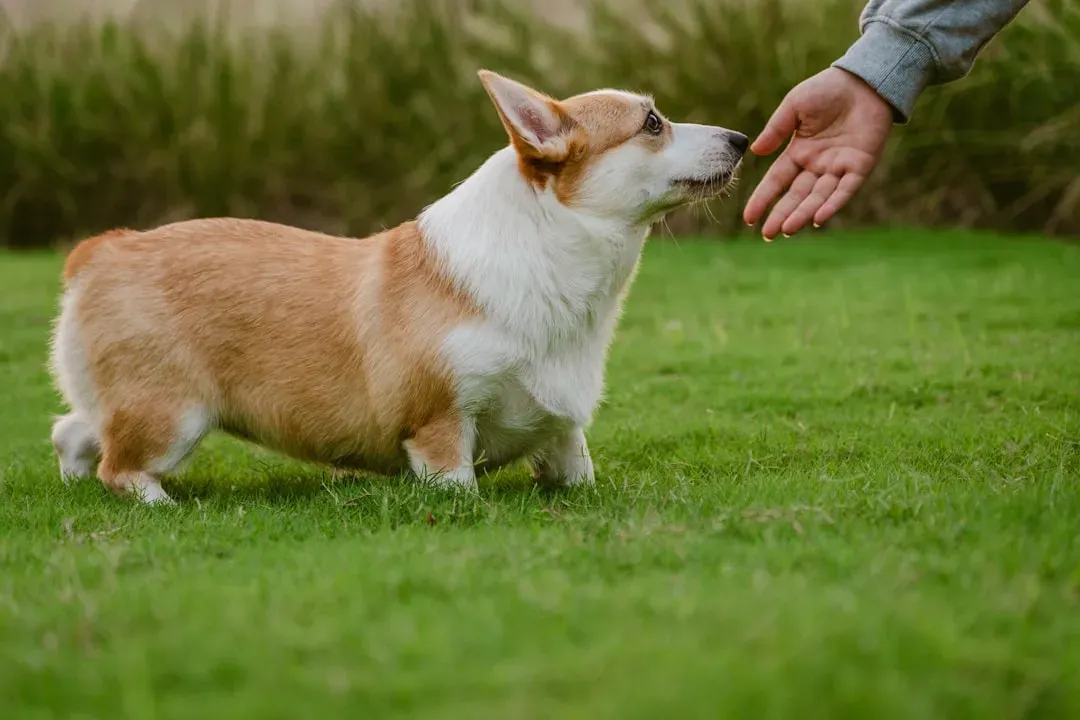
Catch bad behavior brewing? Interrupt gently, guide to good choices like “sit.” Reinforce heavily with praise or toys.
Positive vibes trump punishment. Dogs repeat what pays off. Flood good moments with rewards.
Track progress weekly. Fewer naughty episodes mean you’re winning. Patience turns stares into attentive partners.[5]
Wrapping It Up: Gaze into a Better Tomorrow
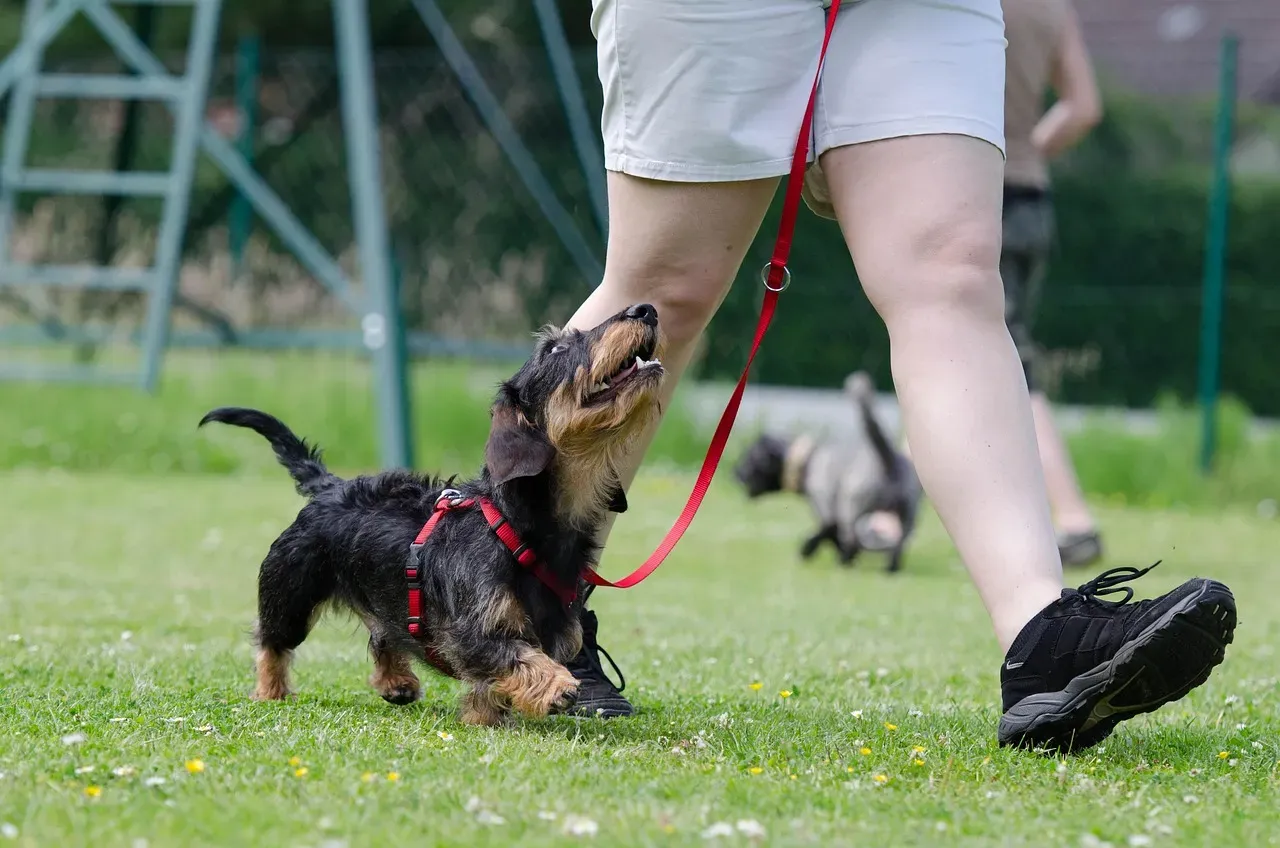
Unlocking your dog’s gaze means spotting accidental rewards and flipping the script. Consistent, calm responses build trust and curb chaos. Your bond deepens naturally.
Imagine mischief-free days ahead. What sneaky habit have you noticed in your pup? Share in the comments and let’s chat.[1]


